

Road trip in Serbia: Danube, Novi Sad, Subotica
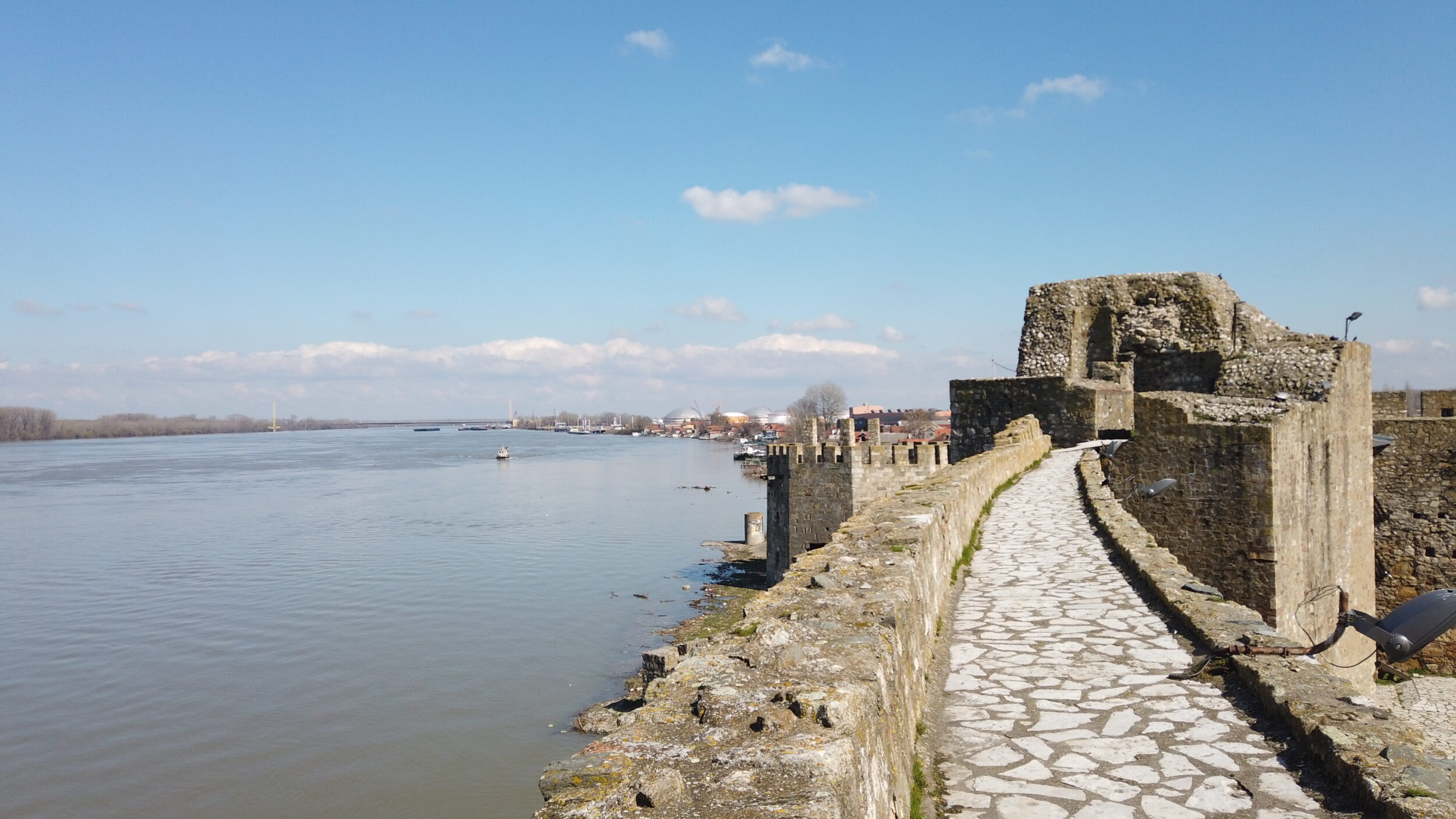
Despite my intense laziness, we still manage to go on a mini road trip in Serbia to get a rough idea of what the country looks like. Because my dream is to see the Danubeagain. When I was little, my grandfather’s favorite piece was “The Blue Danube” and he would ask me to play it over and over, so in my head, the Danube is definitely blue. It wasn’t blue in Vienna and I blame pollution, but here, it must be blue, right? I need to go see it ASAP.
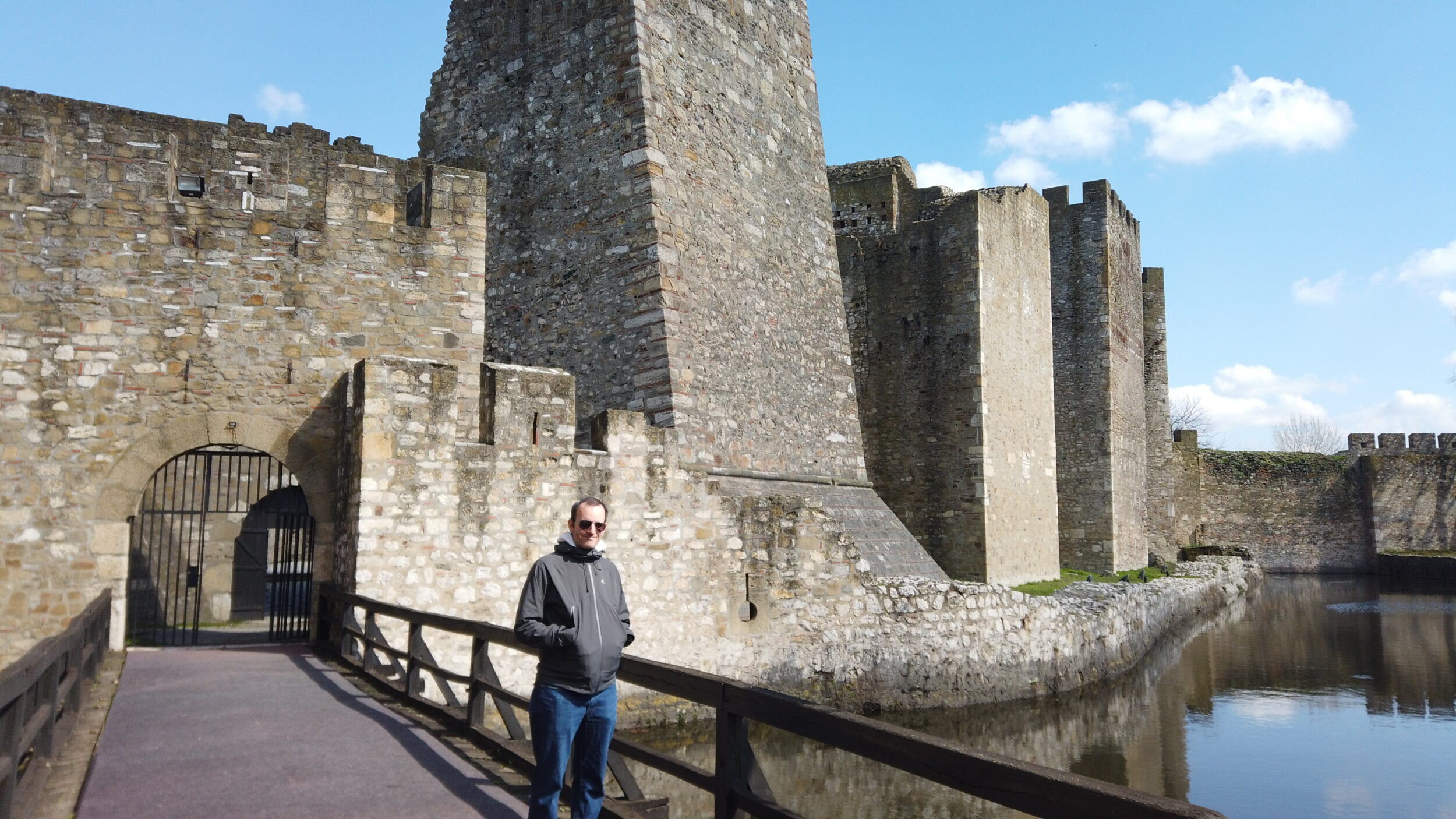
Smederevo Fortress
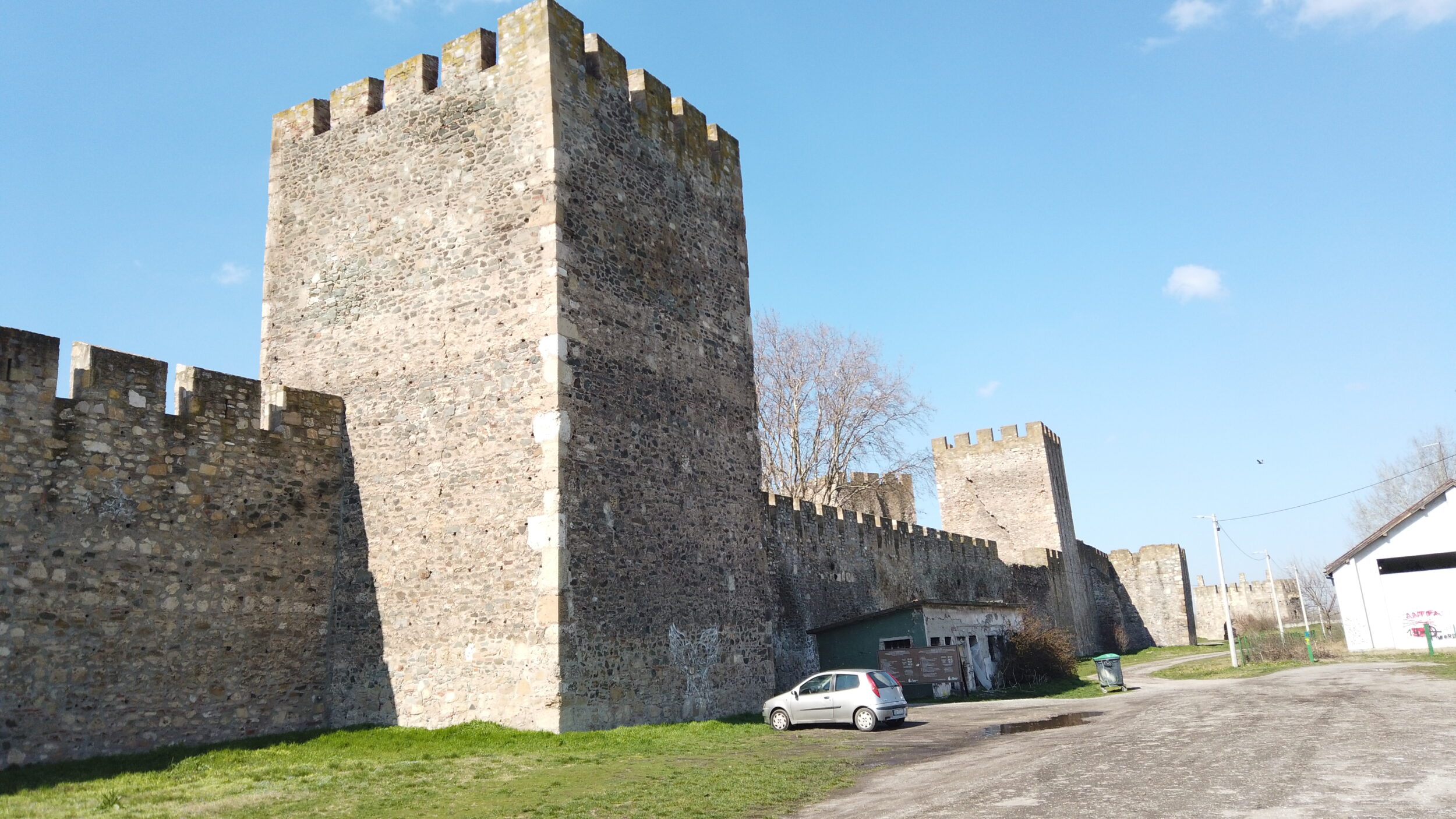
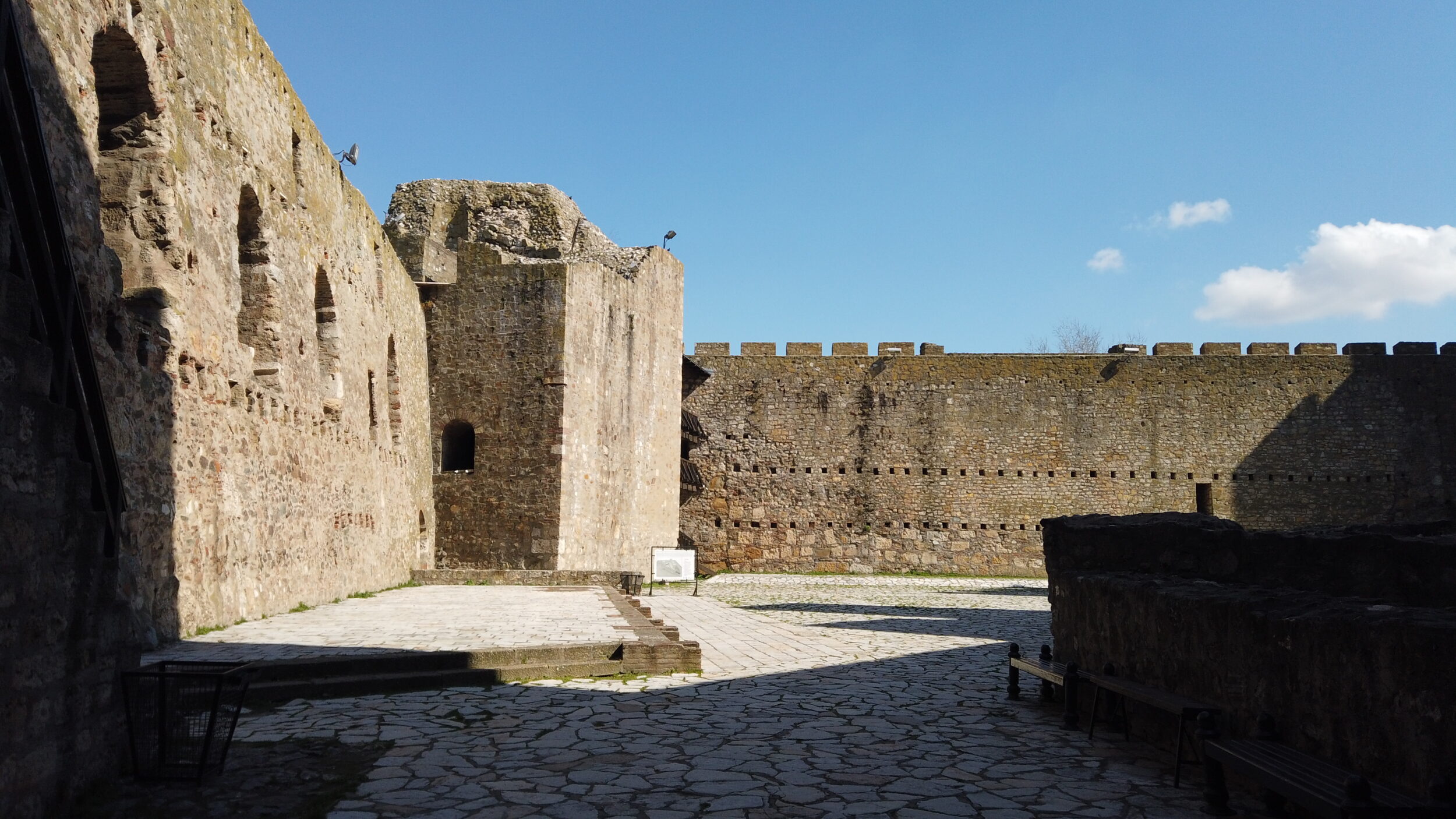
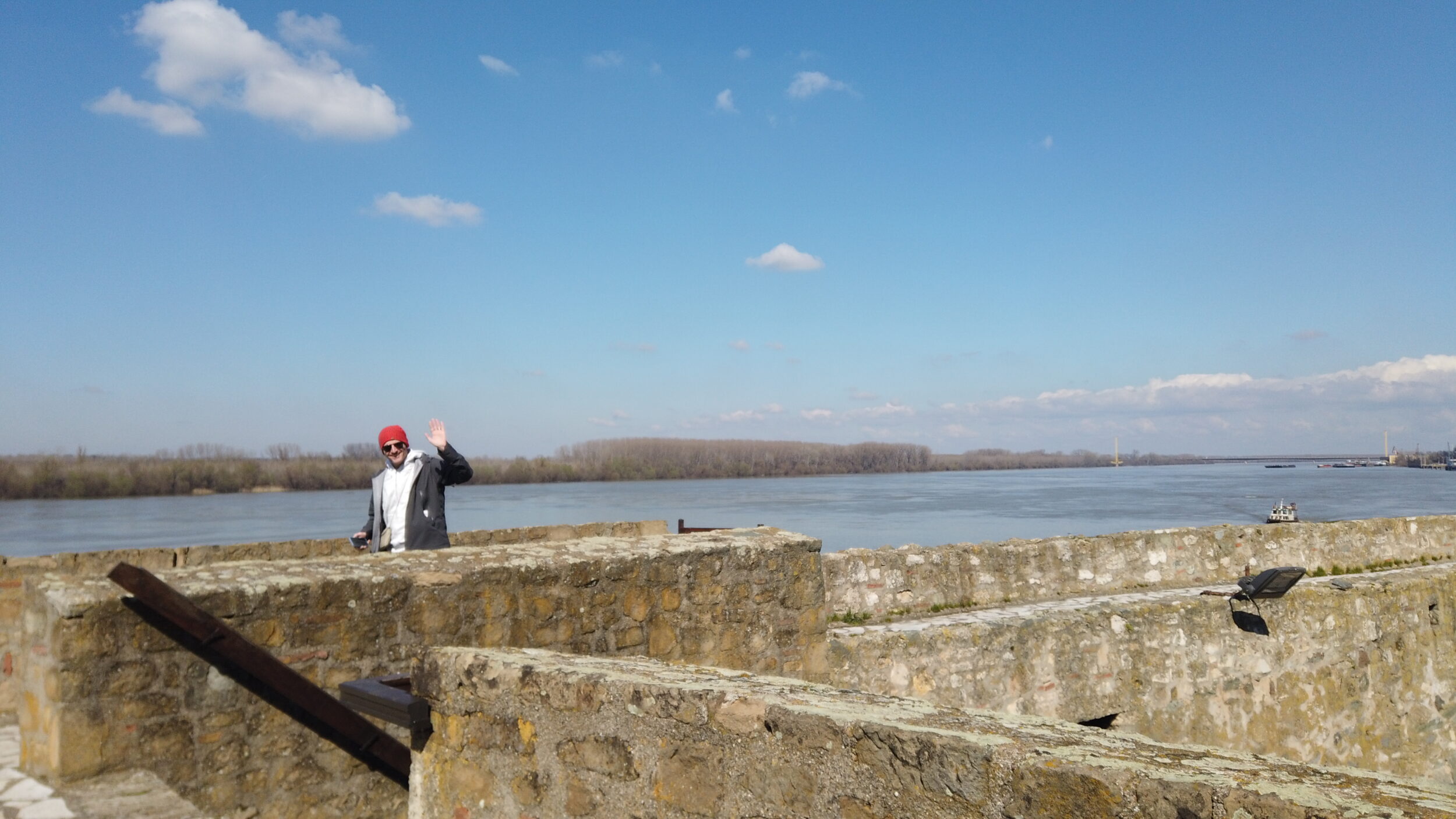
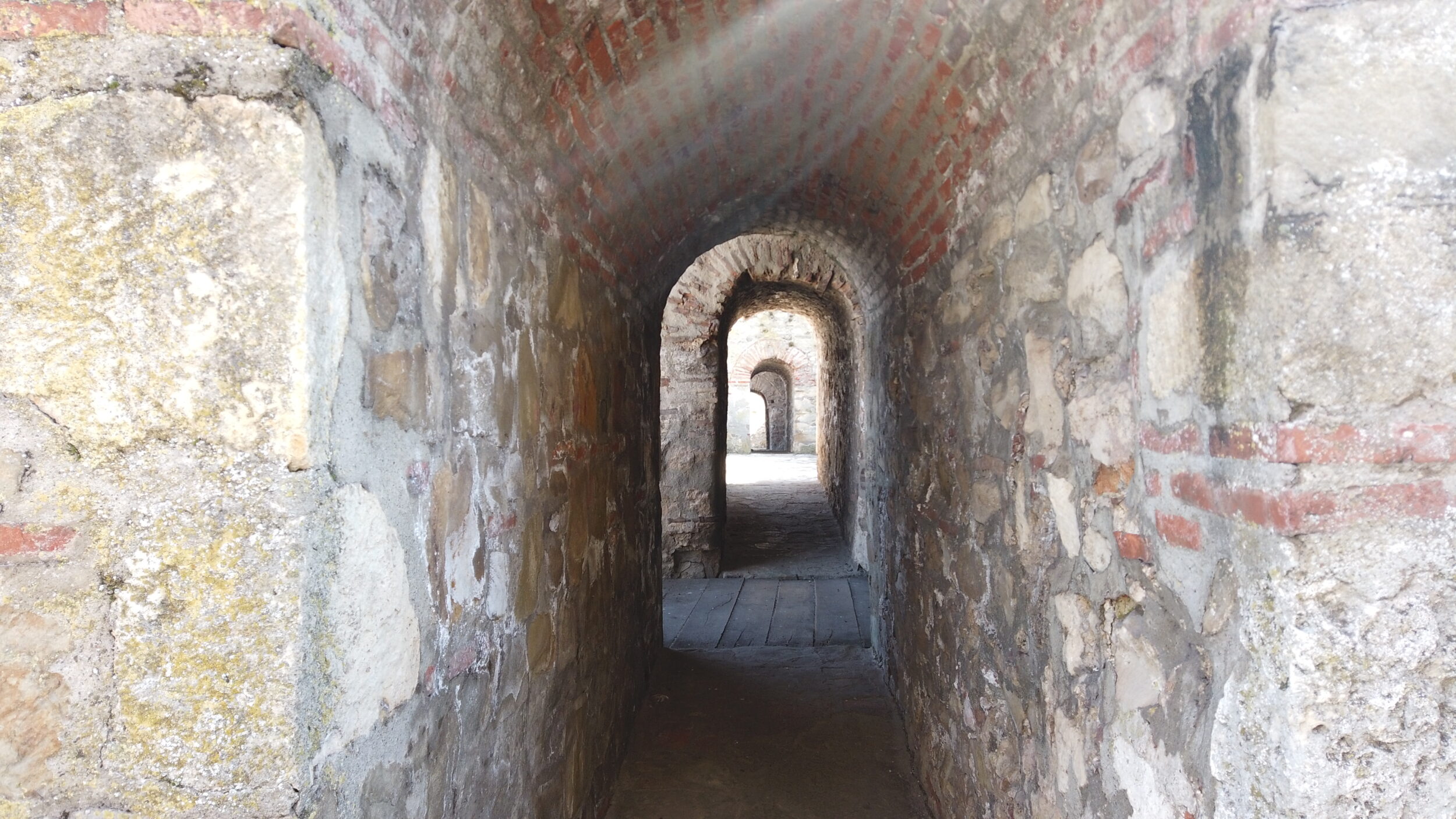
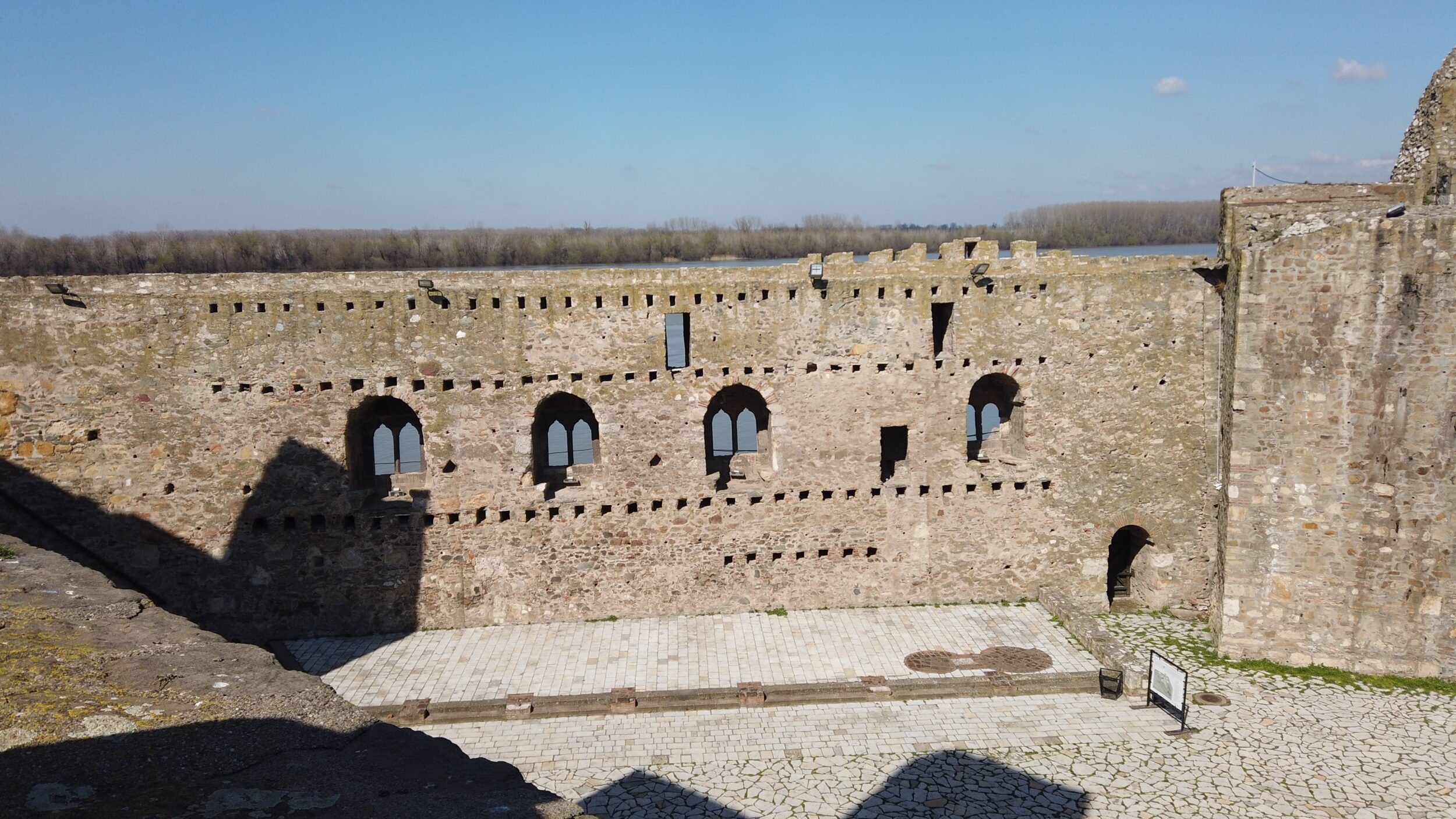
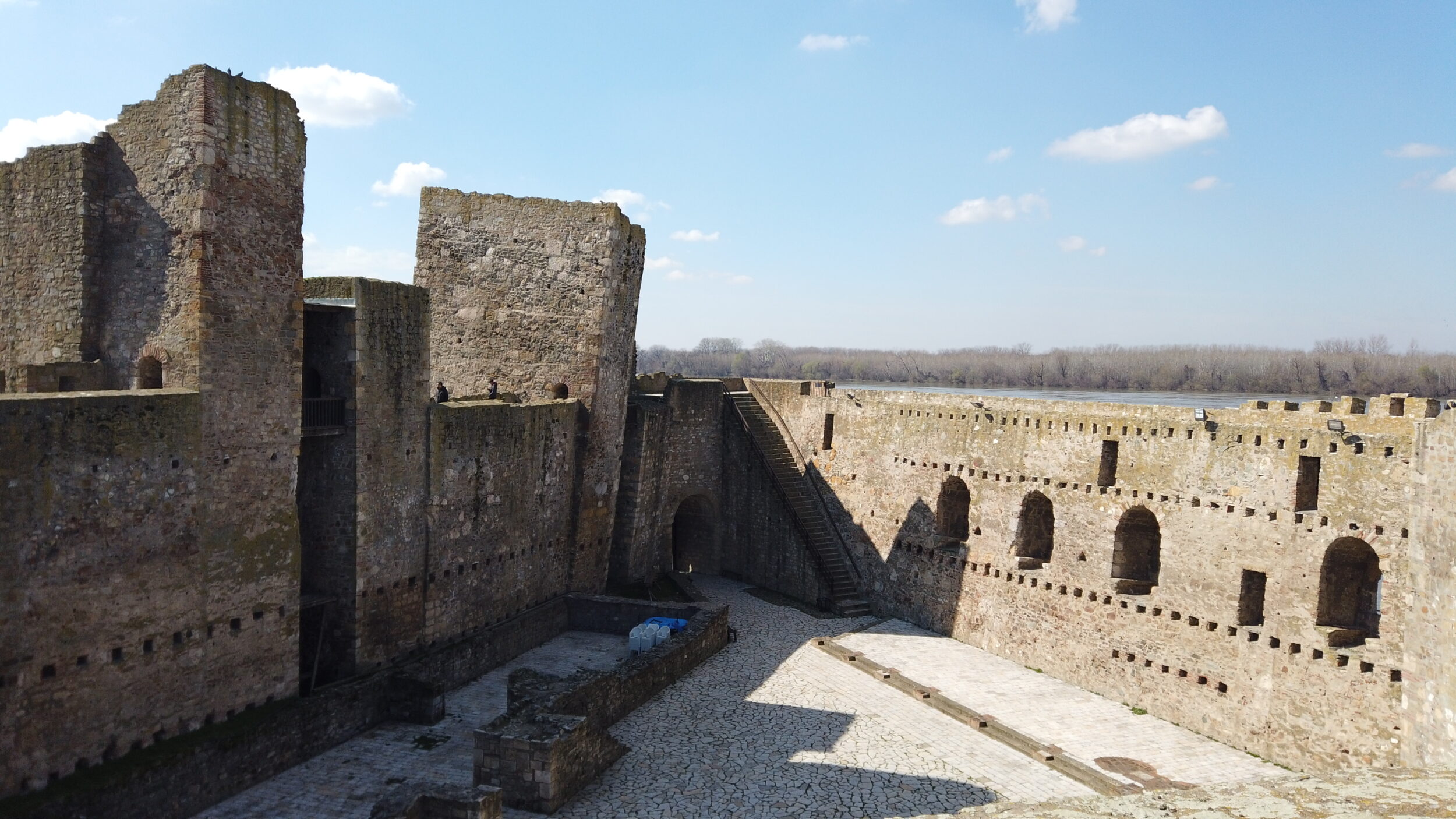
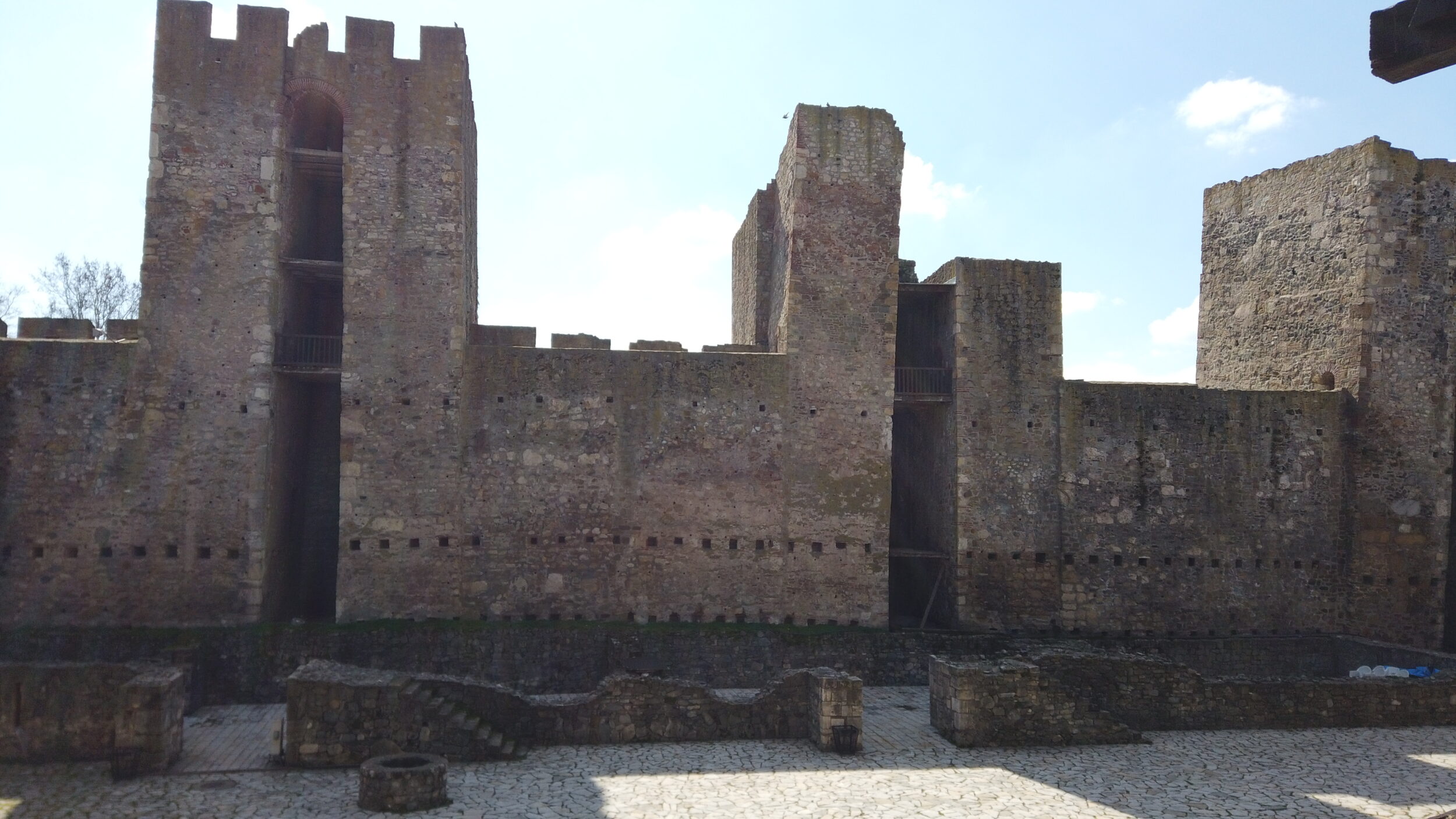
The fortress of Smederevo is one of the most important and best-preserved medieval fortifications in Serbia. It is located in the town of Smederevo, about 45 km from Belgrade, at the confluence of the Jezava River and the Danube. The fortress was built in the early 15th century (between 1427 and 1430) by Đurađ Branković, who was the ruler of Serbia at the time.
This fortress is particularly remarkable for its size and strategic location, serving to protect the Serbian capital against Ottoman invasions. The Smederevo Fortress was an important defensive bastion until the fall of Serbia under Ottoman rule in 1459.
Instead of following the Danube, I make the huge mistake of wanting to go to Ледени видиковац, a viewpoint overlooking a meander. But we don’t have enough time to get there, so we stop at a closer spot (Uvac Lake). It’s much uglier and not worth the big detour (and the cold) at all. I think it’s worth it if you’re on the way to Montenegro, but otherwise, keep following the Danube, it’s more interesting. It’s a planning mistake on my part, because we already visited the Tara Gorge region in Montenegro a few years ago. We should have skipped southern Serbia this time.
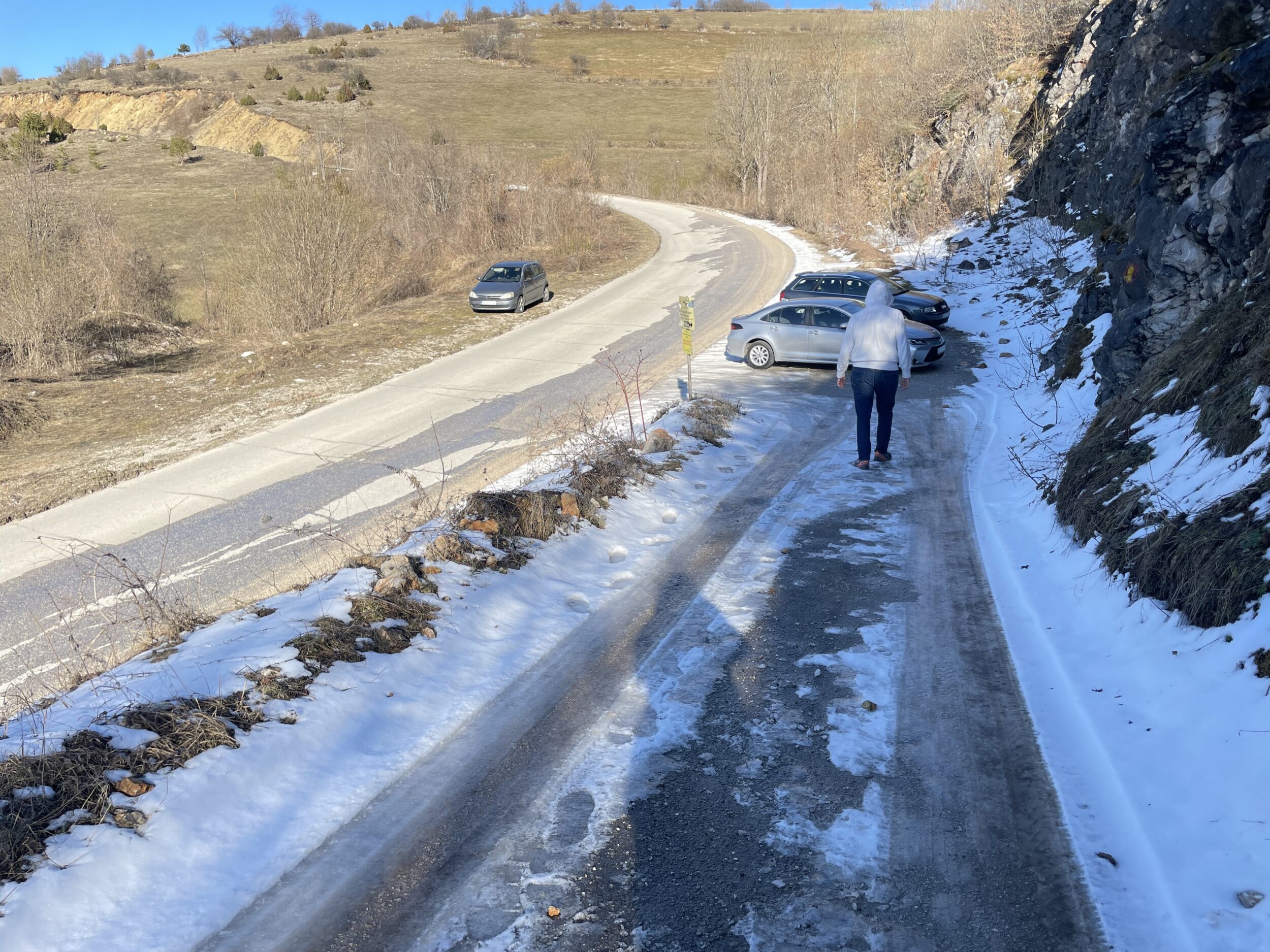
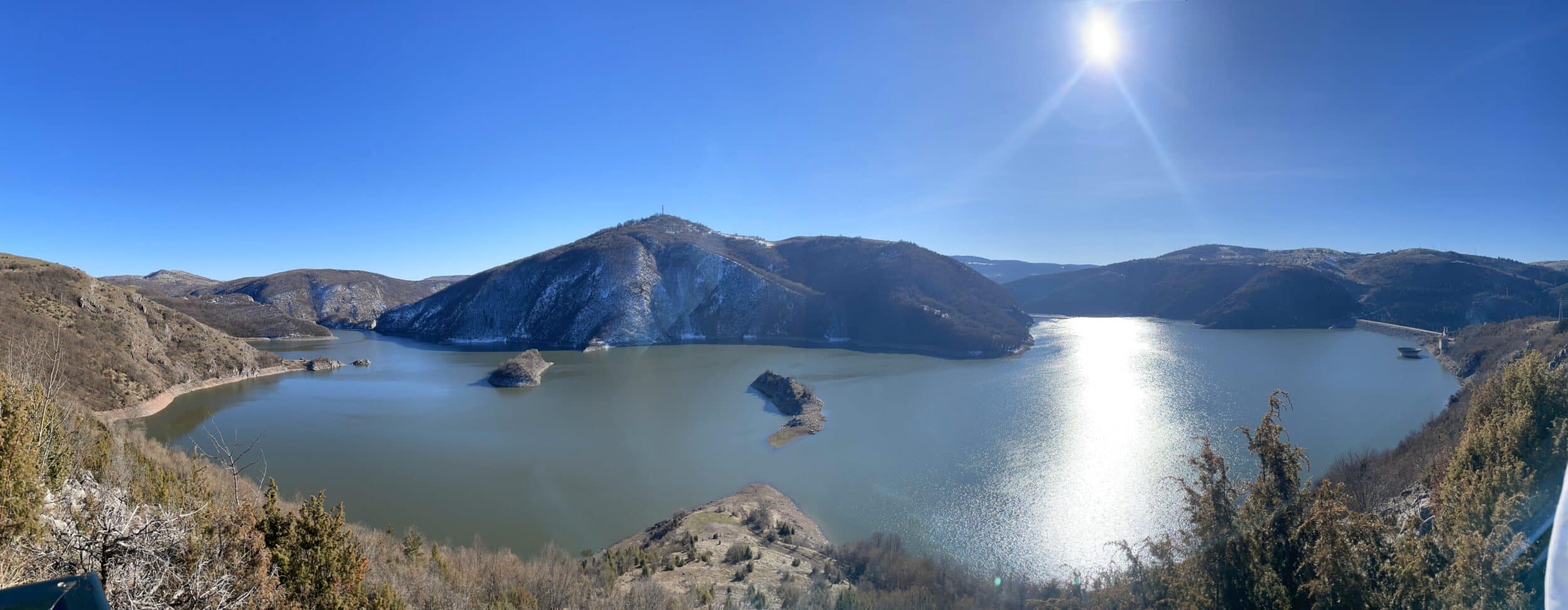
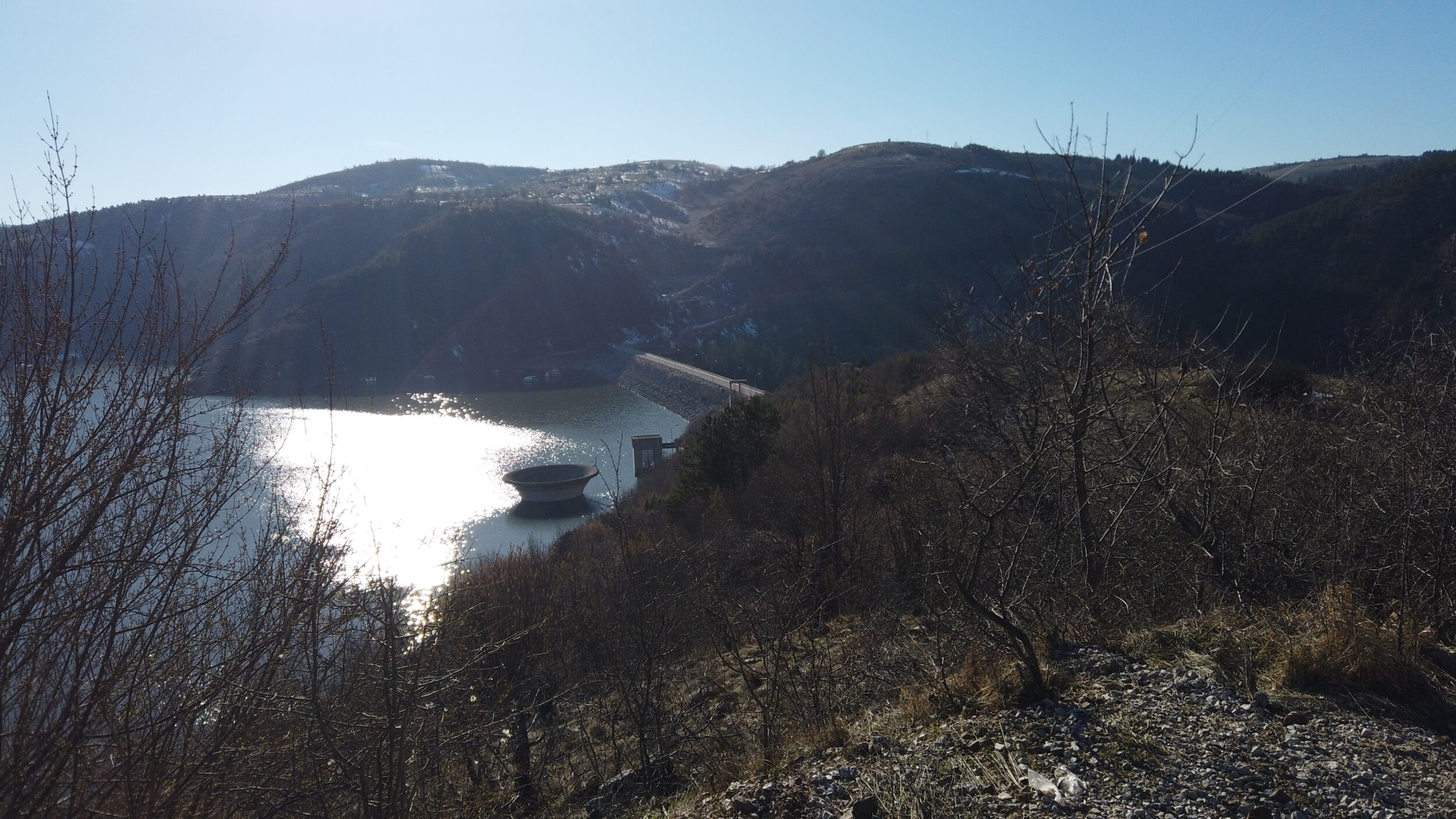
The only consolation is the scenery…
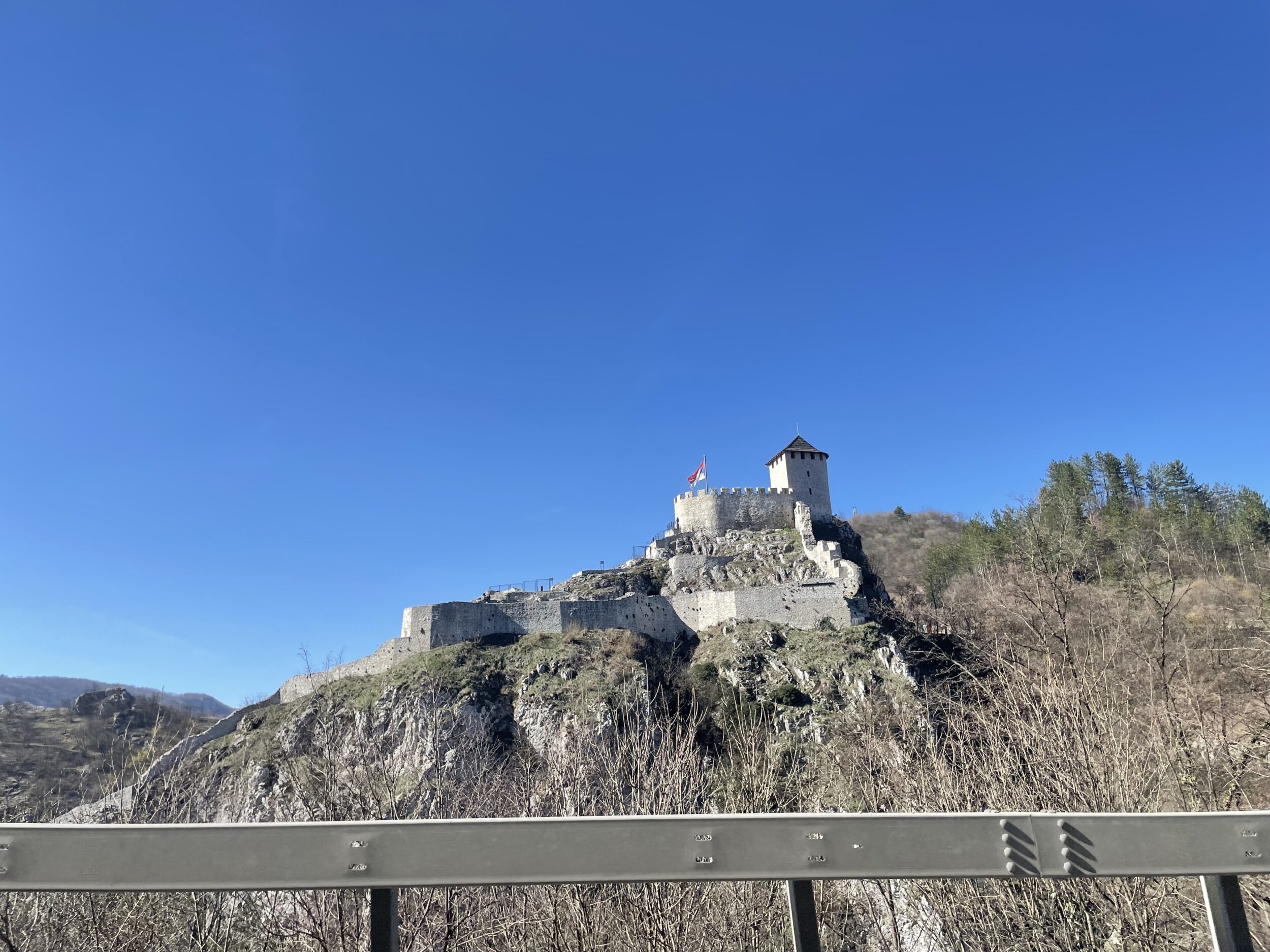
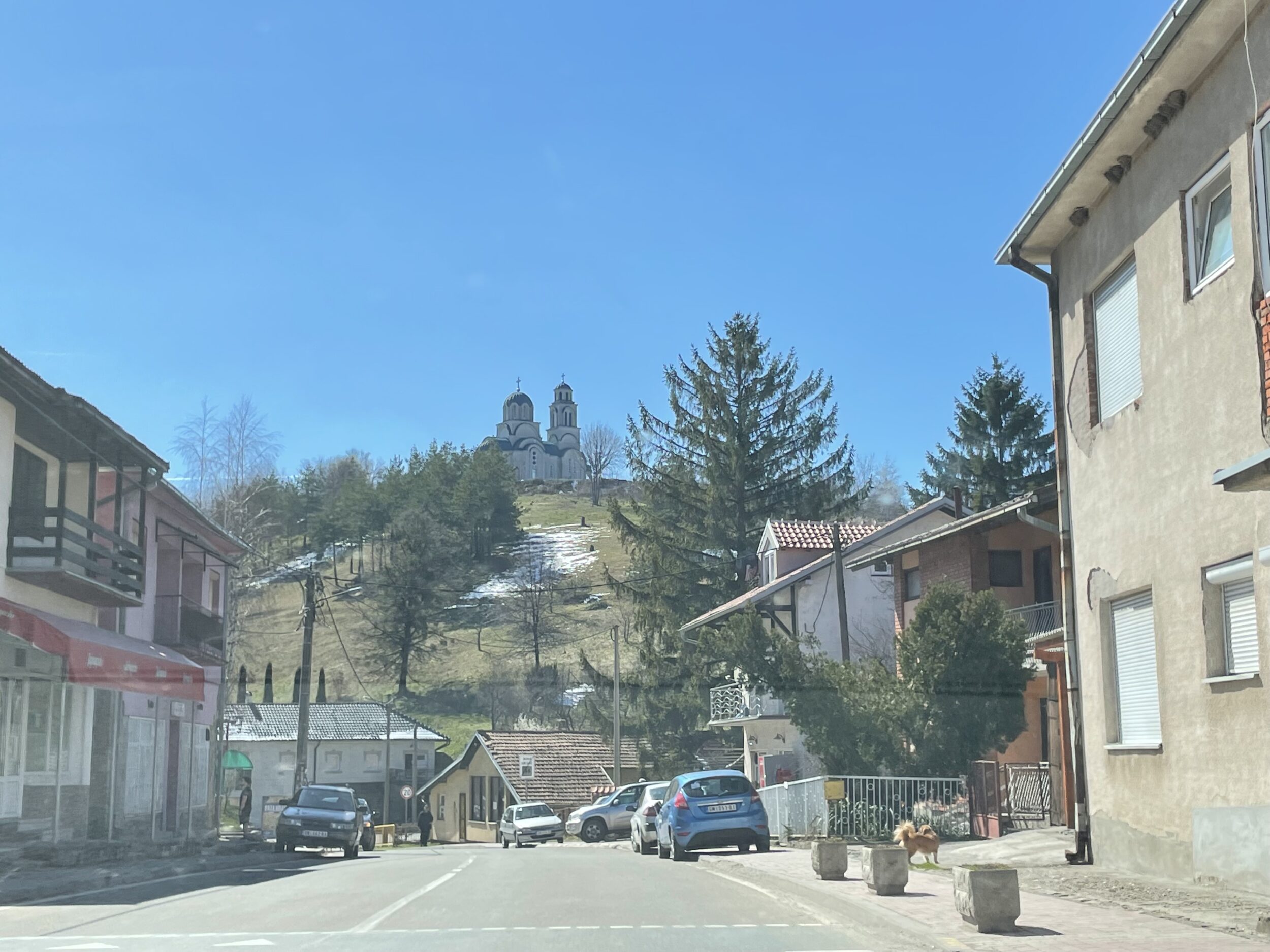
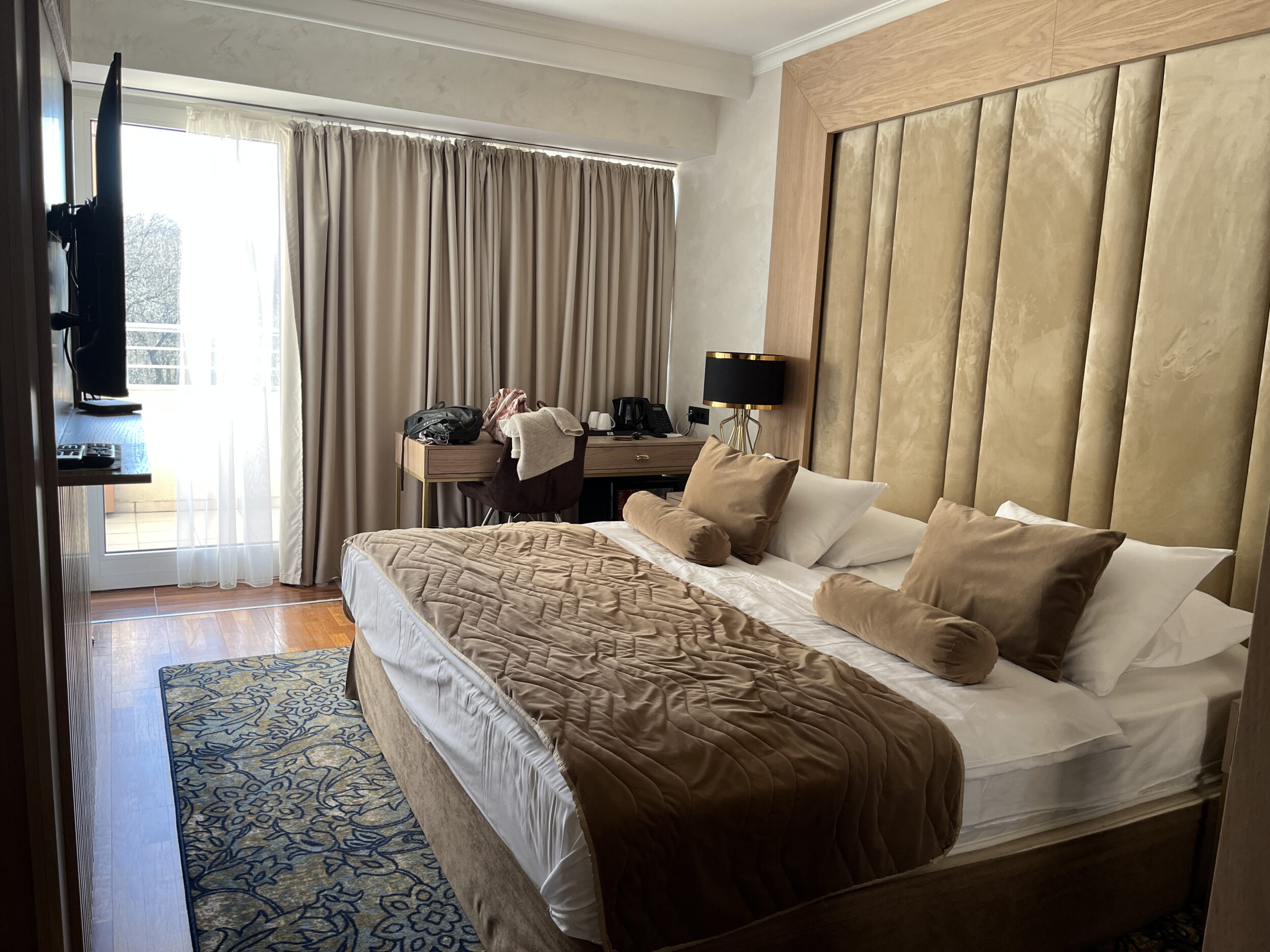
…and a great hotel (Hotel Izvor, Booking link) with a pool, sauna, hammam… it feels very Vichy, very spa town.
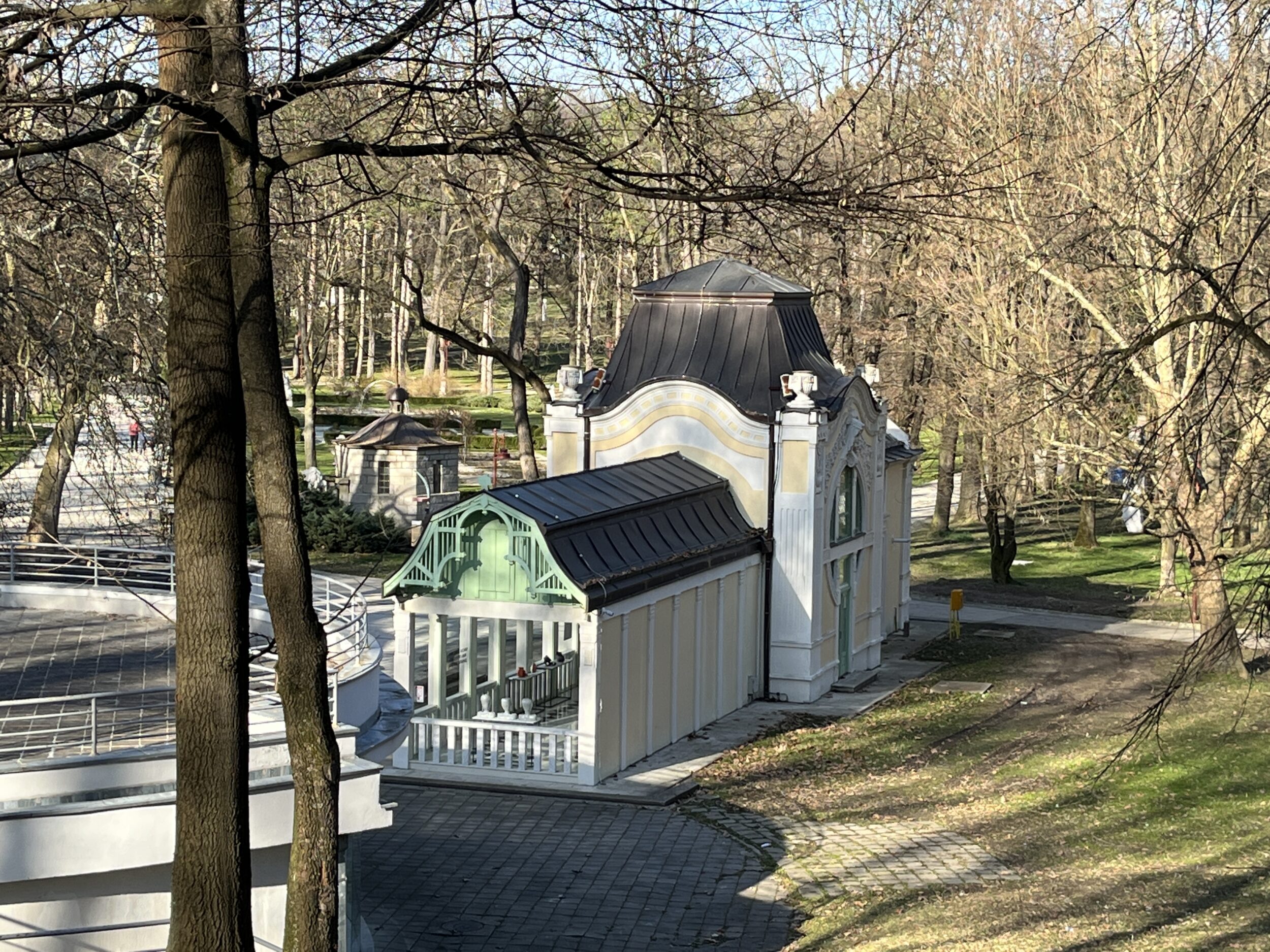
The hotel is right across from Park Bukovičke banje, where there’s a building where you can help yourself to mineral water. We tried the mineral water from there, but it doesn’t have a particular taste, I think there are just beneficial minerals for the body. We read the hotel reviews and discover that there are French people who come here every year and stay for several weeks!!! It must be the equivalent of Vichy but cheaper for them.
The following weekend, we make up for it by strictly following the Danube, which I still don’t find blue 🙁 It’s not blue here, nor in Vienna. What a disappointment!
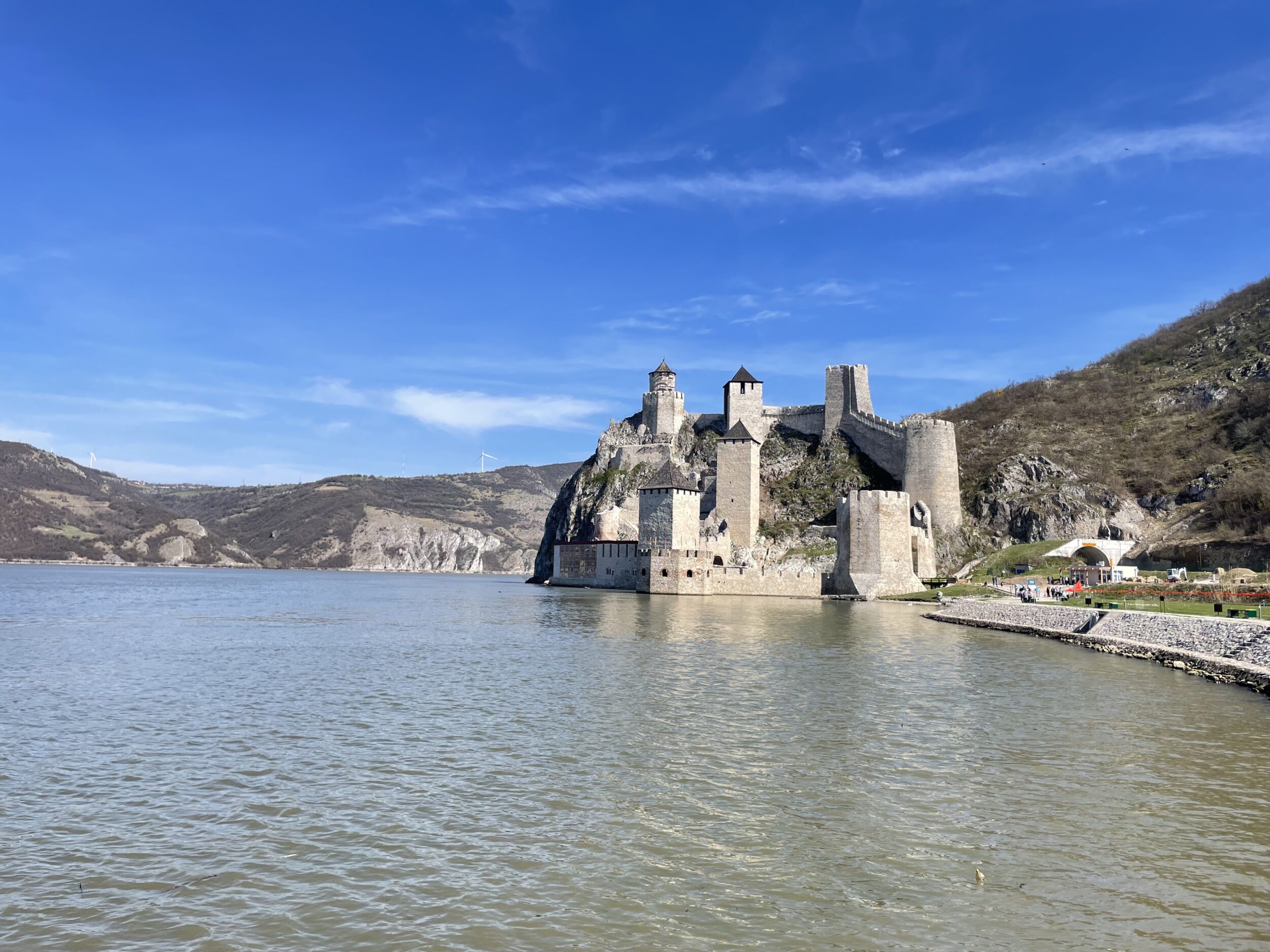
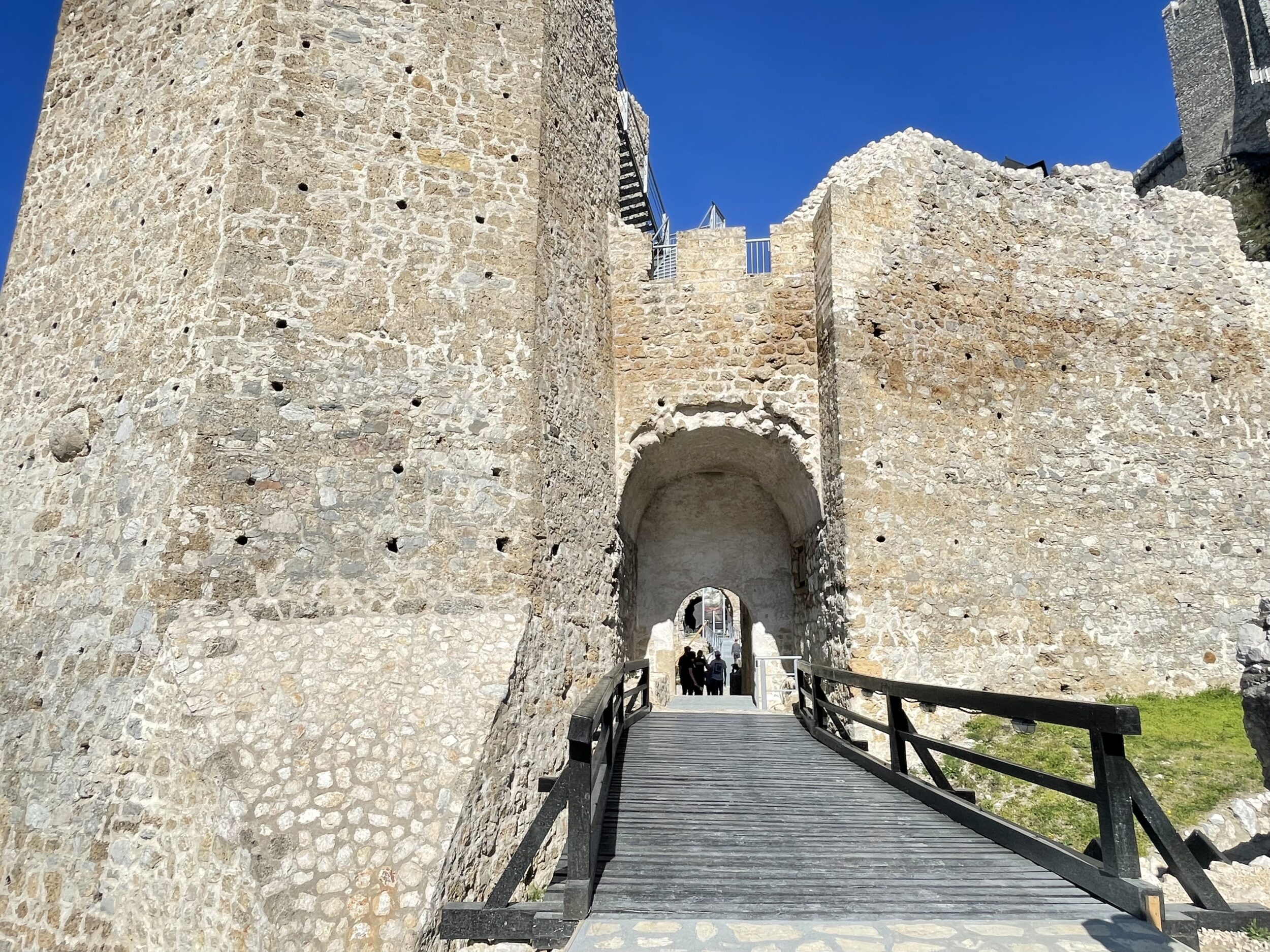
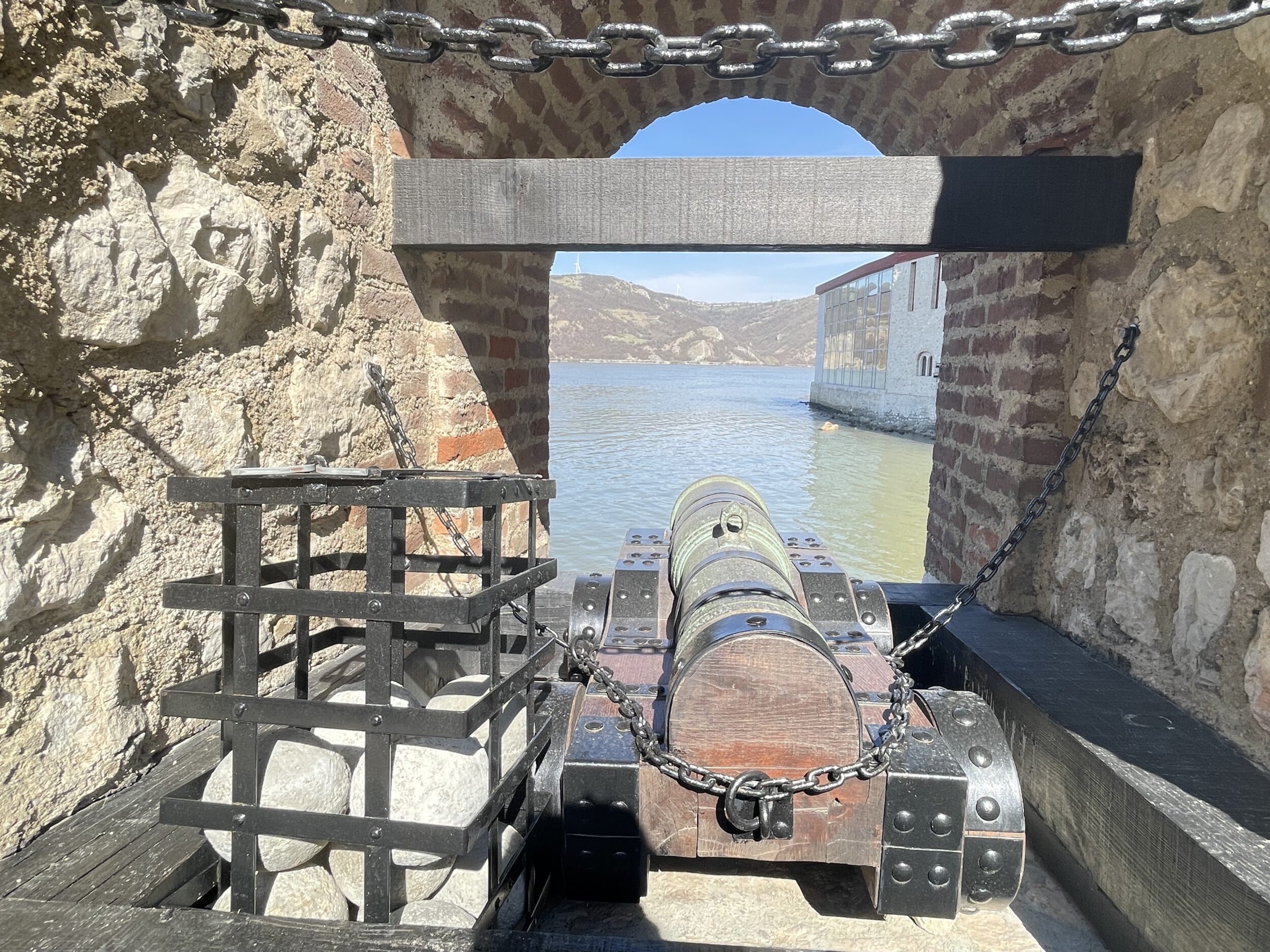
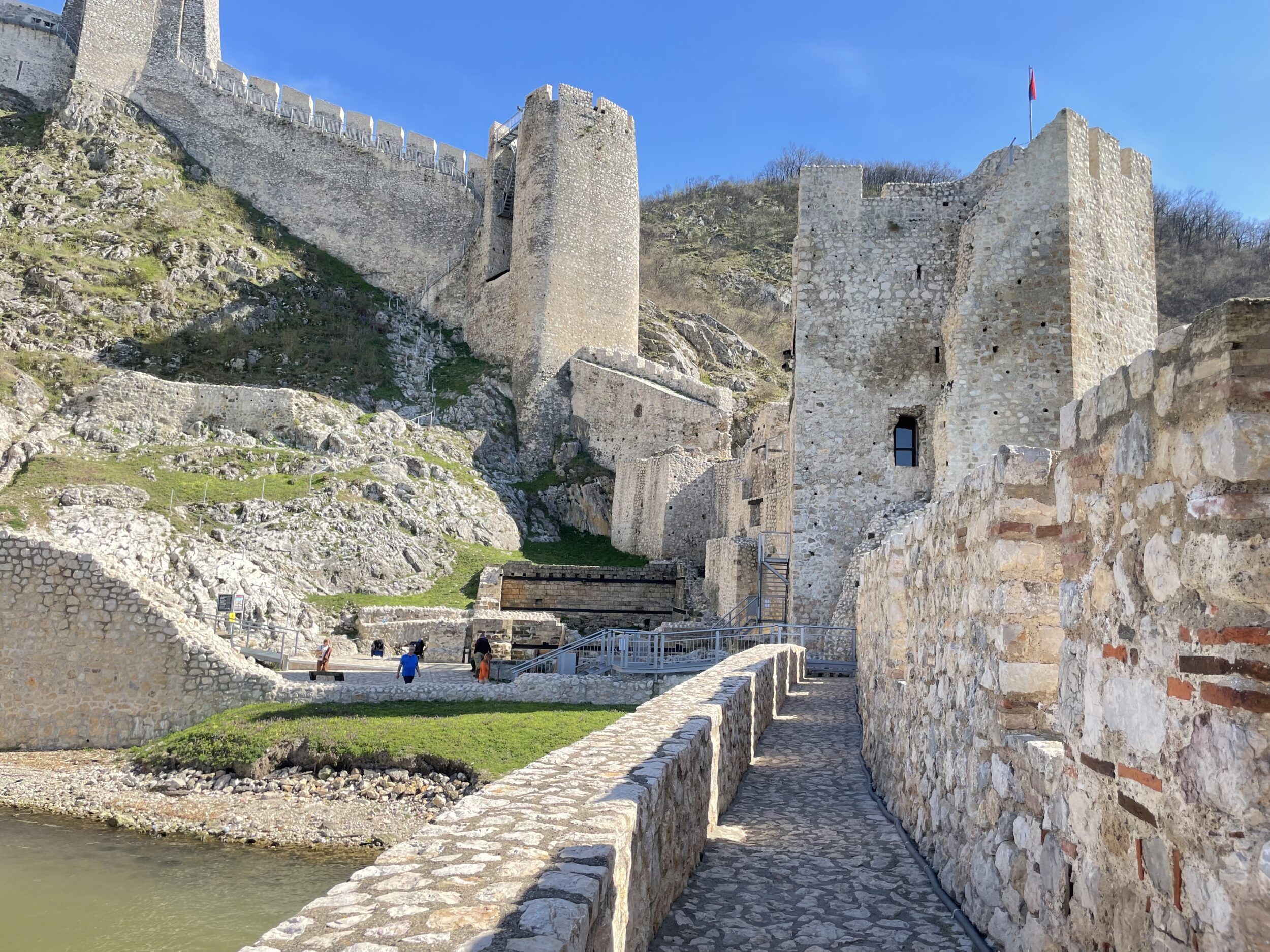
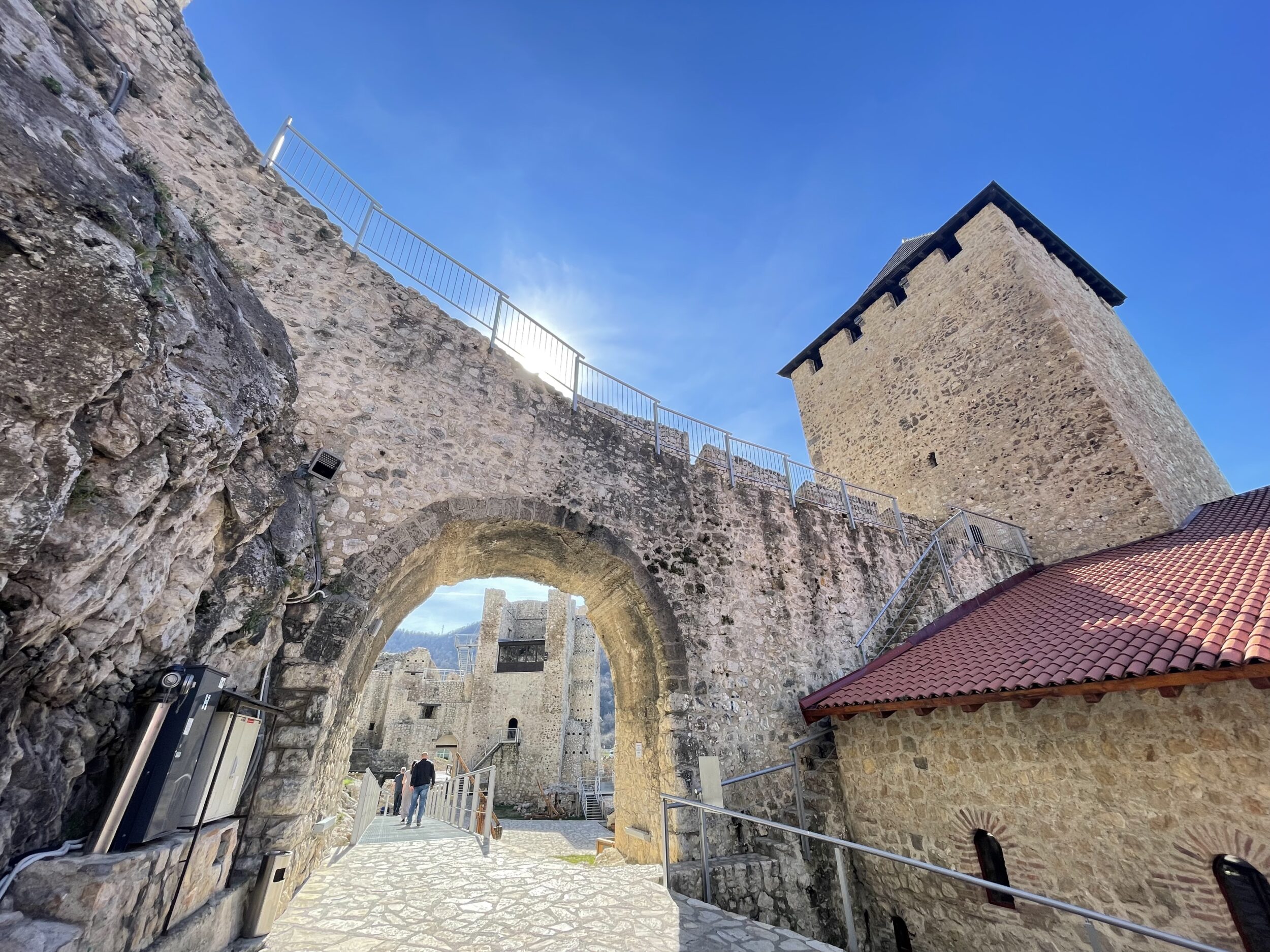
Golubac Fortress
Located on the right bank of the Danube, at the entrance to the famous Iron Gates (a narrow passage of the river through the Carpathians), the fortress forms a physical border between Serbia and Romania together with the Danube. Its location is very photogenic and its size does not go unnoticed.
Built in the 14th century, the Golubac fortress is strategically located at a key point on the Danube, which allowed it to serve as a defensive post to control river and land passages between Serbia, Hungary, and the Ottoman Empire. The fortress consists of several towers, some reaching over 20 meters high, connected by imposing walls that climb the surrounding cliffs.
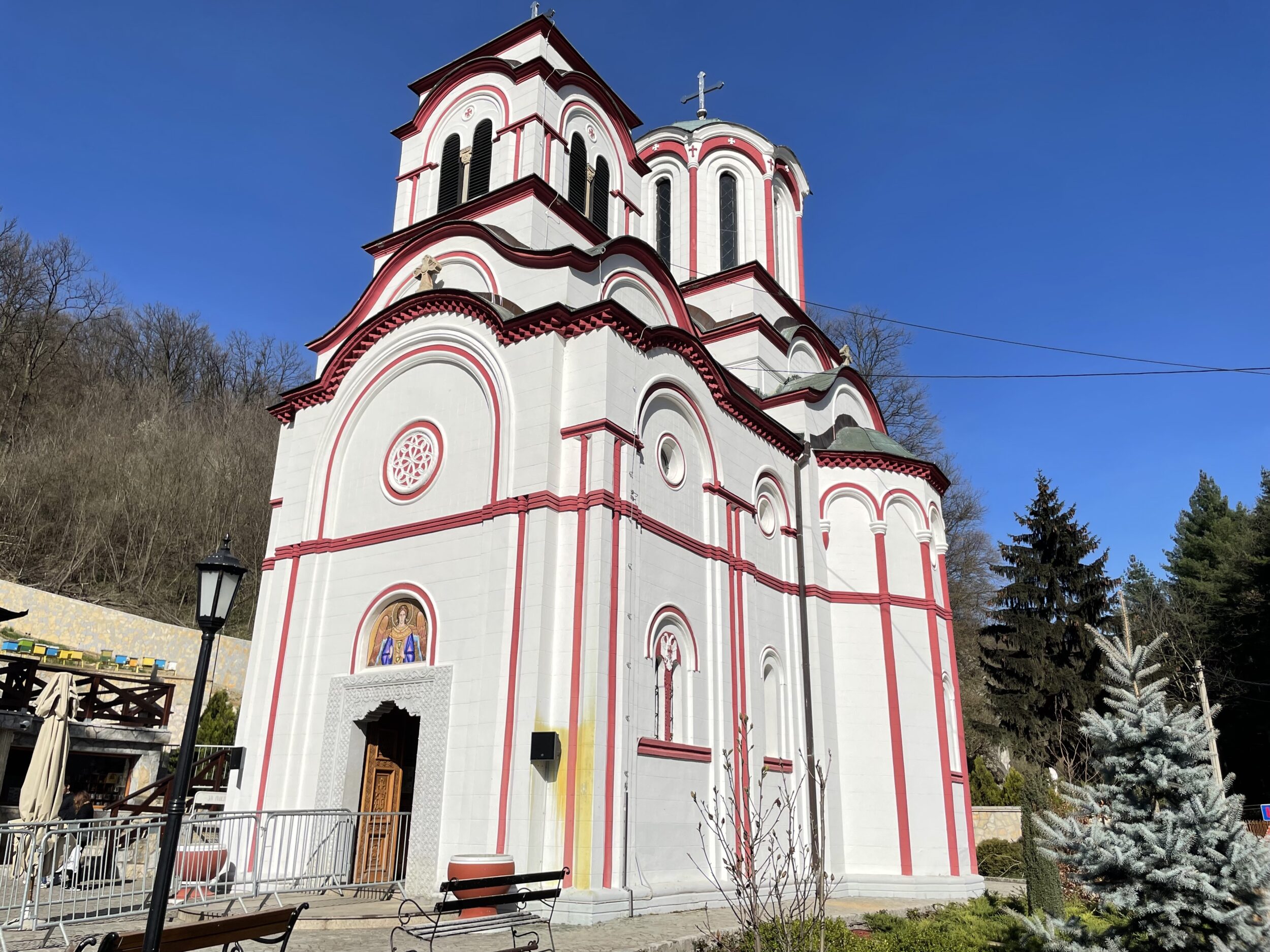
Tumane Monastery
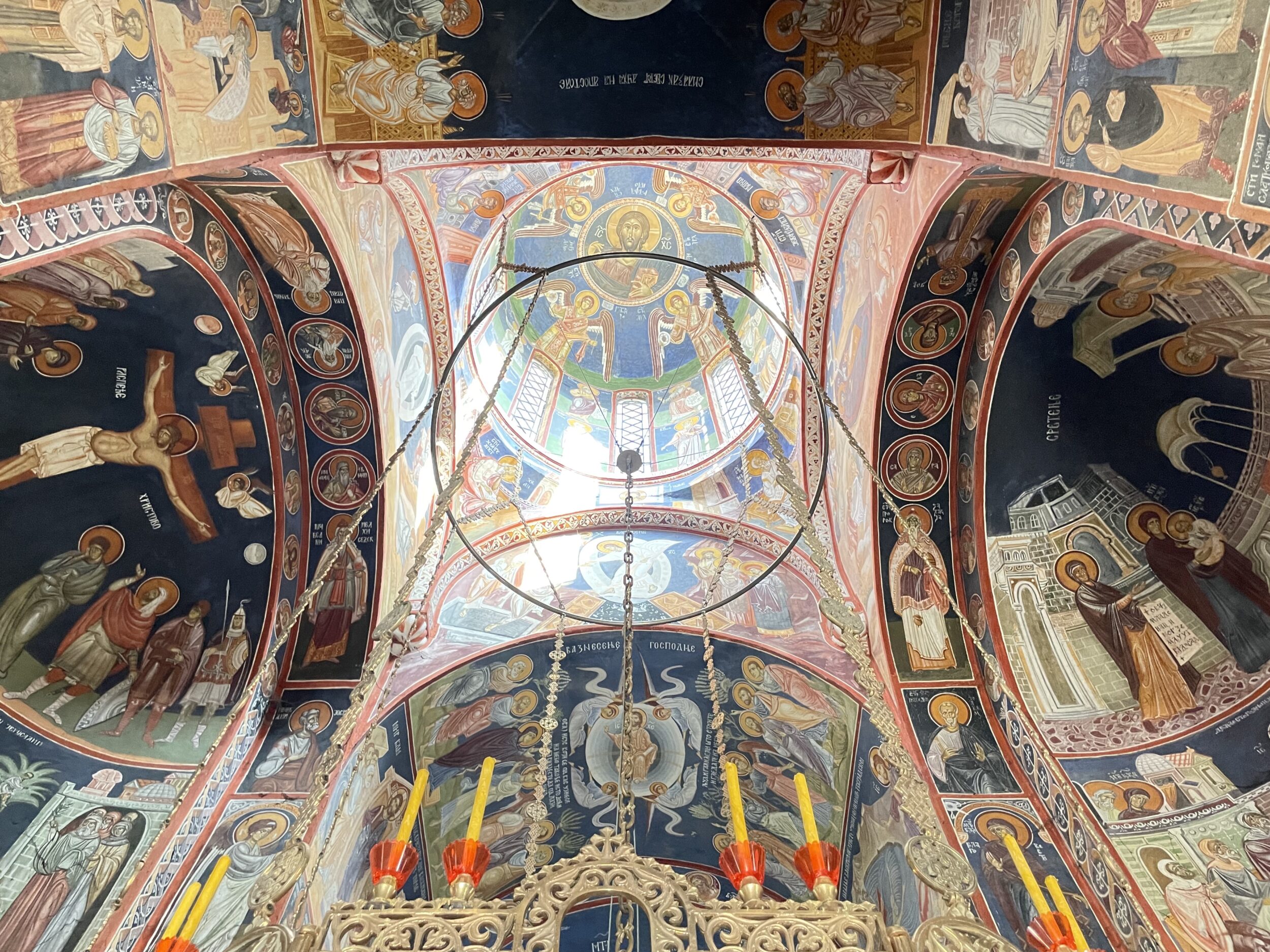
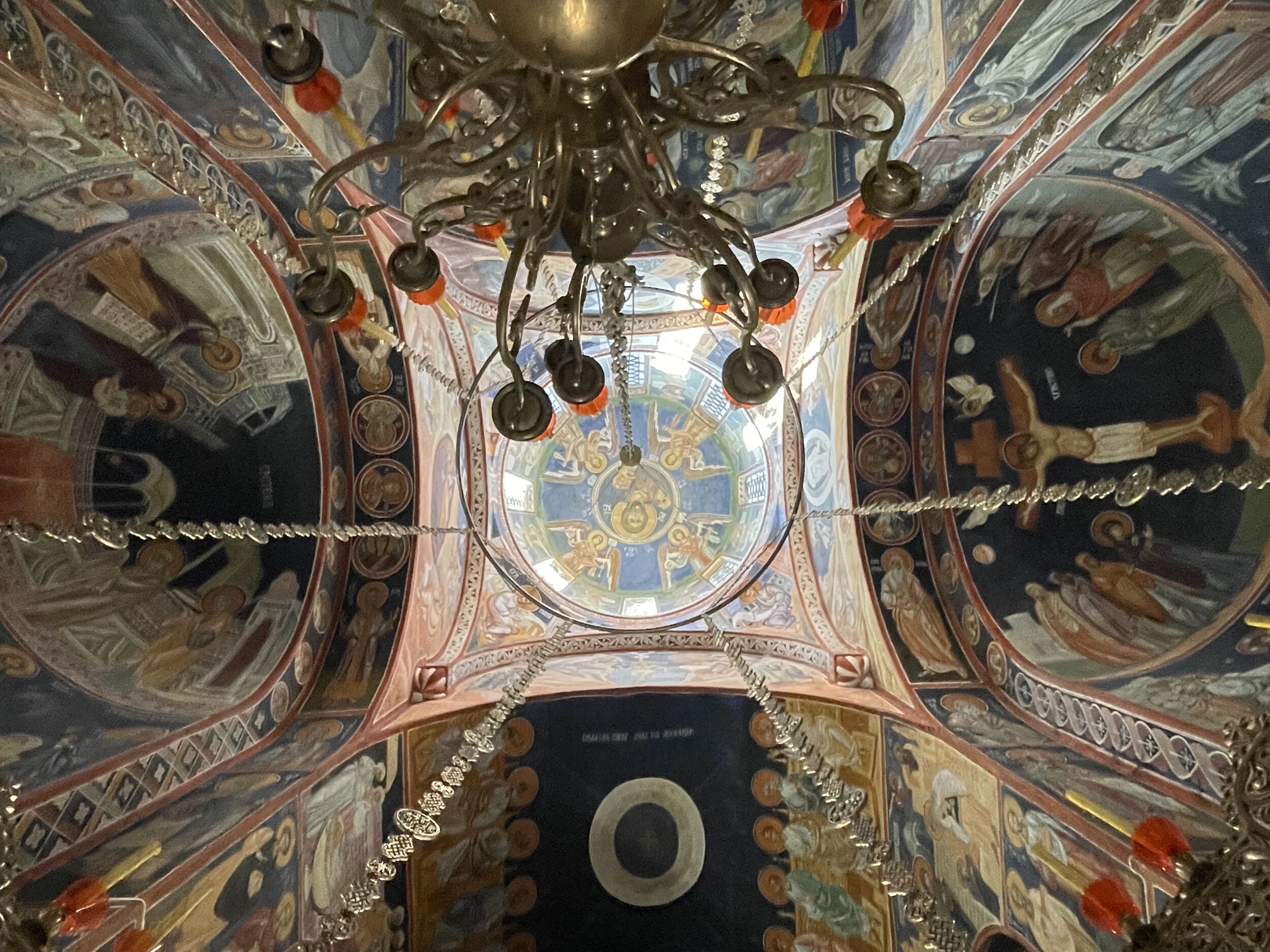
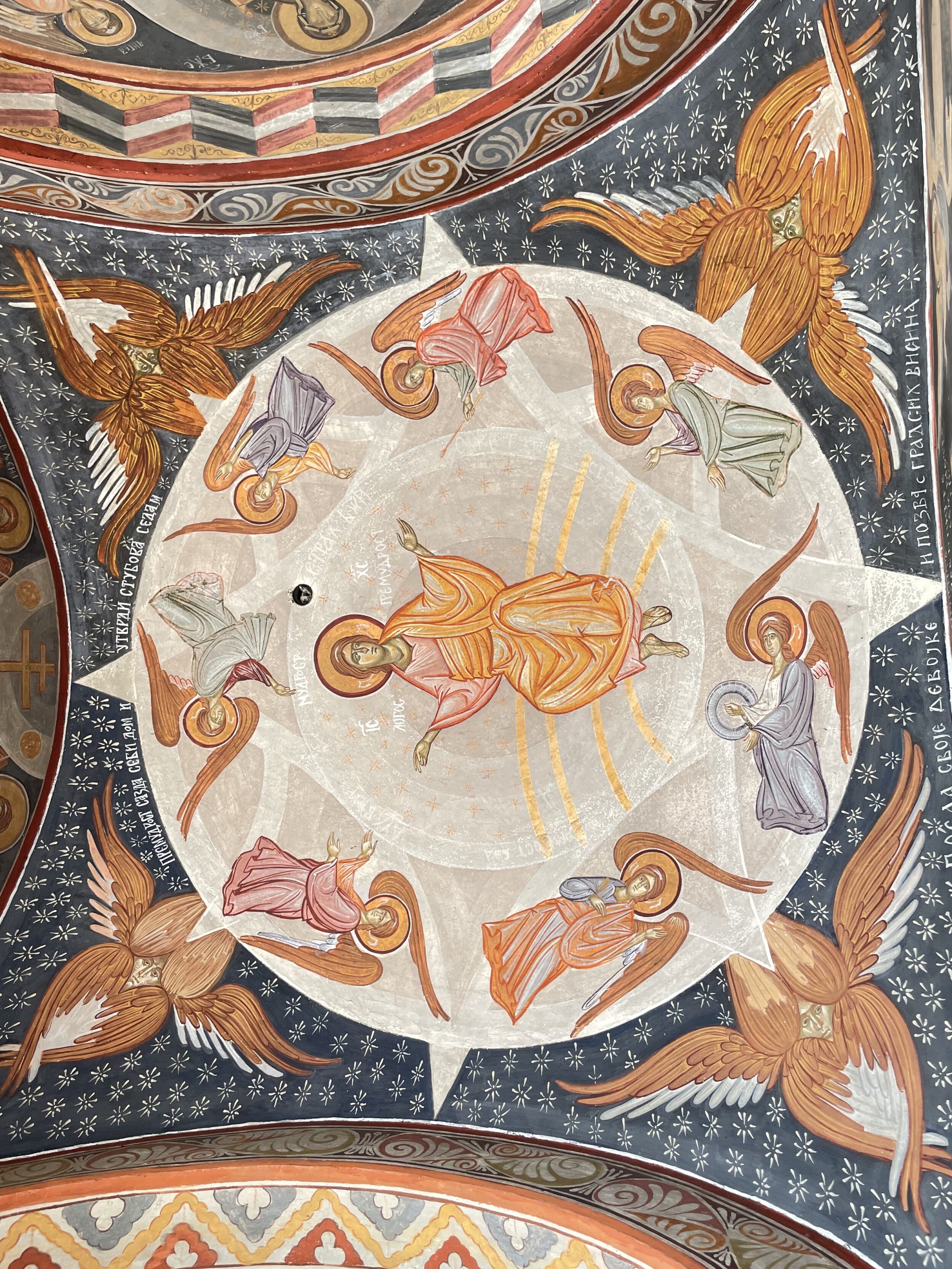
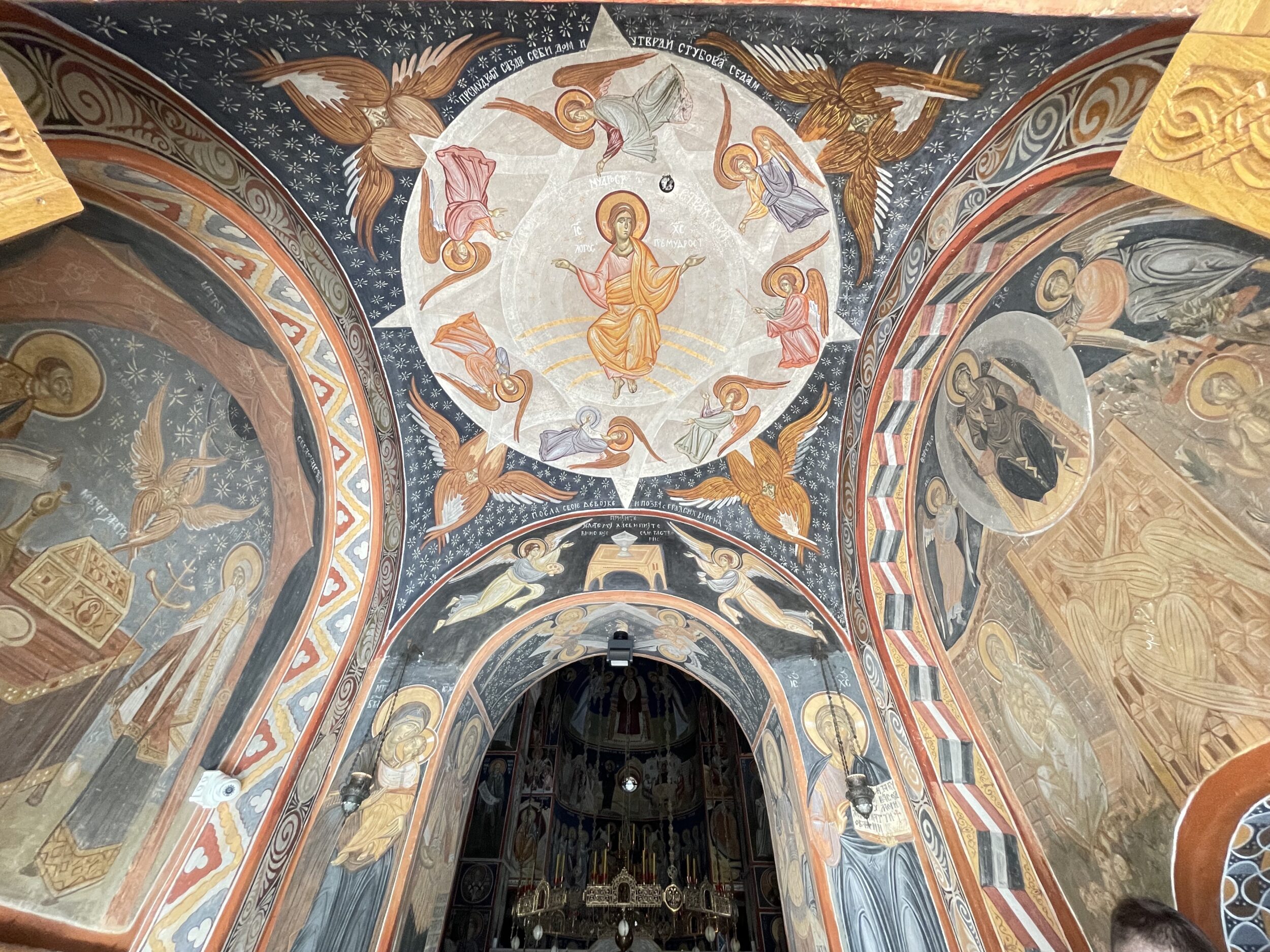
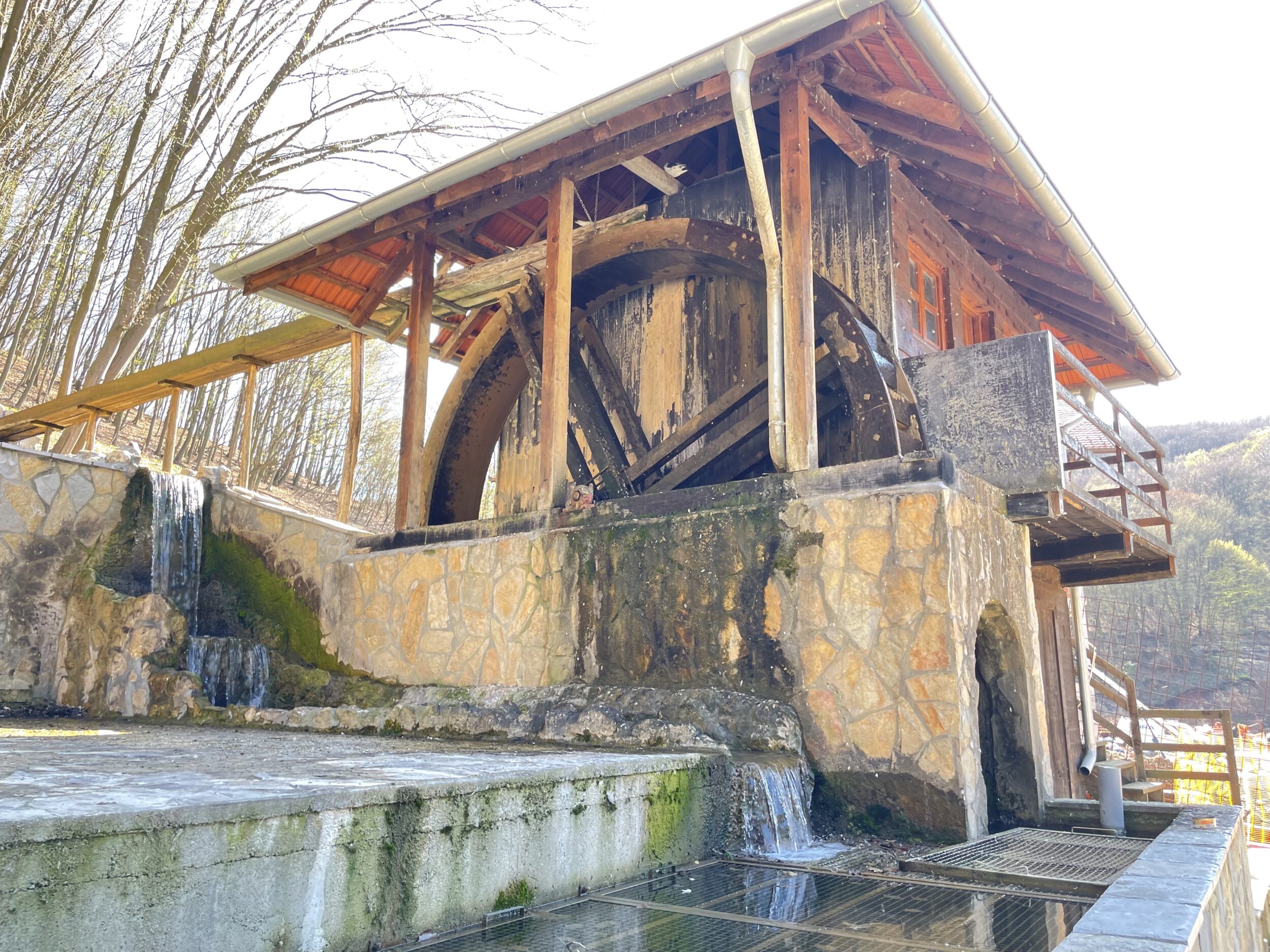
The Tumane Monastery is renowned for its beautiful architecture typical of the Serbian Orthodox tradition, with a church dedicated to the Archangel Saint Michael. The interior of the monastery is decorated with frescoes and religious paintings that reflect the history and spirituality of the place. It’s after taking photos inside that I realize you’re not supposed to. I’m putting them here anyway, but mea culpa! Next to it there’s a relaxation/picnic area for groups, with a water mill still in operation. Right now, there seems to be some kind of meeting ?? in front of the monastery.
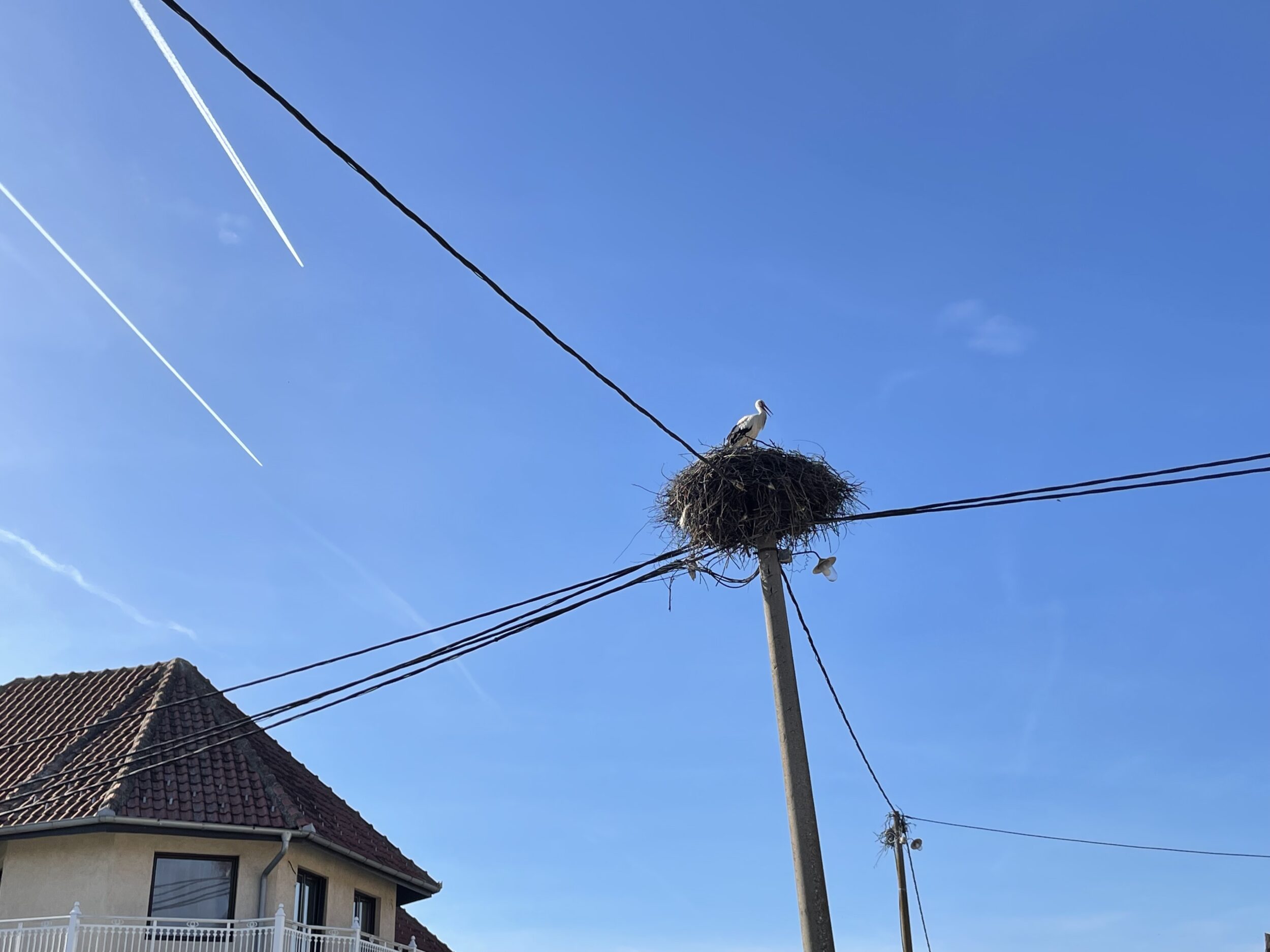
On the way, JB shows me a stork that made a nest on an electric pole 😀 So cheeky!
It’s not Japan, but there are a few nice touches along the way 😀
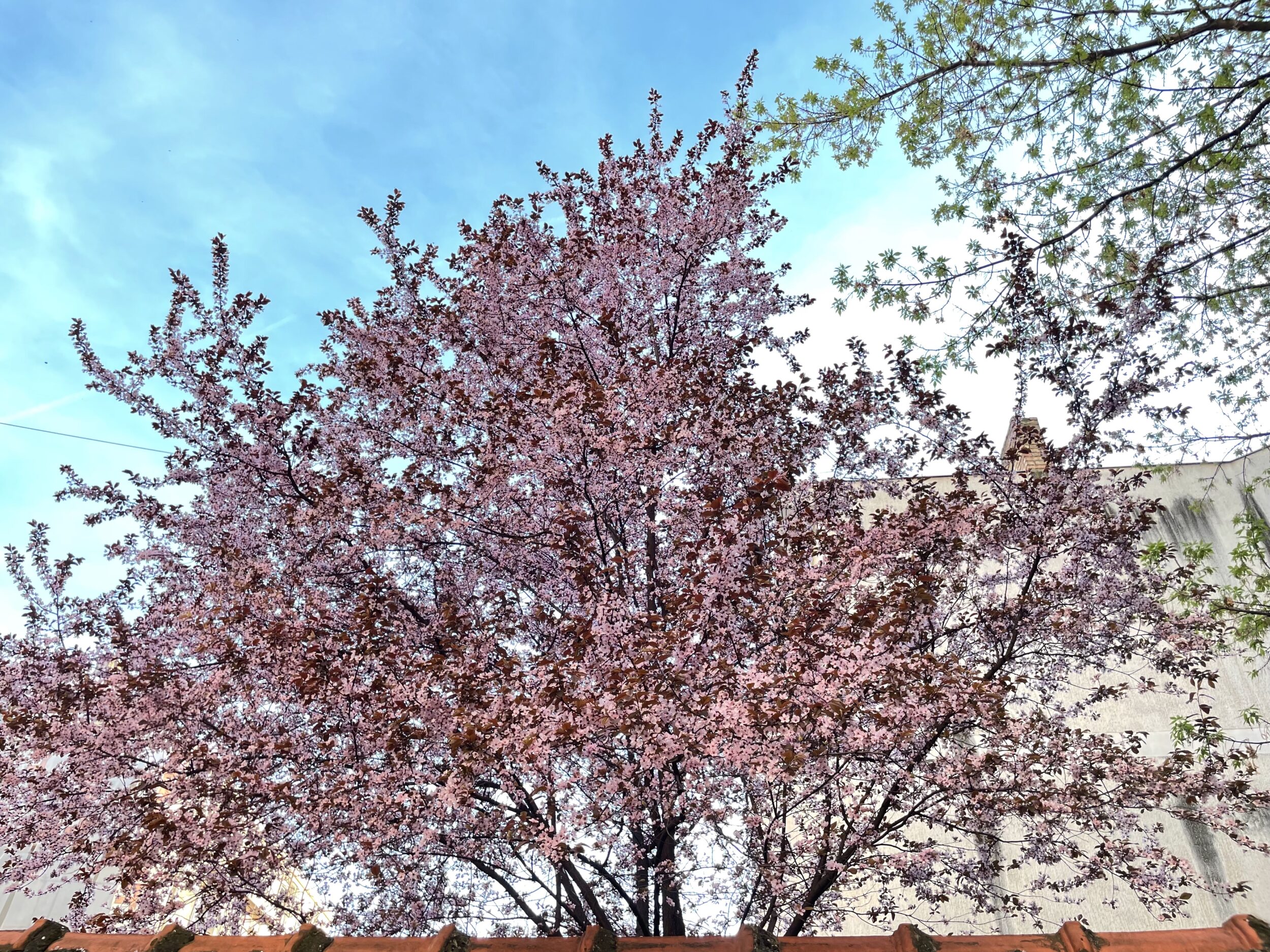
In the evening, we sleep in Garni hotel Sole Mio Kula Wellness & Spa (Booking link), a small guest house chosen for its sauna and hammam. The pool is outdoors and can’t be used right now, but JB really likes its simplicity.
Novi Sad
I still have about ten stops to make along the Danube, including a boat that takes us near Romania, but we decide to explore the other side of Belgrade instead.
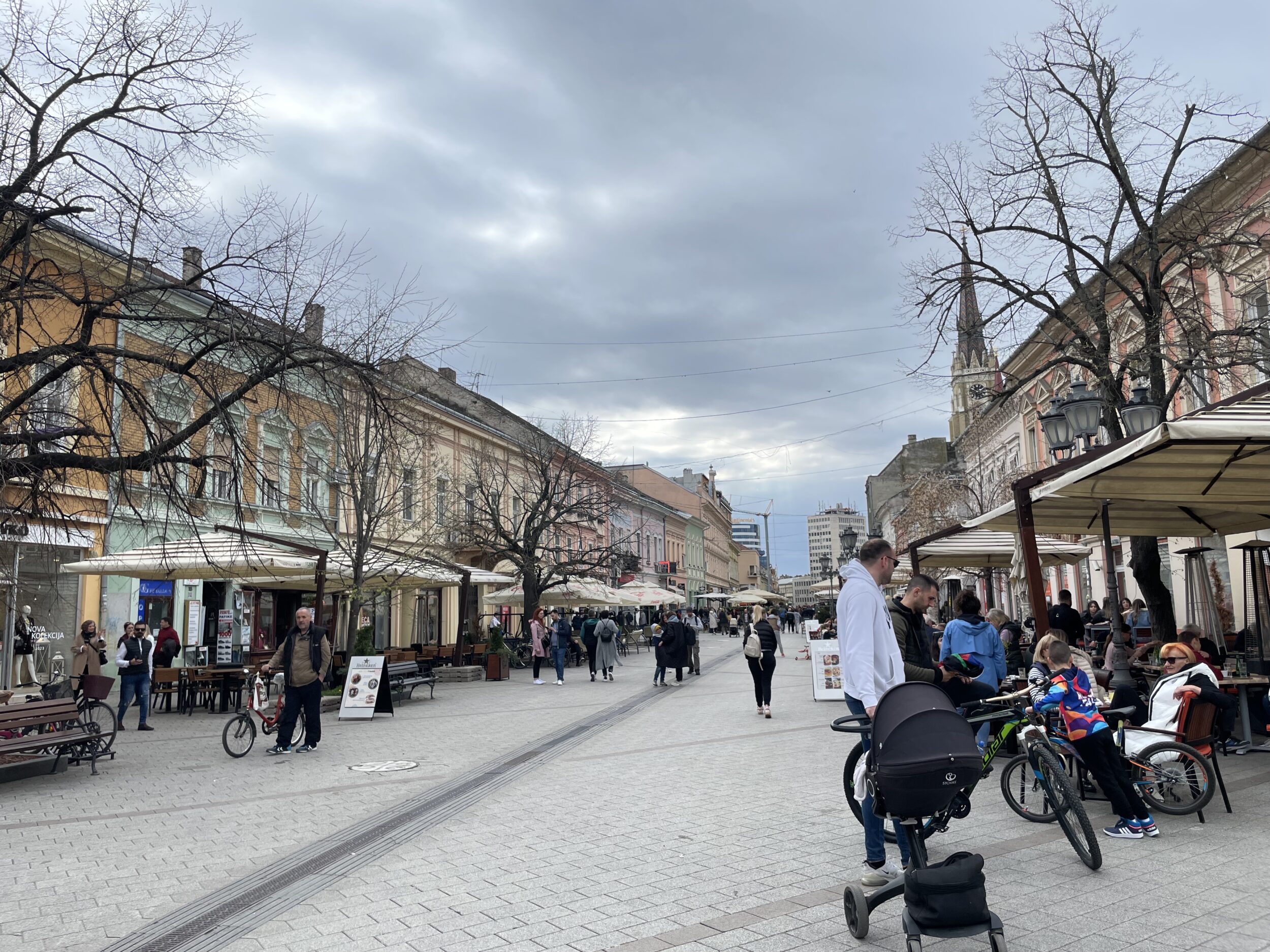
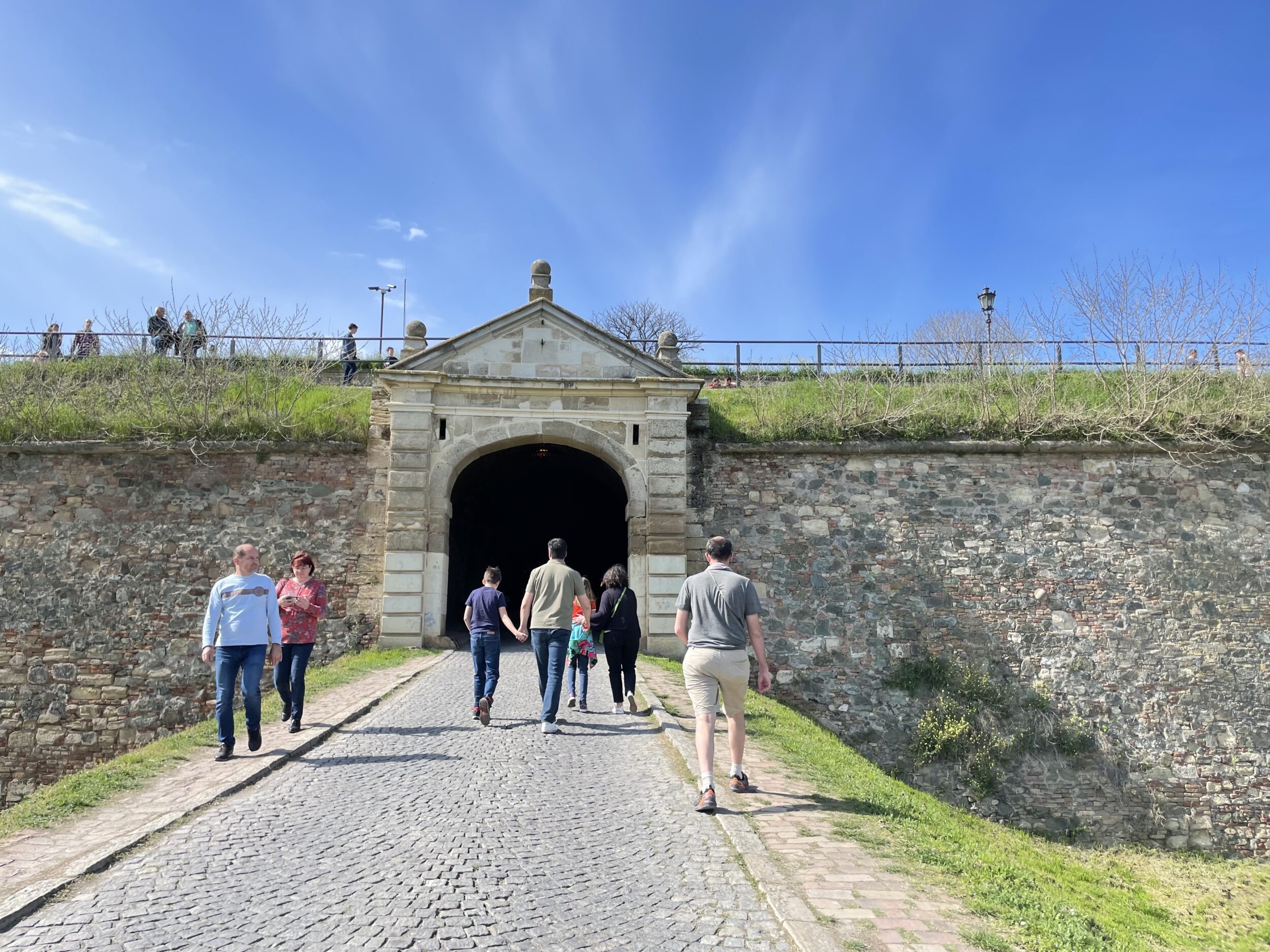
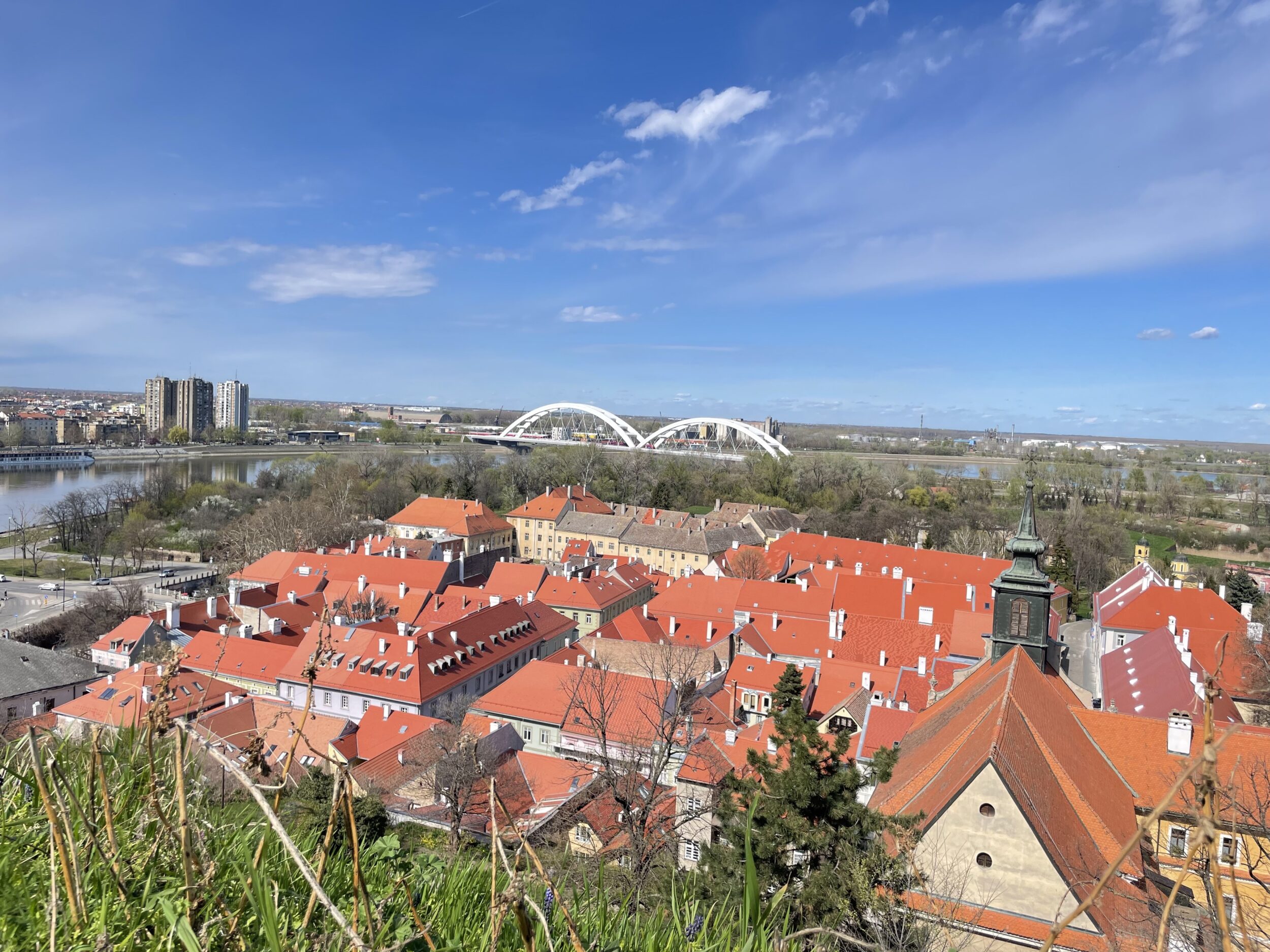
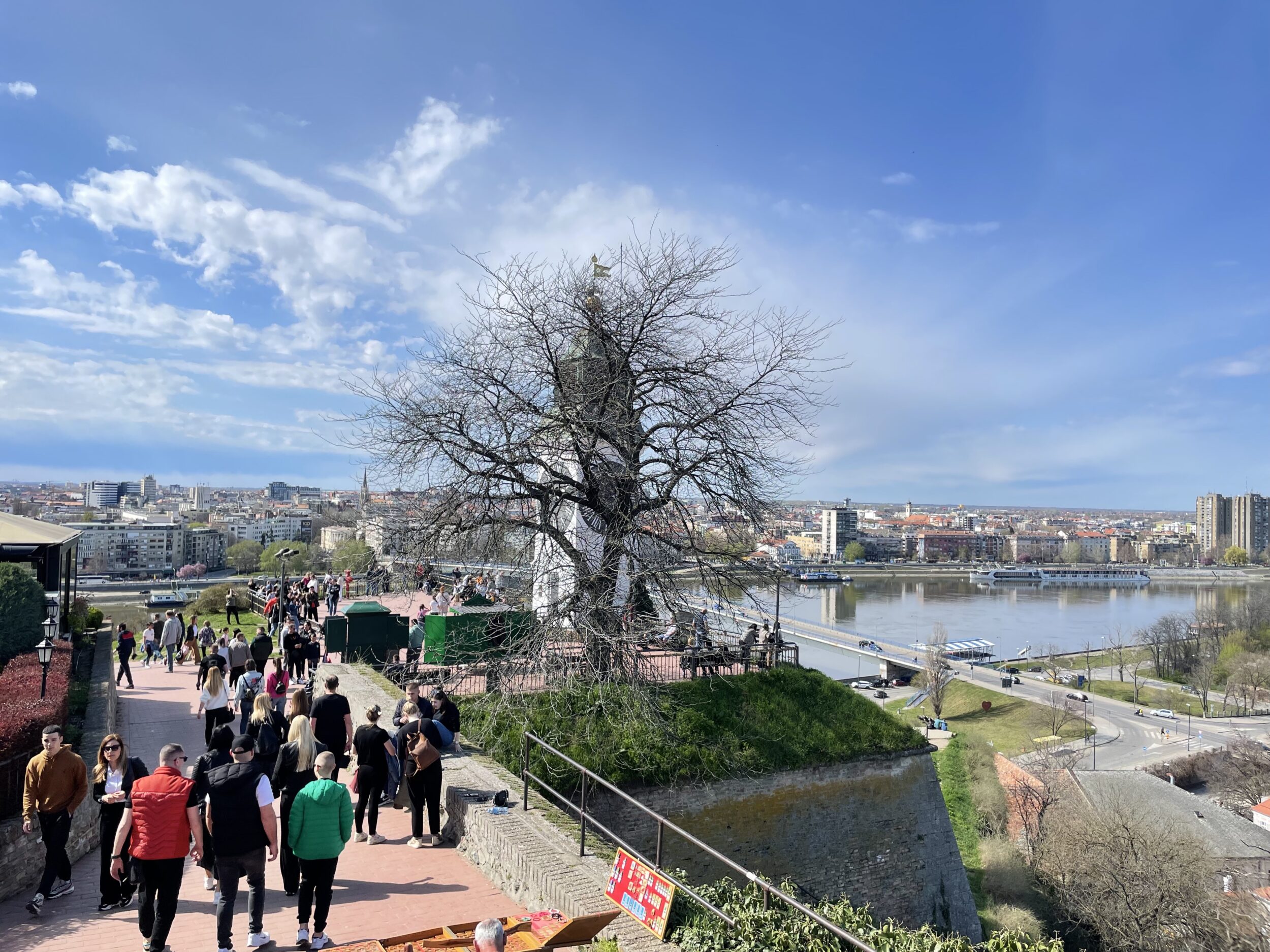
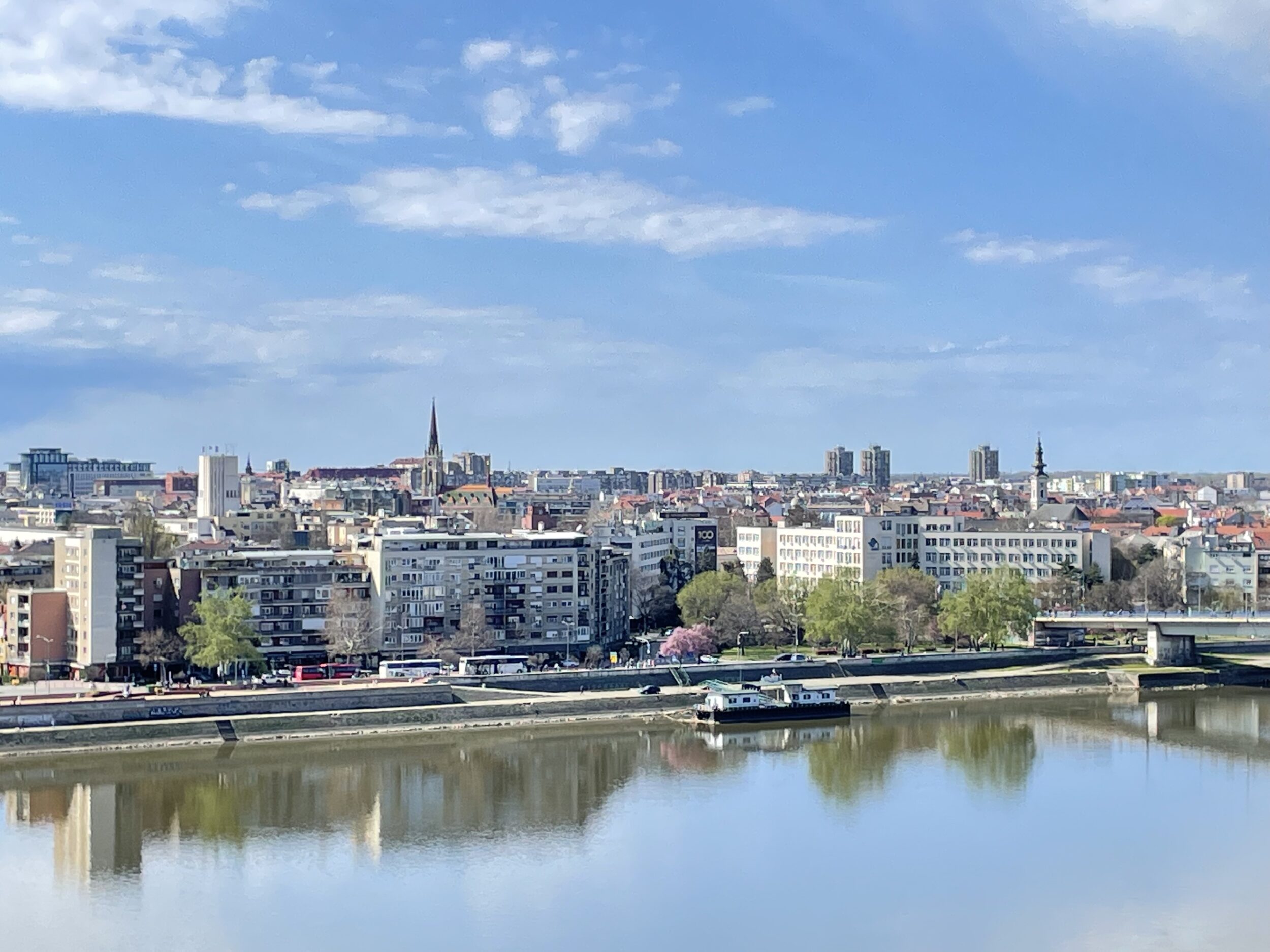
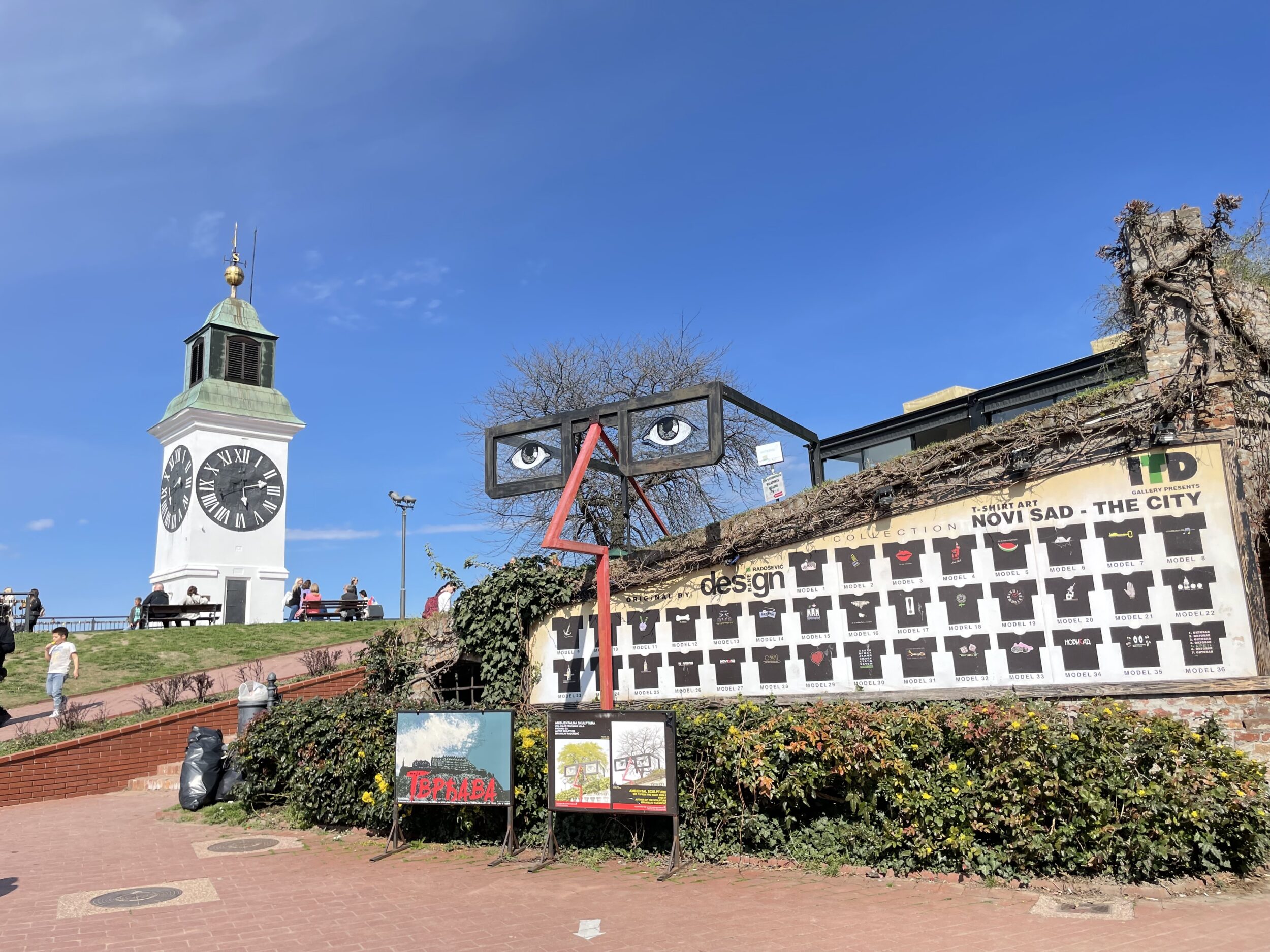
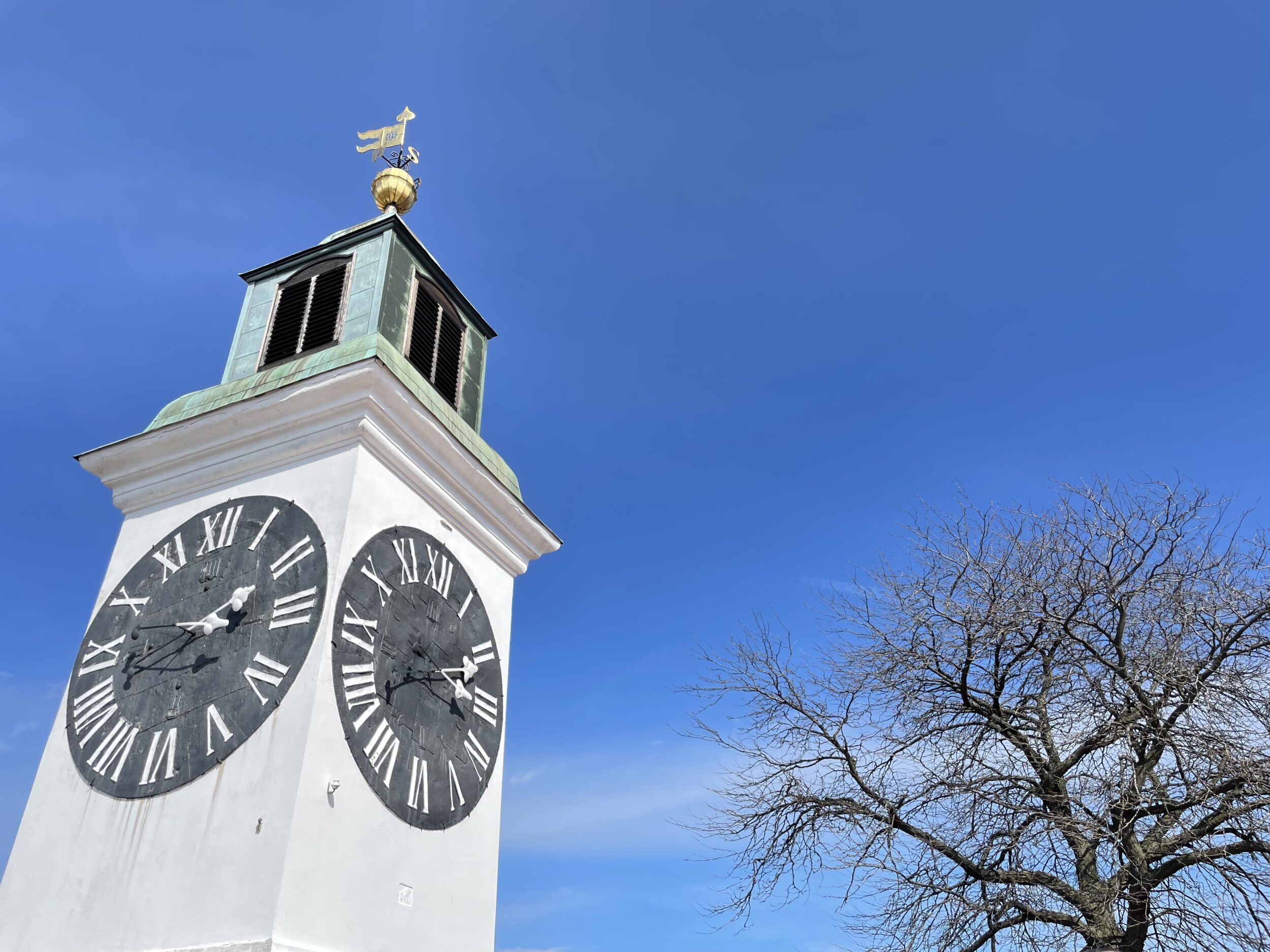
Novi Sad is Serbia’s second-largest city, and I find it even nicer than Belgrade. Probably because of its big square, which is even better for strolls, and its fortress across the river (Petrovaradin), which I love. You can walk to Petrovaradin by crossing the bridge.
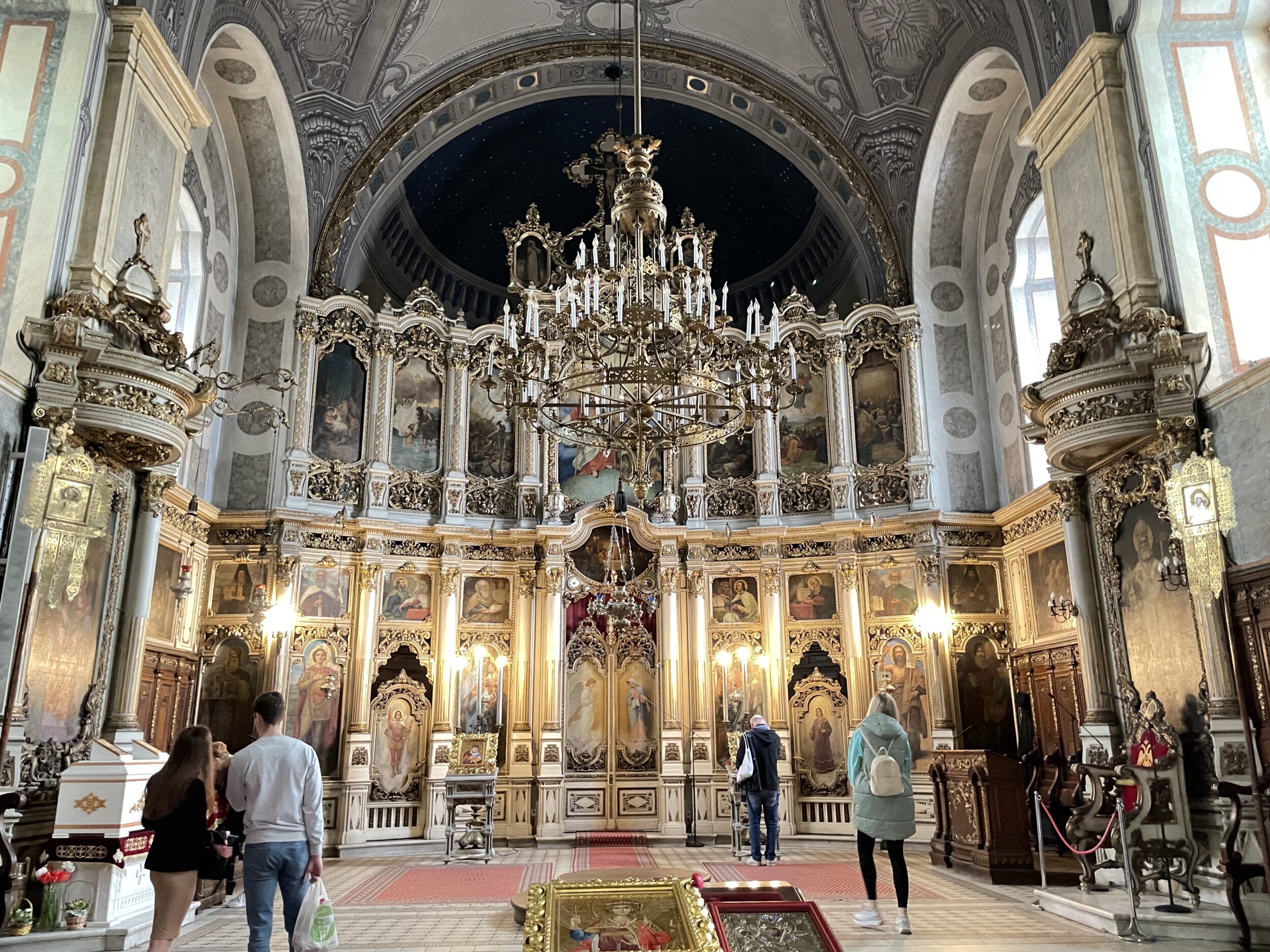
The city center: We loved the Church of the Name of Mary in Novi Sad and especially the Saint George’s Cathedral in Novi Sad
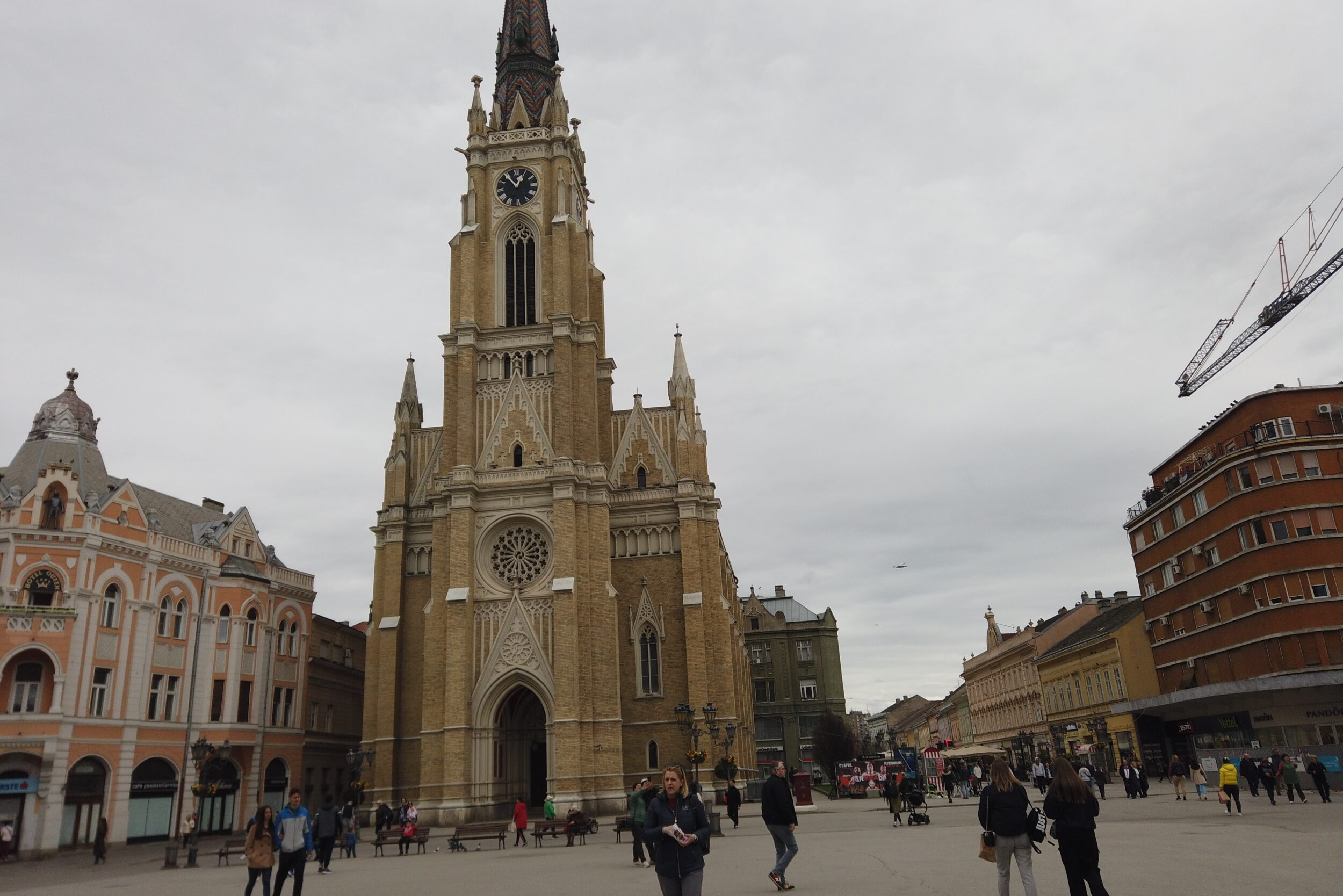
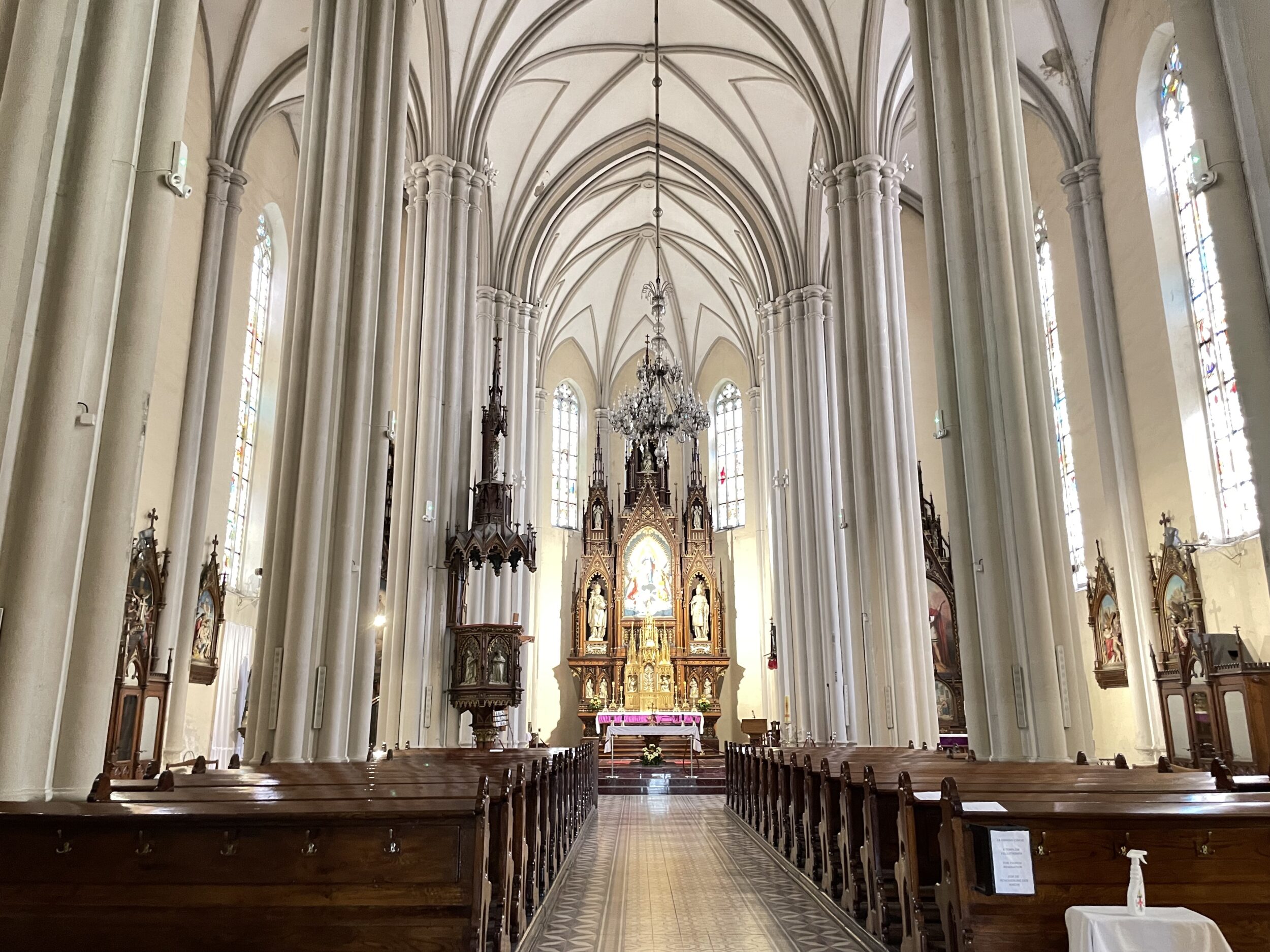
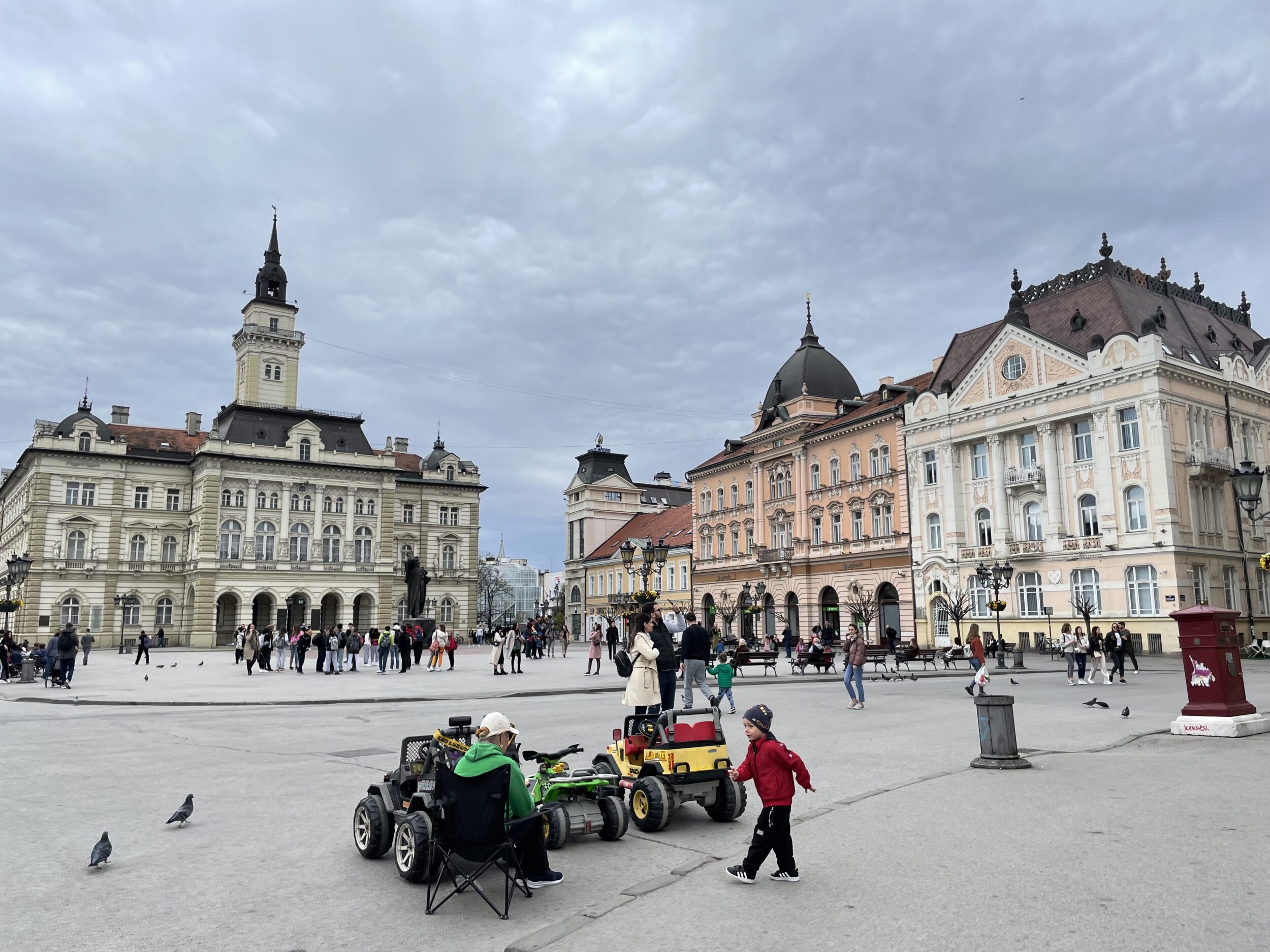
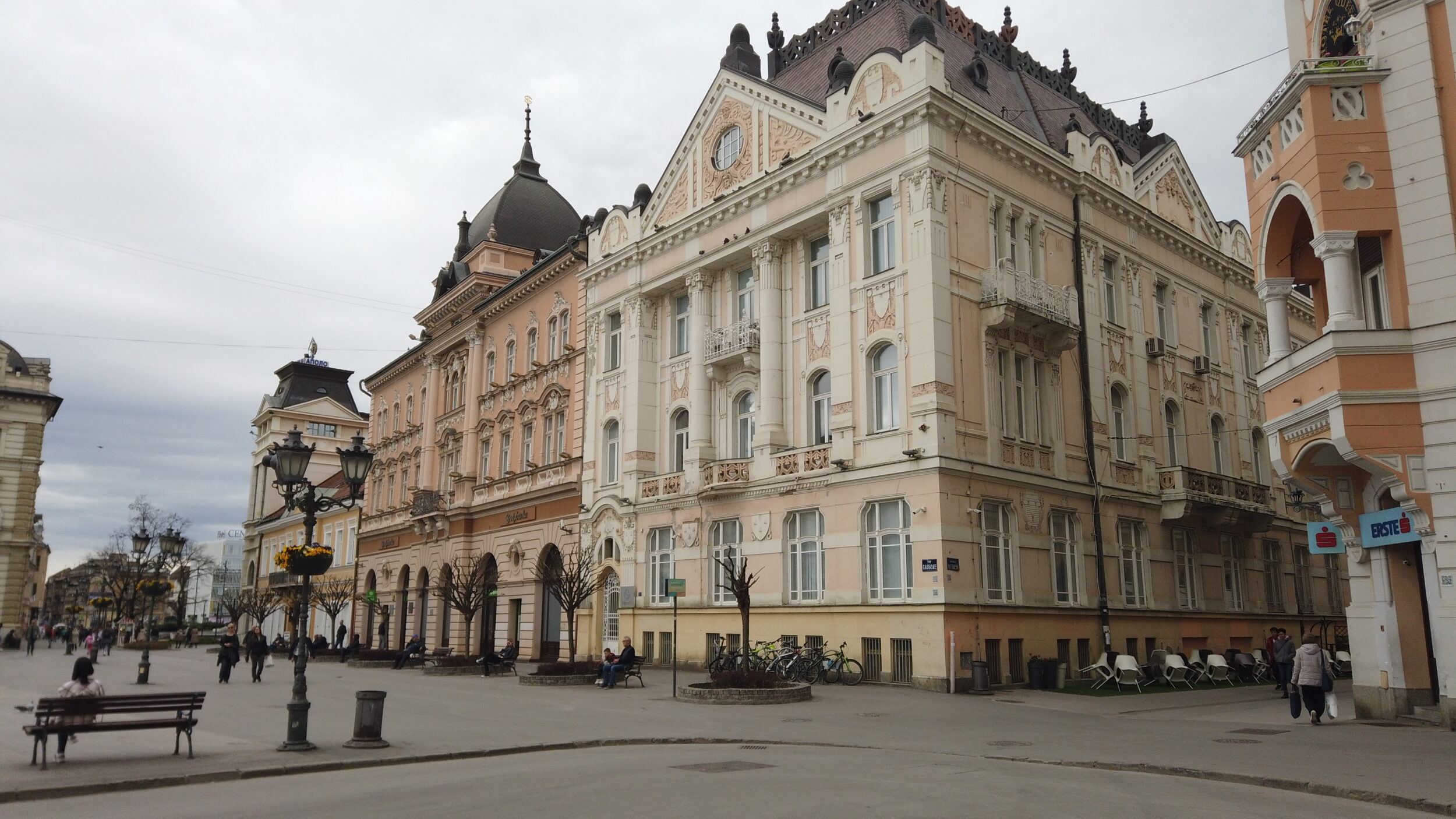
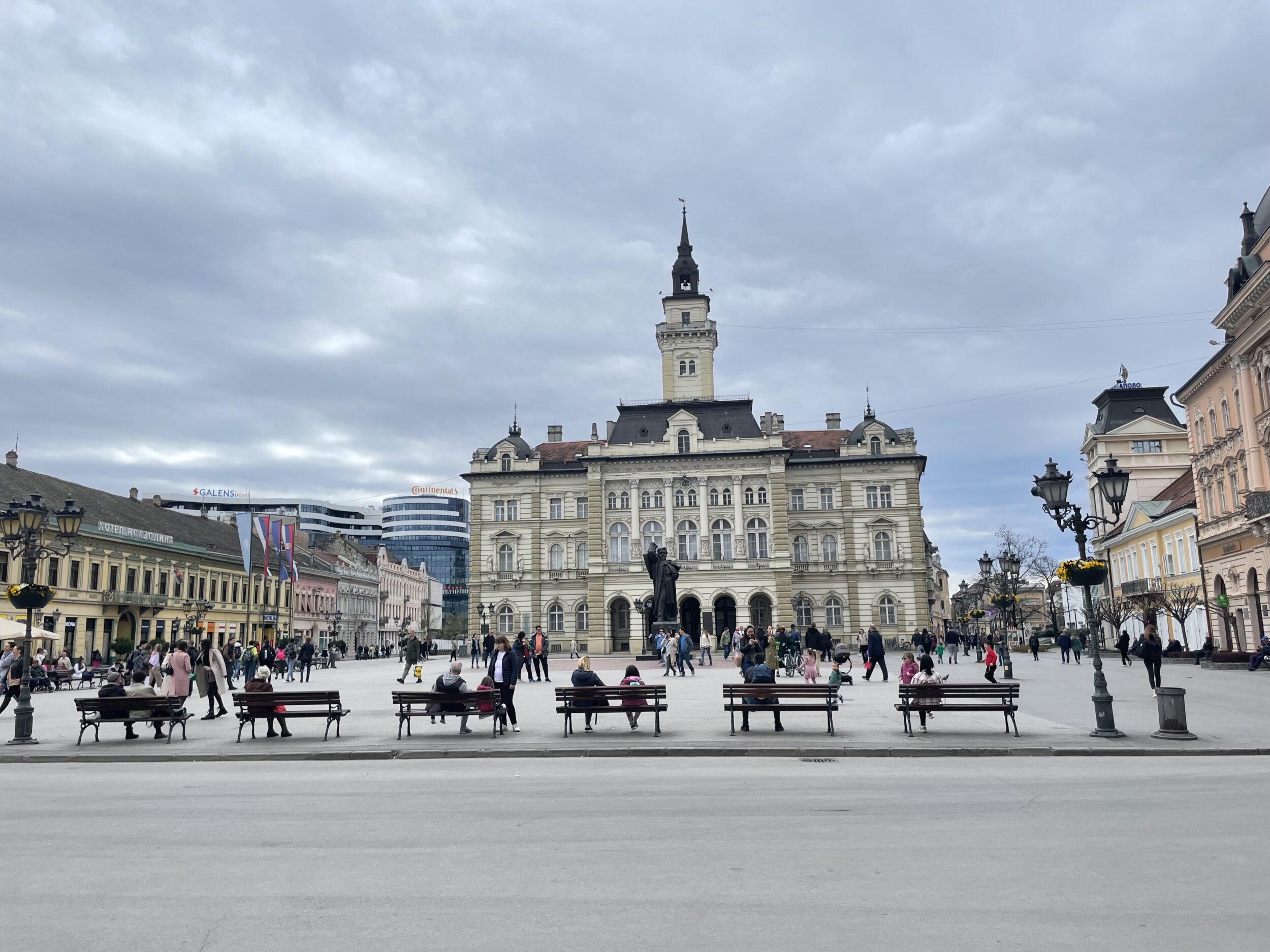
At the top of the fortress Petrovaradin, there’s a café/restaurant to chill at. It’s the perfect spot for a complete view of Novi Sad. It’s a lovely place, even though it takes some physical effort to reach the tower because the parking lot is quite far.
Subotica
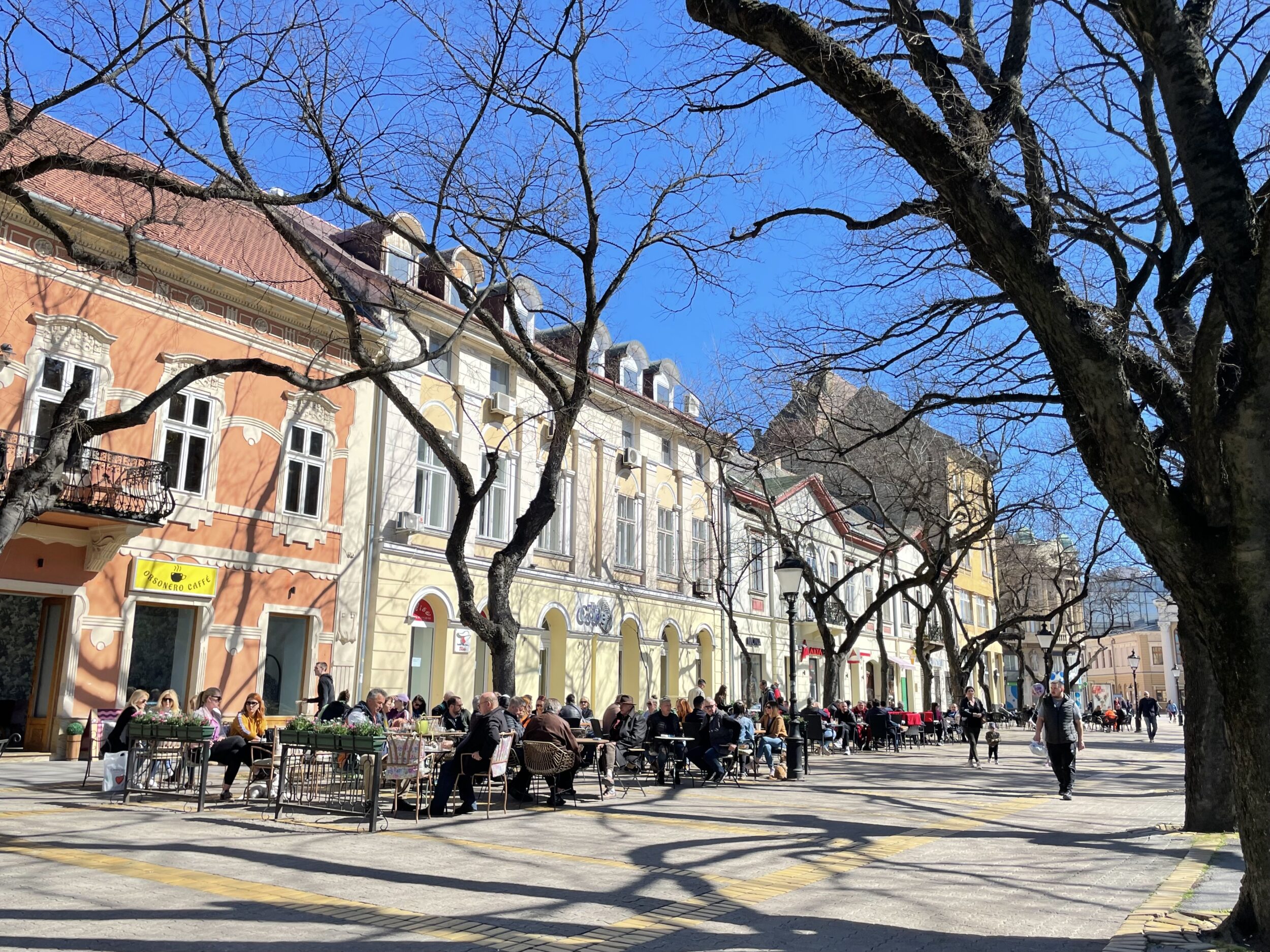
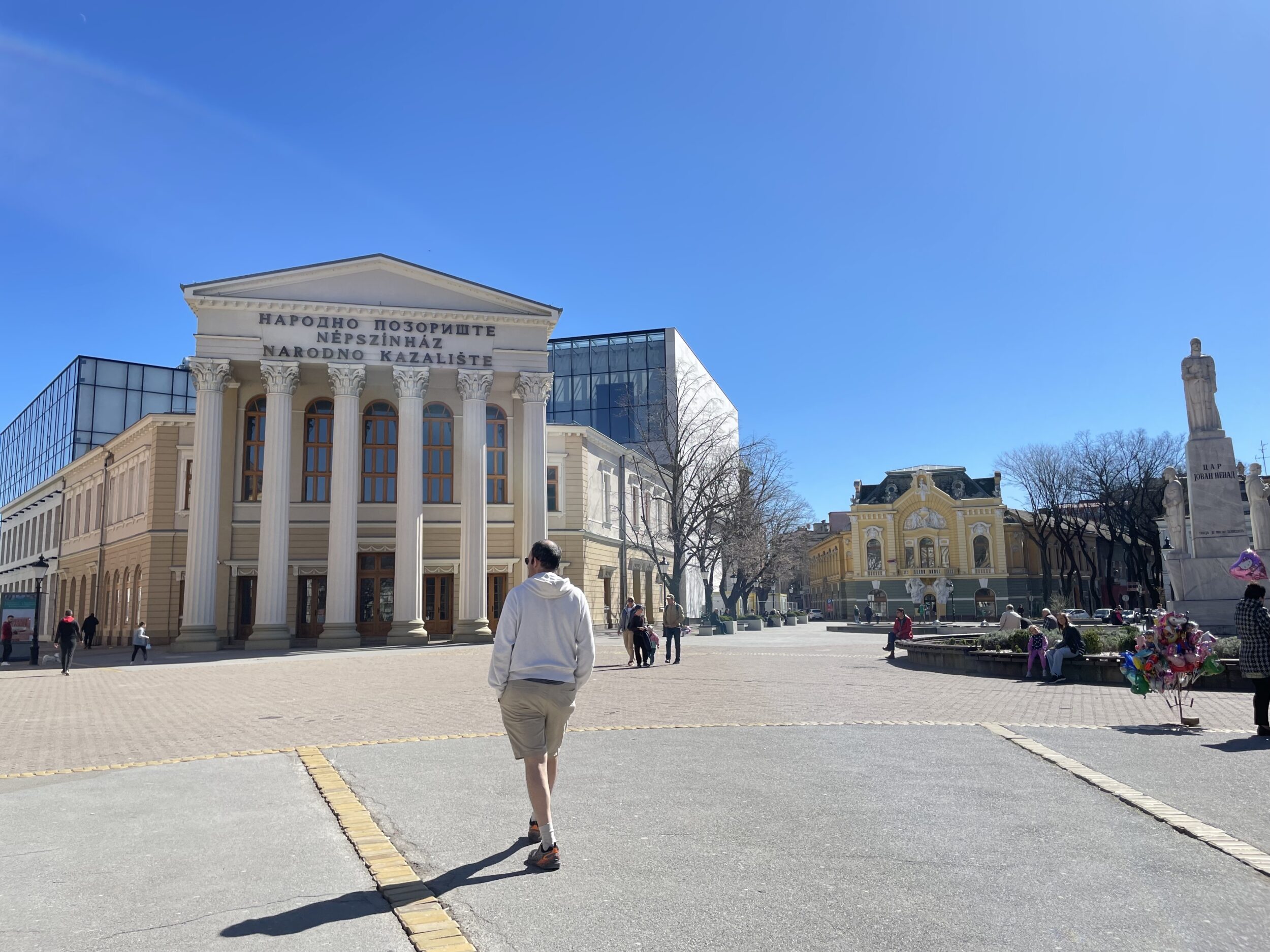
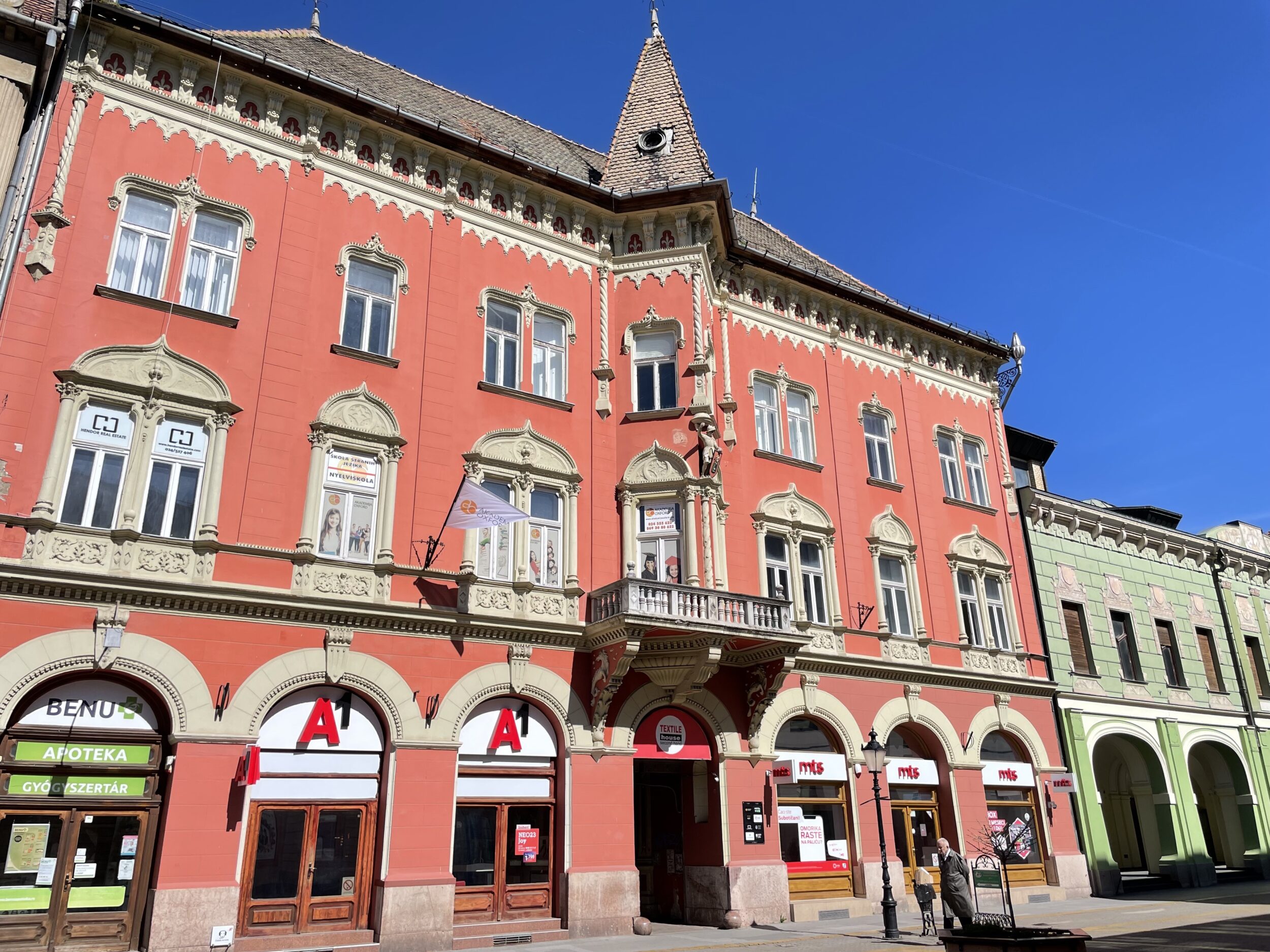
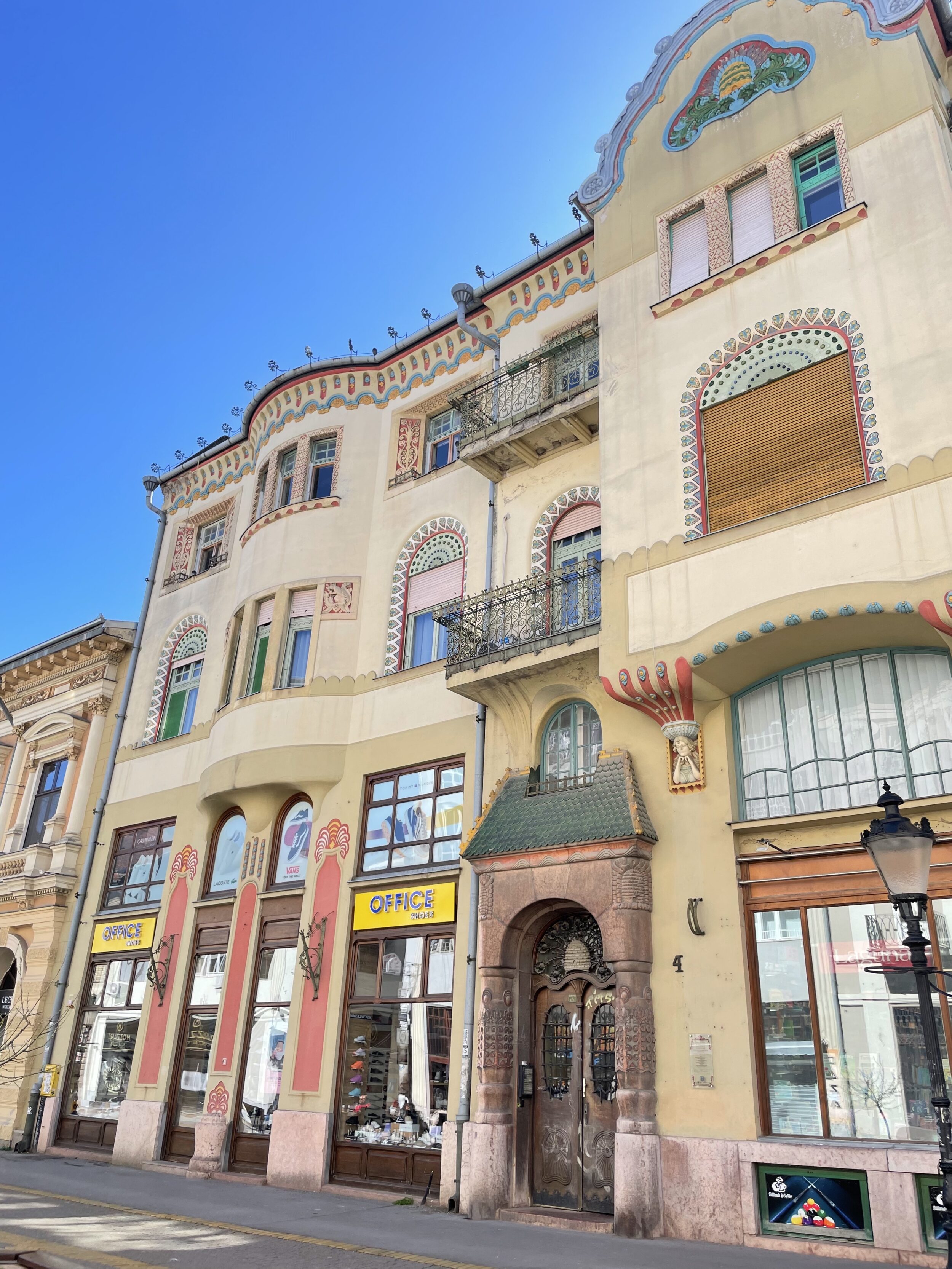
I thought Novi Sad was my favorite city in Serbia until I discovered Subotica, right near the Hungarian border. The town looks like a fairy tale, with very colorful houses, so cute (including the city hall) that they seemed made of sugar.
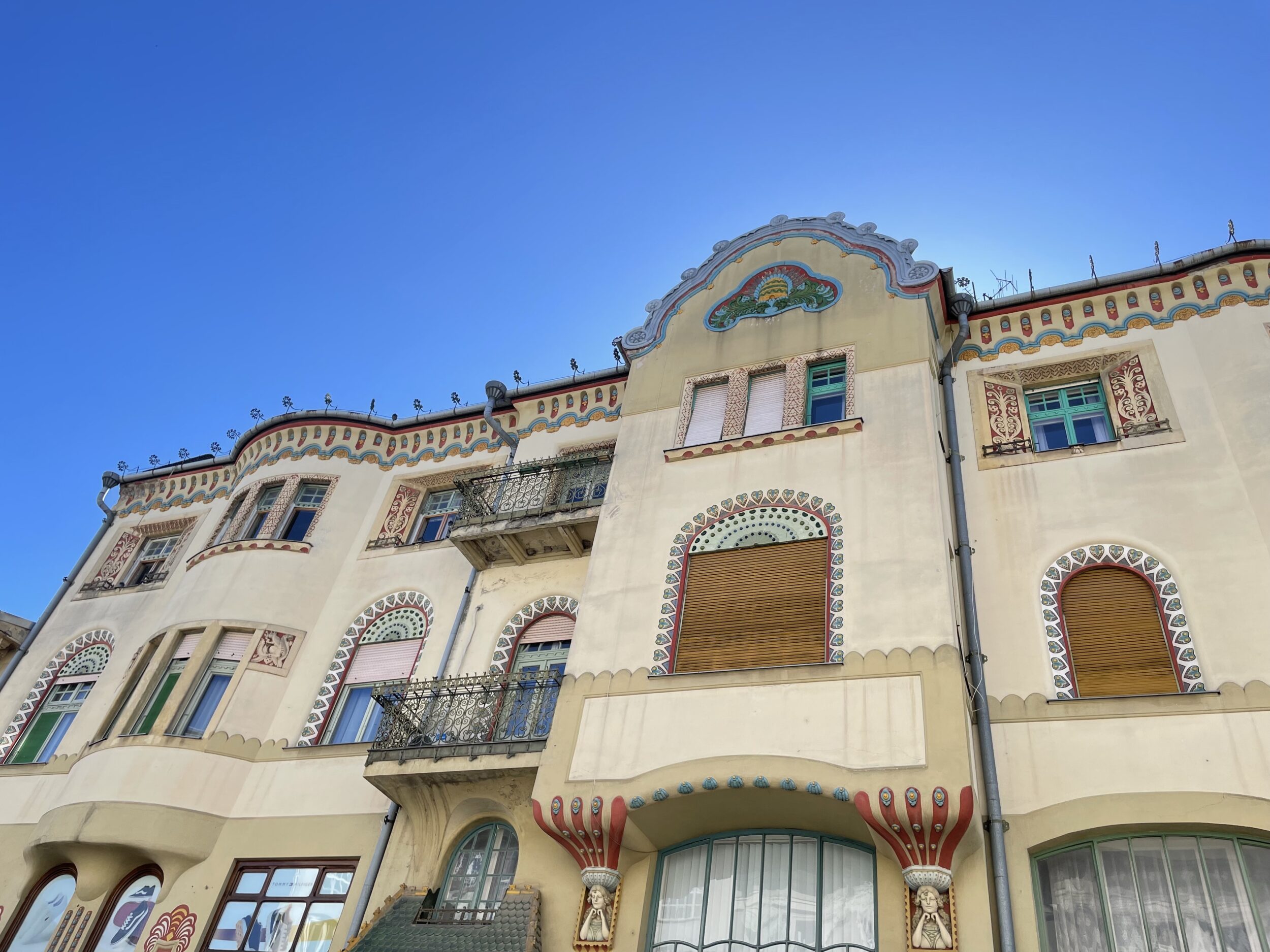
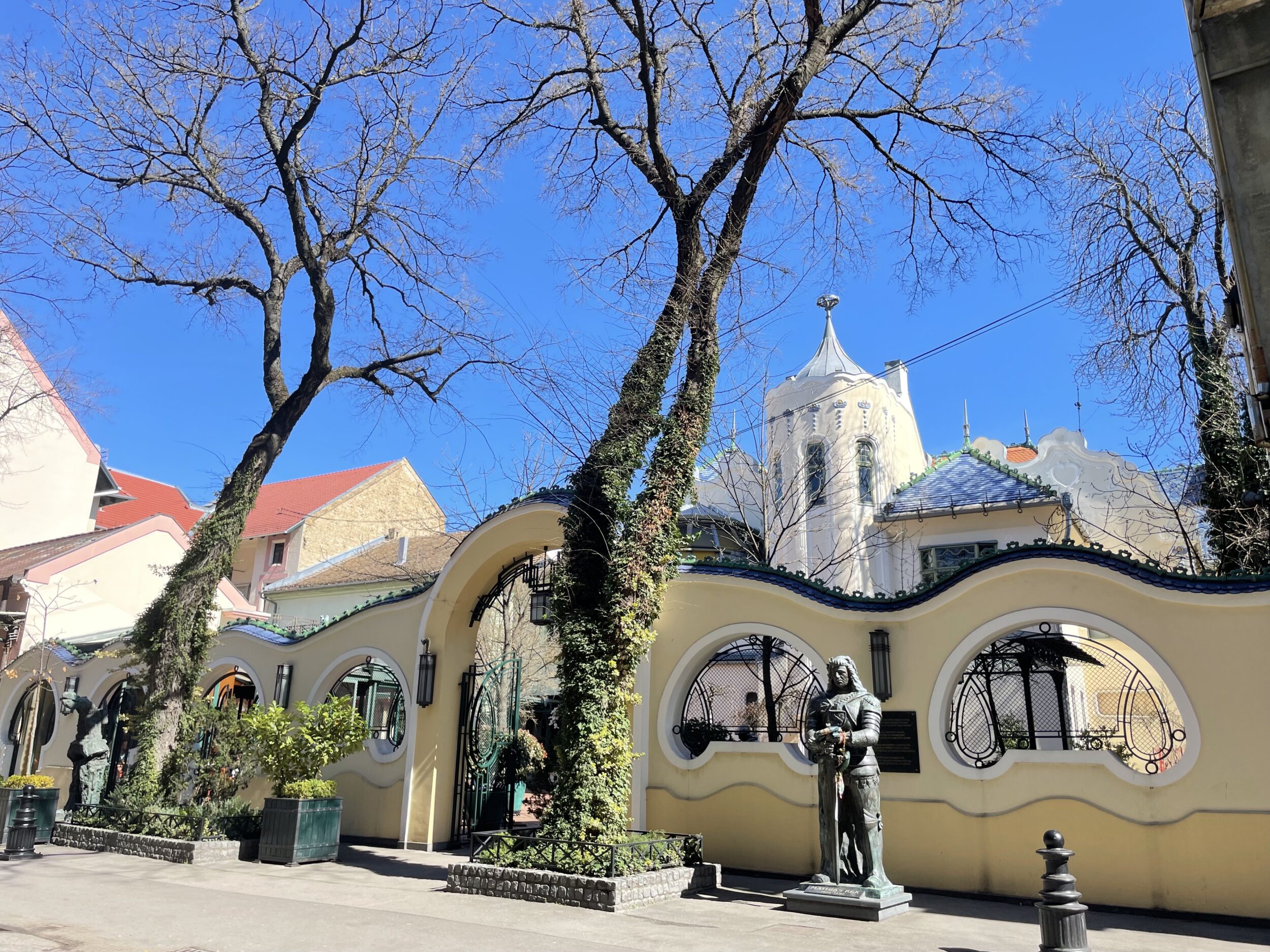
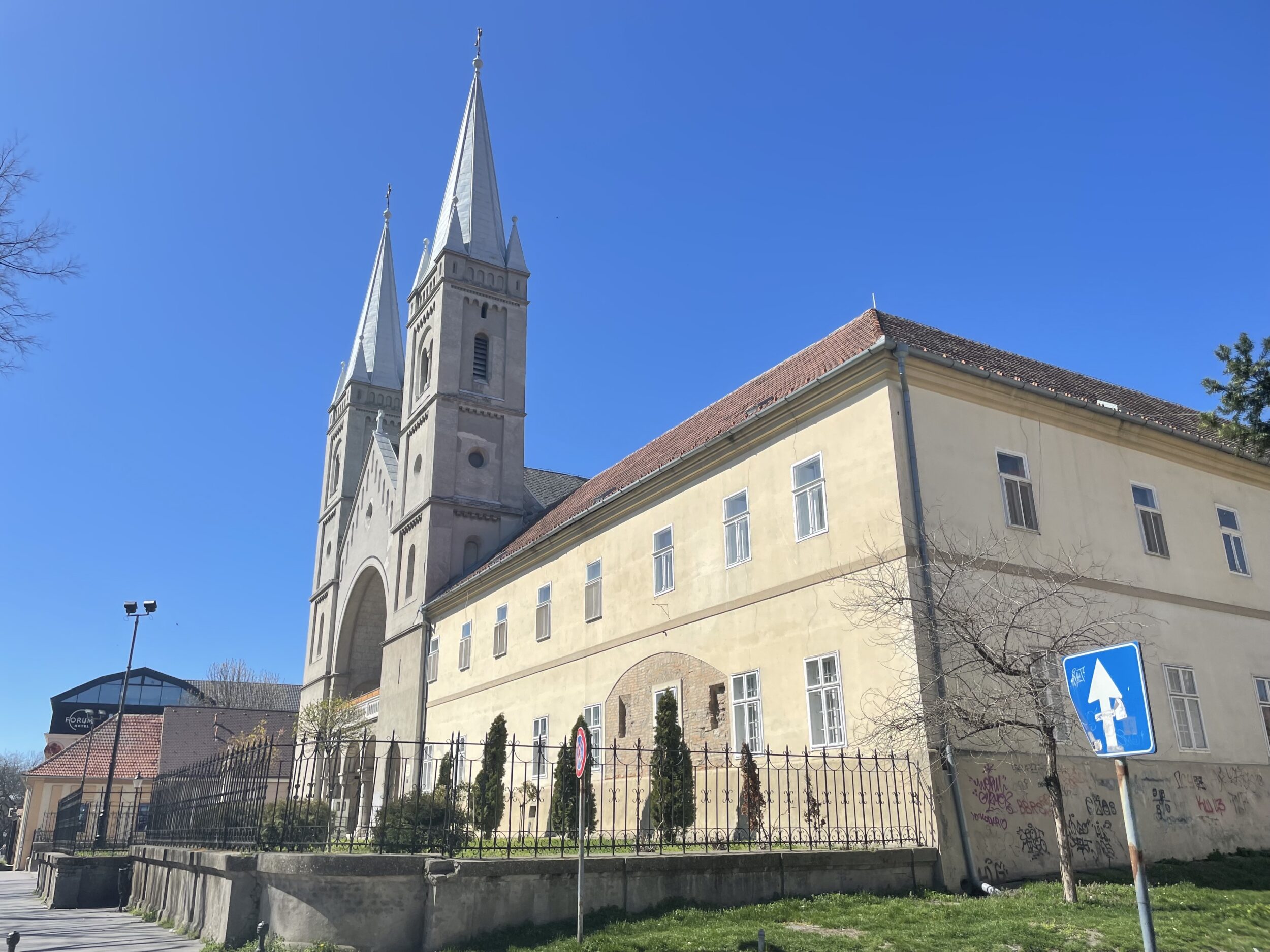
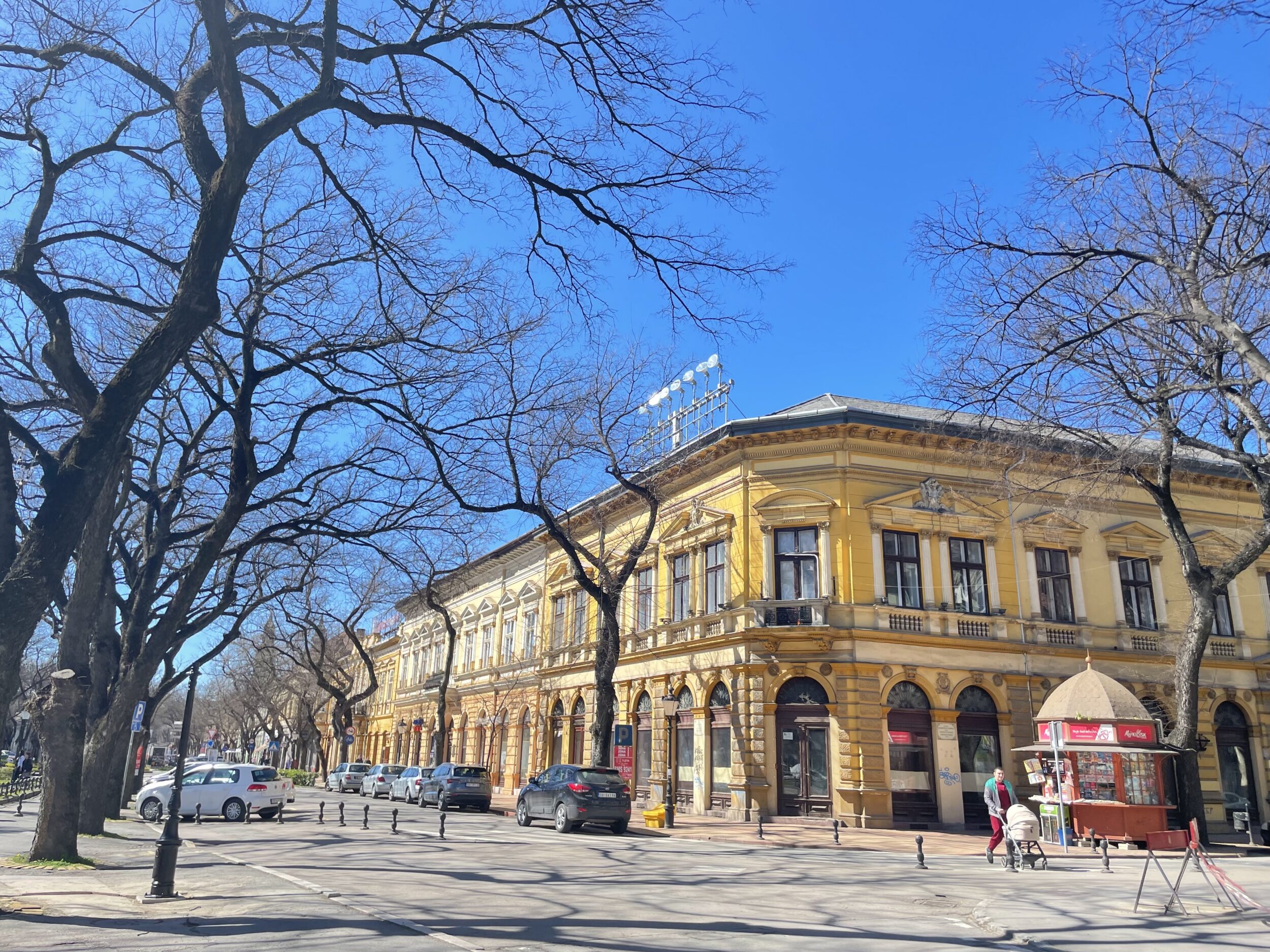
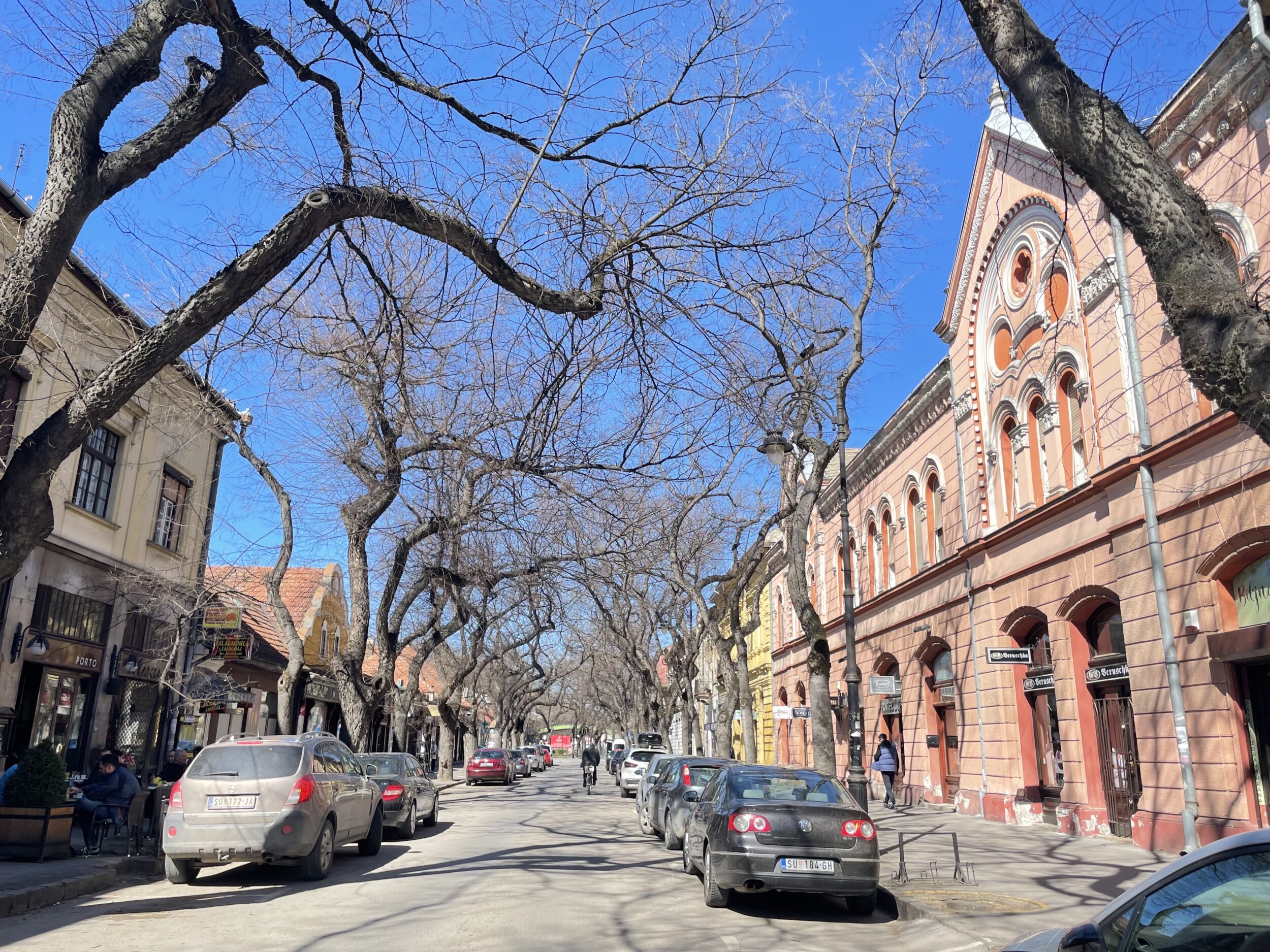
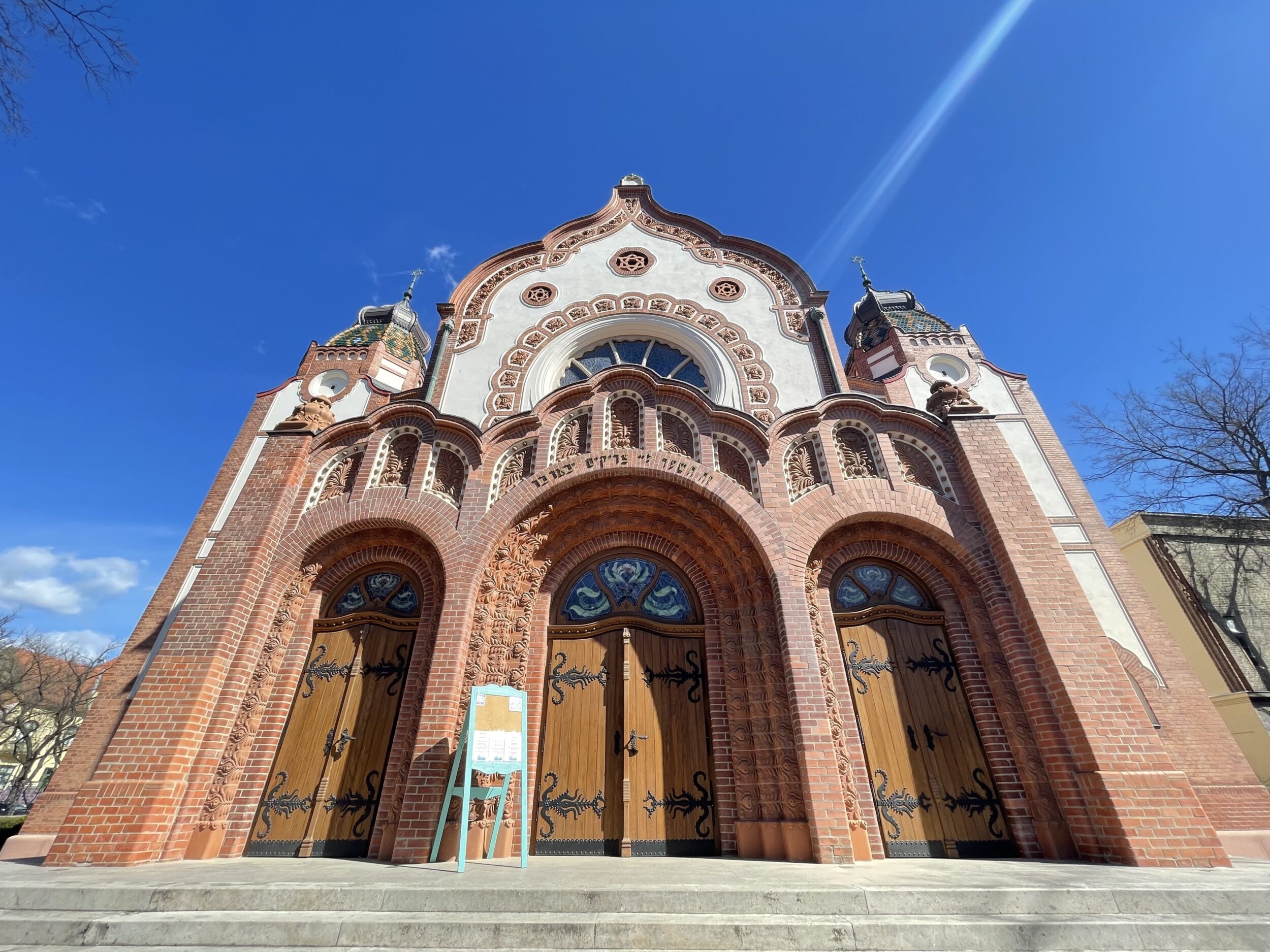
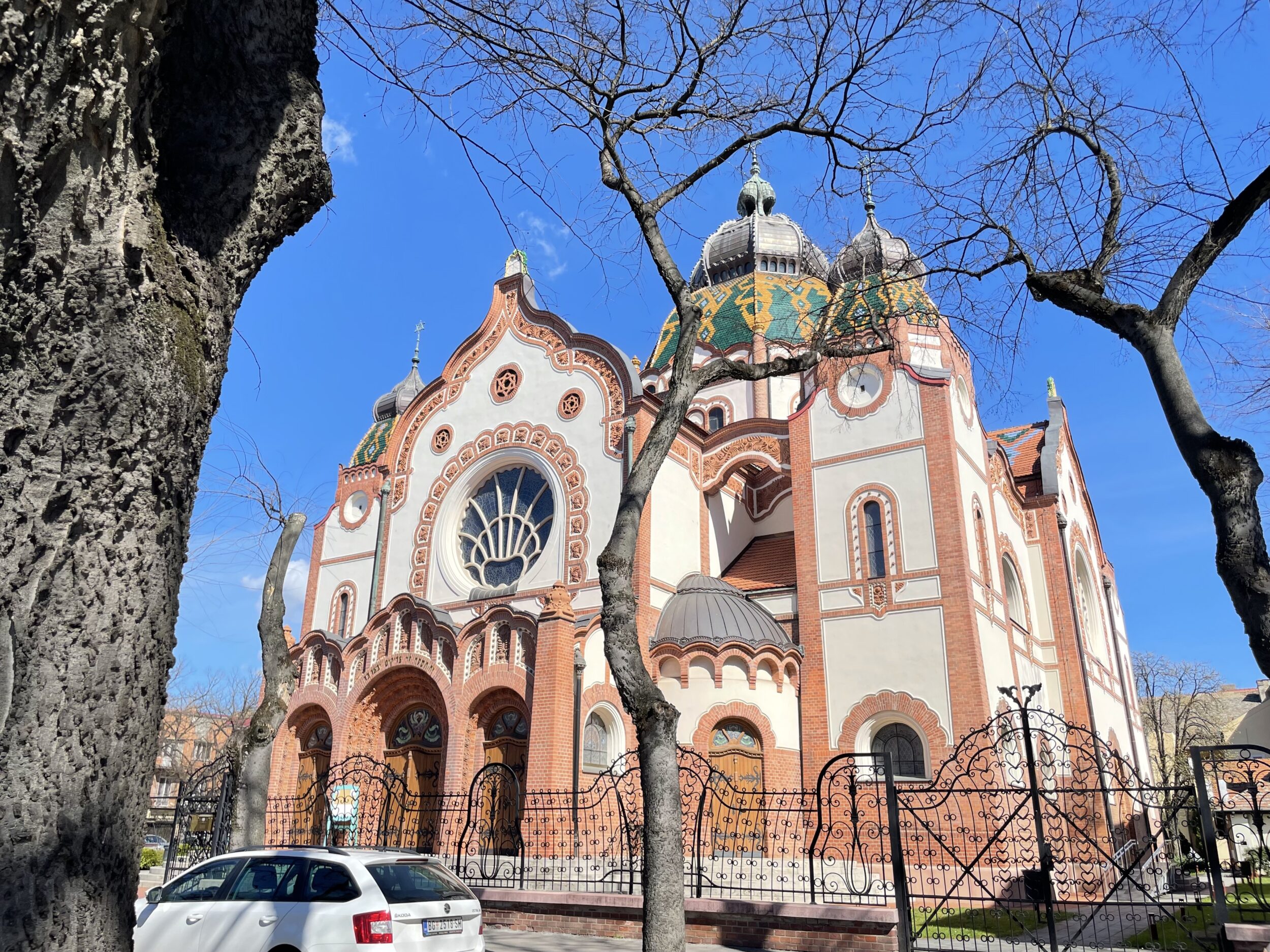
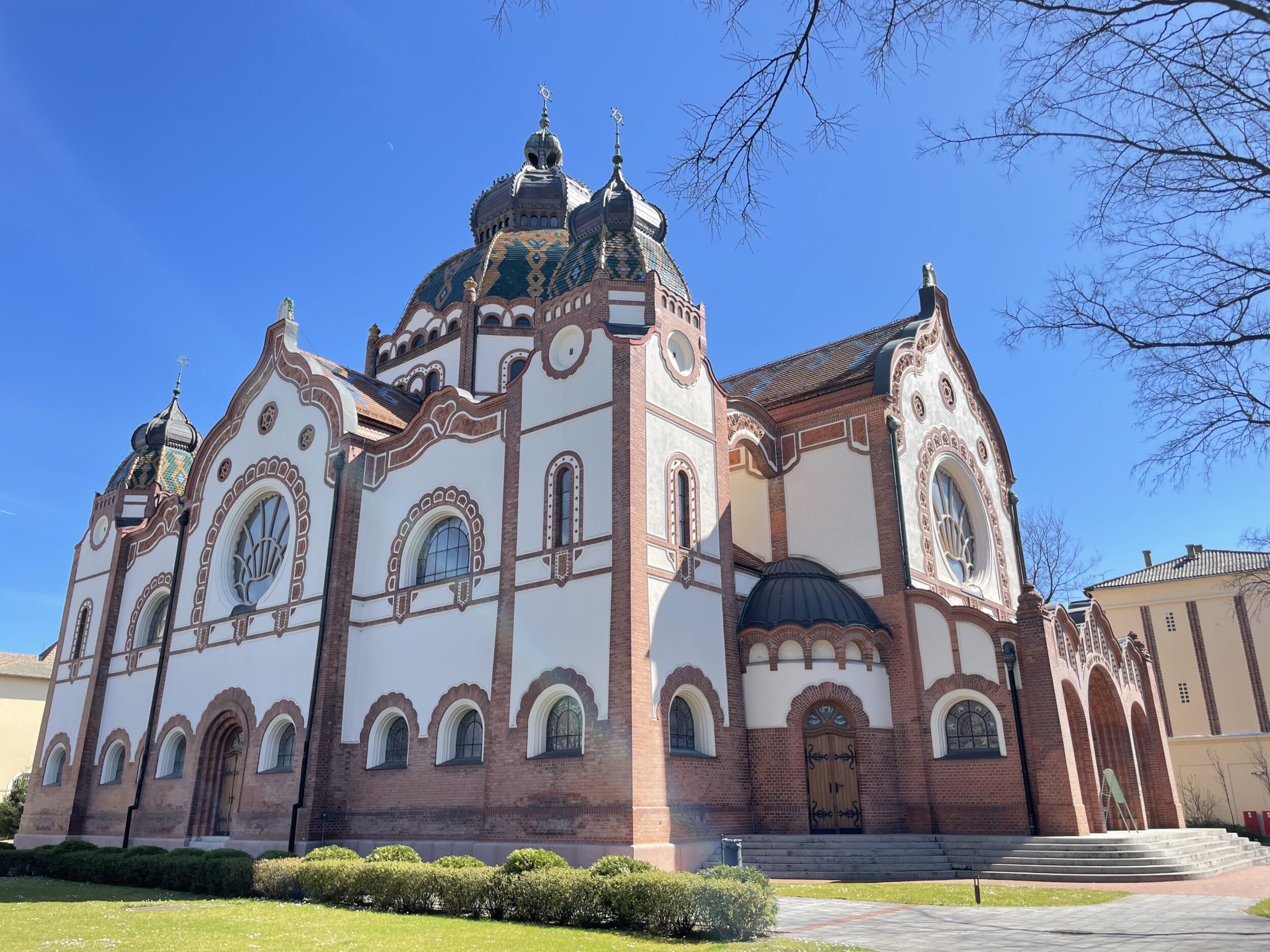
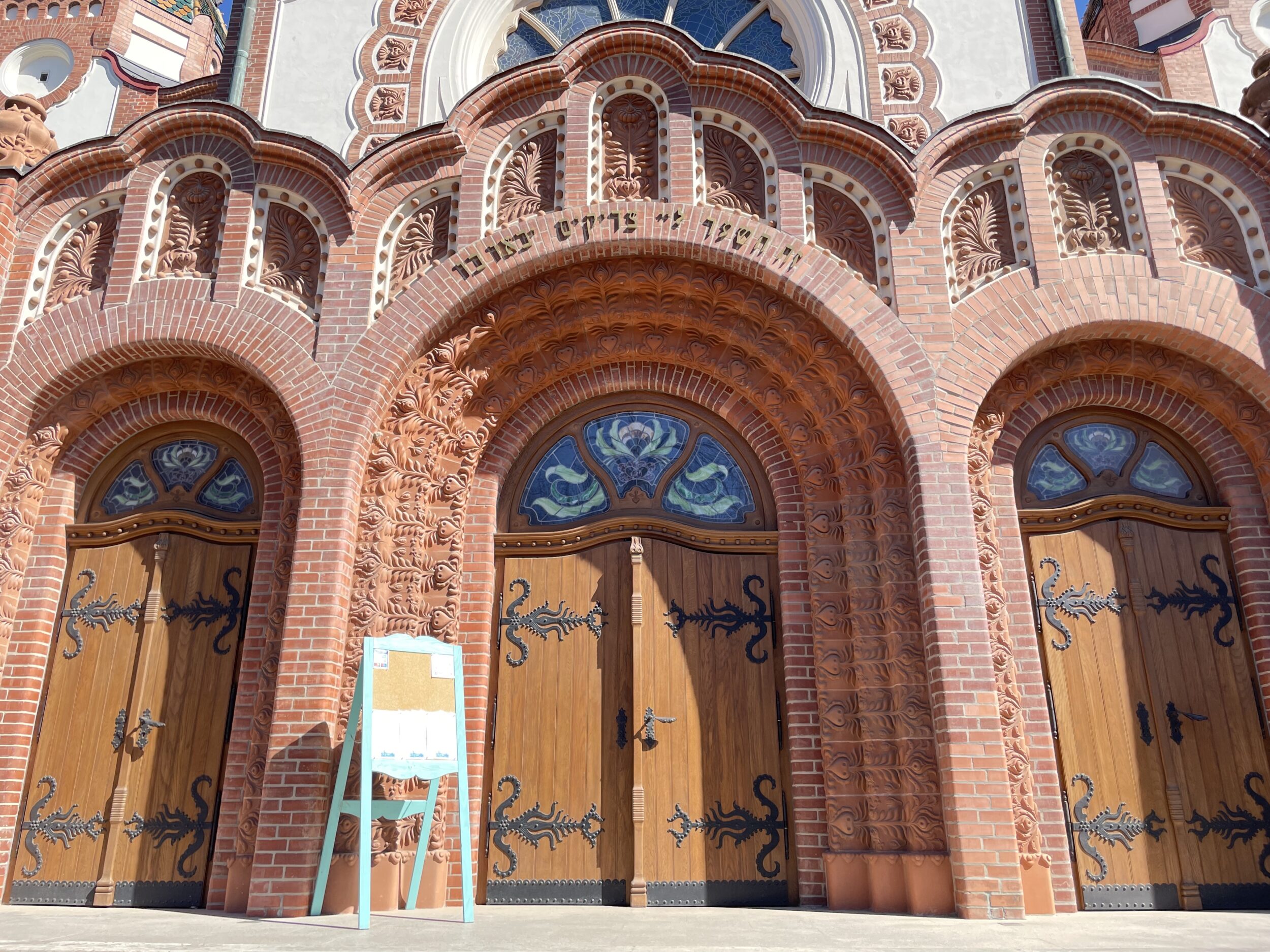
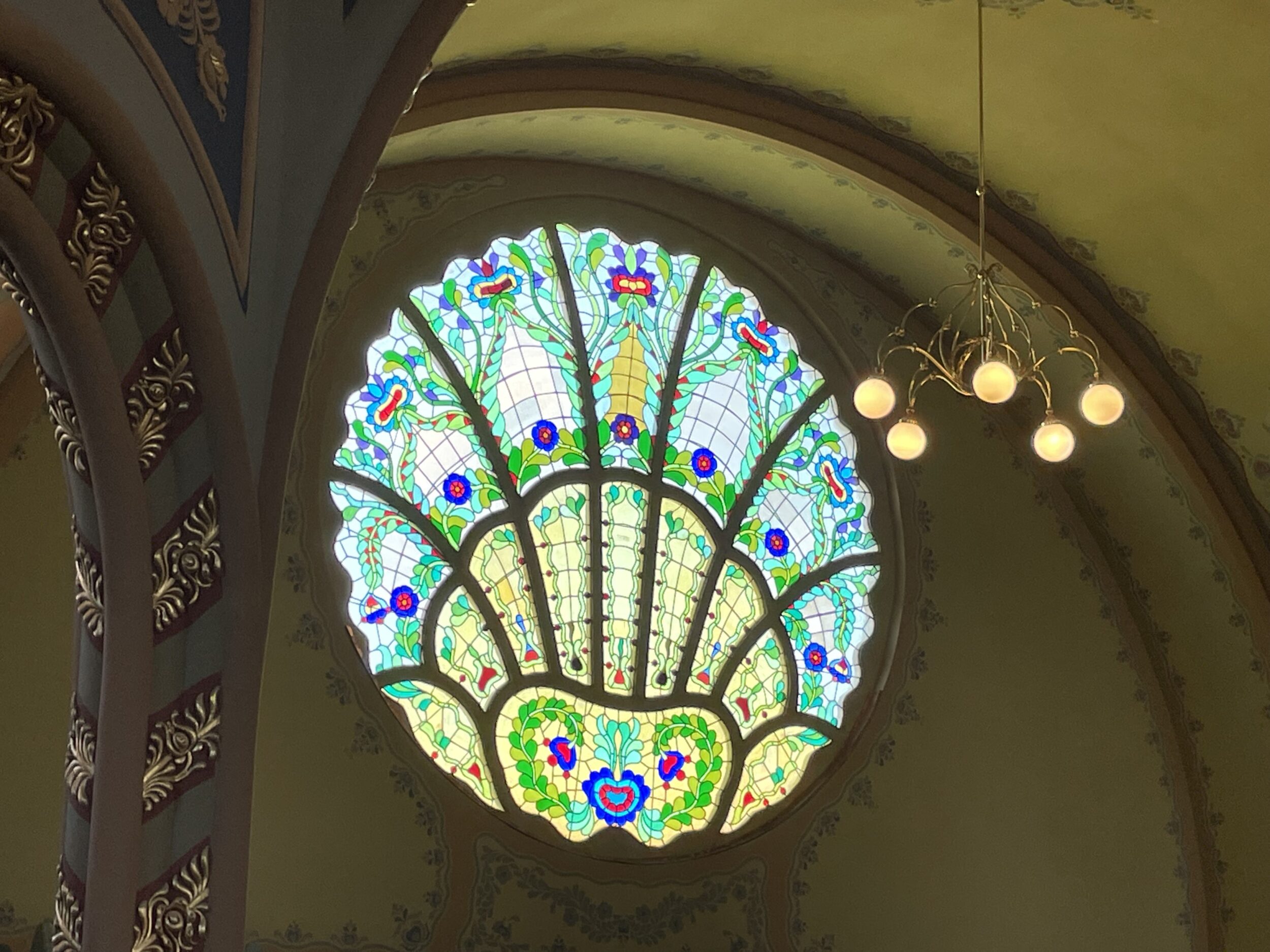
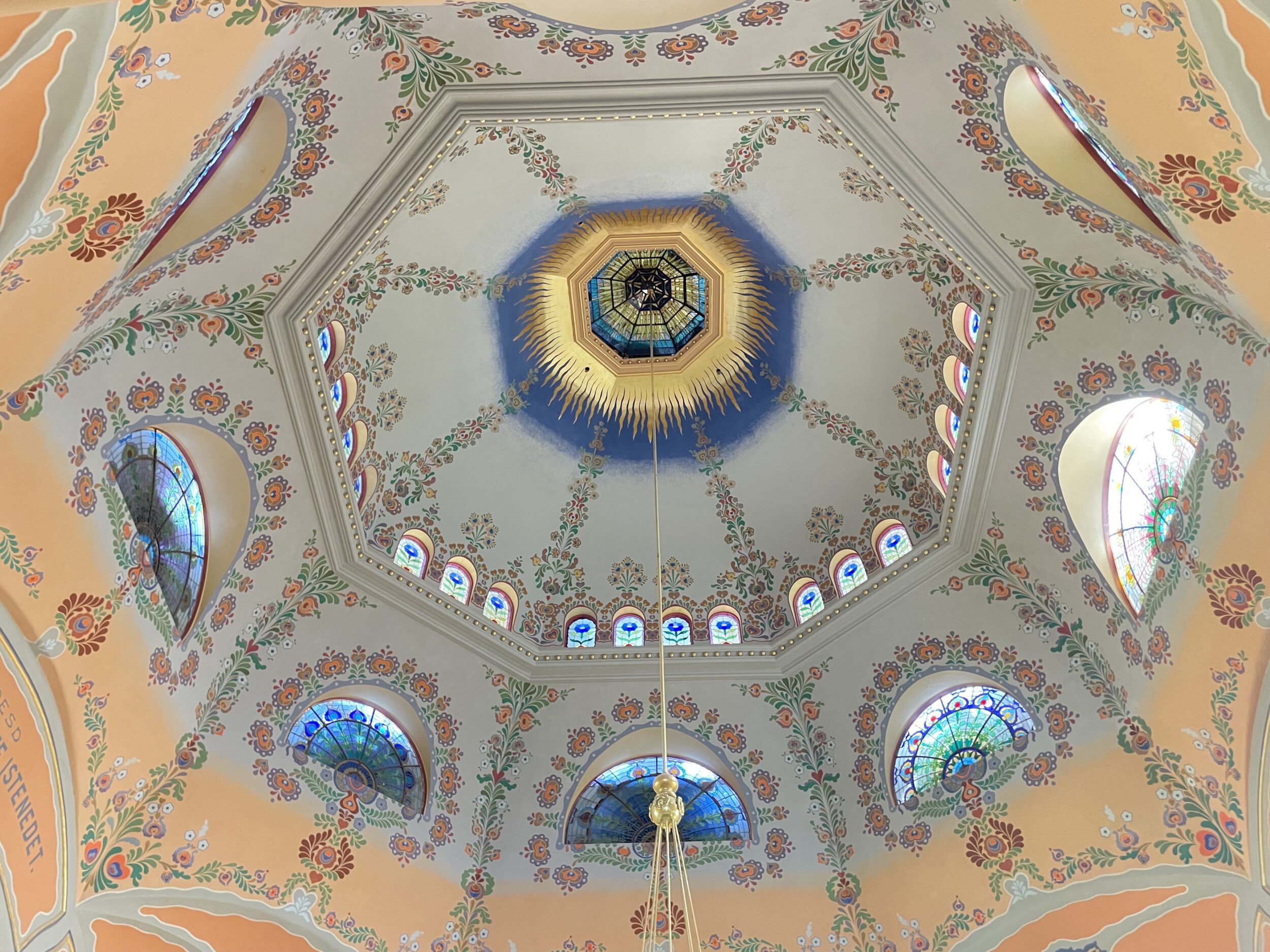
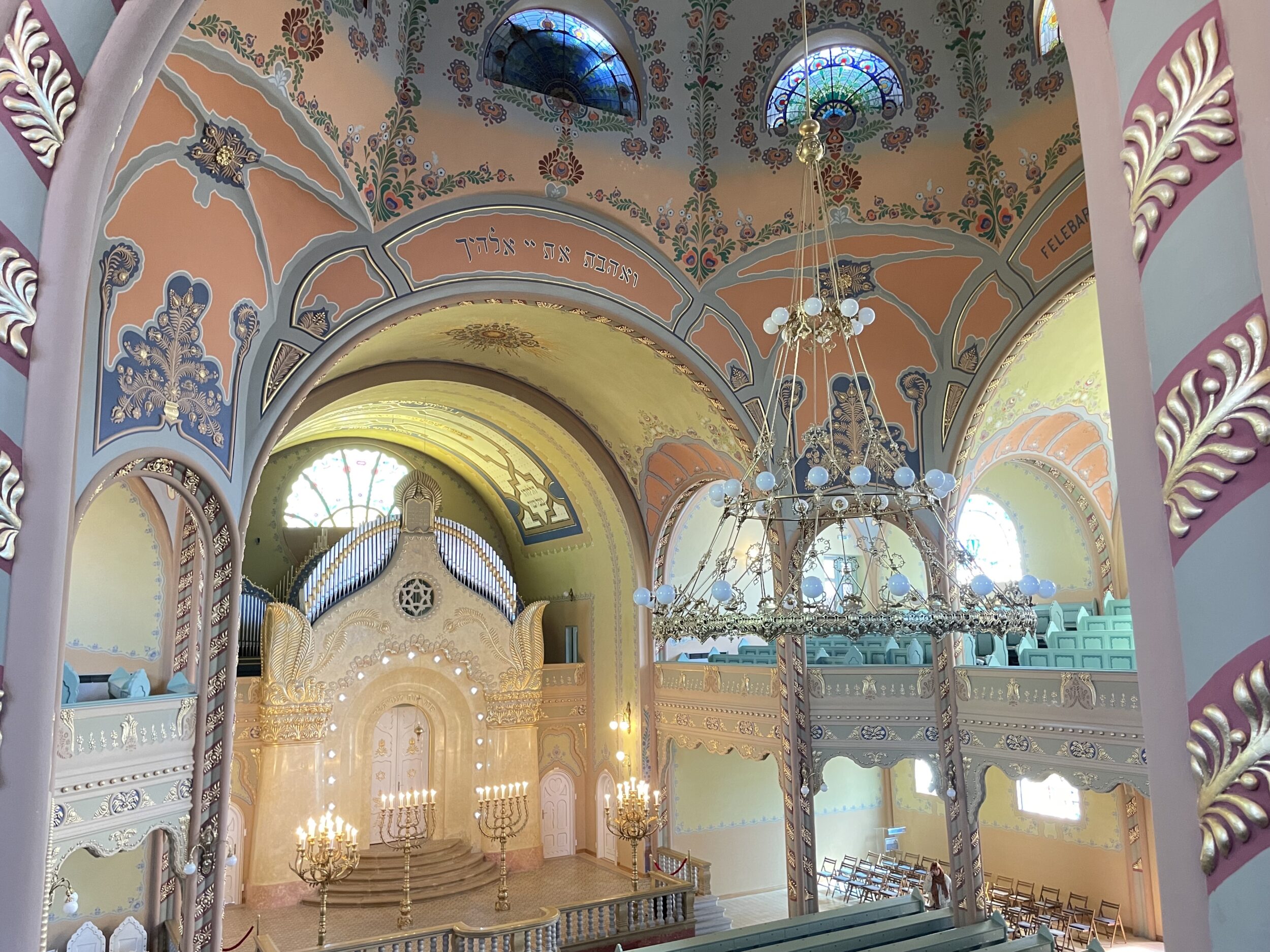
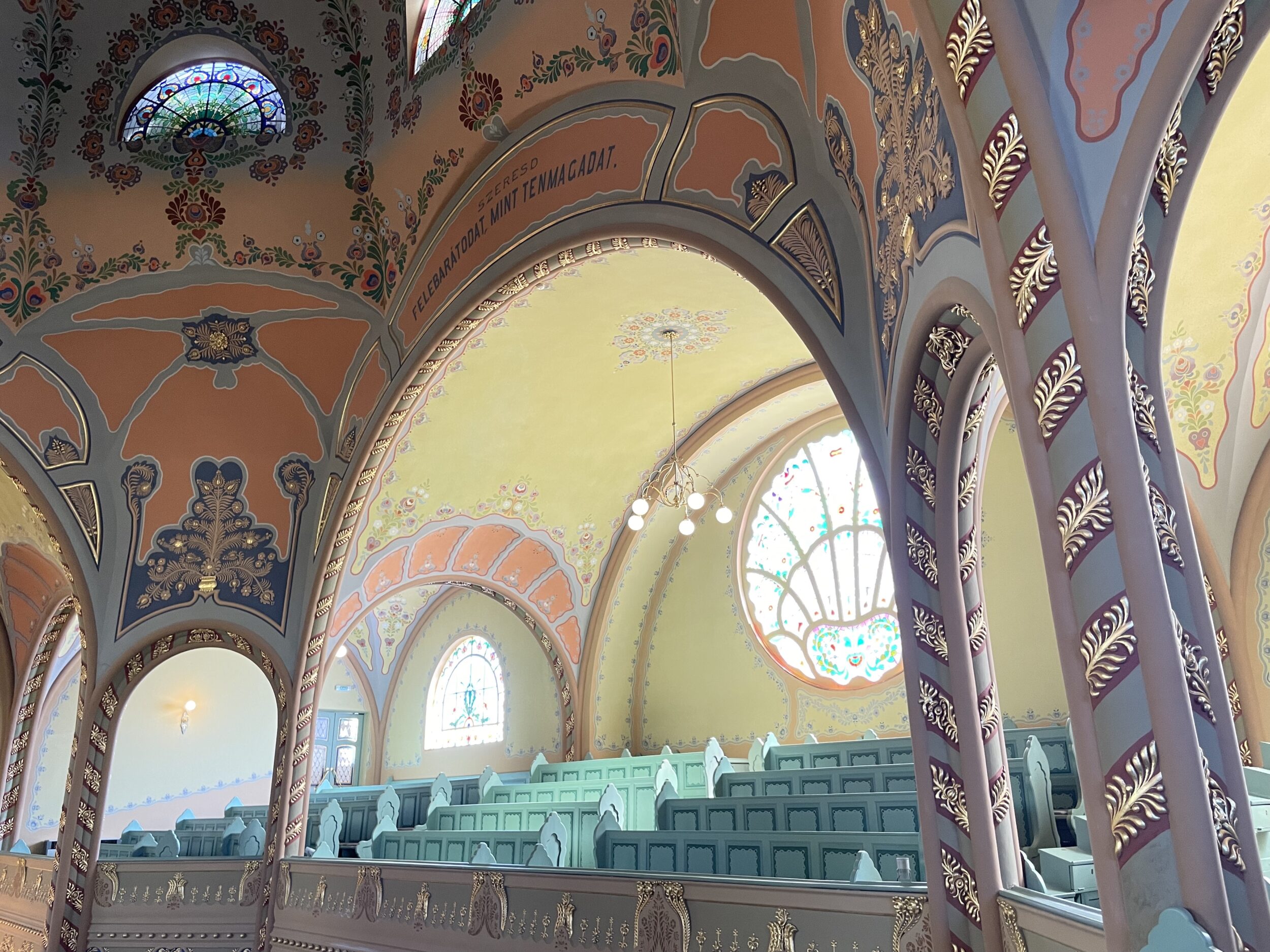
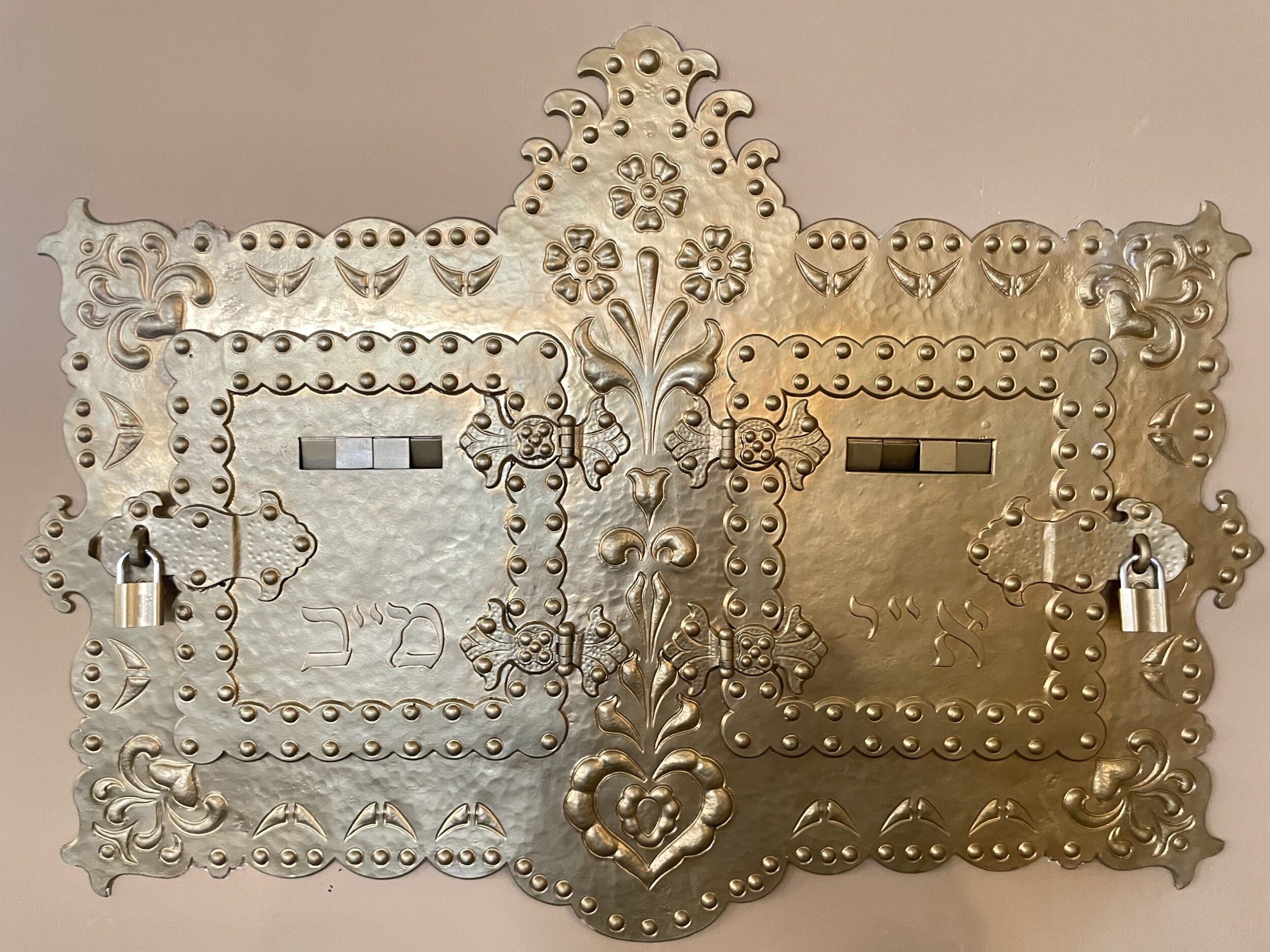
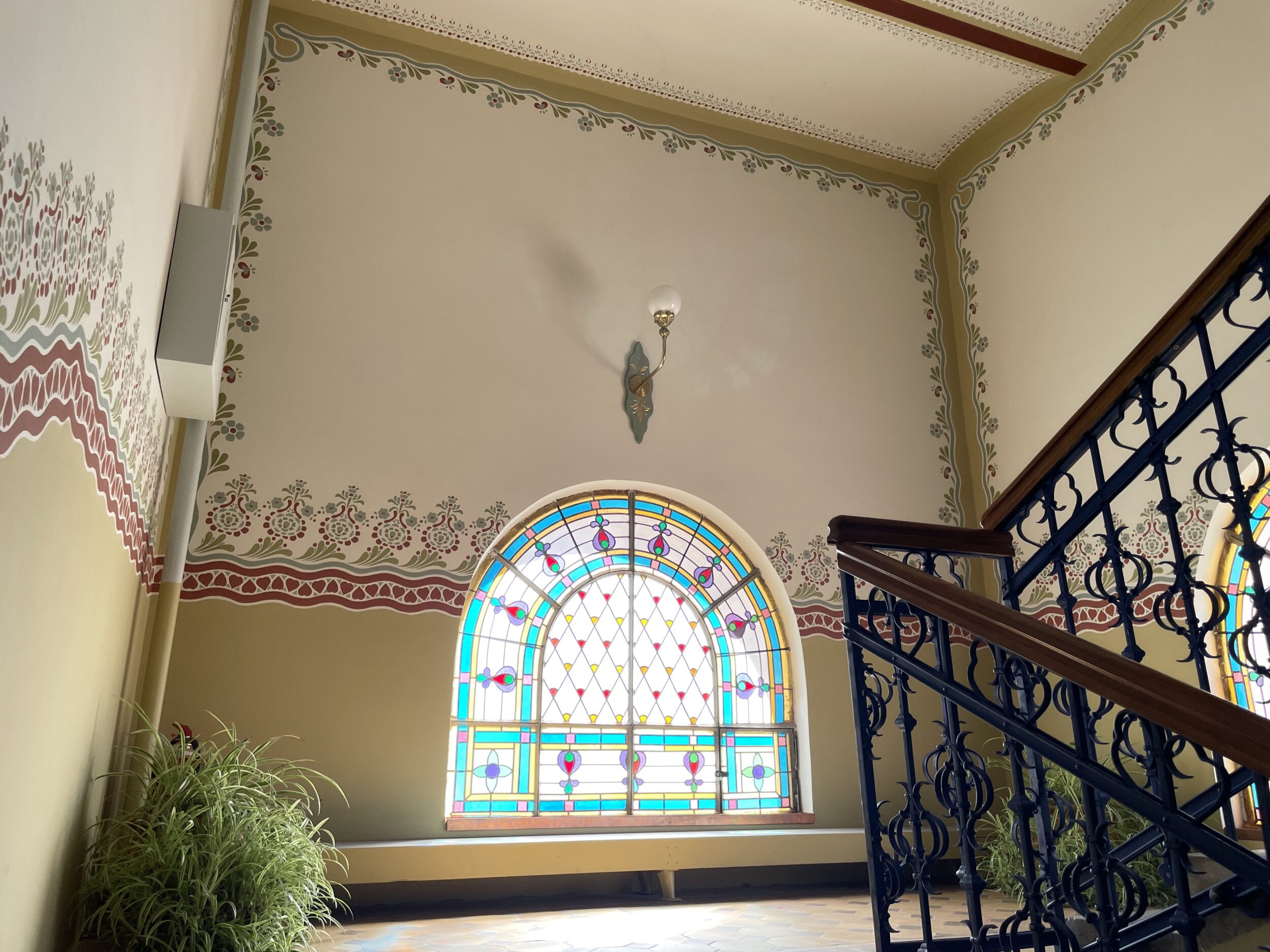
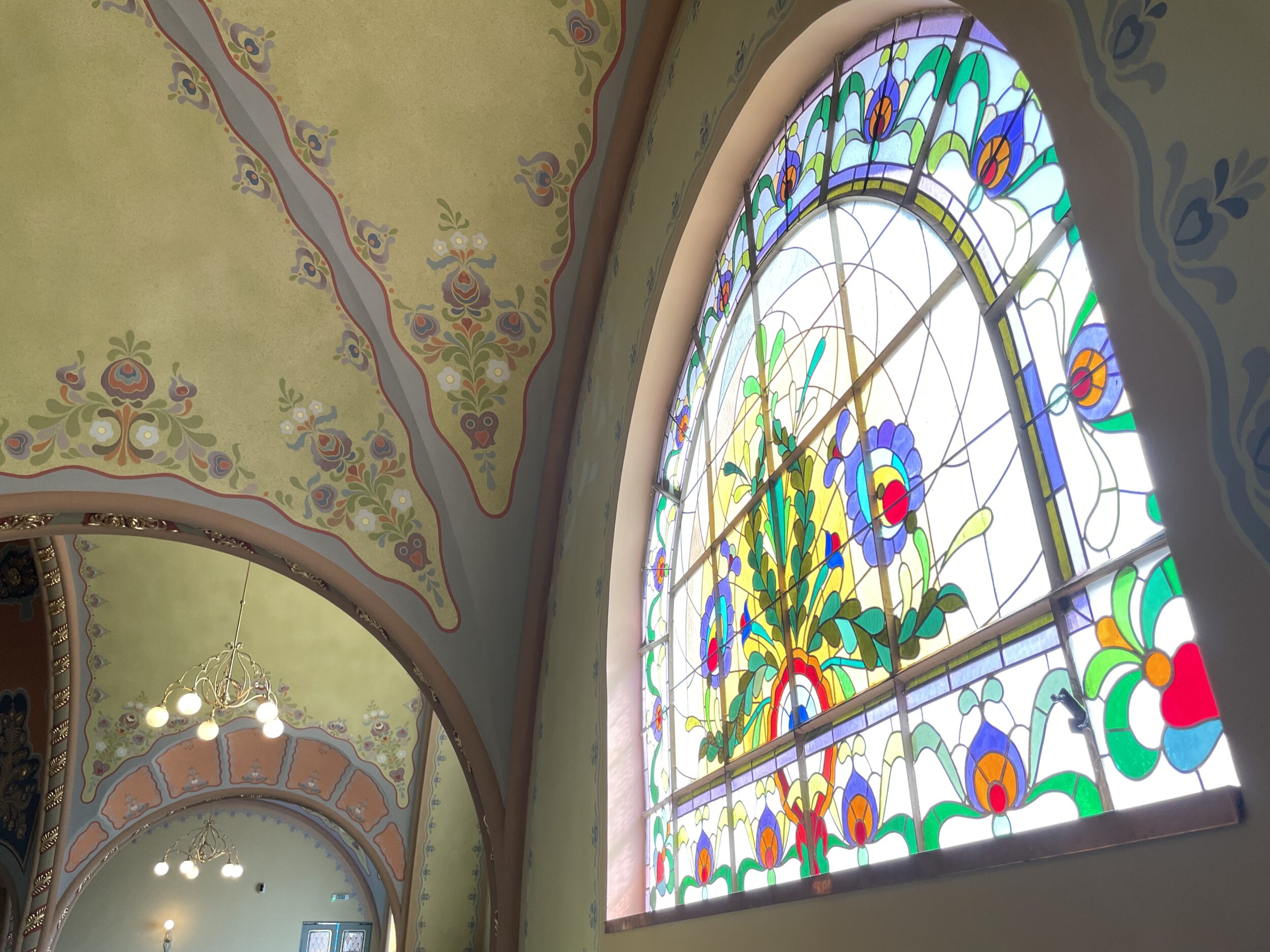
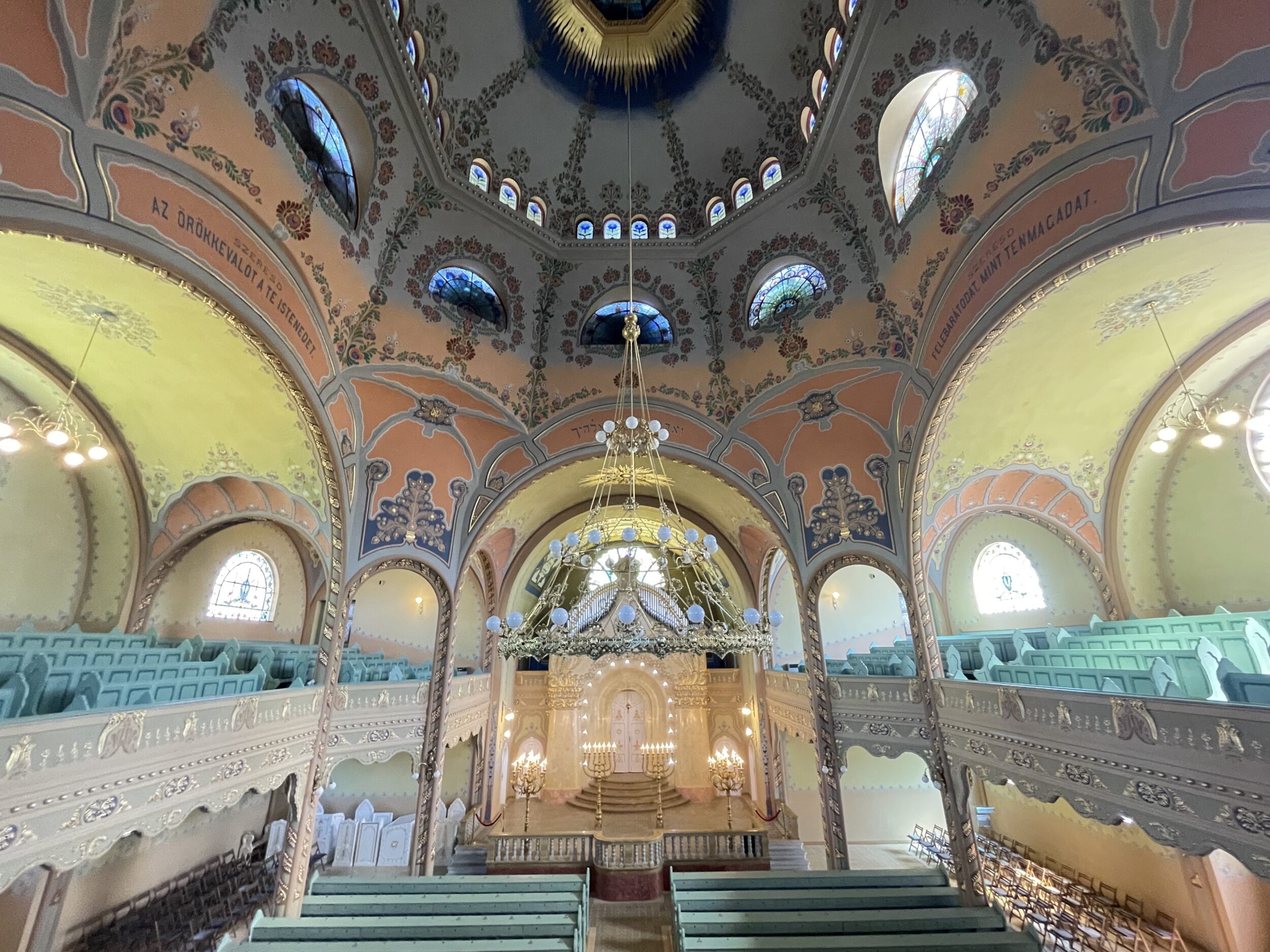
You’ll find a beautiful synagogue, colorful, with stained-glass windows shaped like seashells. This Art Nouveau synagogue is absolutely stunning. The Subotica Synagogue can hold up to 1,600 people, making it one of the largest synagogues in Central Europe before World War II. Unfortunately, after the Nazi occupation and persecutions, the Jewish population of Subotica significantly decreased, and the synagogue was no longer regularly used for worship. Fortunately, the synagogue was restored in the early 21st century through joint efforts from the Serbian government, the international community, and the Jewish community.
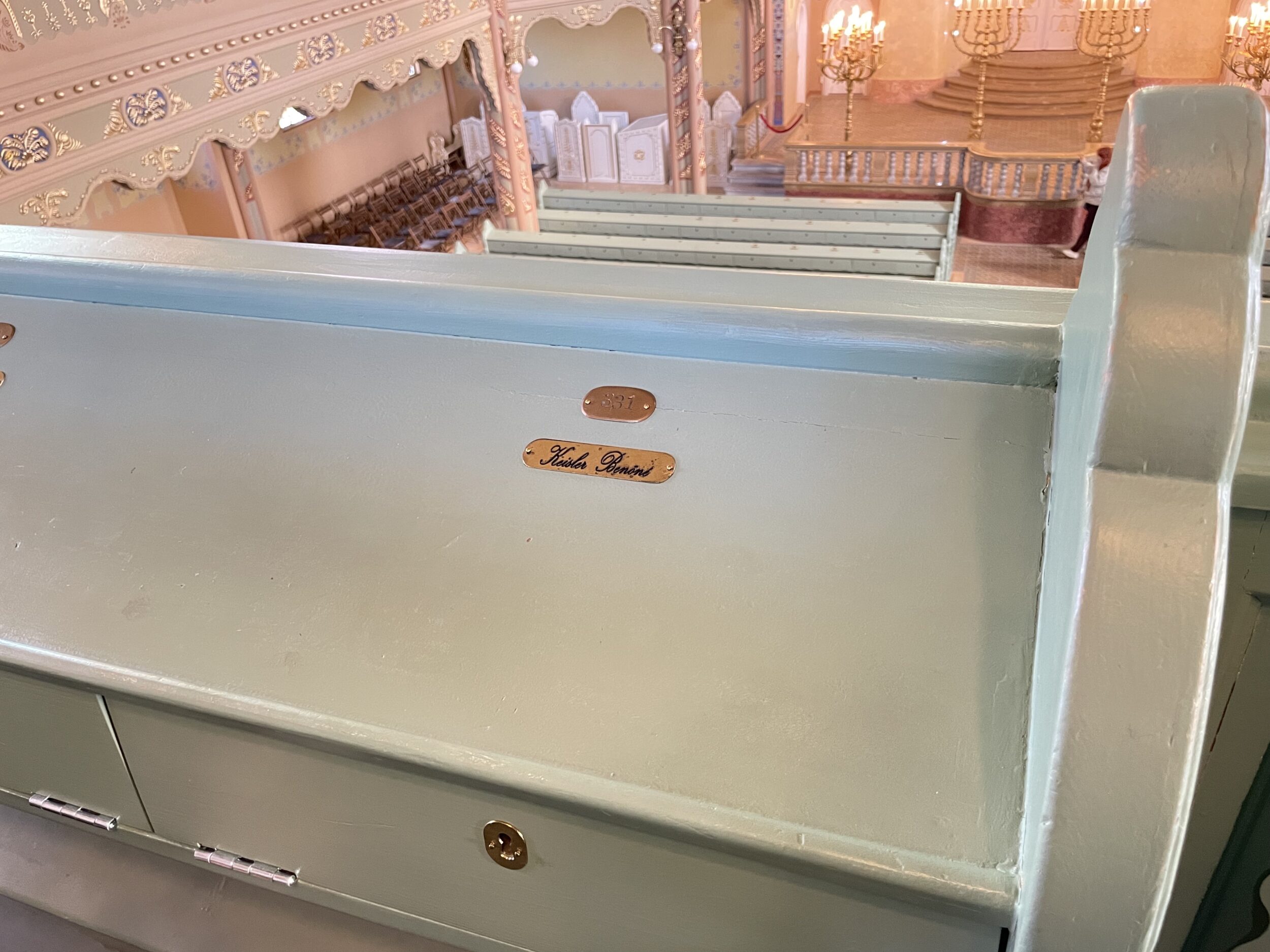
I’m discovering the concept of assigned (paid) seats in synagogues. There’s a little drawer to keep your personal belongings, it’s so practical!
Well, that’s the end of our stay in Serbia , which we’re happily discovering for the first time. Even though food isn’t necessarily their strong point, the locals are very kind and the landscapes are beautiful. We’ll come back to explore the rest of the landmarks along the Danube! For now, we must first visit the Kosovo, their “enemies.”

