

4 Days in Ha Giang (Vietnam)
After an 11.5-hour flight from Paris to Hanoi and three days of quarantine at my parents’ place (this was early March 2022, there’s no quarantine anymore), we’re in great shape to go on vacation with my parents. First stop: the mountainous region of Ha Giang, in the far north of the country, near China.
Part 1: Travel Journal
Part 2: Practical Tips
Part 1: Travel Journal
I’ve traveled the world, but I don’t know my own country that well, especially the northern region. Before, it took a lot of patience to get there because of the winding, dangerous roads in poor condition. Now, with many signposts and two-lane roads that let you avoid oncoming cars, more and more Vietnamese are able to venture into the mountains with their own cars or motorbikes.
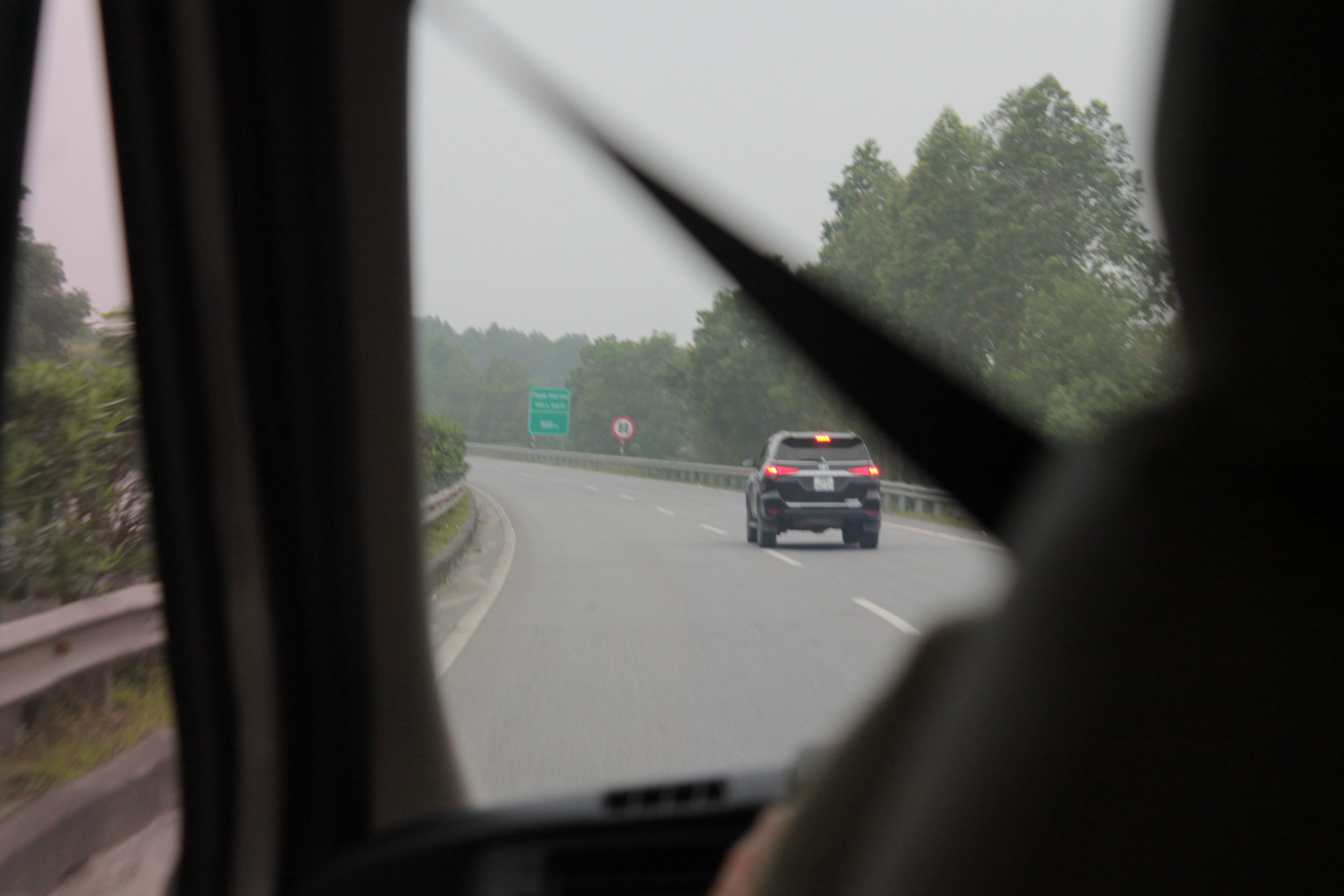
Since the drive is still quite long, we decide to go through an agency, with a private driver and guide, so my parents can fully enjoy the trip too, without having to be ‘the guides’.
Note: I can’t give you the contact details of our agency because (1) it’s only for Vietnamese people (2) we weren’t too happy with the service.
Day 1:
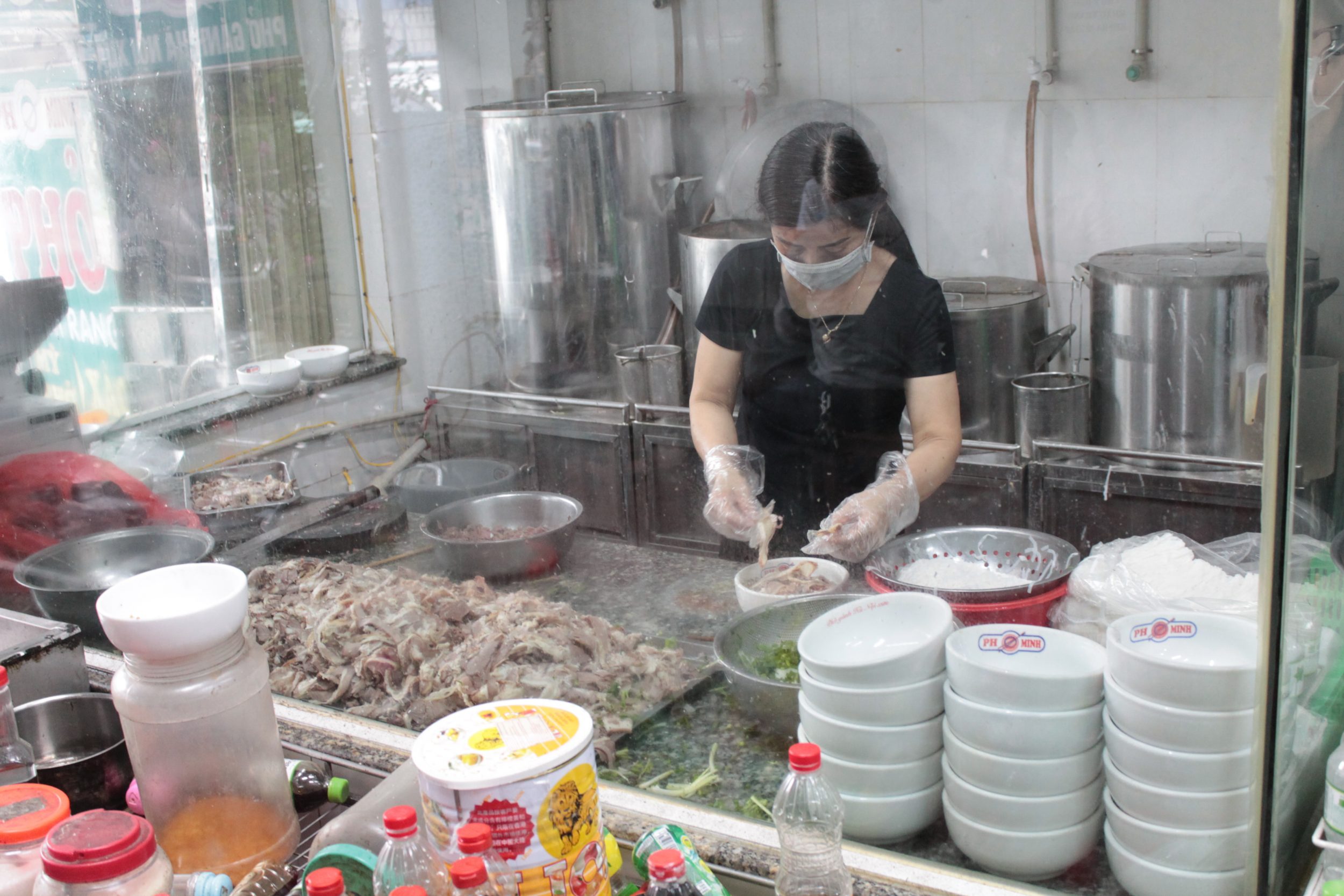
We leave at 6:30 a.m. to avoid traffic. Quick stop to eat a pho (with lots of soft-boiled eggs for JB).
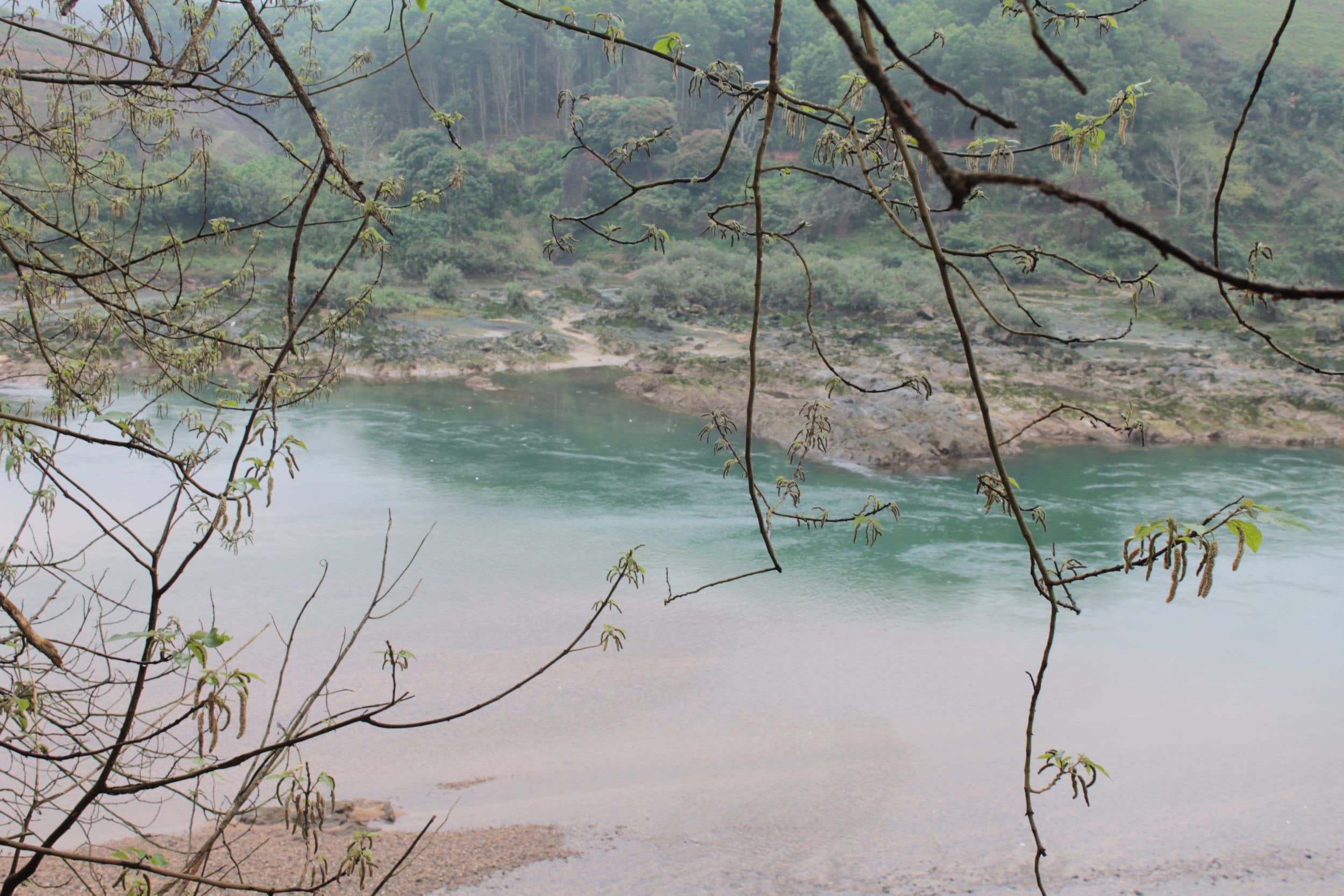
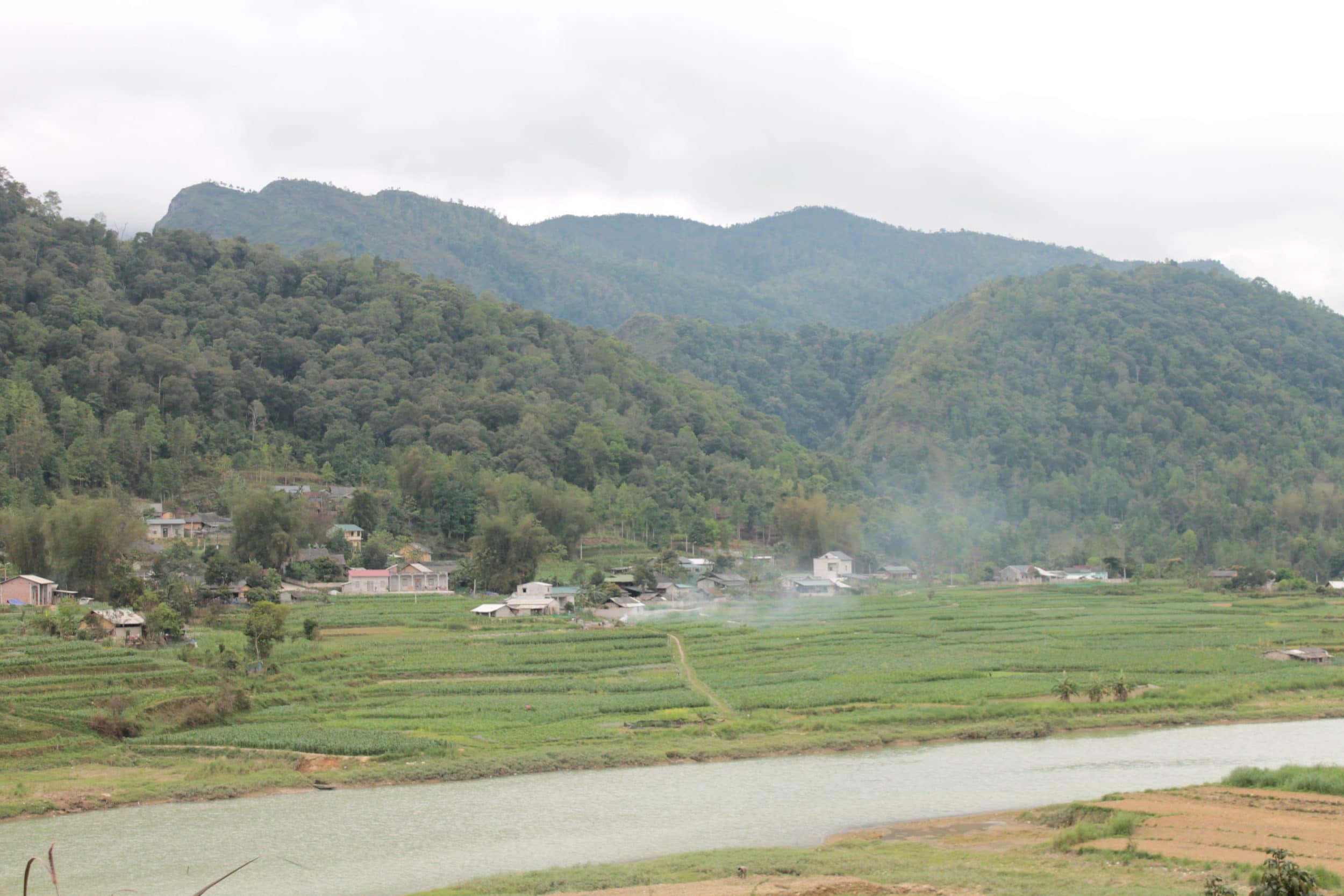
The scenery rolls by and changes after about an hour on the road. We start to follow the Lo River. The water is clear, but swimming is not recommended—the current is very strong and it’s very deep.
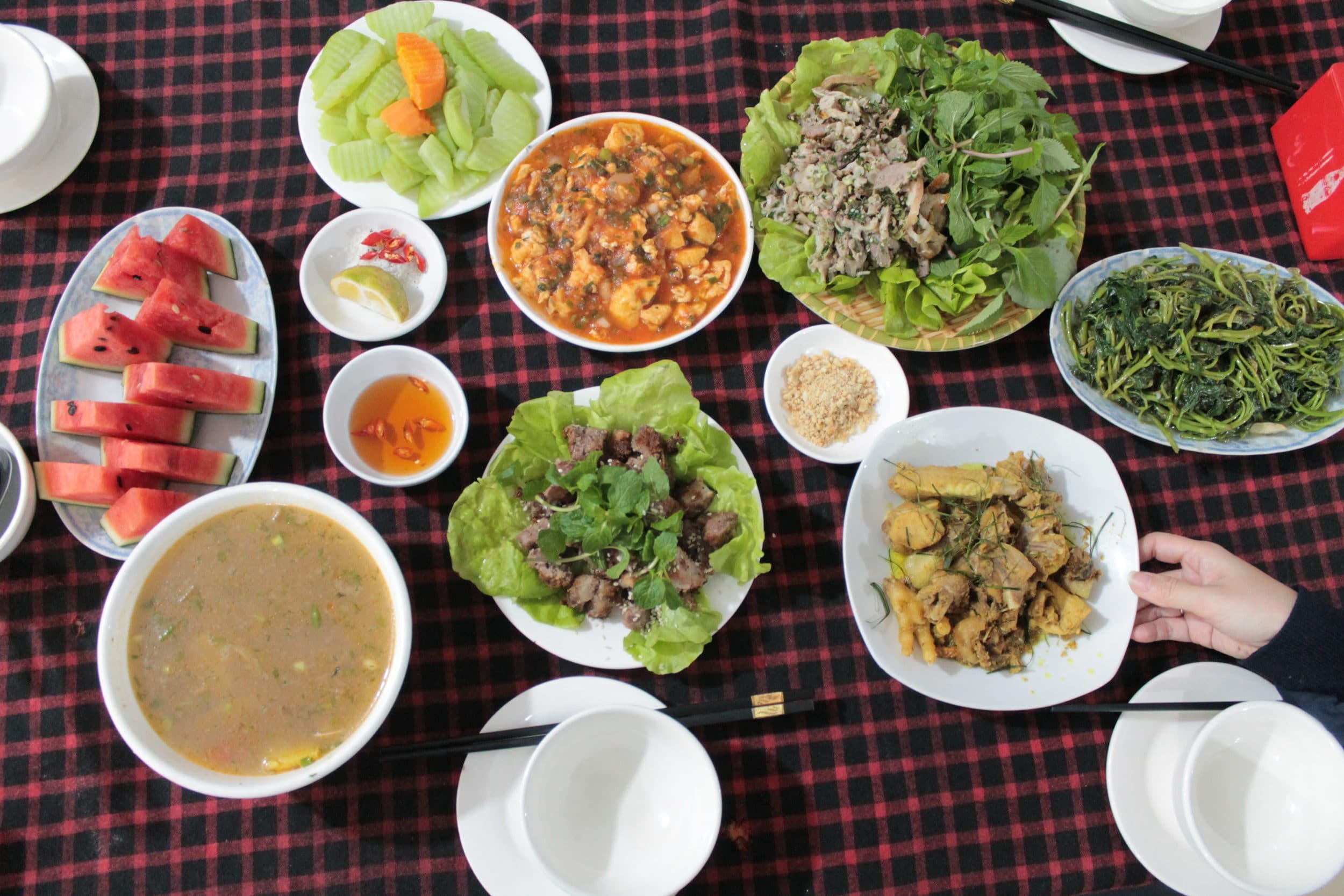
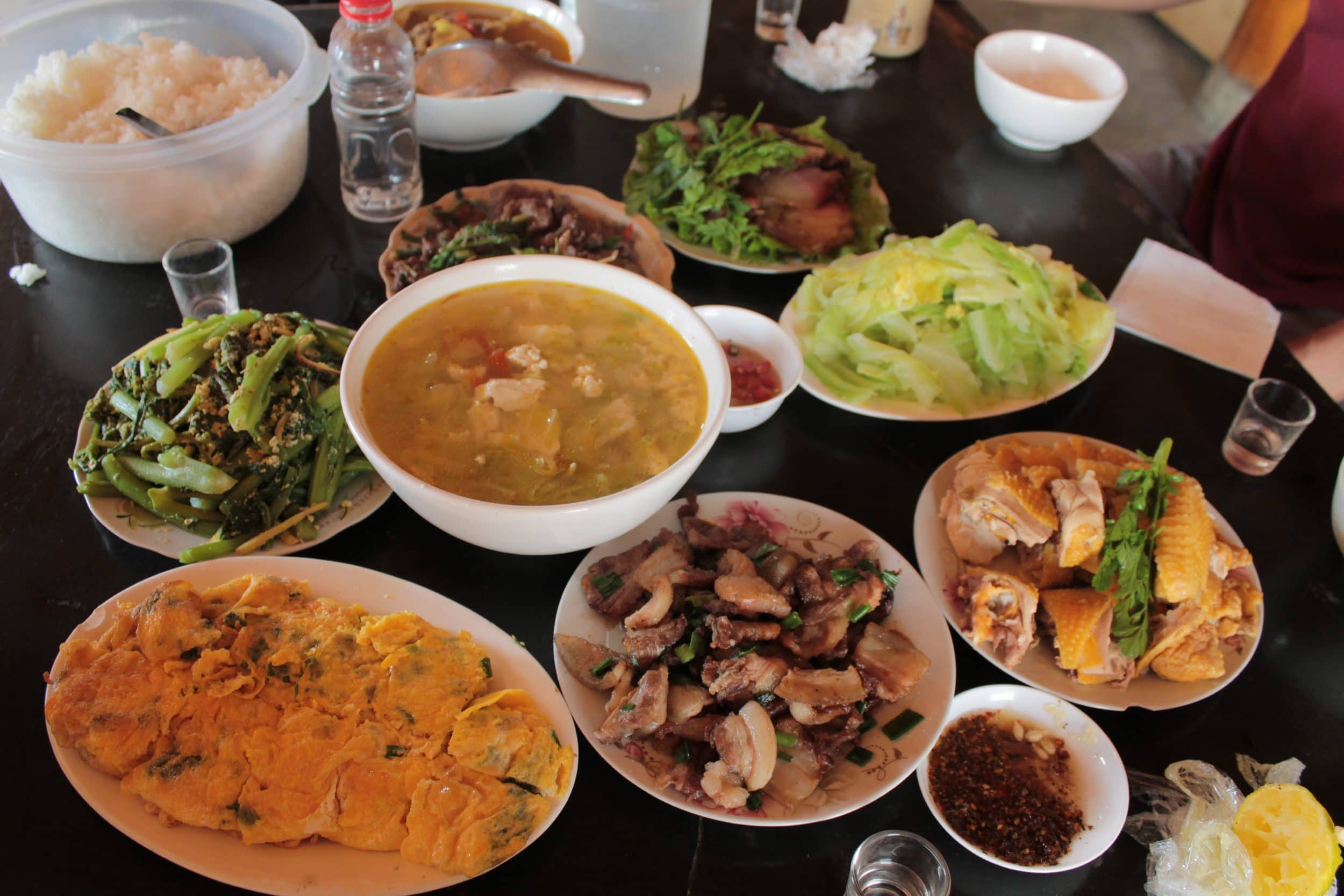
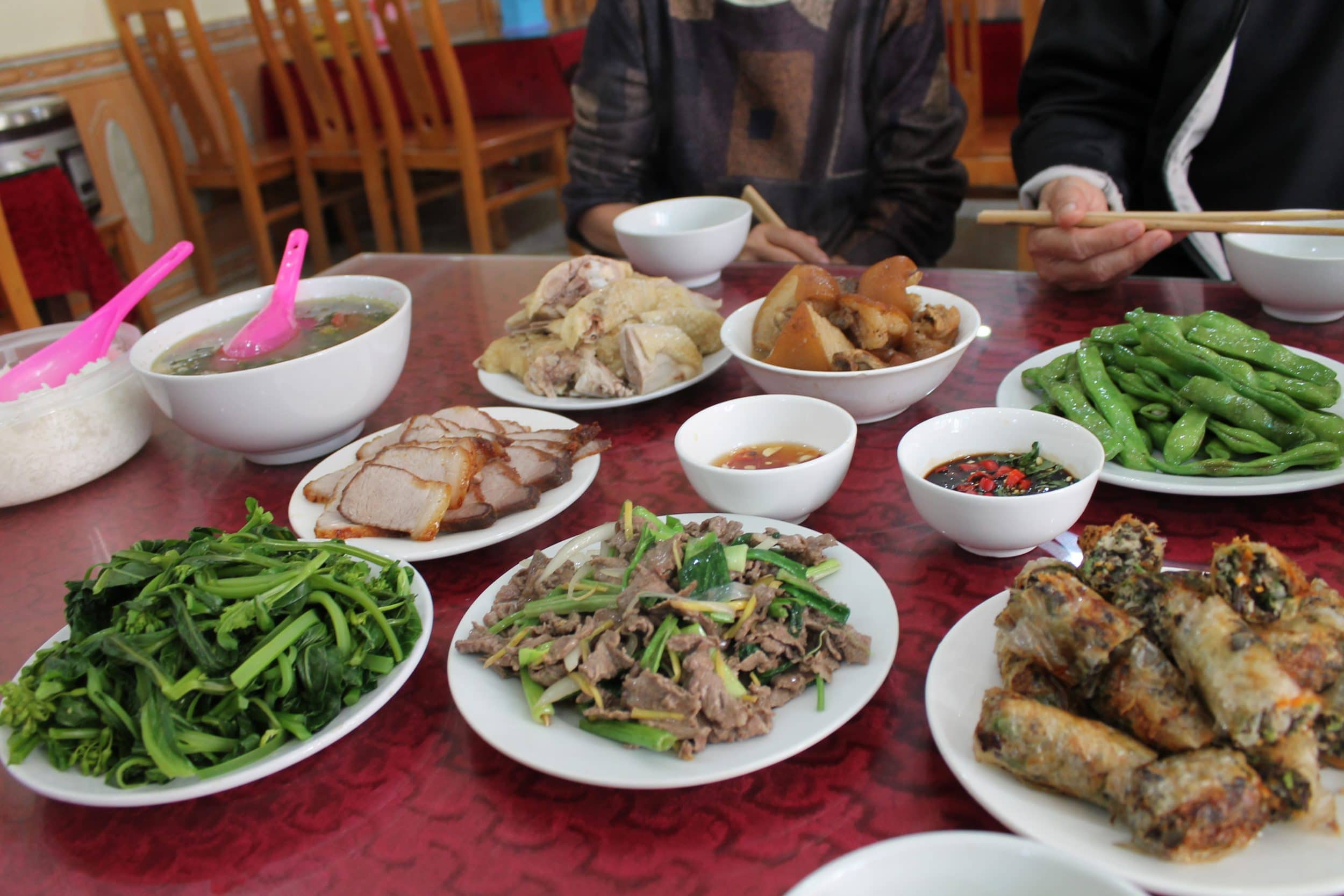
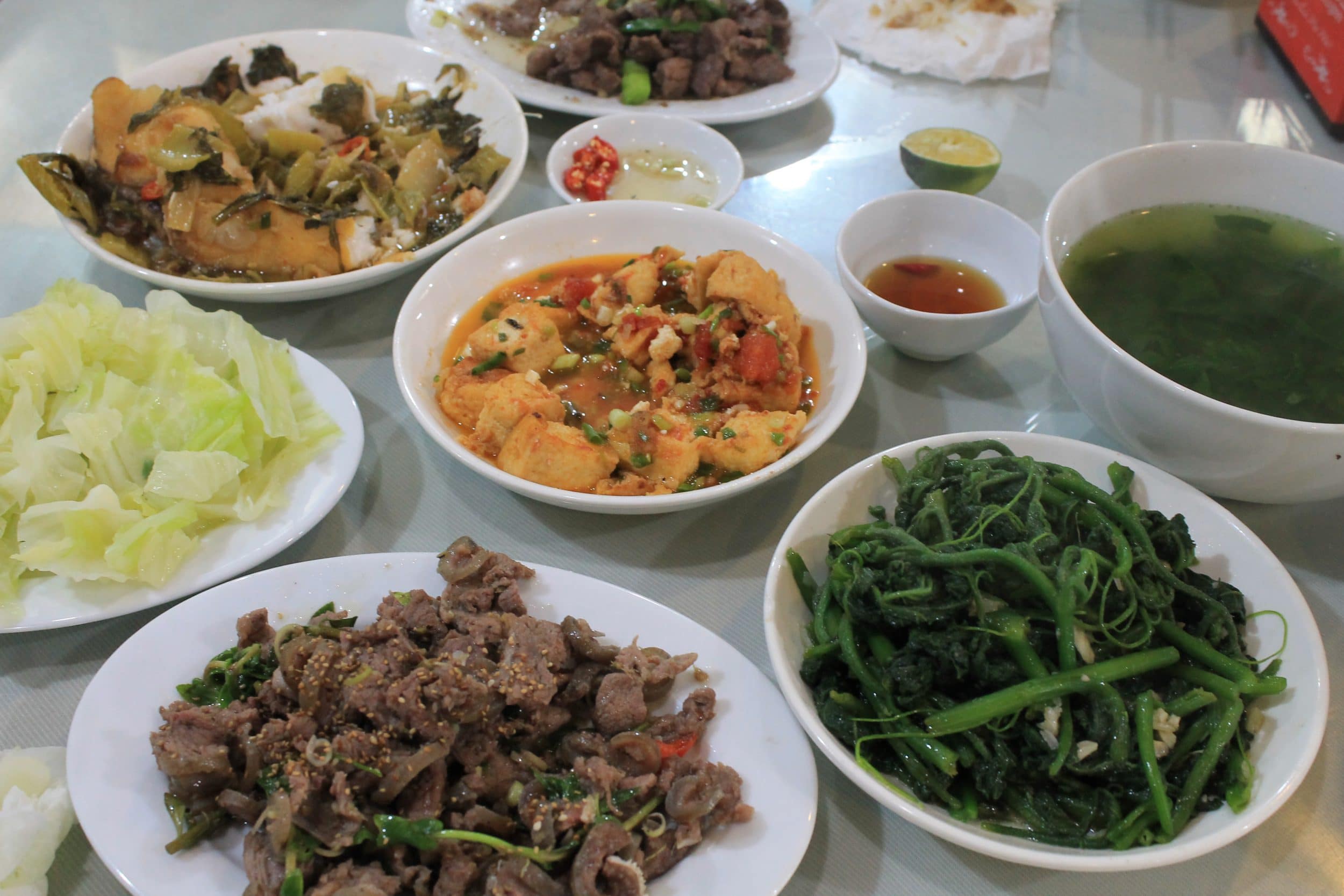
It’s already time for lunch. We stop at a restaurant frequented by organized tours for a very calorie-heavy meal. As you can see, there are tons of dishes to share. Everyone takes a small amount to put in their rice bowl. It’s not very Covid-friendly, which is why we preferred a private tour. The driver and guide eat with other drivers.
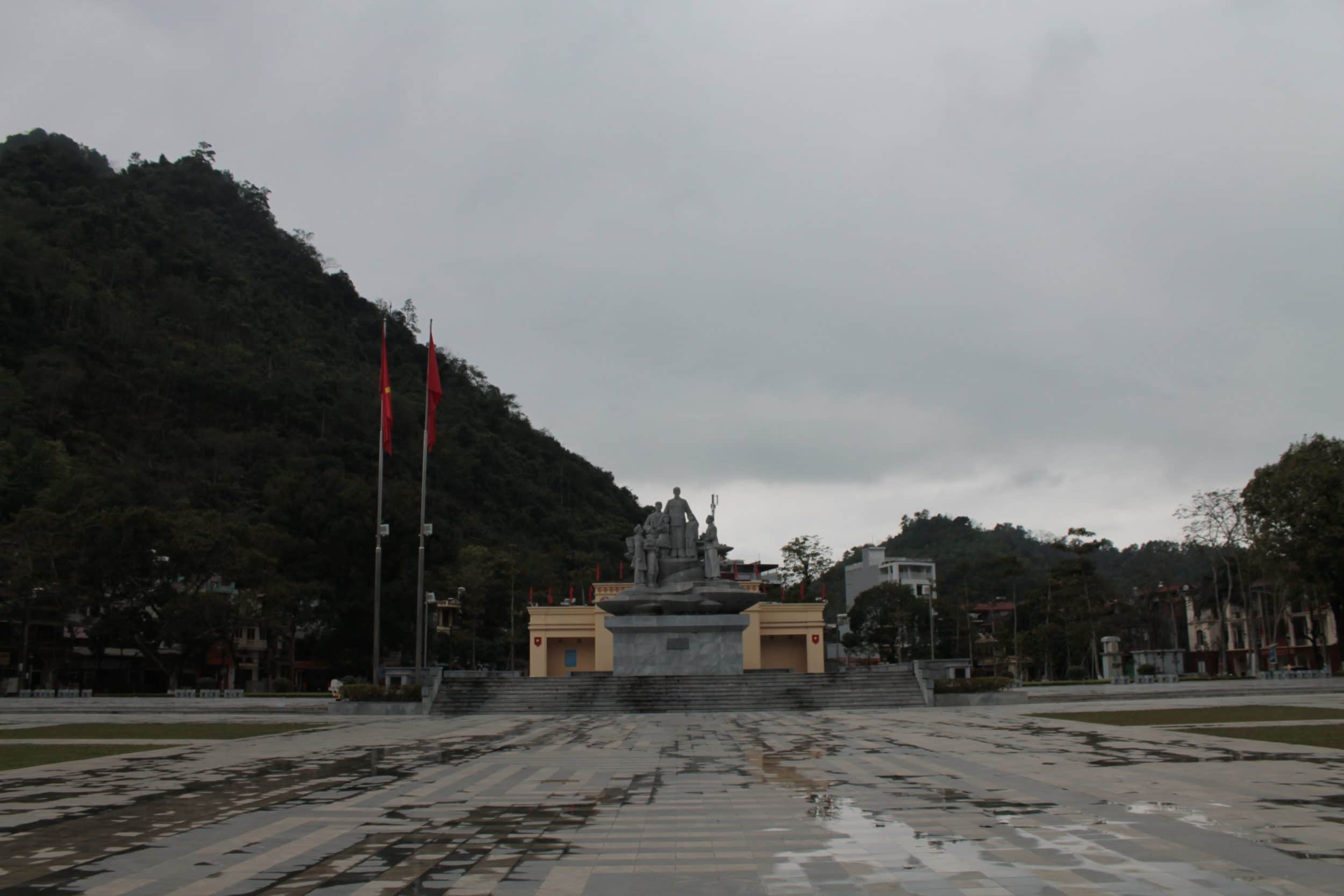
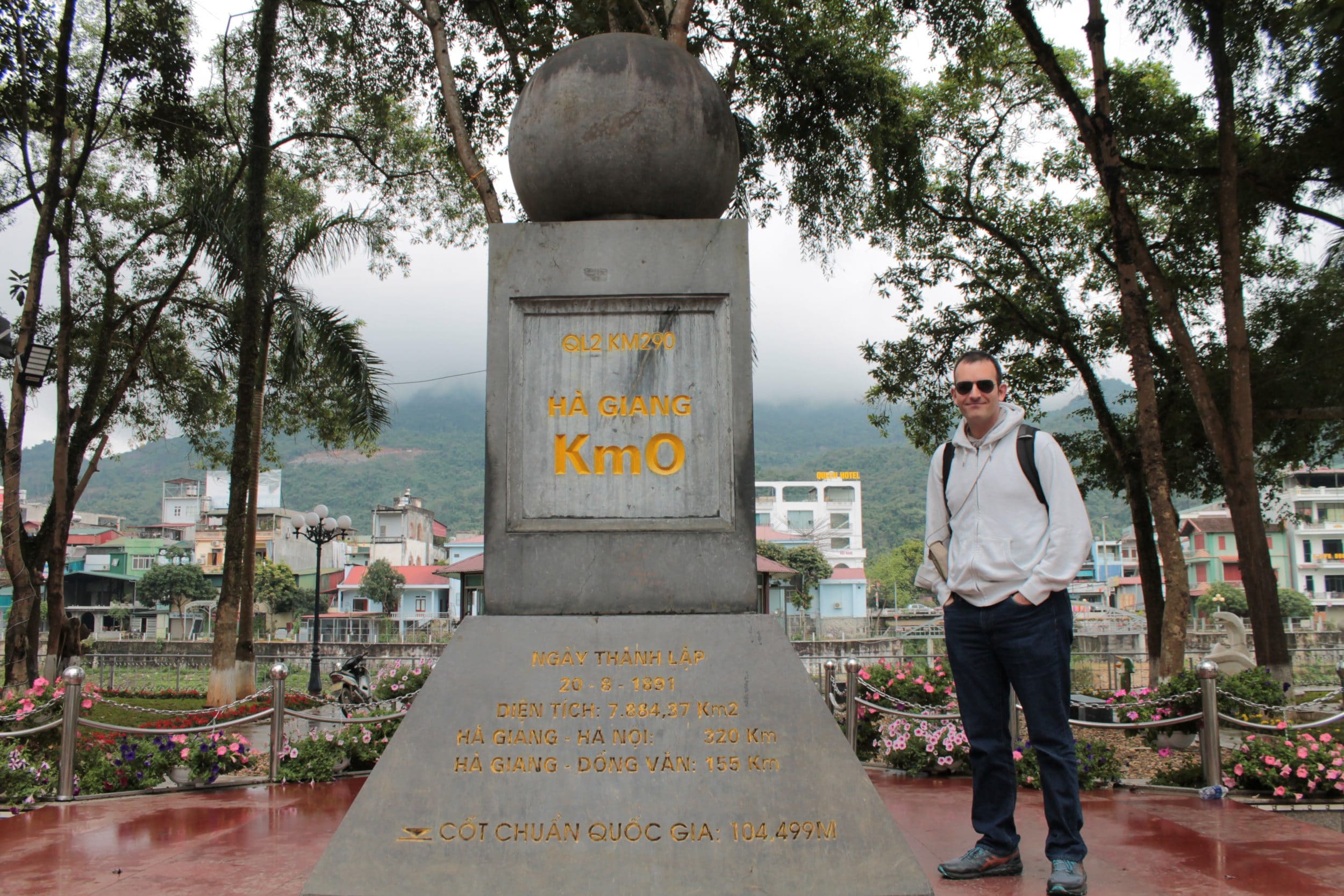
After a few hours, we finally arrive in Ha Giang. You should know that the Ha Giang region comprises several towns. Ha Giang city is one of them, but it has no tourist appeal. Everyone just stops there to take a photo of the town’s km 0 marker (indicating the town center, that’s all).
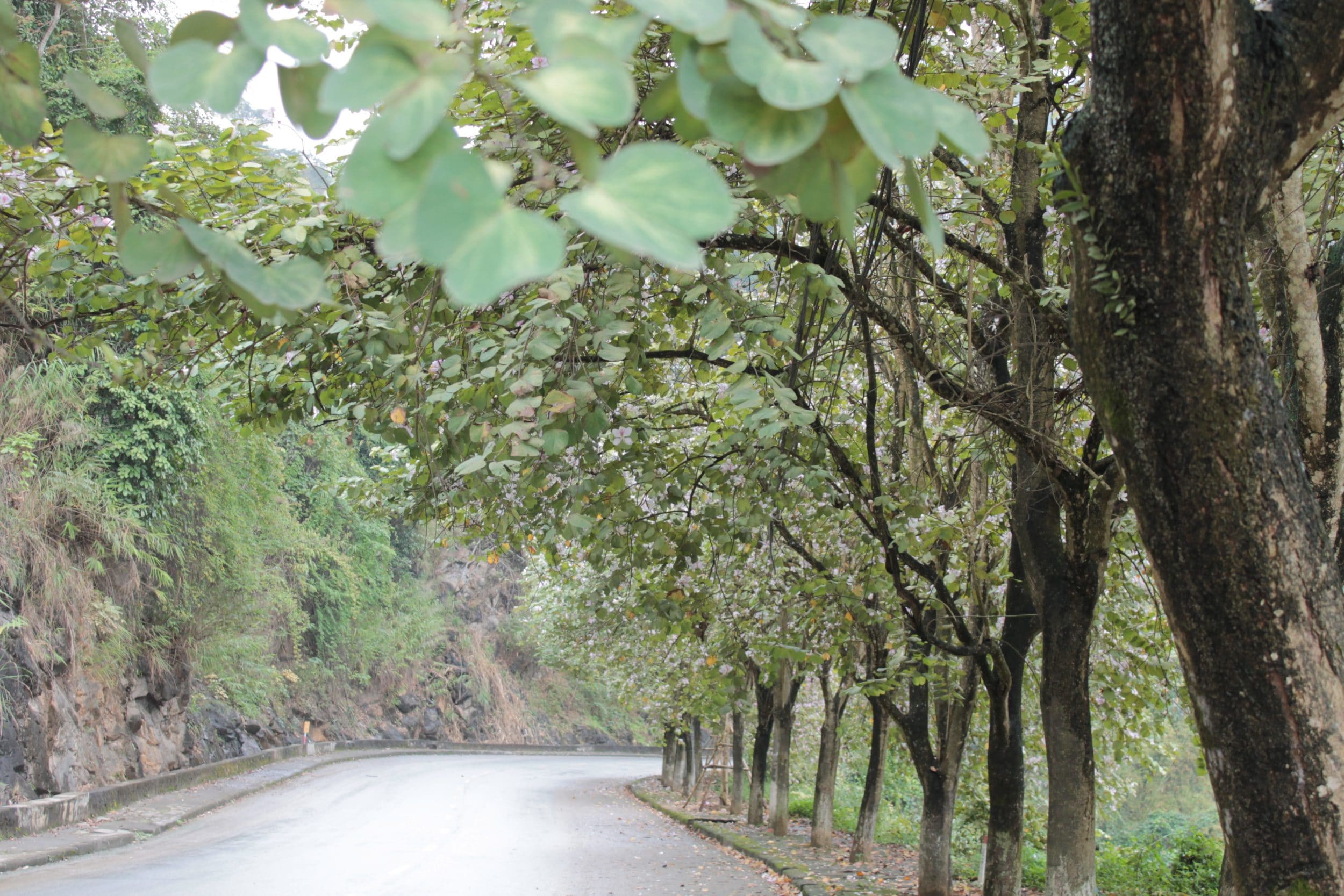
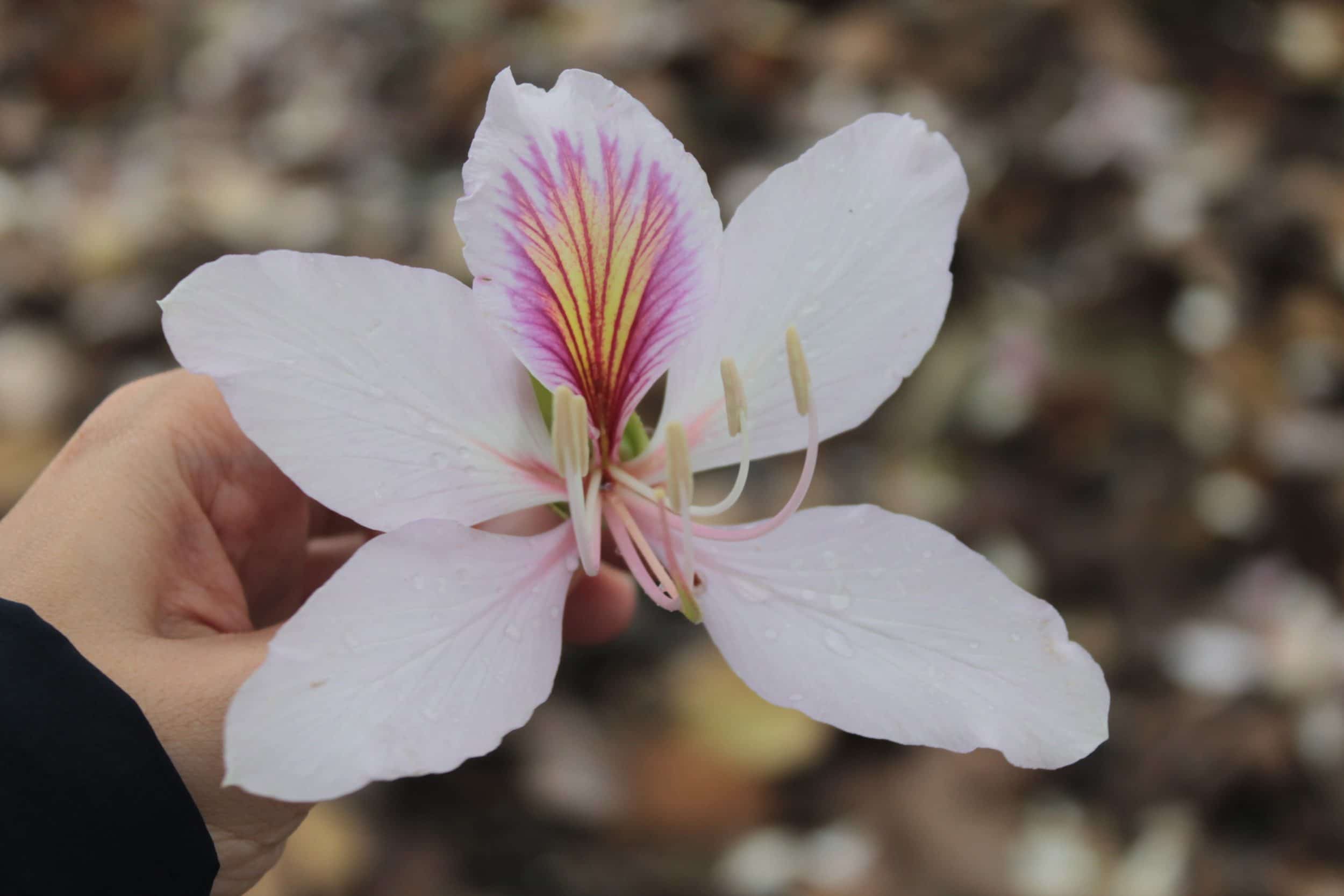
A bit further is the most romantic street in town, lined with bauhinia trees. In March, they’re all in bloom, and depending on the flower color, it can be all dark pink, or white like here.
Since we have a private car, we can stop whenever there’s a point of interest. For example, we spotted this picturesque spot—there’s a café under construction not far from here. So tempting!
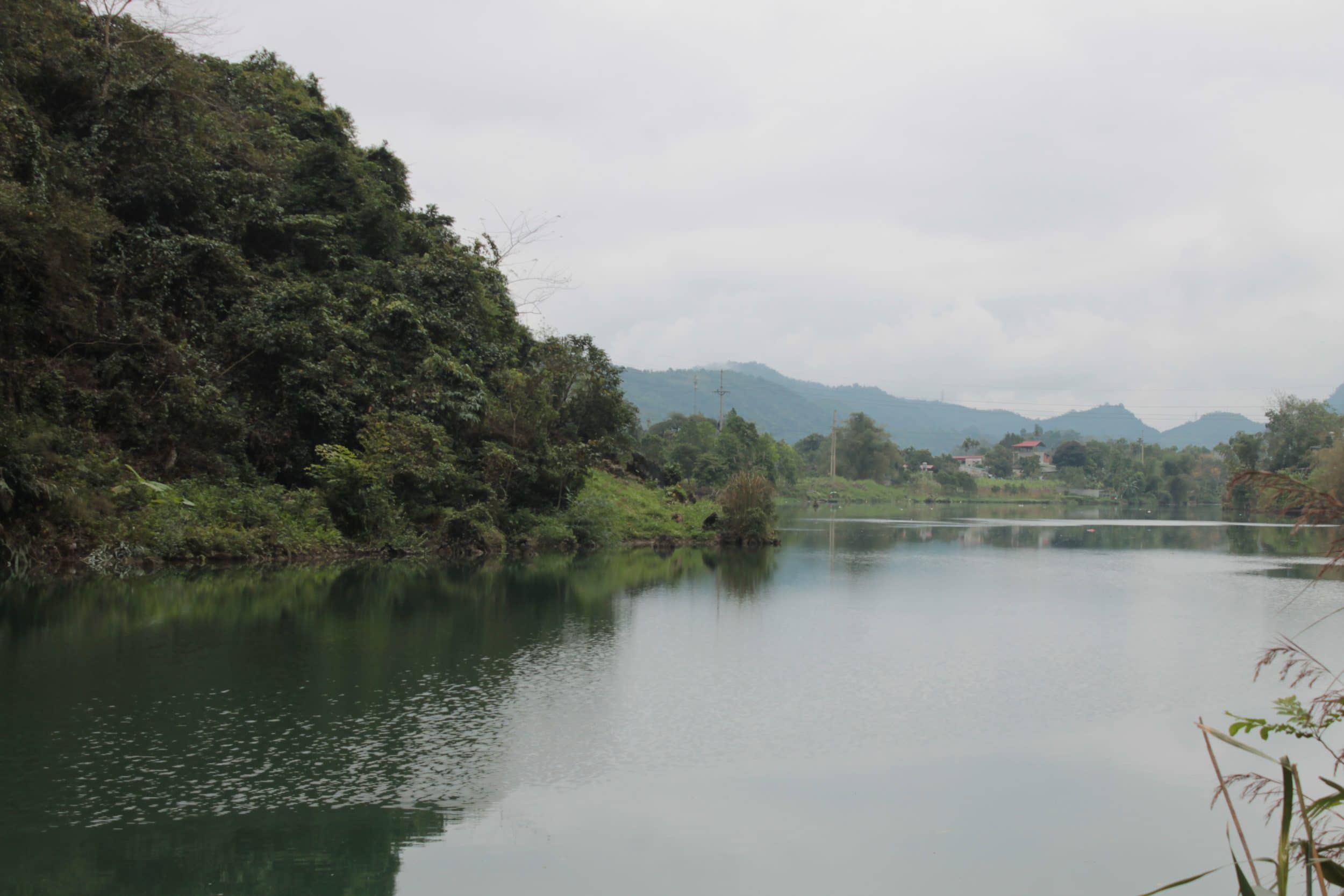
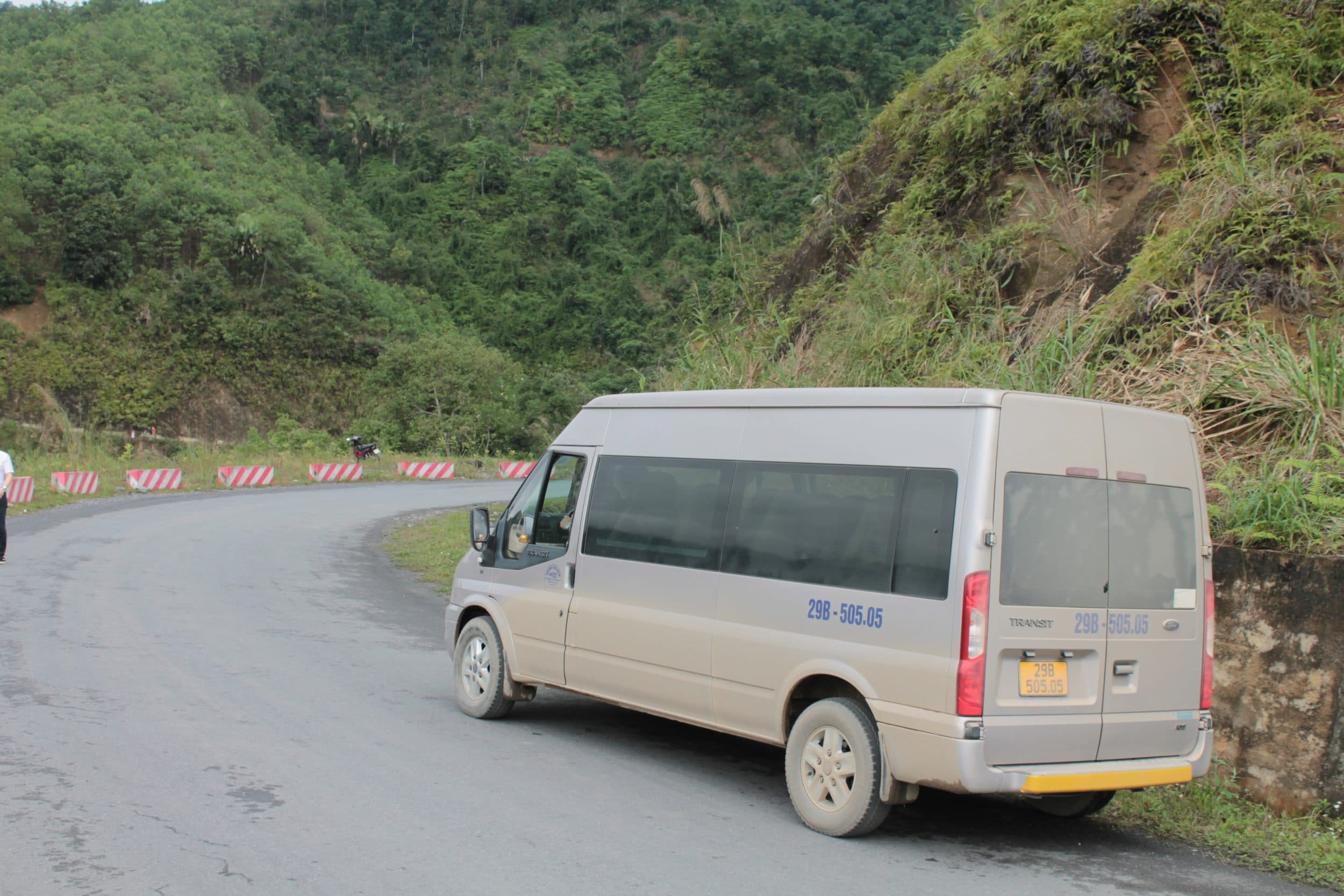
Despite the light rain, our car is already pretty dirty. That’s Vietnamese roads for you—it doesn’t take much to get the car filthy. So imagine the bikers coming here in backpacker mode!!
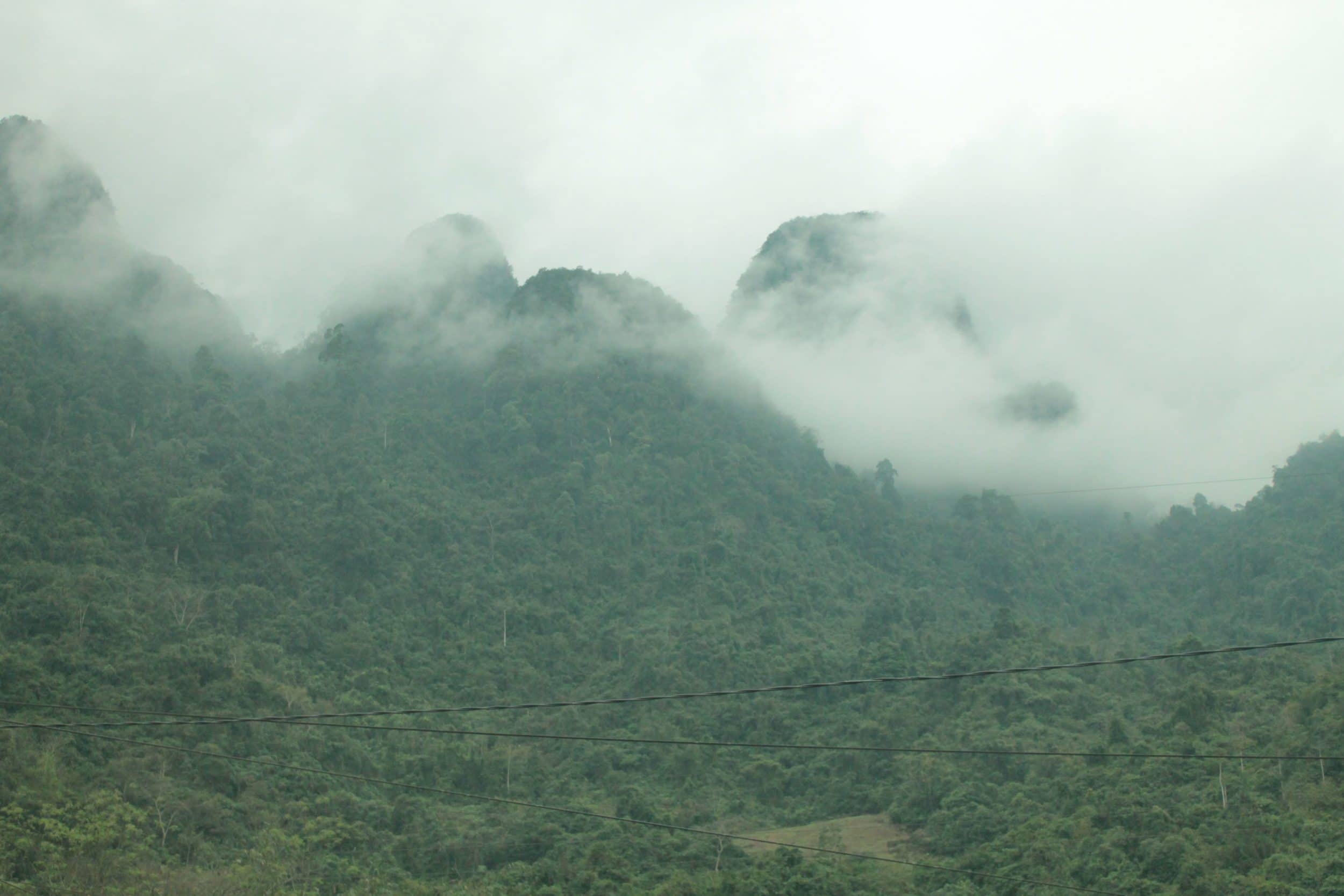
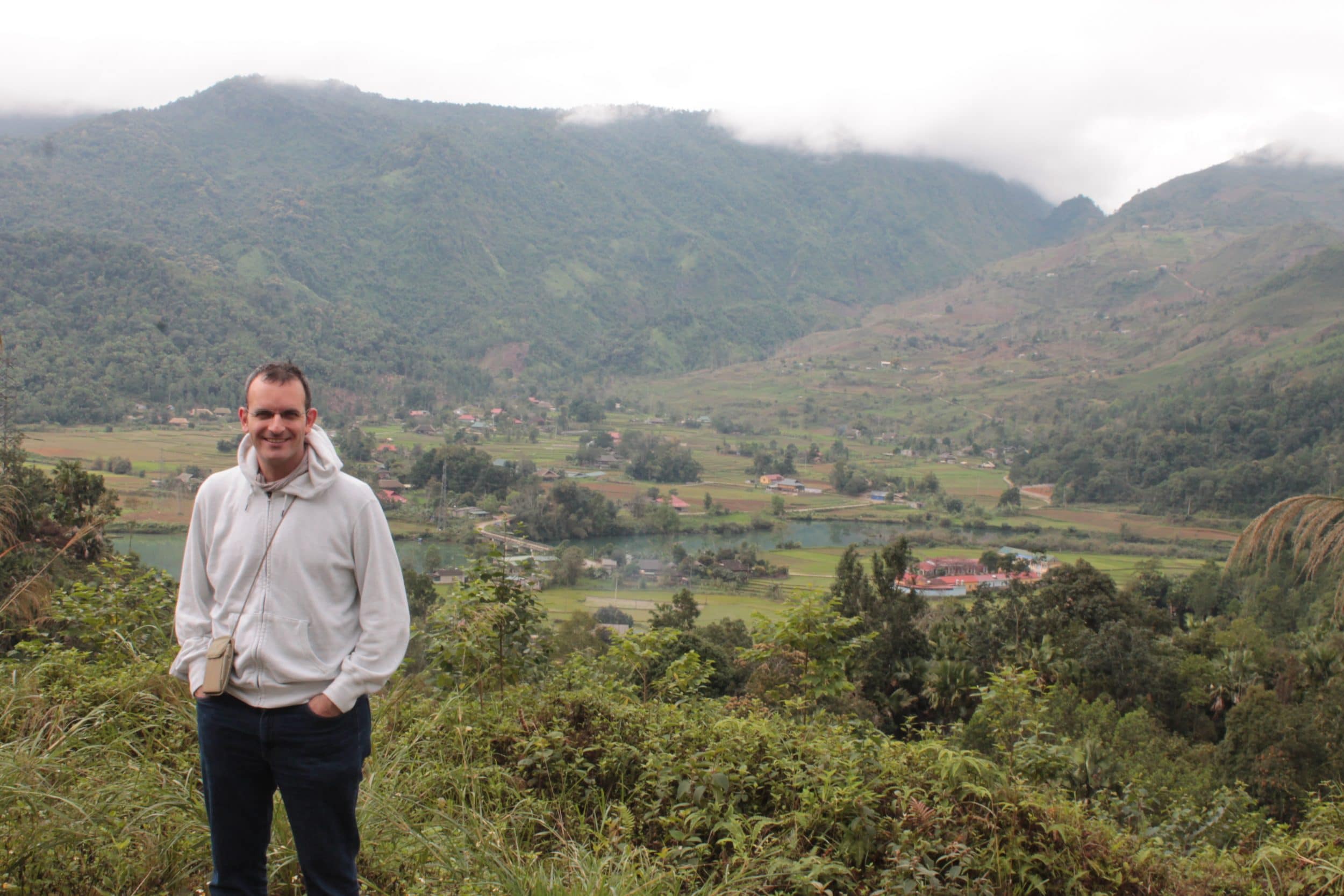
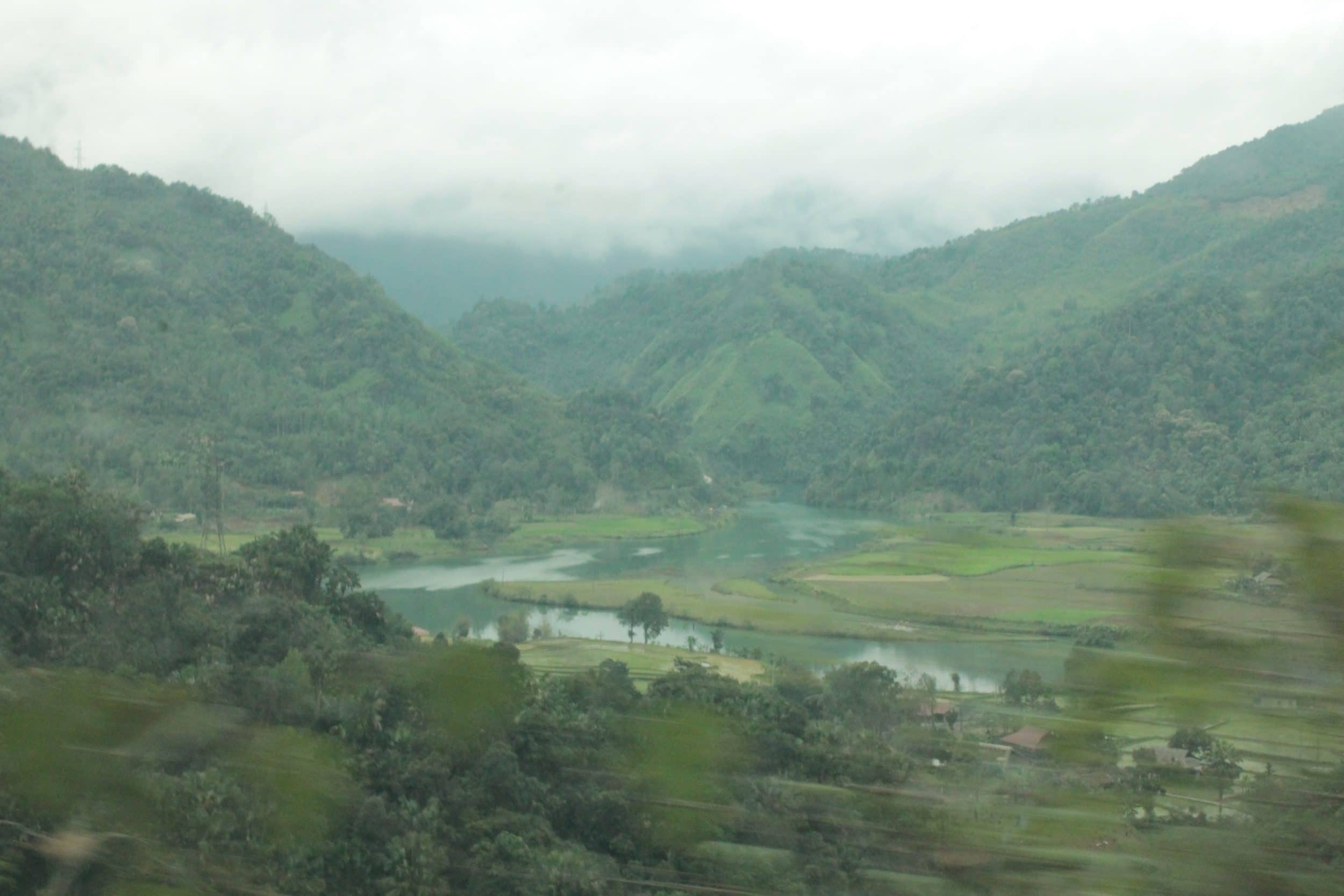
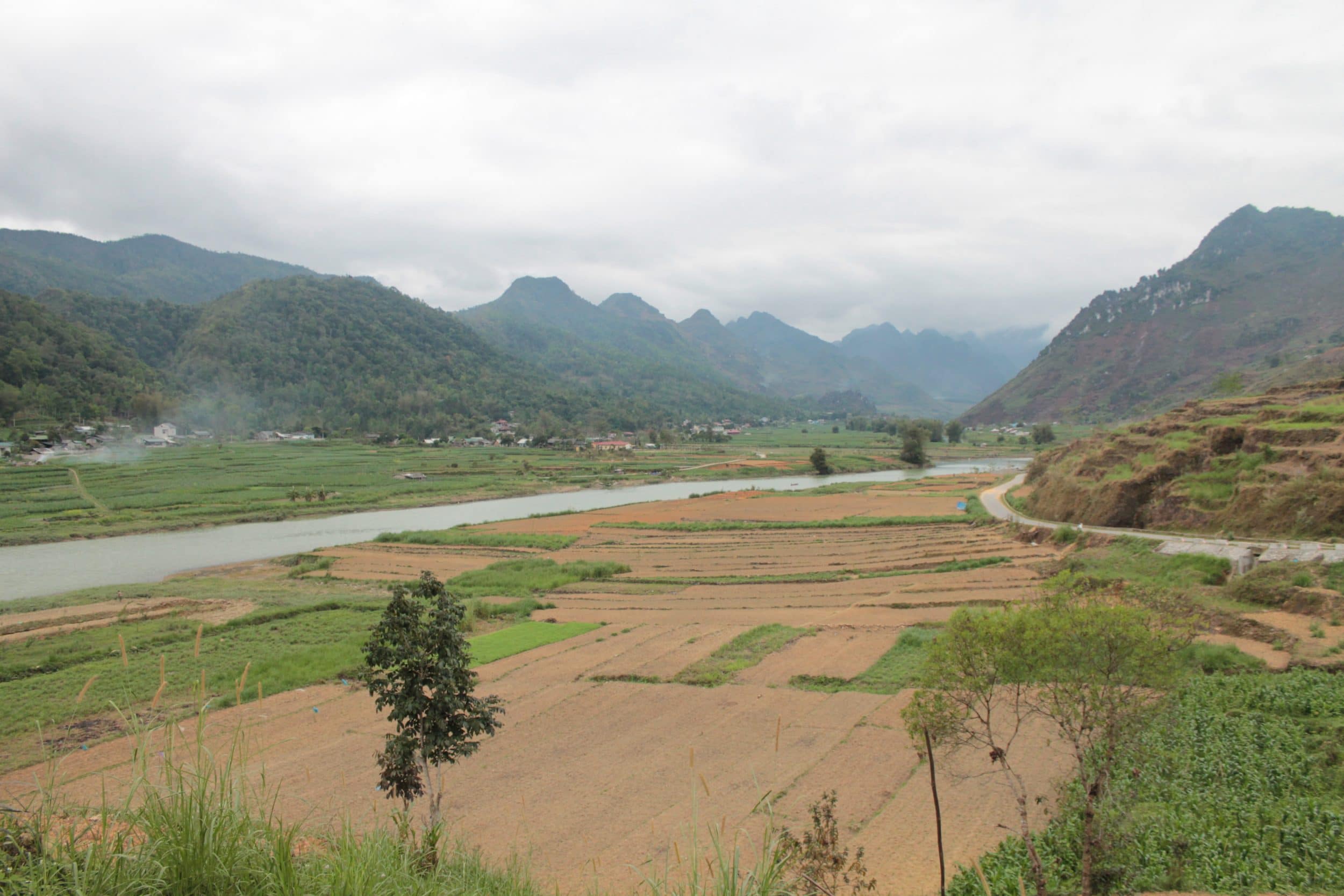
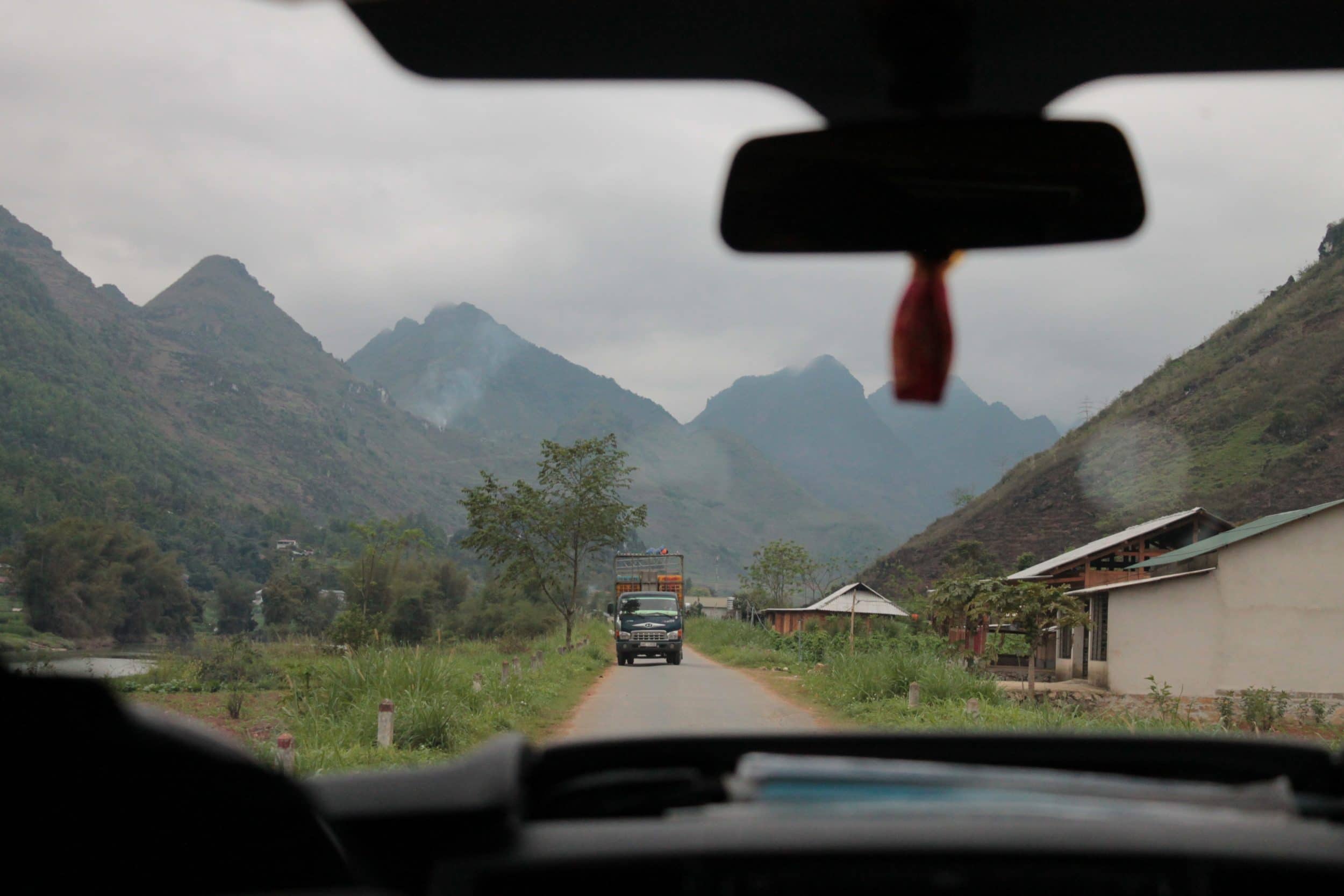
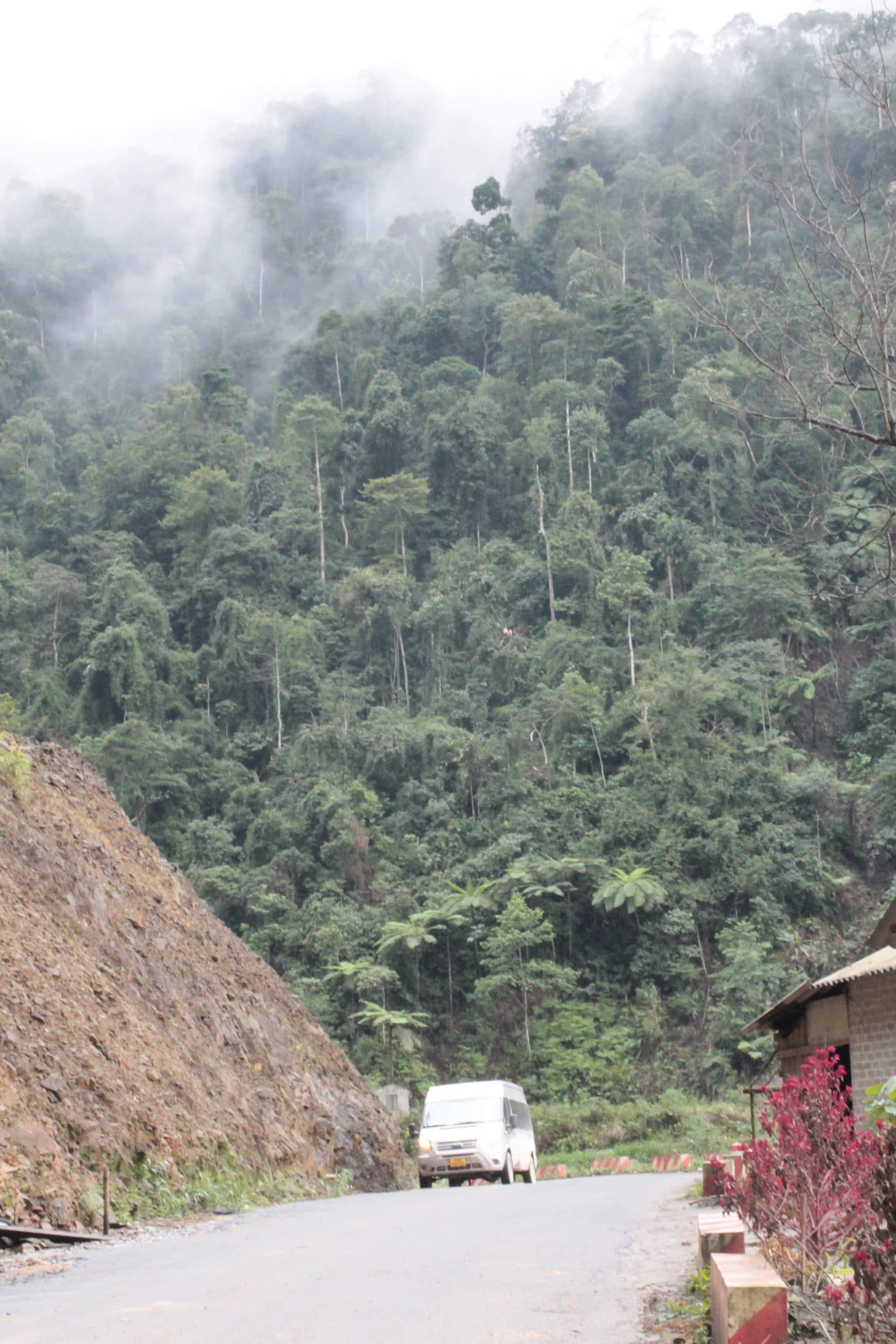
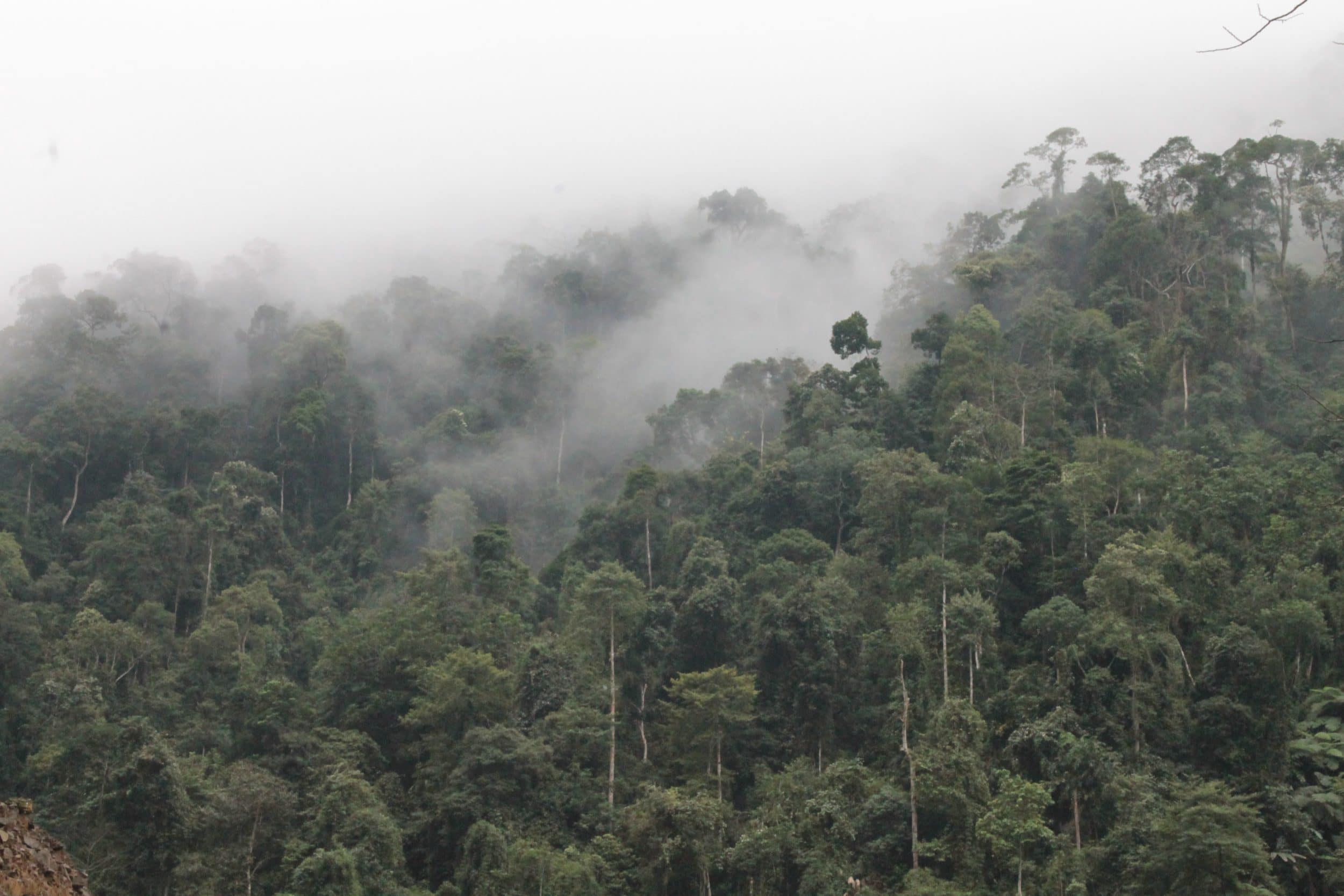
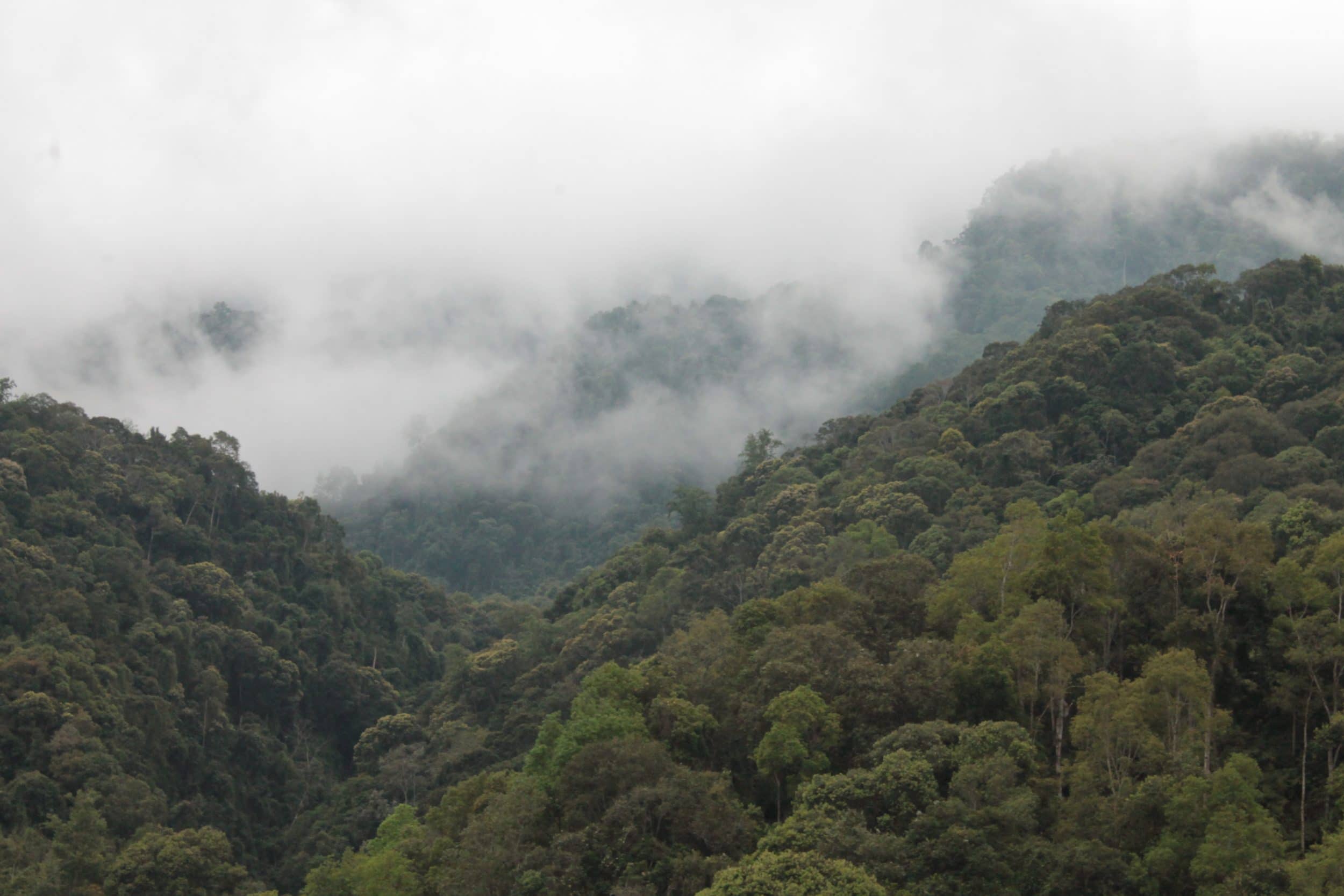
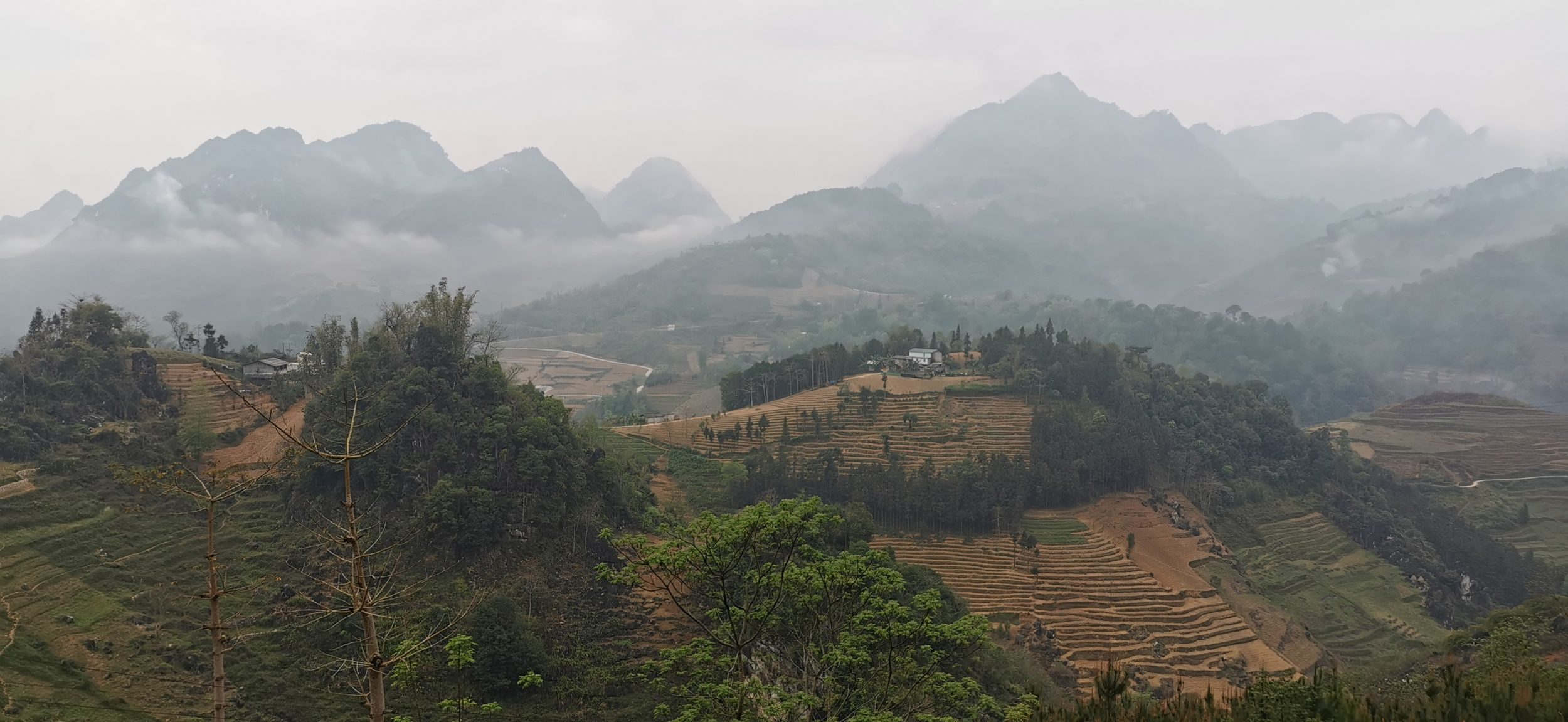
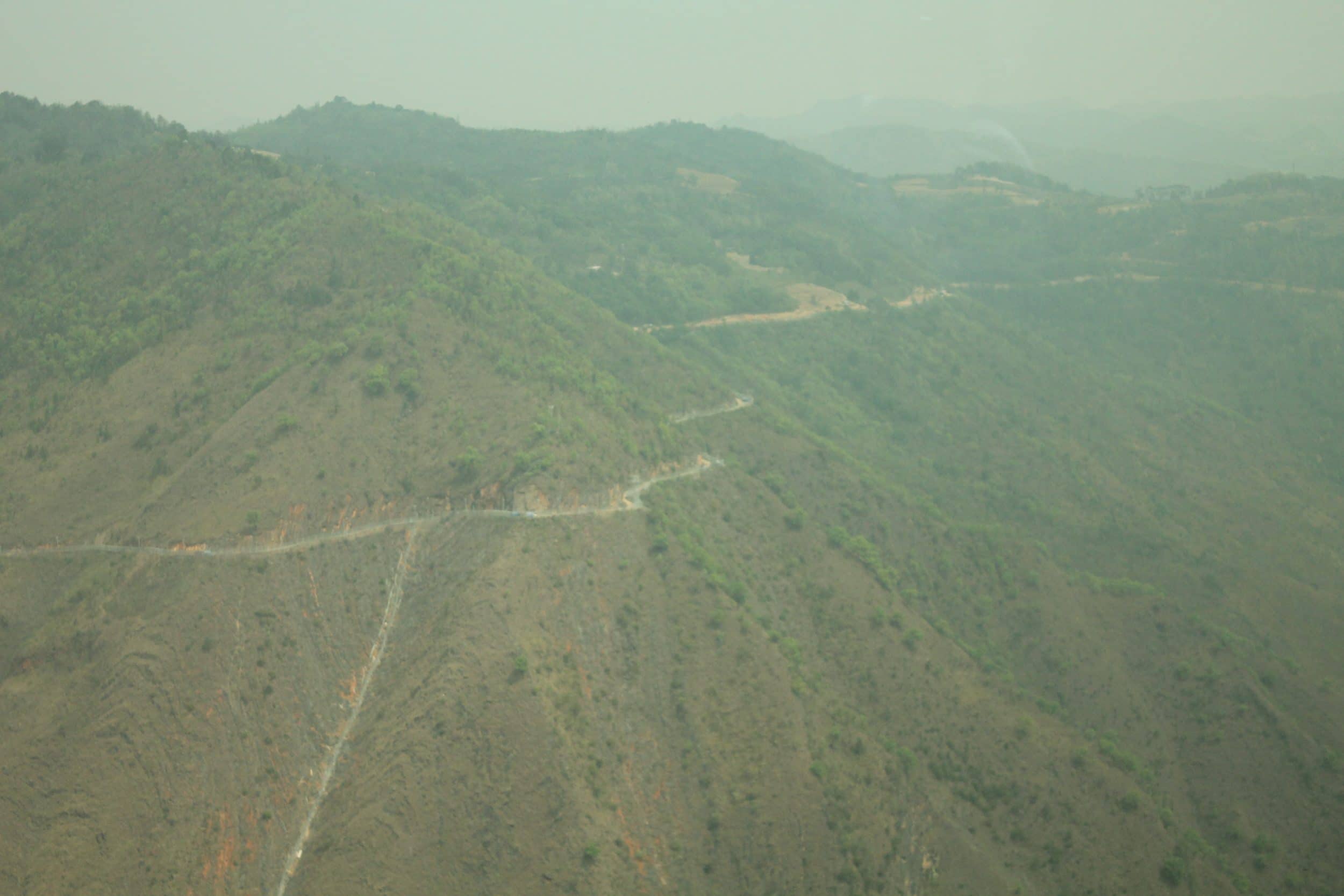
Beautiful landscapes follow one after another, and I’m very surprised to see so many mountains. In my imagination, we had fewer mountains than that… since the highest peak is only 3,143 meters. But that doesn’t stop there from being a multitude of mountains, each more beautiful than the last. Unlike other regions, these mountains are hardly exploited.
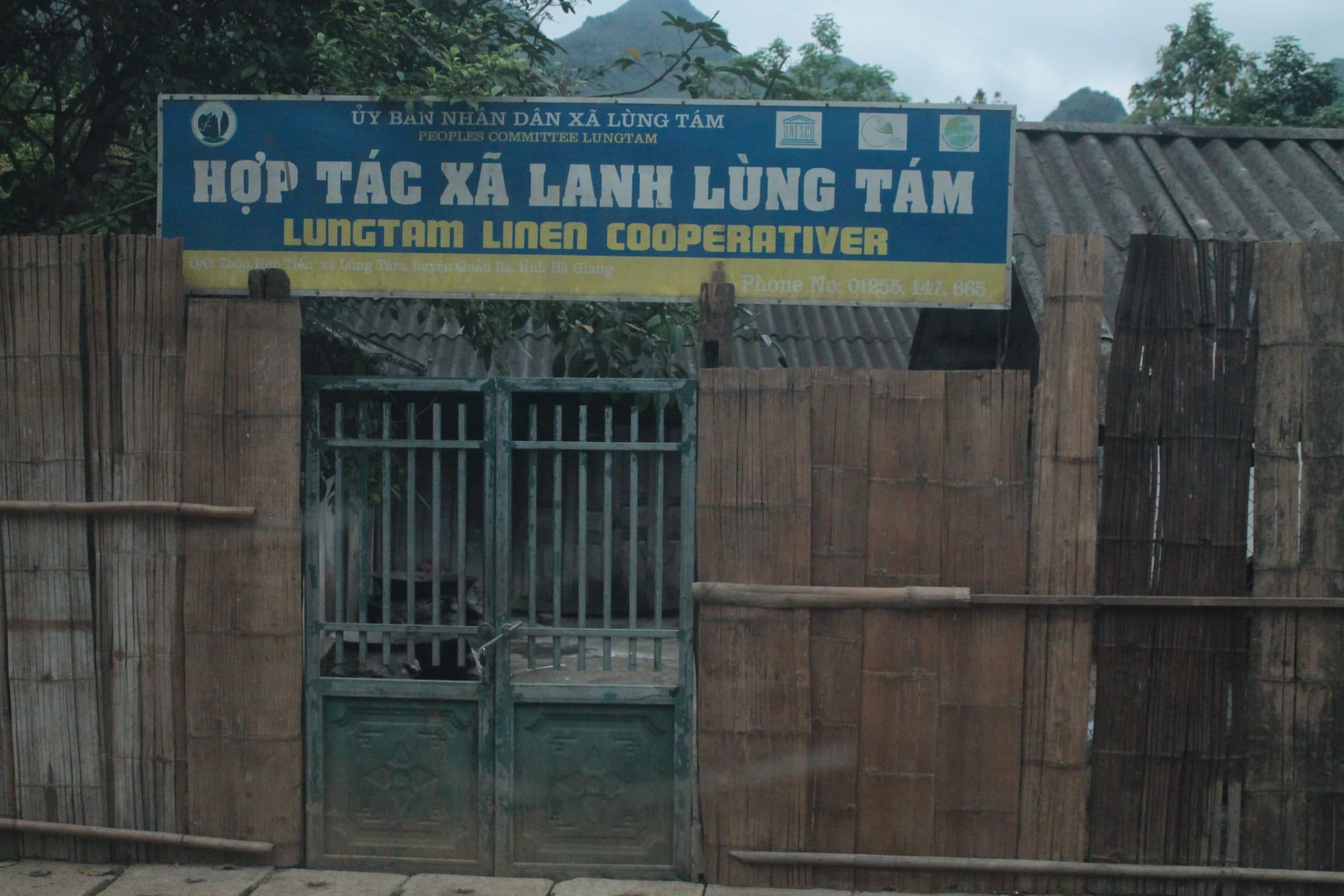
Flax cooperative in Lung Tam
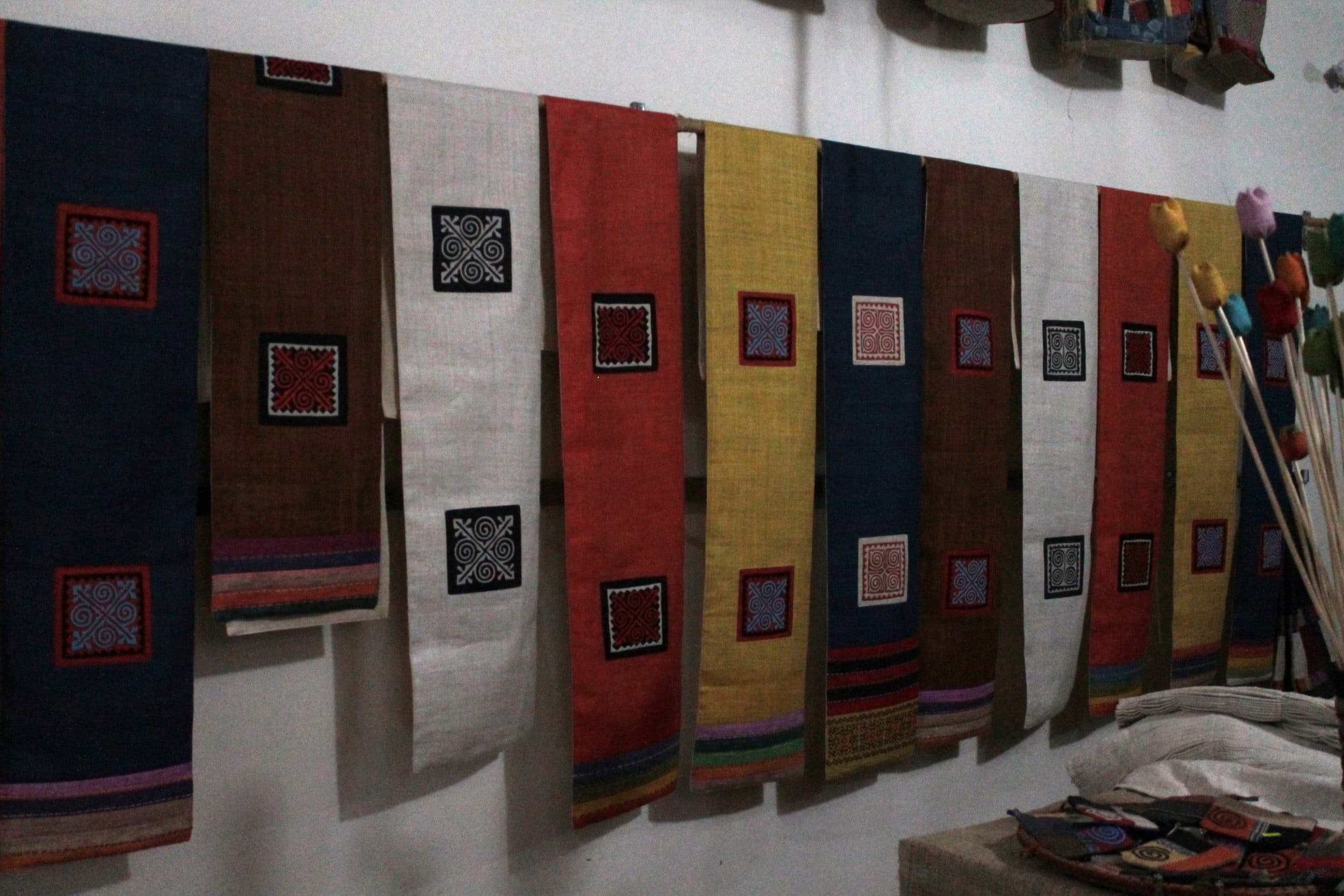
We make a quick stop at the local flax cooperative, closed for two years due to Covid. Before, they had around a hundred members. Now, the shop is limited to about fifty items left from the pre-Covid era. It makes me sad.
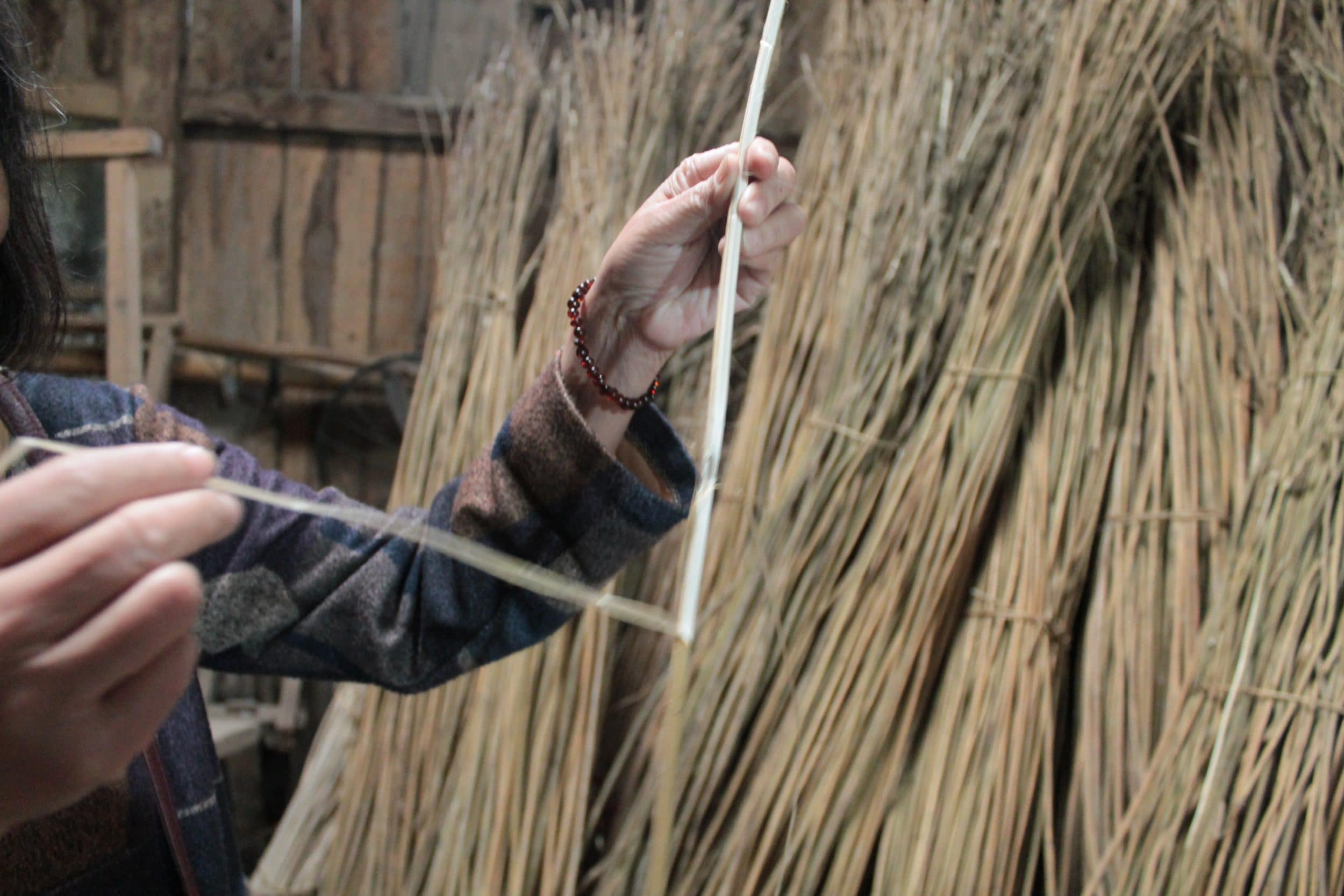
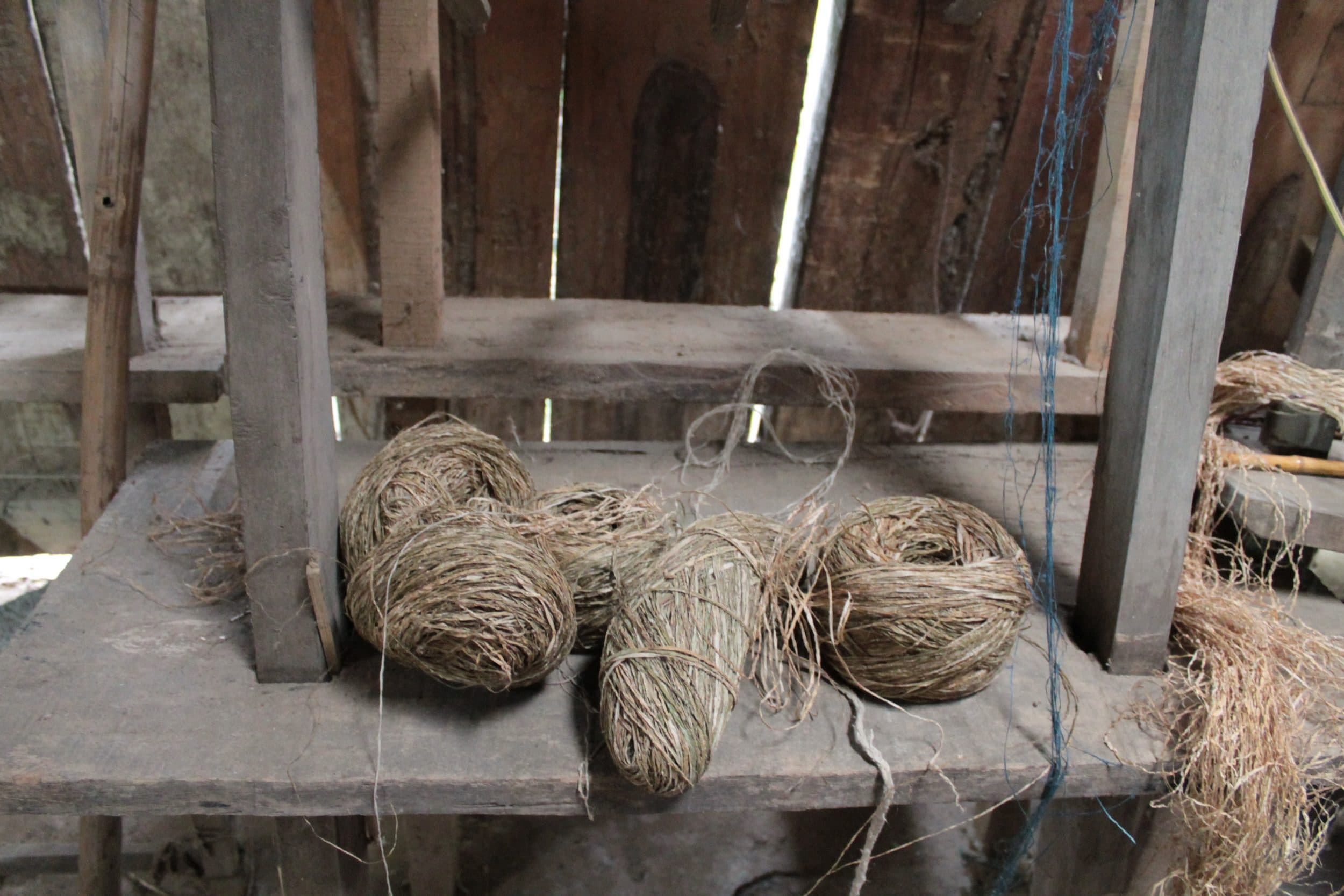
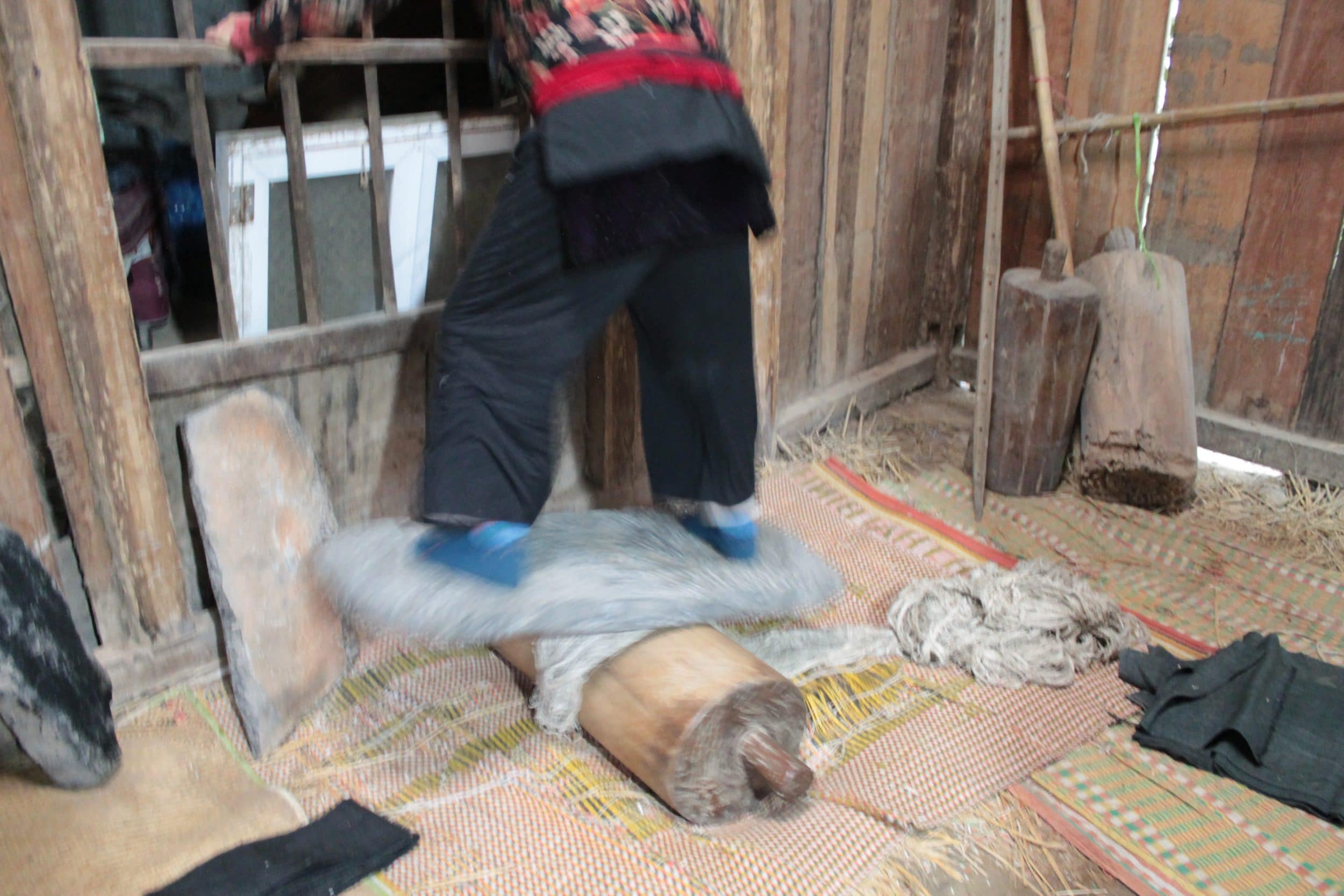
But Ms. Mai, the artisan behind the cooperative, aged 60, passionately shows her craft. Flax is made from the dried flax stem, from which the outer layer is removed. Each thread is tied to another to form a huge roll about a hundred meters long. Then, using very thick stones, she flattens the thread. Weaving is done by hand using an archaic machine. According to her, a person can weave about ten meters of linen a day.
The design of the patterns and the dyeing are done in the next room, using the techniques of wax dyeing (already presented here)or embroidery.
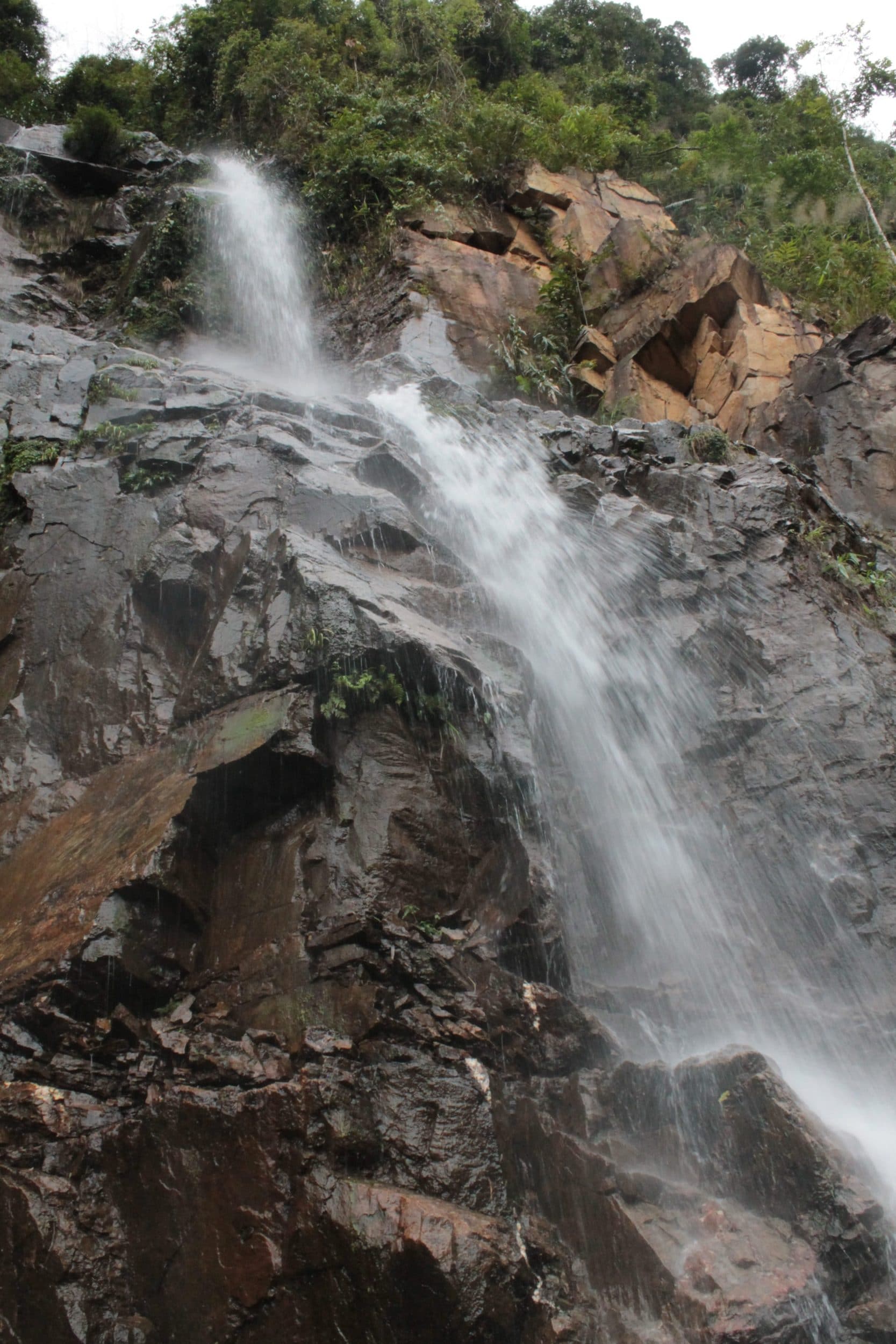
We continue our way to a waterfall by the roadside.
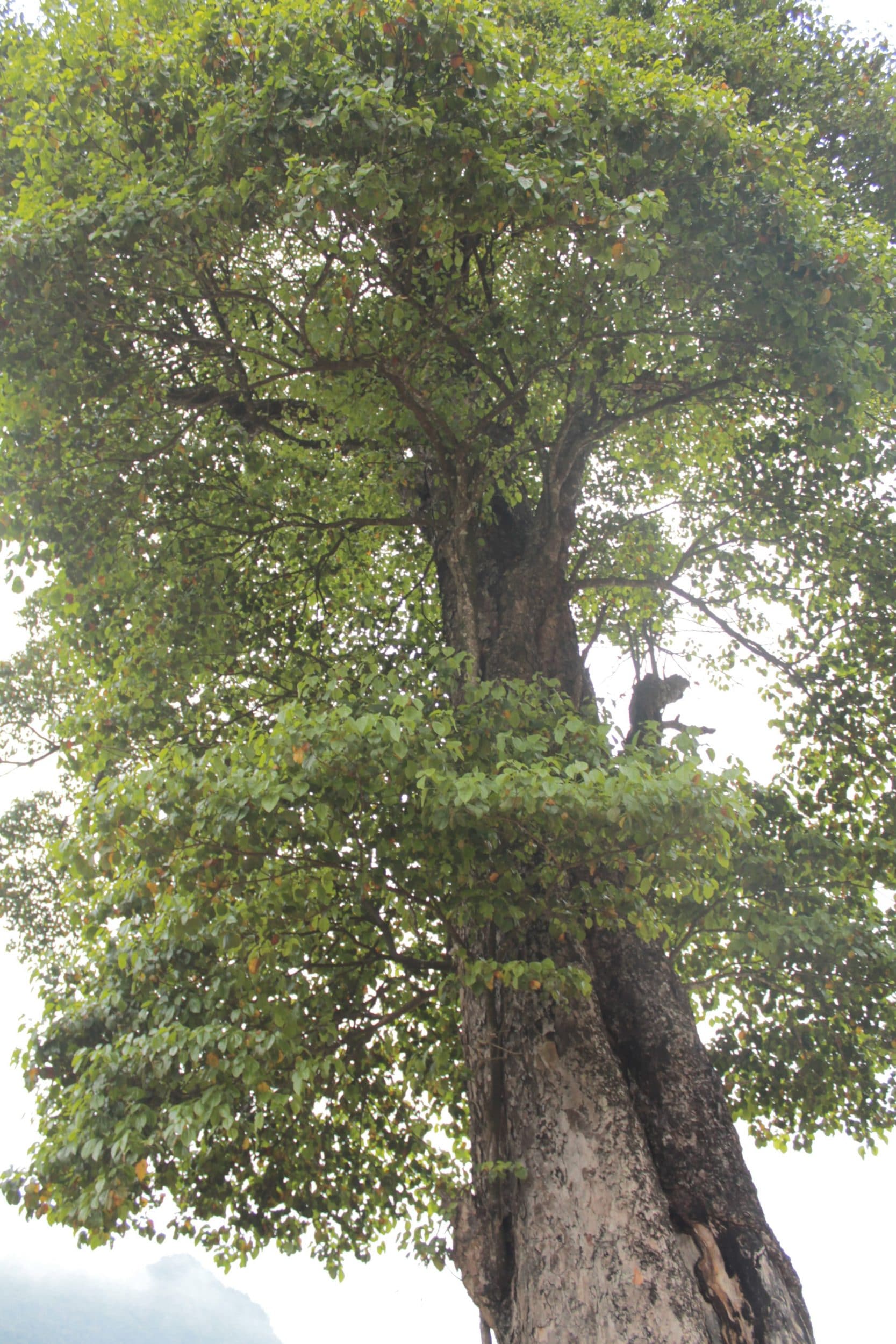
Lonely Tree (Cay co don)
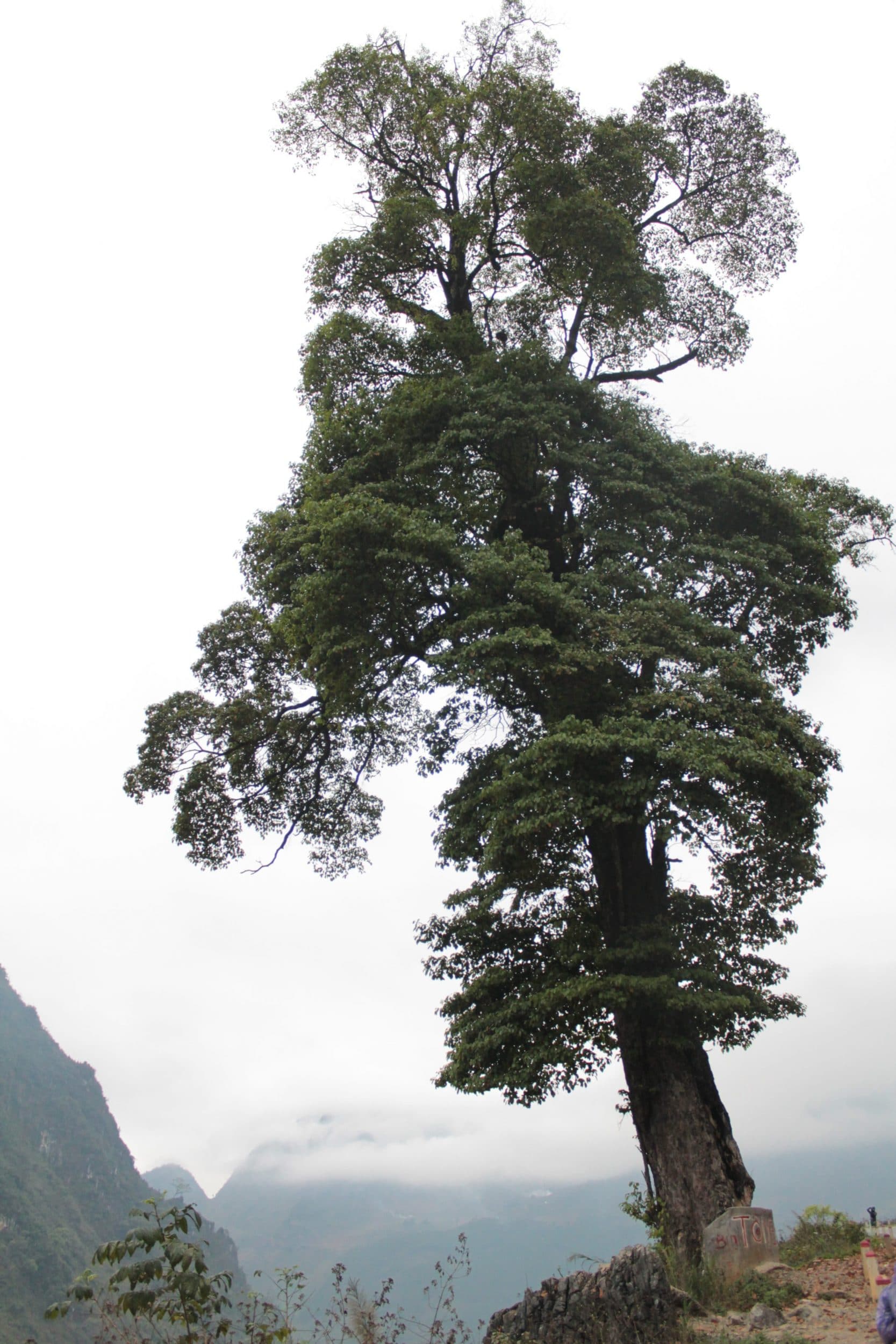
On the way, we stop in front of the lonely tree to take some photos. Despite the little available land, it grows tall and strong on the cliff’s edge. A café is being built right across from it 🙂 Ah, the Vietnamese—they can build cafés anywhere, even with a single square meter available.
We arrive at our hotel Phuong Dong in Yen Minh (3*), before having a delicious dinner at the restaurant Phuc Cai (one of the best restaurants of our trip, Google Maps link).
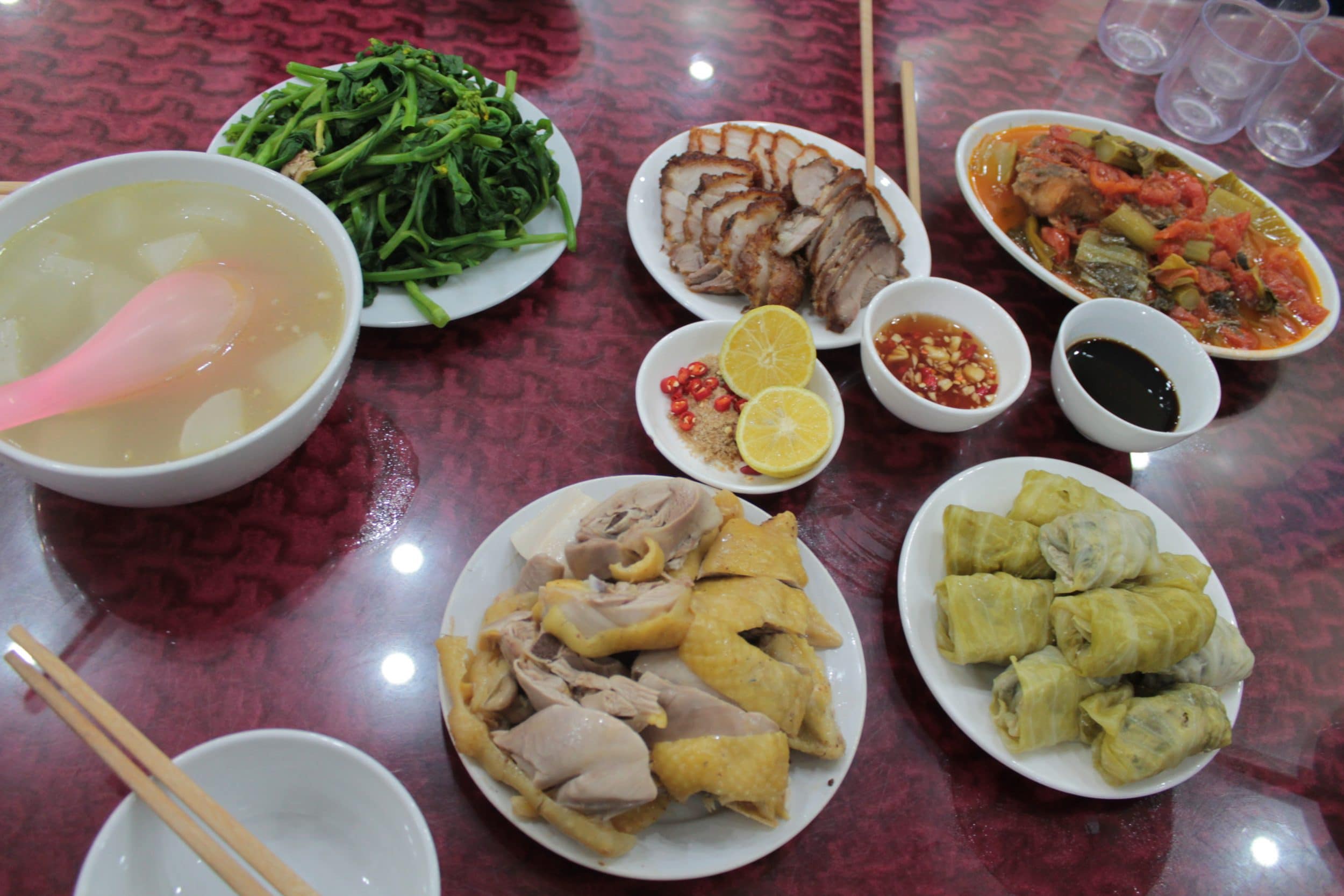
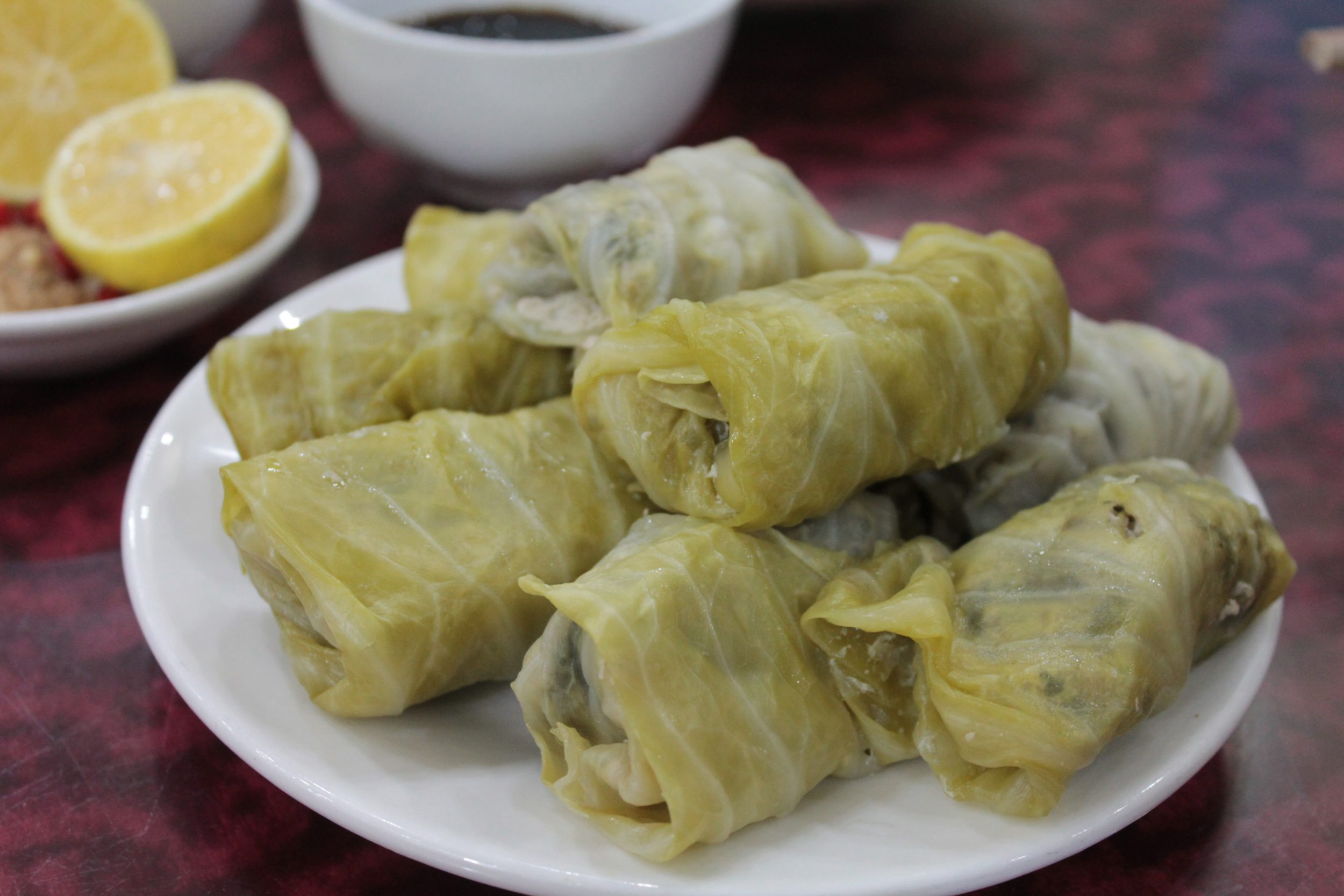
I love these meatballs rolled in cabbage leaves.
Day 2:
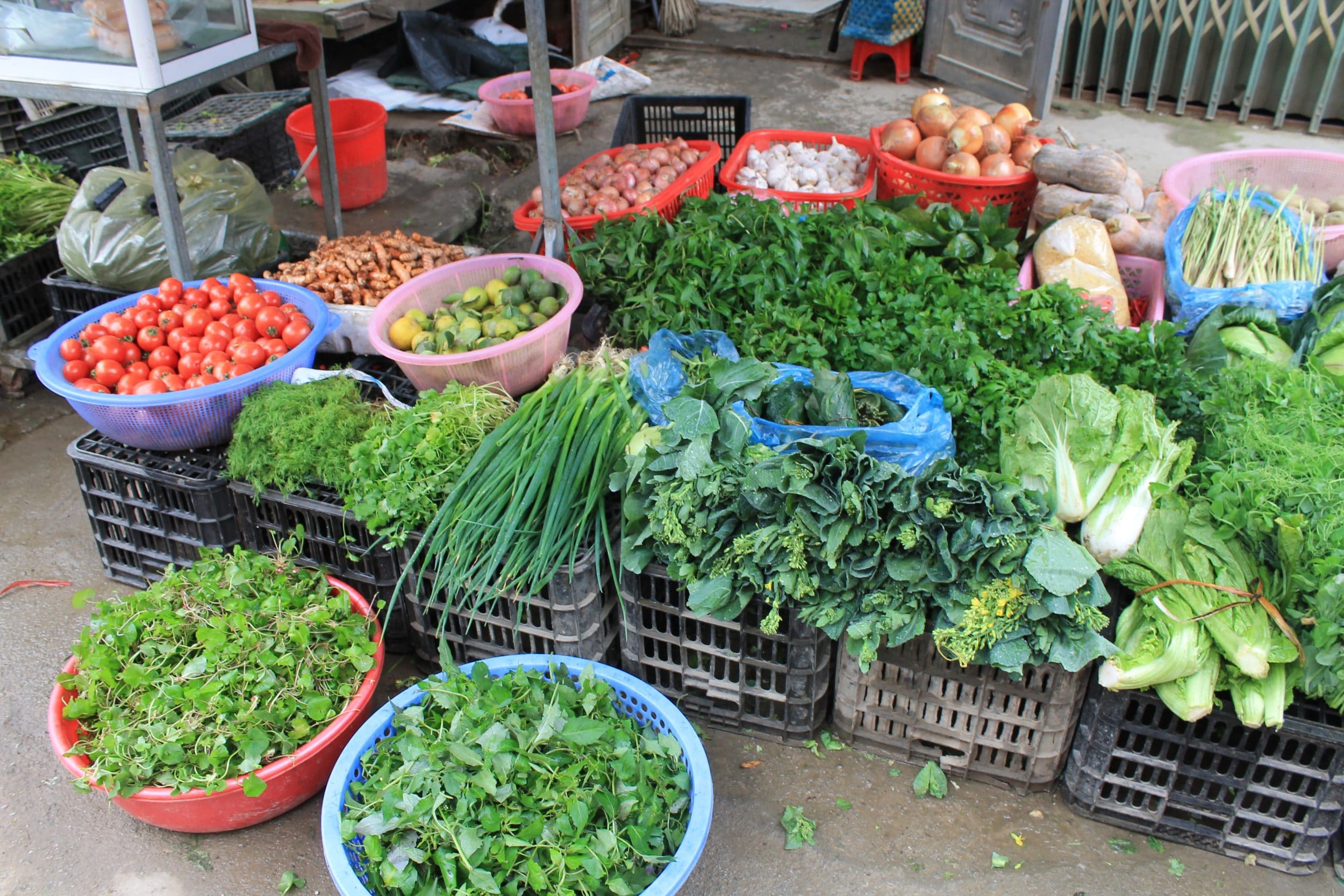
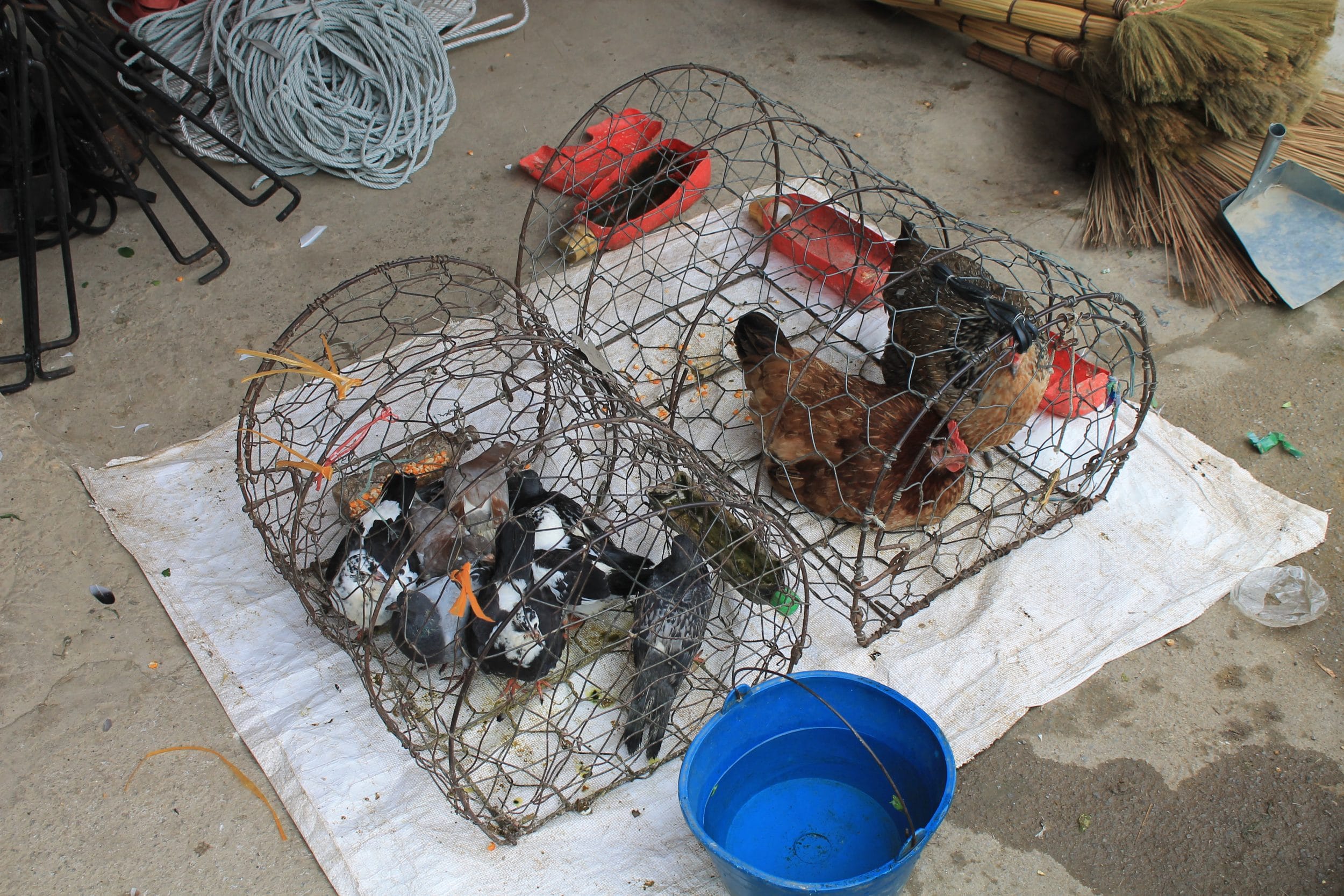
After a simple breakfast at the hotel, we visit the local market to buy some sweets to snack on during the drive.
When they see JB, the locals are thrilled. The news spreads like wildfire: ‘The Tay are back!’ (Tay refers to Western tourists)—this is it, tourism is going to pick up again!
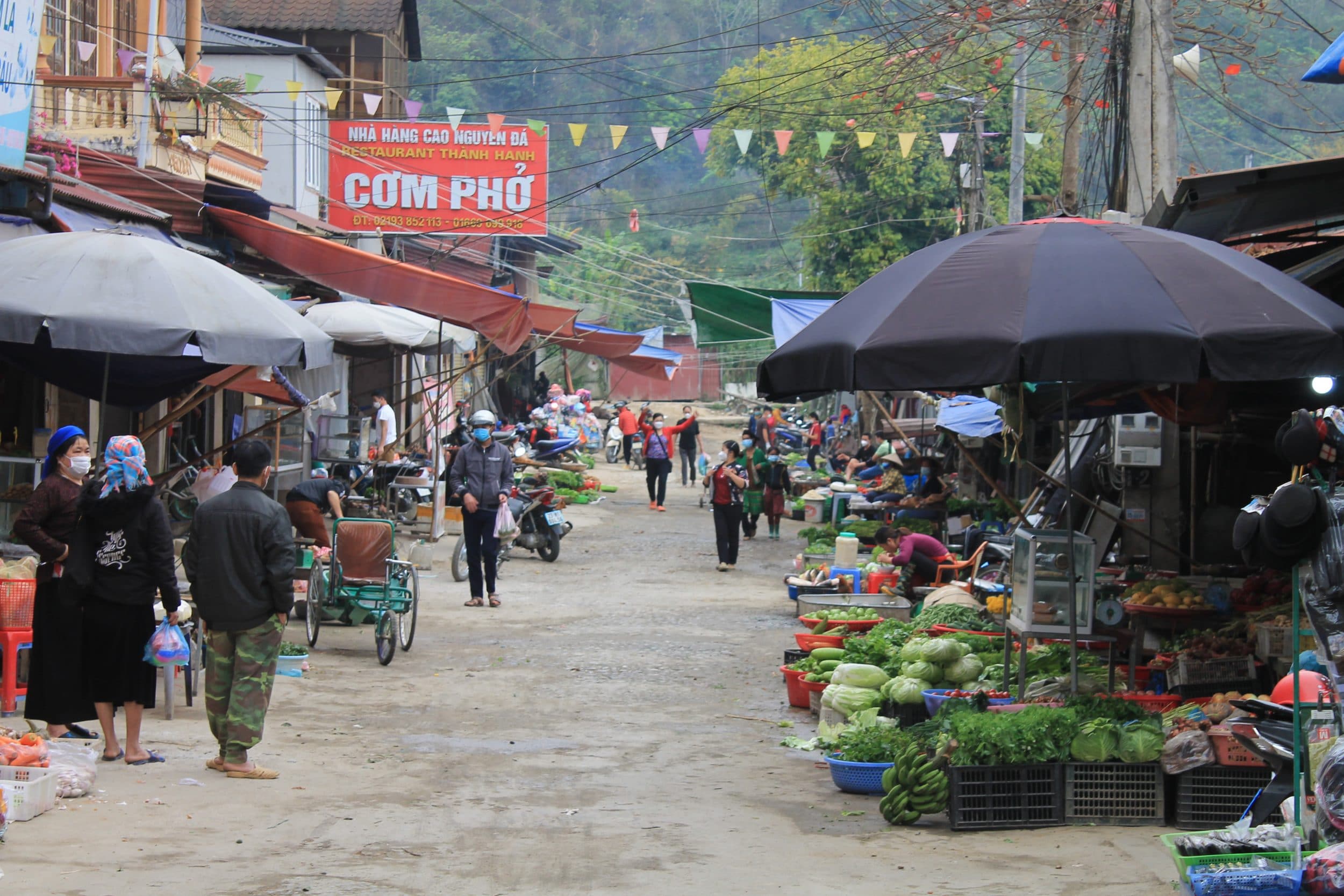
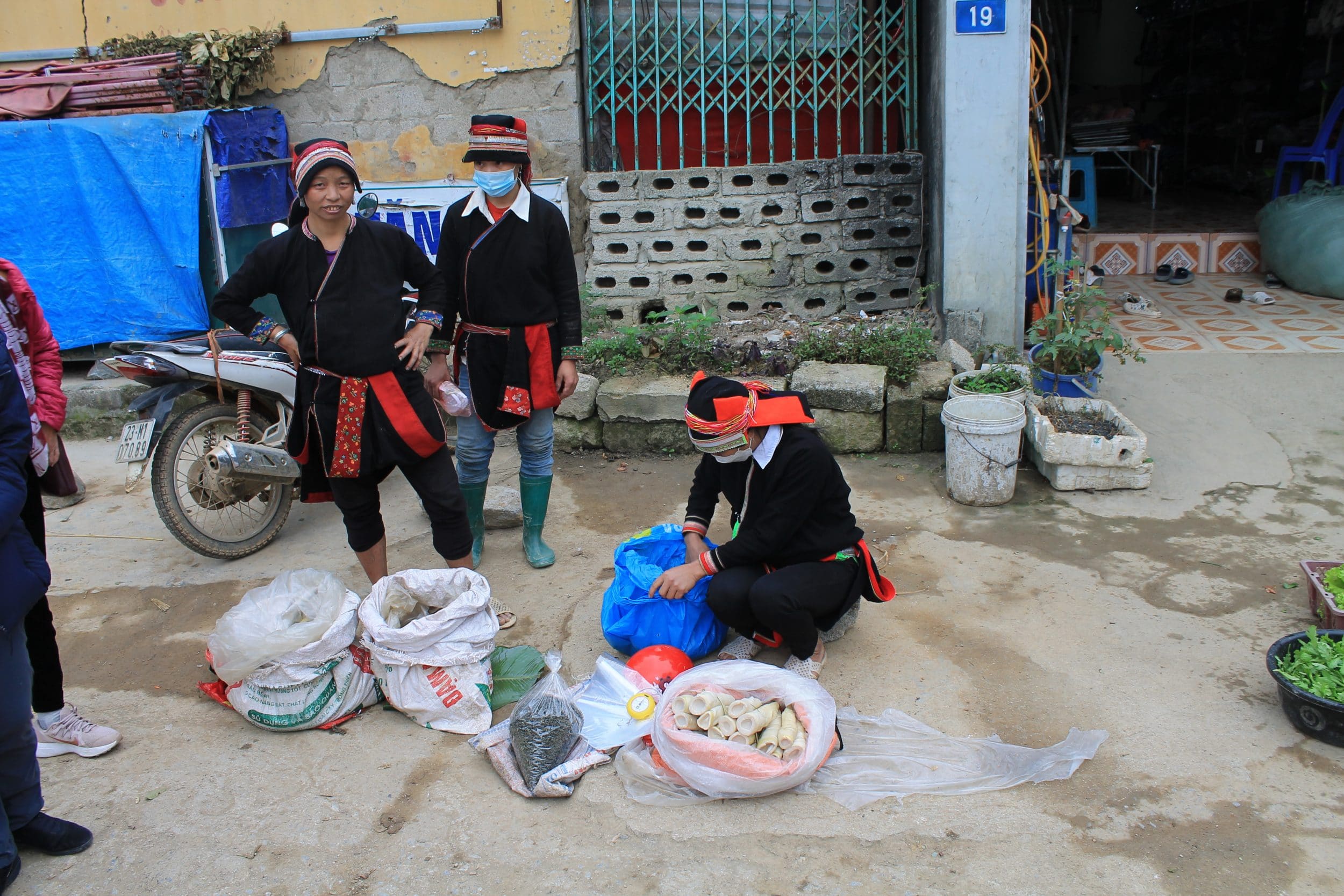
In the high mountains live ethnic minority groups. They often dress in traditional attire. In this part of northern Vietnam, you mainly encounter the Dao and the Muong, while the Viet people, who you mostly meet in Vietnam, belong to the Kinh ethnic group. The Viet speak only Vietnamese, whereas the other ethnic groups can speak both Vietnamese and their own languages. The ethnic minorities are partly supported and helped by the government and many associations, but life remains hard for them due to the difficult conditions in the high mountains and the long distances they have to travel every day to get to school or to the fields.
At 8 a.m., we get in the car for a very busy day.
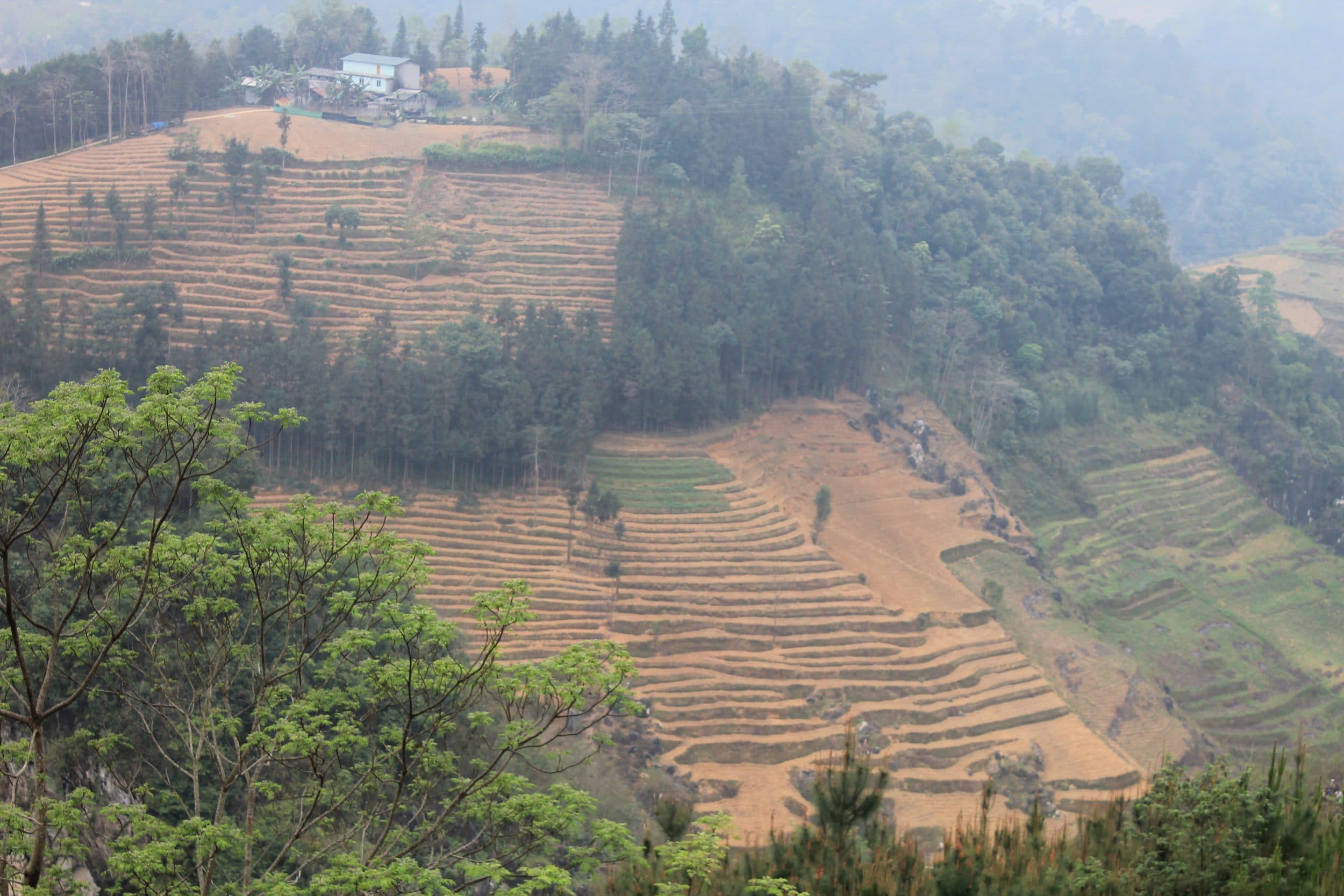
Entire mountains are turned into rice paddies. To retain water better, the fields are terrace-shaped. In the Ha Giang region, it doesn’t rain much, so during the rainy season, they try to store as much water as possible in man-made lakes, but it’s not enough to water all the available fields.
Doc Chin Khoanh
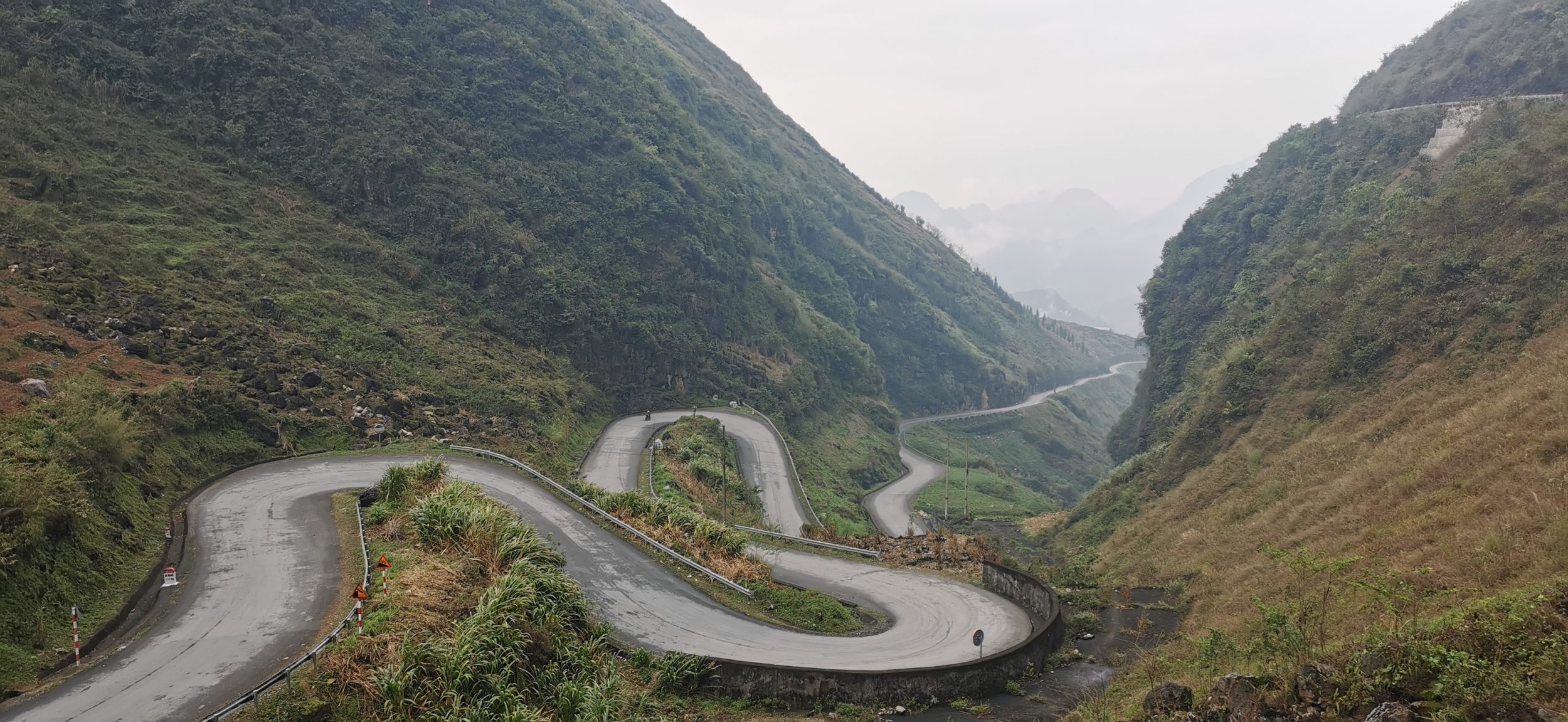
Our first stop today is this hairpin road. It reminds us of what we saw in Morocco.
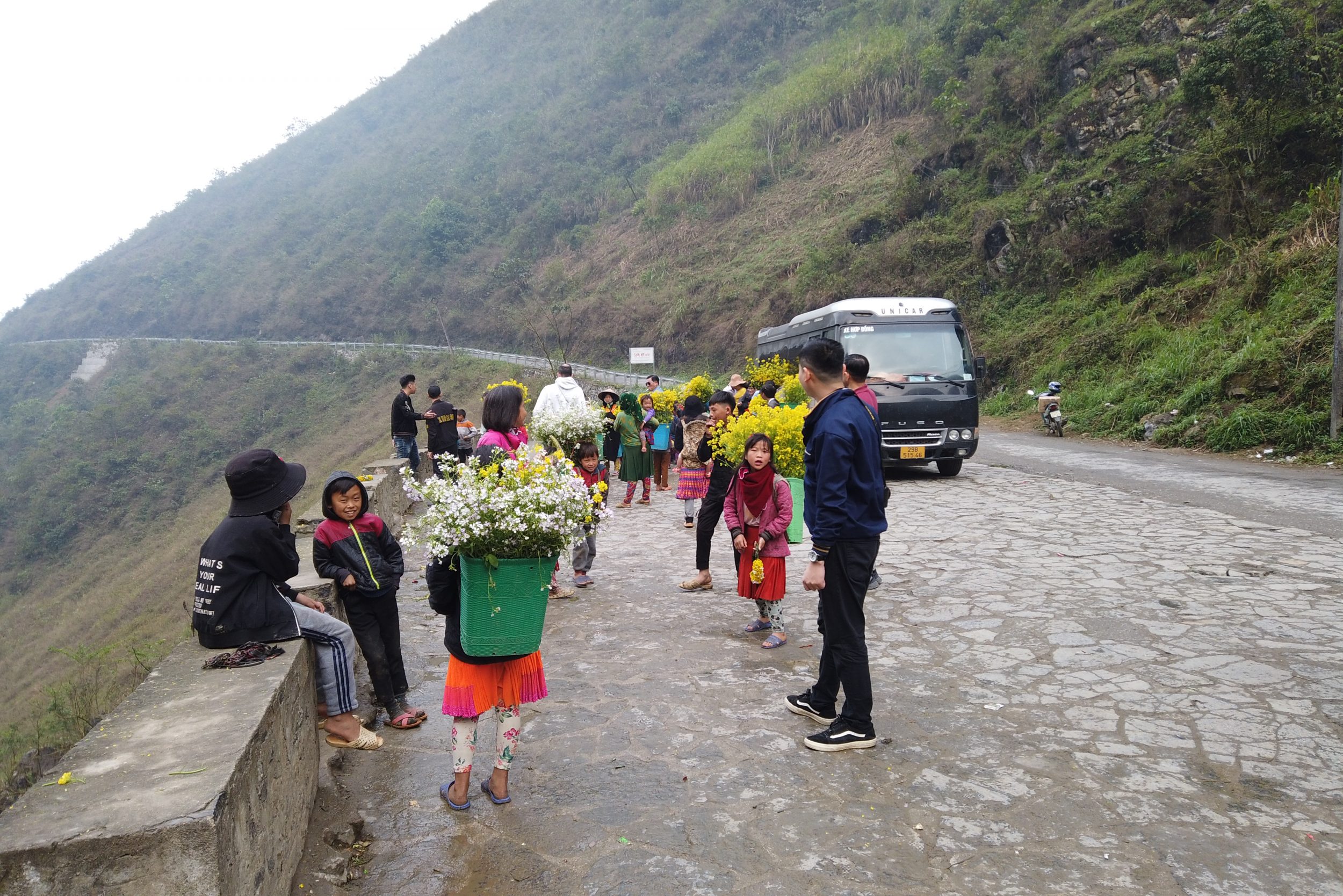
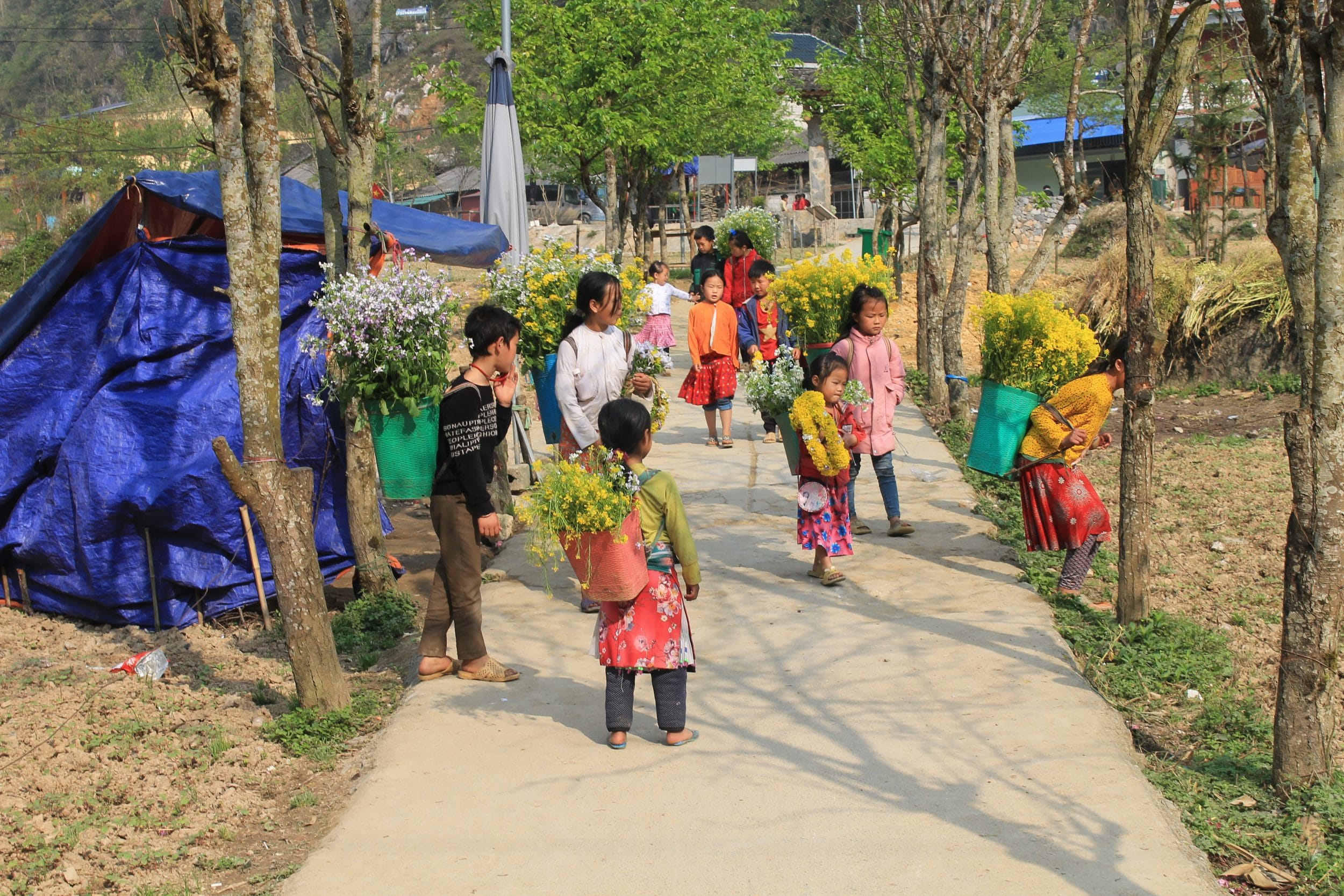
You can see many children with baskets full of flowers, hoping to earn a few pennies from tourists. They are very well-behaved, don’t beg or insist, but you shouldn’t give them money because it will encourage them to live off tourism instead of going to school.
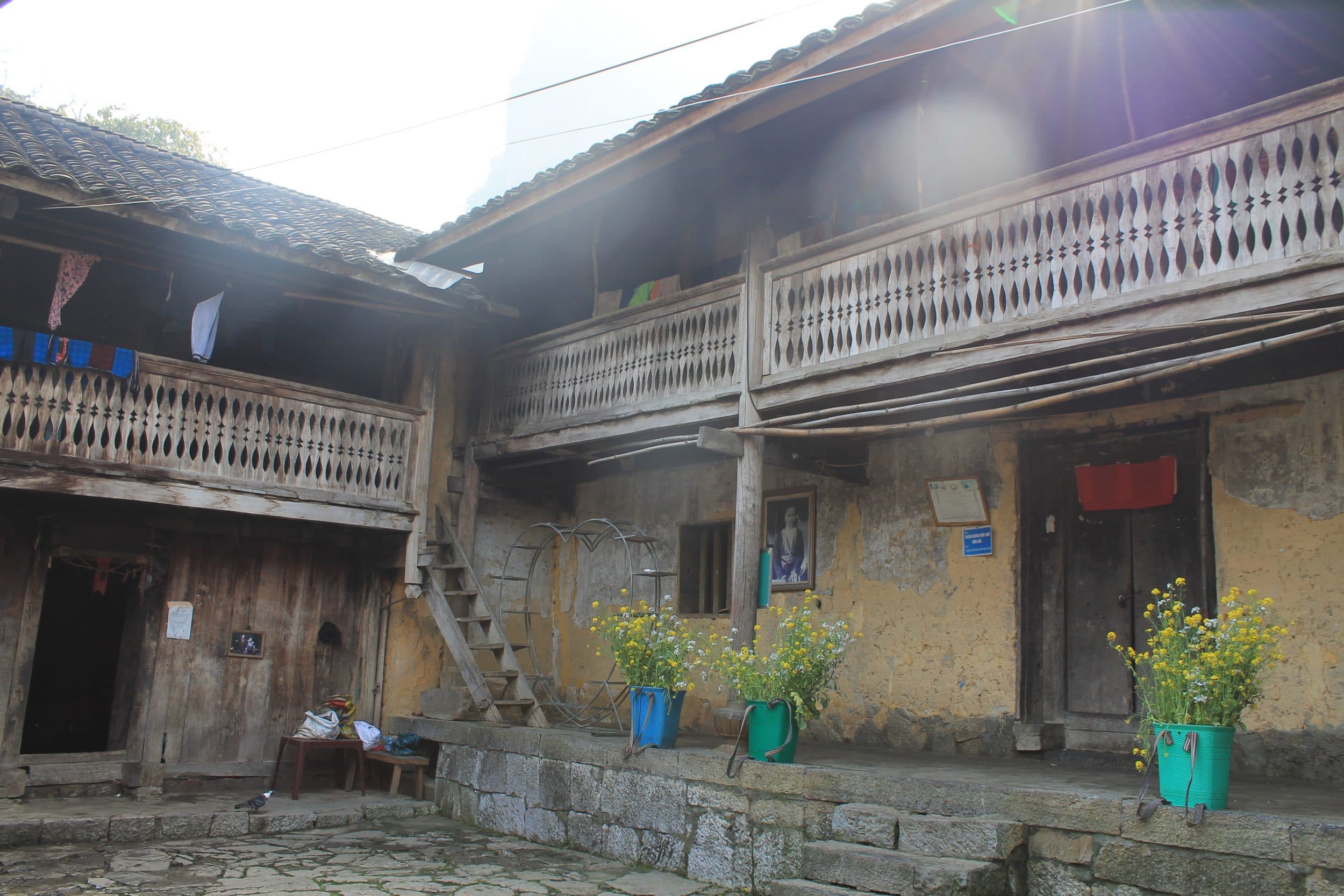
We then visit a village where the house used as a filming location for the famous movie “Chuyen cua Pao” (The Story of Pao) is located. I must admit with shame that I’ve never seen this film. It doesn’t stir any emotion in me whatsoever. The house is old but very well-preserved and very spacious. You can even rent a room for the night (personally, I wouldn’t recommend it due to the lack of comfort).
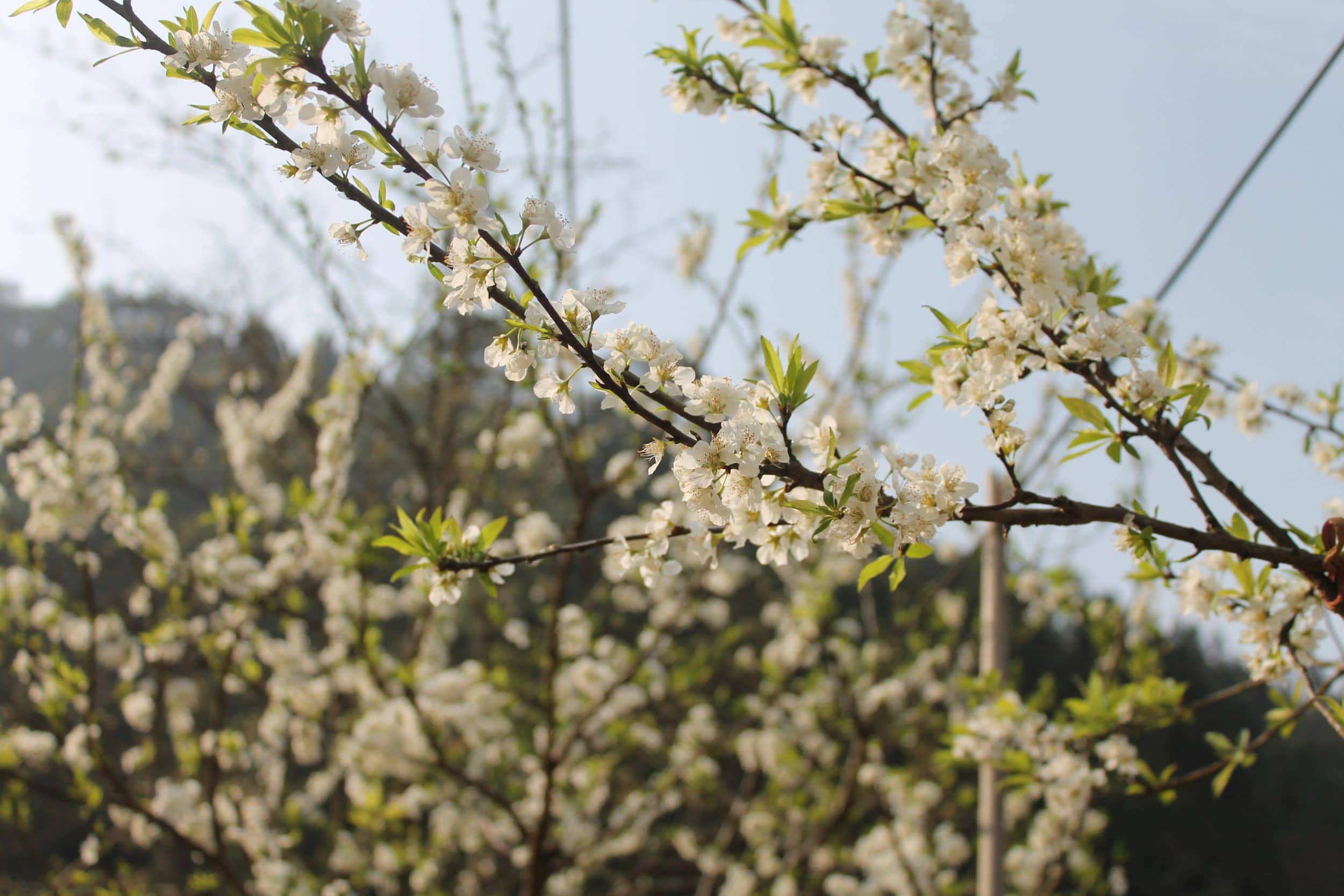
I am more amazed by the white cherry trees at the village entrance. In the fields, the villagers are busy planting “tam giac mach,” a plant that bears tiny white flowers, super pretty and attractive to tourists, but also edible. We’ll have to come back here in October to take pictures of whole fields of “tam giac mach.”
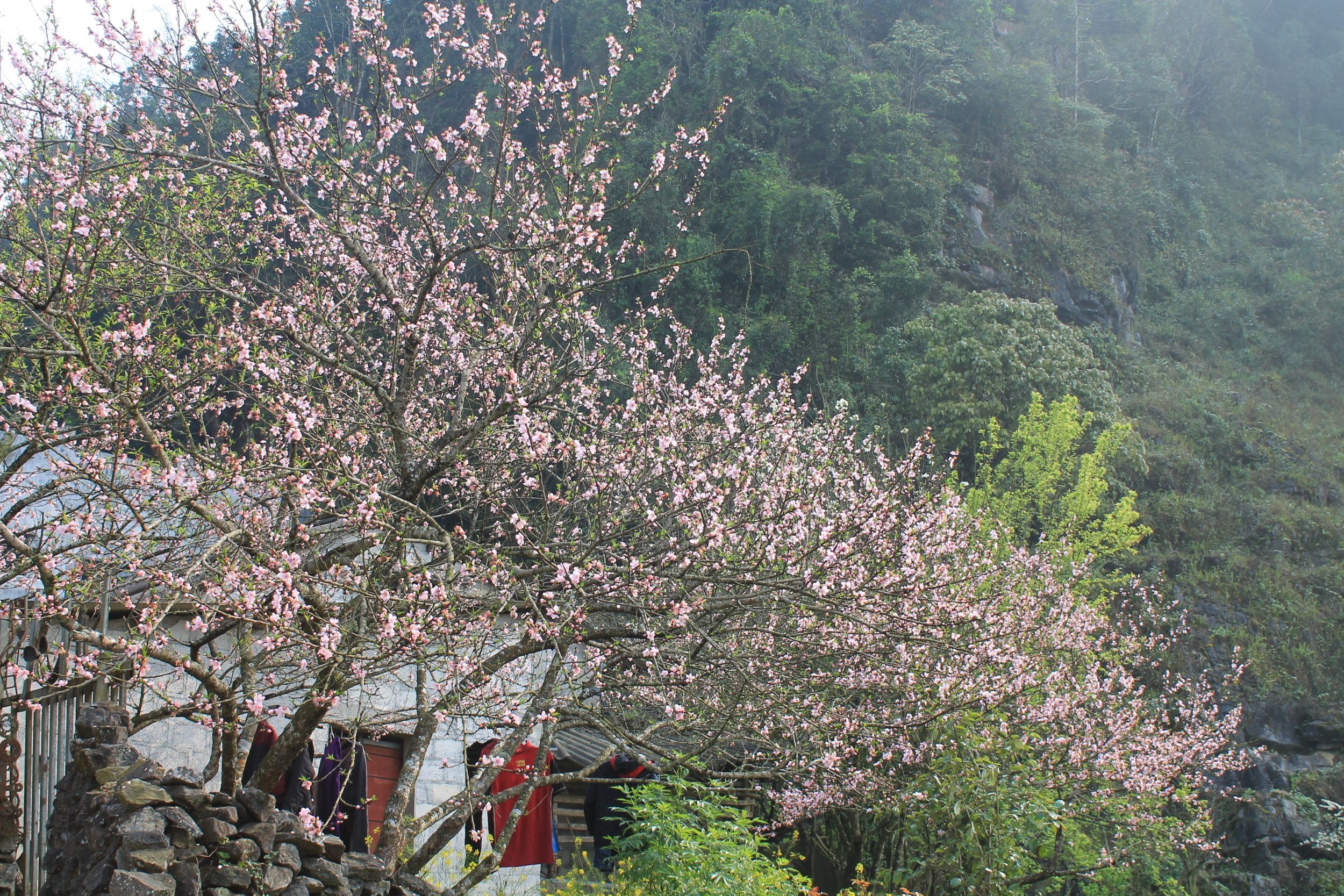
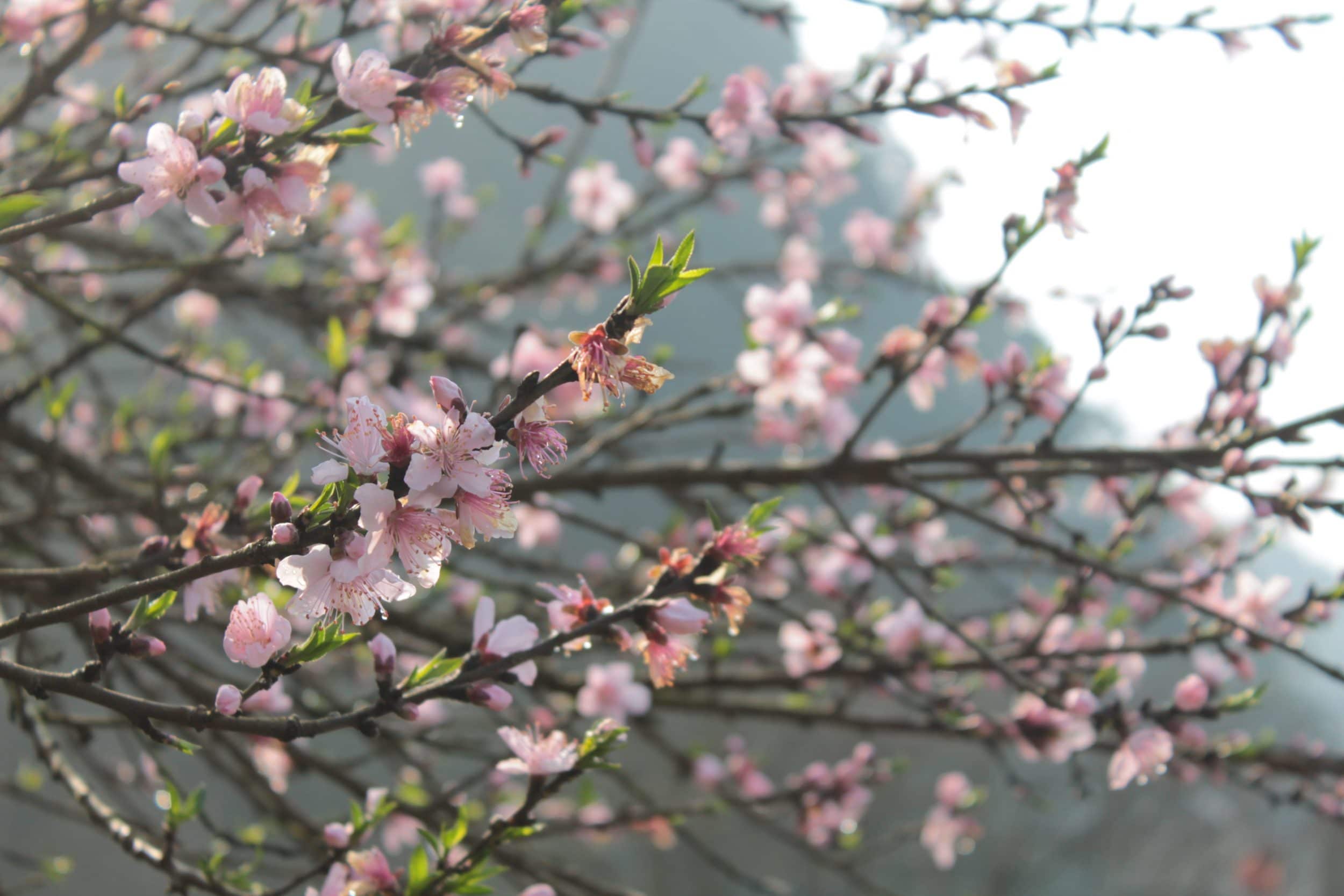
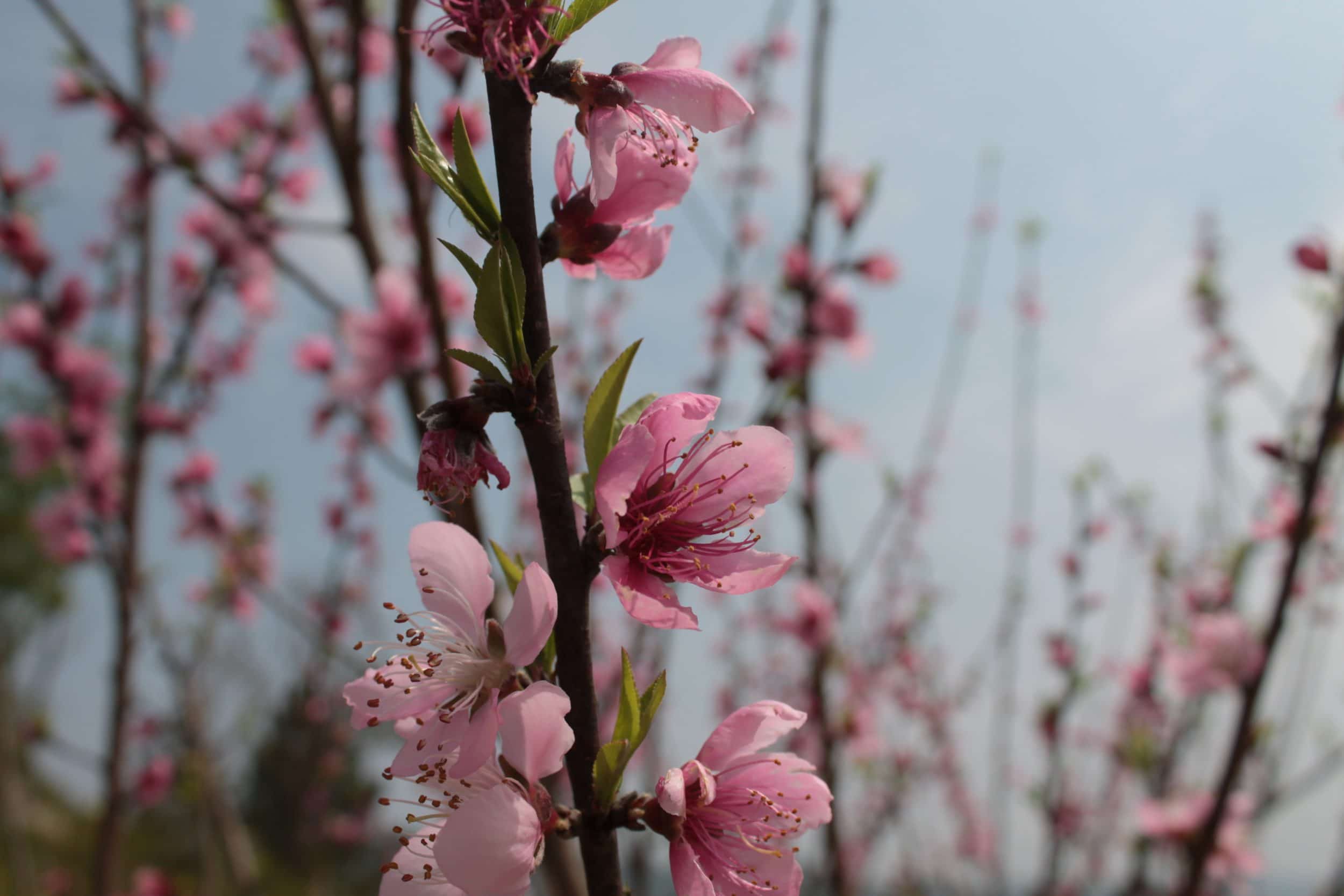
Normally in March, peach blossoms are gone, but there are still a couple of trees in bloom like this. What a delight!
Cot co Lung Cu
We hit the road again toward Lung Cu flagpole, which symbolically represents the northern border between China and Vietnam. On the way, we stop numerous times because the landscapes are breathtaking.
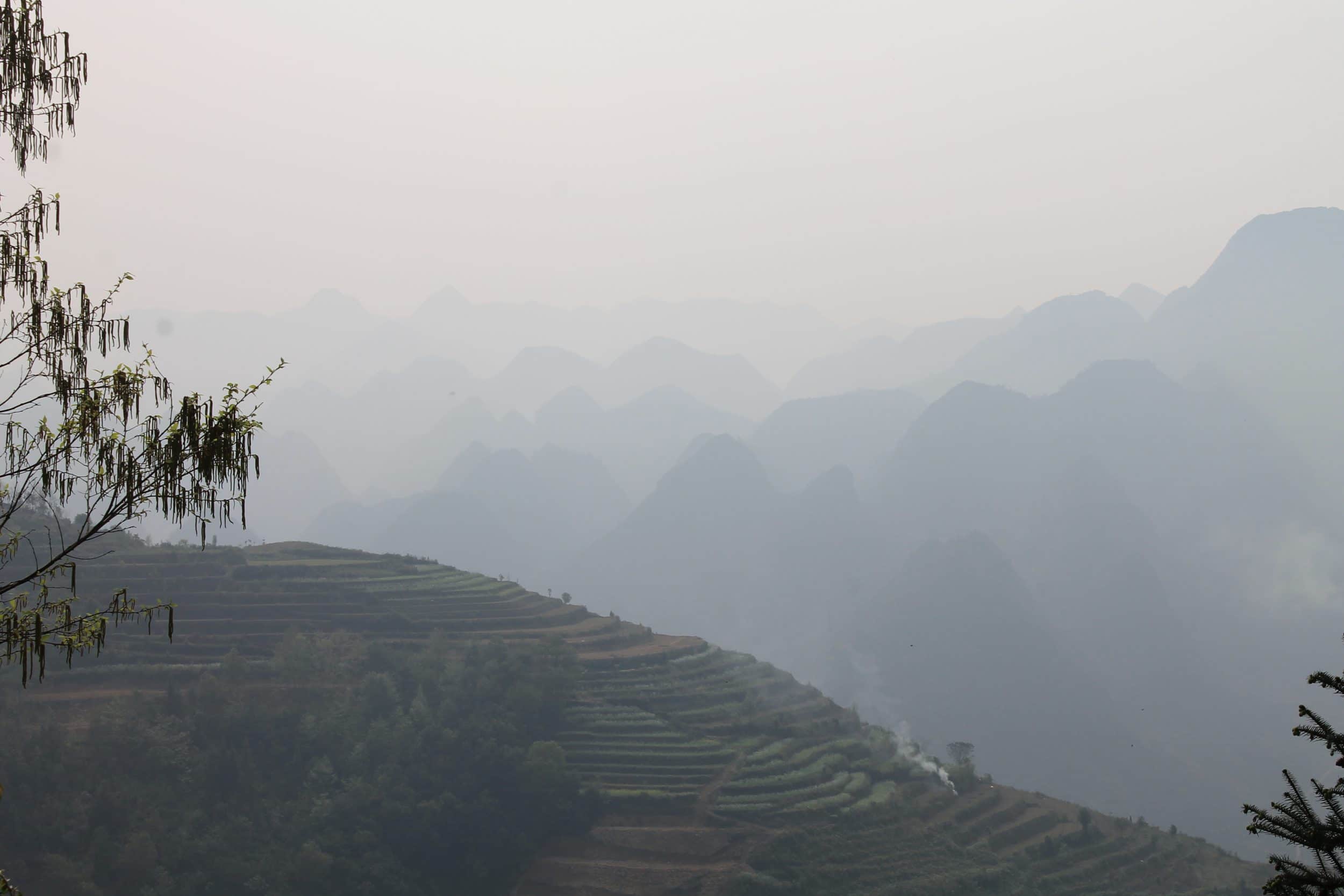
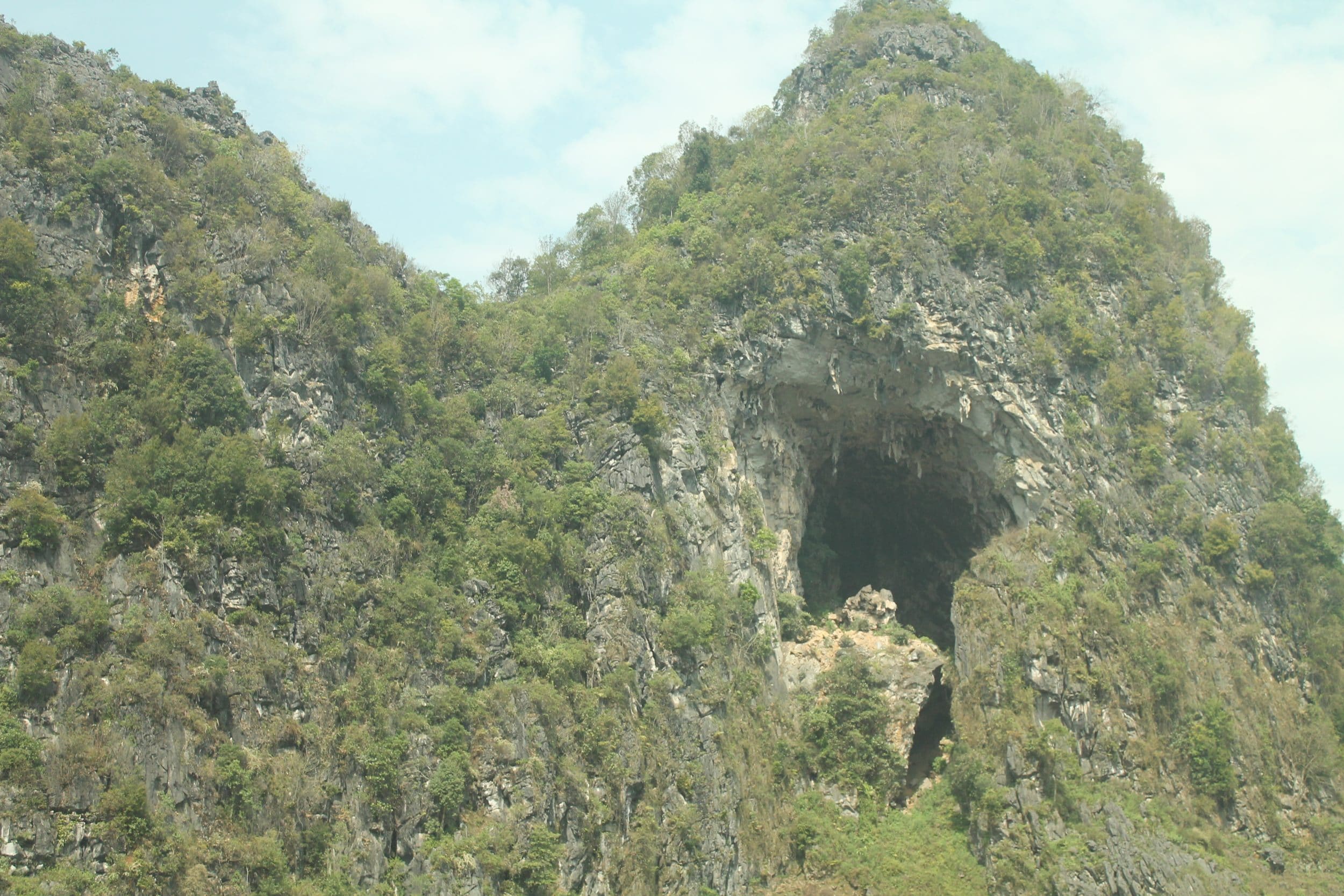
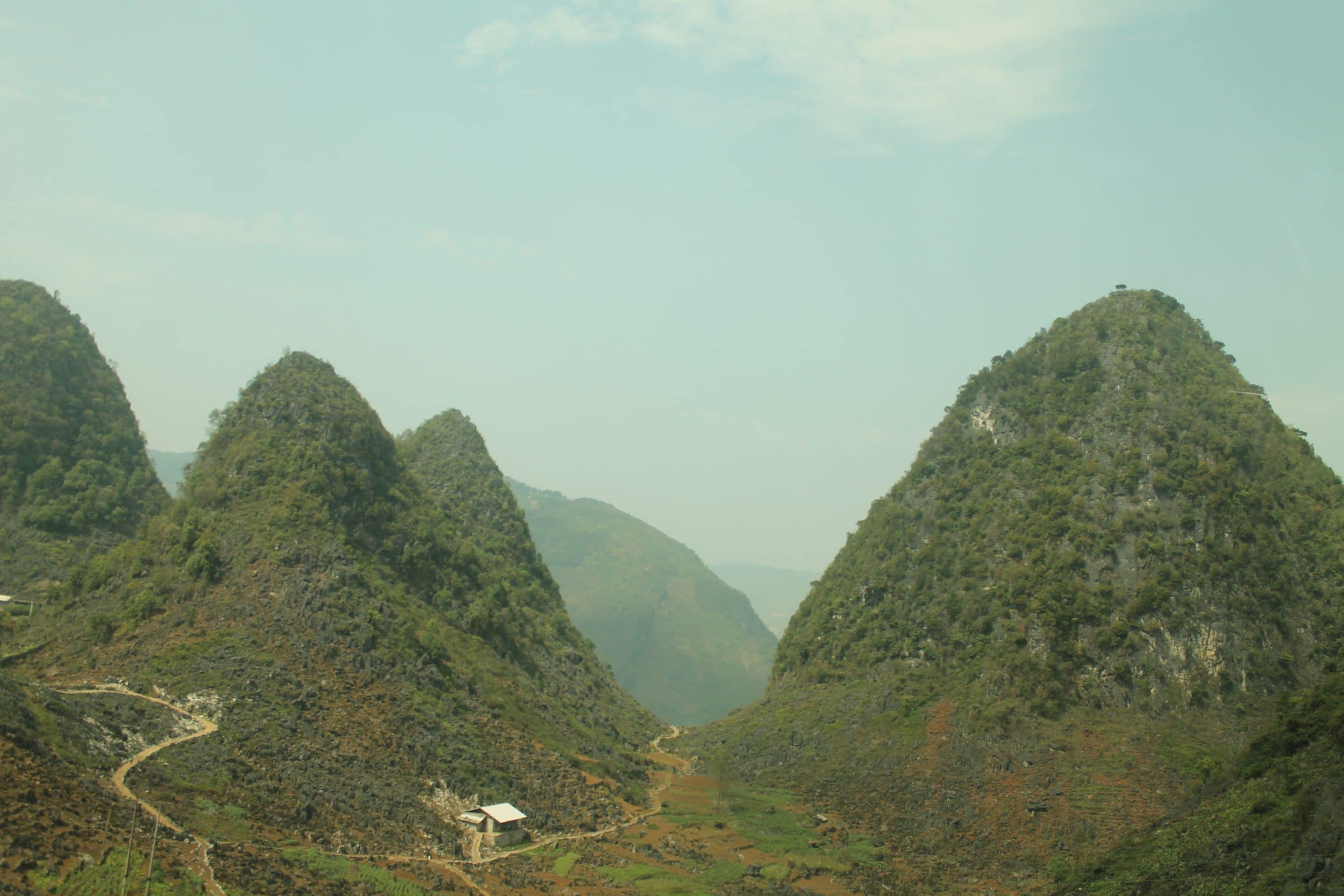
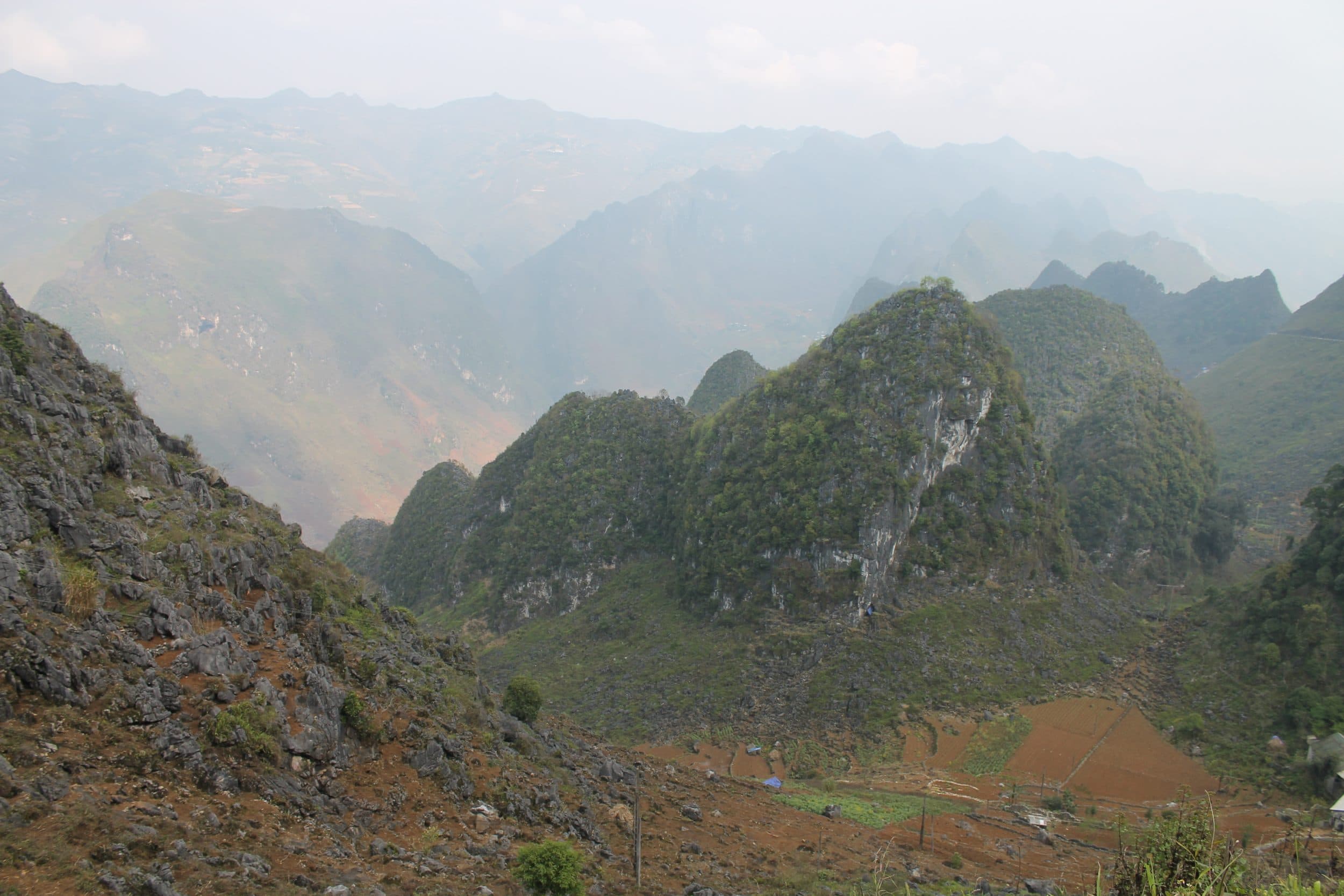
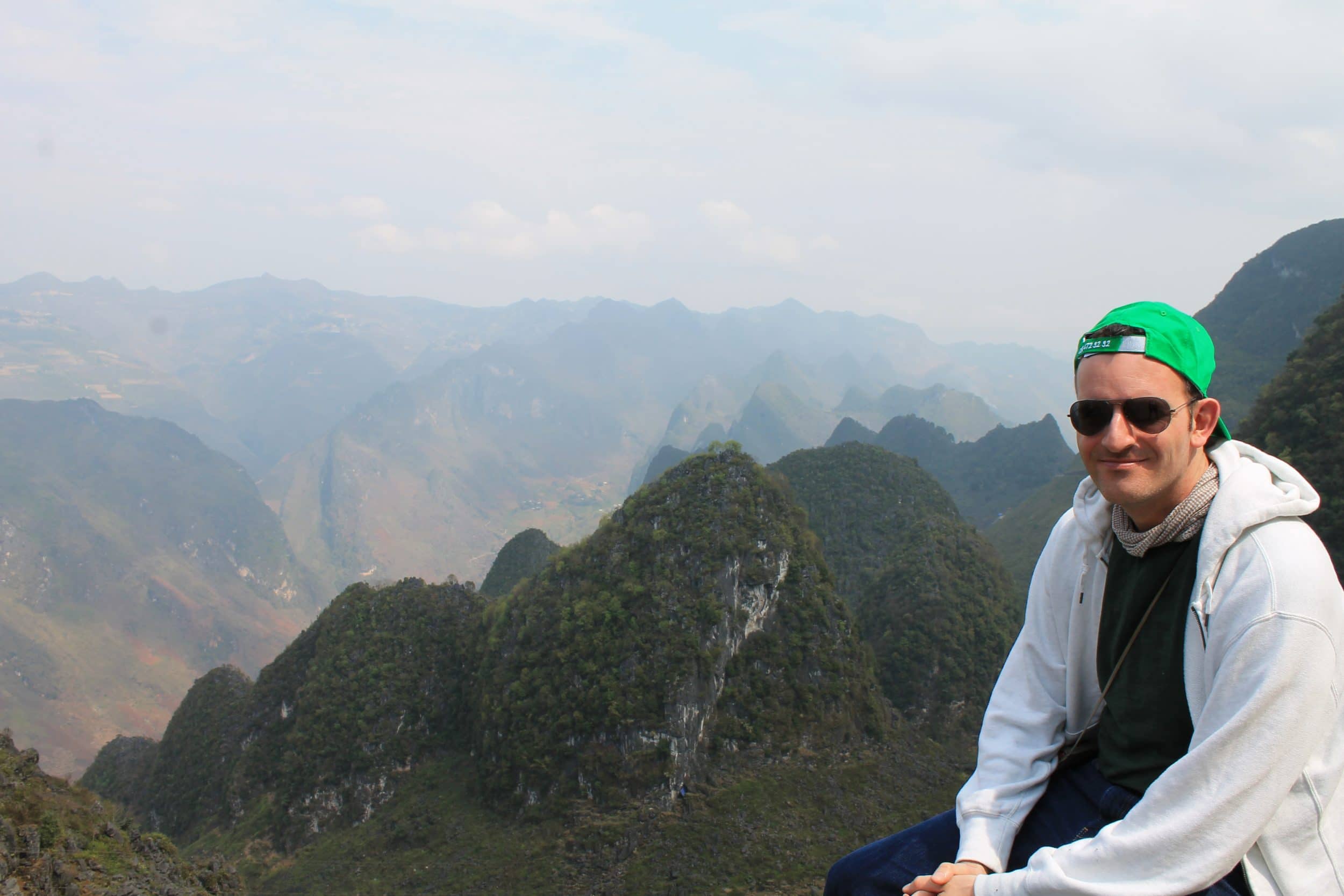
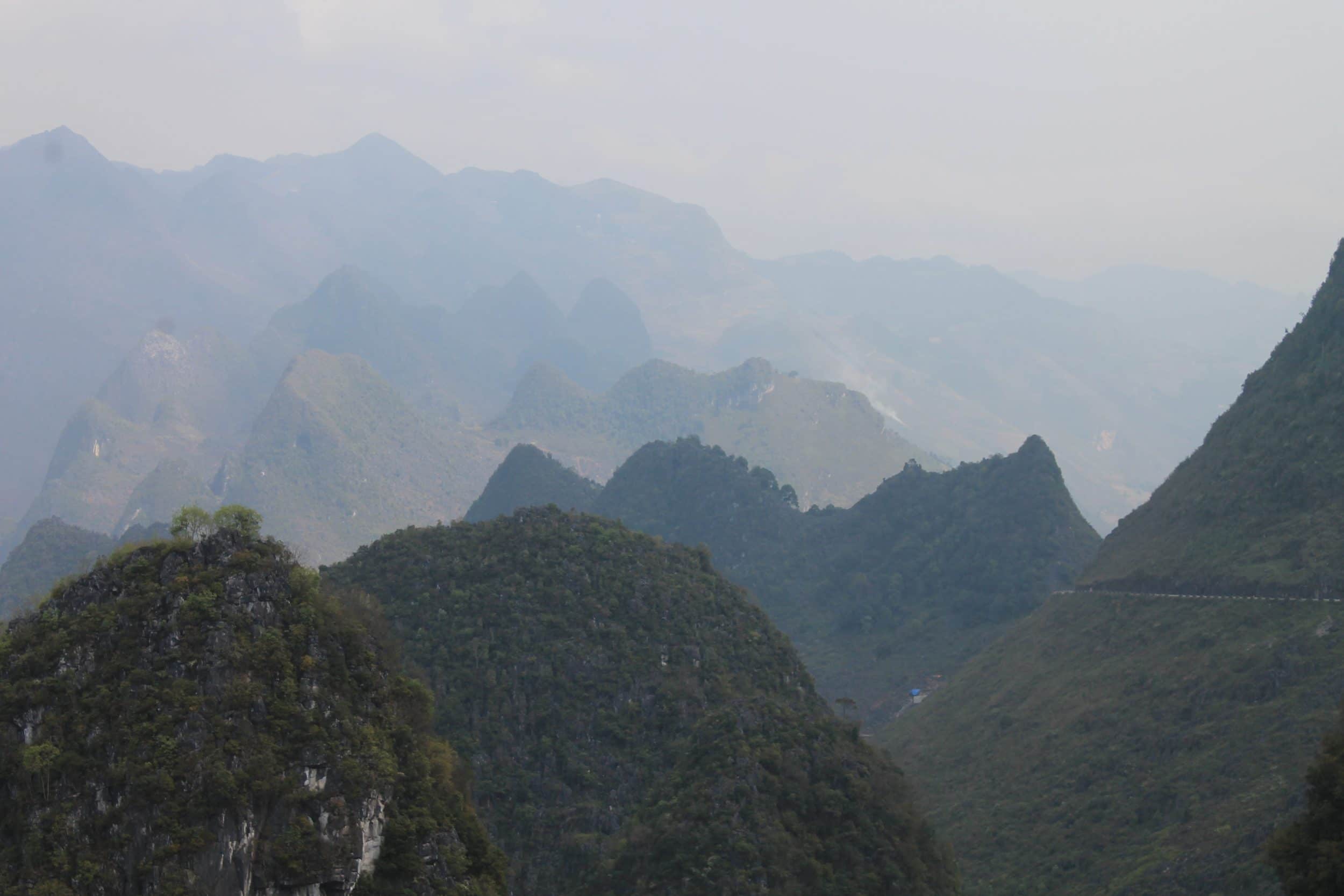
To get up to the flagpole, it’s best to take part of the journey by electric car (30,000 VND/person one way) and then walk the rest. You can go up to the flagpole.
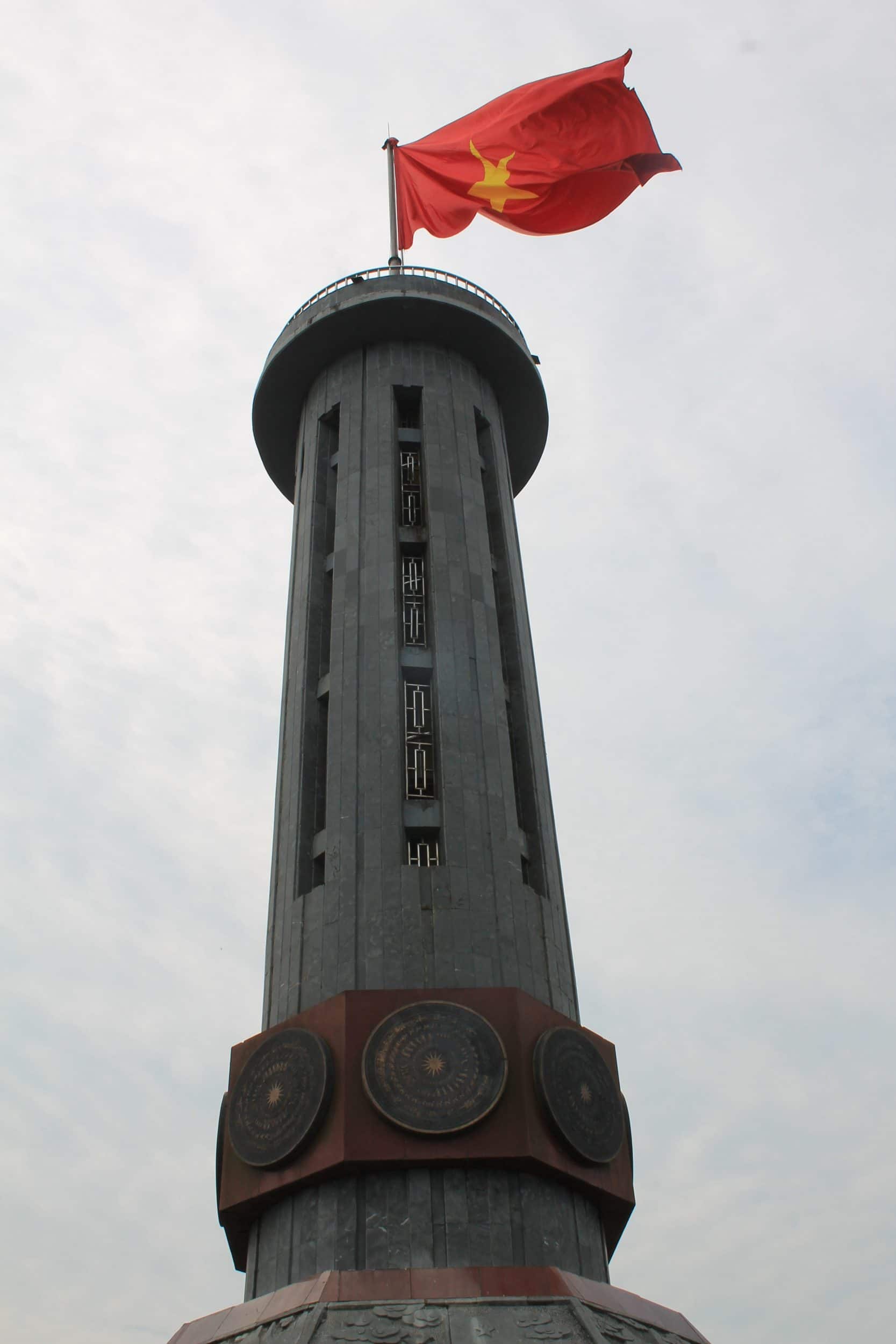
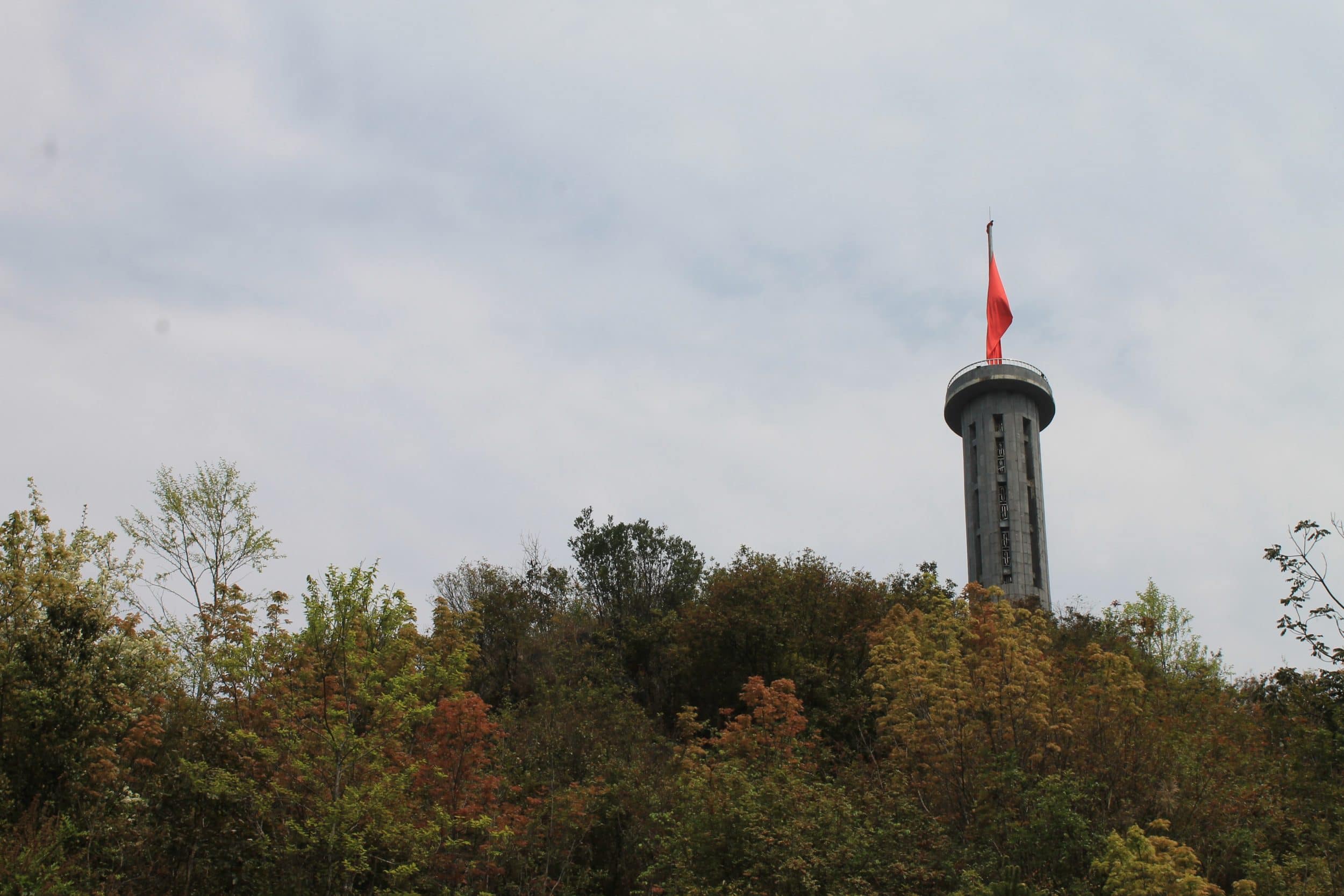
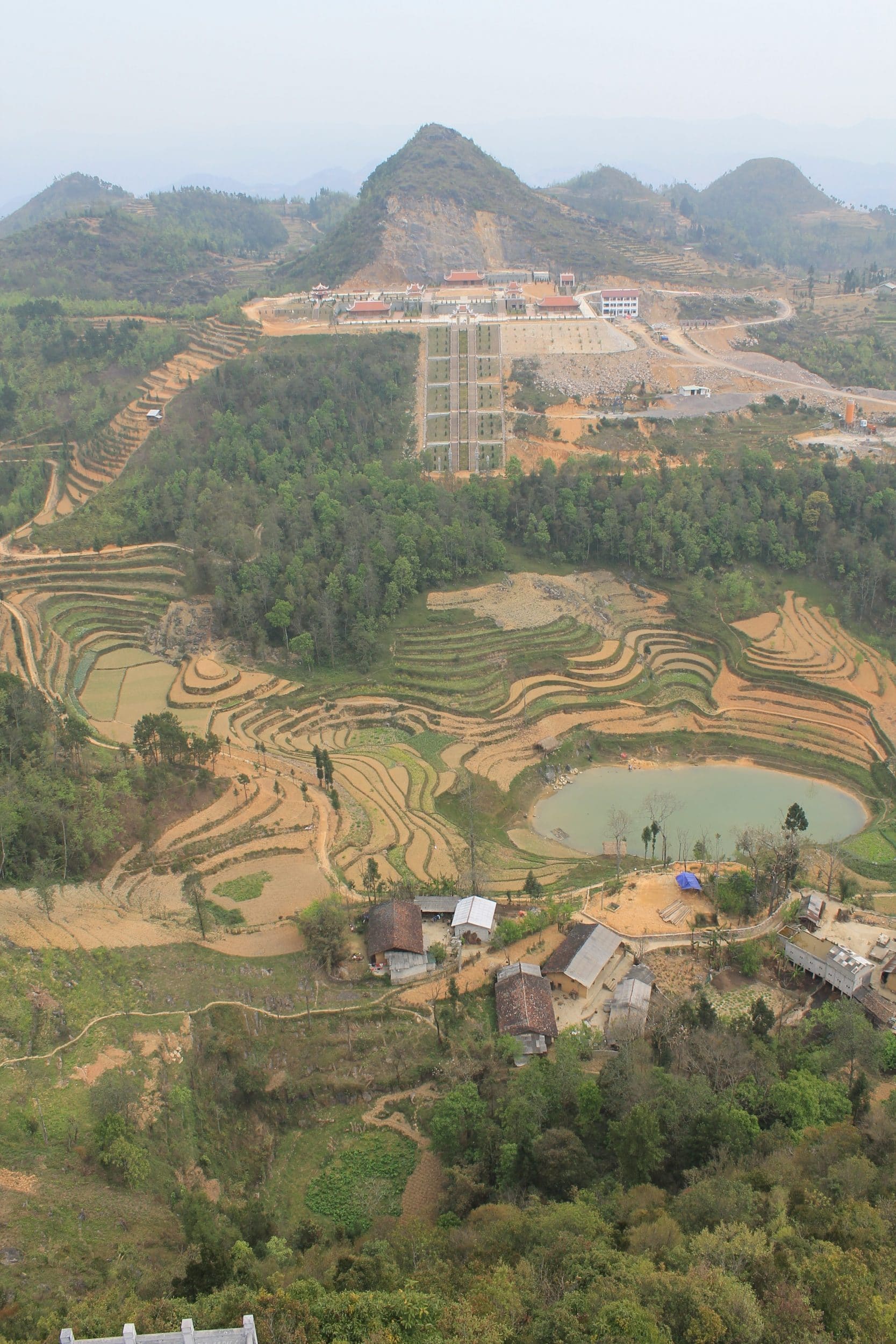
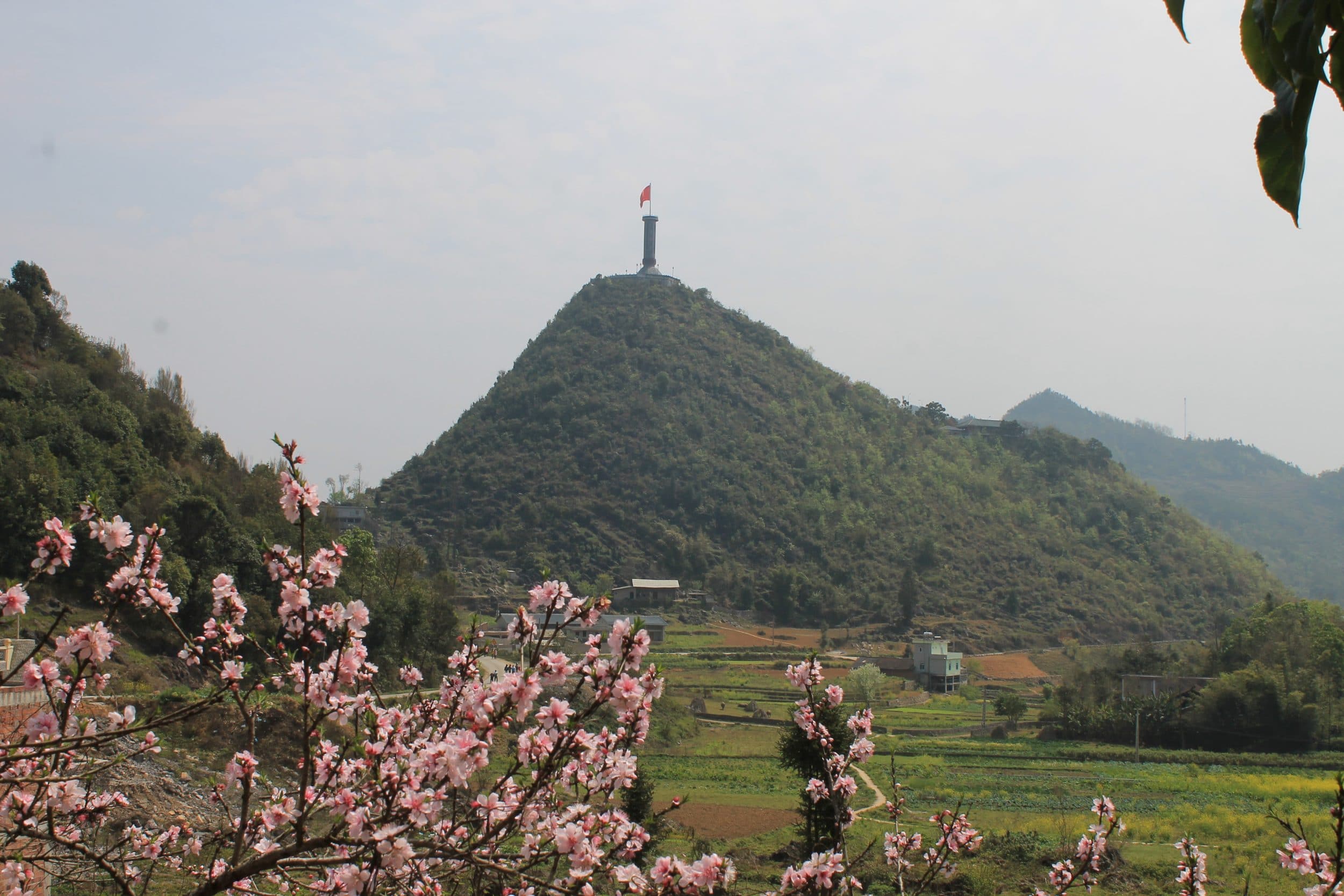
The tower was placed on this hill for its very feng shui location; it looks like a dragon’s head, with two ponds below representing the dragon’s eyes.
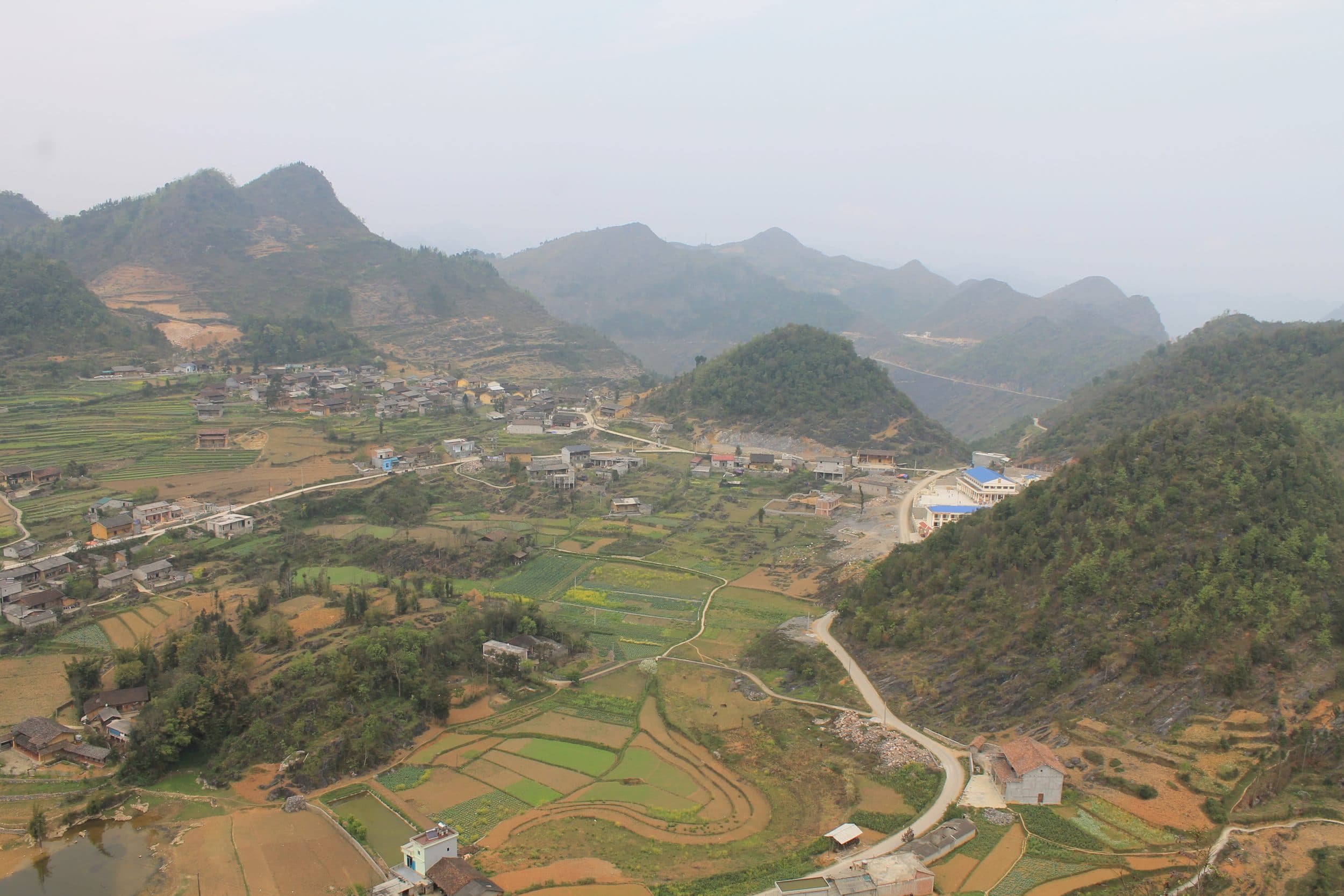
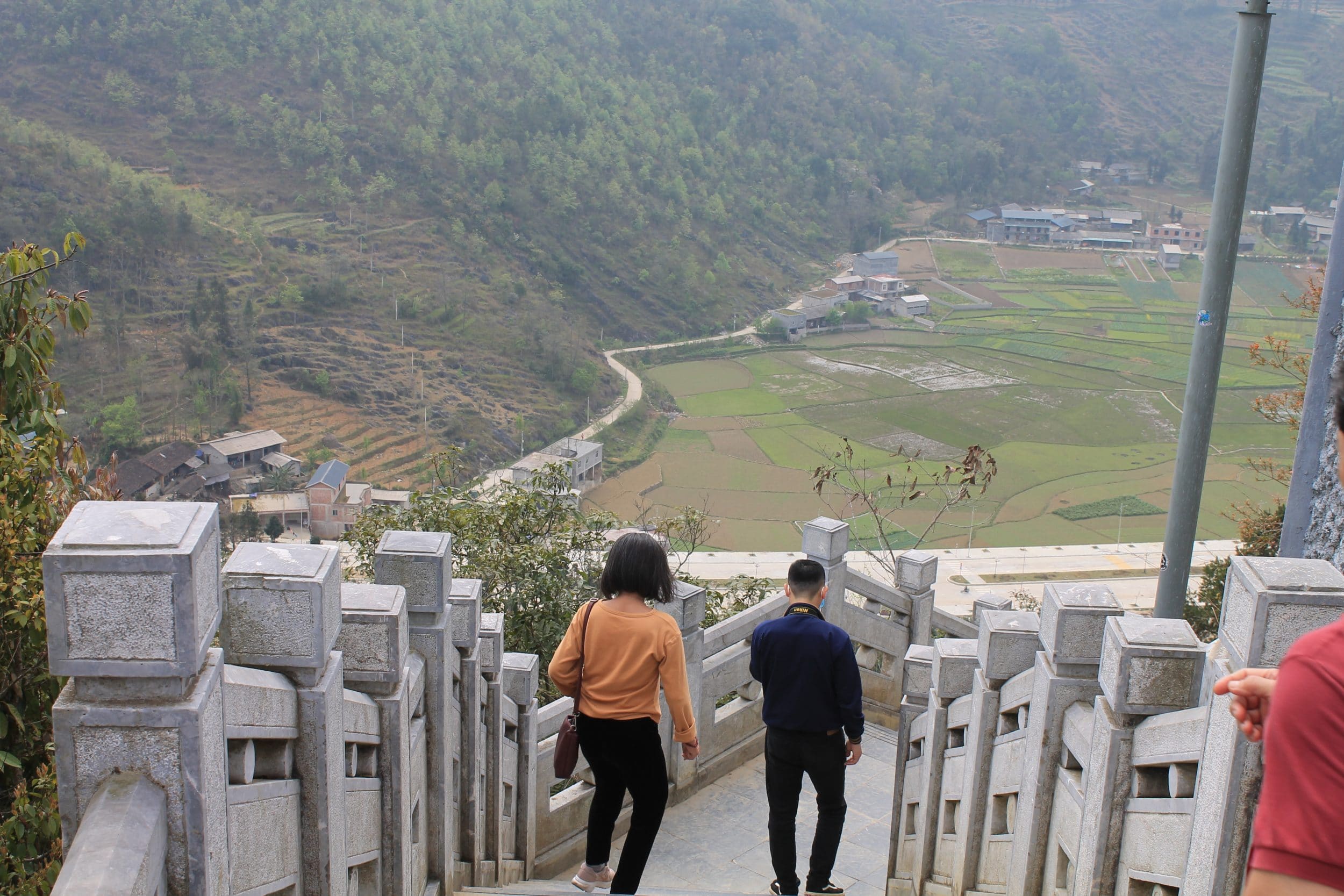
Right across, there’s a temple under construction.
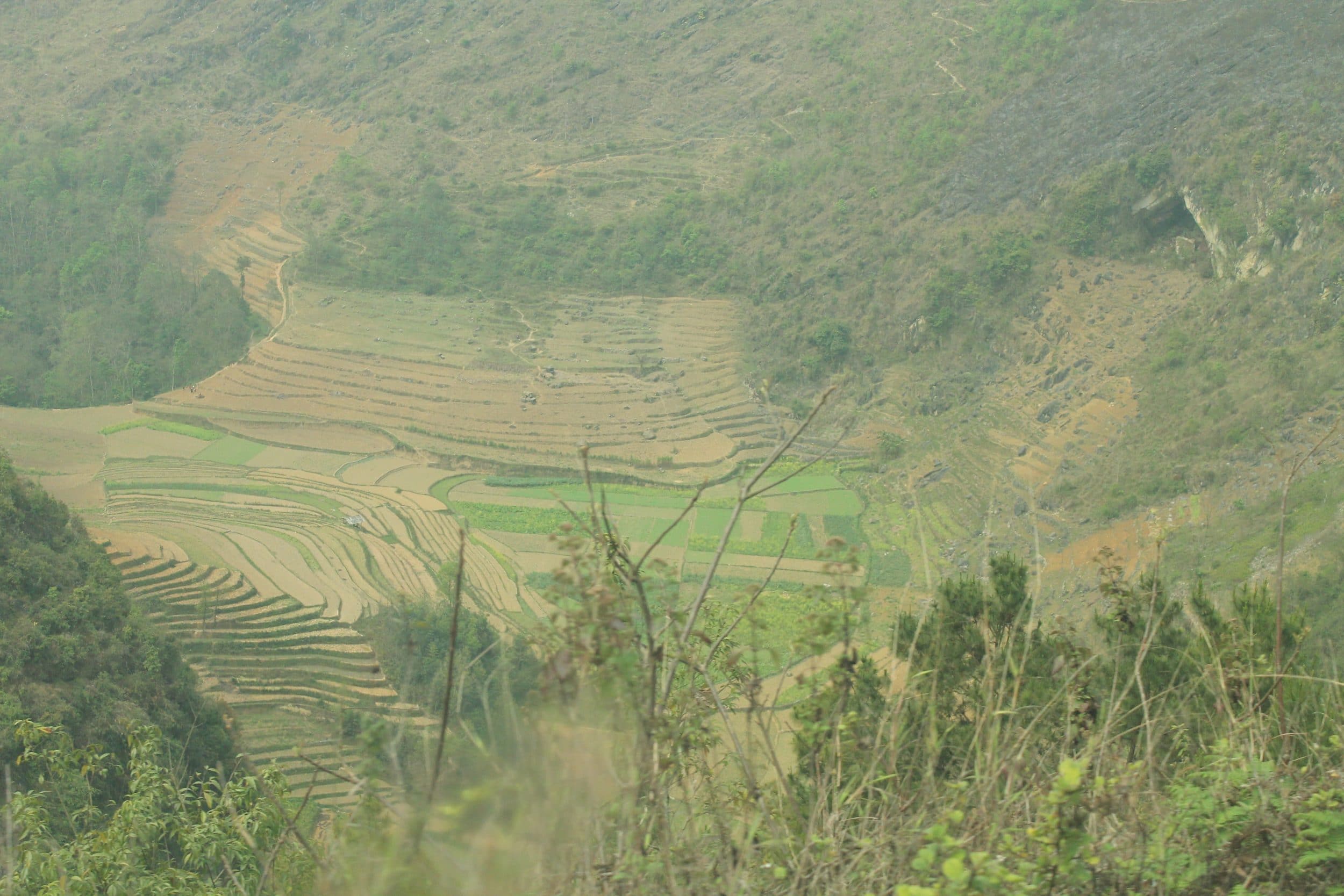
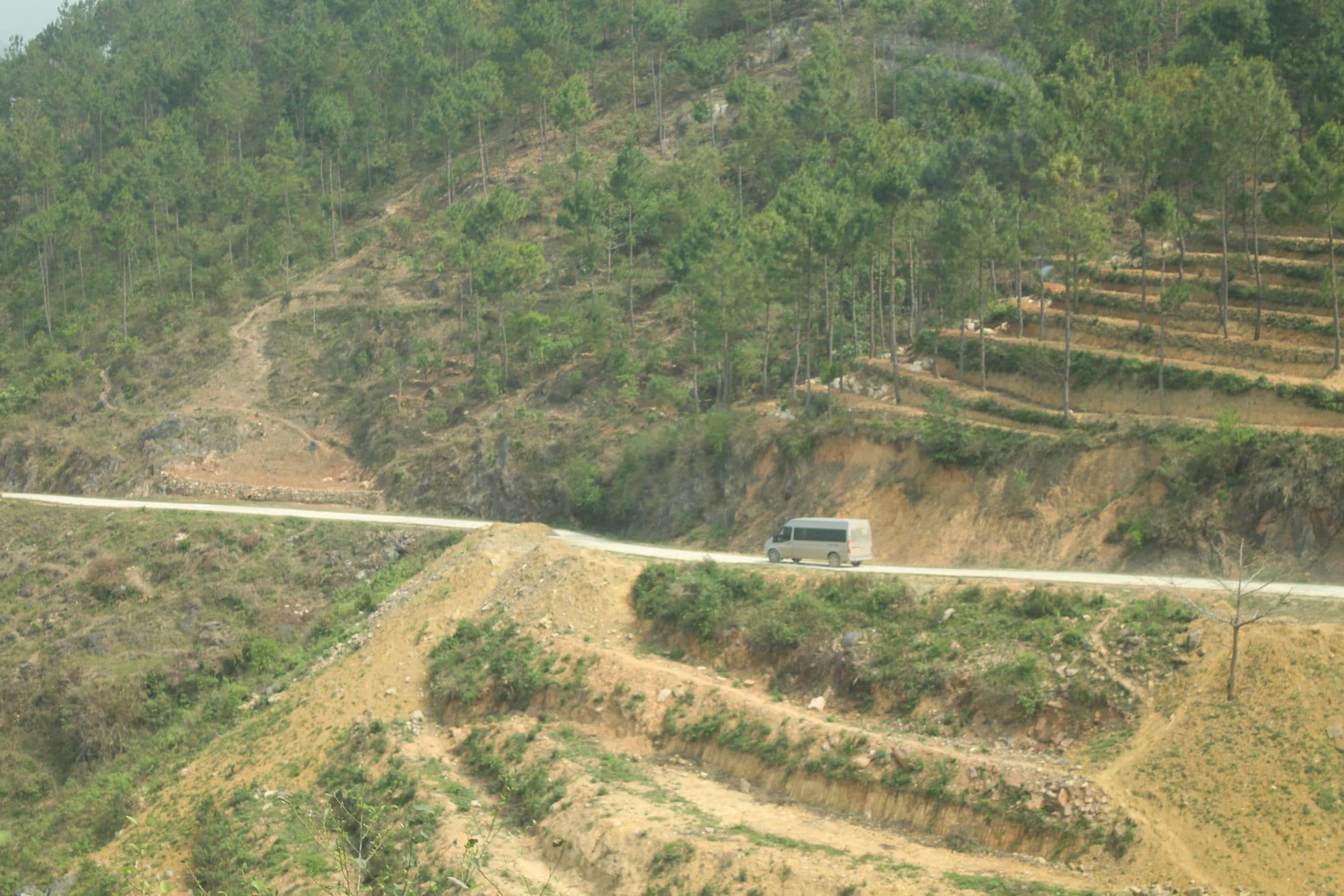
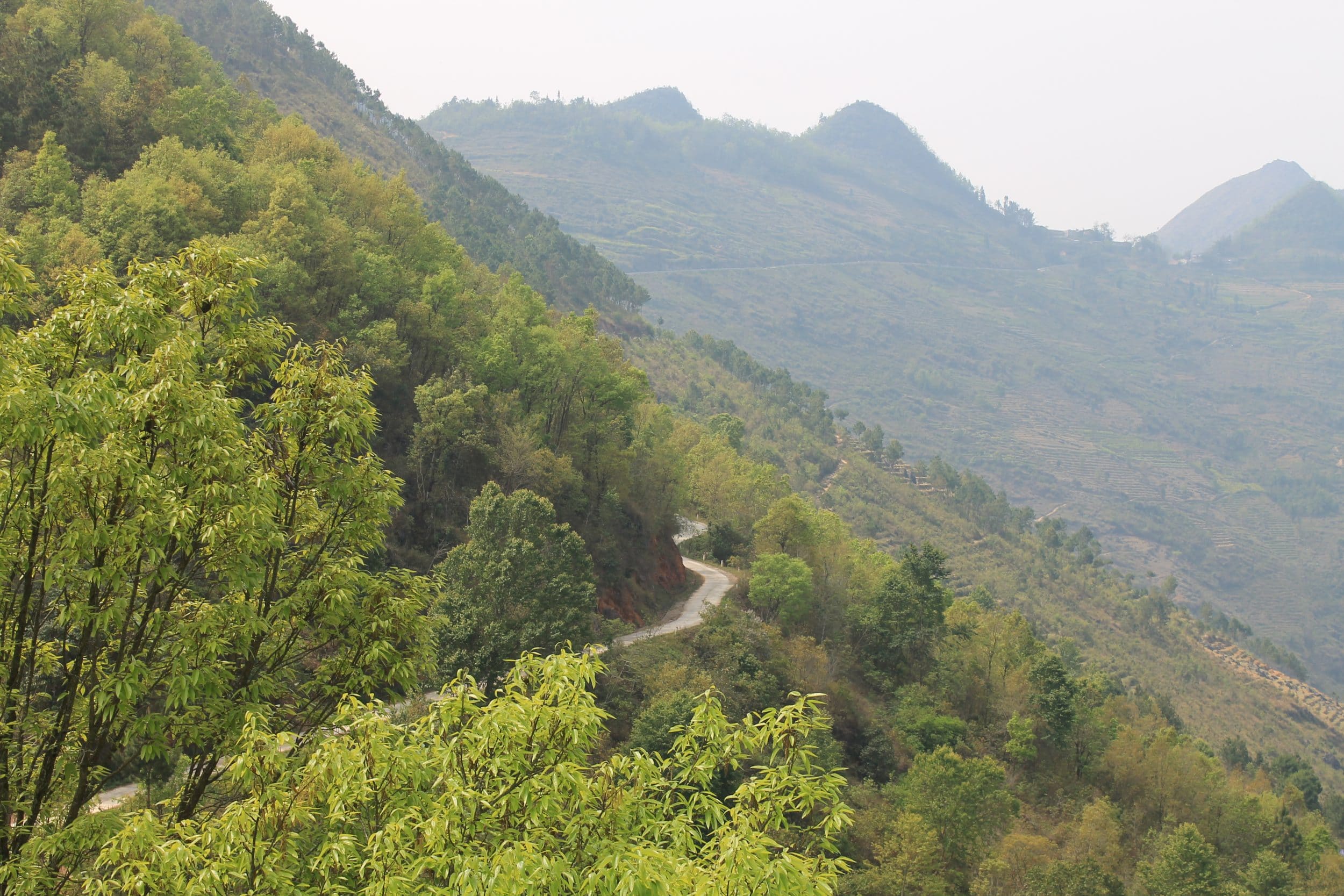
Usually, tours only go as far as here, without reaching the true northernmost point of Vietnam. But since we have a private tour, we asked the driver to take us there. The road is quite rough at the end, but it’s passable even for a 16-seater car. The landscapes are even more impressive, and the cliffs higher.
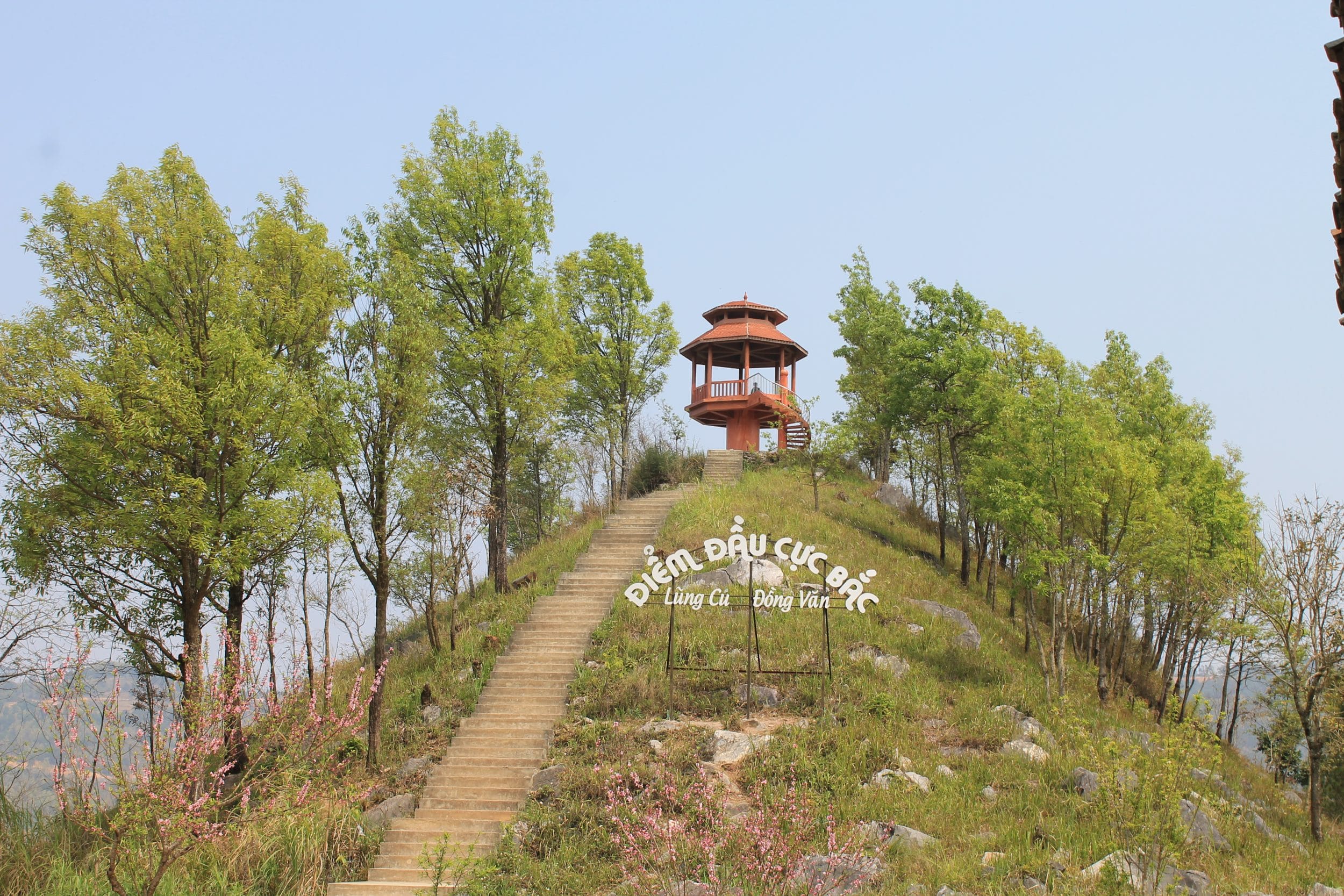
Upon arrival, we discover with amazement a small tower built for a better view of the Sino-Vietnamese borders.
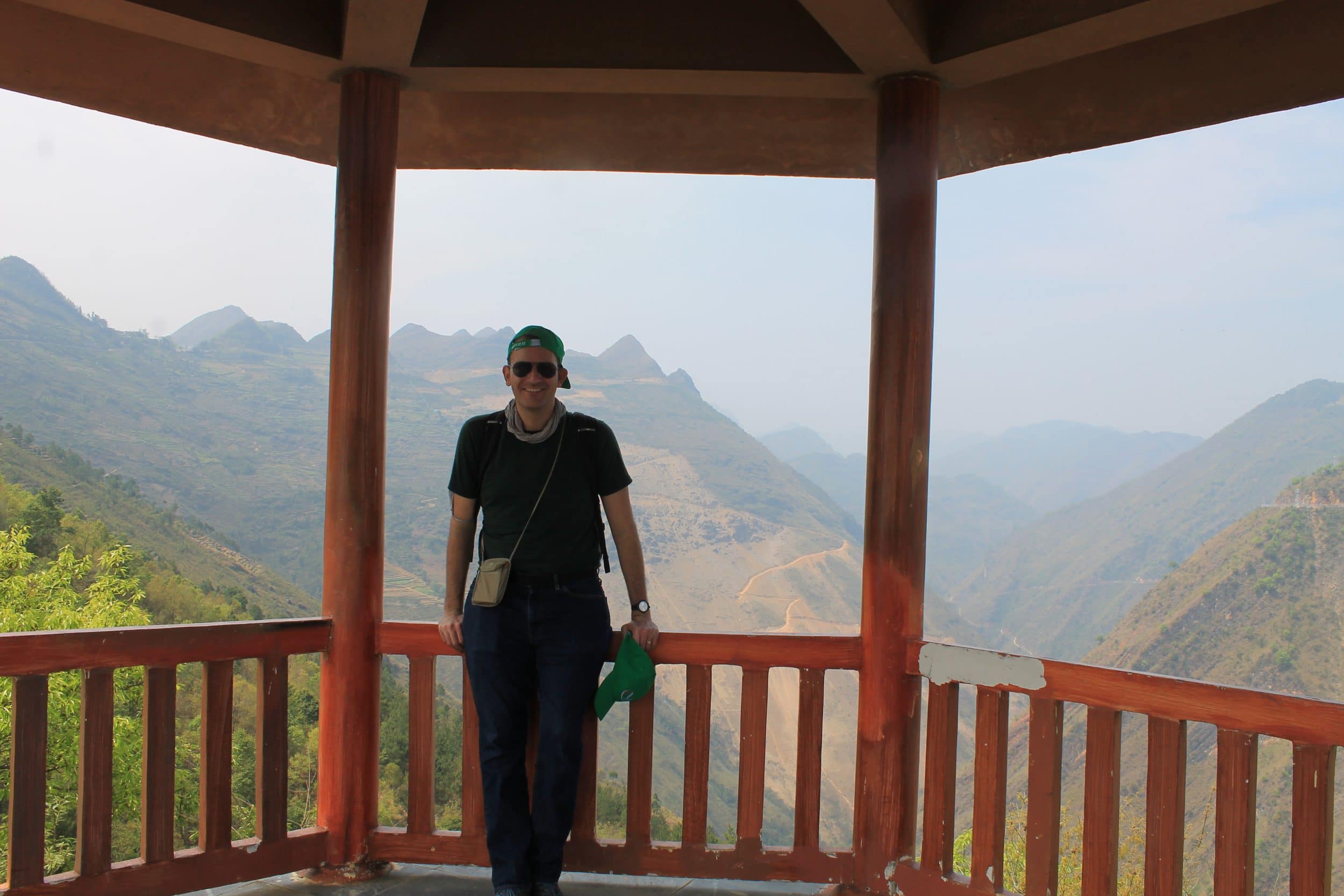
In the photo, you can see the barriers built by the Chinese. Since the “Zero Covid” strategy, China has had these barriers constructed to prevent the free movement of border residents. Before, trade took place freely; now, the impoverished populations of both countries can no longer cross these barriers. A large portion of the lettuce in oil, which was previously sold to the Chinese, no longer finds buyers.
We have lunch at Cuc Bac homestay, an adorable hotel-restaurant run by a couple from ethnic minorities. The meal is delicious. We’re given a bottle of rice wine. At first, we thought it was water; JB almost chugged it ahaha.
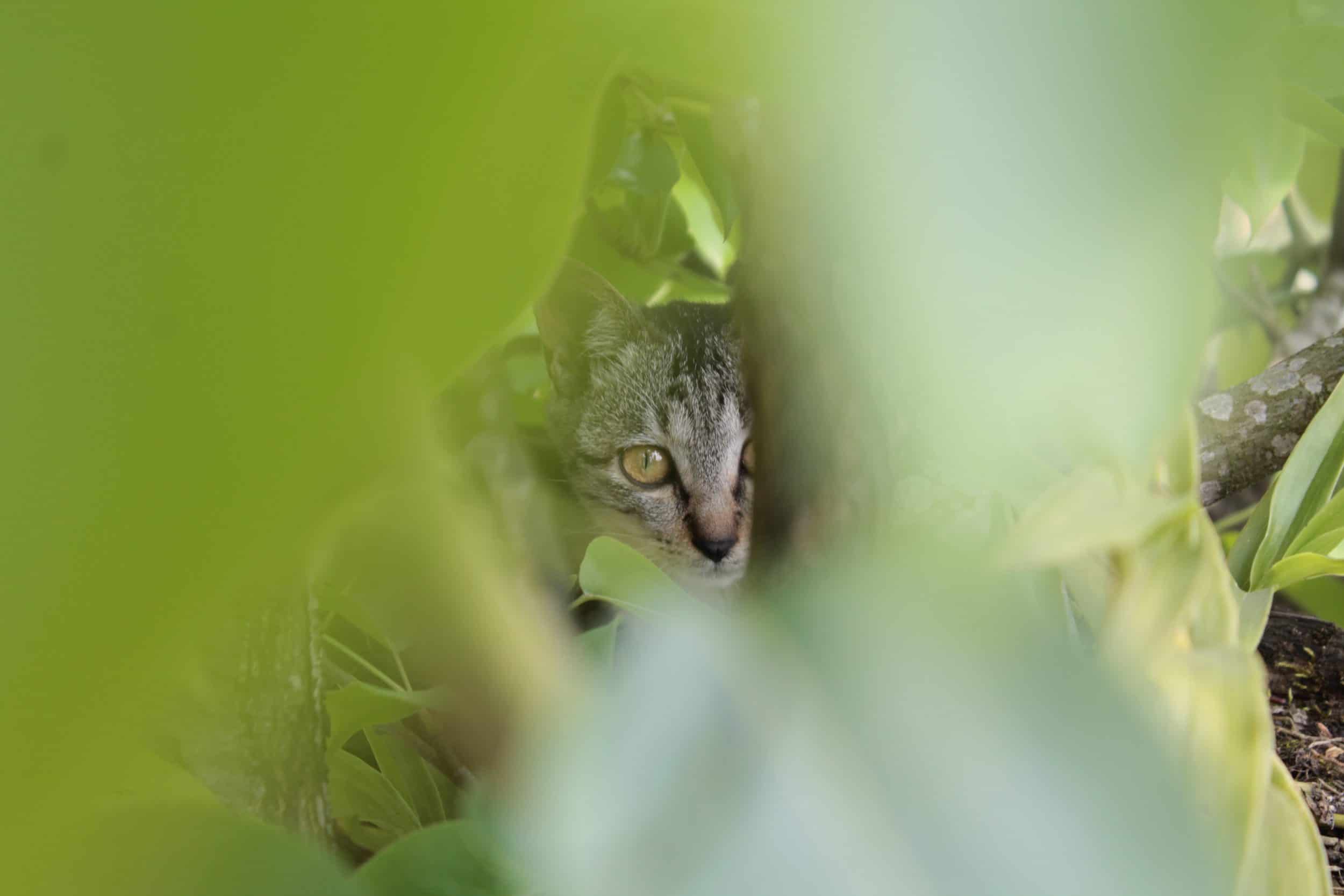
From the homestay, we have a nice view of the tower and flag. They have two adorable kittens that come begging for food from tourists. They offer smoked pork here. It’s actually just chunks of meat hanging in the kitchen, and the smoke from cooking smokes them over a few months. It’s a bit tough to chew and full of fat, but it’s delicious.
Nho Que River
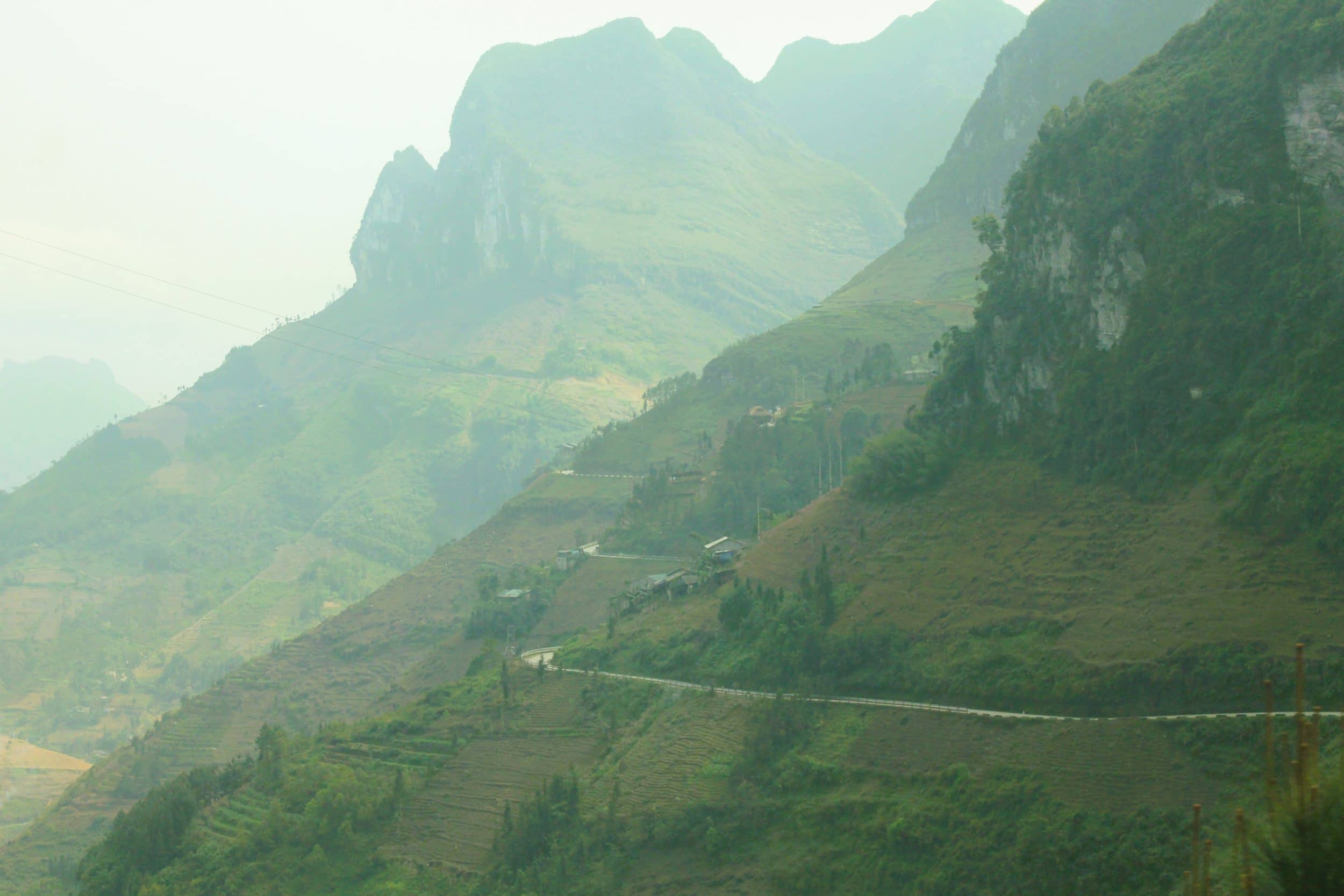
We barely have time for a quick nap when it’s already time to head to the Nho Que River; it’s the highlight of our entire trip. This river separates China and Vietnam, but we’ll only explore the part just before the dam, as this section will have enough water for navigation.
Here’s the photo you see on many tourist sites. In reality, it’s not as contrasted or as green as the photoshopped pictures, but it’s still incredibly beautiful. These winding roads have become wide and safe enough to drive yourself, as long as it doesn’t rain. Many Vietnamese tourists come here by bus and rent a motorbike to explore.
Viewpoint
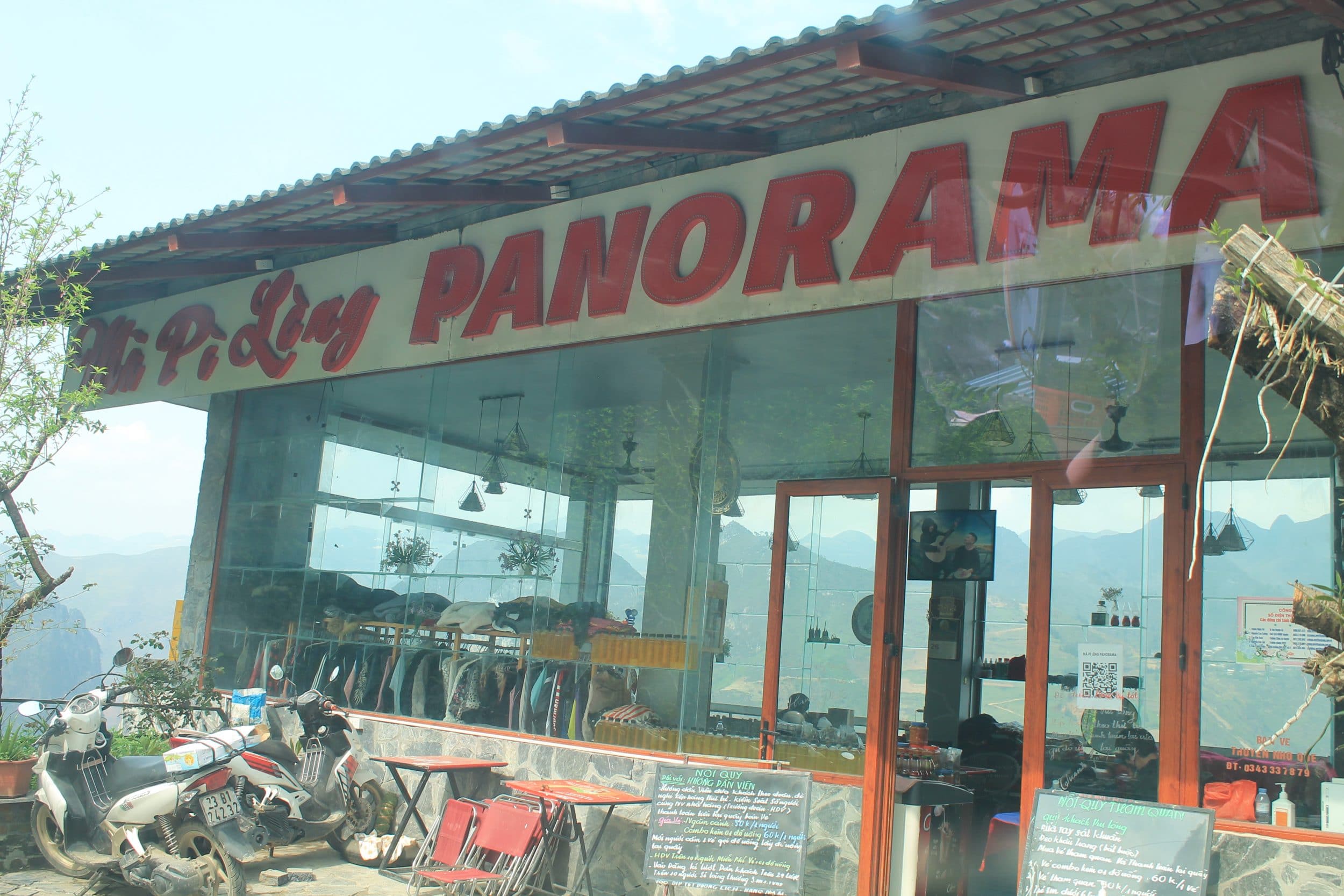
We stop at a café called “Panorama“, which is multi-level and features a highly visible Vietnamese flag. Entry costs 50,000 VND, including a drink. Tu San Gorge is the deepest in Vietnam (over 1,000 meters). The view is dizzying; I let JB take most of the photos because I was too scared 😀
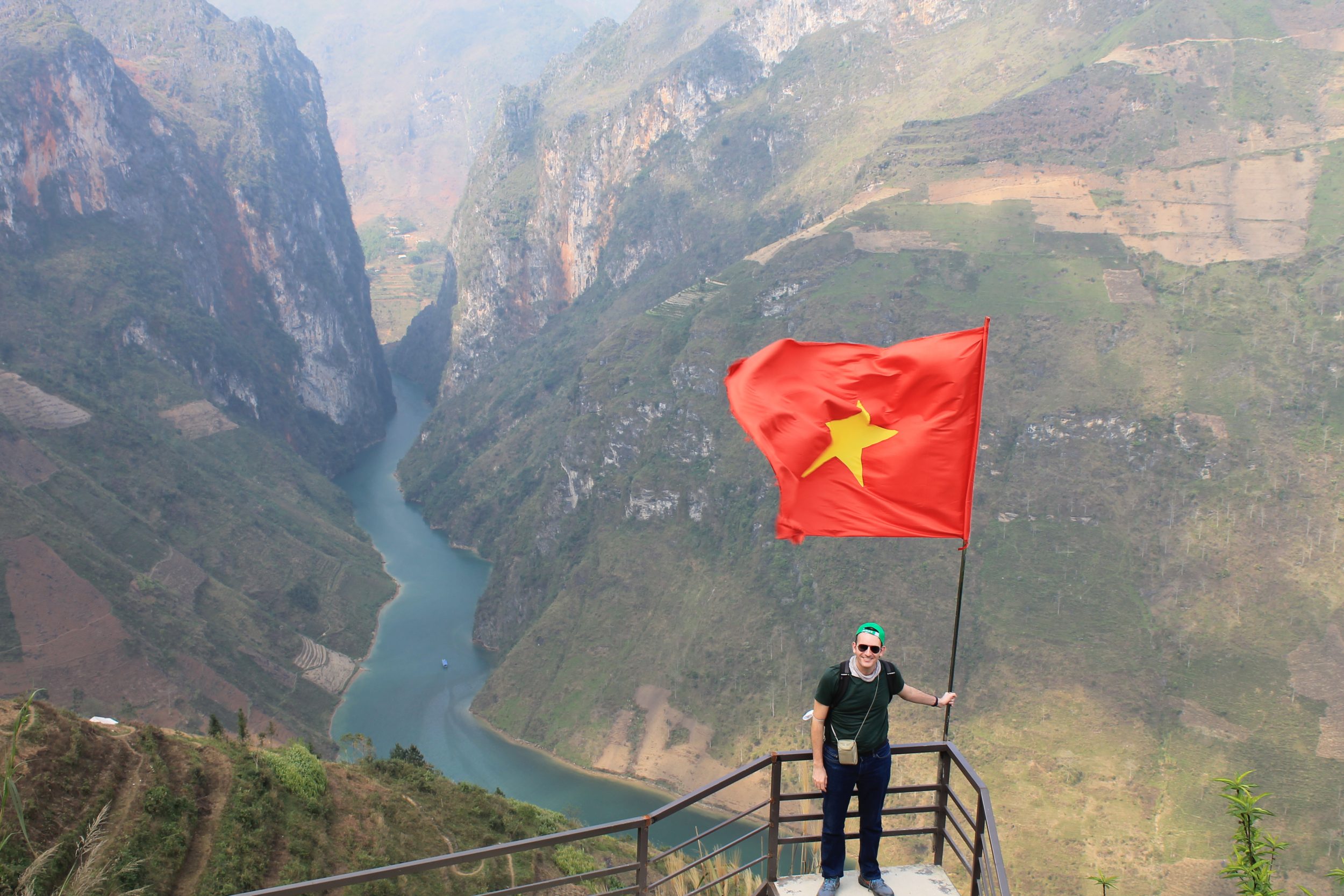
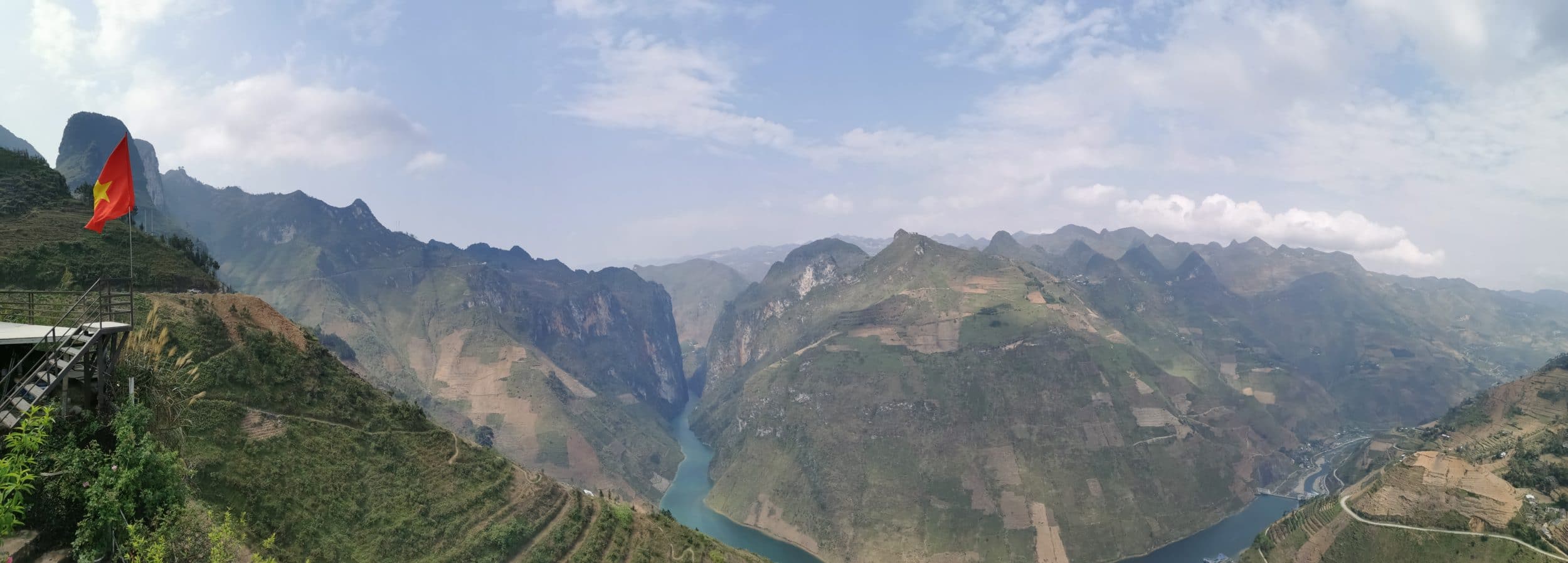
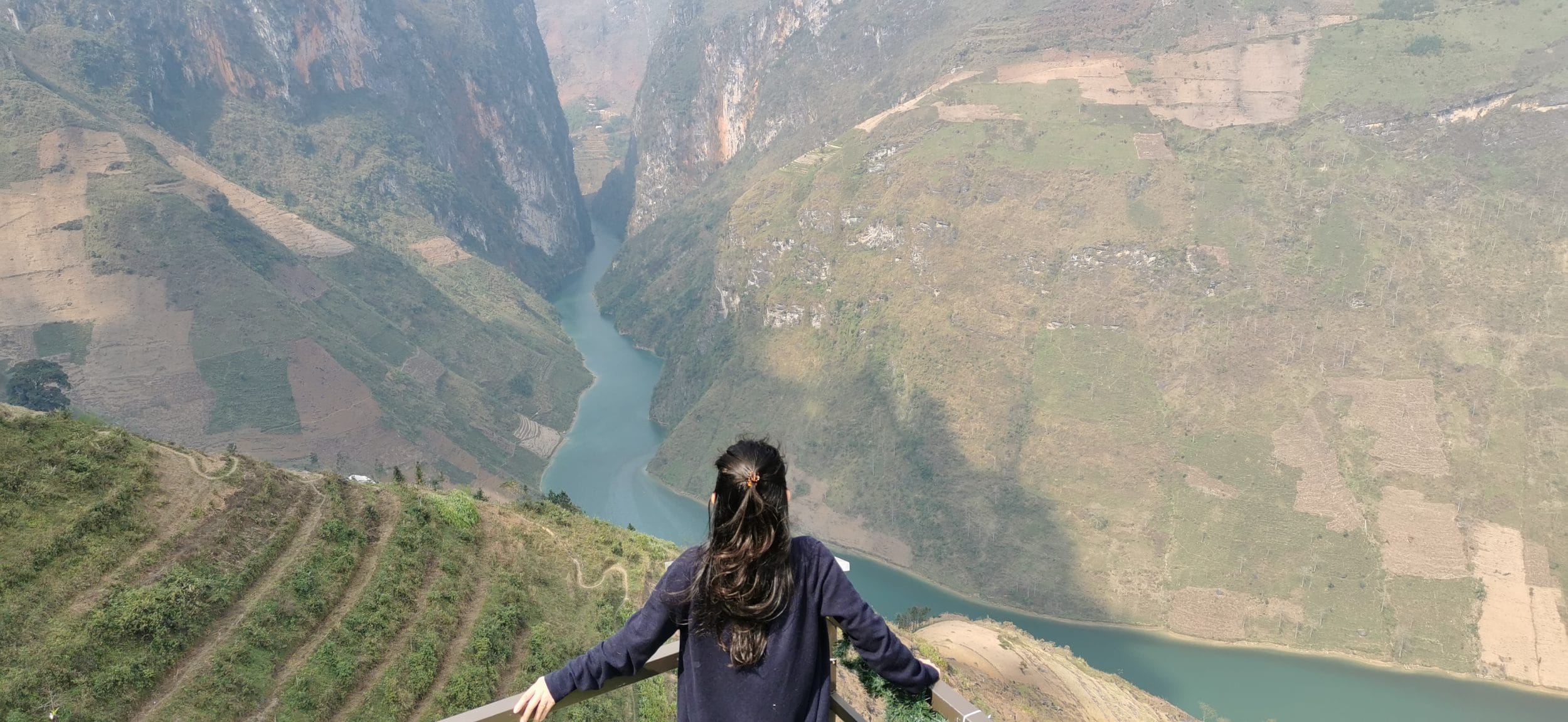
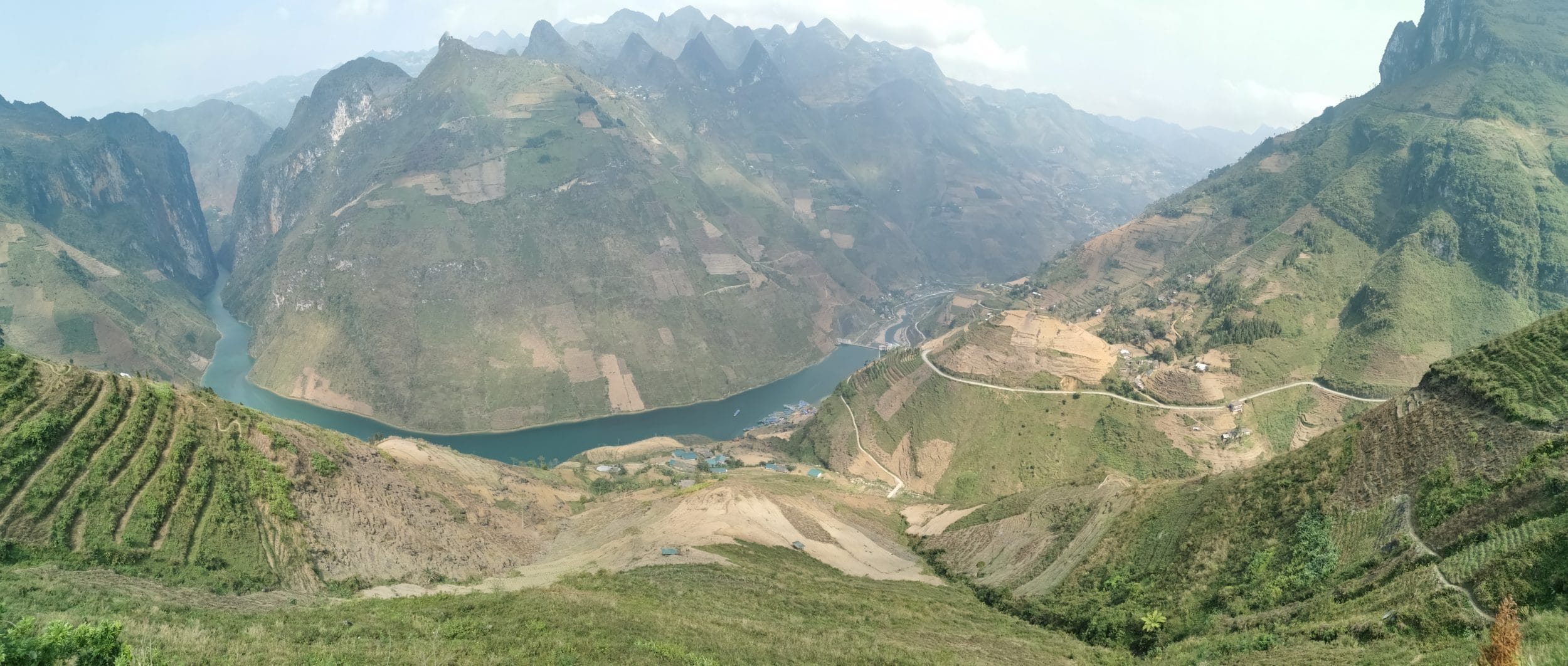
Do you see the dam? And the boats? We’ll descend partly by car and then continue on foot down to the boats.
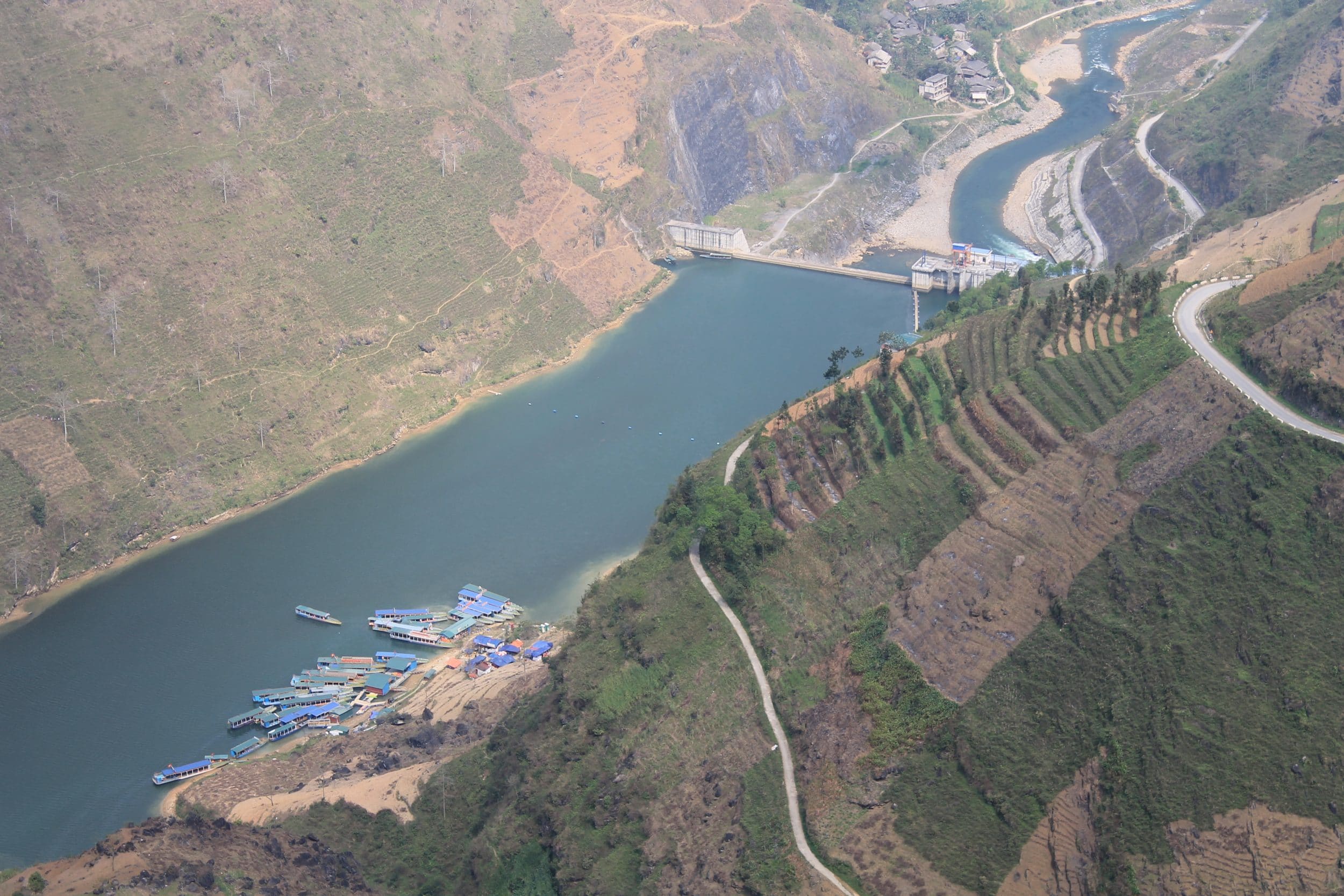
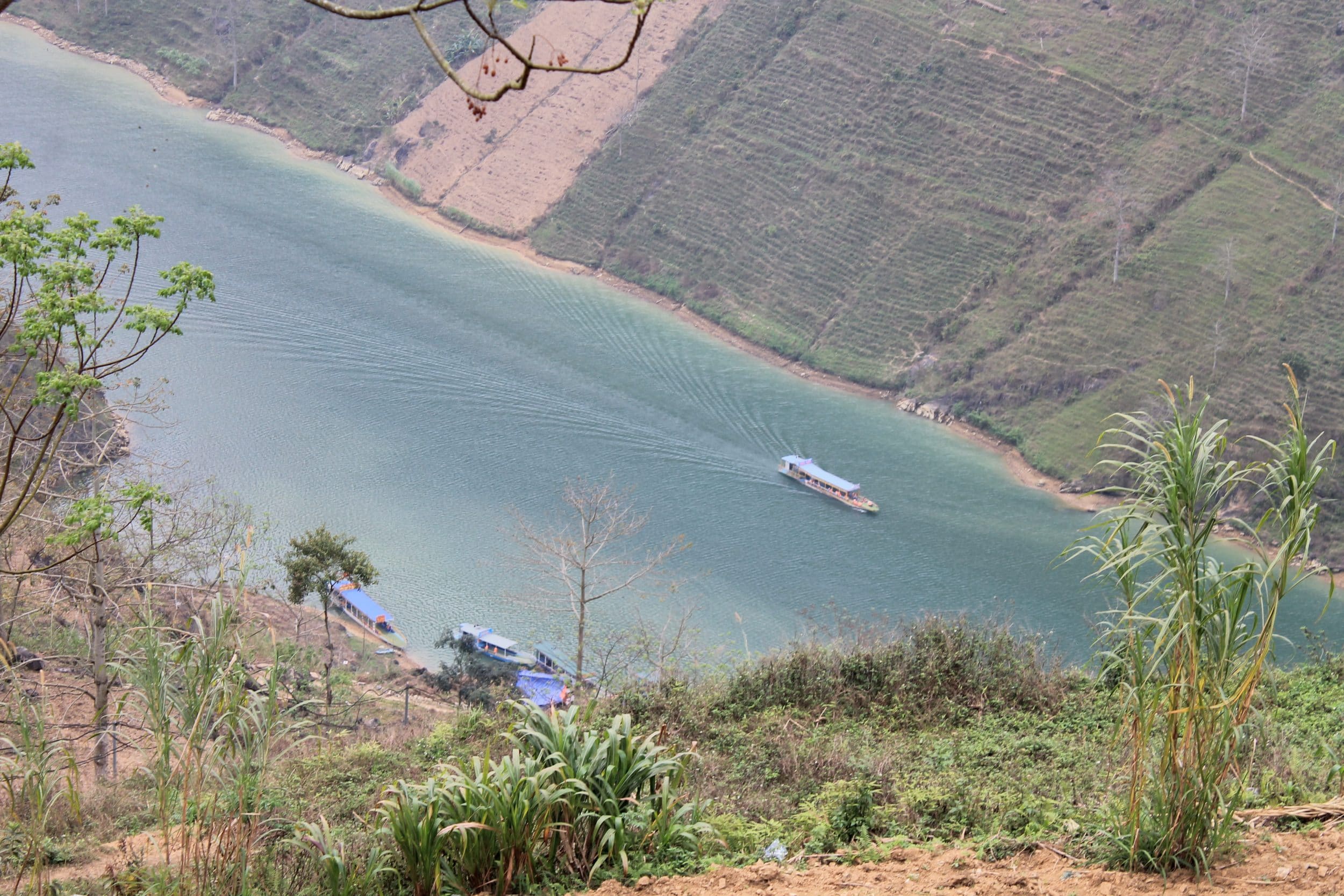
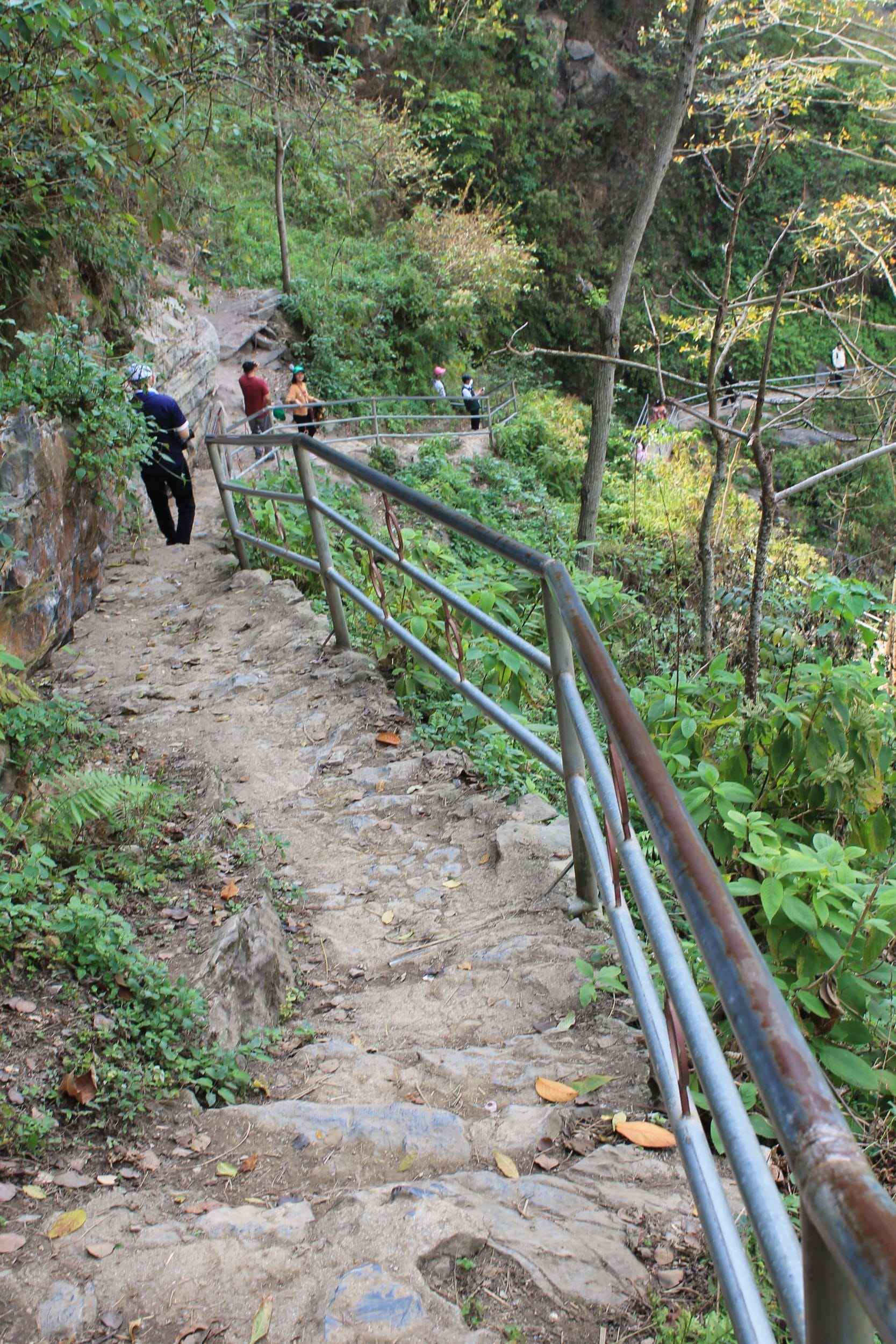
The descent on foot takes 15 minutes, the ascent 45 minutes, so we’ll walk down slowly. You should wear good shoes in case it rains.
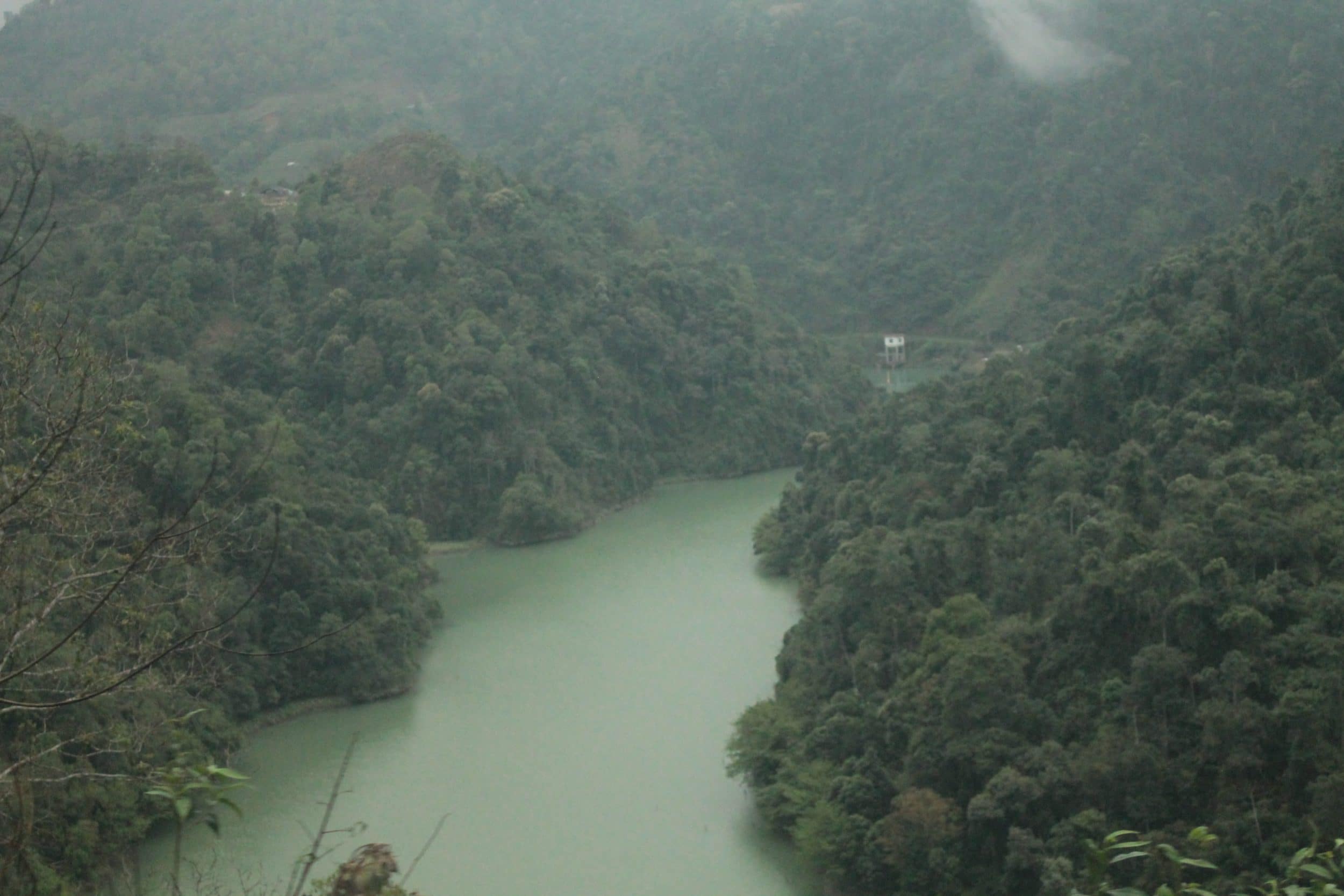
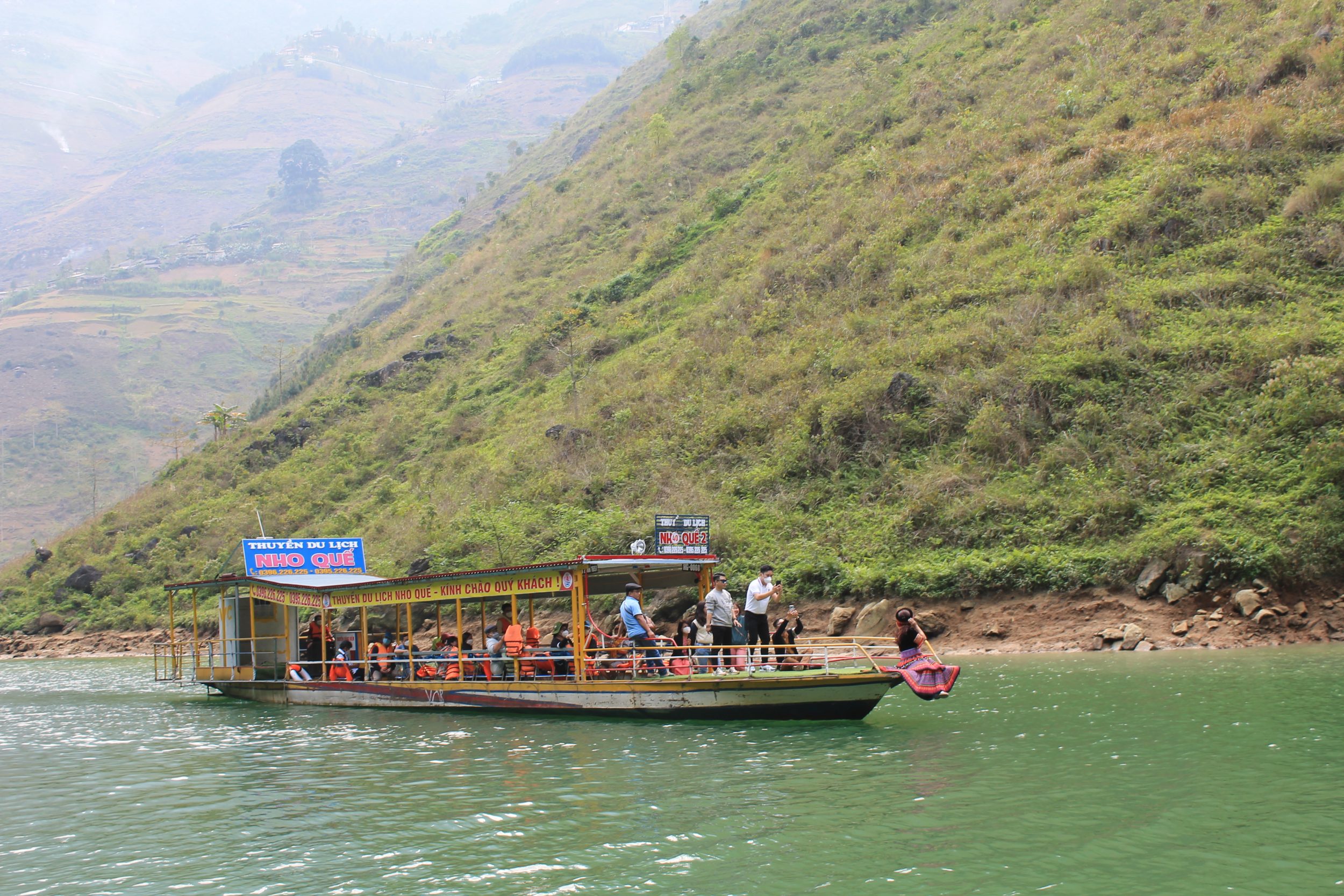
The boat takes us to the gorge, crosses it, then turns around. There’s an extra fee for those who want to climb a small hill (not worth it). The cruise lasts about 30 minutes. Look closely at the mountainsides, searching for small houses and a waterfall.
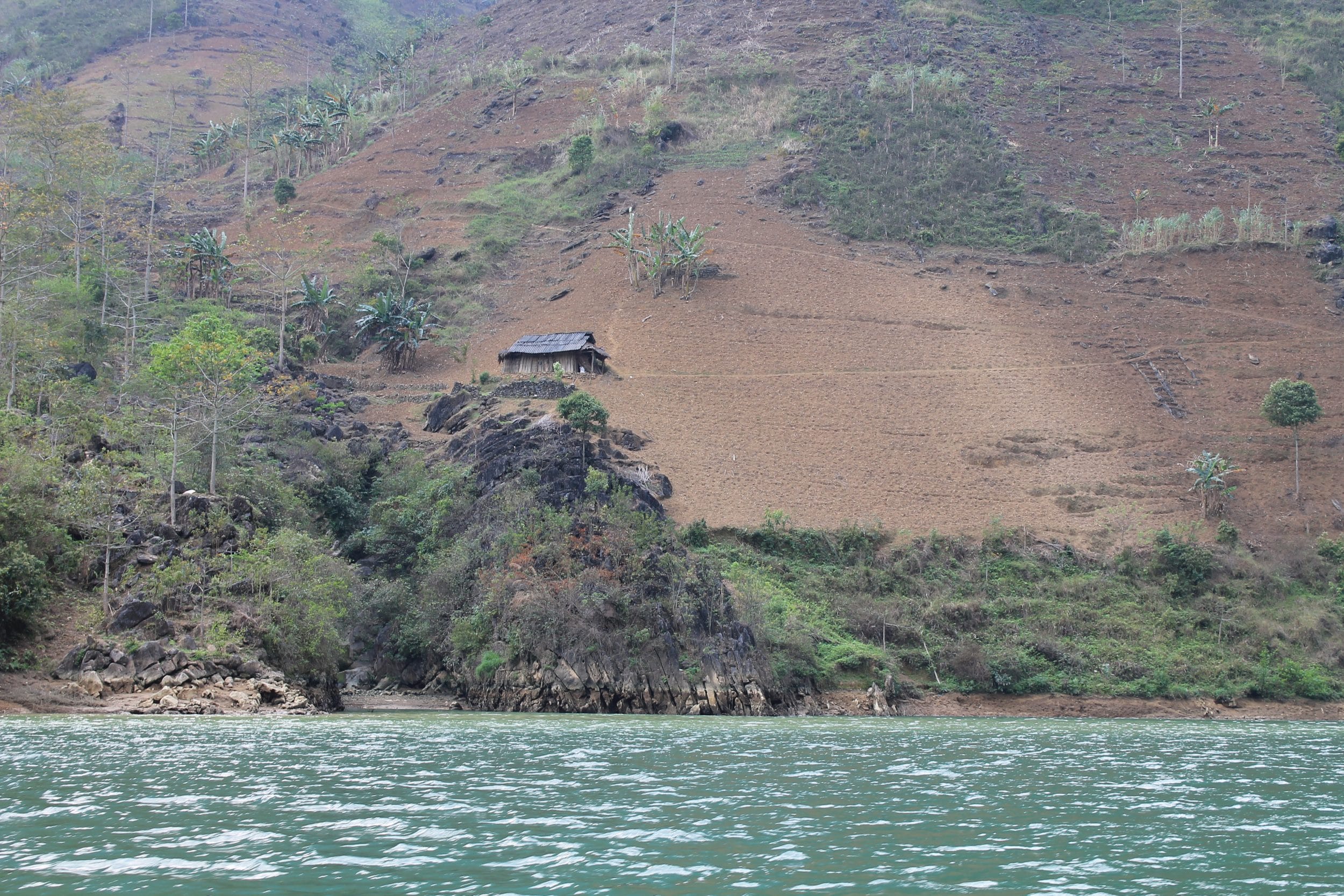
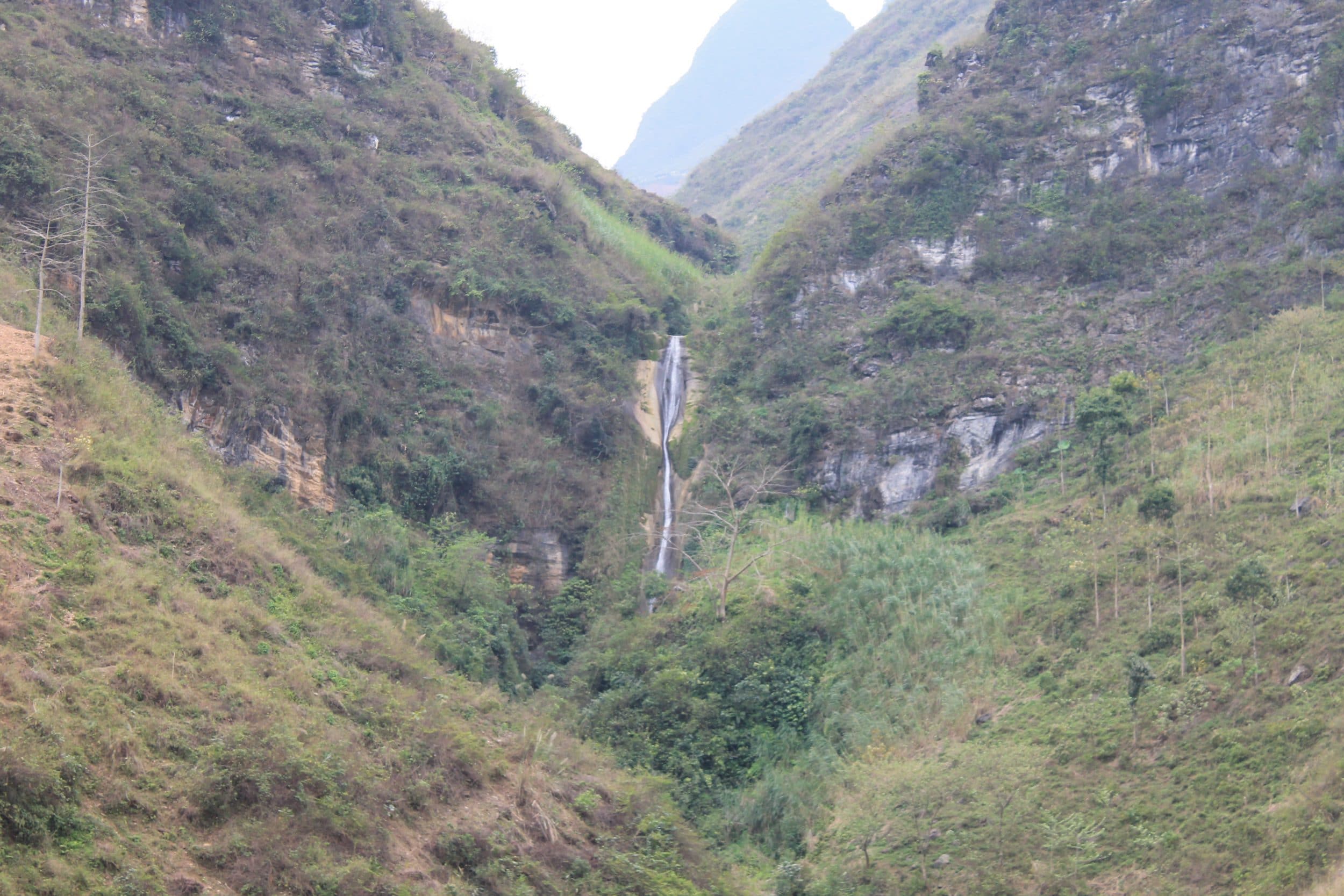
As we approach the gorge, everyone gets excited… The boat stops for a while so everyone has time to take photos.
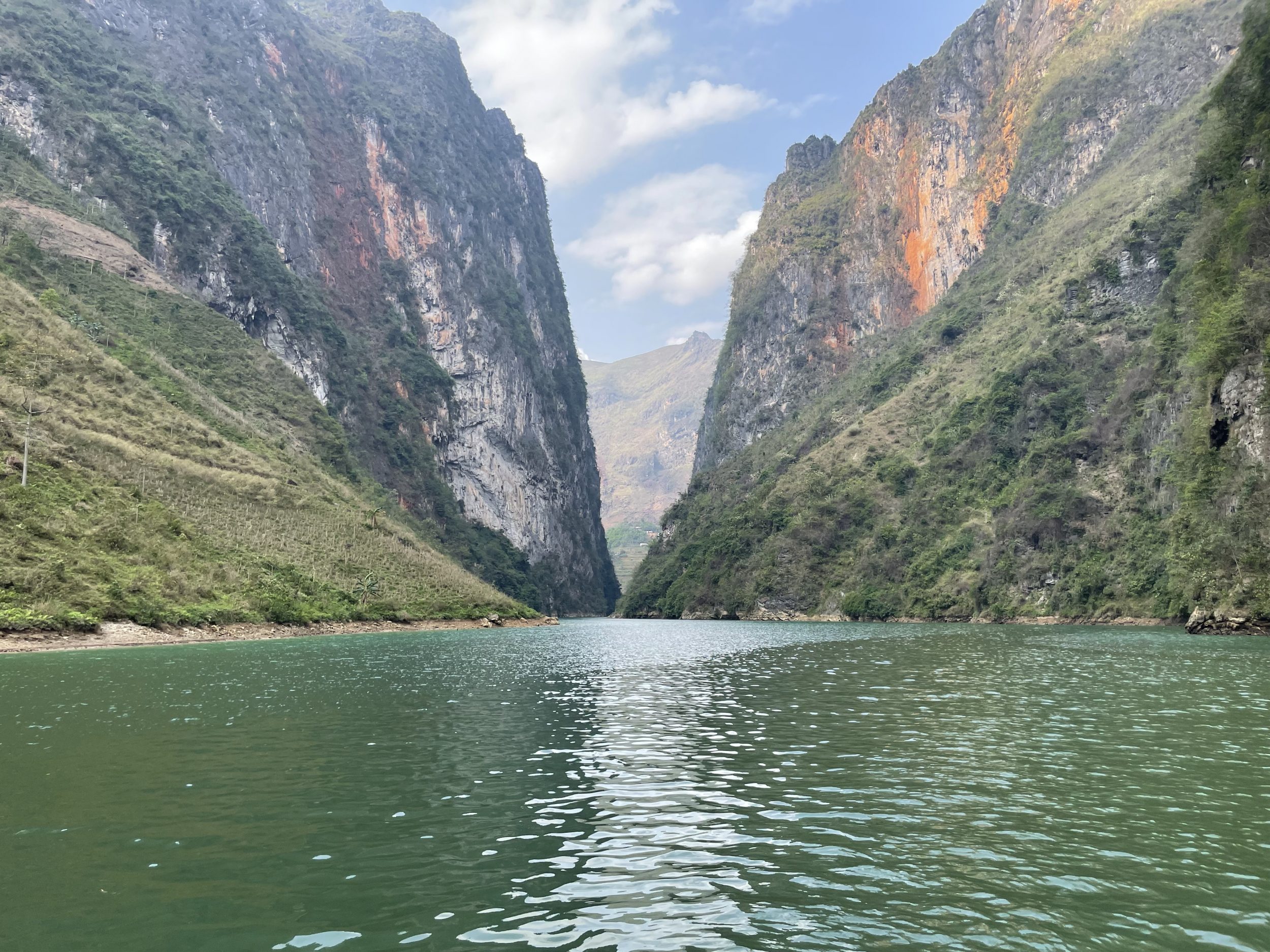
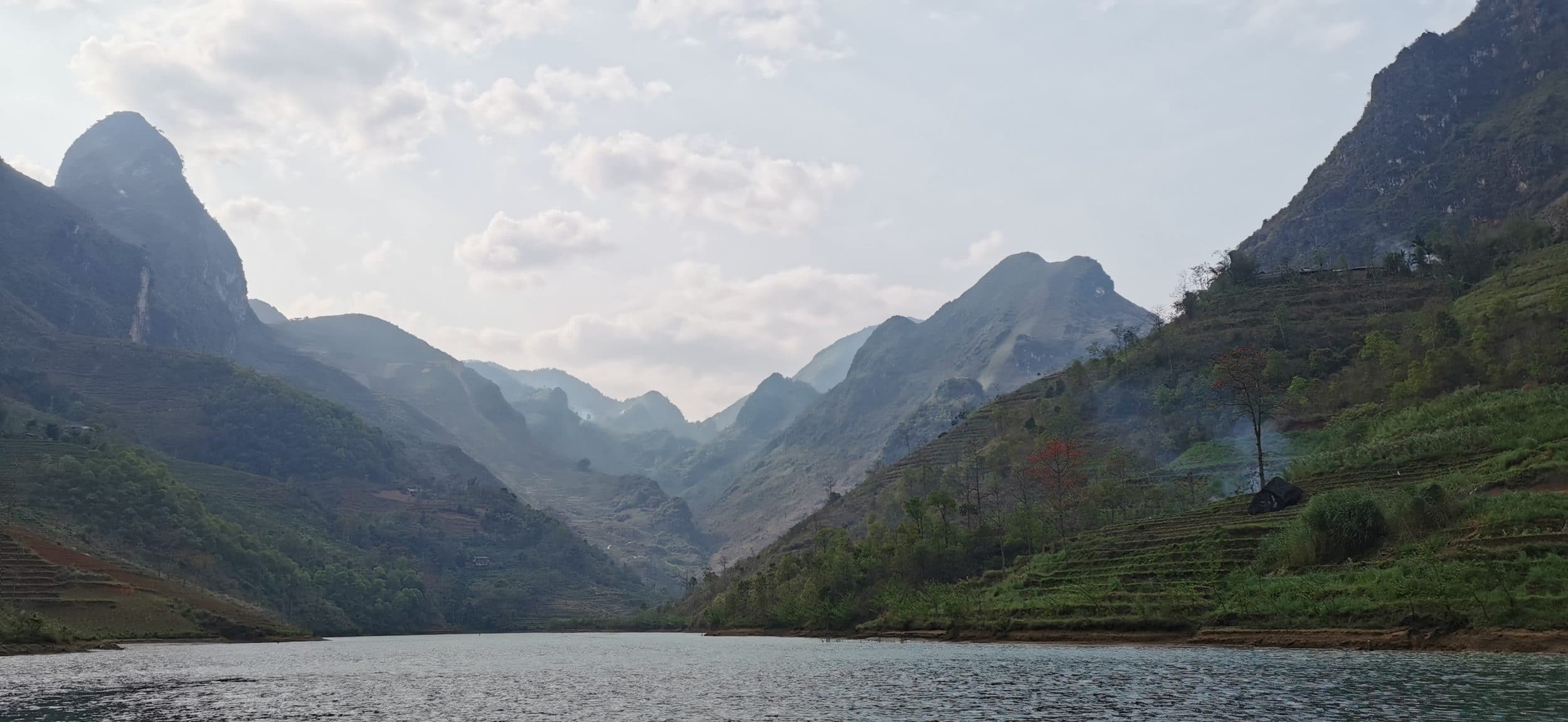
Personally, I find the landscapes after this point much more beautiful.
To get back up, we each take a motorbike taxi (50,000 VND/person). The ride is super tricky—mountain on one side, cliff on the other. There’s no room for error, but the drivers are experienced. Note: you’ve got to hold on tight to the driver, like wrap your arms around them. I filmed it with my Insta360 Go 2, and apparently it freaked everyone out. If this thrill ride isn’t your thing, you can always hike back up (45 minutes).
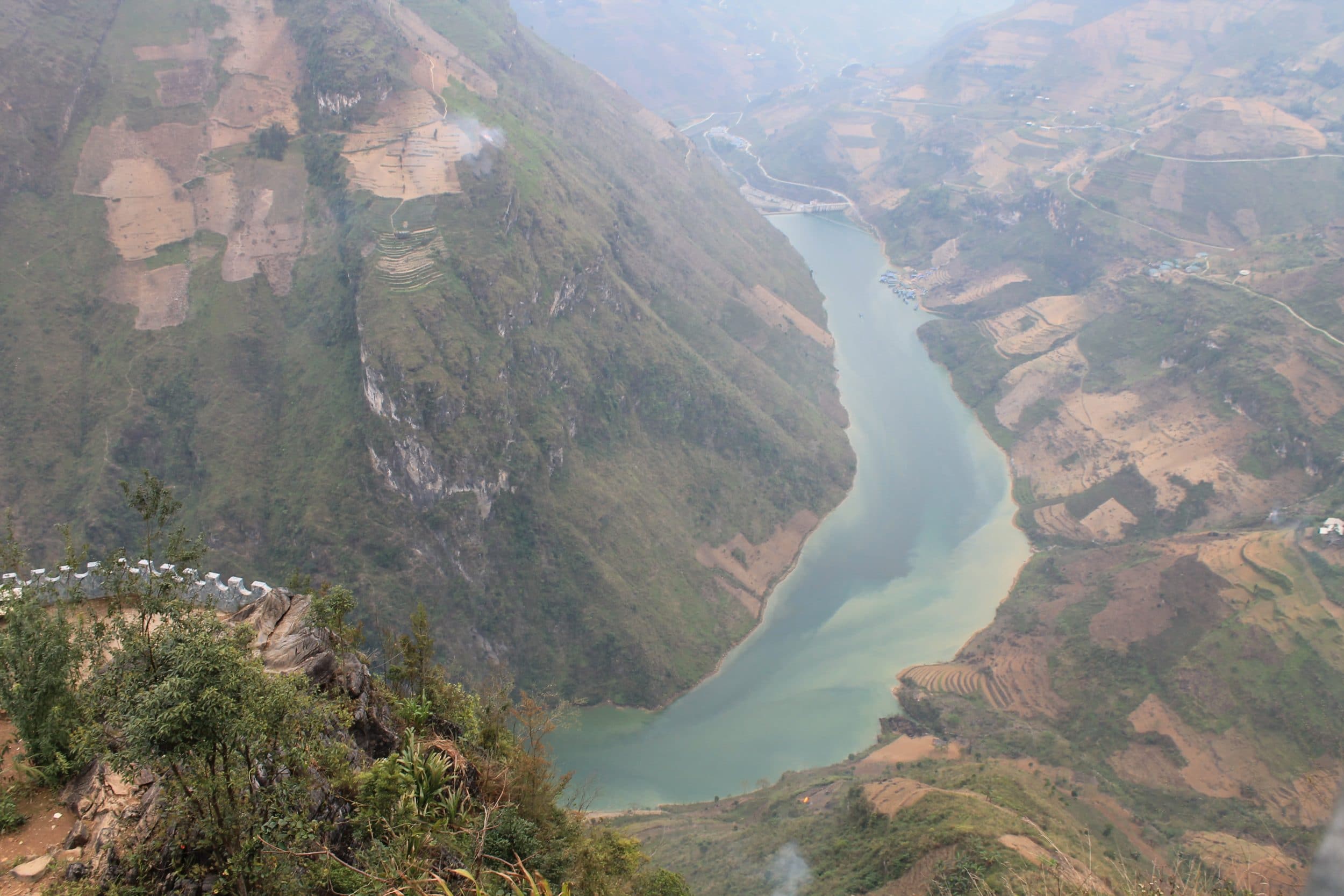
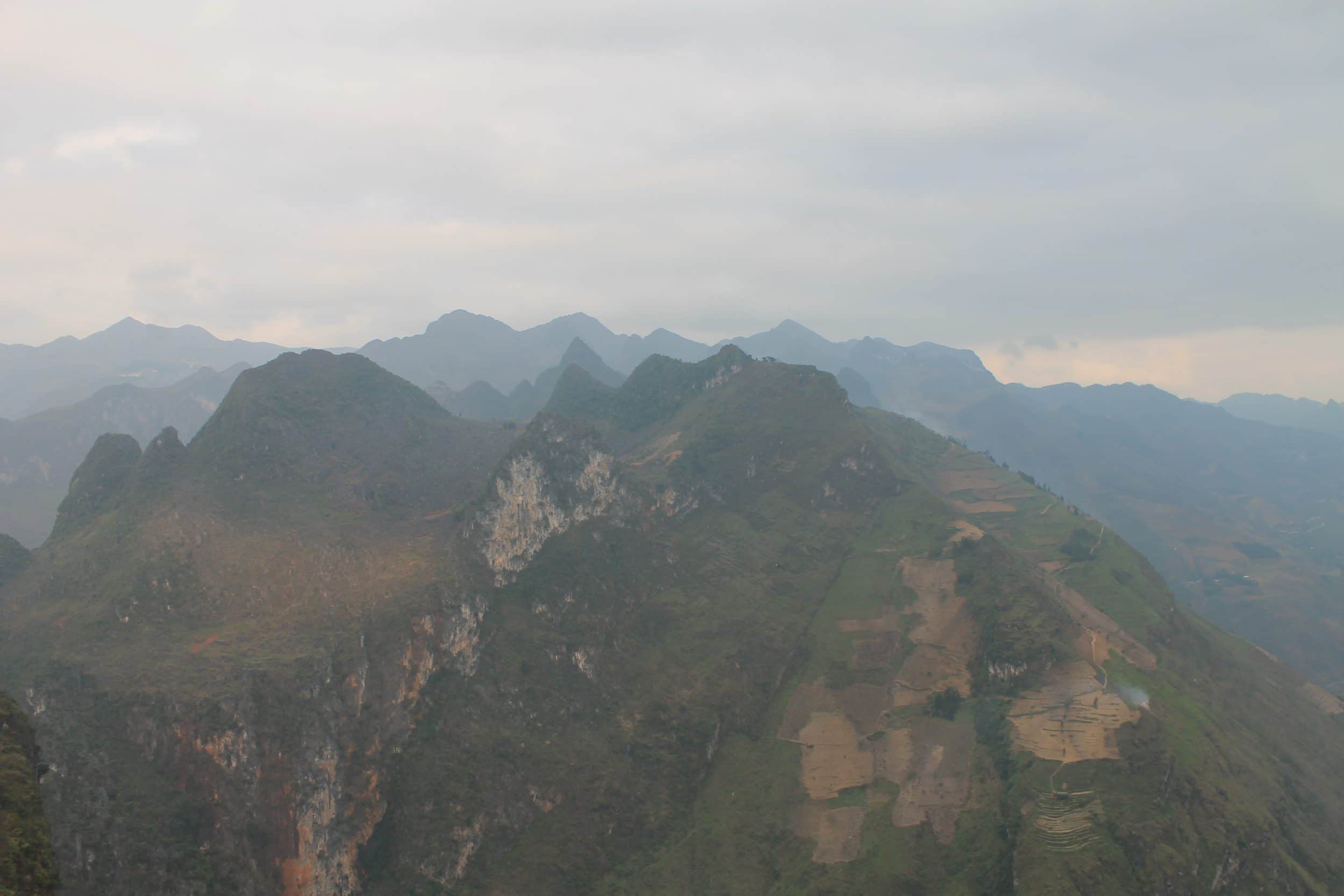
On the way to our hotel in Dong Van, we stop at another viewpoint. Whether seen from here or elsewhere, the Nho Khue River is just incredibly beautiful, and the mountains are extraordinarily grand.
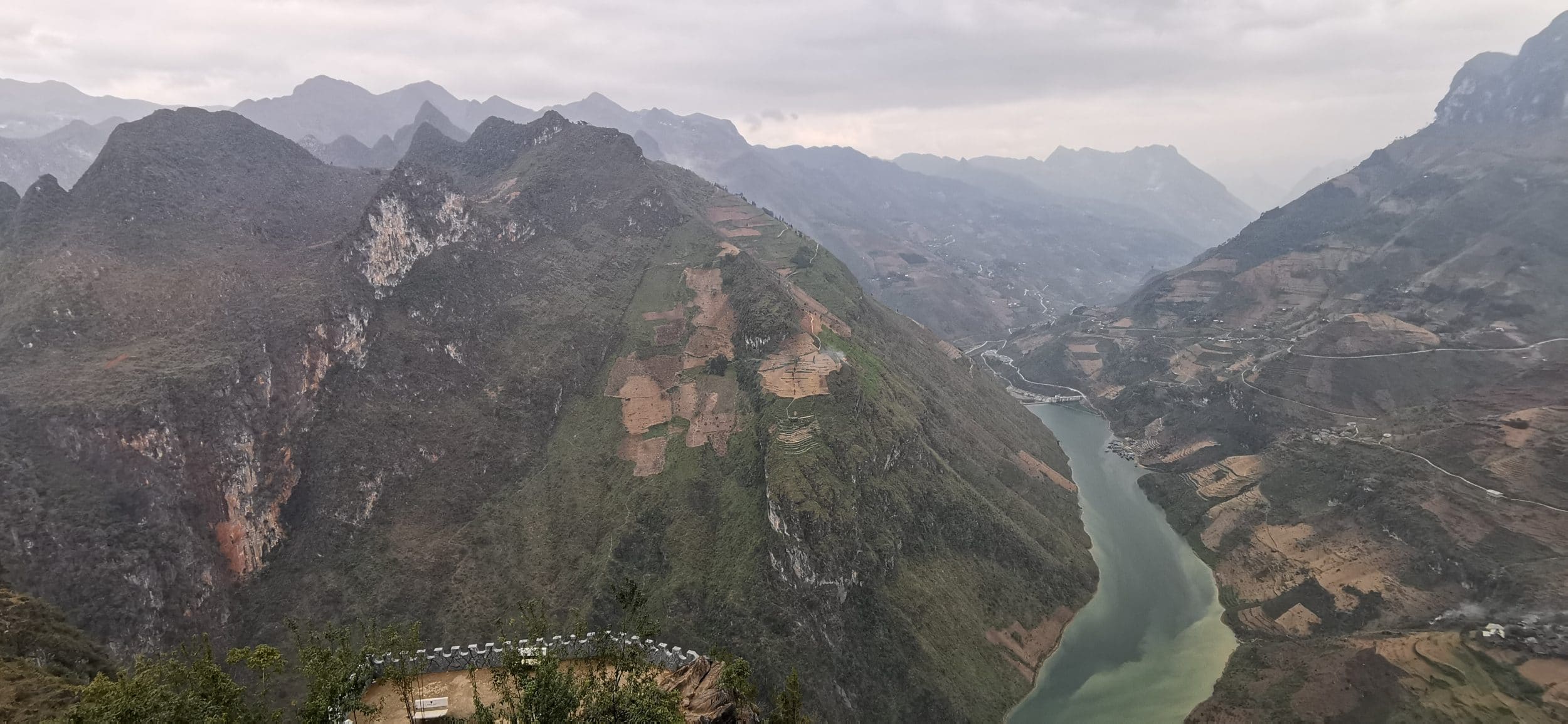
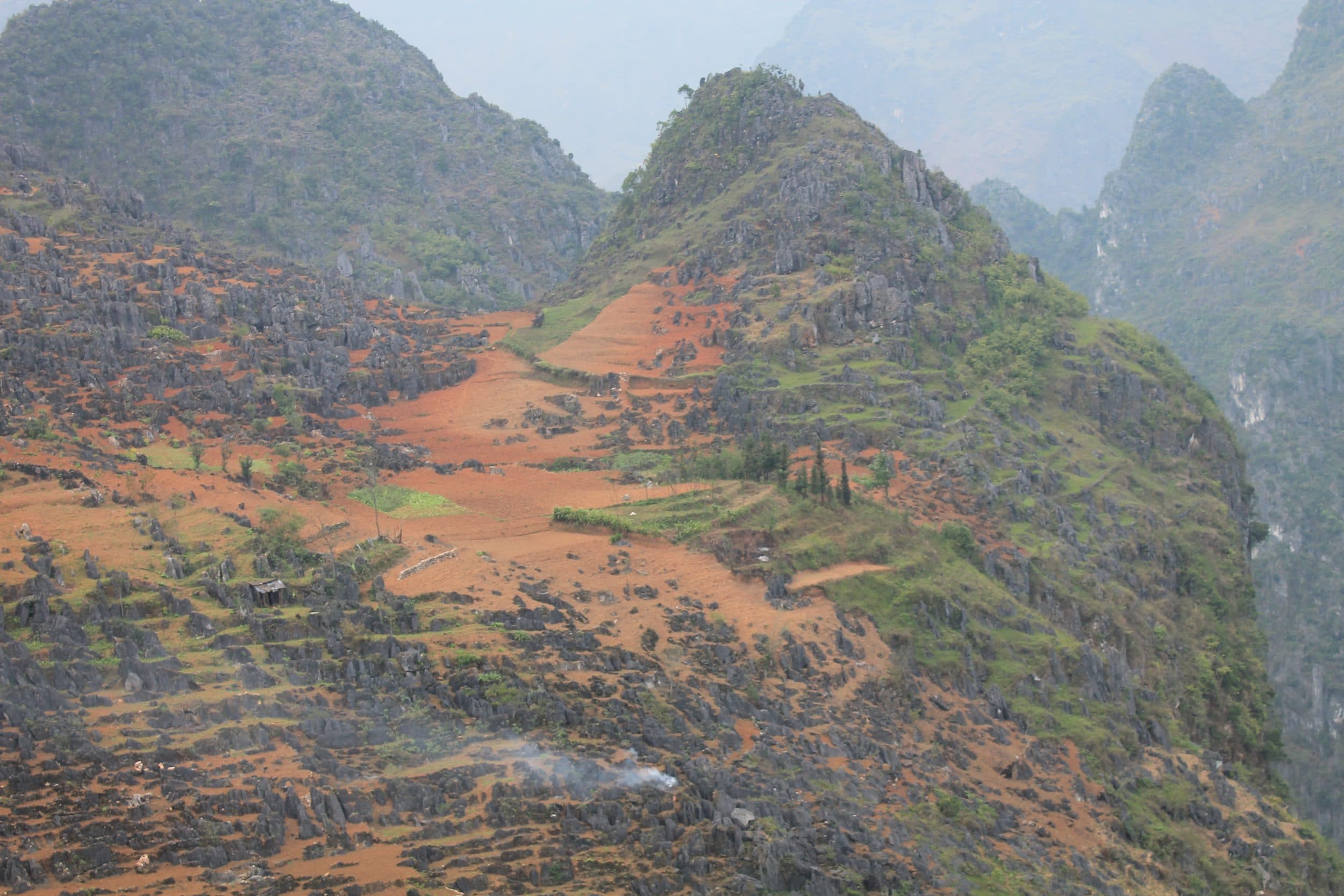
The mountains here are covered with these black stones, making farming really tough. You have to clear space to plant corn, among other things.
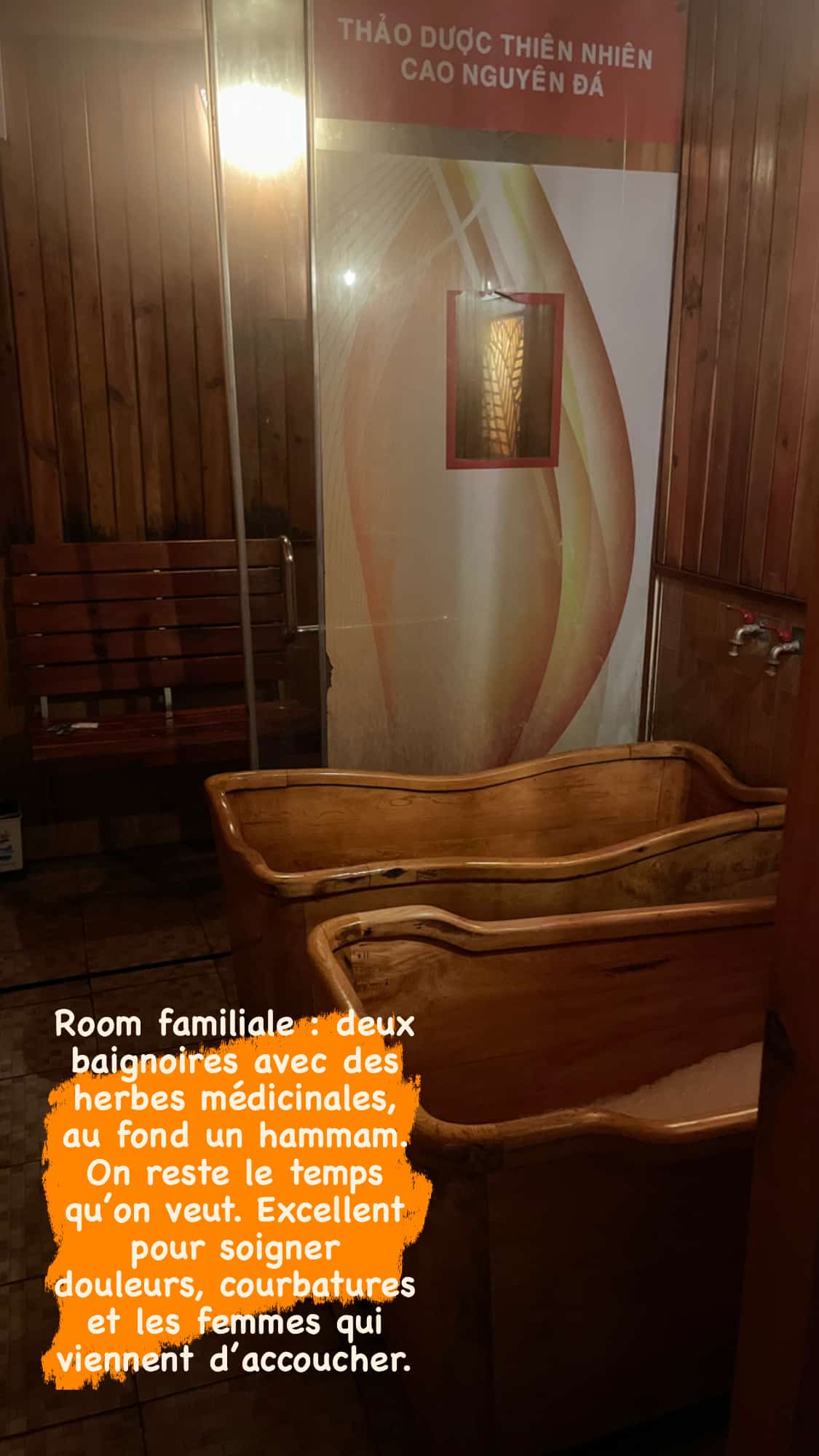
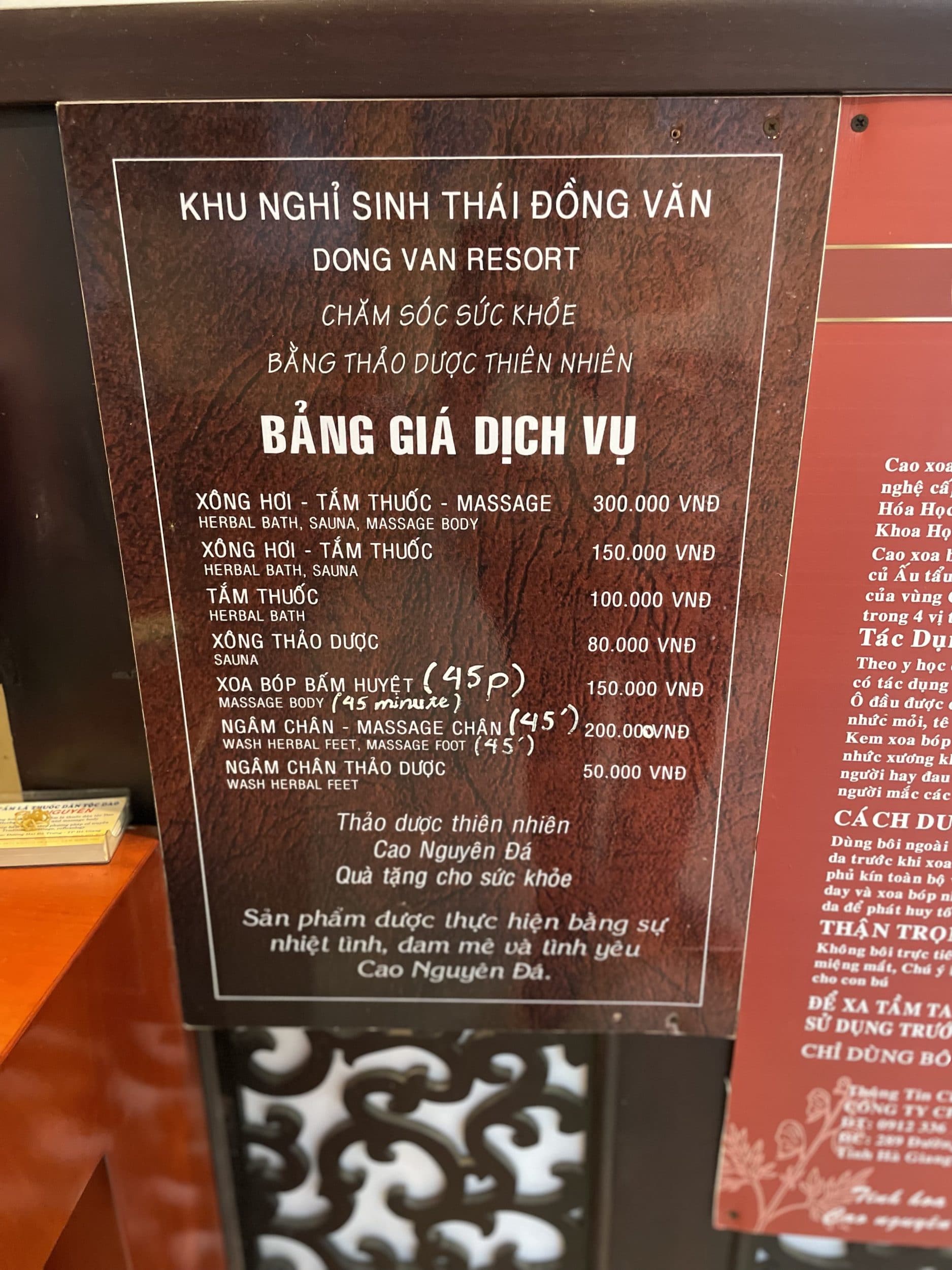
Glad to get back to our hotel, we call the spa, which sends a taxi to pick us up. For 300,000 VND, we get a warm herbal bath, hammam, and a well-deserved hour-long massage. There’s only one spa like this in Dong Van, so ask your hotel—they’ll know how to call them for you.
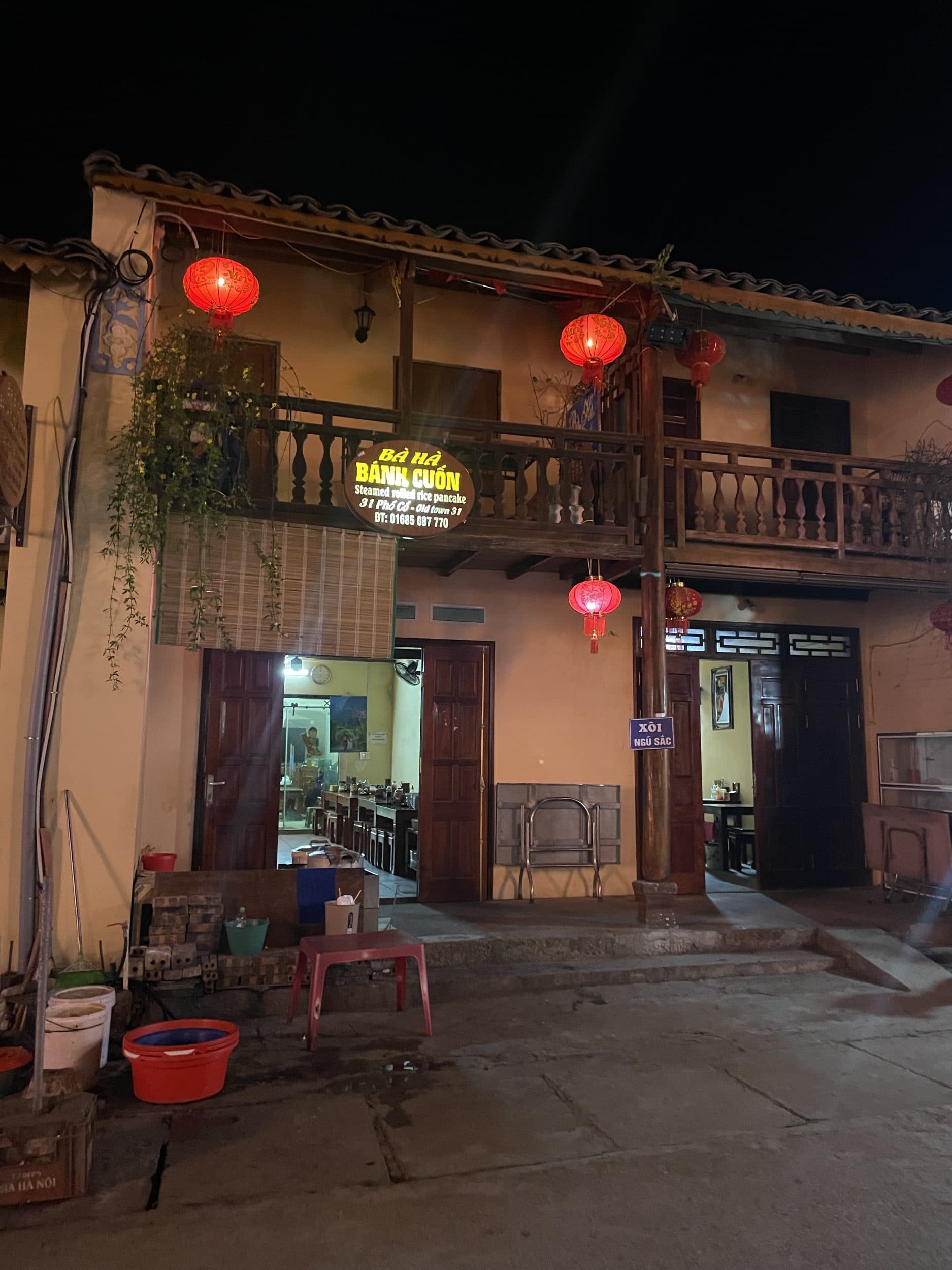
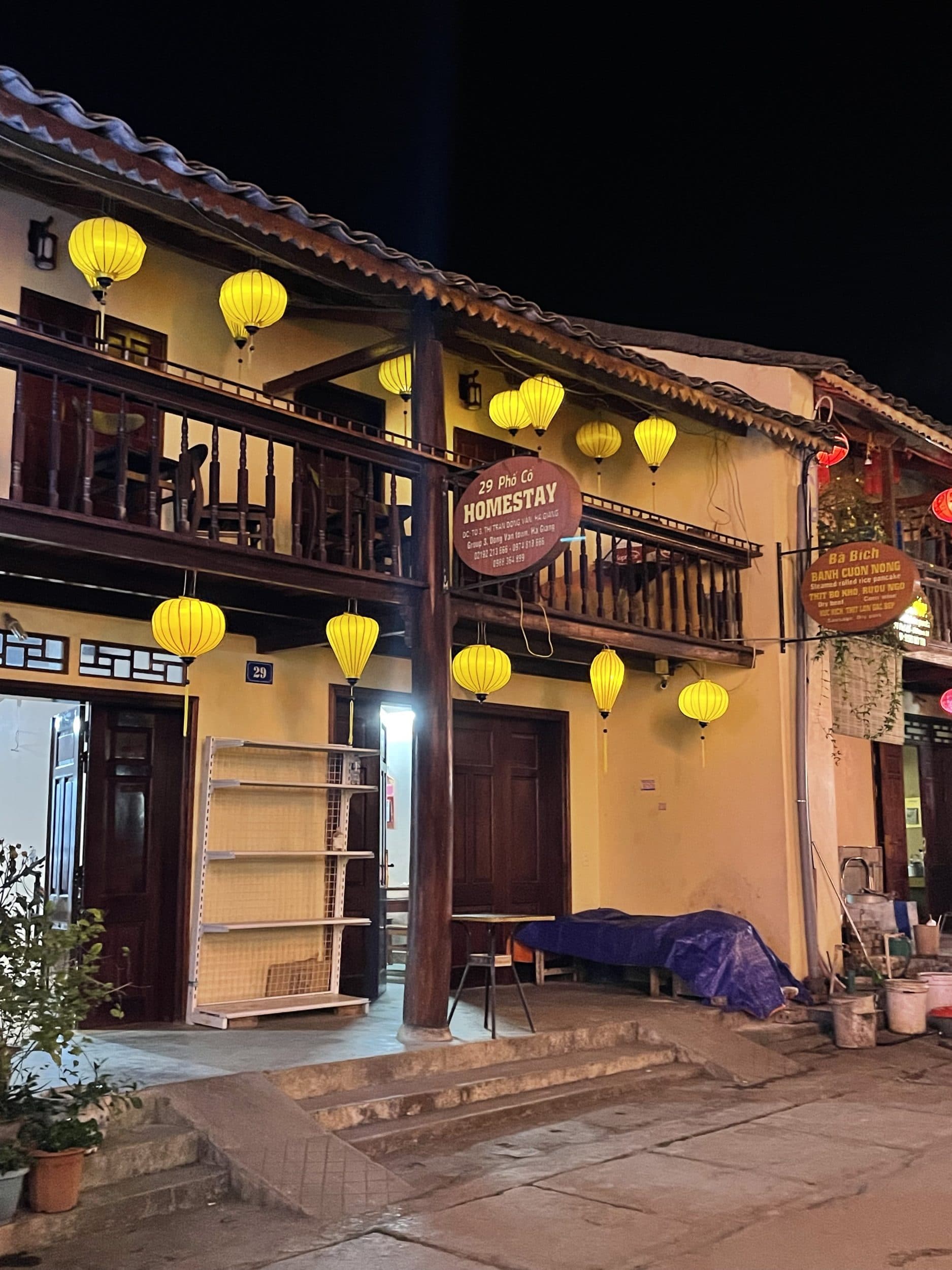
We have a quick dinner before falling into Morpheus’s arms. Dong Van has a very picturesque old town, but unfortunately, due to COVID, few restaurants are open in the evening.
Day 3:
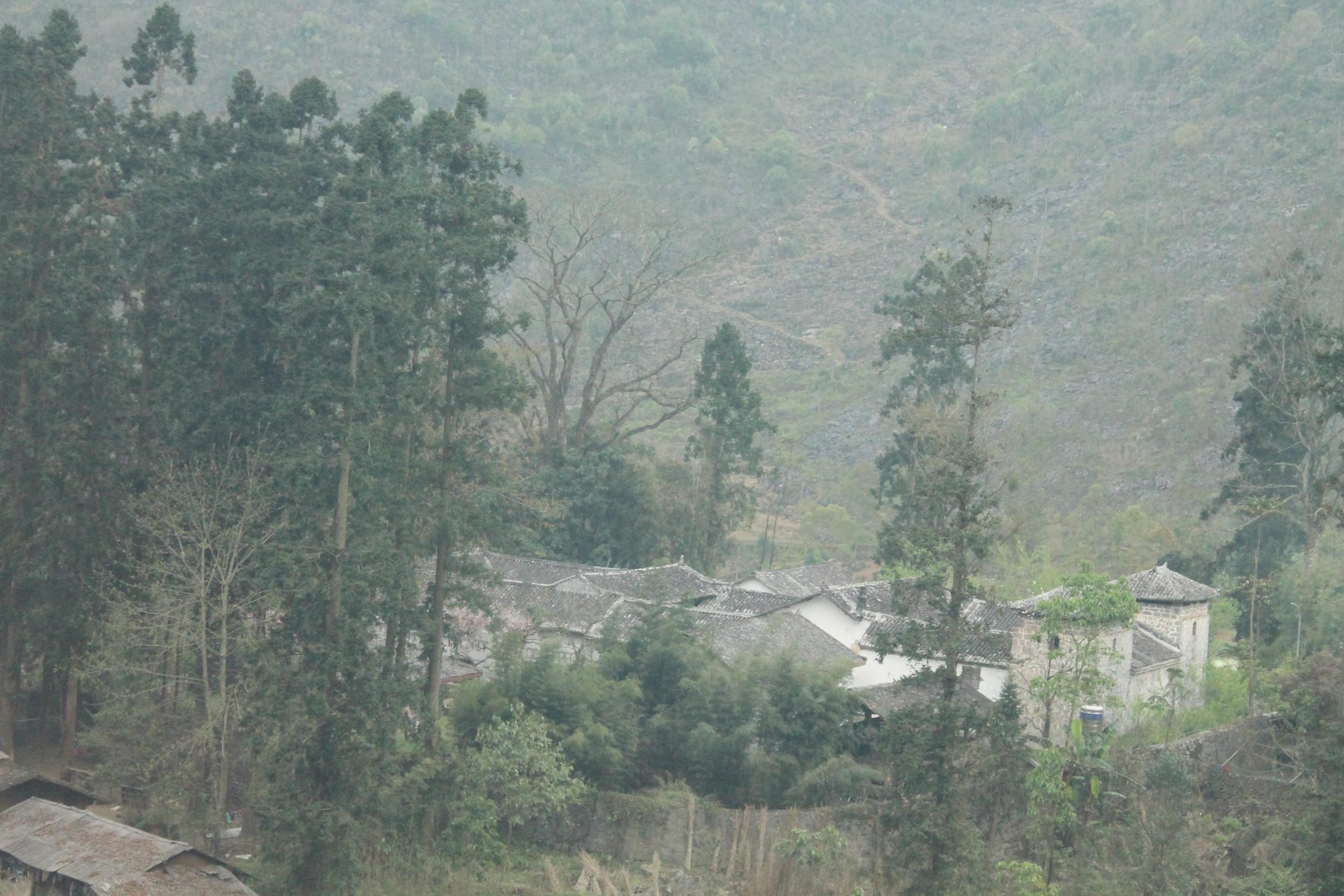
We backtrack to visit the fortified palace of the former Hmong king (Meo), who managed to unite several tribes under his rule. Even the French never managed to destroy his castle, built on particularly favorable and stable terrain shaped like a turtle shell.
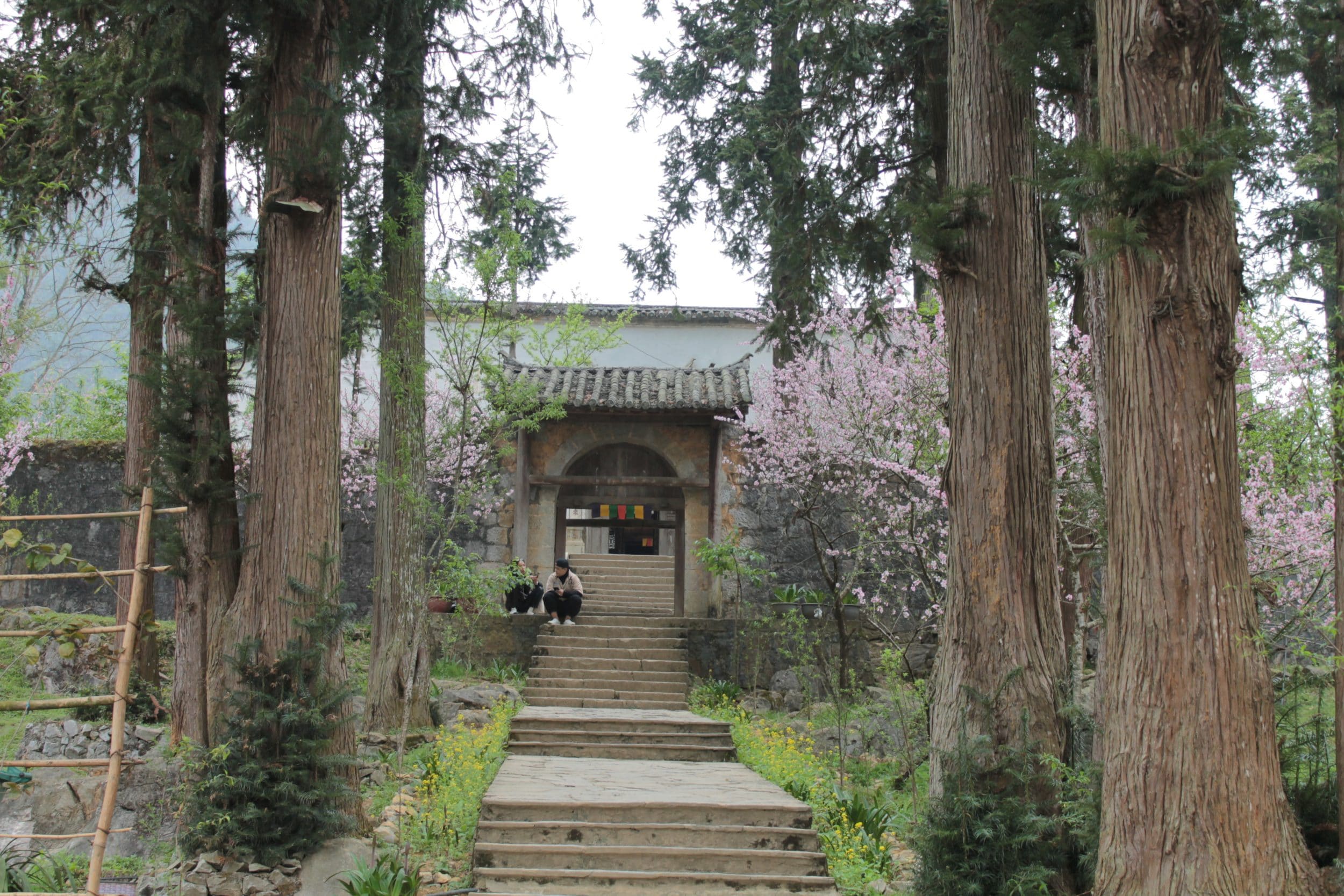
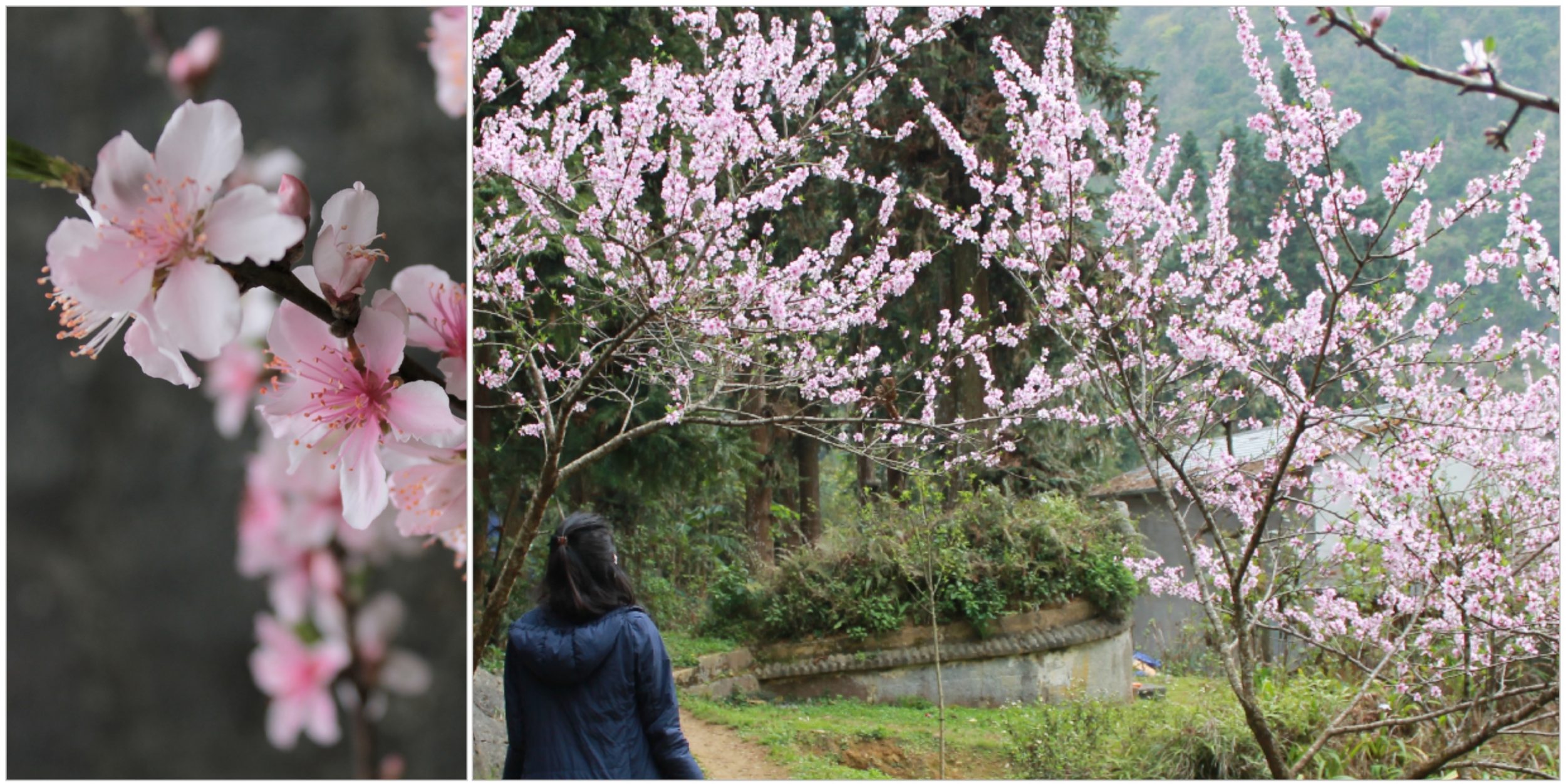
Unusually, there are still about a dozen peach trees in bloom in front of the castle.
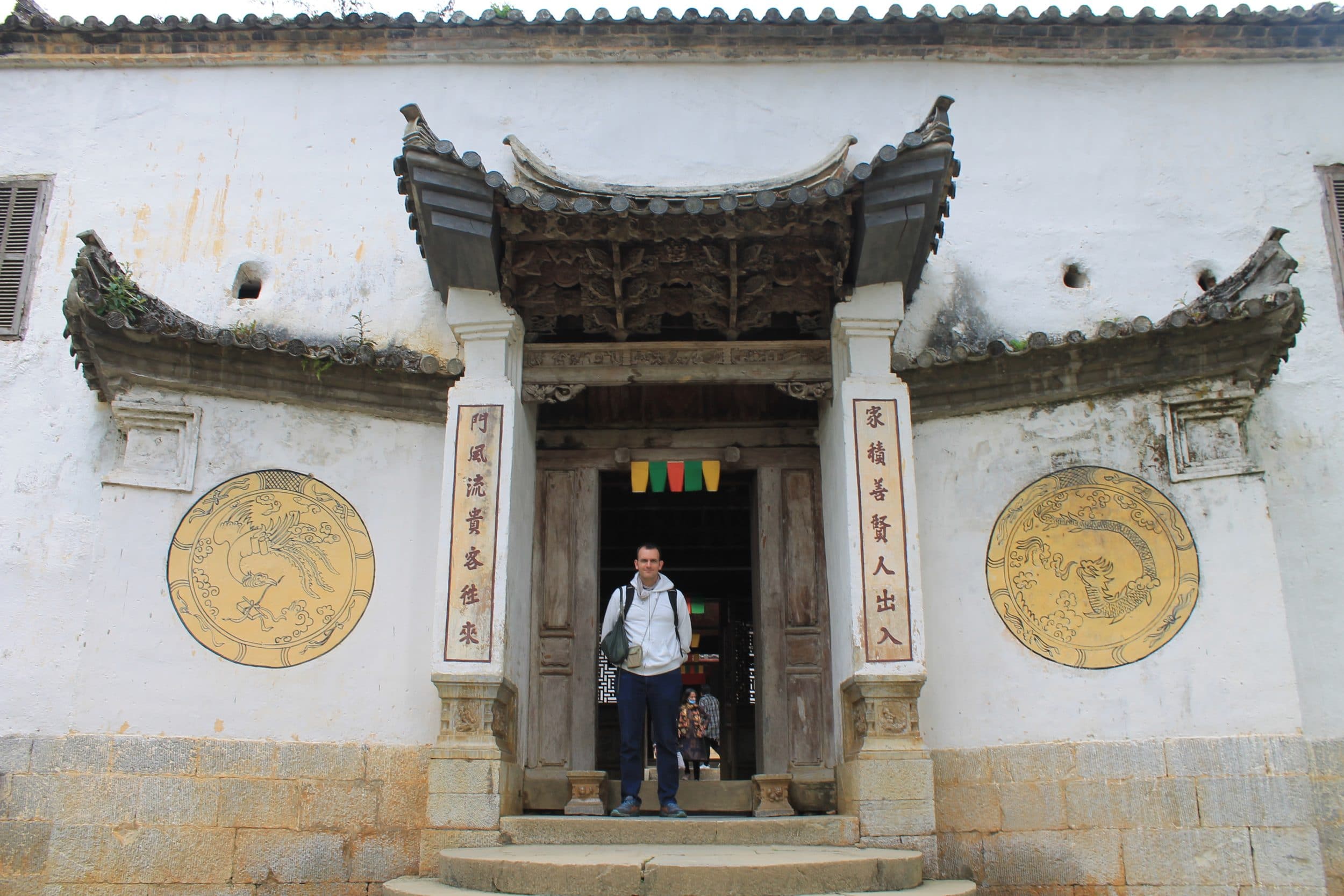
The castle was built so that all rooms have access to natural light. Everything is designed for free air circulation. Despite the very low ceilings and small room sizes, the wood carvings are magnificent. It’s a blend of Hmong, Chinese, and French architectural styles. There are two defensive towers with thick French-style walls. Wood isn’t an eternal material; many of the carvings you see are exact copies.
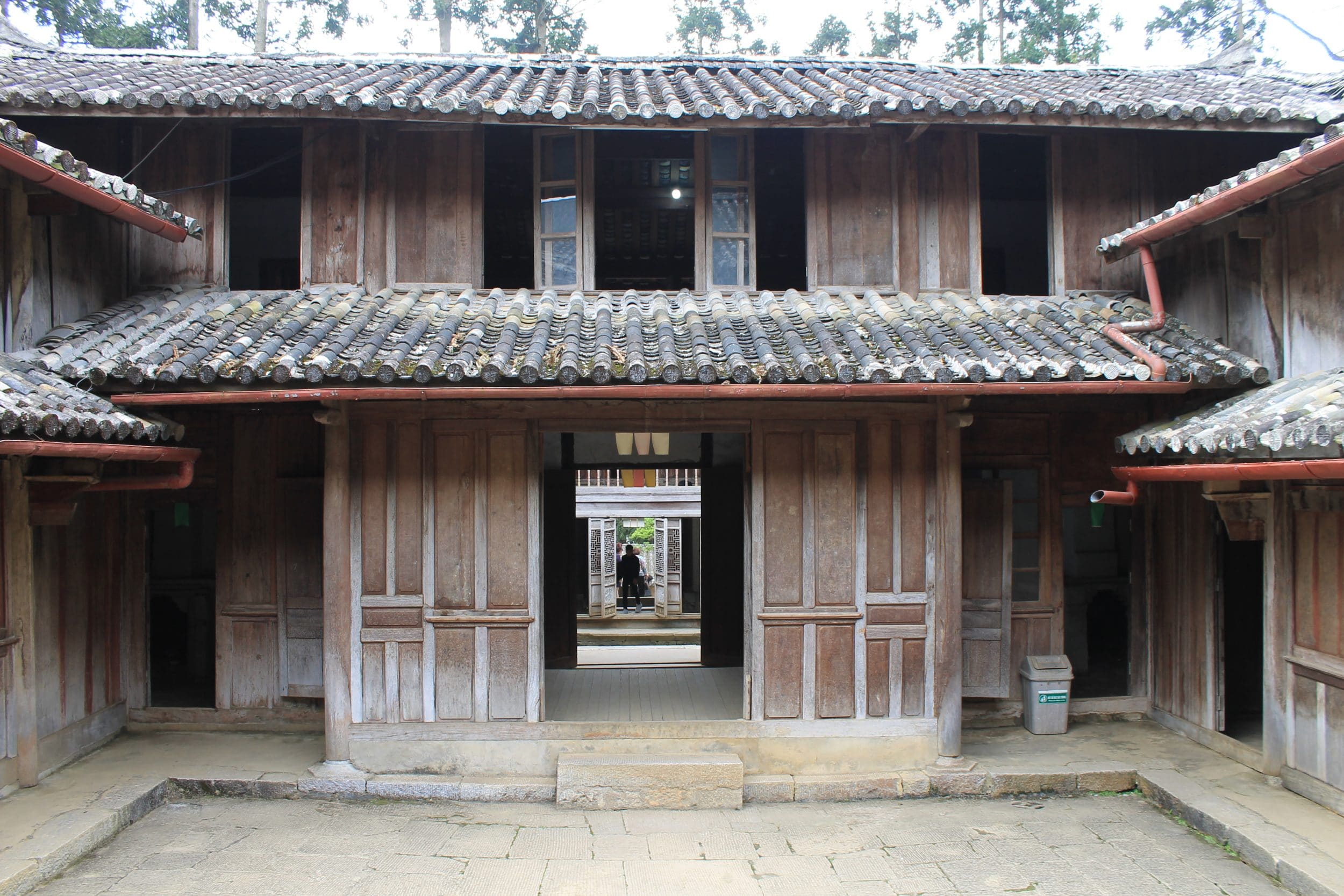
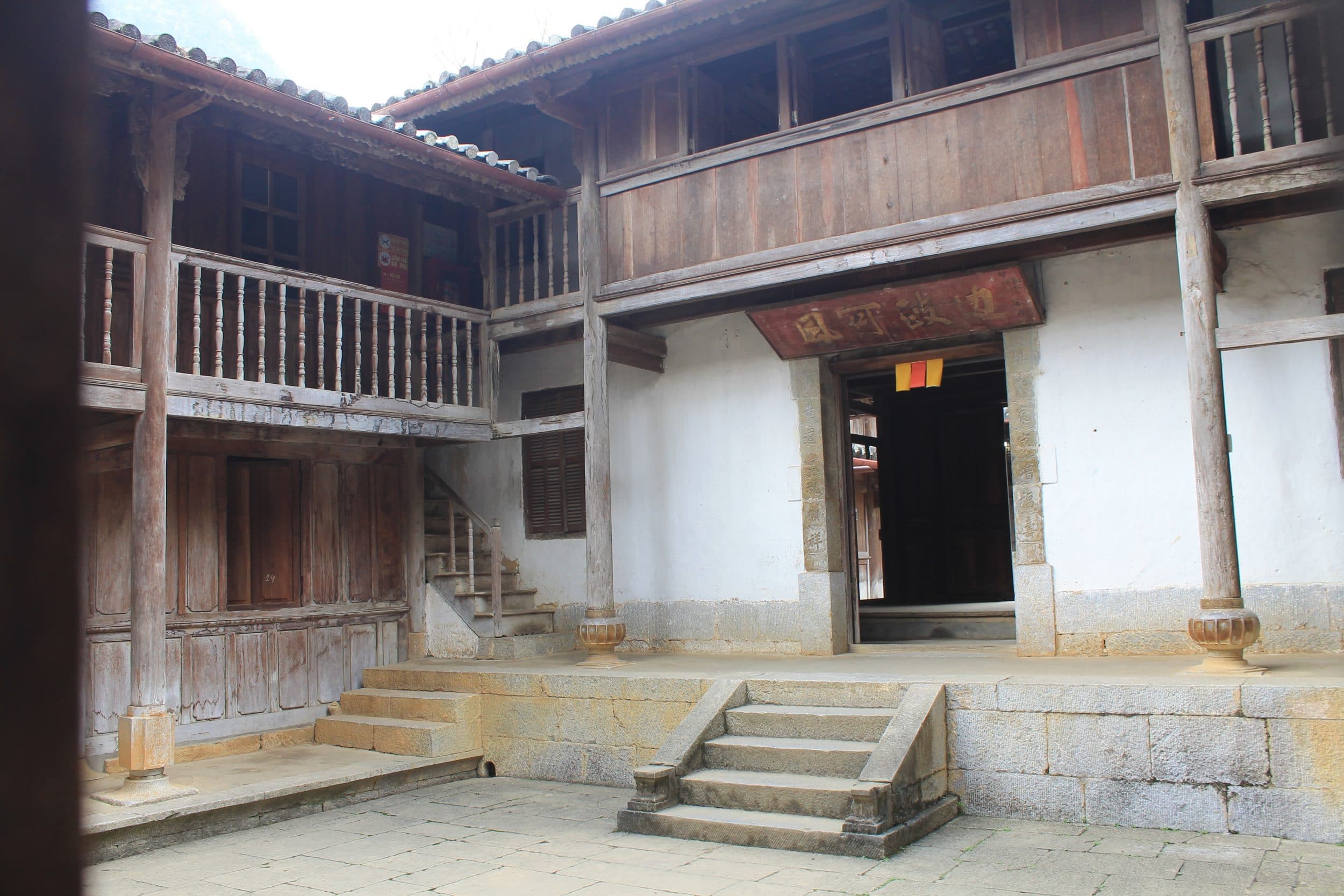
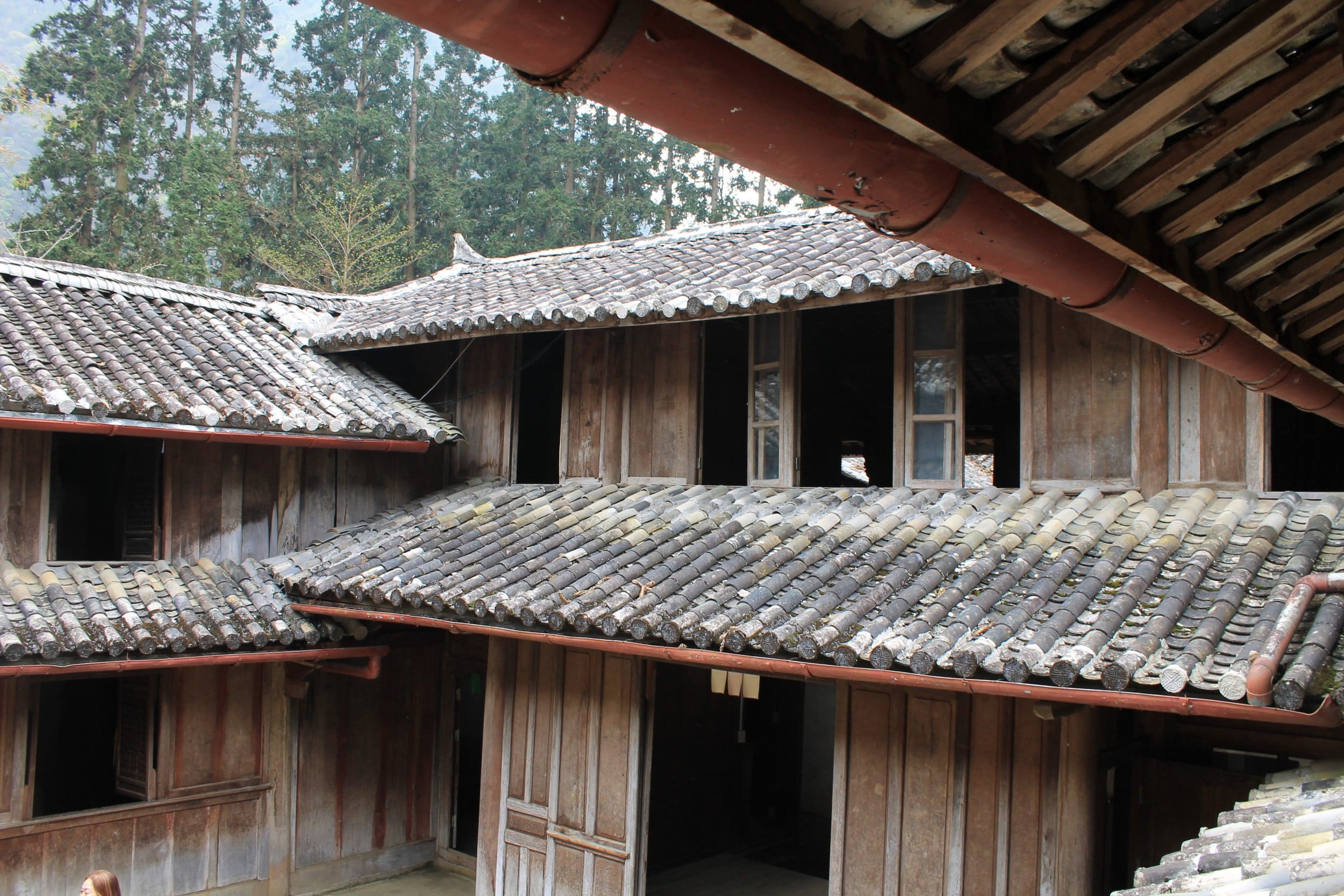
Even the village is too beautiful <3
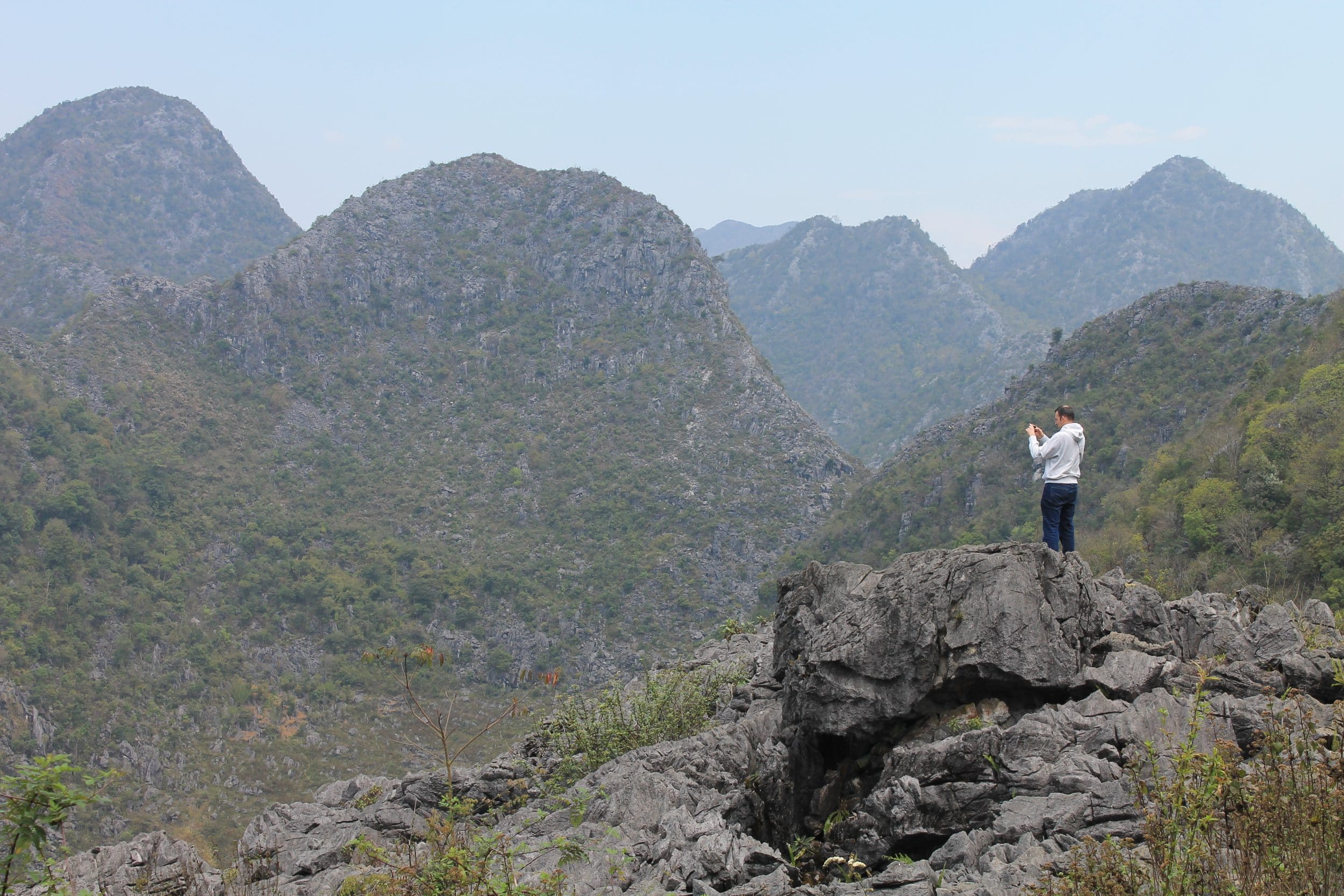
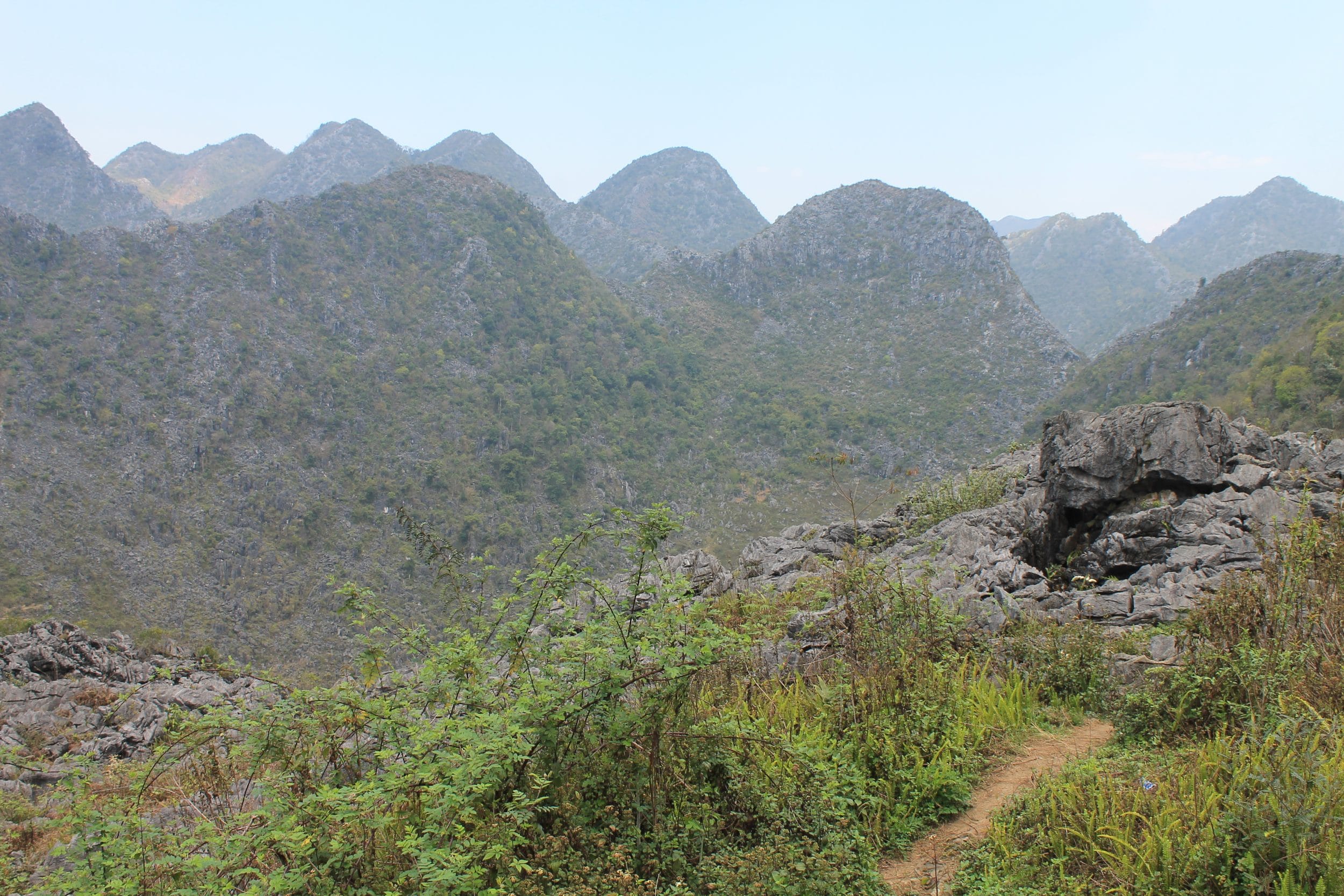
The next visit is this vast valley full of black stones (limestone)… (Dong Van Karst Plateau Geopark). Karst reliefs form mainly due to water’s corrosive and erosive action, which dissolves calcium carbonate. Okay, it’s of nearly zero interest since I’m not a geologist, but you can have fun hopping from stone to stone.
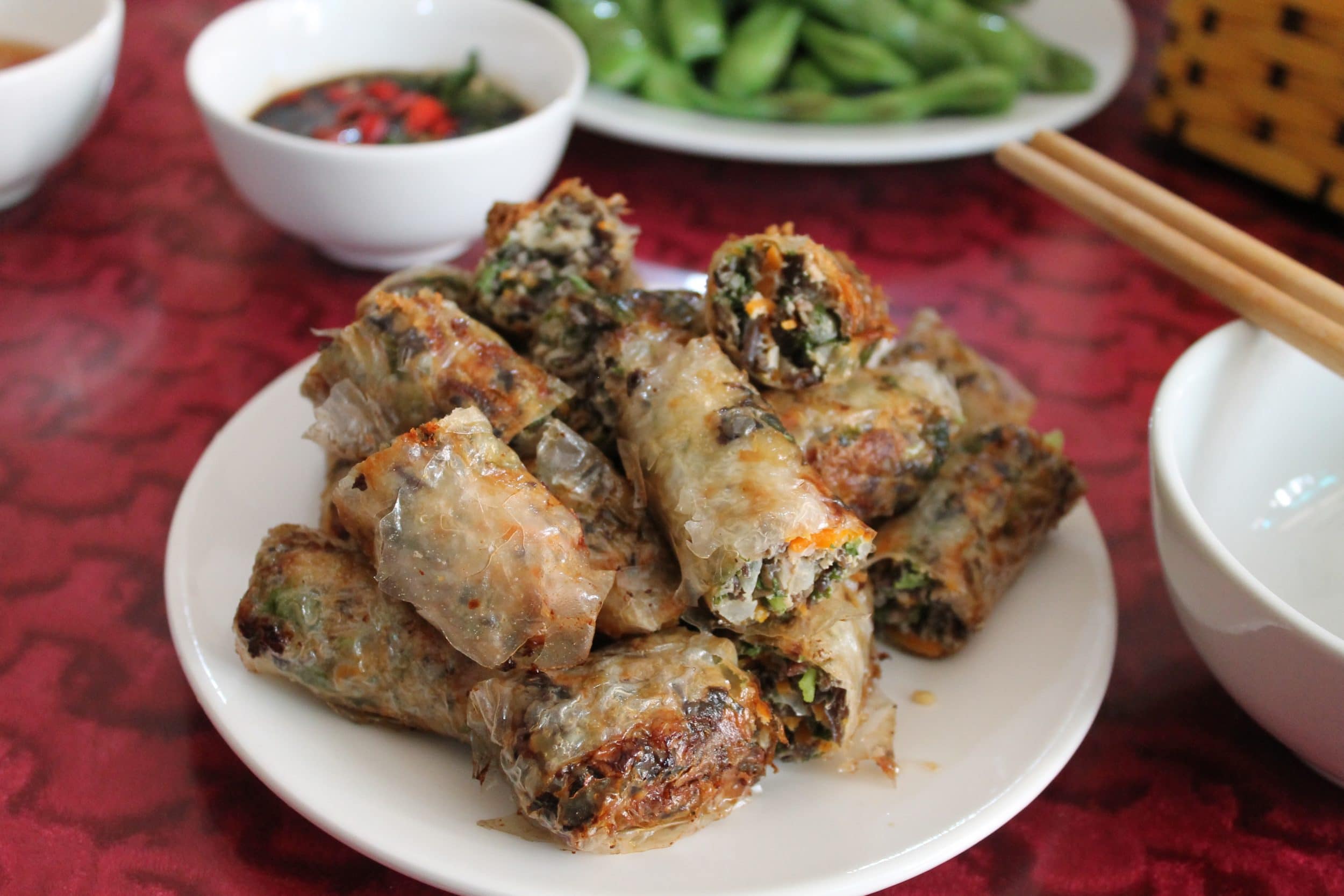
We head back to Yen Minh for breakfast. There are spring rolls on the menu—JB is thrilled!
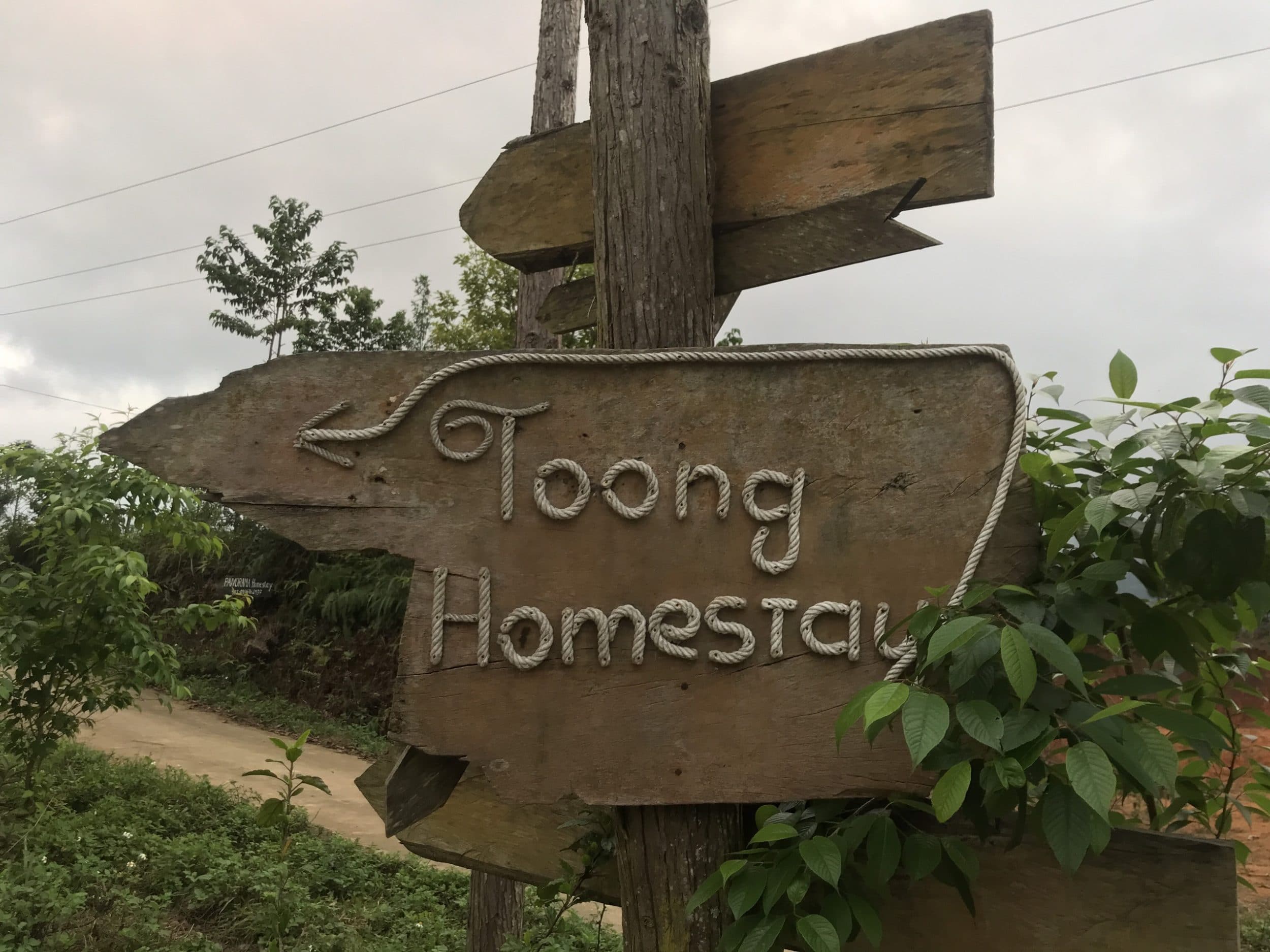
Toong homestay
We were supposed to stay in a 4-star hotel with an infinity pool, but luckily that hotel was full, so we were housed in this village instead. This Dao ethnic village only has homestays. It was the government that encouraged them to create homestays, advising them on marketing, decoration, etc., including the construction of traditional walls. Ours is called Toong.
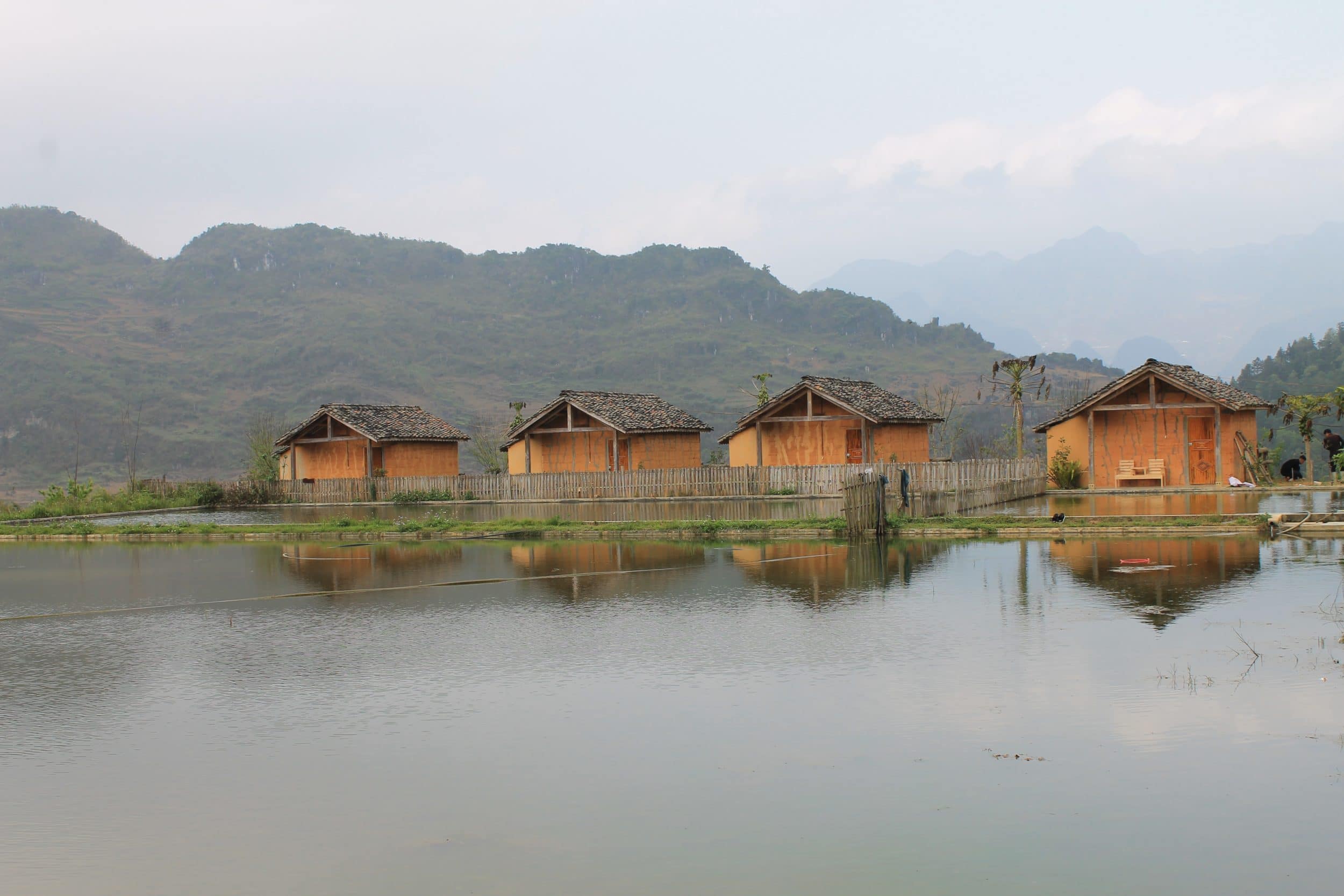
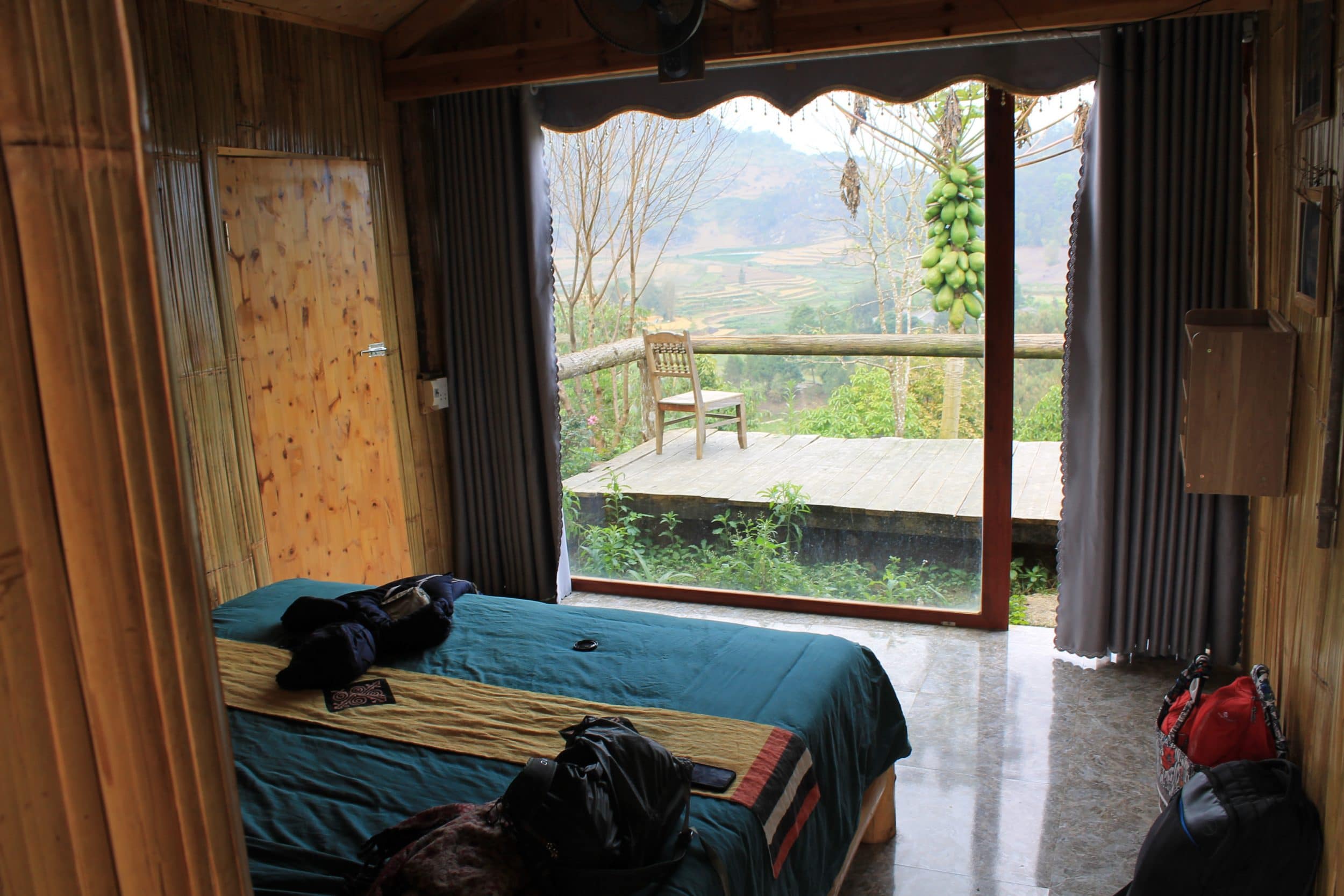
There are very few bungalows, but they’re all very comfortable, with private bathrooms, hot water, and of course, high-speed WiFi. The pond in front of the bungalows is for fish, not swimming, hahaha.
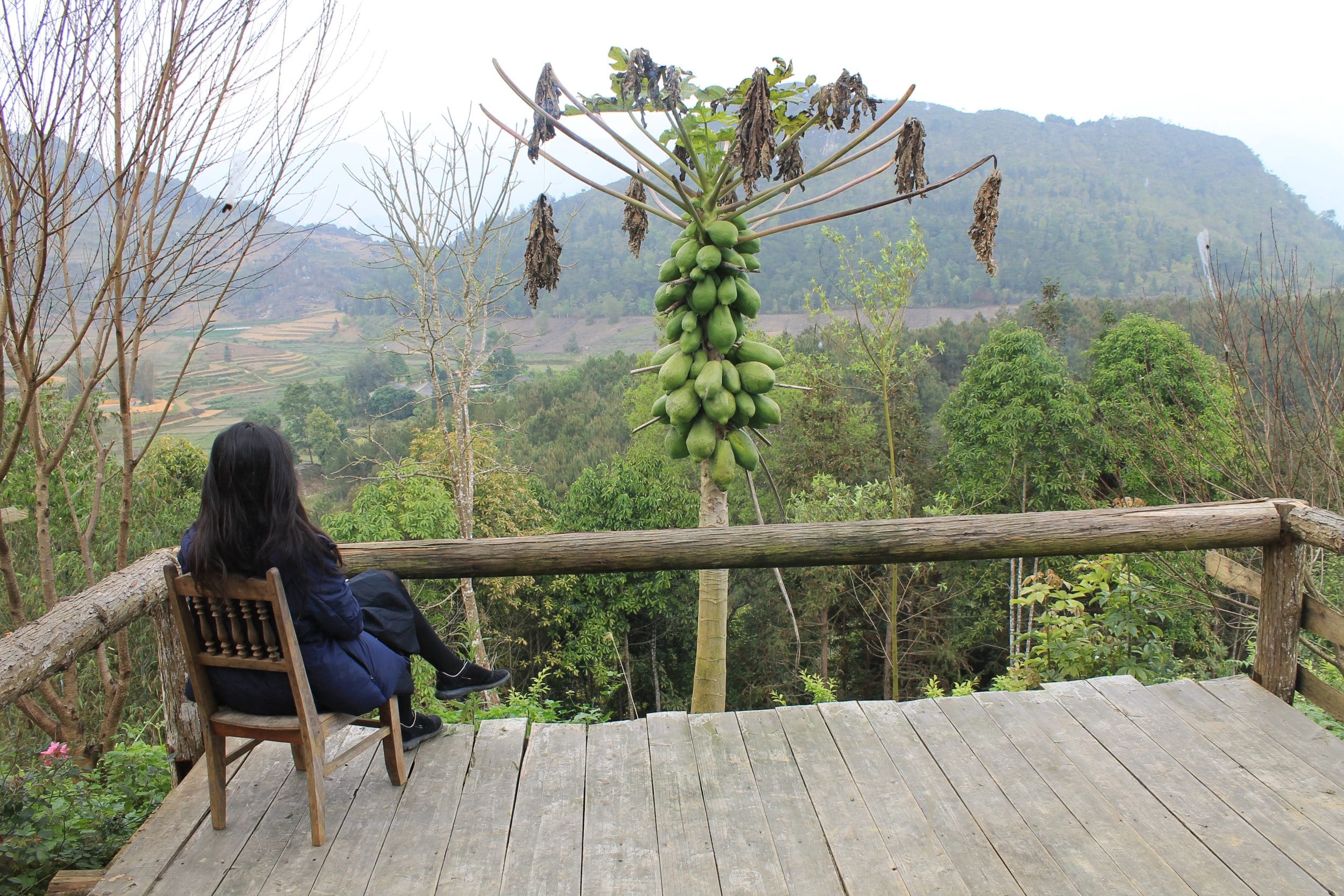
JB really likes the little terrace in front of the room and works there late into the night on his law homework.
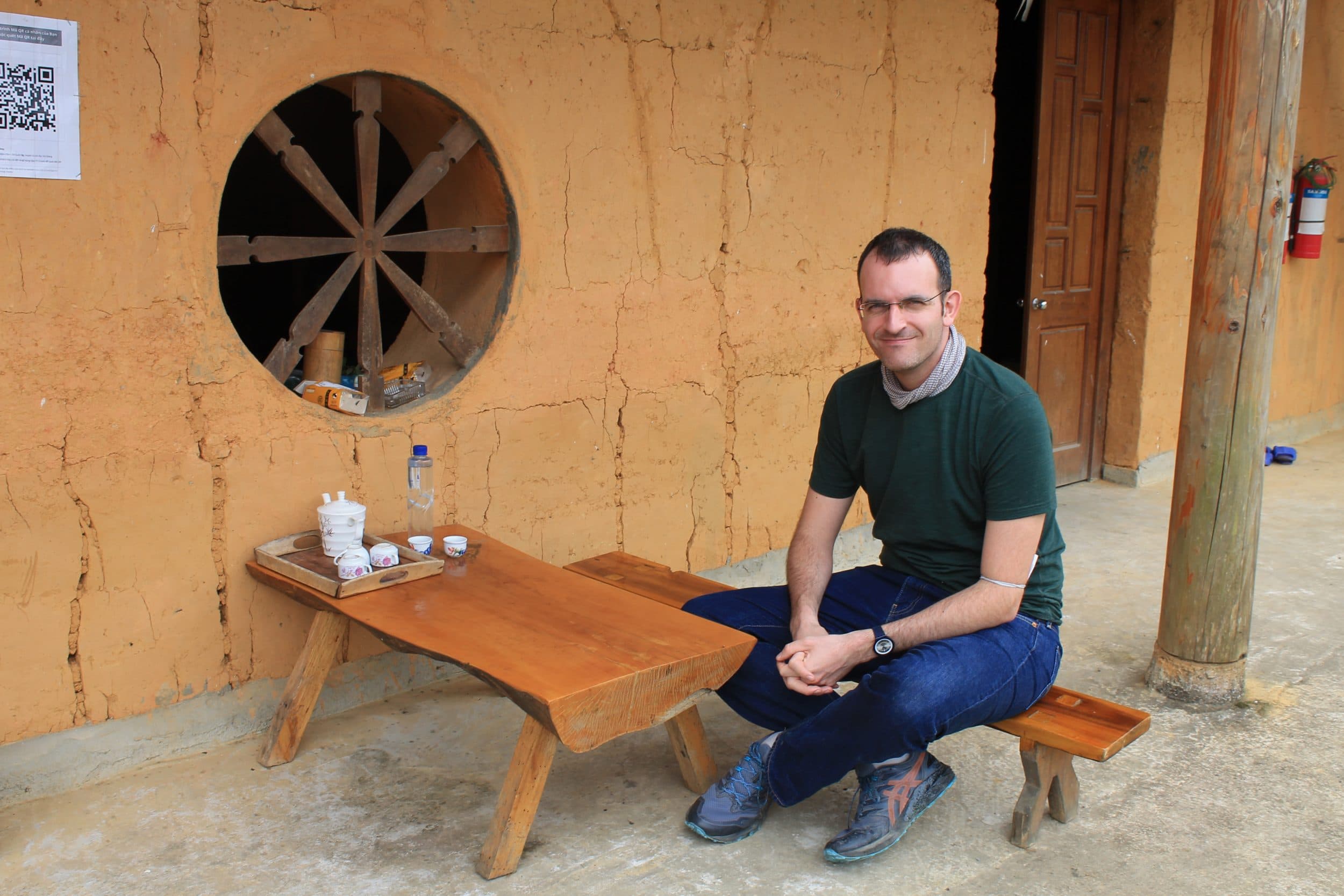
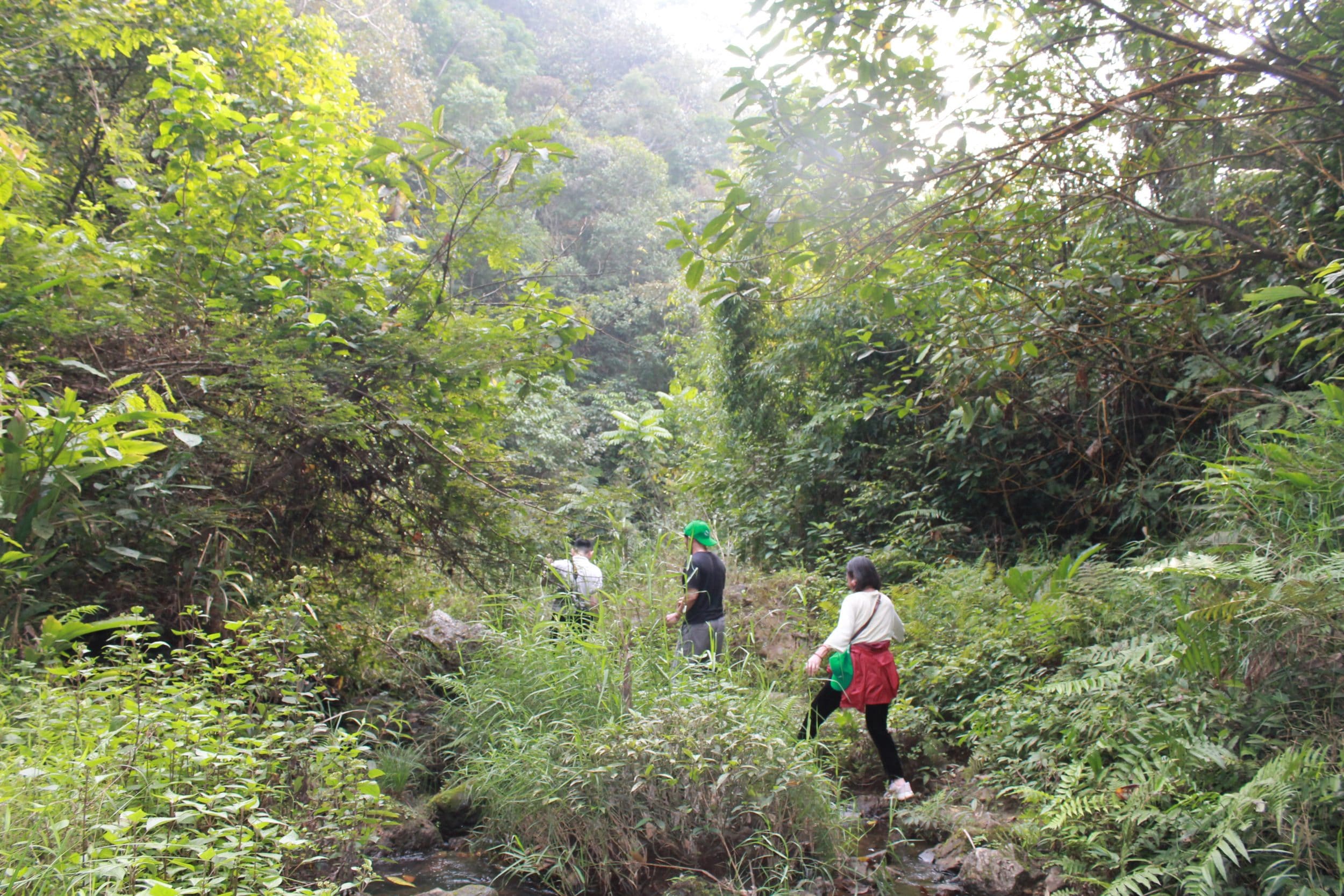
We ask the owners, and they point us to a waterfall accessible on foot “with little water this season” on the left. Even though we weren’t very motivated at first, the scenery along the way is already worth it.
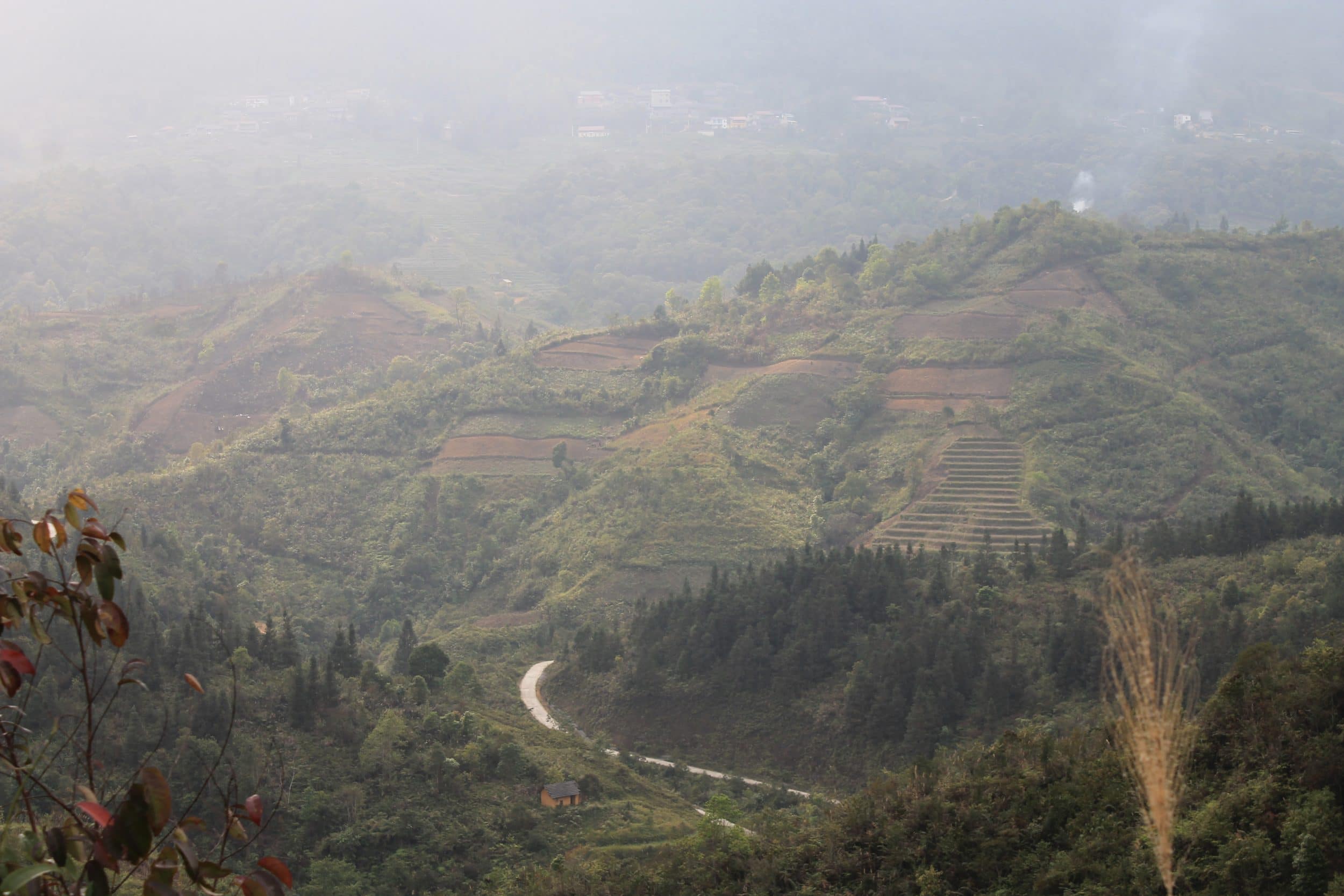
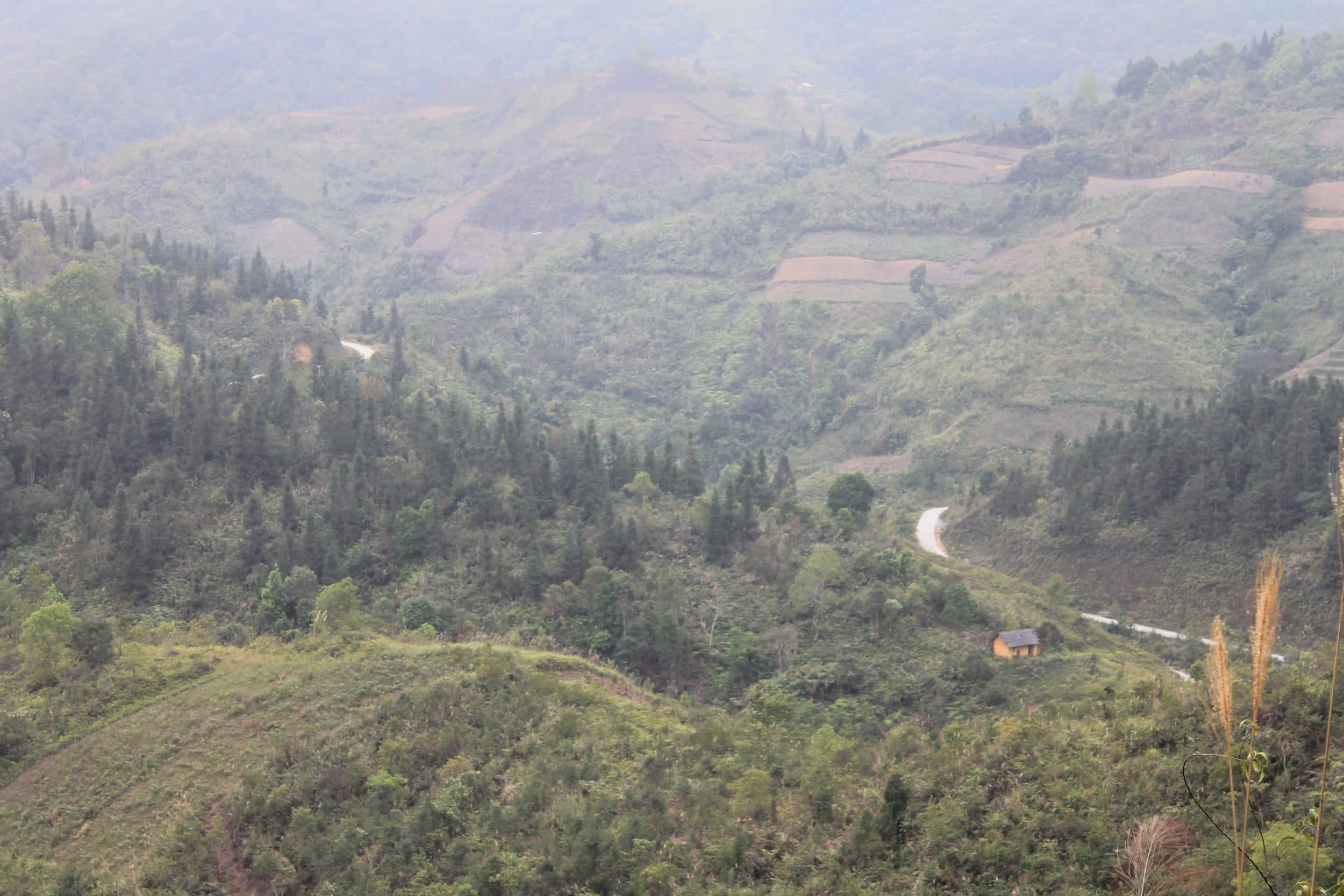
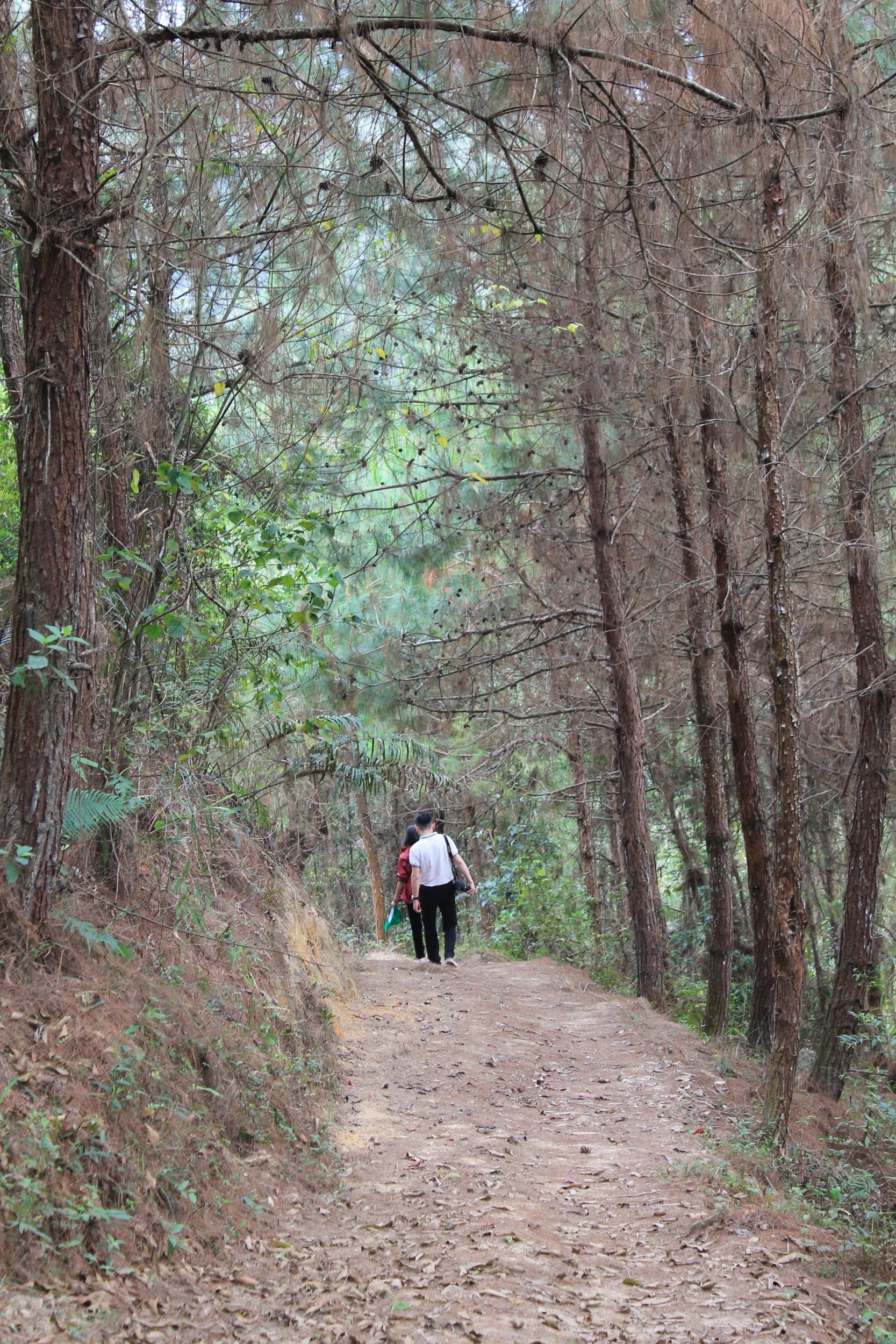
When we reach the river, we’re lost and head the wrong way. My stubborn mother tries to find that waterfall no matter what. My parents go exploring while we rest by the river. After a few minutes, I hear a shout. Then my dad calls us—I was scared… but it turned out he was just telling us the waterfall did exist at the end of the path.
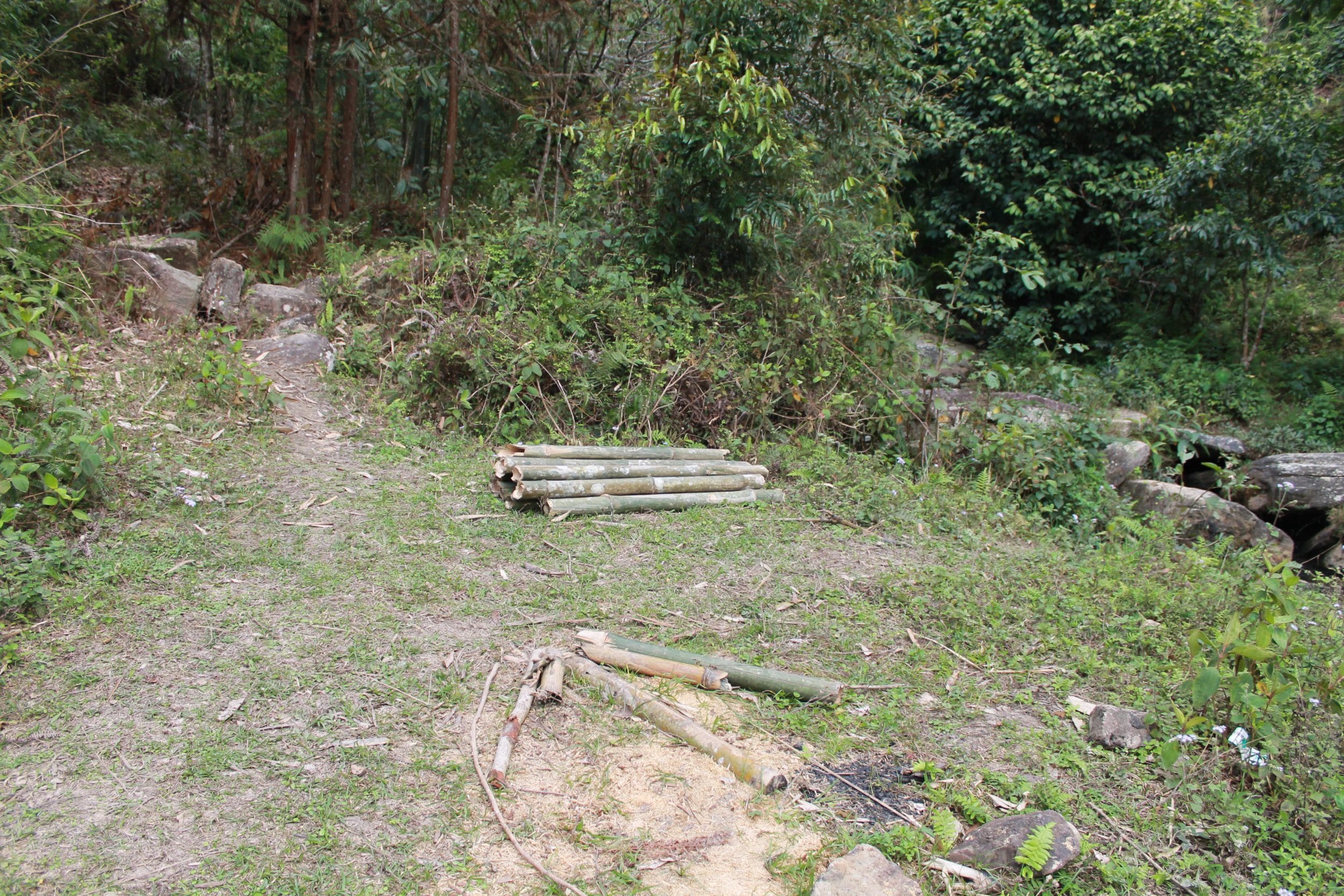
So no one gets confused, we’ve recreated an arrow with pieces of bamboo lying around, hope you’ll see this arrow next time you come here 😉 anyway, even without the arrow, you now know to head left from the photo.
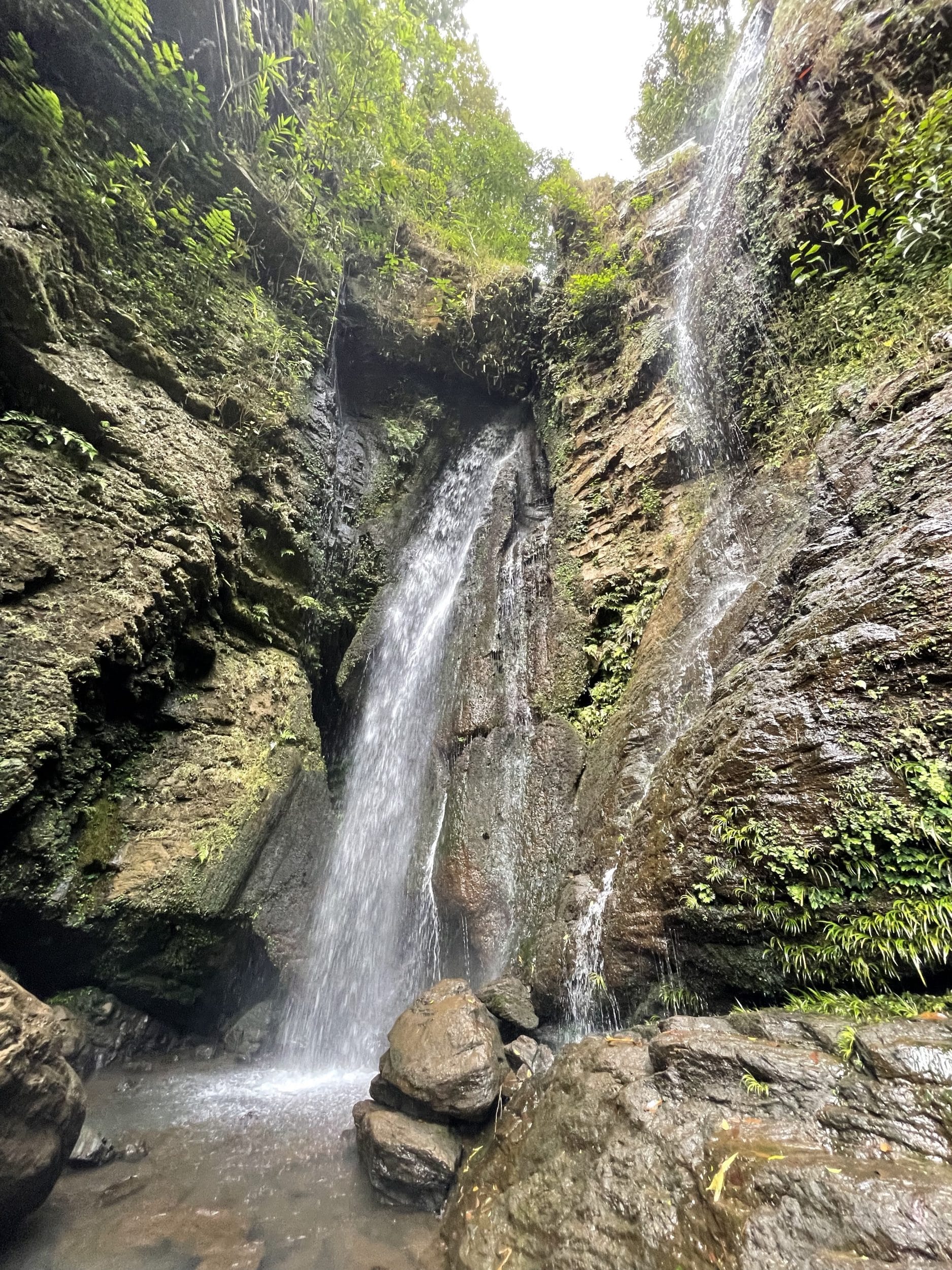
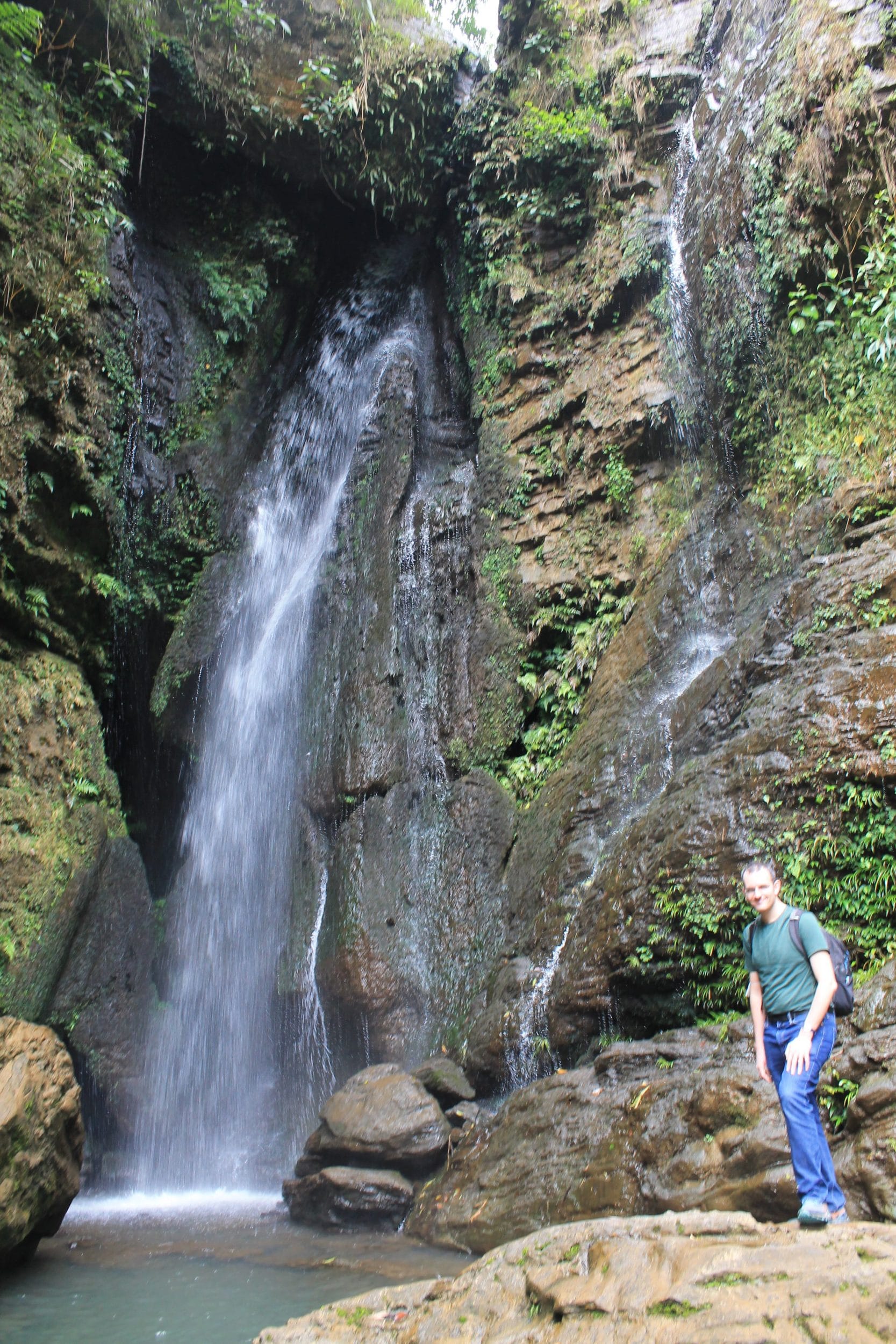
The effort pays off… you have to walk on unstable rocks, sure, but the waterfall is stunning. Luckily there isn’t “much water,” otherwise access would have been even harder. At the bottom, a fairly deep little pool forms; the water feels great, so tempting to swim, but we didn’t know it existed so JB didn’t bring the right clothes.
We’re literally in the jungle. If you have doubts, open Maps Me and you’ll see the waterfall’s location Thac Nai.
The homestay owner tells us there’s a“spa” nearby with a stunning view of the surroundings (Google Maps link). We indeed discover an incredible place; it’s amazing to have such modern facilities in the middle of nowhere, in a small village.
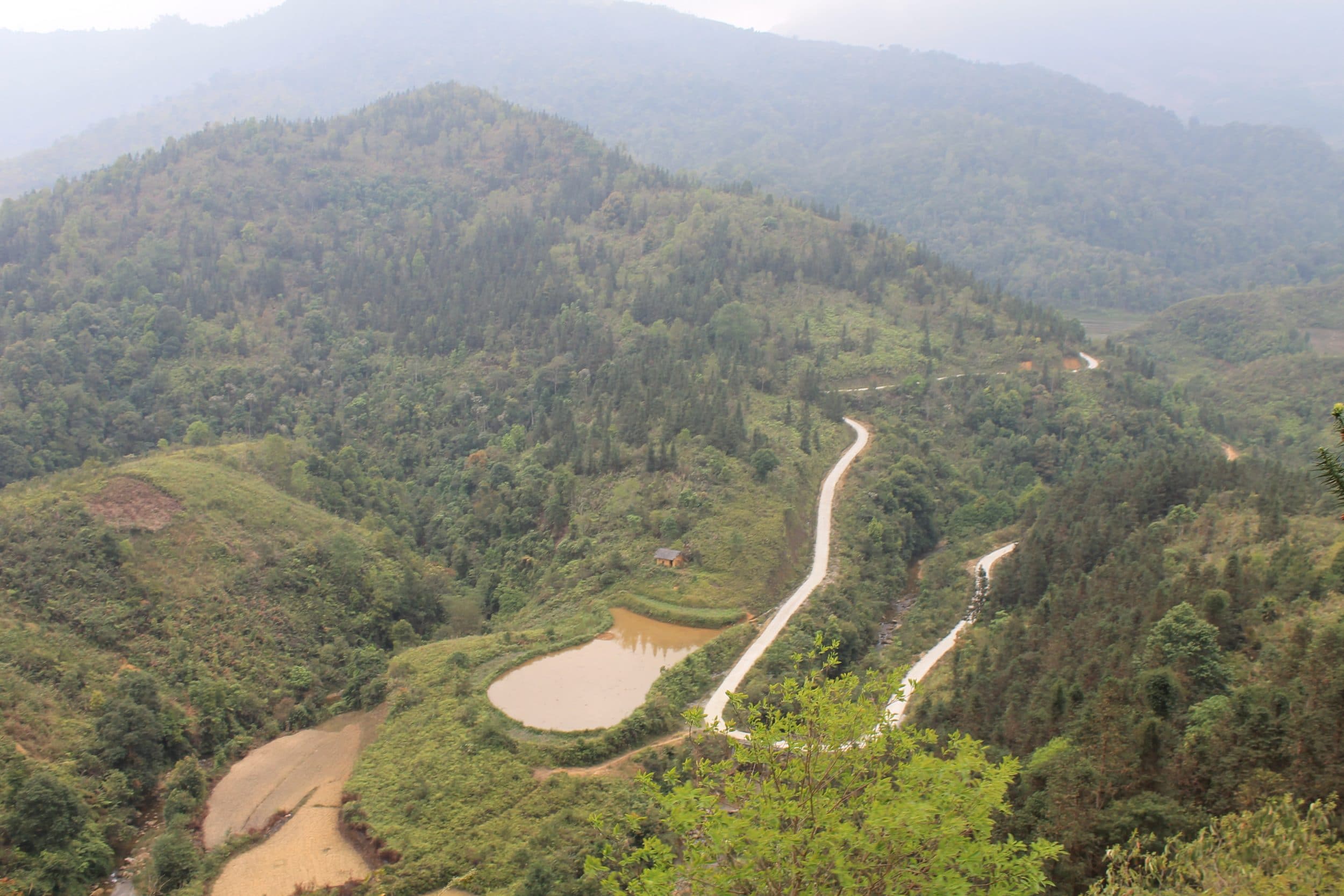
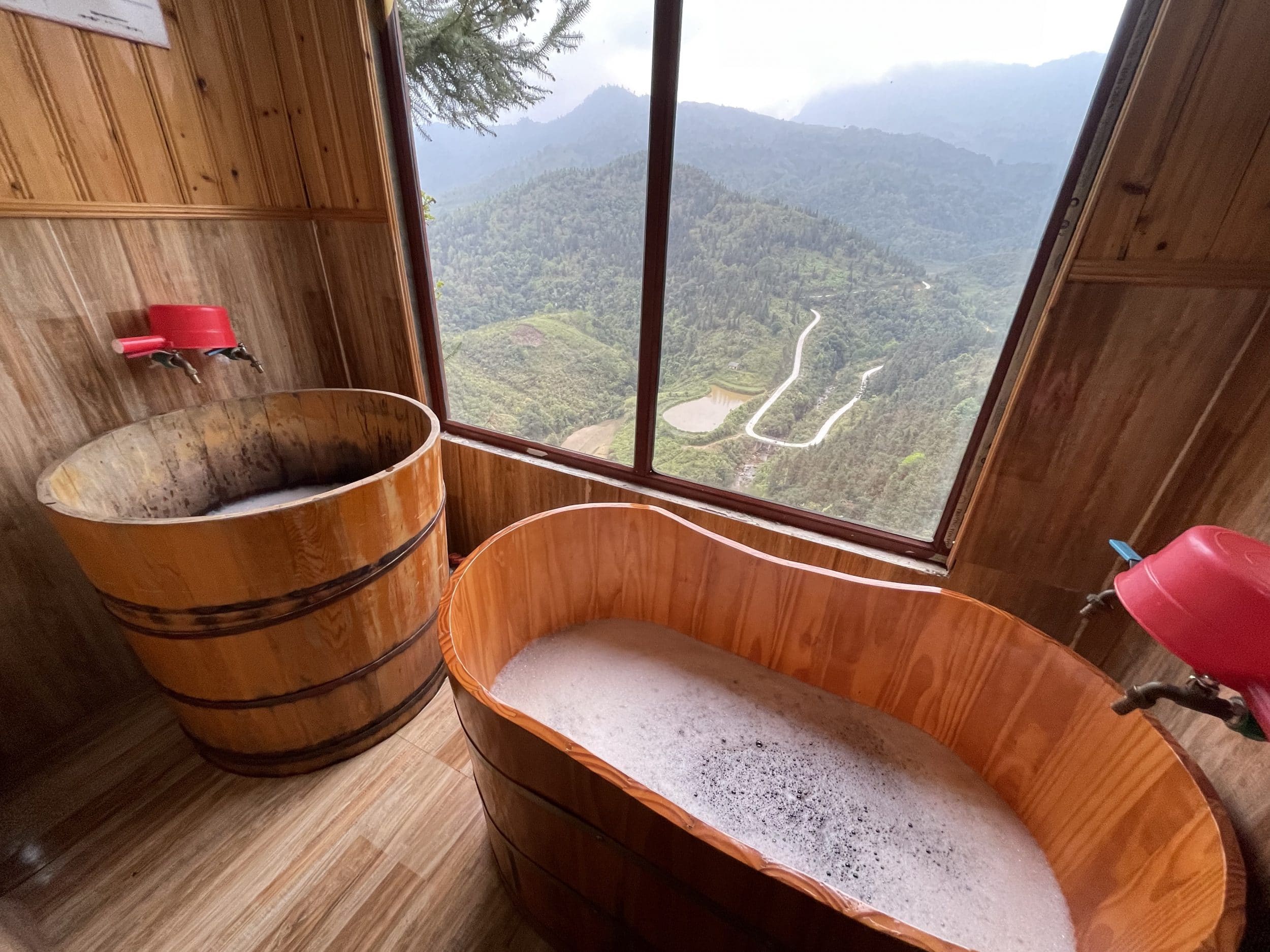
The warm herbal bath costs 100,000 VND/person, and you can stay as long as you like. They sell ginger and honey tea—so good—as well as plenty of other herbal remedies to recreate the same bath at home.
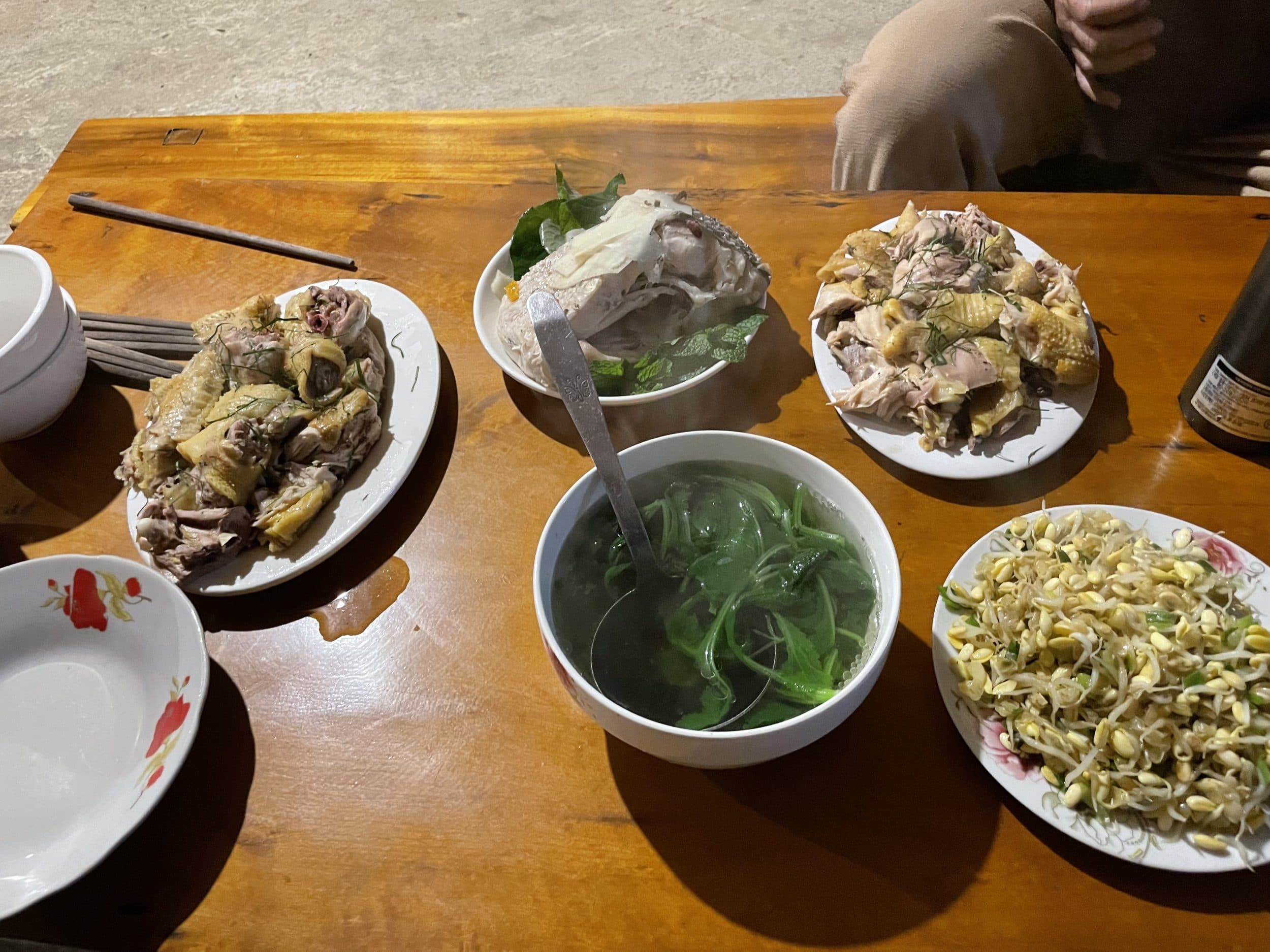
The meal at the homestay is simple but delicious. Breakfast too, very hearty—my mom and I had to share ours because it was too much.
Day 4:
The schedule is very light today as we spend most of our time on the road back to Ha Noi.
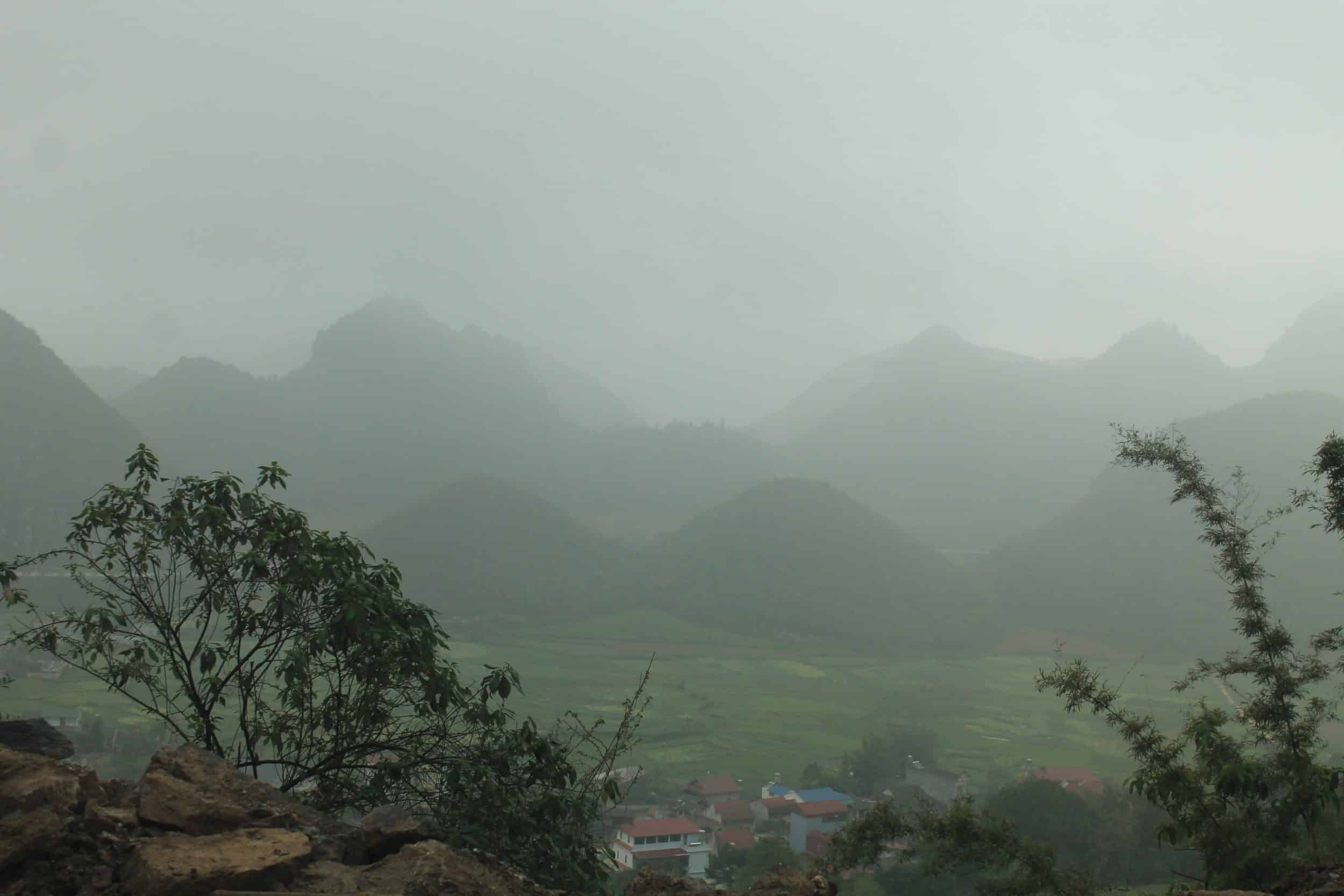
We stop in front of the double mountain to take a photo. There’s a viewpoint nearby, but because of the fog, we went all the way up for nothing.
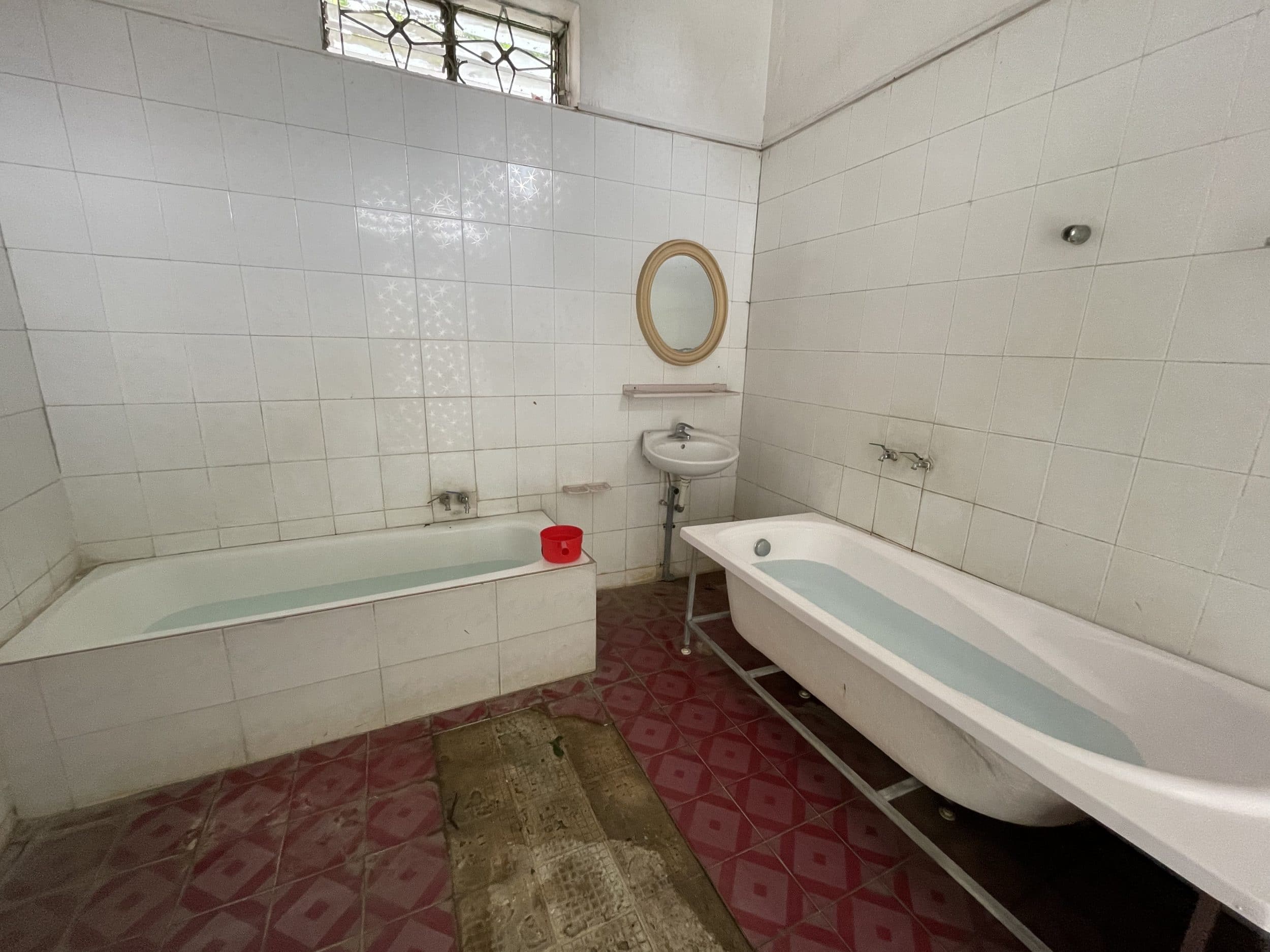
We stop on the way at Viet Lam in Quản Ngần, which has an extremely powerful hot spring that can cure several diseases. Well, the facilities are old, but it’s not that dirty, and the bathtubs are clean at least 😀 But I totally get that your European standards don’t match what you see there. On the other hand, the water is super hot and feels great after several hours sitting in the car. Plus, it’s cheap: 50,000VND per person, towel & shampoo included.
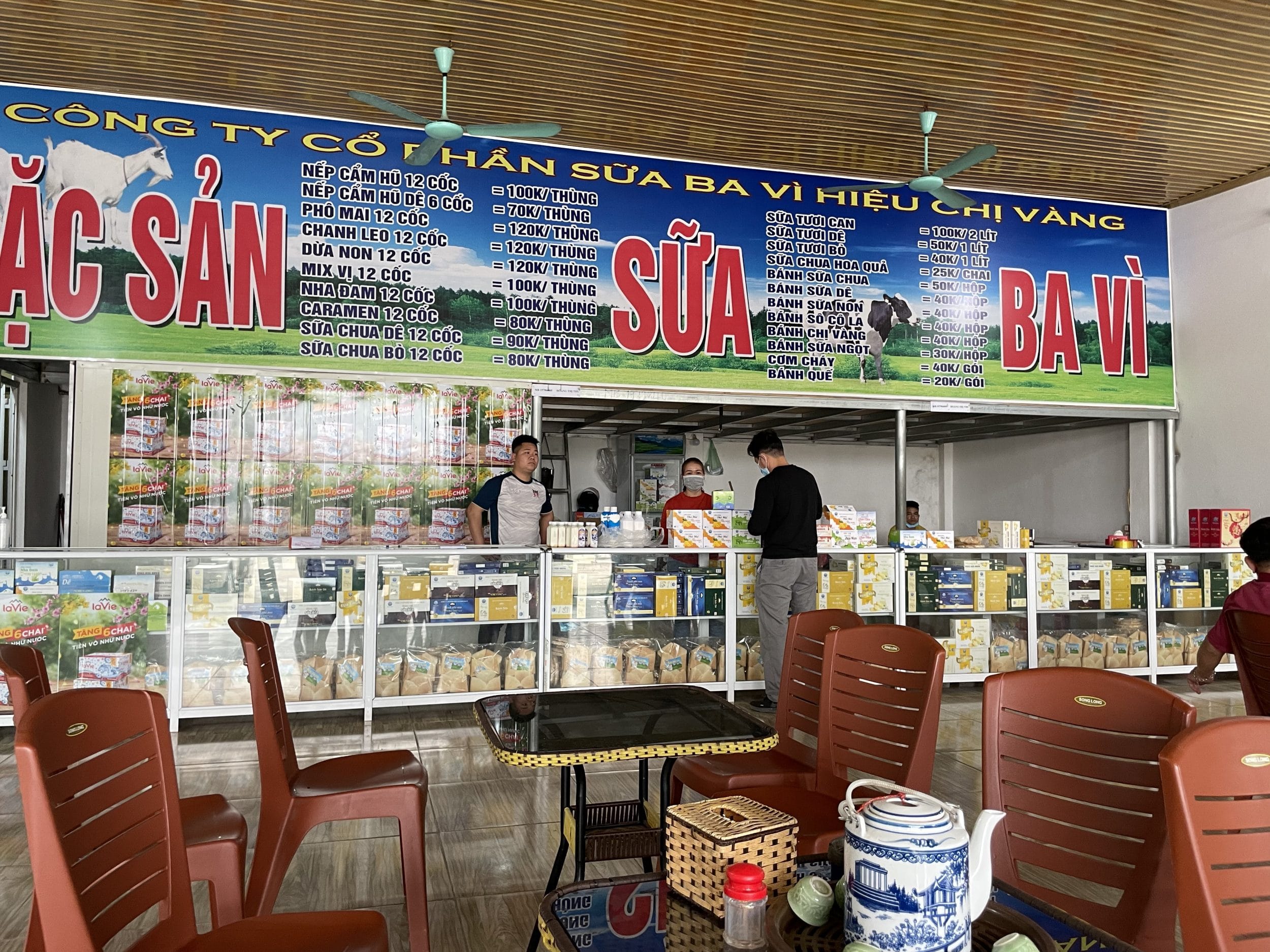
We make a stop to buy dairy products in Ba Vi before heading back to Ha Noi and getting stuck in traffic.
I hope you enjoyed this long travel journal.
This is my first time in Ha Giang, but I absolutely love this region. The landscapes are breathtaking. If it were up to me, I would have stopped every 5 minutes to admire the views.
Part 2: Practical Tips
- Apart from the expenses clearly mentioned in the article, the rest was paid directly to the travel agency, that is, 6,200,000VND per person or 250€ per person.
- 16-seat car (better for the mountains), private guide (Vietnamese), private driver, 4 days and 3 nights.
- I can’t give you our agency’s contact details because (1) it’s for Vietnamese only, (2) we weren’t too happy with the service.
- If you’re adventurous, you can just opt for a night bus Ha Noi – Ha Giang (book your tickets here). From Ha Giang, you can rent a motorbike to go around the spots mentioned in the article, or pay a Vietnamese agency to guide you by motorbike, or pay for a guided tour from Ha Giang.
- If you’re less adventurous, simply go for guided tours from Ha Noi, you’ll be spoiled for choice.
Planning a trip to Vietnam? Our partner Get Your Guide offers entry tickets and guided tours with French-speaking guides at very reasonable rates. Click here to see what they offer and book online.

