

Takayama & Cherry Blossoms [Japan Road Trip #4]
We wake up early to enjoy our ryokan’s onsen before breakfast. Indeed, the onsen is only open until 9 a.m., and breakfast is scheduled for 8:30 a.m.
This travel diary is part of a series on our road trip in Japan. If you missed the previous episodes, here are the links: the itinerary, diary #1, #2, #3
Part 1: Travel Journal
Part 2: Practical Tips
Part 1: Travel Journal
Day 3 of the road trip:
After a hot spring bath, we’re hungry. But breakfast is right on time. As usual, it’s hearty and full of local specialties.
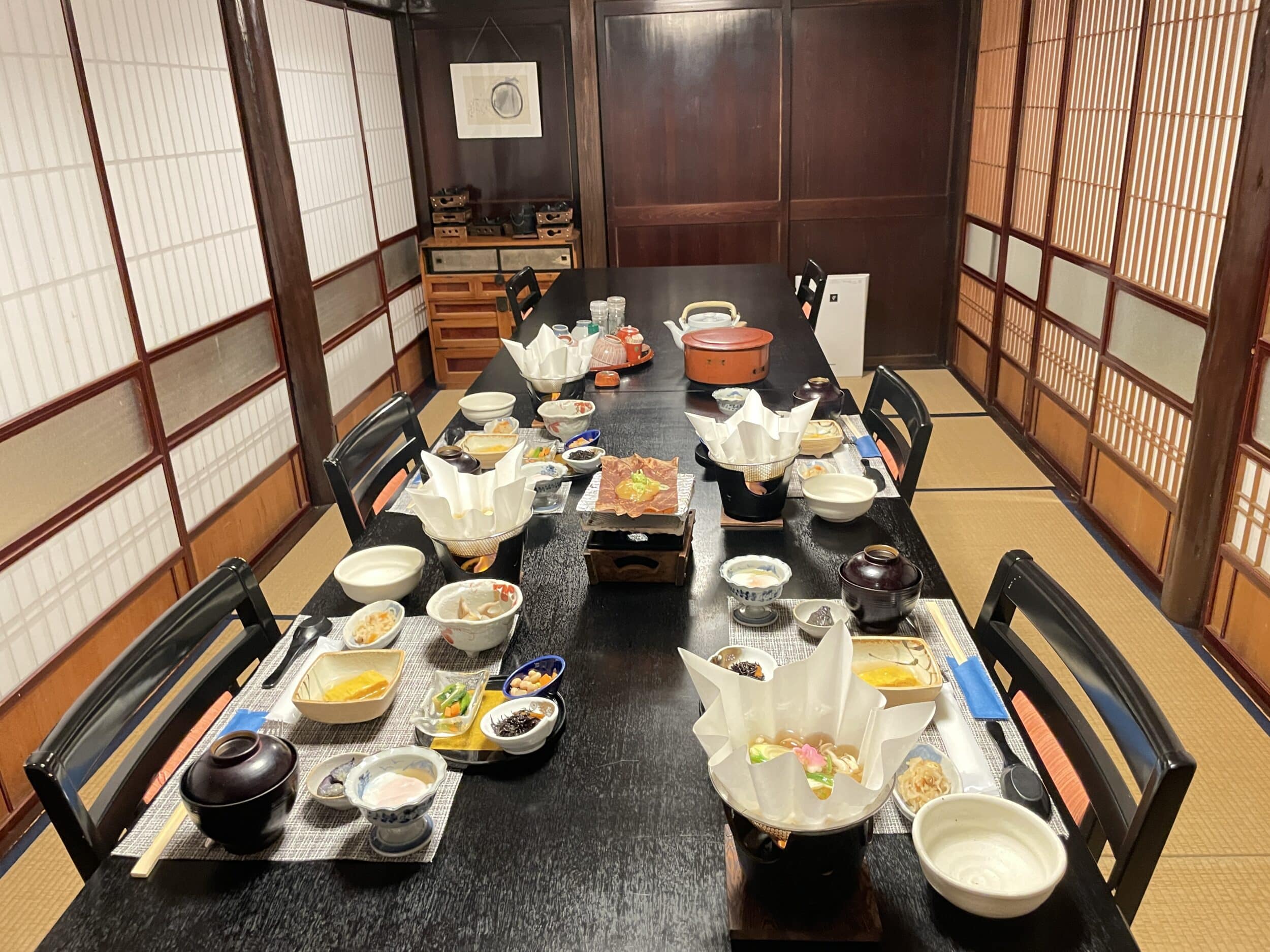
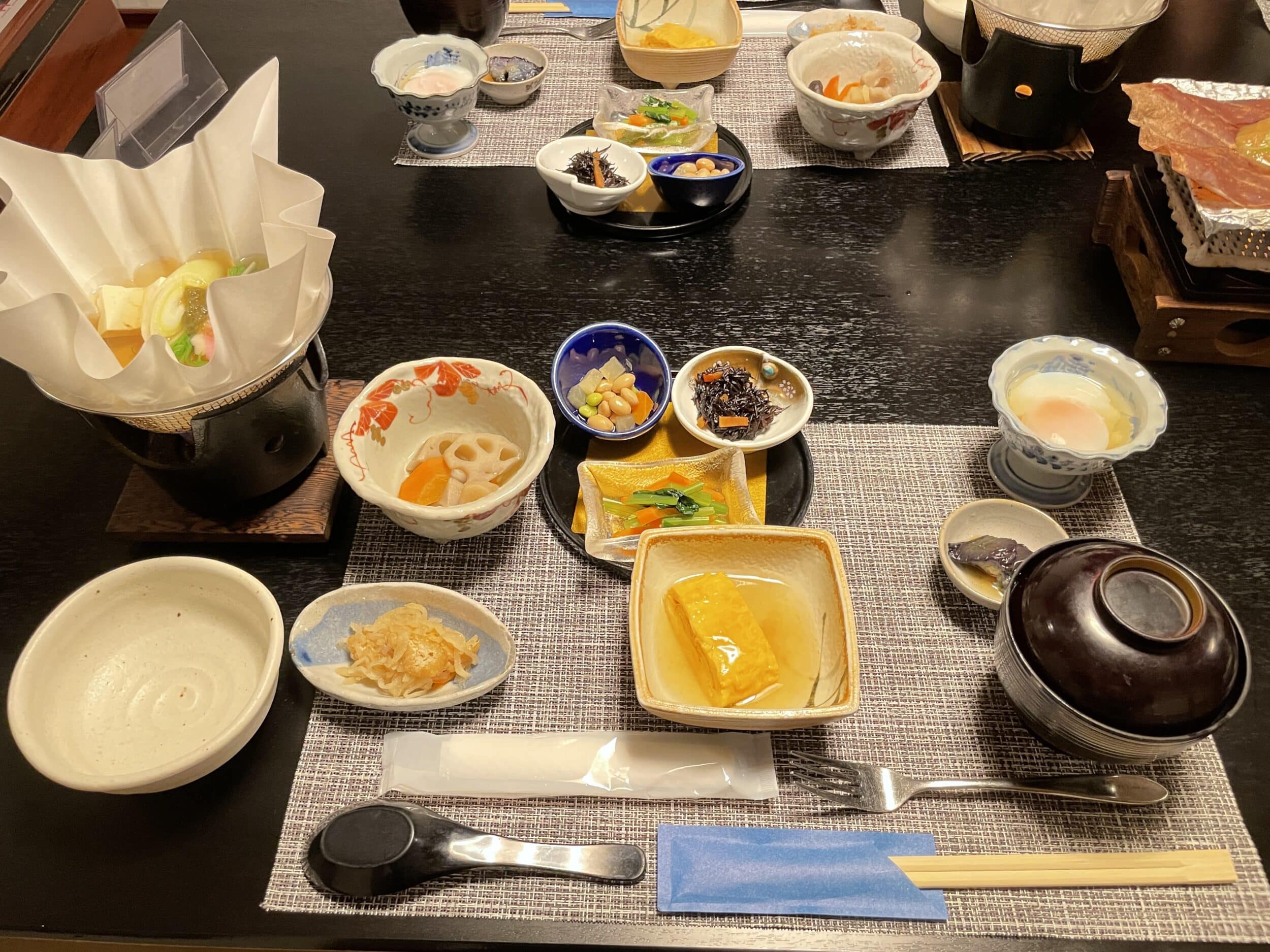
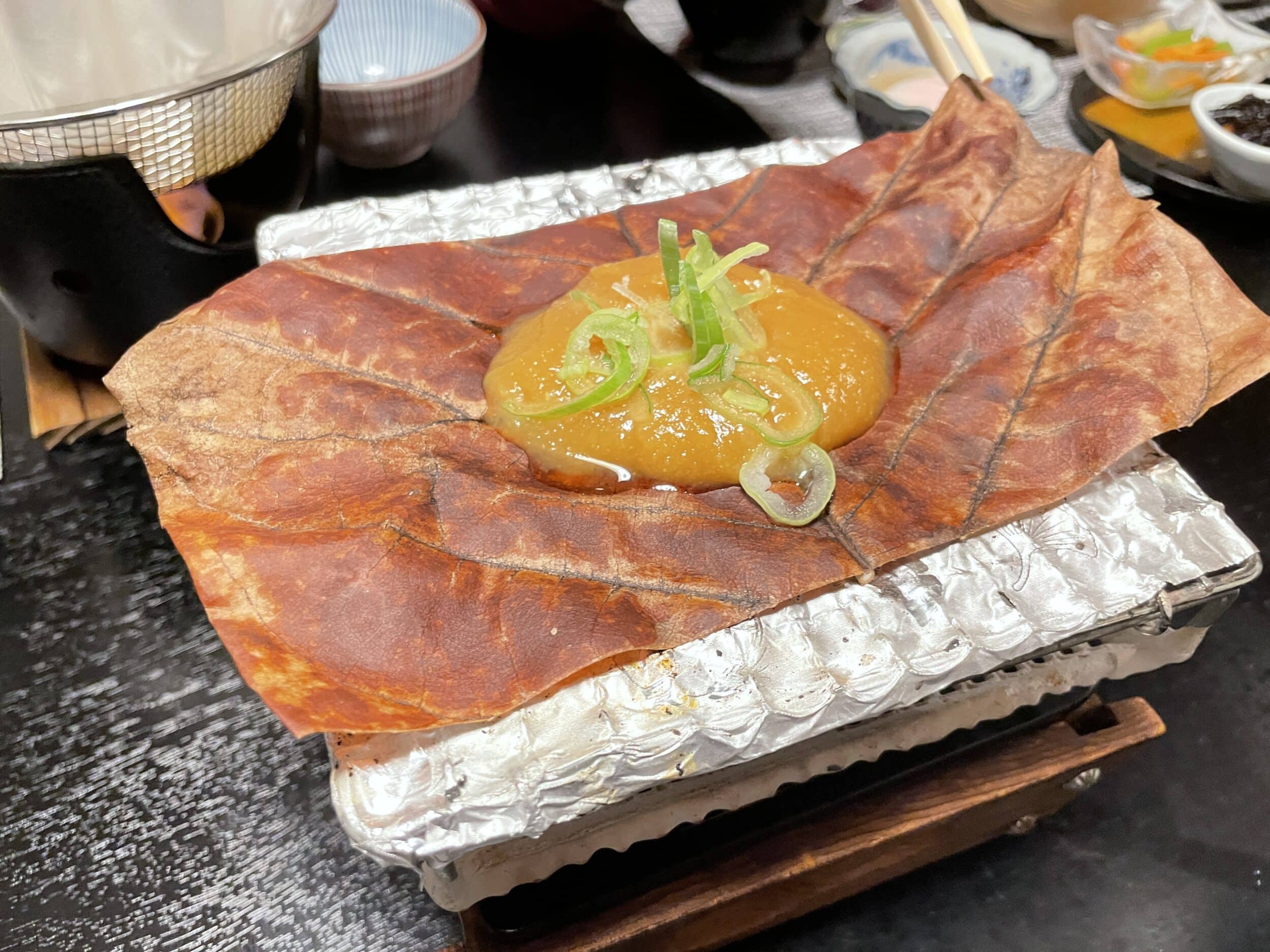
In the middle is hoba miso, i.e., miso (fermented soybean paste) placed on a magnolia leaf over a small grill. It’s one of the region’s specialties, and this miso is exquisite! We’re used to having miso soup, but did you know that each region’s miso is different? This one is particularly good, and there’s also a recipe with this hoba miso and grilled beef. We’re eating savory in the morning, but we don’t mind because we’re really hungry.
However, the soft-boiled egg didn’t sit well with my mom, who had a stomach ache afterwards. I think she should have let it sit in the soup longer. We settle the remaining hotel charges and hit the road again!
We take the car to explore the surroundings. I was actually curious to see what the other two ryokans I almost booked looked like, and I’m glad I chose ours because it’s the most beautiful, oldest, and feels more “Japanese” than the others, which are more modern or more “Swiss chalet”.
It’s the snowmelt season, so the rivers are full of water and perfectly clear.
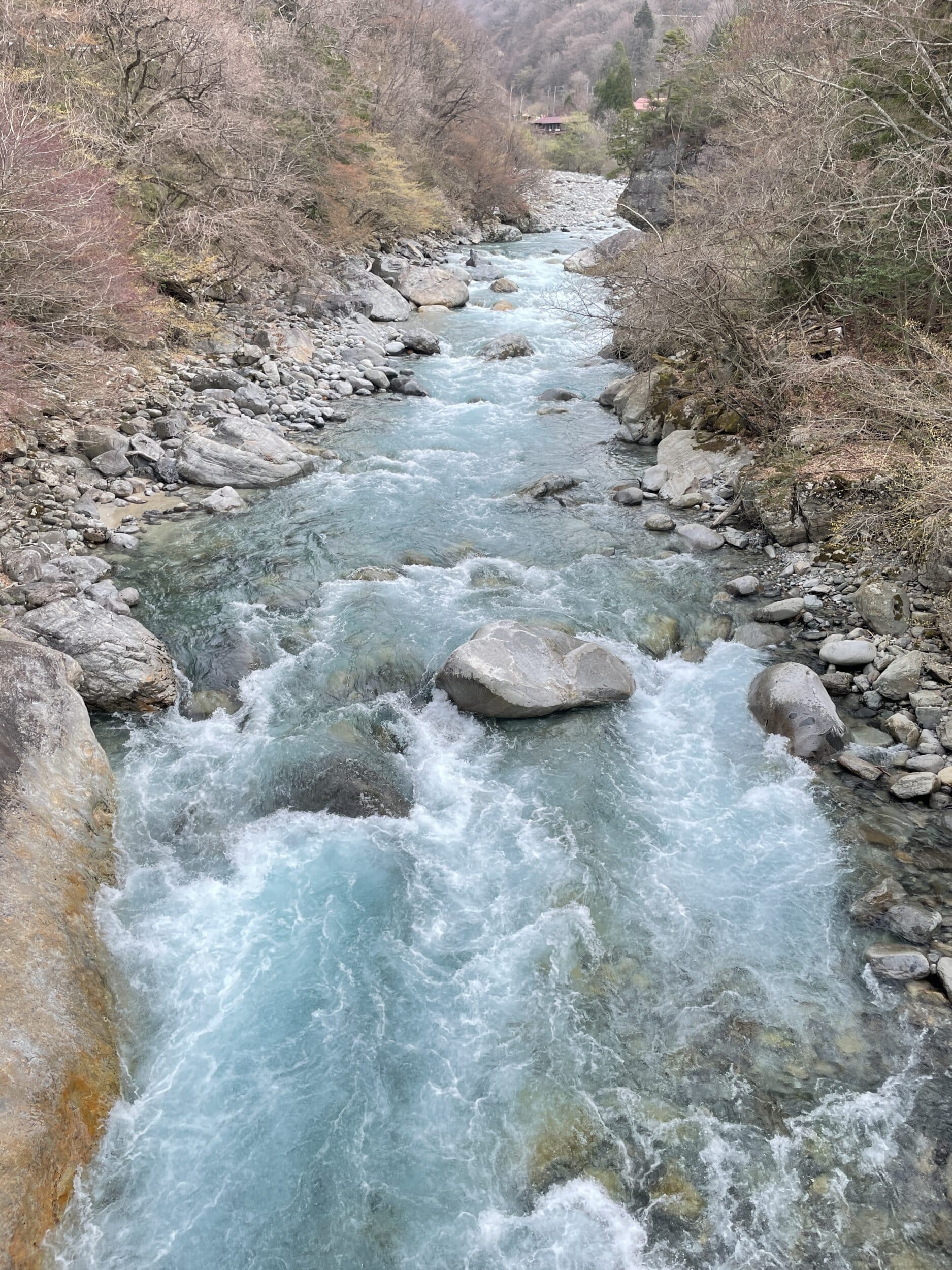
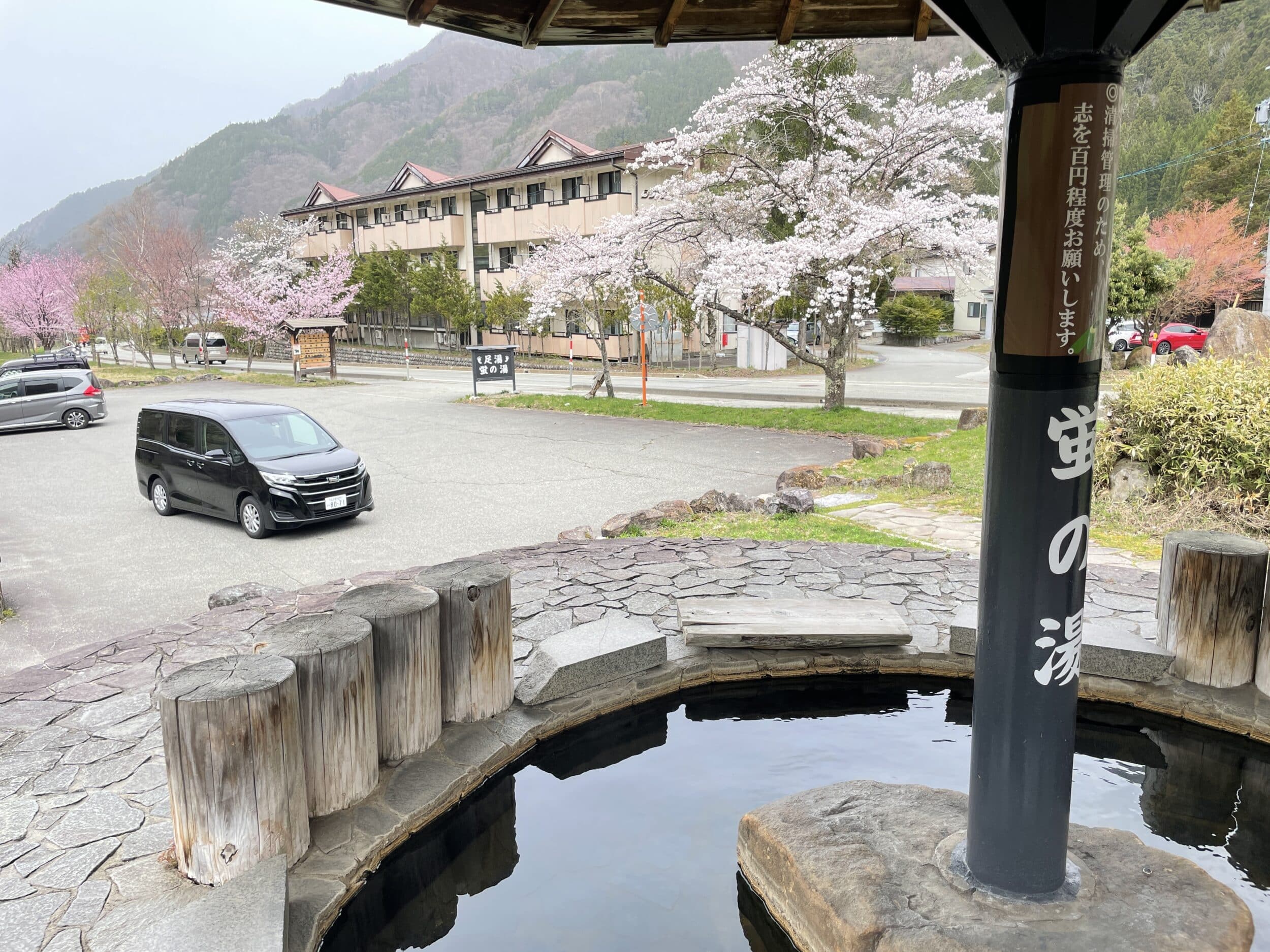
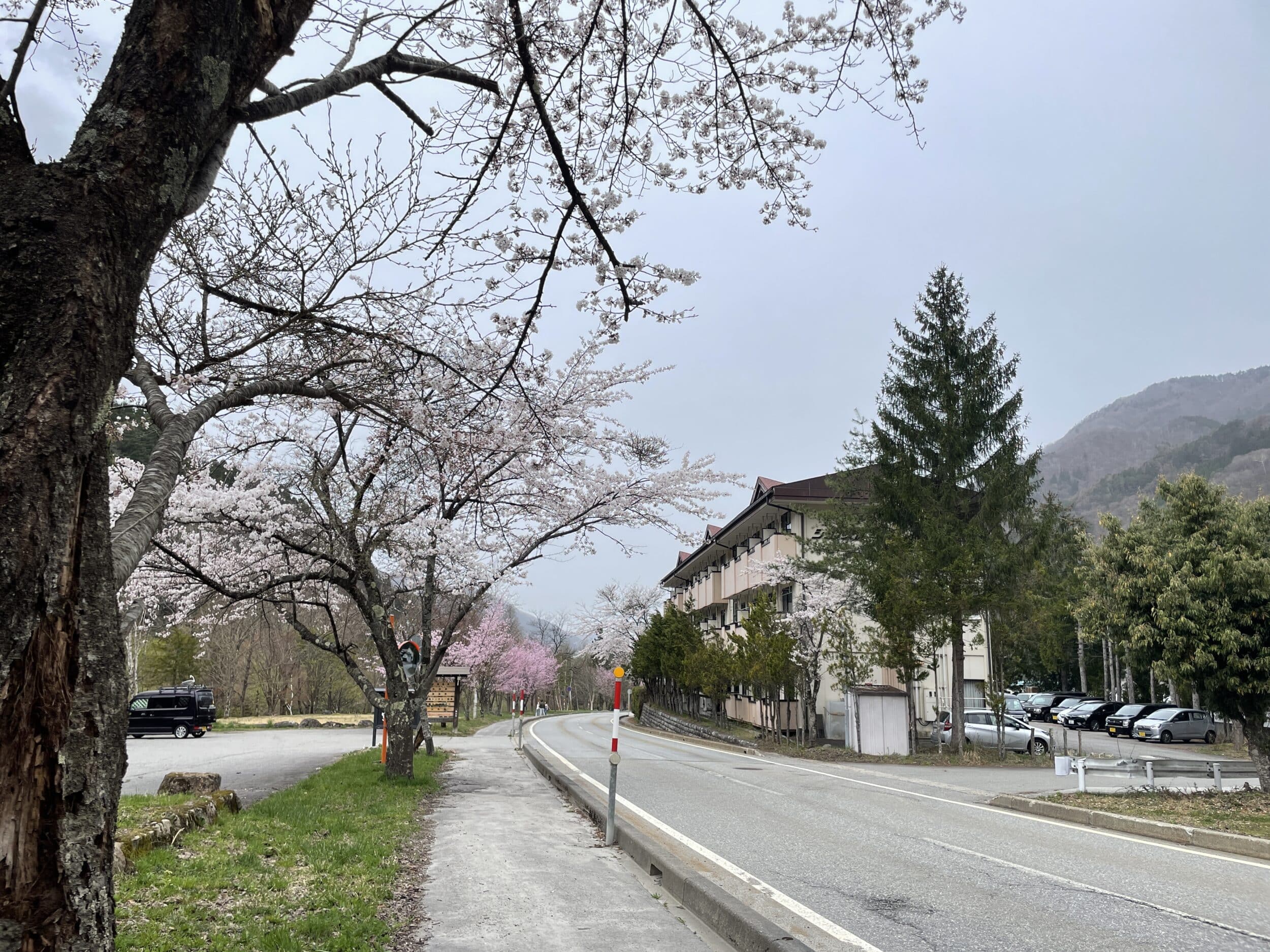
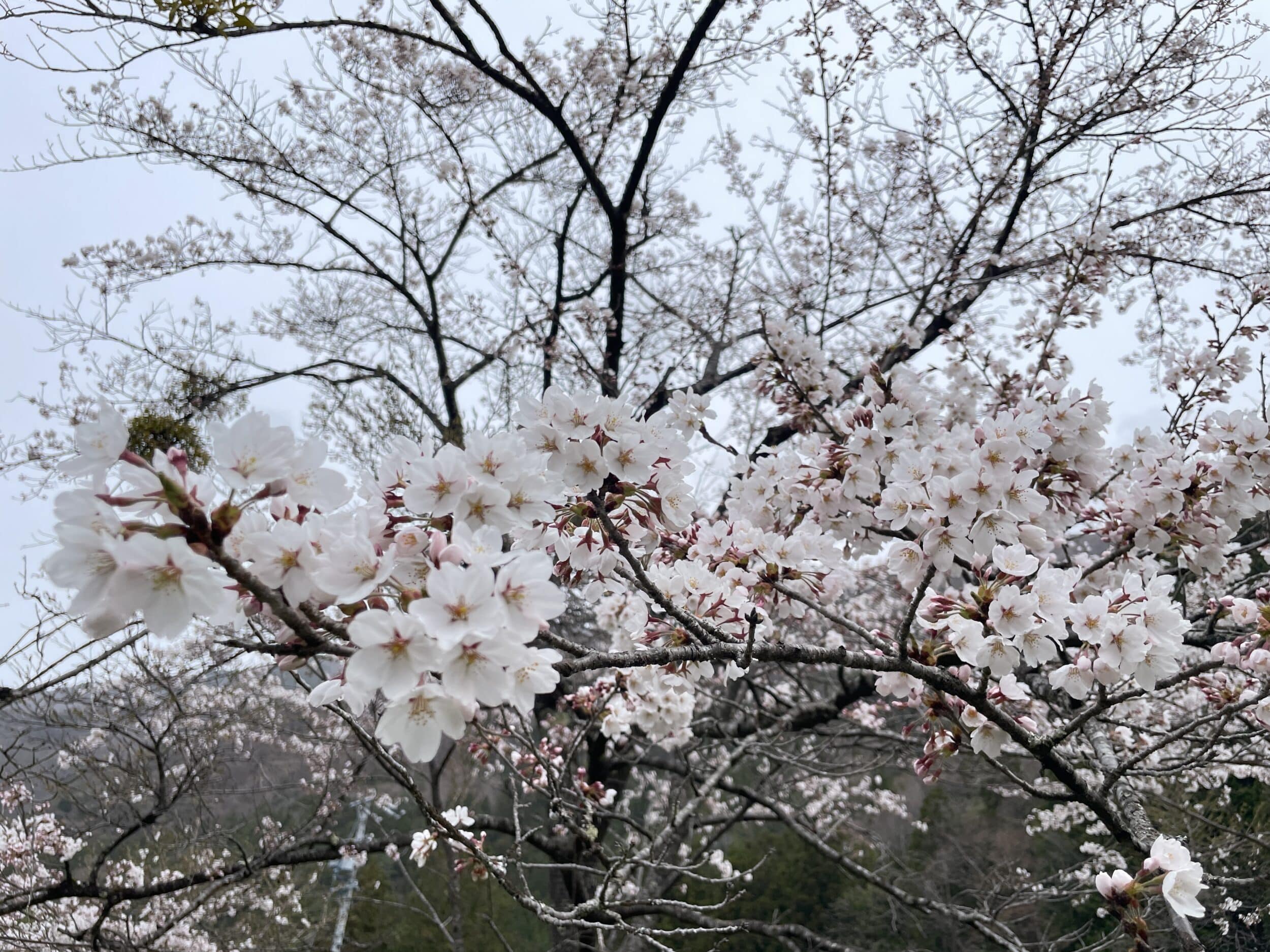
By chance, we stop to take photos of the cherry blossoms when we suddenly spot this little public footbath with a very satisfying view. There’s a small box next to it for the requested 100 yen per person. The water is very hot (about 42 degrees). It feels great! Here are the coordinates: https://maps.app.goo.gl/tJaGjjrWTkNittFC8
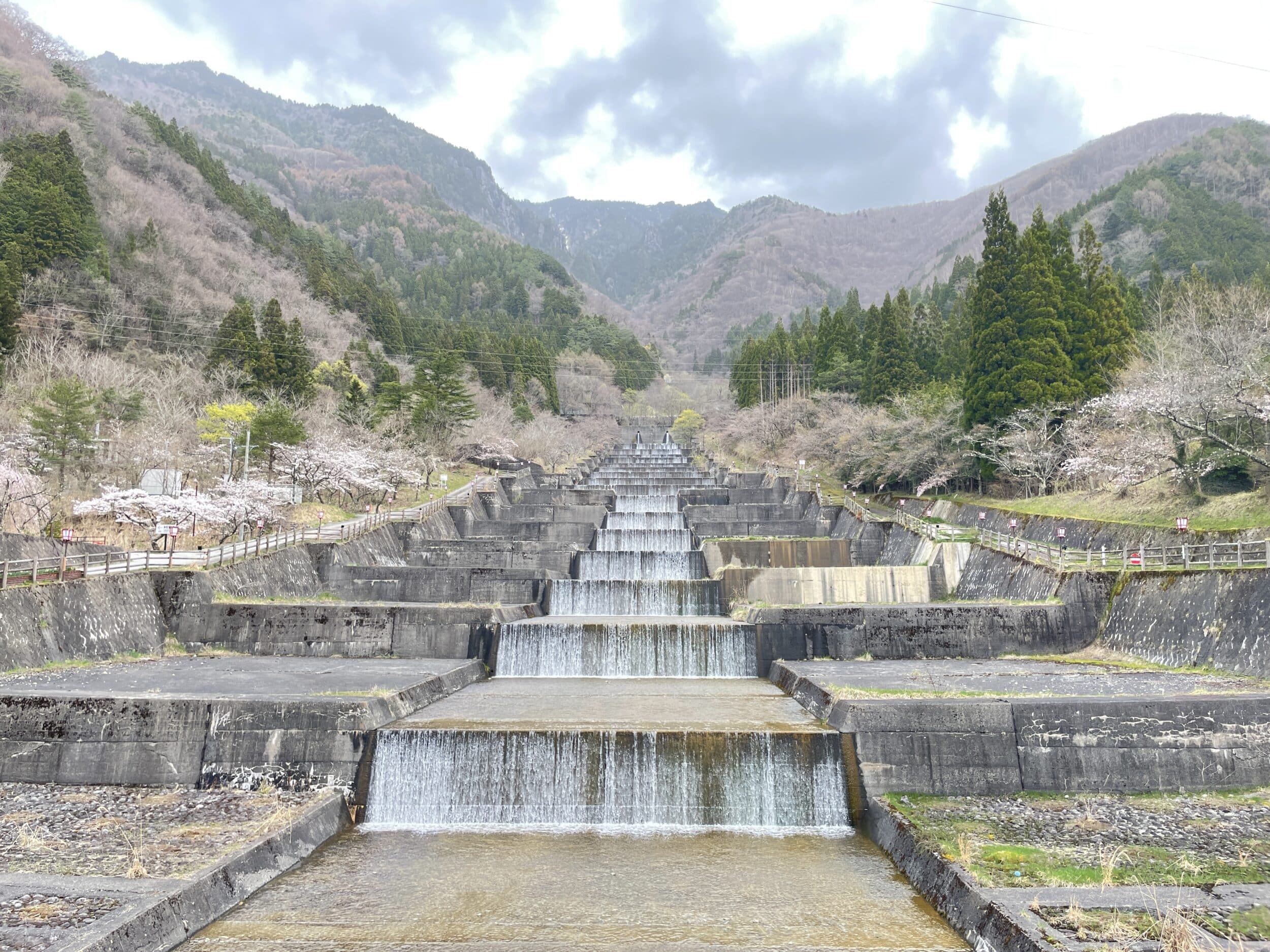
We continue to a very nice waterfall that looks fake: Tochio Onsen Tiered Waterfall
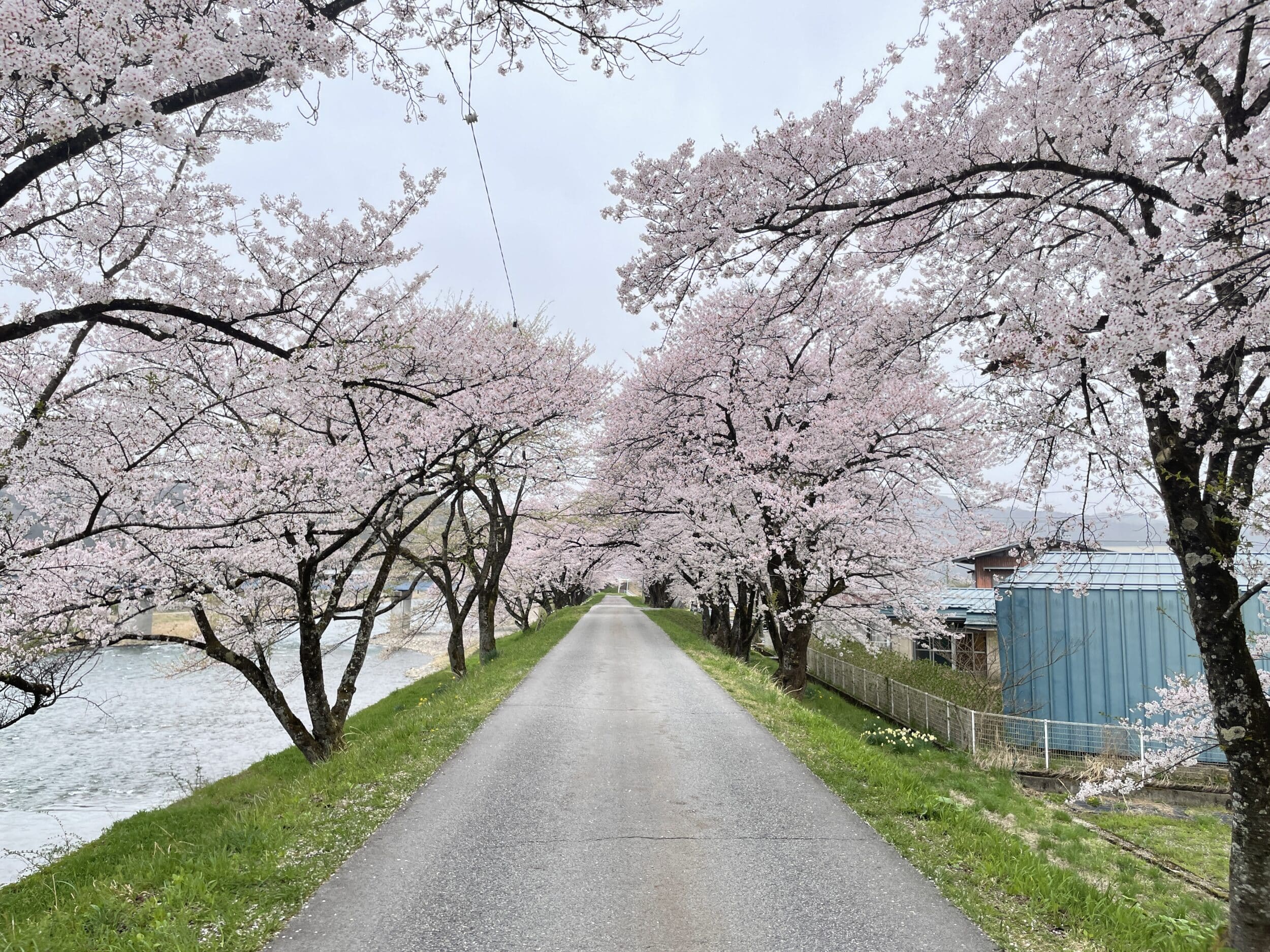
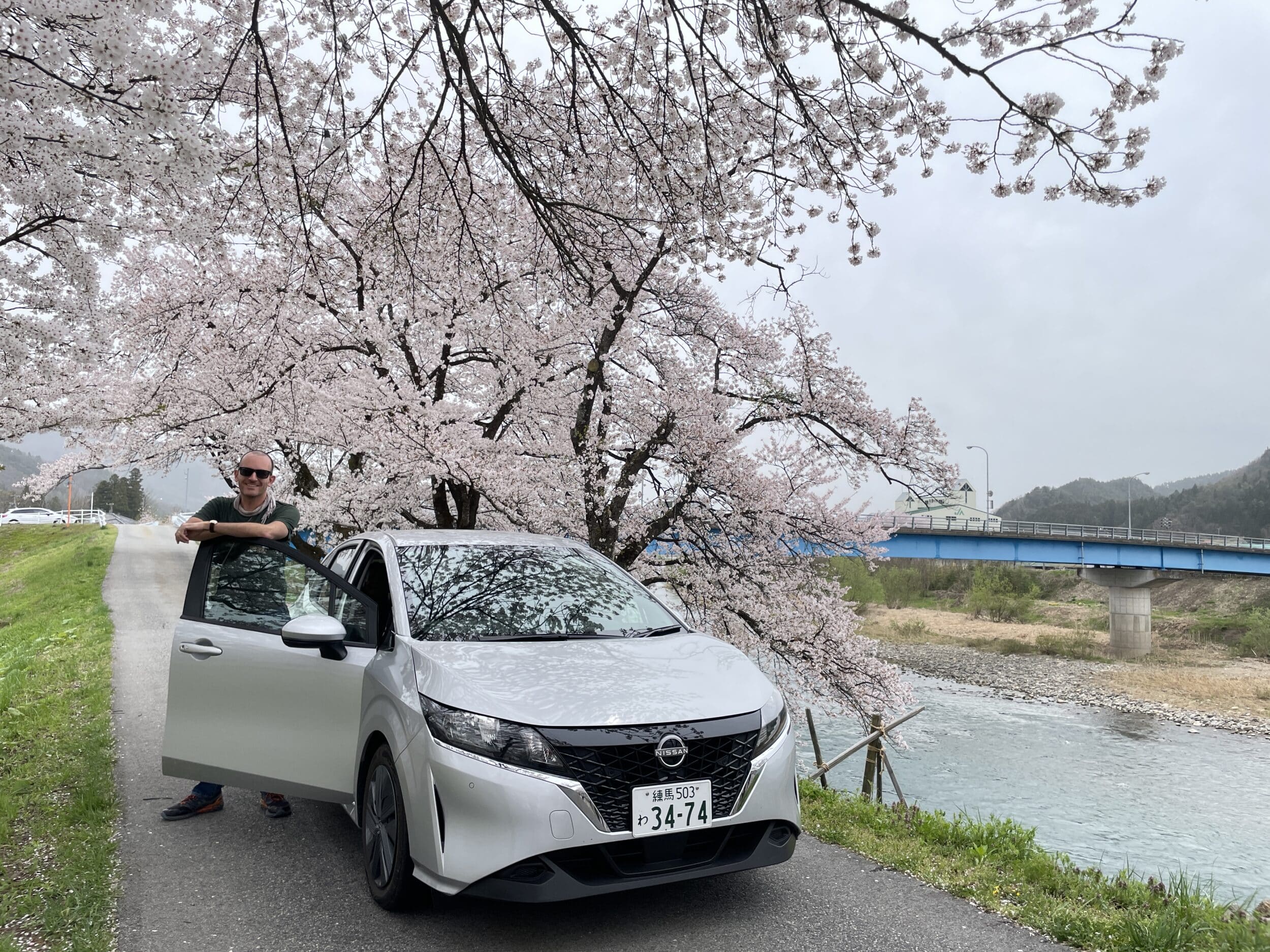
Then we go through tunnel after tunnel towards Takayama. Along the way, we notice cherry trees in full bloom and take a small path to admire them. Surprise, there are cherry trees on both sides, even more beautiful than anything we’d seen before. And it goes on and on along the river. Some paths are accessible by car, others only by bike. Google Maps coordinates: https://maps.app.goo.gl/5A5Z2pb9Xy5GNmPm6
Buying a kake-futon
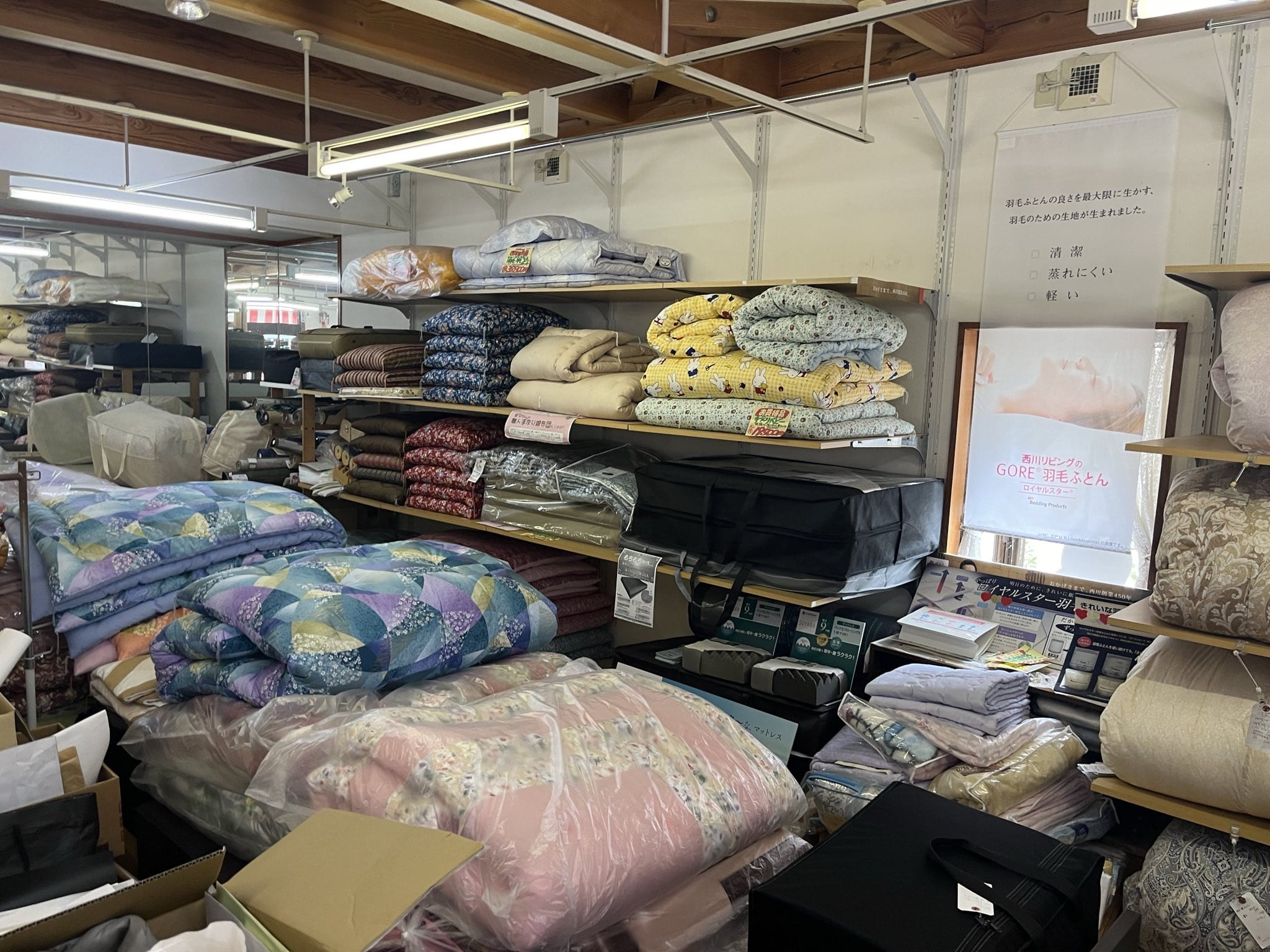
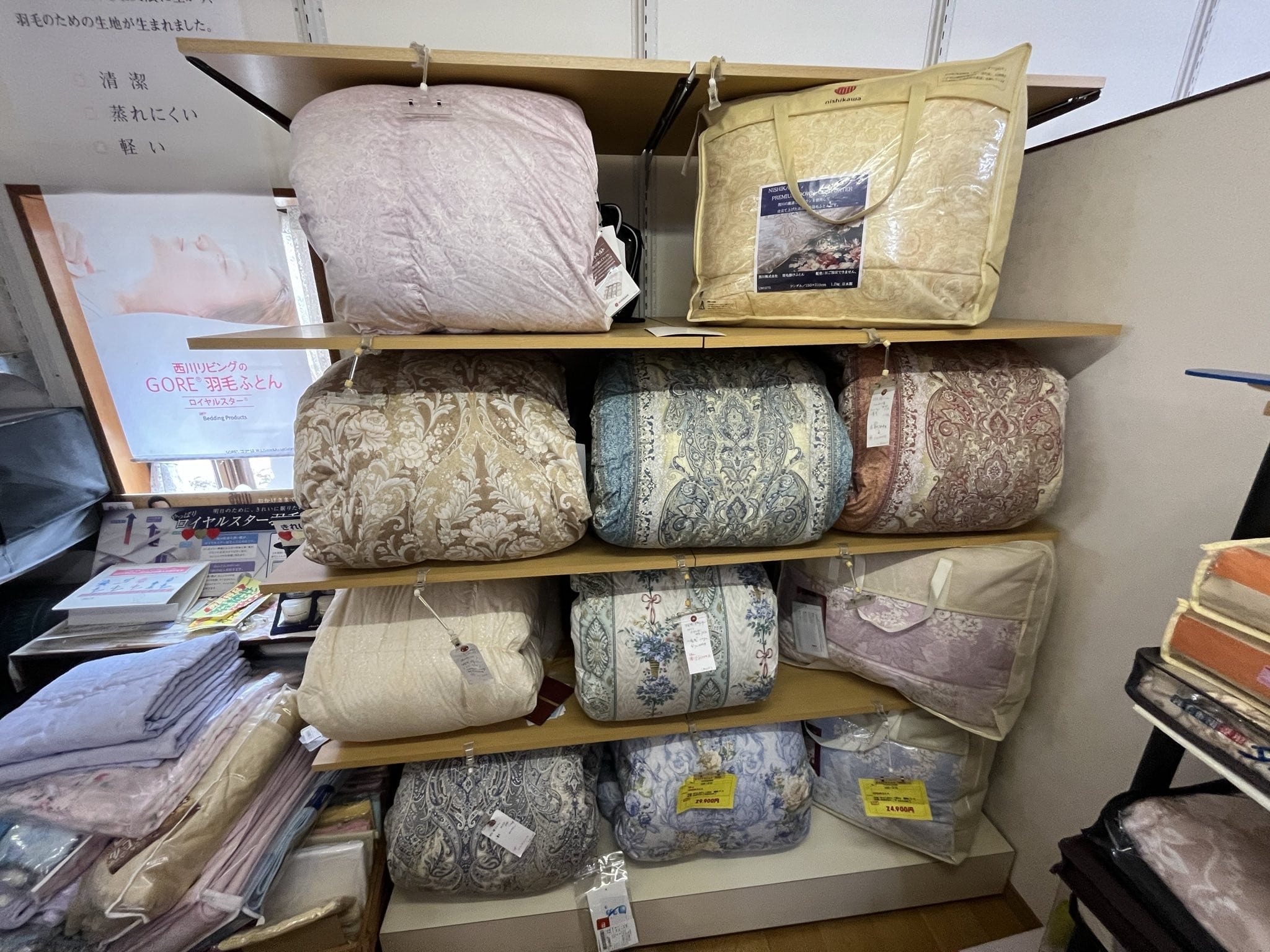
My parents were impressed by the quality of the comforters in Japanese hotels, especially those in our ryokan, and they want to buy the same. This type of comforter is called kake-futon. It’s not easy for me to find a shop that sells them, since this type of comforter is specific to futons. Luckily, after searching, I come across a shop called: (有)茂寿美ふとん店 (Google Maps coordinates). An elderly Japanese couple assists us; the man speaks a little English, but we communicate via Google Translate. Japanese kake-futons are mostly for one person and padded with cotton, but we manage to find a double comforter with goose down inside. It will be even warmer and lighter. The prices are very high compared to a regular comforter, but you must know that kake futons are handmade. Intended for ryokans (or people who still sleep on tatami mats), they are a vestige of traditional Japanese luxury. After negotiation, my parents pay $460 for a comforter plus two Japanese duvet covers (you know, like at the ryokan, where you only cover the four corners).
The four of us work together to flatten the comforter as much as possible so it fits in the trunk. I think we could have asked the man to send the comforter to our future hotel in Tokyo, but I didn’t notify the hotel about potential packages, so I’d rather we take it with us right away. It’s still a significant purchase. I highly recommend it if you’re looking for handmade comforters or pillows. The Japanese couple is super super kind, not only are the discounts reasonable, but we also got a little gift (handmade, I think).
Takayama
We arrive in Takayama at noon, and knowing the Japanese, we won’t have our room before the fateful 3 p.m. (the check-in time for almost all hotels in Japan). We park in a downtown lot and pay a pretty penny (800 yen for 2 hours) and explore the city center on foot.
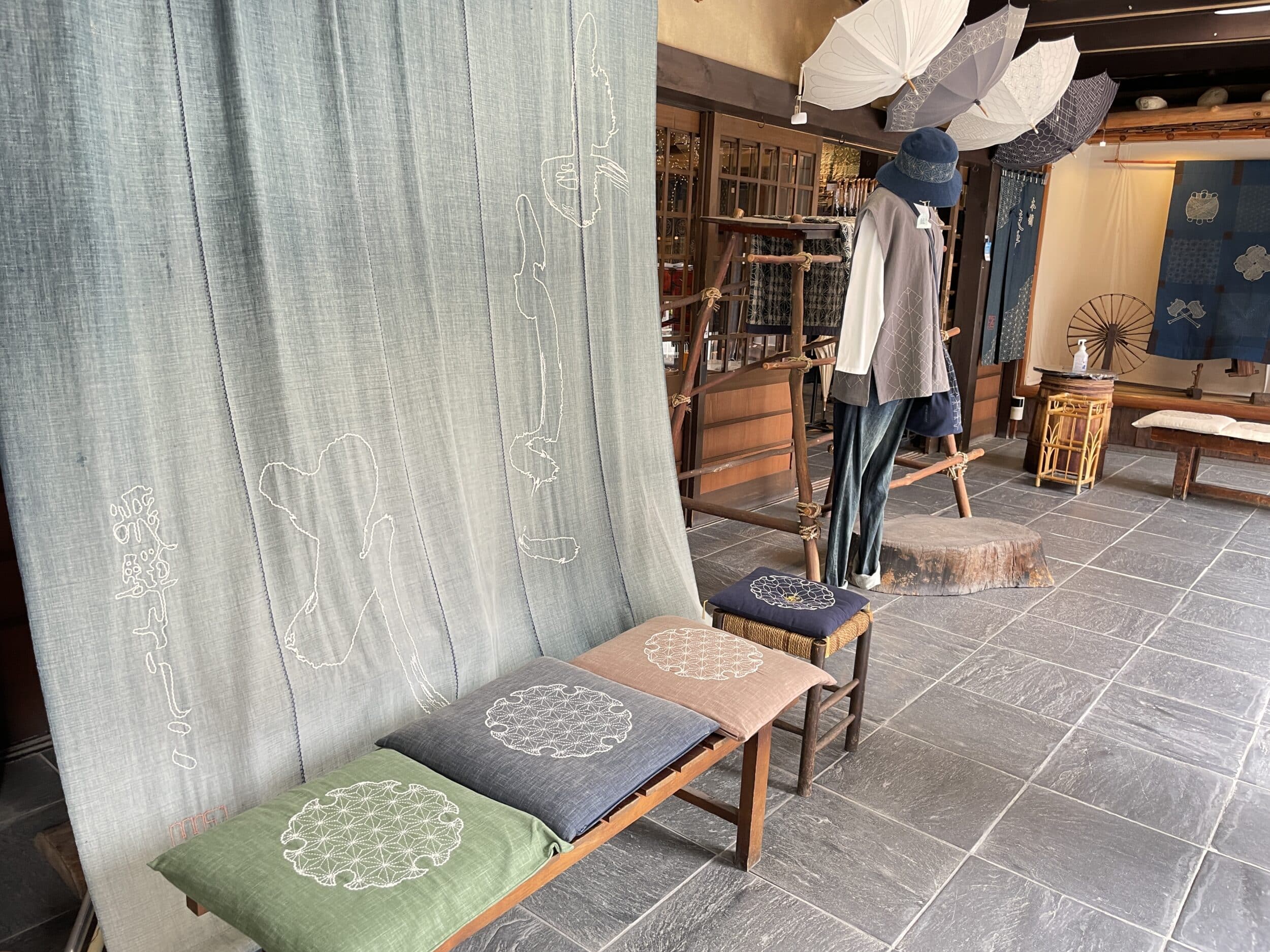
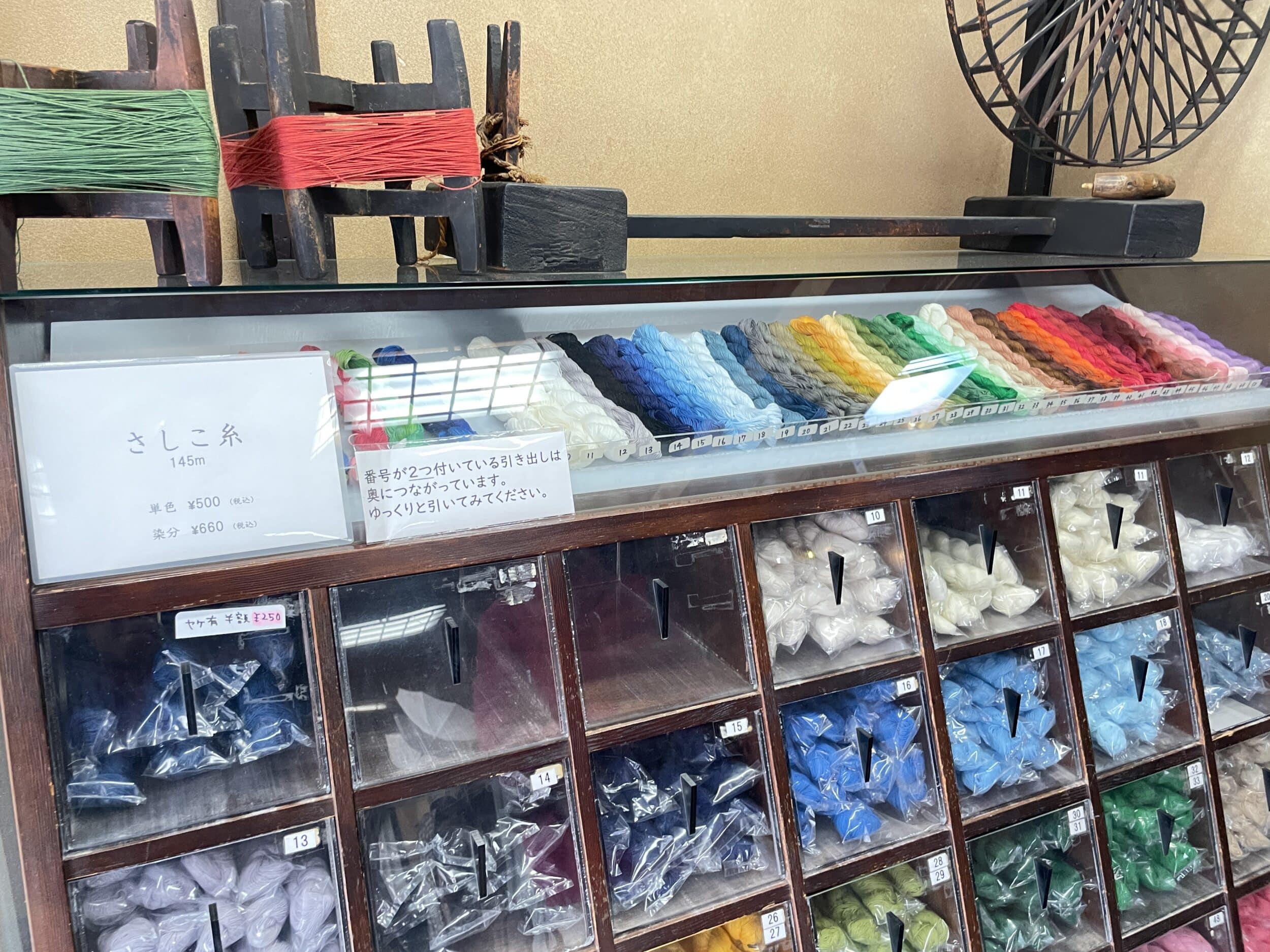
I’m so thrilled to see examples of Sashiko embroidery for the first time. Sashiko embroidery is a traditional form of Japanese embroidery that dates back several centuries. “Sashiko” literally means “little stabs” in Japanese, which perfectly describes this technique characterized by simple geometric patterns created using repeated stitching. Originally, Sashiko was mainly used to reinforce work clothes, such as kimonos and agricultural workwear, by strengthening fabrics and making them more durable. Traditional patterns were often inspired by nature, such as waves, mountains, plants, and animals. Distinctive features of Sashiko embroidery include the use of white or blue cotton thread on indigo fabrics, creating a sharp and elegant contrast. The patterns are typically composed of simple straight or curved lines, forming repetitive motifs that can appear both simple and complex. Sashiko is also appreciated for its decorative function, and nowadays, it is often used to embellish textile items such as clothing, accessories, and household goods. In addition to its aesthetic beauty, Sashiko embroidery is valued for its simplicity and meditative quality. The repetition of stitches and the focus required to create precise patterns can have a calming effect on the mind, making this practice a therapeutic art for many. On Amazon Japan, there are many kits for getting started with Sashiko.
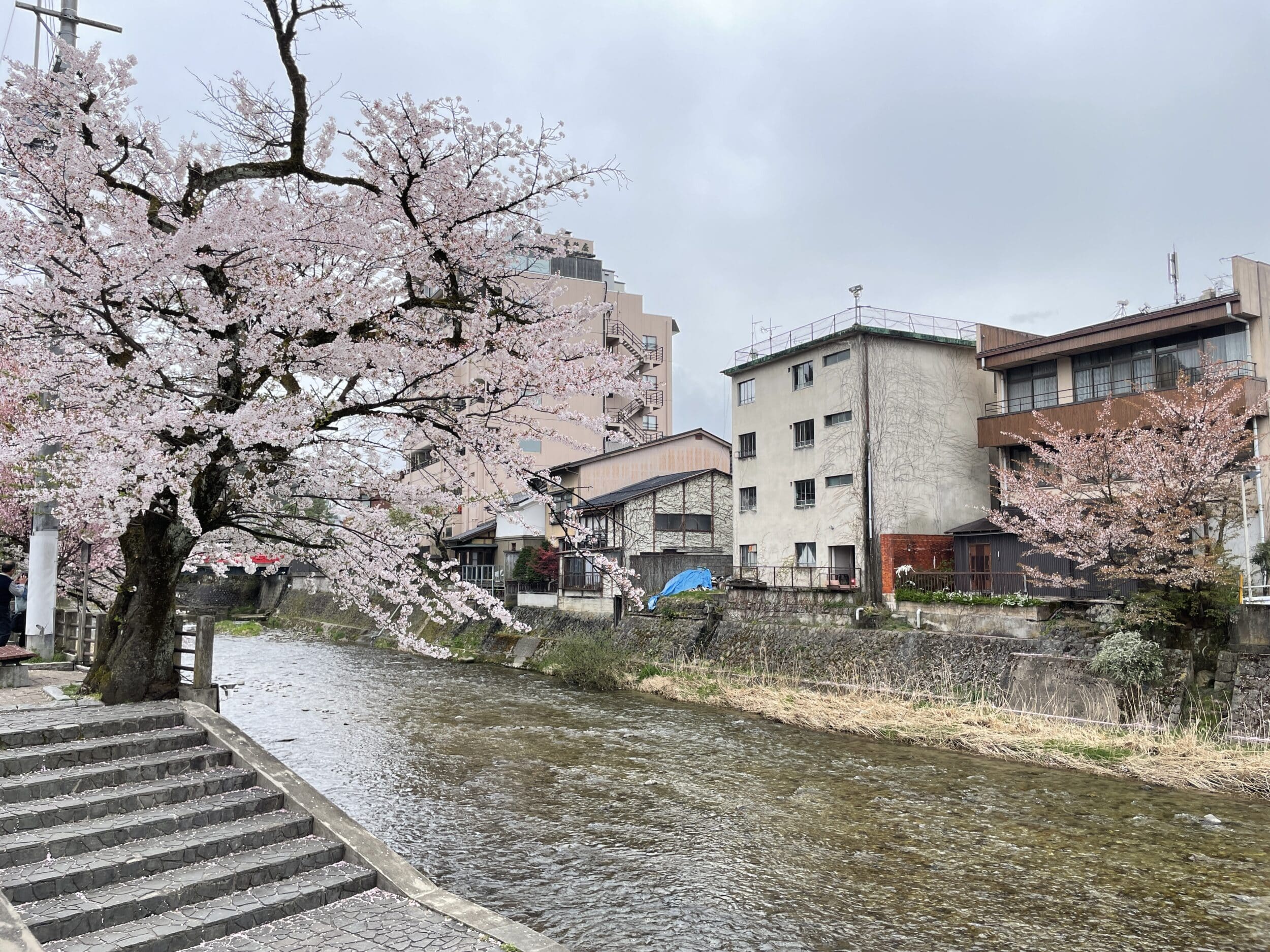
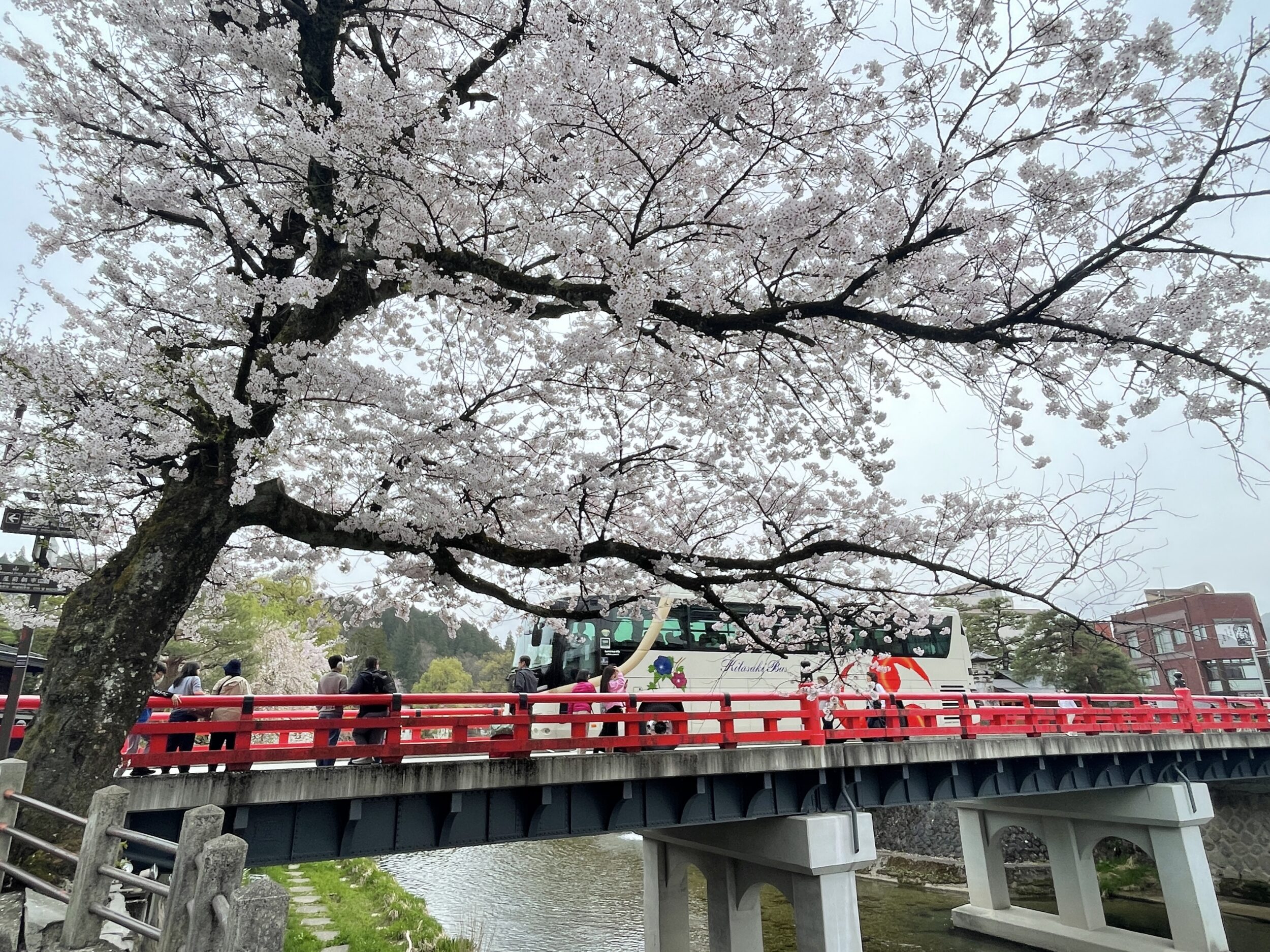
We follow the river and discover many picturesque bridges.
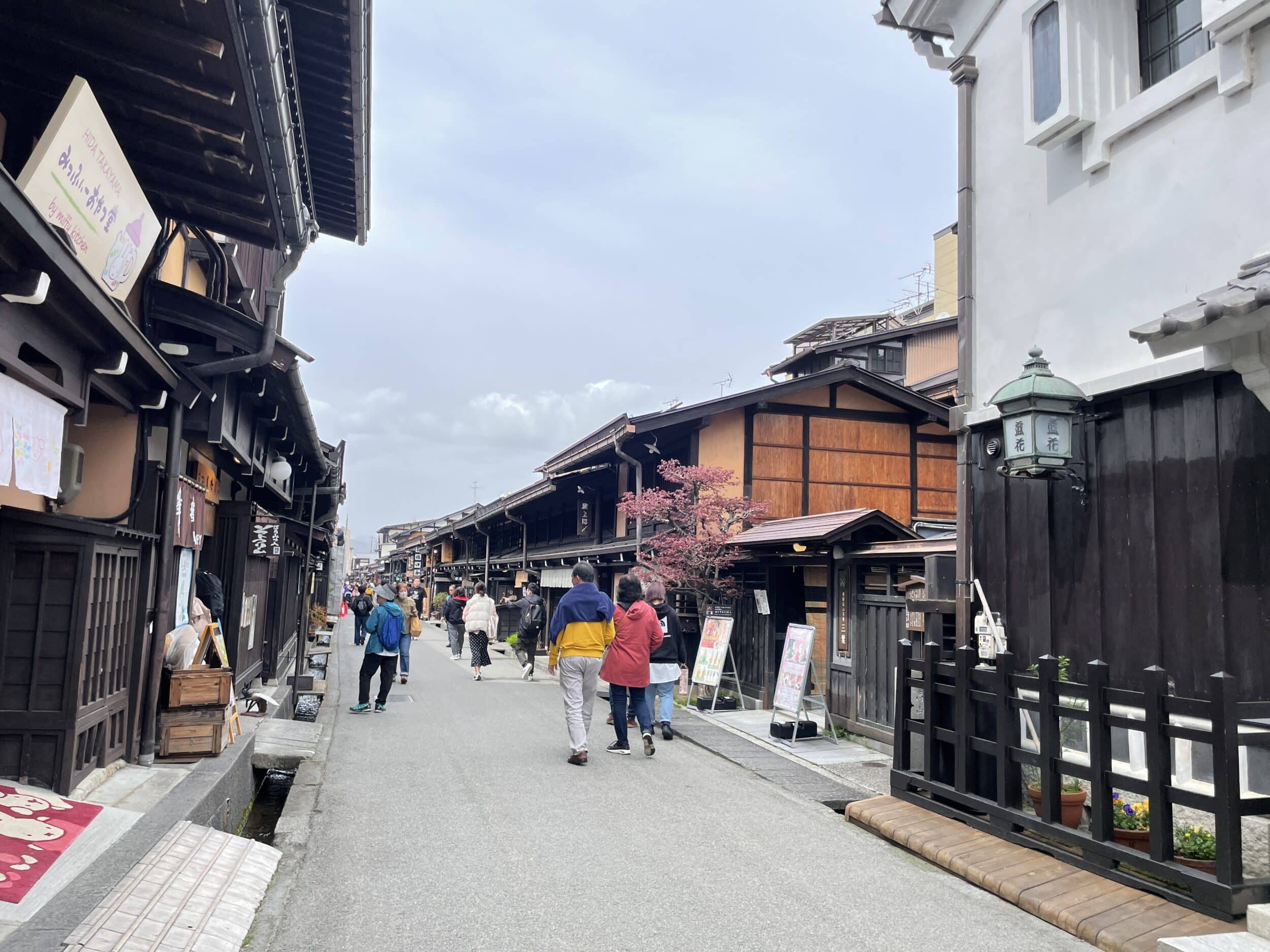
Then, there are just 2 streets with traditional houses, full of tourists, impossible to miss!
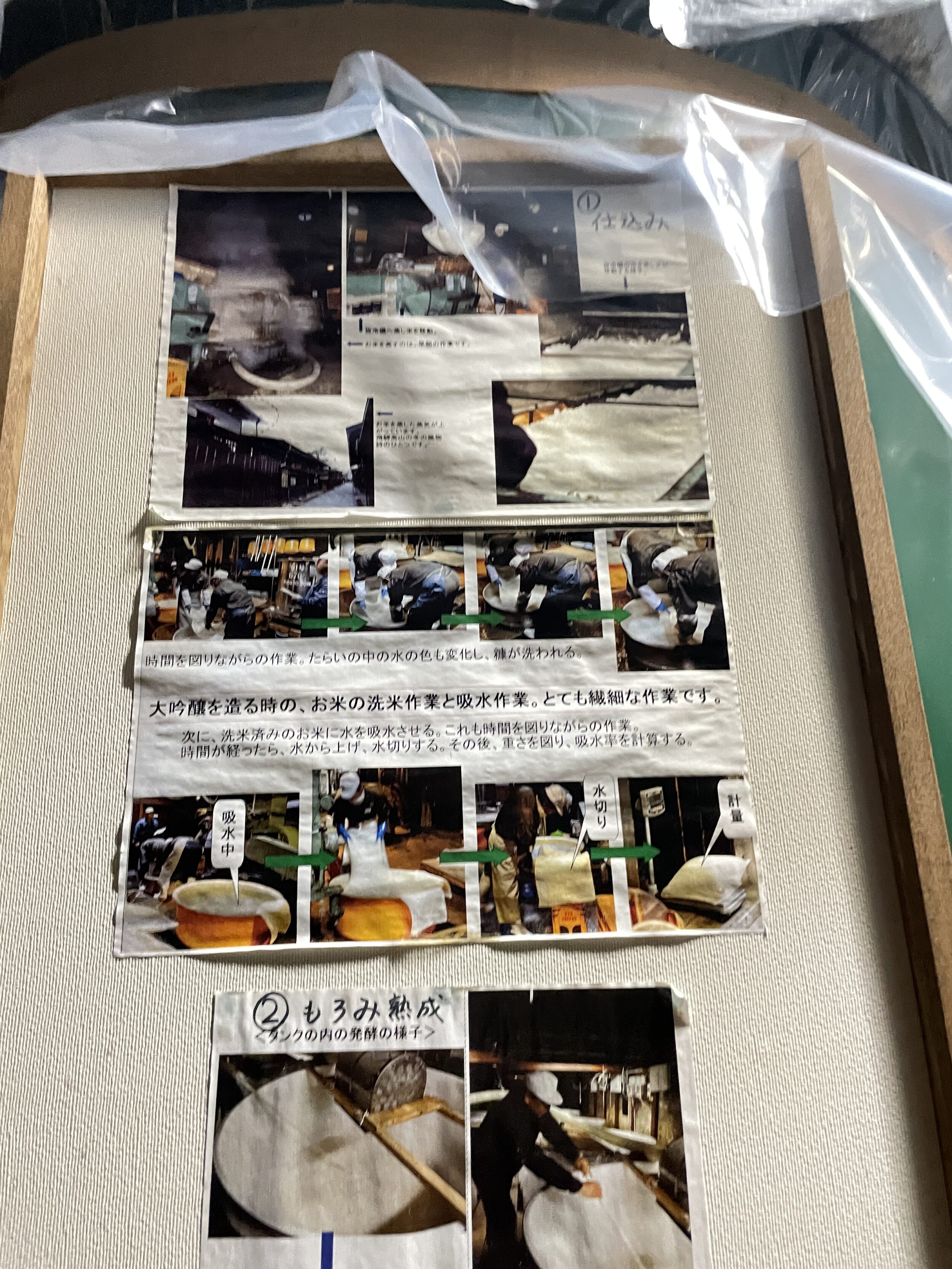
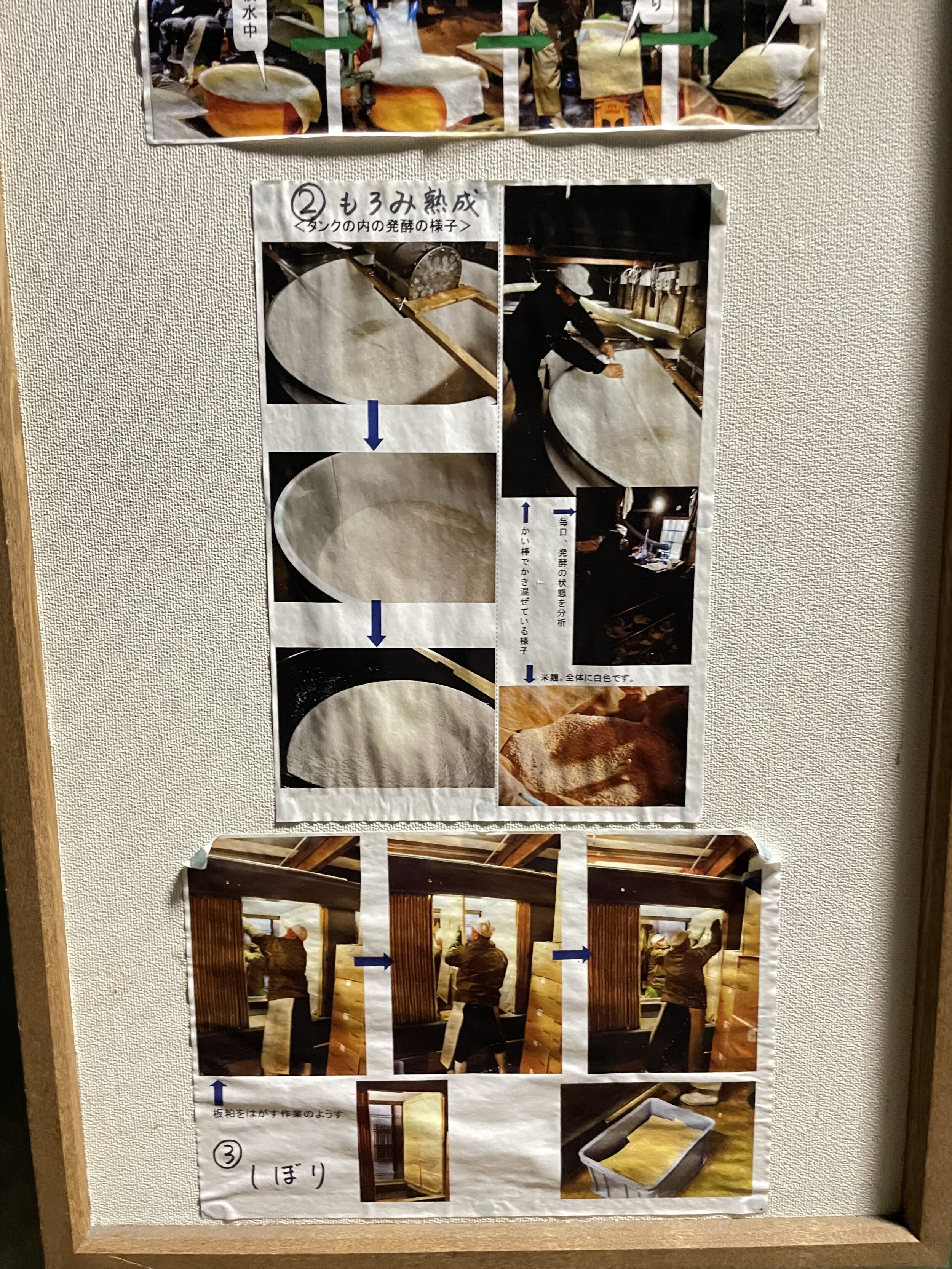
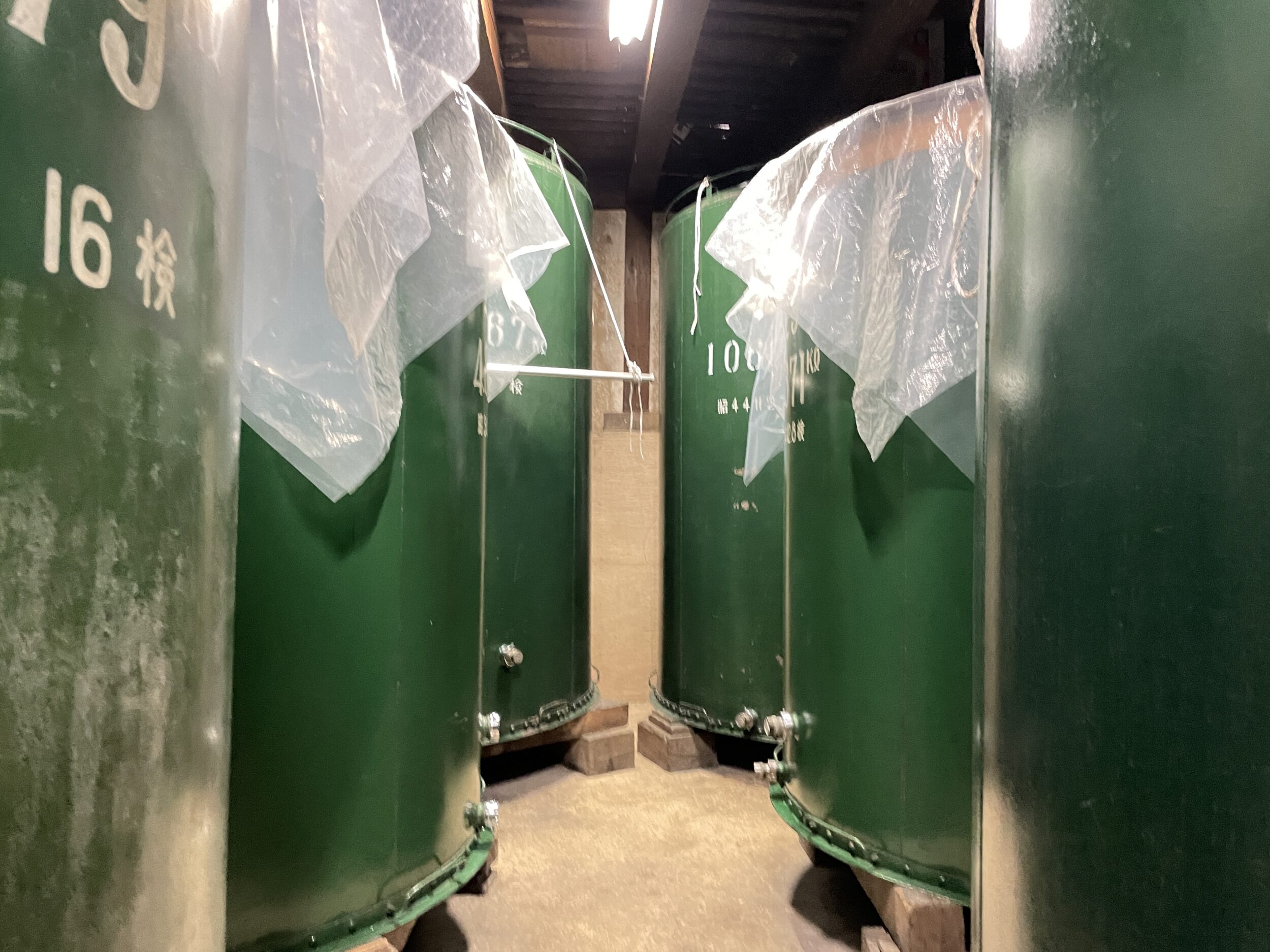
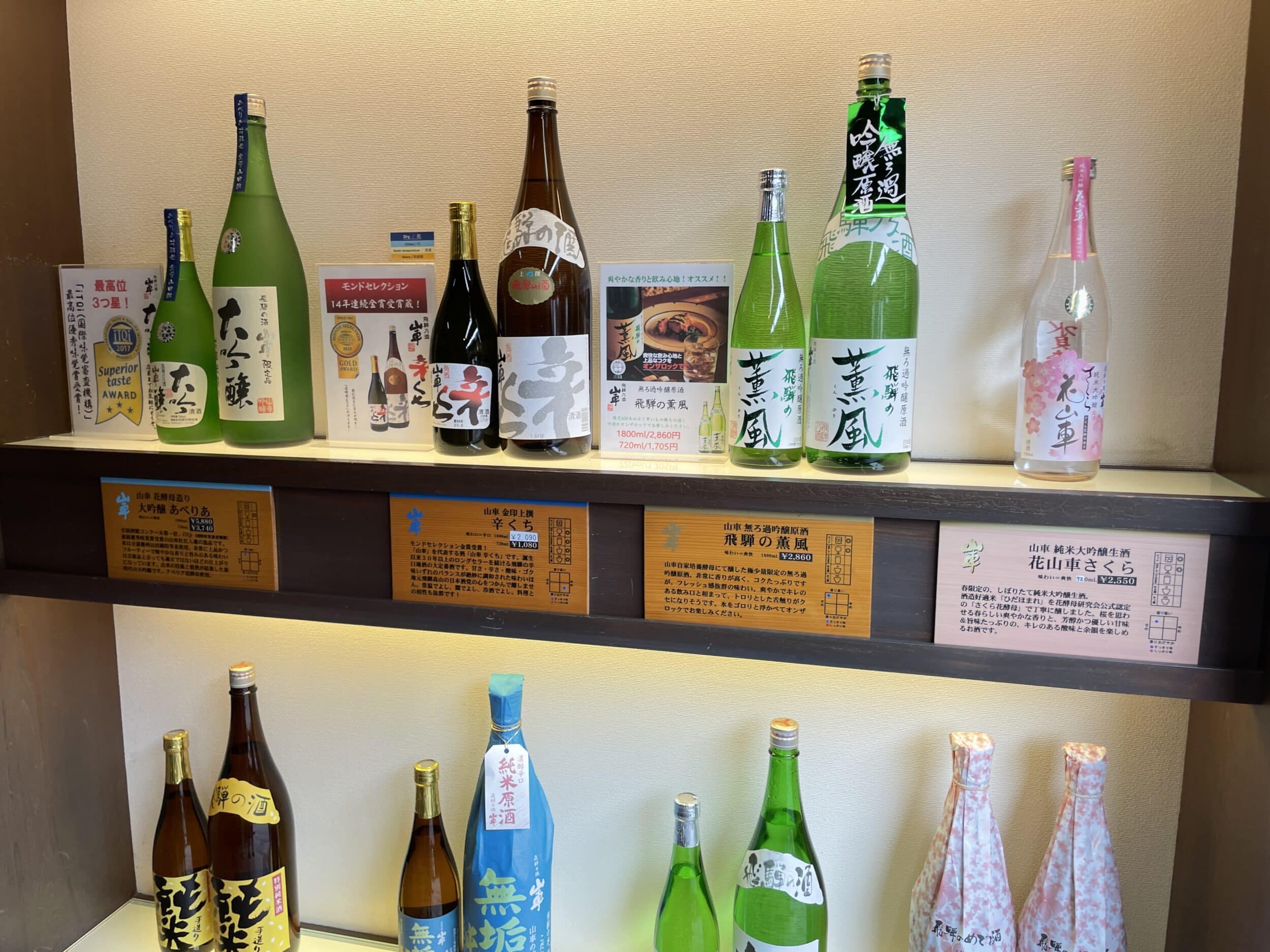
We visited the Funasaka Sake Brewery and I’m disappointed not to have seen employees working. I don’t know the production process at all and would have liked a visual explanation, but the only one we get comes from these photos stuck in a room filled with huge barrels. The people are happy, though, because for 1000 yen, they can taste about ten sake samples.
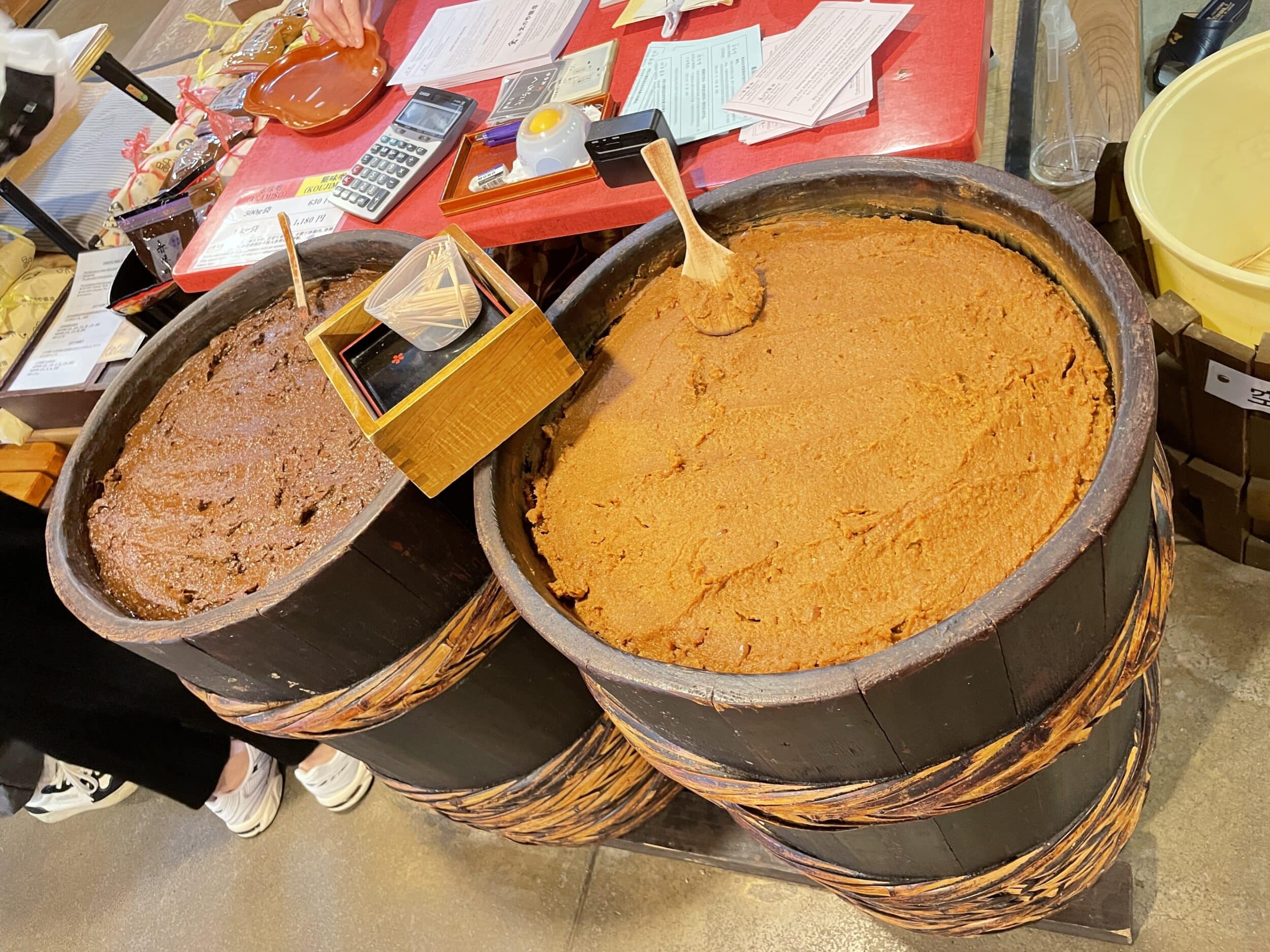
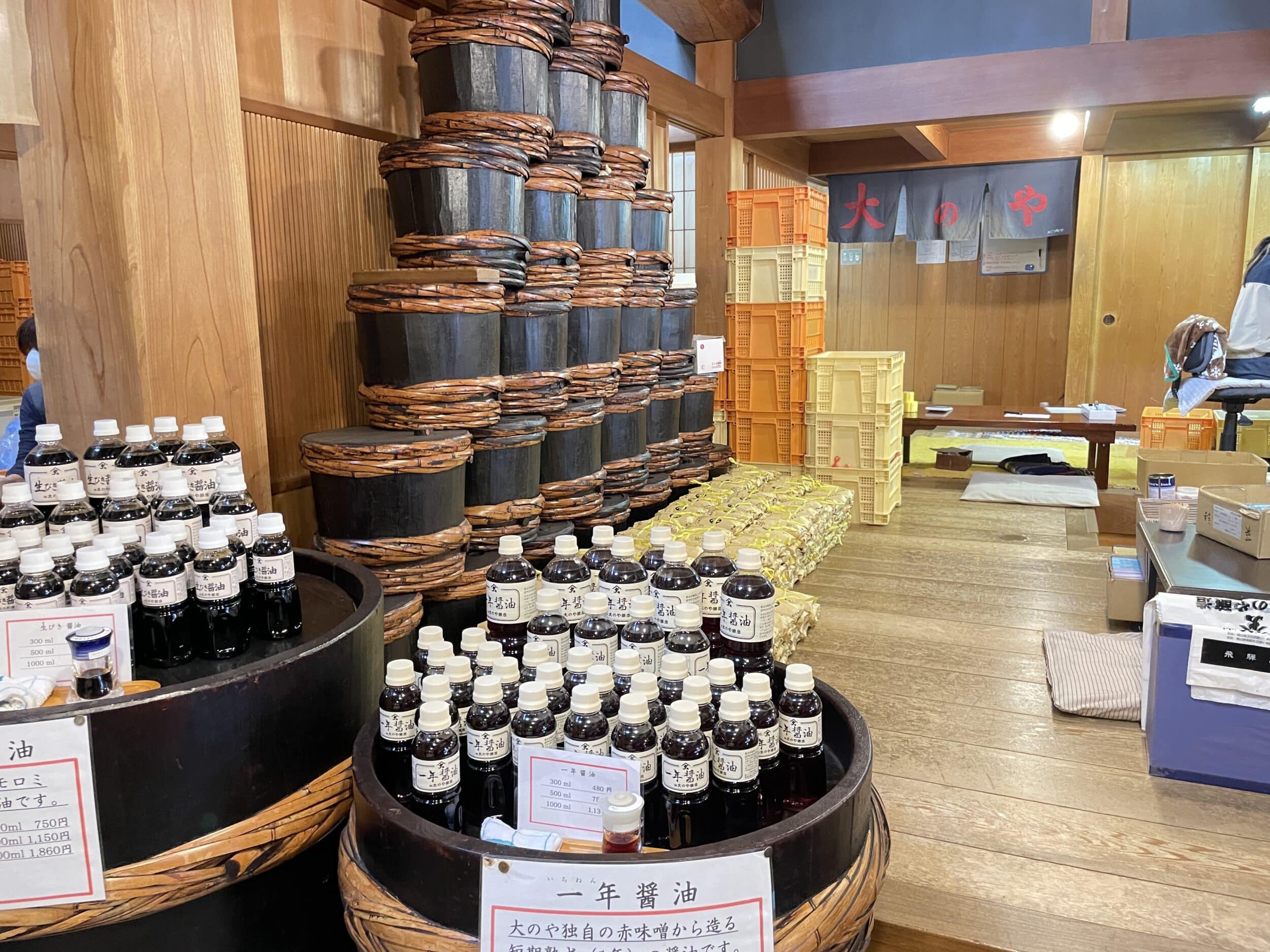
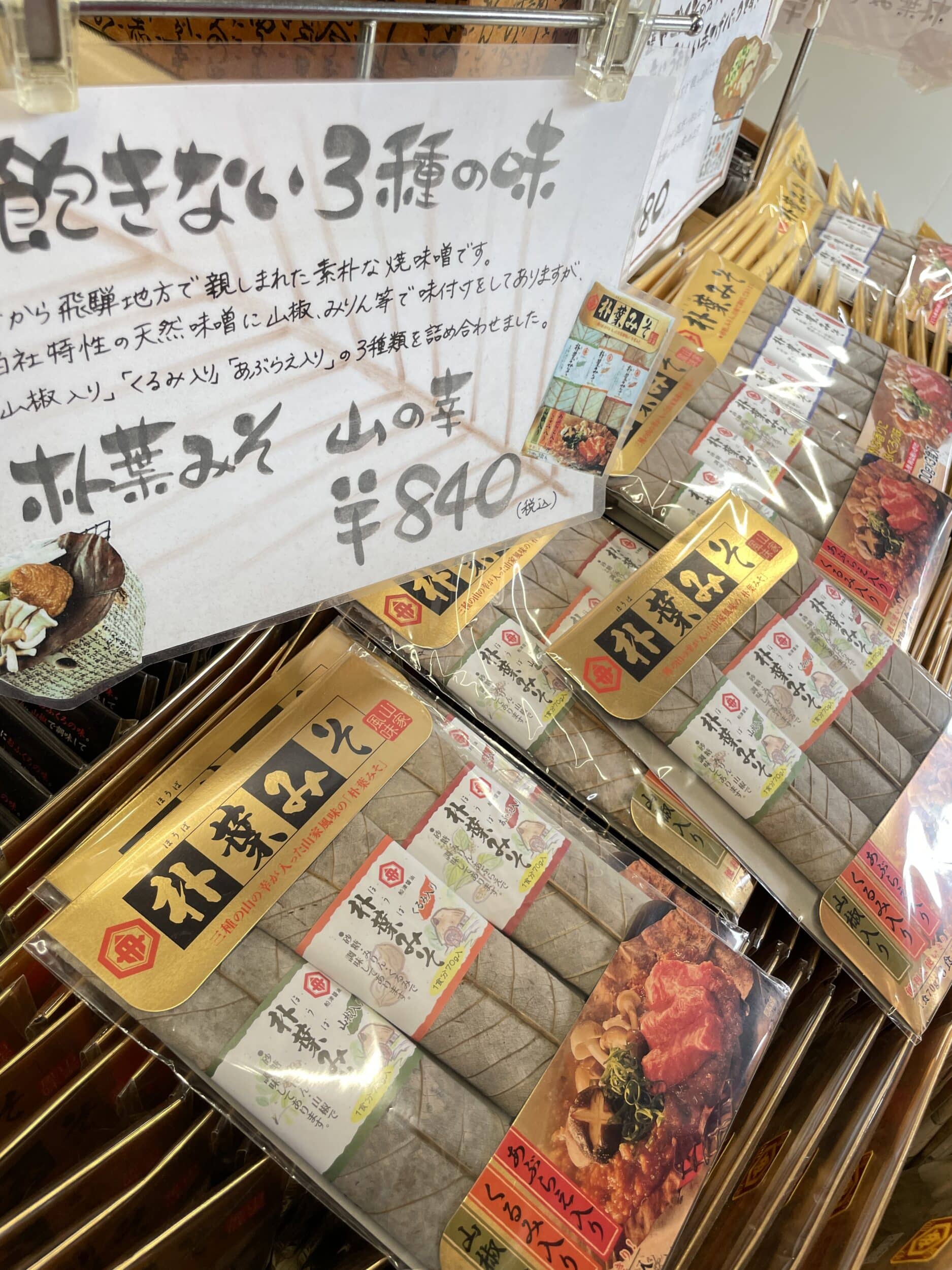
We then come across a shop selling miso and soy sauces. These products are sold in sets, like luxury goods. But I admit that the miso from this region appeals to me; I find it very flavorful.
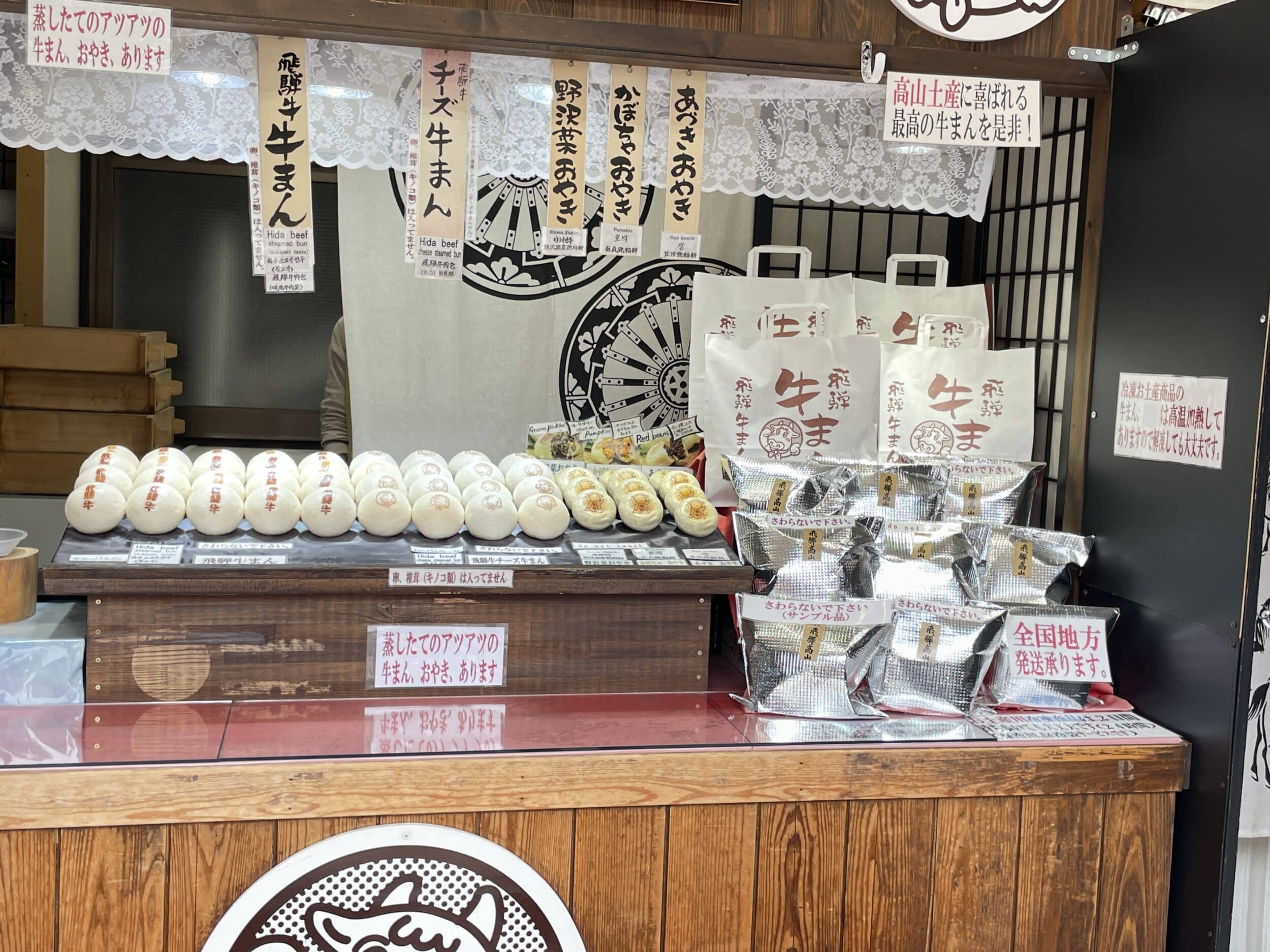
The sight of the bao perfectly round makes us so hungry. These baos contain hida beef. Sure, it’s good but not as good as Vietnamese bao.
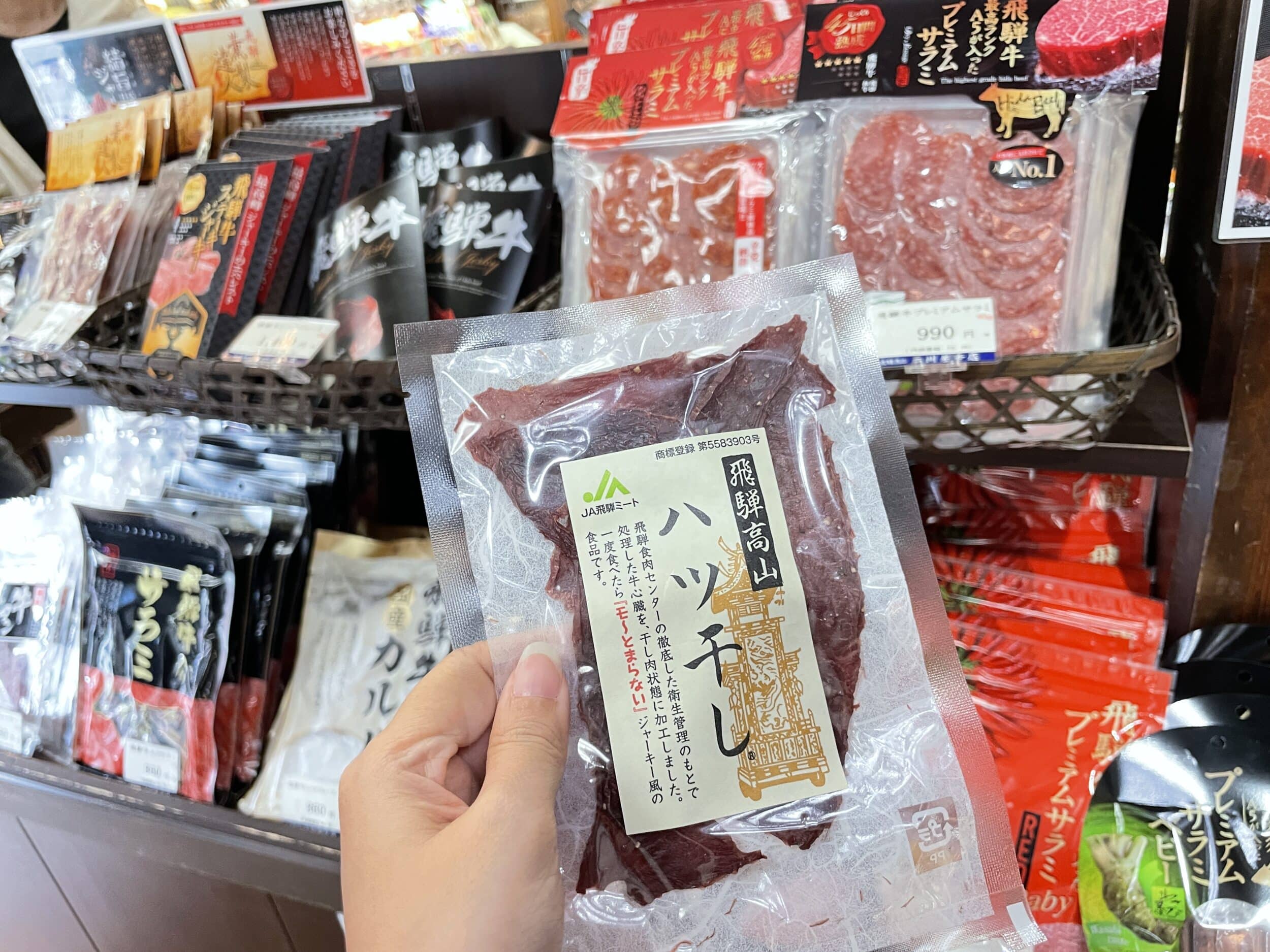
I jump for joy seeing dried beef (from Hida, of course, a regional specialty). It’s expensive (700 yen for 25g) but very good. I think I can pay less in a less touristy shop.
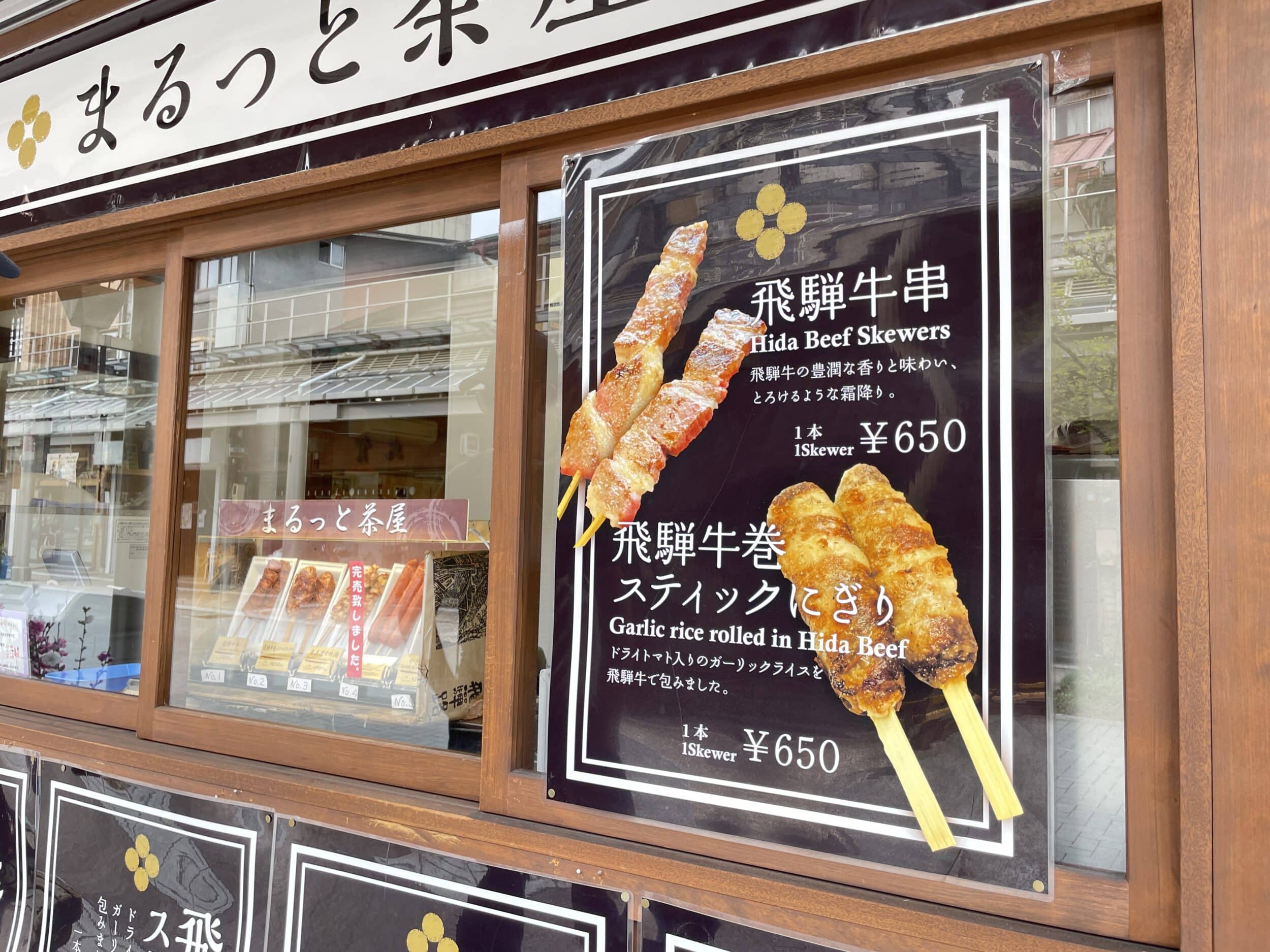
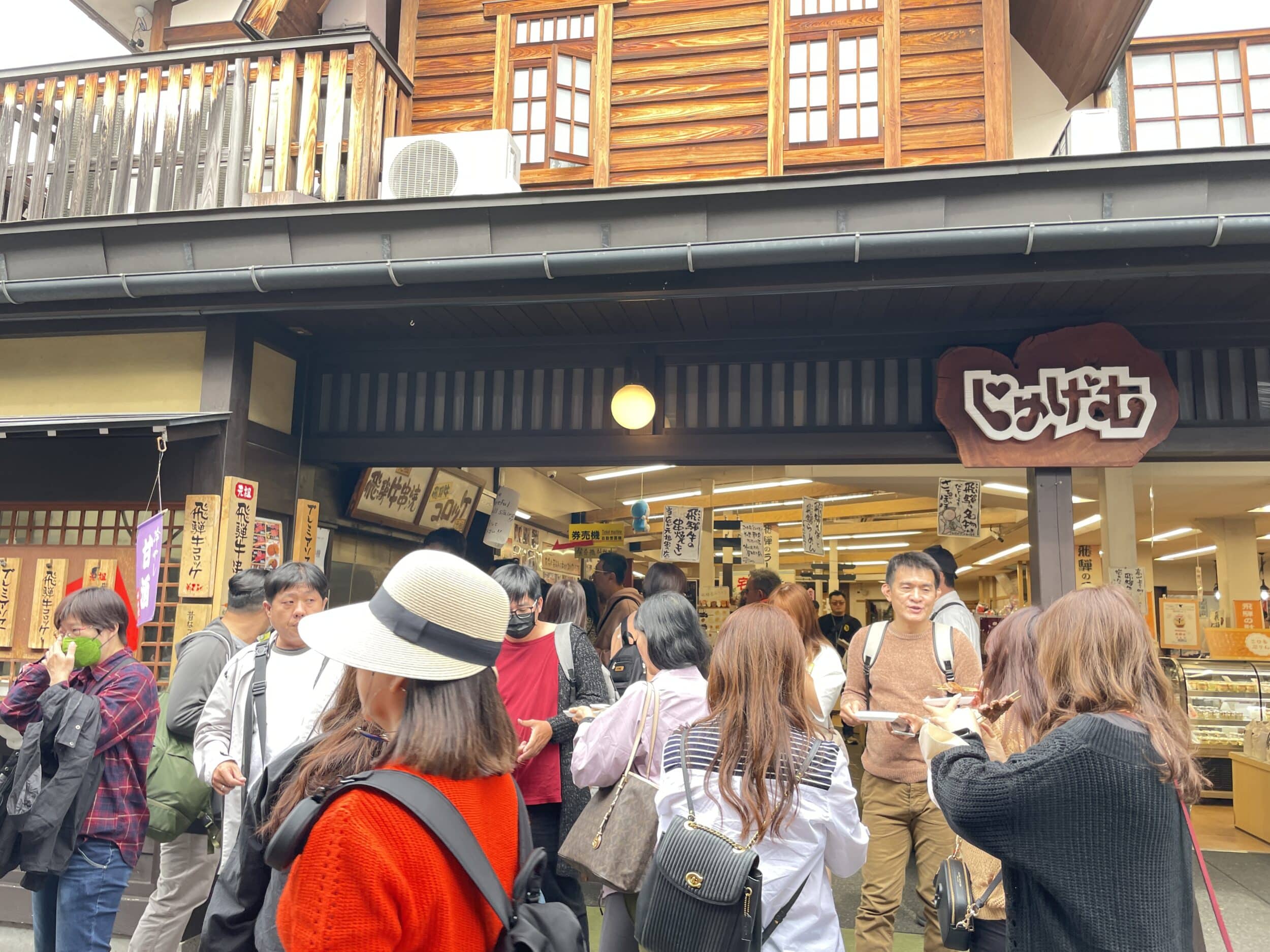
There are always lots of people in front of skewer stalls. The photos show 2 skewers but the price is only for one, so be careful!
There are cooking kits sold everywhere. Here, for example, hoba miso, just waiting for a few slices of beef and a barbecue.
We’re hungry, we’re thirsty, and we’re desperately looking for Cafe Ao. We’ll finally find it, but it’s closed!
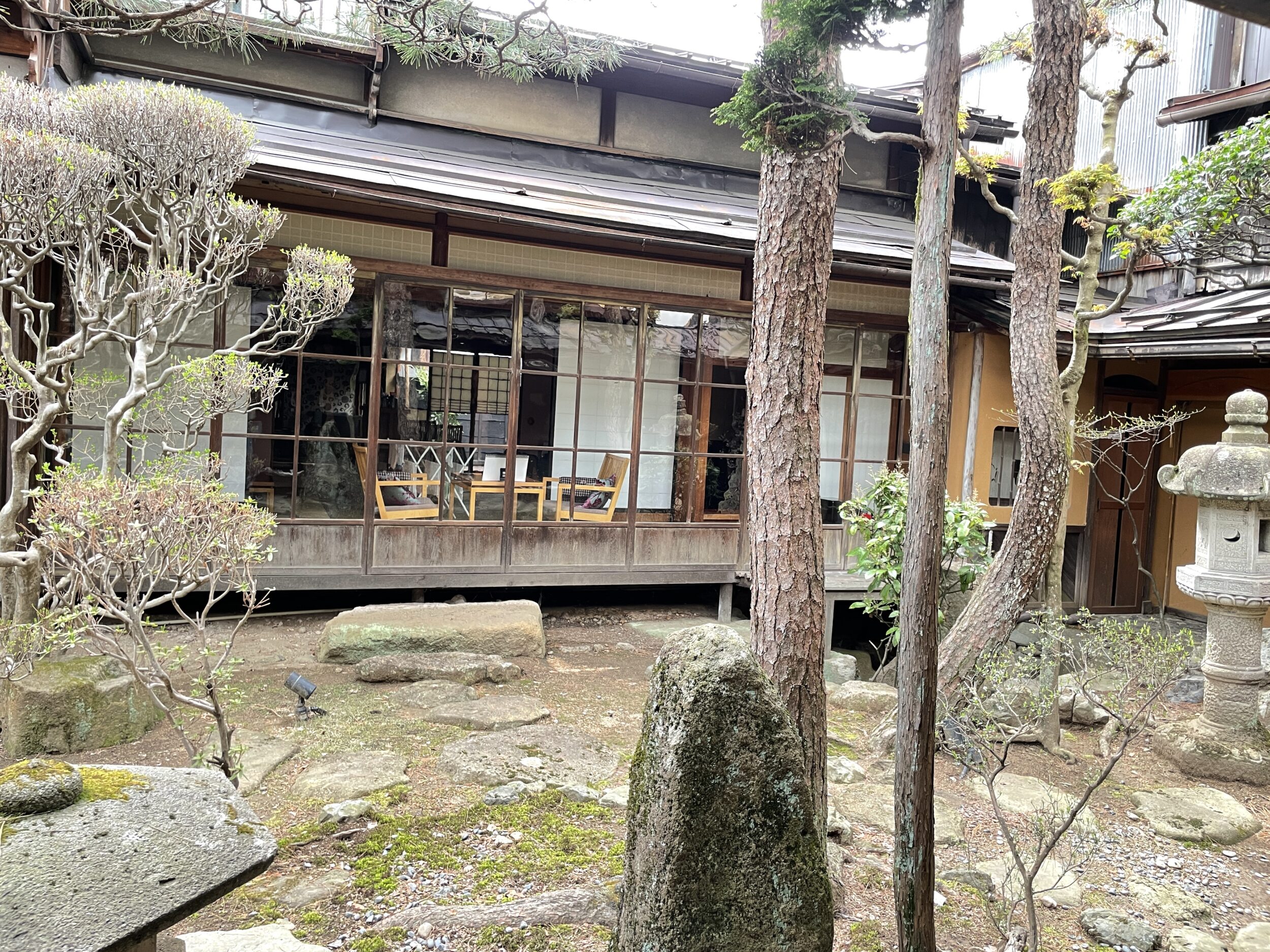
The other café next door is poorly rated, but very pretty.
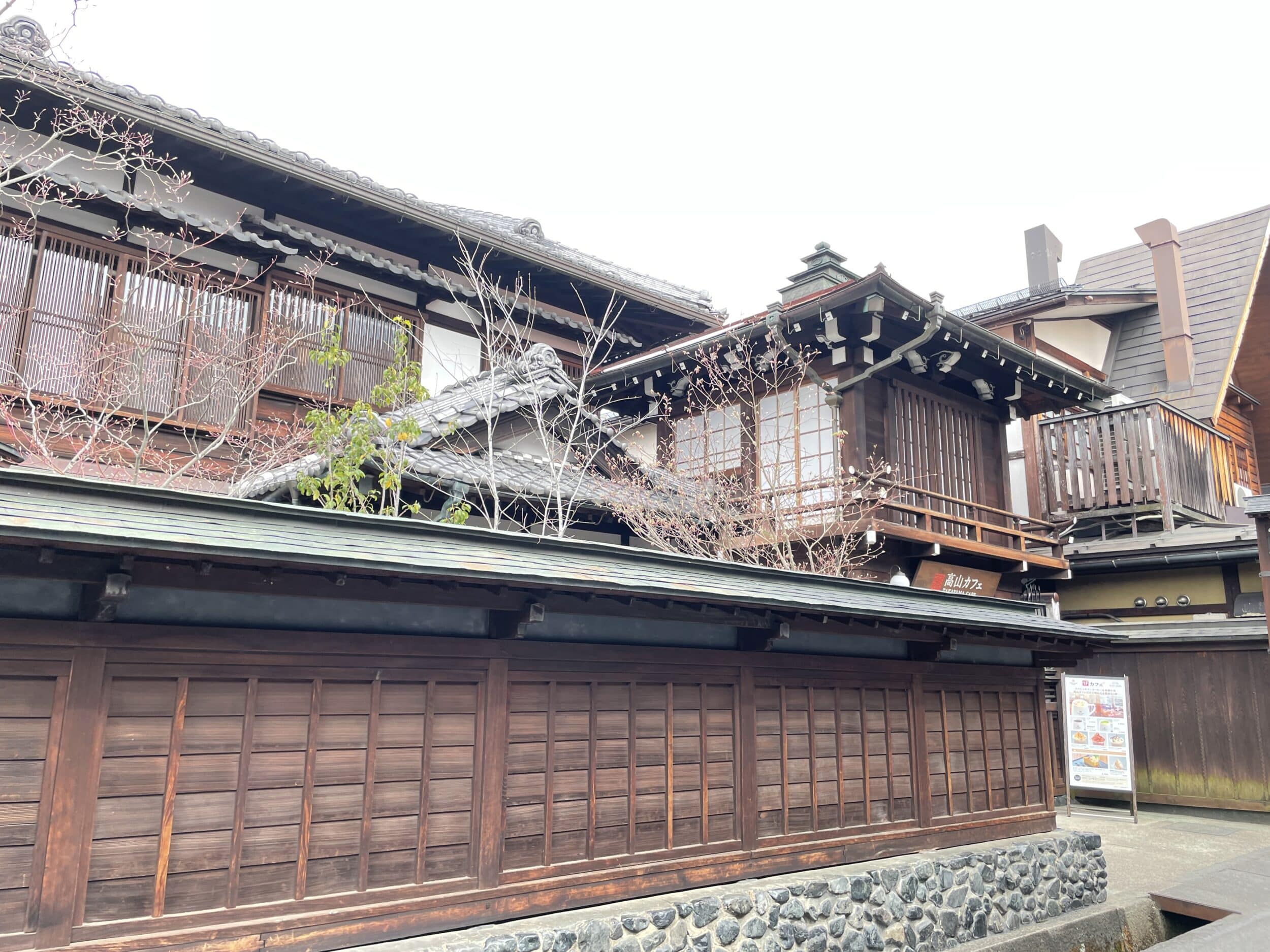
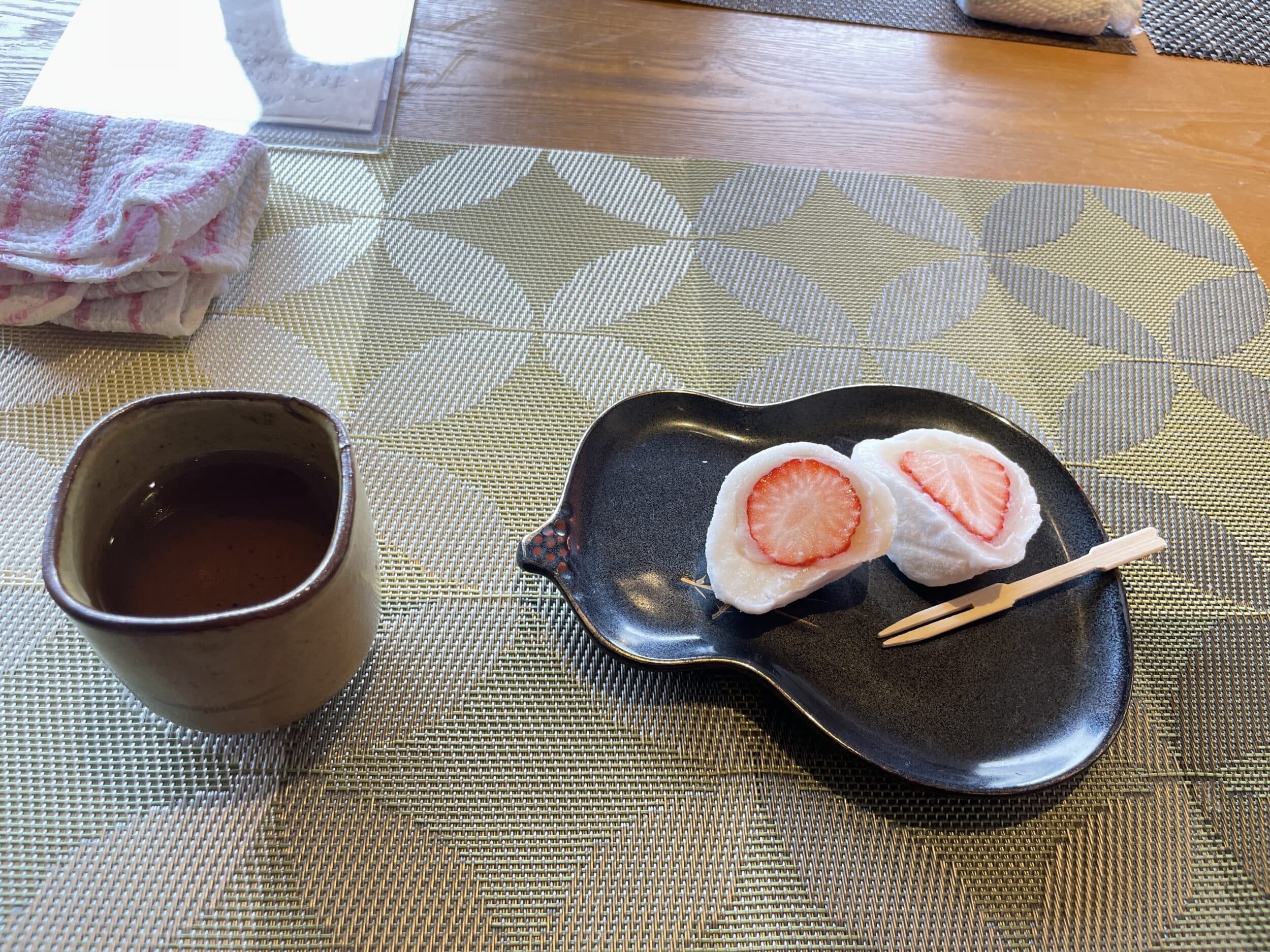
JB suggests leaving the city center to eat the “best mochi in town” (according to Google reviews), a few minutes away by car. And he’s right since we’ll have an incredible experience worthy of luxury service. The artisan making mochis serves us with such perfection that we wish it were always the case everywhere in the world. The plates and bowls are chosen with care. By opting for the matcha set, we get a matcha tea + a green tea + a mochi of choice (we took strawberry mochi). As you can see, the strawberry is fresh and inside the mochi.
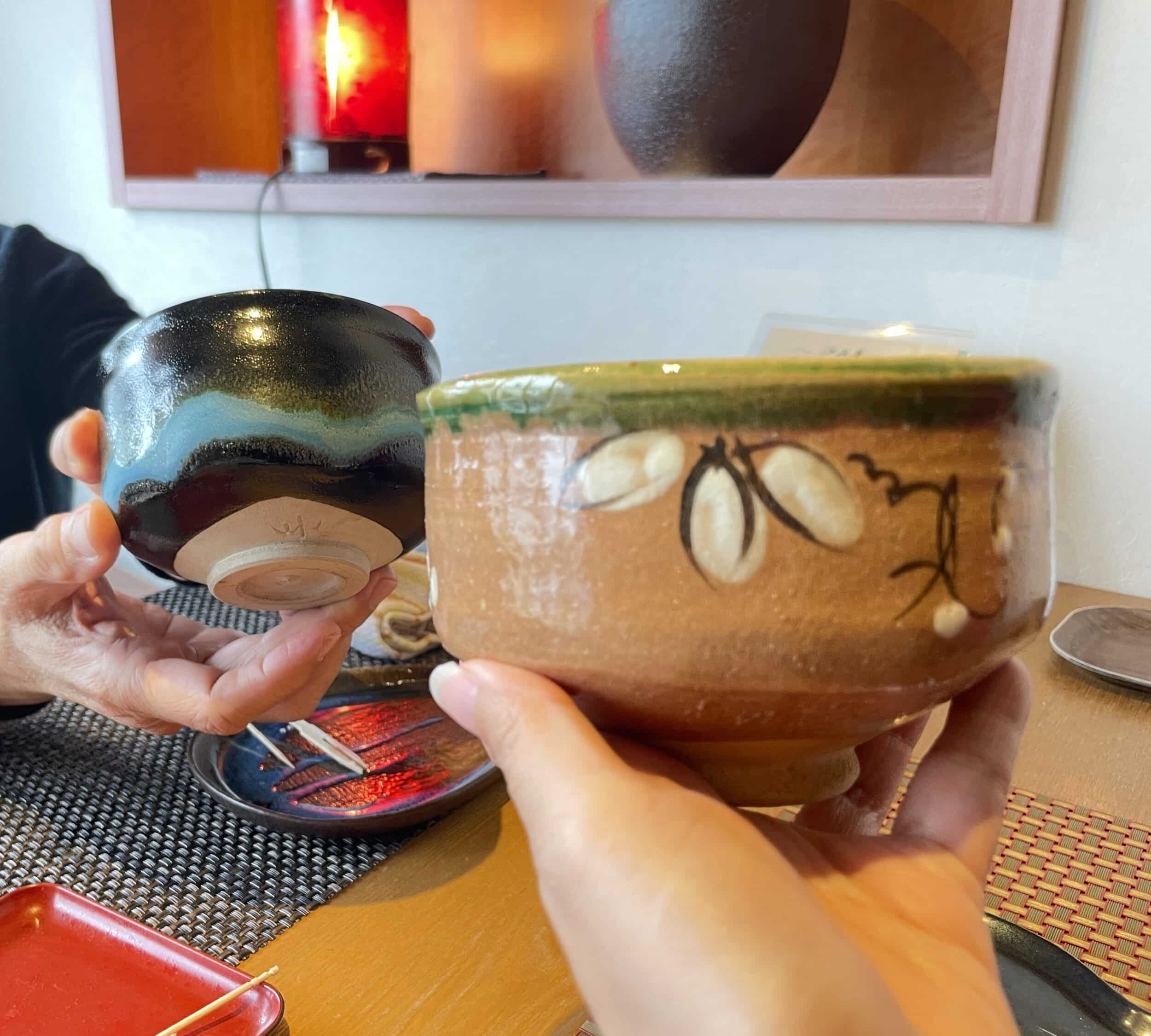
He also gives us samples to try and takes the time needed to explain the ingredients. We felt like we were in a tea house not a pastry shop.
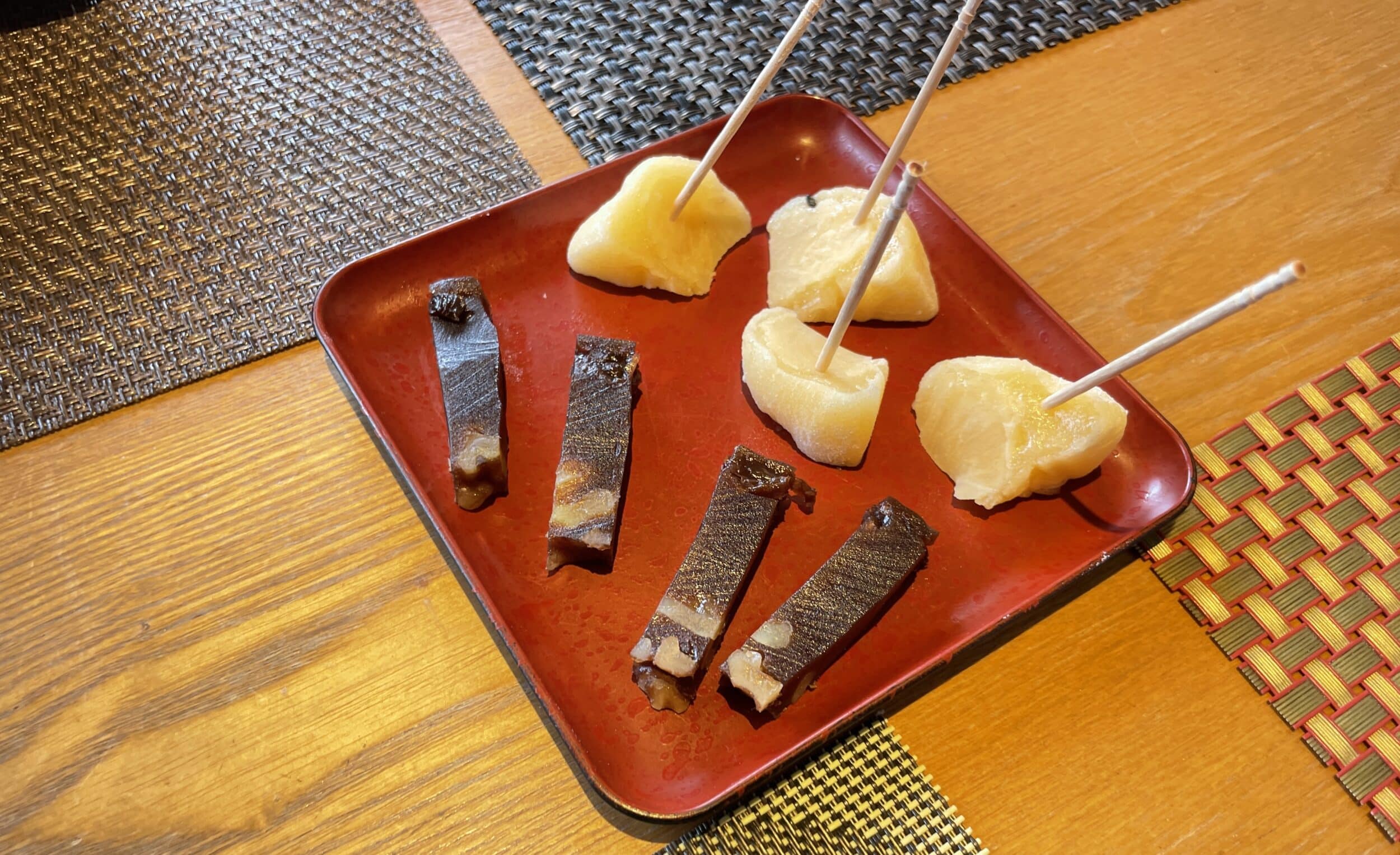
Alright, I’ll give you the name of the shop: Japanese sweets hiyoko-an, Google maps link. We leave with 8 perfectly wrapped mochis + lots of gifts.
We check into the hotel. Ours has an onsen on the 9th floor, which includes a public bath inside and a public bath outside. This time, there are no private onsens, so if you’re modest, it’s better to go in the afternoon, or very early/late.
Dinner
There was a big annual festival in Takayama two days ago, so the restaurant owners seem to be still very tired. We had to try 3-4 other restaurants and got refused again and again (sometimes, we see plenty of empty seats but they kindly tell us to go elsewhere). We end up in a poorly rated restaurant in front of the station, with food worthy of a (good) Japanese restaurant in Paris. But it’ll do; it’s better than settling for 7-Eleven rice balls 😀
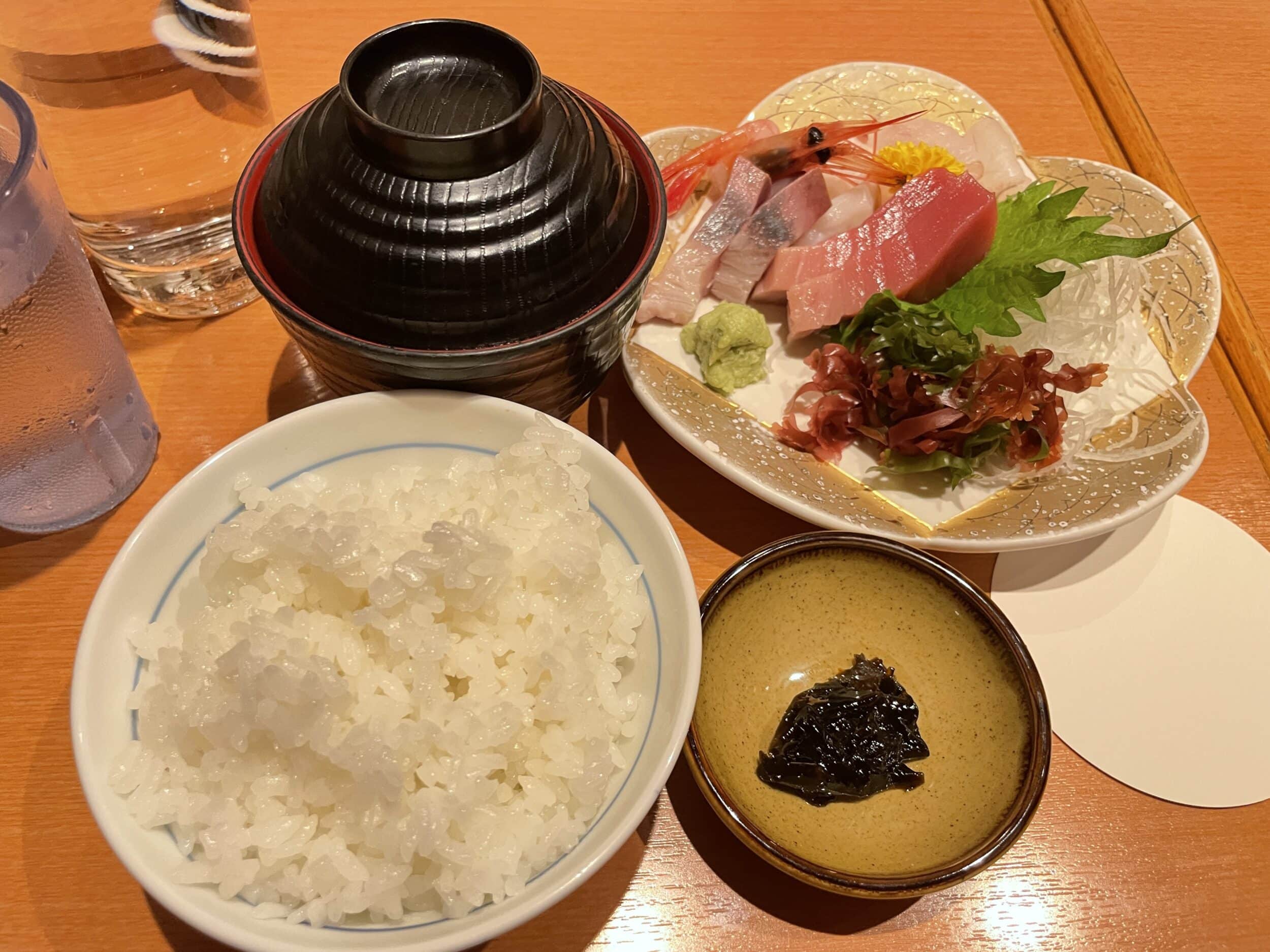
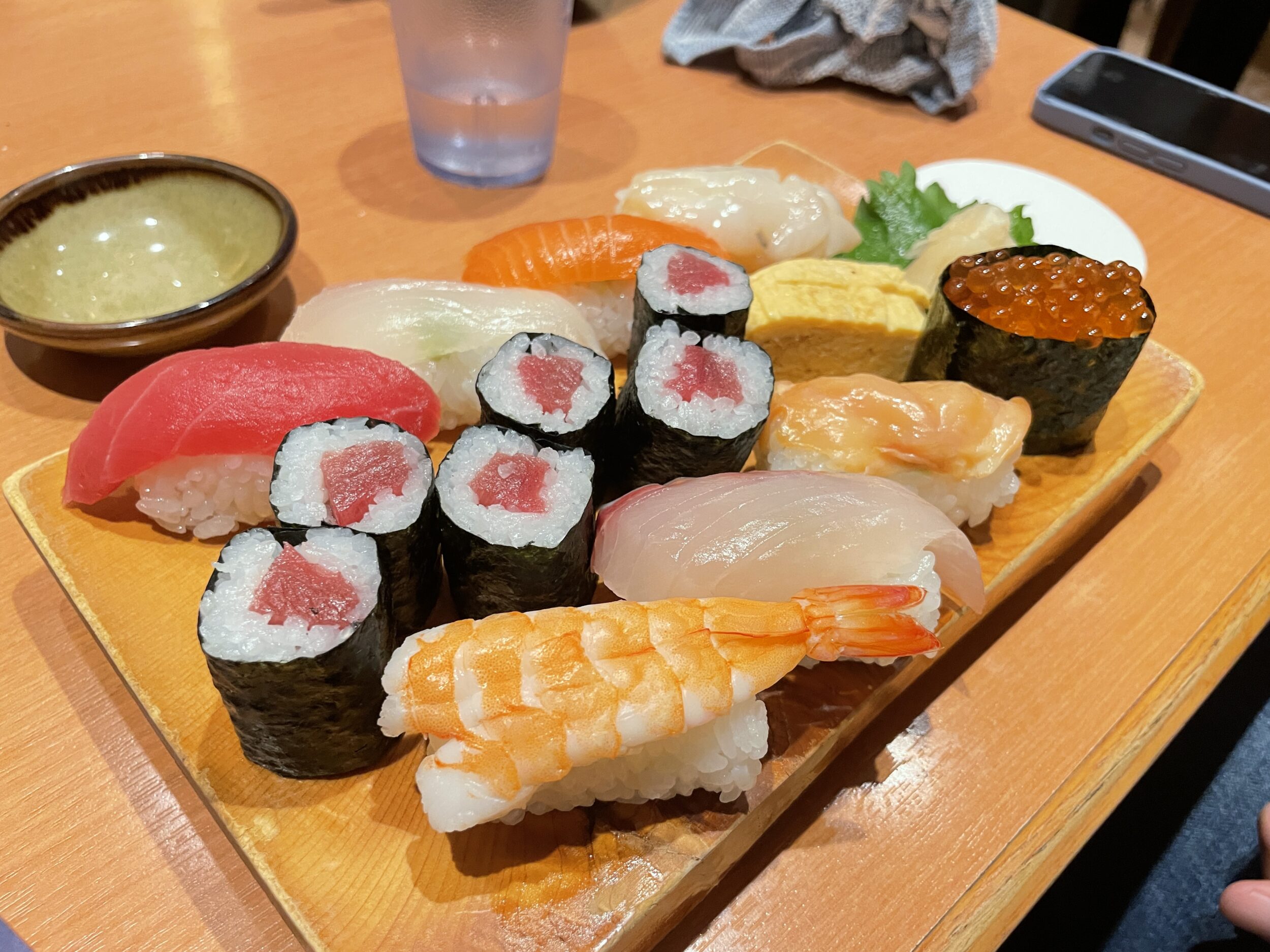
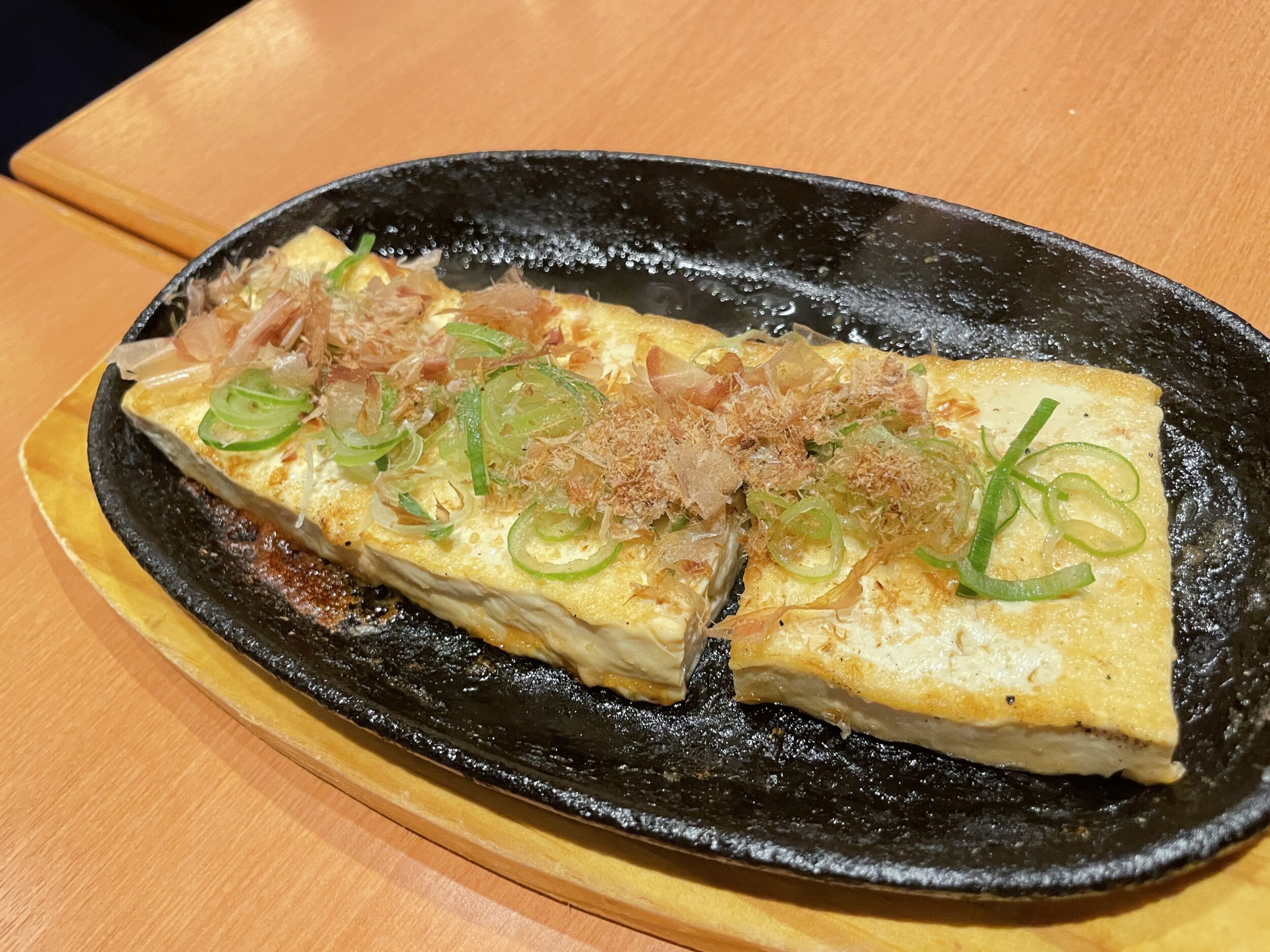
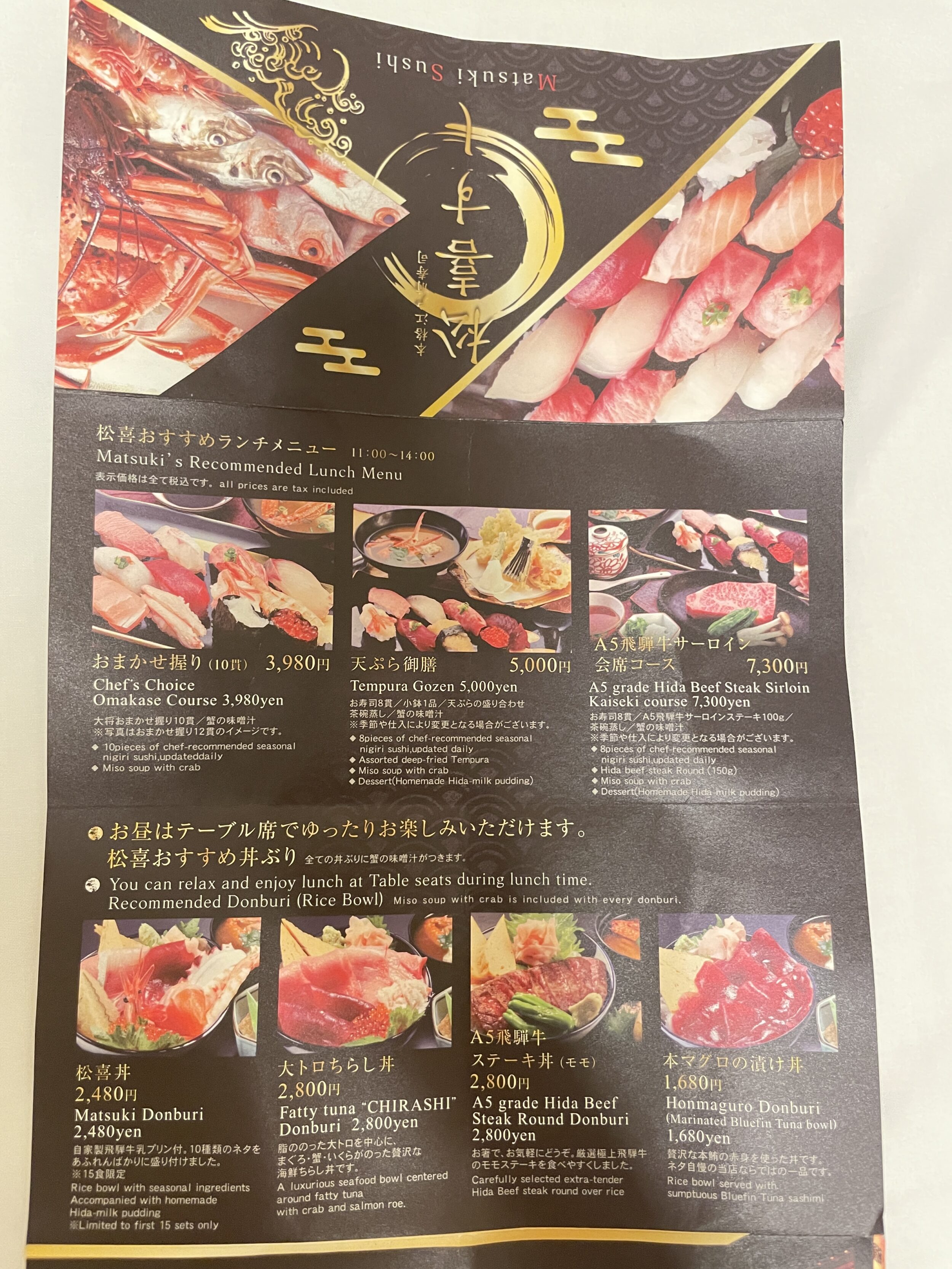
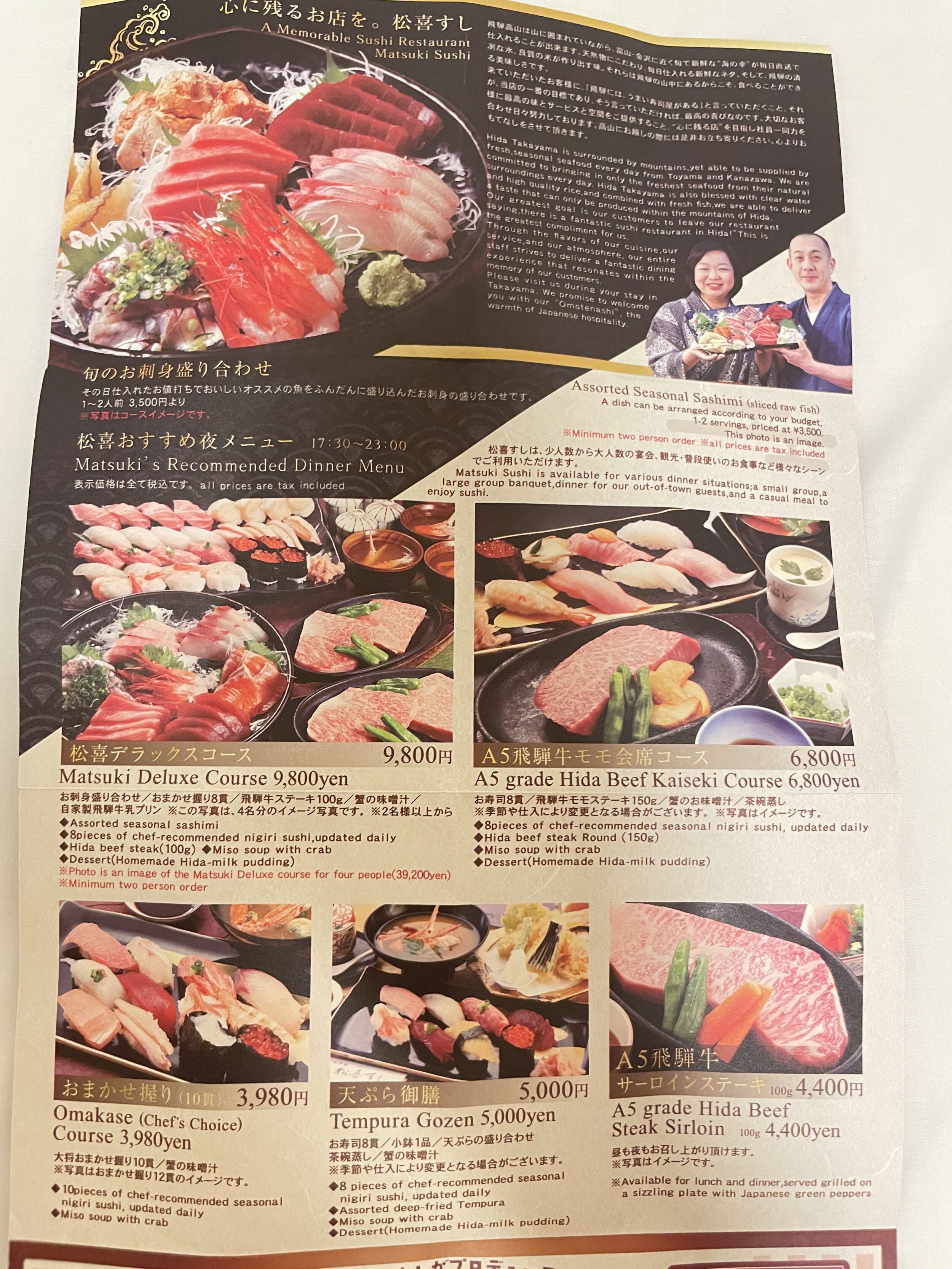
I’ll give you the flyer from a tourist restaurant: Matsuki Sushi (which we didn’t try) so you can get an idea of the prices.
Tomorrow, we’ll continue to be in the mountains.
Part 2: Practical Tips
The detailed itinerary of our road trip is available here
- Public foot bath: 100 yen/person
- Hotel: Spa Hotel Alpina Hida Takayama, expect 20,000 yen/double room (booking link) + 350 yen/person taxes
- Street skewers: 600 yen/unit
- Mochi: 350 yen/unit. Matcha + mochi set: 600 yen
- Parking in Takayama city center: 800yen for 2 hours
- Parking at our hotel in Takayama: 1000yen for 24 hours
- Dinner: 4000yen for two

