
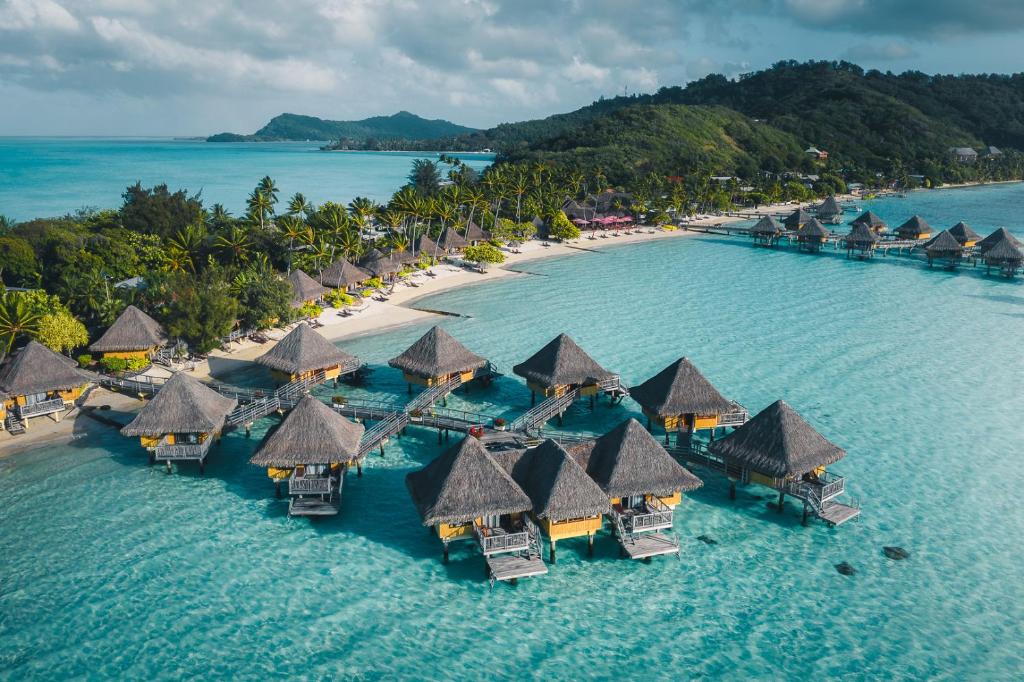
3 nights in Bora Bora: Manta Ray, Overwater Bungalow & Matira Beach – French Polynesia Road Trip (3/4)
The long-awaited day has arrived: today we’re going to Bora Bora, the dream destination. The name Bora Bora evokes the same things in the imagination as the Maldives or the Seychelles – it’s synonymous with paradise, the end of the world, destinations for the rich, overwater bungalows, 5-star hotels…
Part 1: Travel Journal
Part 2: Practical Tips
Part 1: Travel Journal
One of my dreams is to spend at least one night in an overwater bungalow. And Bora Bora = Bungalows (in my imagination). Thanks to miles American Express, we could have treated ourselves to a night in a bungalow at Westin Bora Bora (Booking link) or St Regis Bora Bora (Booking link) especially since we’re also Marriott Gold. I even wrote in my “law of attraction” goals (1) a night in a bungalow at St Regis Bora Bora (2) good weather in Bora Bora every day for weeks. I realized that St-Regis was just a click away, and for that kind of dream, you don’t need to dream – you just need to enter your credit card number. We booked a night at St Regis Bora Bora with our points. But as I’ve explained before, the more you write down your goals daily, the more you realize what you want or don’t want.
For St Regis Bora Bora, we had a month to cancel, and I decided to cancel our reservation a few days before the deadline. On the one hand, by writing these daily goals, I realized that I don’t care at all about overwater bungalows (especially since I saw several in Moorea and only the one at Sofitel Moorea appeals to me Booking link), and secondly, I told myself that this amount of money could pay for 10 nights in much more prestigious 5-star hotels in Asia. In exchange, we decided to pay for a day pass at St-Regis (access to the beach, pool, non-motorized activities + lunch), plus an extra payment for transport from the main island (I talked about it here). Unfortunately, when we tried to book it, we were told to call back a week before the date. And a week before, we tried to book but no one answered the email, so the desired date was already full by the time we reached them via another email.
The prestigious 5-star hotels in Bora Bora are located on motus (private islets) surrounding the main island.
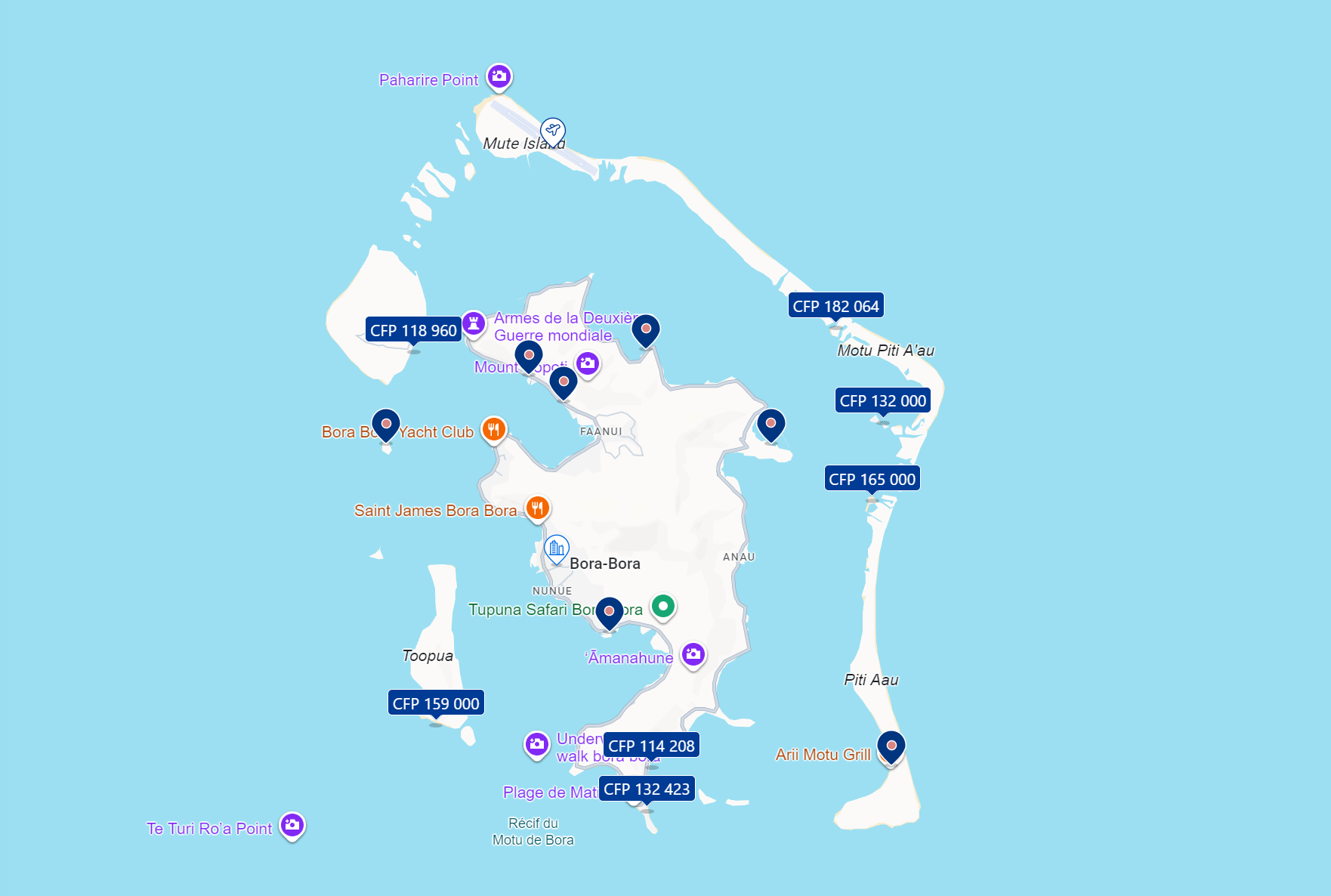
4 days before our arrival, JB called all the luxury hotels and they refused one after another to sell us day pass. These are only offered when the hotel’s occupancy rate is low. In September and October, the hotels are almost full, so no day pass. These hotels maintain a certain exclusivity, unlike in Tahiti where 5-star hotels deliberately create special buffets on weekends to attract local clientele.
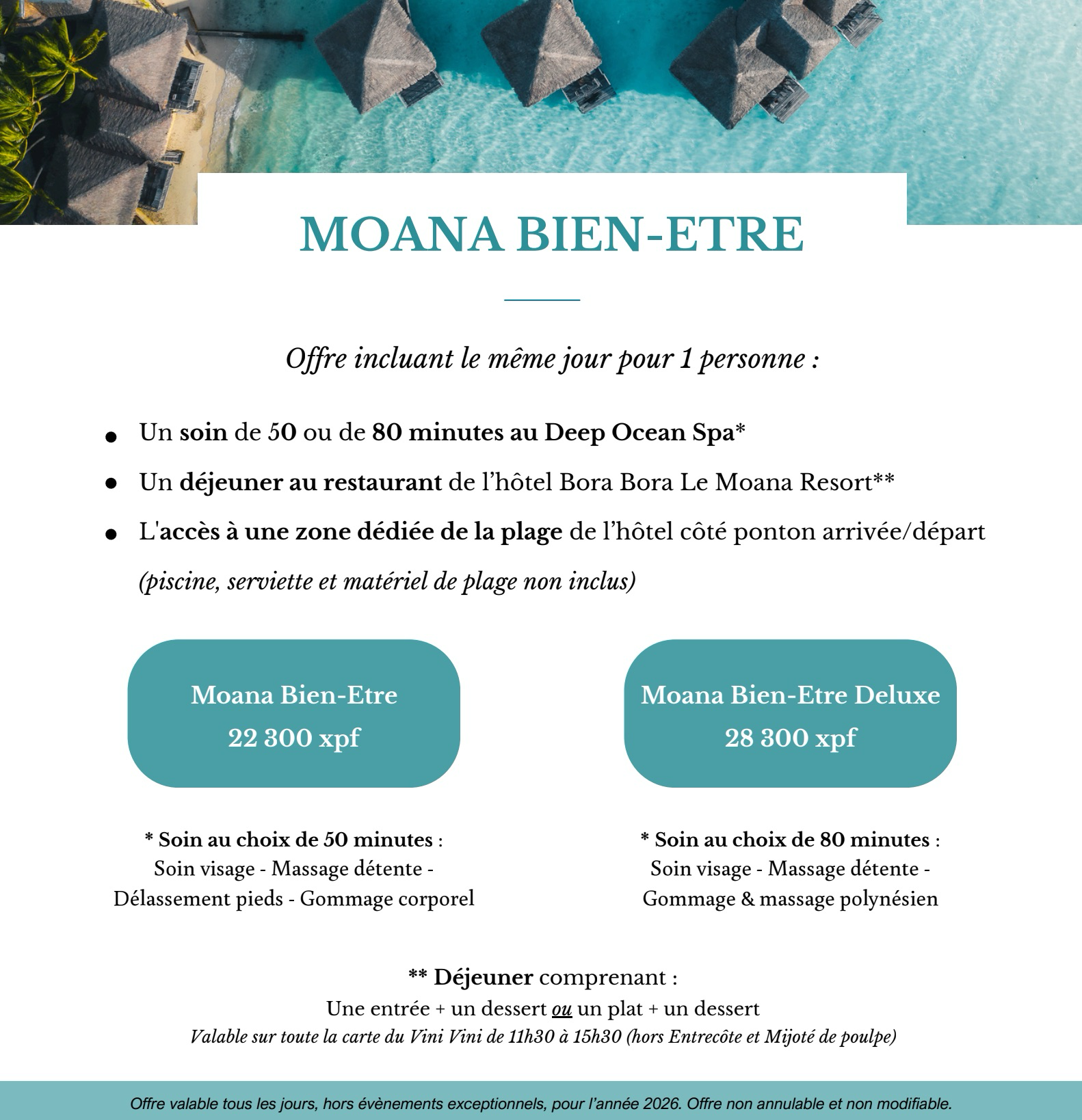
There’s only Intercontinental Moana (4 stars) left, located on the main island, a bit less prestigious but still beach-front with bungalows. They agreed to welcome us in exchange for a wellness package (50-min massage + lunch). Against all weather forecasts, I decided to book this offer on September 7, 2026 because I believe in the law of attraction.
Arrival in Bora Bora
On September 6, we take the ferry at Huahine to Bora Bora. We see dolphins jumping alongside the ferry. The ferry goes through Raiatea then Taha’a before reaching Bora Bora. As we approach Taha’a, we sail along a reef with a color absolutely out of this world. I’ve never seen such a magical color, stretching for miles and miles. I’m glad I put Taha’a at the end of the vacation because with water like that, we’ll end the trip on the best note.
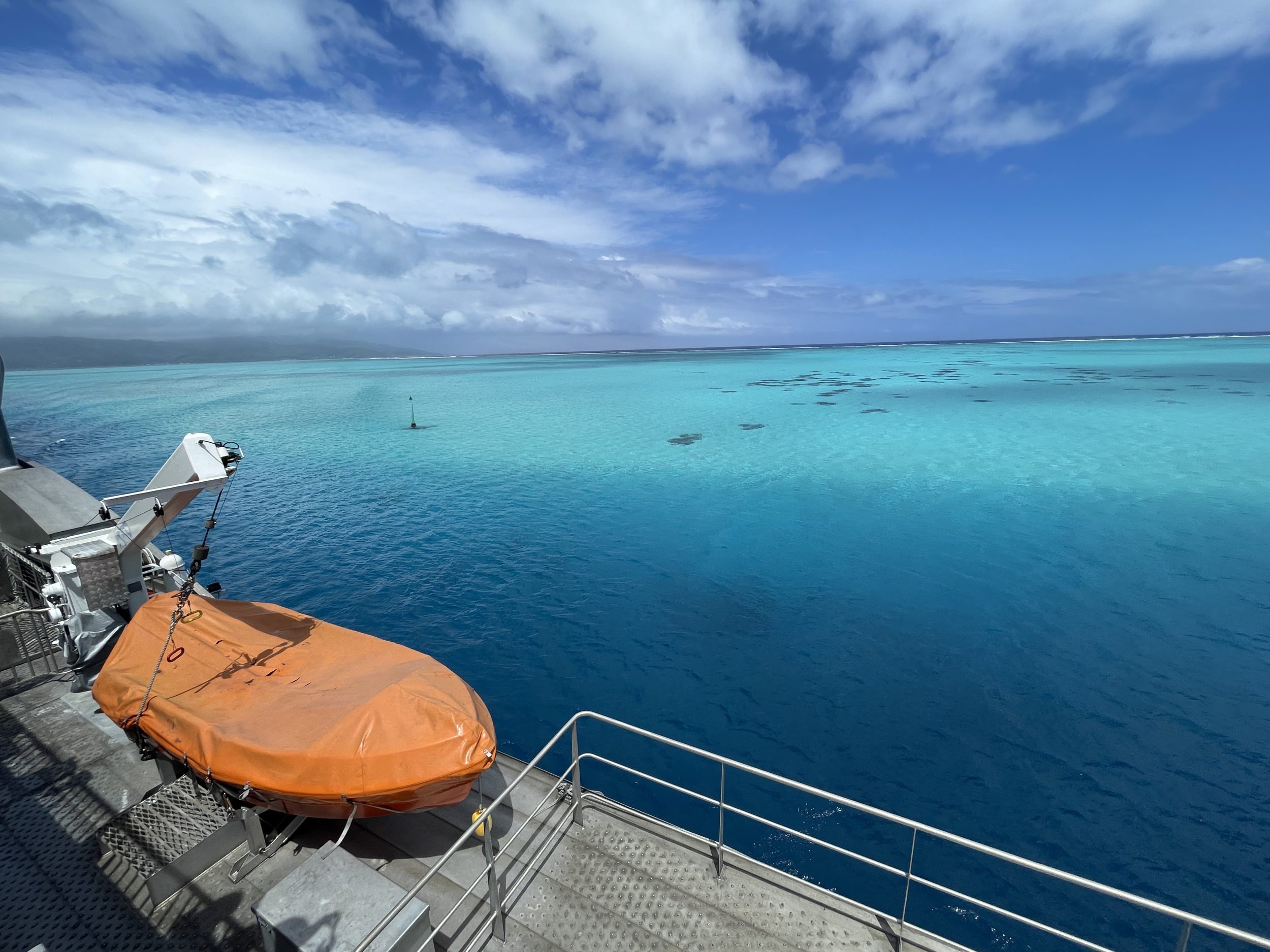
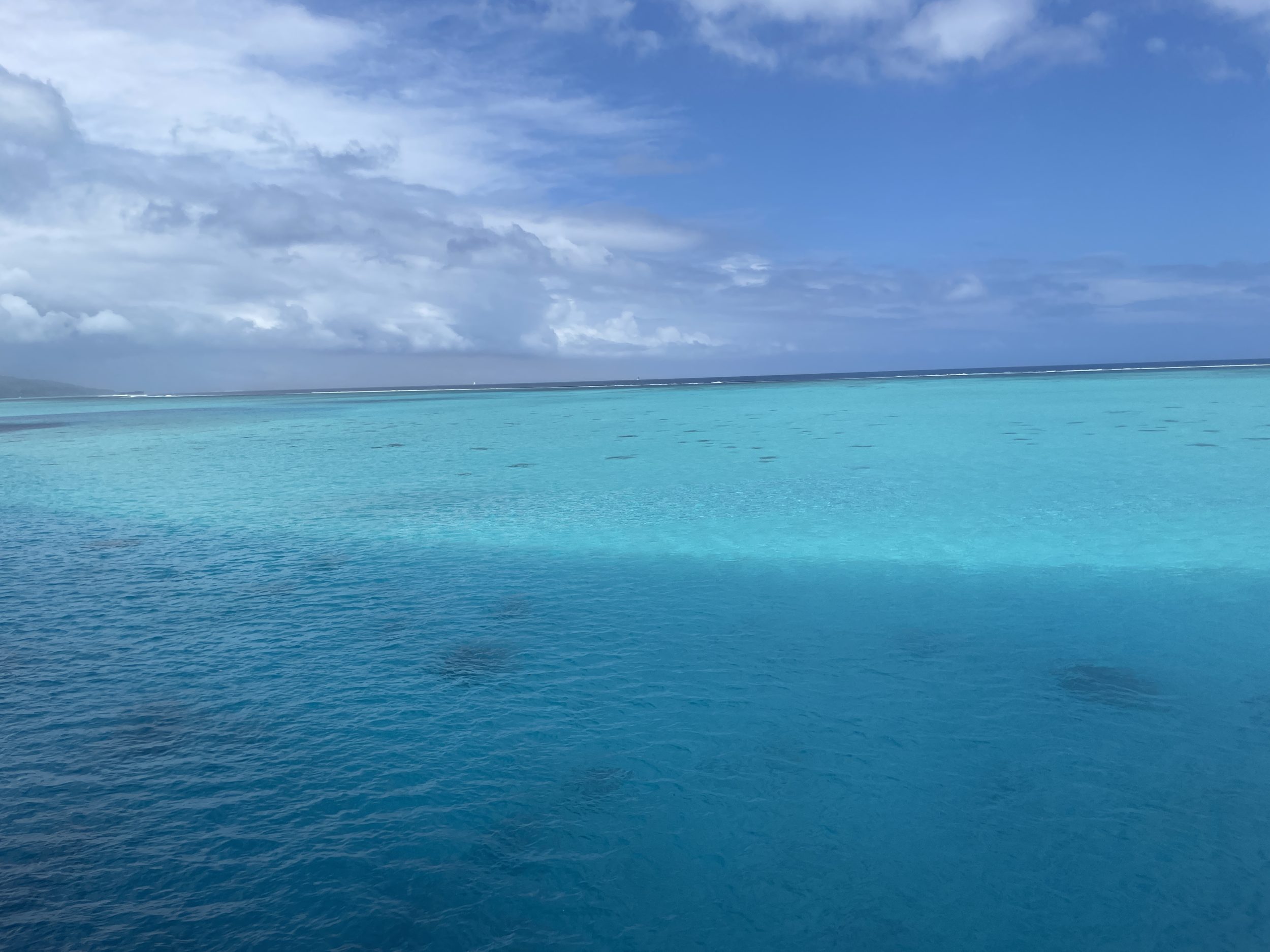
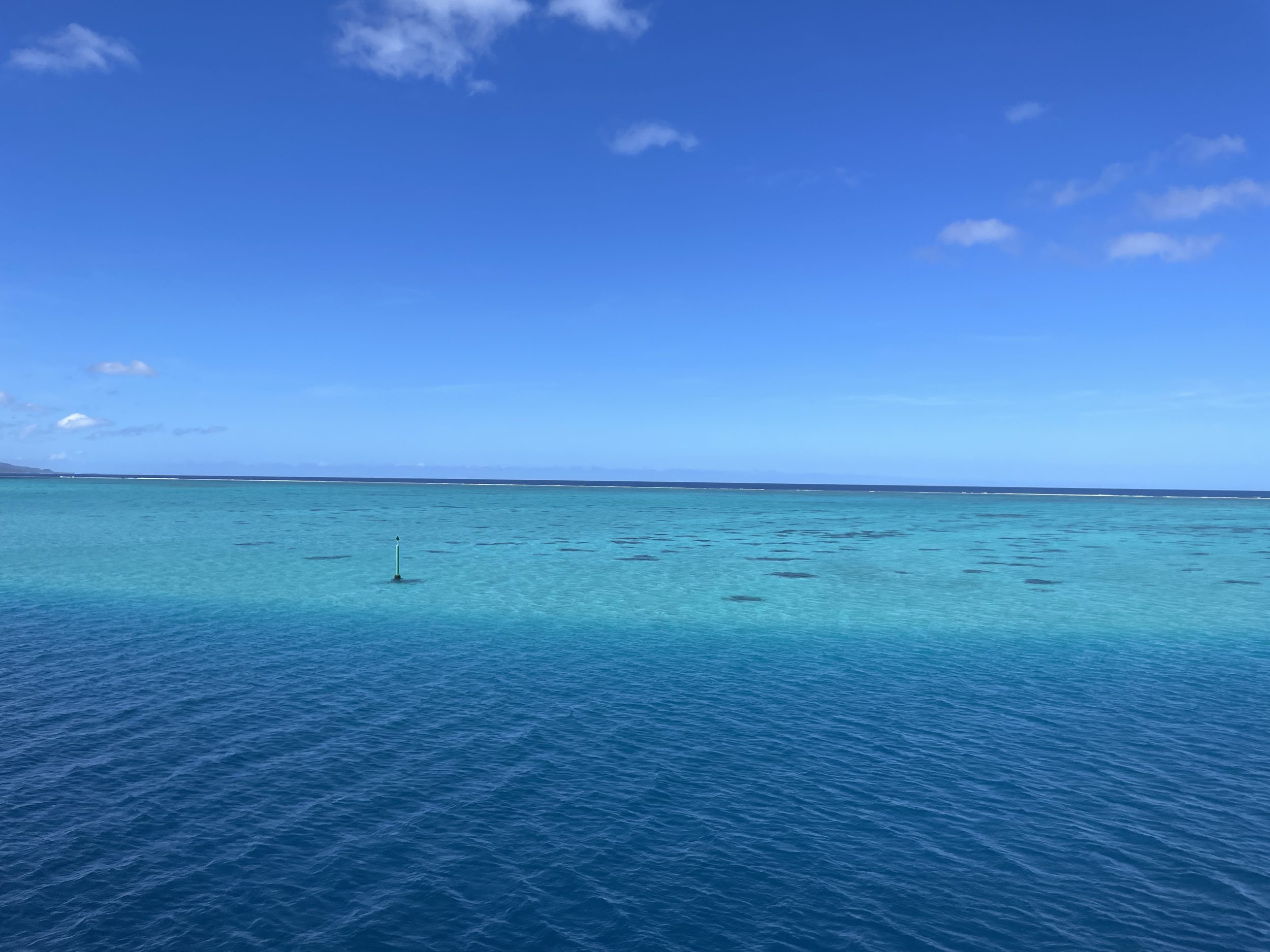
However, the reef in Bora Bora isn’t bad either. Despite the cloudy sky, we can see the turquoise color shining. There’s only one pass to enter Bora Bora, so we have to go all the way around the island to enter the port. This pass was already widened by the Americans (who set up a military base there during WWII), but it’s still quite narrow, though sufficient for cruise ships to pass through. Normally at the pass, you often see whales and dolphins, but they’re not there today. Instead, we see flying fish.
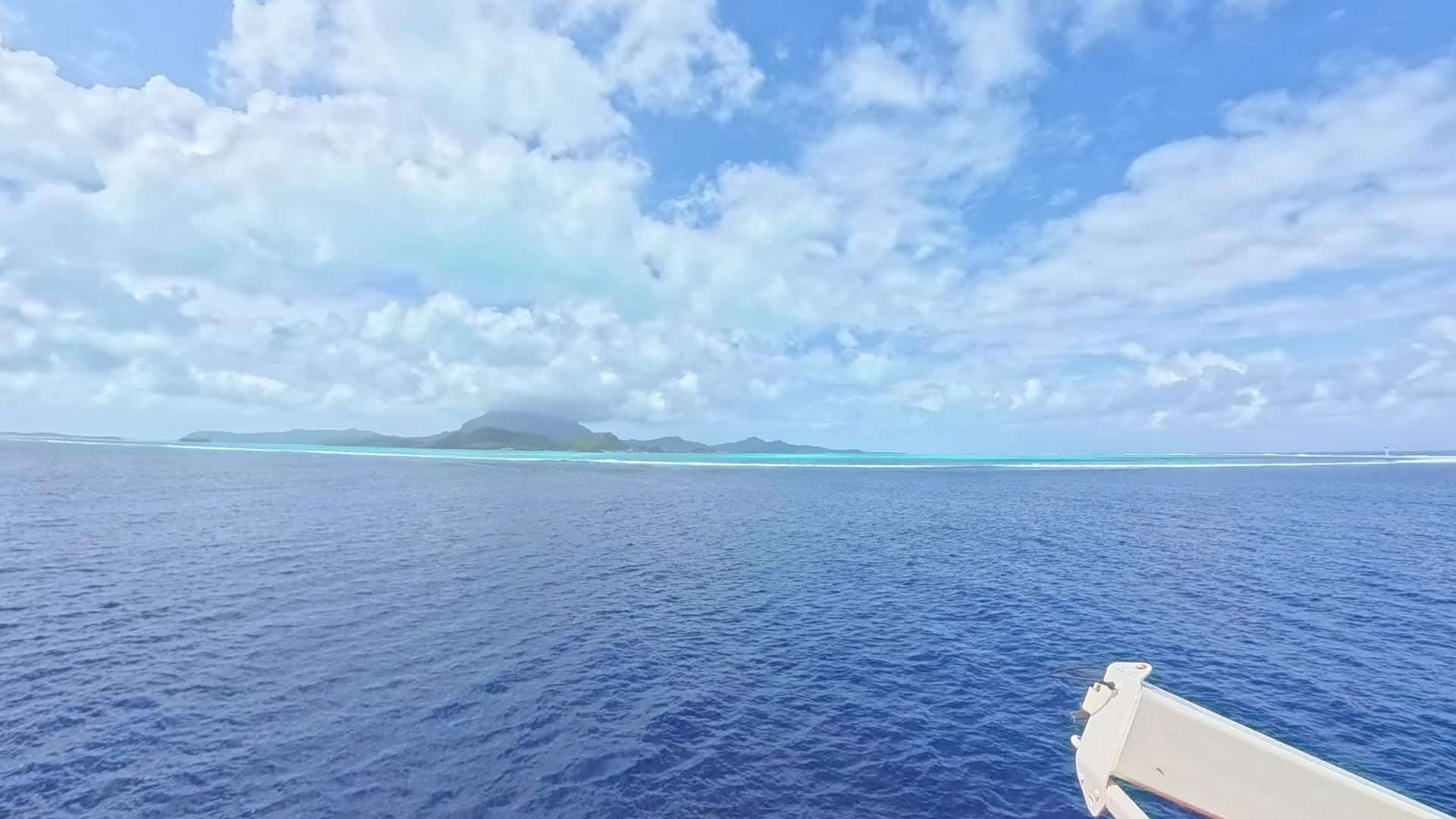
The sky immediately worsens upon our arrival and I wonder if my law of attraction (goal “good weather in Bora Bora” that I’ve been writing daily for three months) will really work. 20 minutes later, the other guests guests from our Airbnb arrive. The poor things came on the same ferry as us but struggled to find a taxi. They paid 2000XPF (€16) for a 3-minute drive. Bringing Tanktino (our scooter) with us was a good idea. On the ferry, I was approached by an Indonesian lady who thought I was alone and wanted to share a taxi or even a car rental. The poor woman looked very lonely and was looking for company to share costs in this incredibly expensive country.
We’re driving around the island, but when the sky is cloudy like this, you can’t see the beauty of the water at all. We pass by the former Club Med and Sofitel Bora Bora, which are now abandoned ruins—bungalows gutted, pontoons torn away.
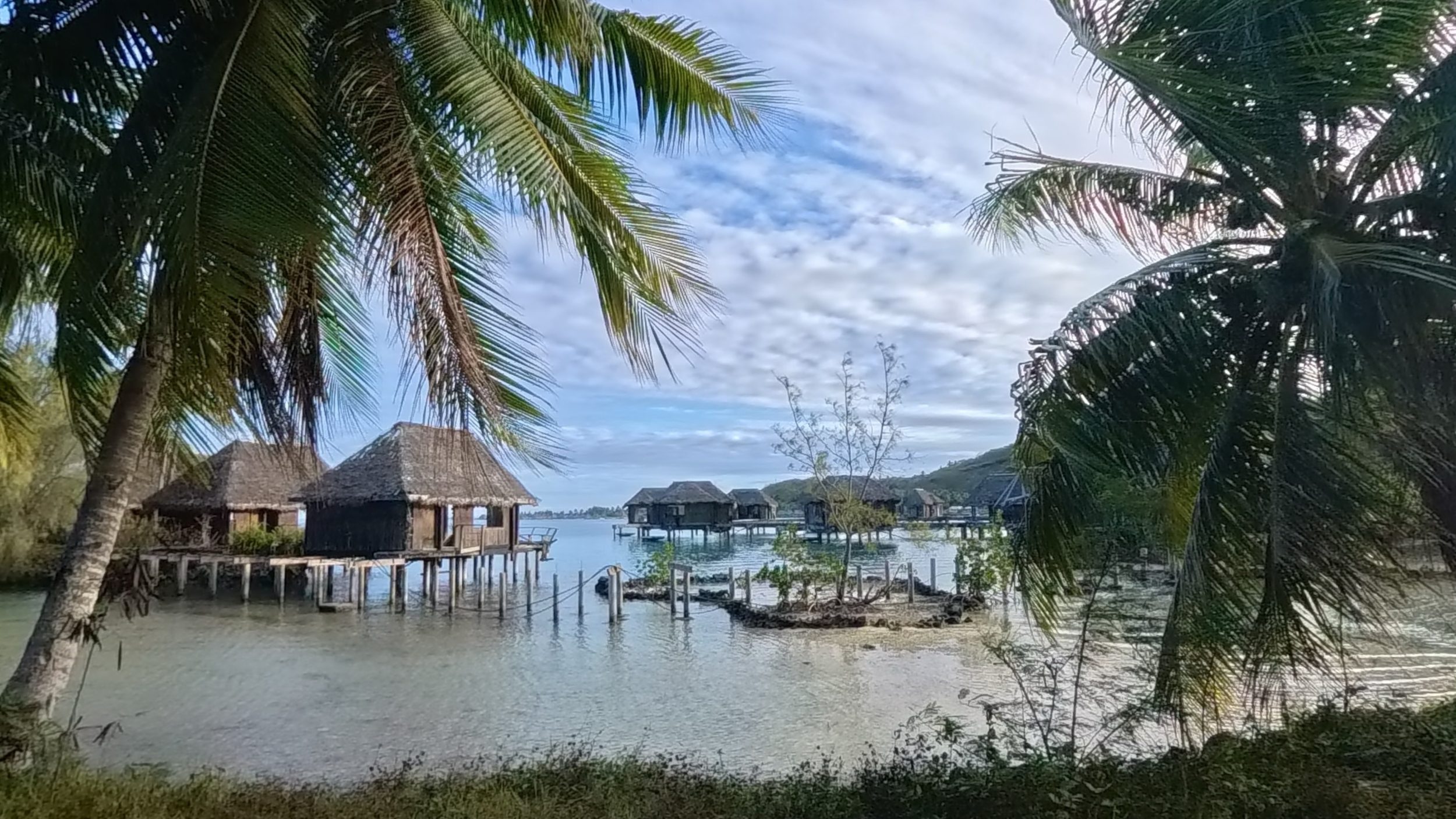
It makes me sad because I used to be a contractor for Accorhotels and I often featured this hotel on my client’s Facebook page. I even told myself that maybe, one day, I’d stay there. Except I still haven’t had the time to do it and it’s already in ruins. The Sofitel Bora Bora isn’t the only one in ruins—there’s also Aman, Club Med… they’re all right by the road on the main island. To be honest, if they still existed today, they wouldn’t be as prestigious as the other 5-star hotels on private islets. Between the road and the beach, there’s only 5 or 6 meters of width, then the bungalows are built over the water—but the proximity to the road makes these hotels less luxurious. Especially for Aman—Aman hotels are usually in very discreet, secluded spots, not accessible to ordinary mortals. Placing one by the roadside isn’t compatible with the brand’s image. Apparently they’re going to rebuild another one on a private motu. Recently, it’s the Intercontinental Resort & Thalasso Spa that’s closing its doors for renovation. The closure of these hotels is due to the enormous costs from salt damage, but also political reasons.
We learn that some of these hotels are run by the Wanefamily, which itself would generate (along with the Carrefour stores in Tahiti) xx% of French Polynesia’s GDP.
We turn back at the first drops of rain, buy some food at the supermarket (at the port, a few hapless tourists still waiting for taxis, some walking to their airbnb/hotel). And thankfully so, because from 5pm it pours non-stop for hours. JB is slightly worried because the wellness pass at the Intercontinental tomorrow is non-refundable and the weather forecast isn’t reassuring. I reassure him by saying that by emptying the clouds of water, there won’t be any water left for rain in the coming days. And I was right! We’ll have good weather when we need it, but because of the cyclones, there will be moments of light rain, but only when we’re under shelter. So much for the law of attraction working 😀
On the other hand, the poor tourists paying €2,500 up to €15,000 (that’s the price of a night in the most expensive bungalow at the Four Seasons Bora Bora Booking link) must be seriously sulking. It reminds me of a party among colleagues of an acquaintance, in Tahiti. The party (on a large privatized outrigger canoe) happened without a single drop of rain. But the 4 days after, it poured, there was even runoff and impassable roads in Tahiti. I’ve always said that the person who organized that party and chose that precise date must have had phenomenal intuition. And for certain corporate roles, you need people like that—naturally lucky.
I take the opportunity to put the AI (Claude Code) to work. Before going on vacation, I gave it “vacation homework” to run on the cloud, and it finished way too fast. I need to find it new tasks. And I take advantage of having a washing machine to deal with the dirty laundry.
Dogs in Bora Bora
A second thing that really bothers me is the presence of aggressive dogs in Bora Bora. I read a lot of tourists complaining about it. Once I got there, I understood why. On all the islands, dogs are used to protect homes from thieves. Walking past a house, if the gate isn’t closed, the dog will come bark or even attack. That’s its job. But in Bora Bora, tourists walk much more than on other islands (because there are quite a few hotels around Matira beach, the most beautiful in Polynesia, and you have to walk along the road to get there). Between two hotels there are locals’ houses, and the dogs can be more or less aggressive depending on the time of day, whether the person is on foot, bike, or scooter/car. There have been bites. And dogs can swim. Near the hotel ruins, there’s a man constantly surrounded by 5-6 dogs that look very alert. That’s why, when looking for our airbnb, I told JB I didn’t want us to be at the end of a servitude. Because you walk past the neighbors’ houses and if the gate isn’t closed and the dog isn’t tied up, you risk being attacked by the dog, especially at night when coming home. Add to that packs of stray dogs that you only see in the evening and at night, and they’re hungry. You’ll see in Booking and Airbnb reviews some guests complaining about being bitten by neighbors’ dogs, so take the time to read carefully before booking. If you’re in a car, there’s very little risk. Ours is at the end of a servitude, but the neighbor’s dog is always behind a closed gate.
Before coming here, I worked with my hypnotherapist on my fear of dogs. I think a dog attacks when it senses fear, so you can be careful by choosing the right airbnb, but mindset matters more to avoid trouble.
5-star hotels & real life
Tourists staying on the motus of 5-star hotels discover with horror the poverty of the houses on the main island. The contrast is striking. I don’t think Bora Bora is poorer than the other small islands we visited, but indeed, between two hotels at €1,000 a night, you can see a shack. That shack is still by the sea, with a magnificent view. But everything costs a lot at the other end of the world—the slightest construction runs into tens or even hundreds of thousands of euros, and people can’t afford it.
To access the 5-star hotels on private motus, there are shuttles (taxi boats) that leave from the airport (which is also on a motu), or from departure points on the main island. These departure points are located in super poor and ugly areas. The shuttle departure for St-Regis, one of the most expensive hotels in Polynesia, is right across from a garbage dump !!! No wonder tourists are disappointed when they stay at St-Regis and the first thing they see when going to the main island is a garbage dump.
I’m sorry to kill the myth for you, but Bora Bora is a very expensive destination where financial inequality is very visible. We’re talking about a minimum of €150 per night for an Airbnb, €250 for a hotel, €1000 for a beach cabin, €2000 minimum for an overwater bungalow, up to €15,000. Amounts so stratospheric that locals don’t understand who has that kind of money for one night in a bungalow. Especially since these hotels hidden on inaccessible motus don’t really contribute to the local economy (guests are somewhat stuck on the motus and can only spend at the hotel). From the main island, you can see the 5-star motus from afar and know full well that you can’t even set foot there without a reservation. They’re inaccessible to us. Polynesians themselves consider Bora Bora a destination for the rich (I quote the newspaper 1ère Polynésie) because just the plane ticket costs €335 from Tahiti. The tourism board in Tahiti is patting itself on the back for creating more and more affordable accommodation options in Bora Bora (family guesthouses, Airbnbs) for Polynesians. Moreover, even the outrageously priced 5-star hotels offer reduced rates for residents, including St-Regis.
When I express my enthusiasm for Bora Bora, JB’s Polynesian colleague is very unhappy, tells me the island is overrated, that it’s known thanks to the former American military base, that there are more authentic islands elsewhere. But he also tells me that each island has its charm, and that I should visit as many as possible. After being turned away from about ten 5-star hotels in Bora Bora for a day pass, I’m not very happy either, and my enthusiasm for Bora Bora drops by 90%.
Day 2
Today is the big day, we’re going to spend an incredible, sunny day at Intercontinental Moana, which will send my enthusiasm for Bora Bora skyrocketing again. On the way to the hotel, we pass by a hotel with bungalows, but the name has been masked. The hotel is being finalized and it looks not bad (well, the bungalows are nice, but the fact that they’re so close to the road, without a protective wall, doesn’t feel very luxurious).
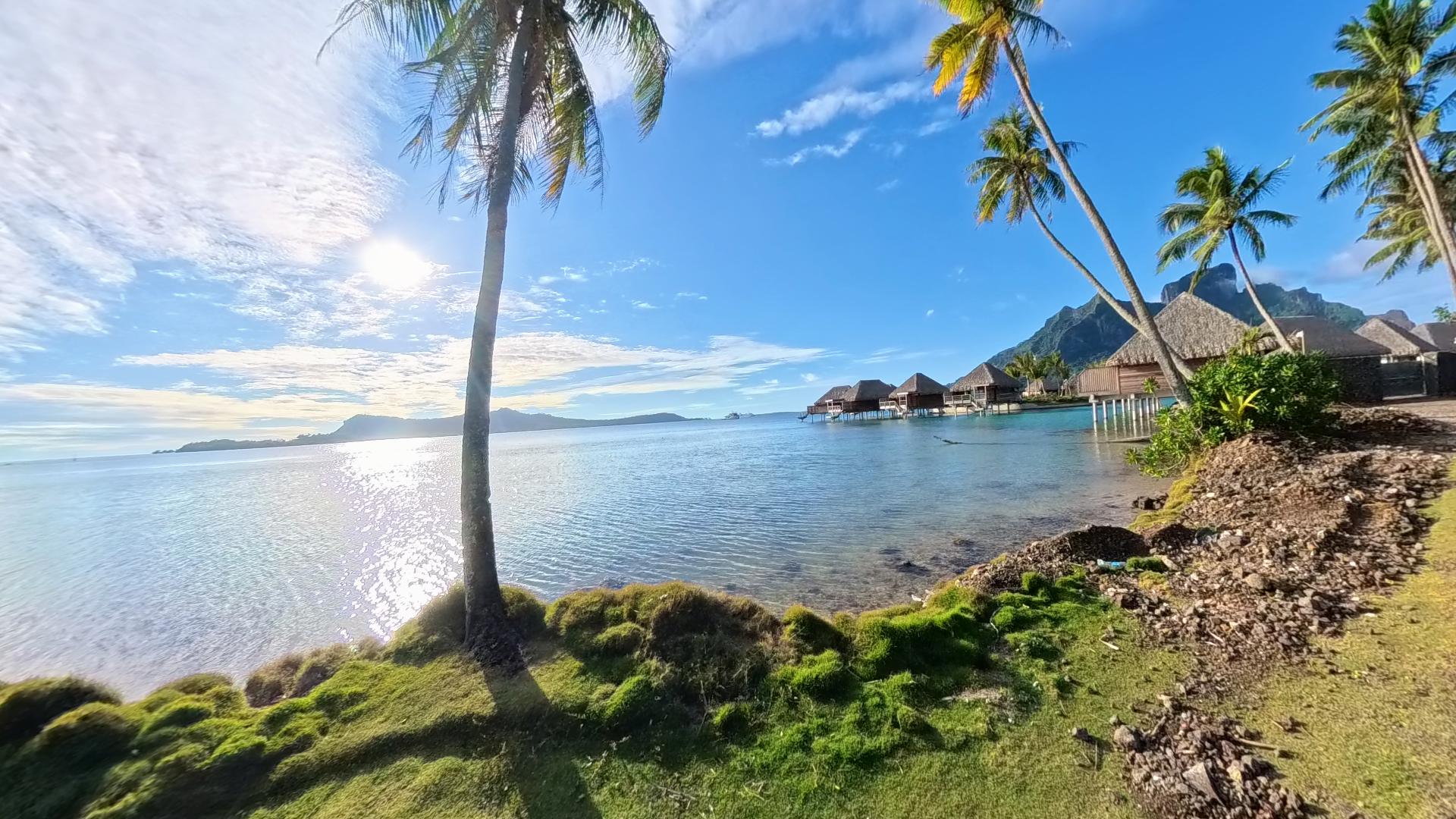
The hotel concierge Intercontinental Moana welcomes us very kindly. She calls JB by his name, which implies we’re the only ones coming with a pass.
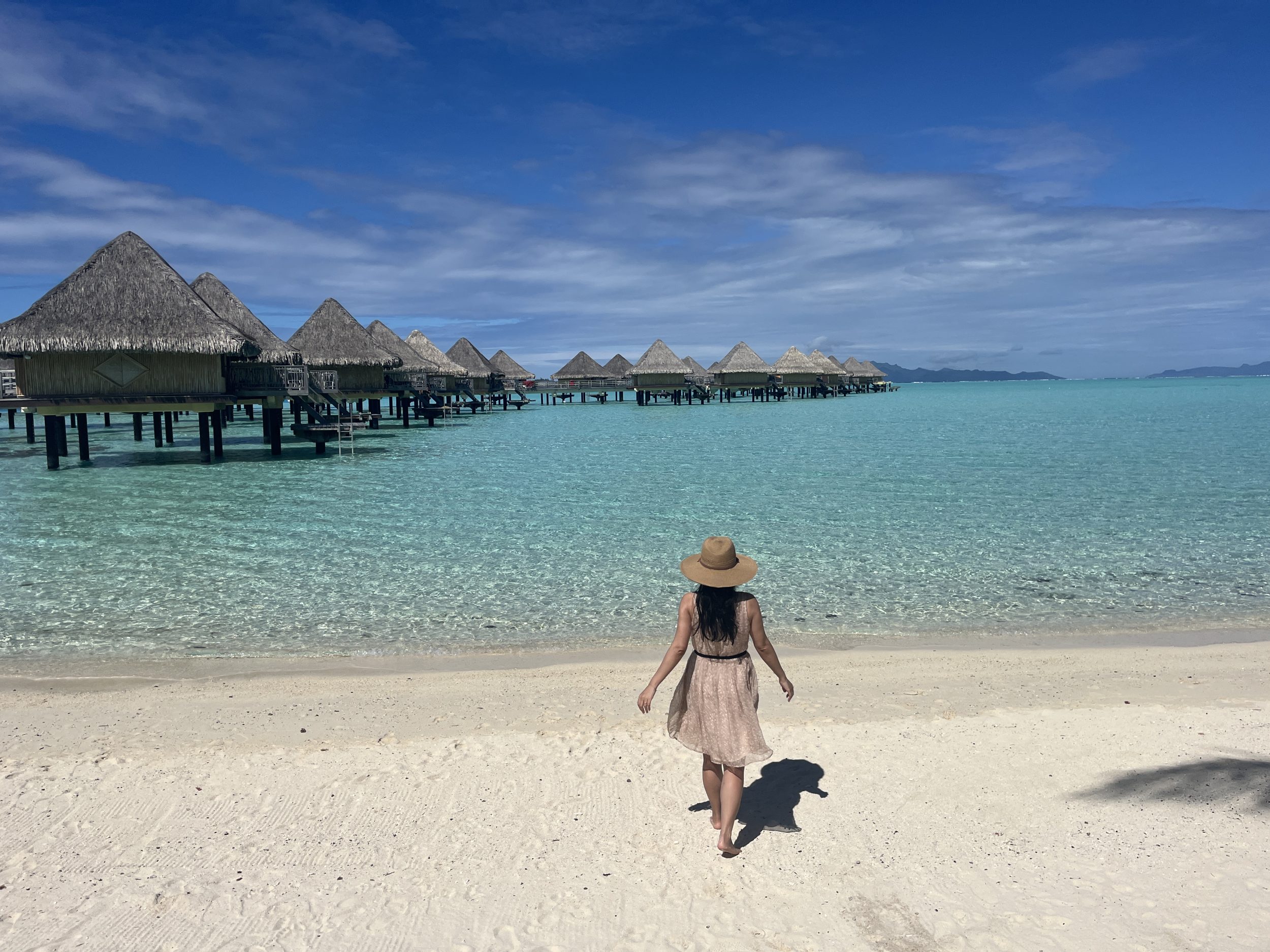
They don’t even give us a bracelet to distinguish us from the guests, but just tell us to go to the beach on the left (across from the dock – where the shuttle taxi-boat stops), to reserve the main beach in front of the restaurant for the actual guests. Of course, that doesn’t stop us from swimming wherever we want, but to leave our things, we have to use the lounge chairs on the beach on the left. And they don’t give us towels (in Polynesia, hotels hate giving towels to non-guests because of theft, even guests have to give their room number to prevent theft).
In reality, the hotel guests don’t use those lounge chairs either. They either have bungalows with their own lounge chairs, or cabins with their own lounge chairs and their own “private” beach areas. In the end, the only ones using the lounge chairs are guests who don’t have their room yet, or who have checked out but want to stay on the beach a little while waiting for their flight.
As soon as we arrive, we see two stingrays swim by.
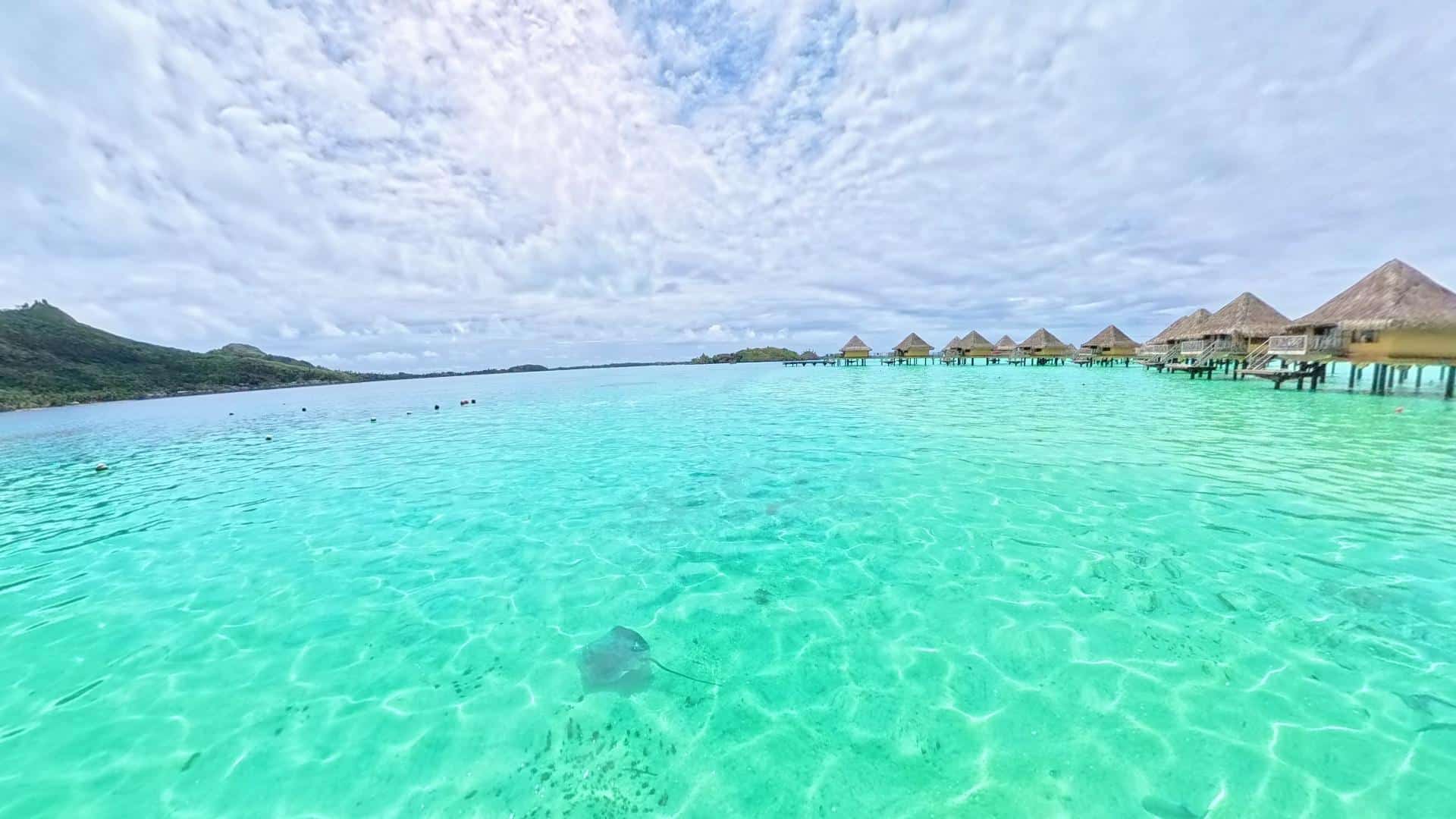
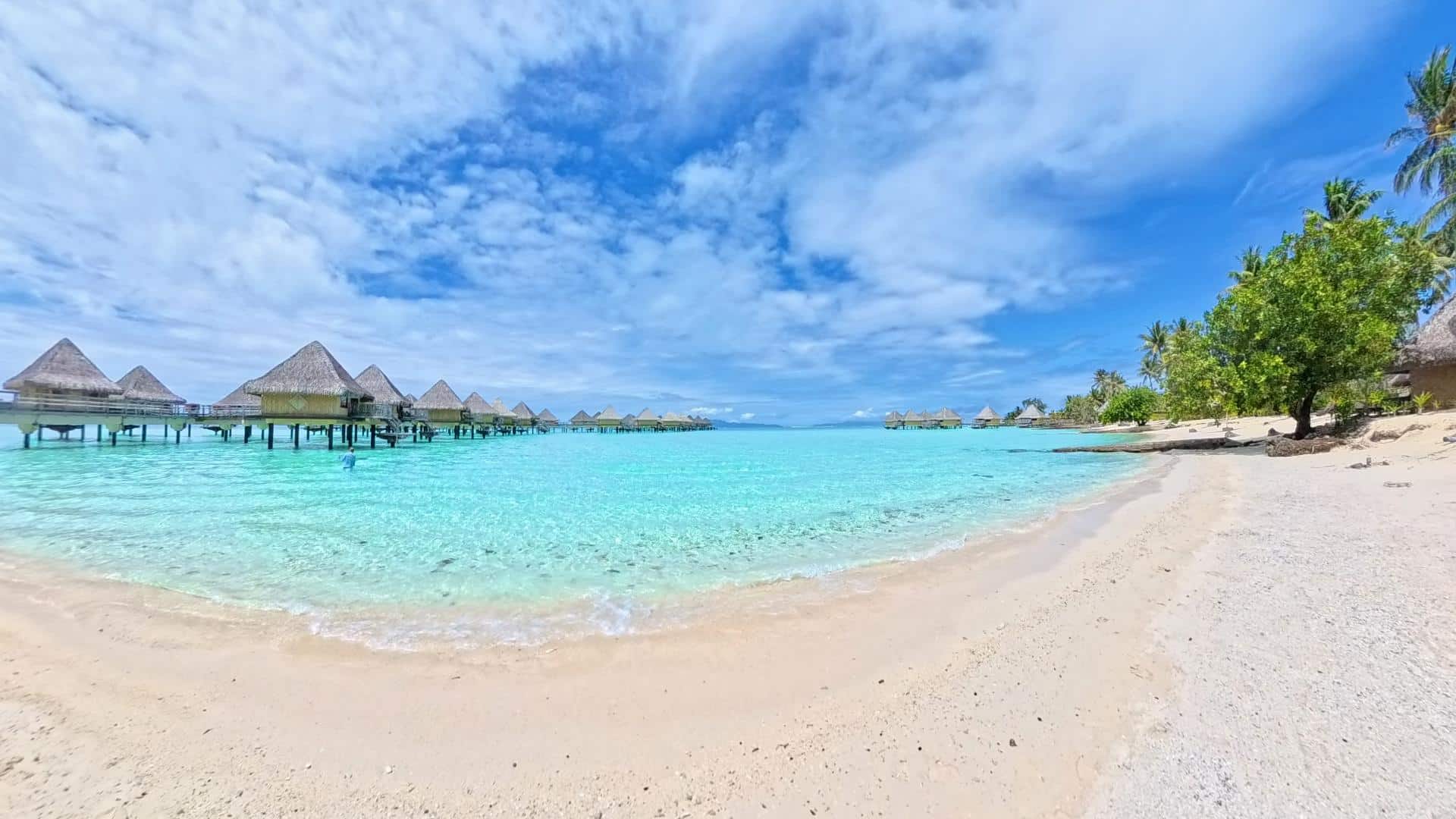
We have an appointment for the massage at 11:15 just before lunch and are surprised to discover that the massage takes place in an overwater bungalow !!! It’s arranged differently for massages but it’s exactly the same size as the other bungalows.
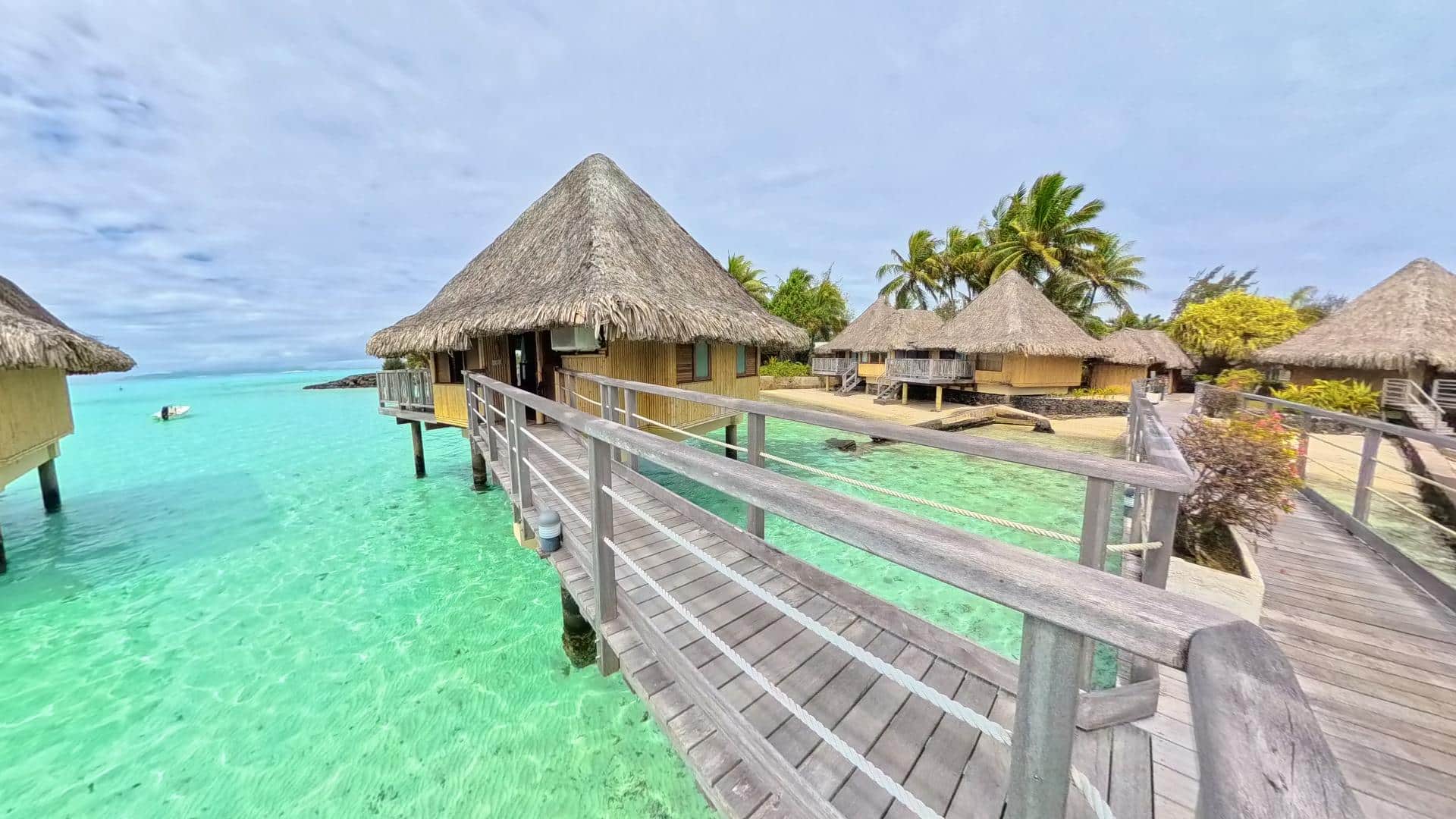
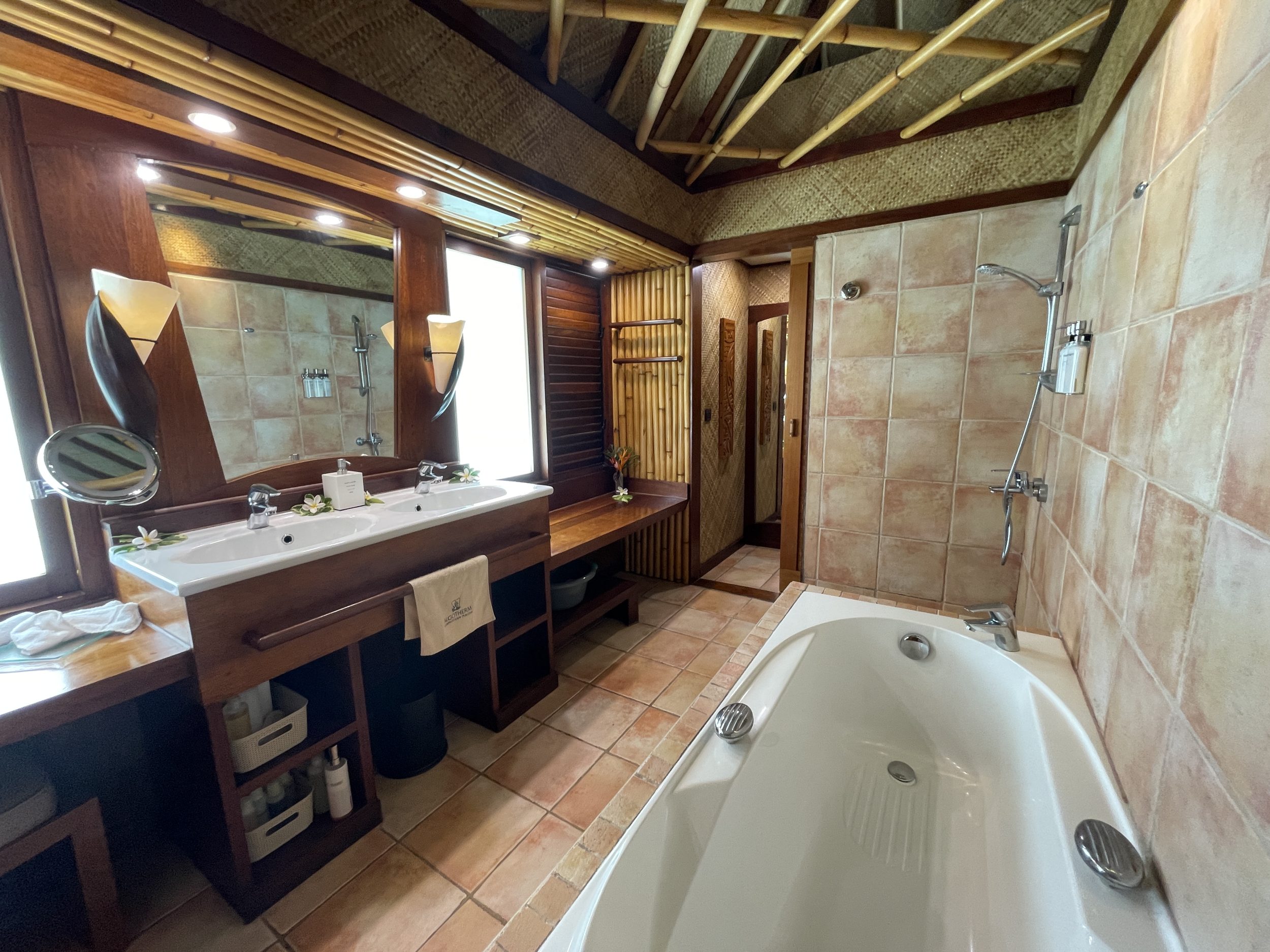
So we can see what a bungalow would look like if we stayed in one. There’s a glass table where you can see the water (and the fish). There are lounge chairs and direct access to the lagoon. The bathroom is huge with a bathtub and shower. It’s magnificent but not €2500-magnificent, I still find it quite small.
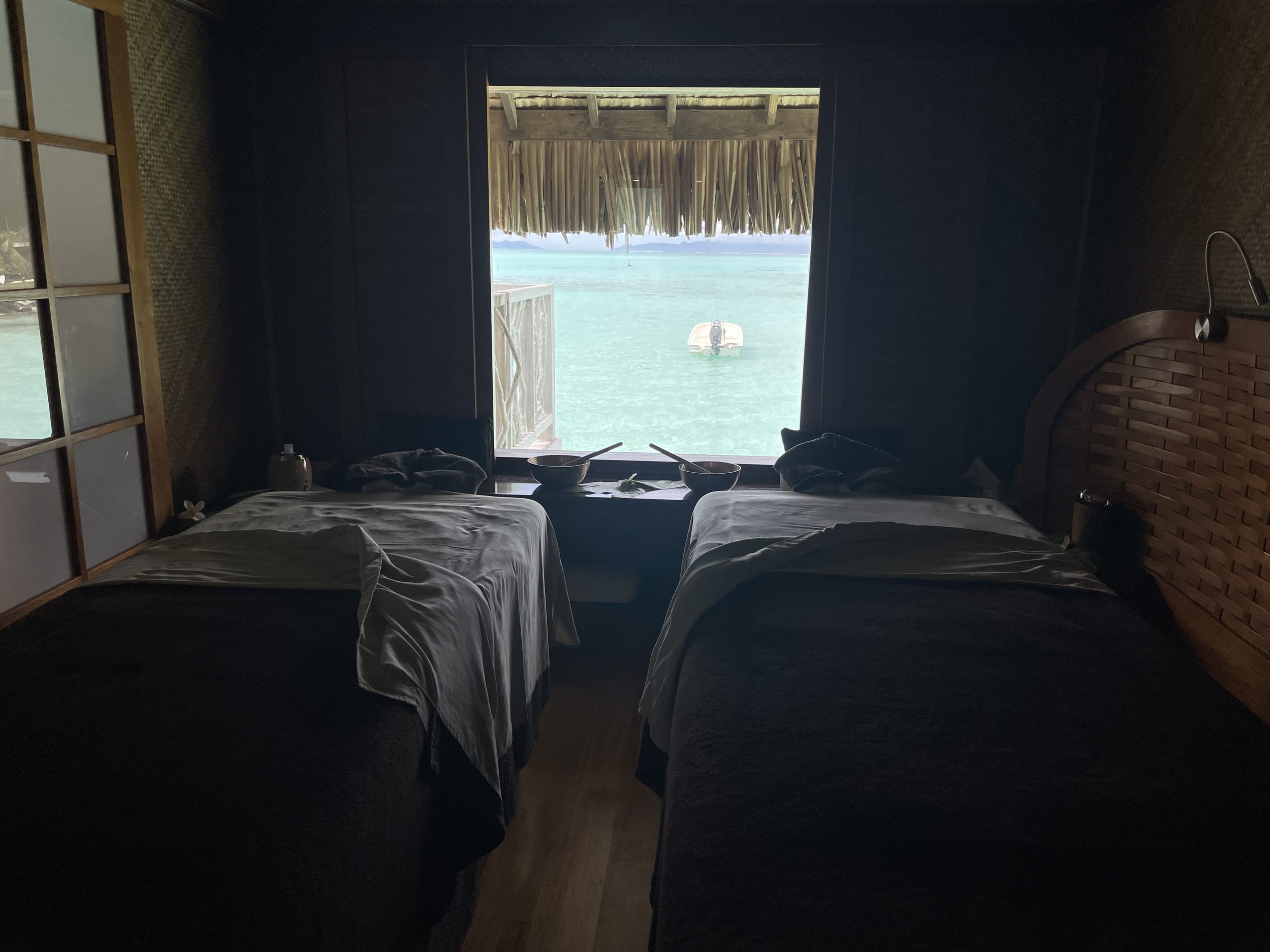
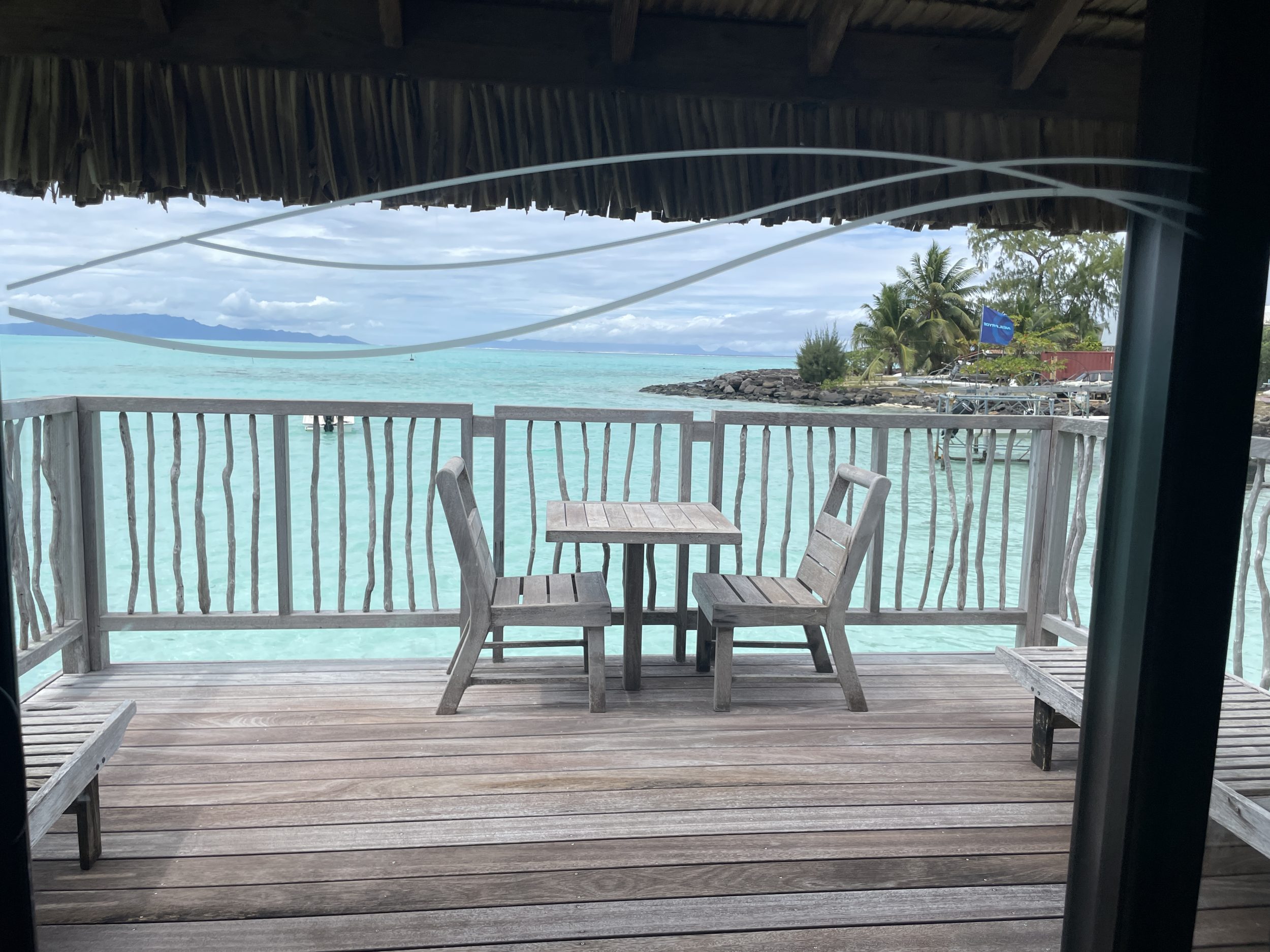
Some bungalows are better located than others. But they’re more or less the same price. It’s a shame because the bungalow at the end of the dock will be quieter than the one next to the restaurants. Or the one that overlooks the neighbors’ ugly houses.
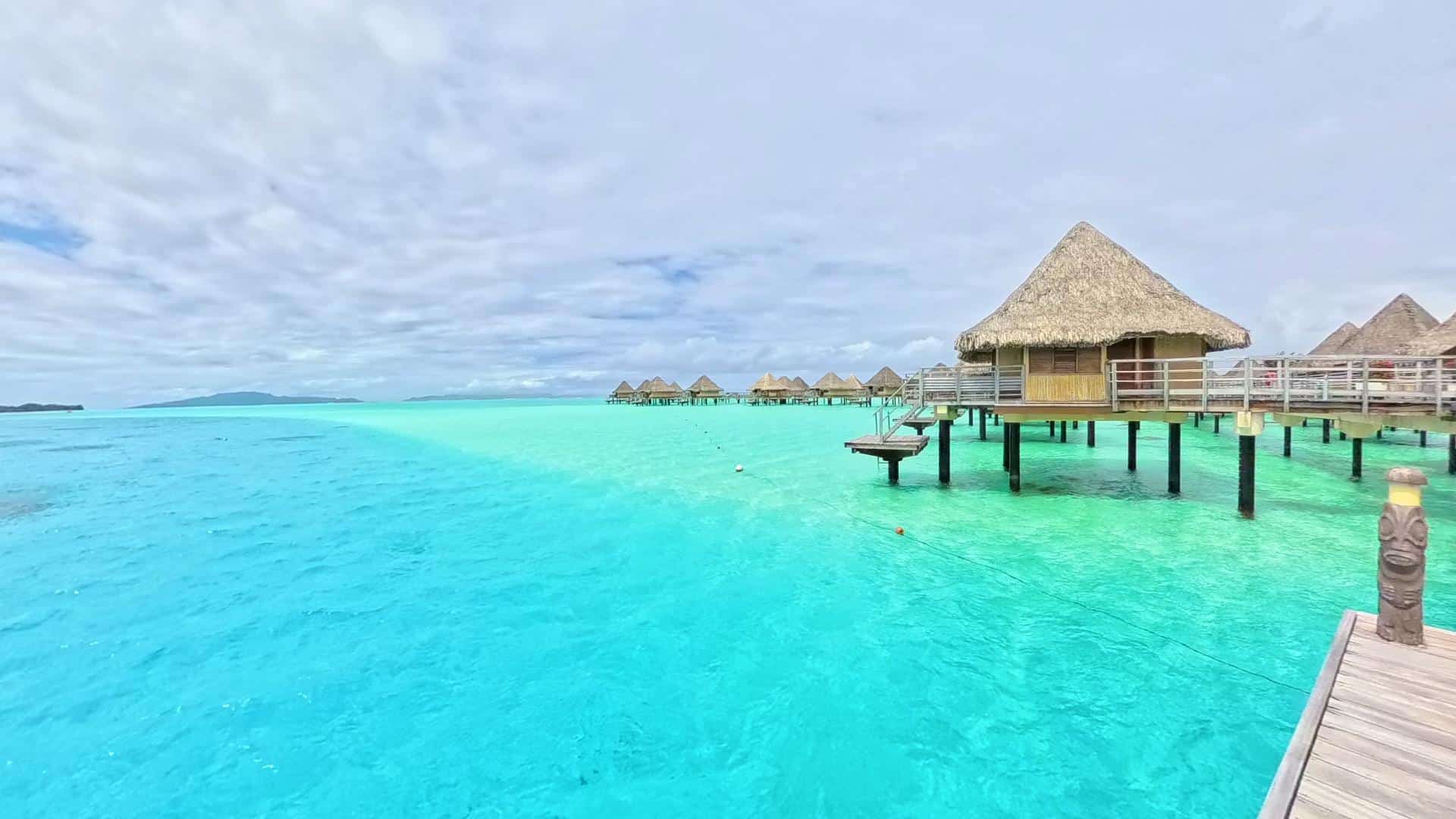
Under the massage bungalow there are 3 little resident sharks, so so cute.
The massage is absolutely divine, it’s very luxurious because they wrap you in I don’t know how many layers of cotton satin. I highly recommend it. It costs 18,000 XPF (50 min) originally, so the wellness offer (massage + lunch) at 22,300 XPF is an excellent price. Especially since other 5-star hotels sell day passes without massage for higher prices. Don’t forget tips, here the clientele is mainly American, employees are used to receiving tips unlike on other Polynesian islands.
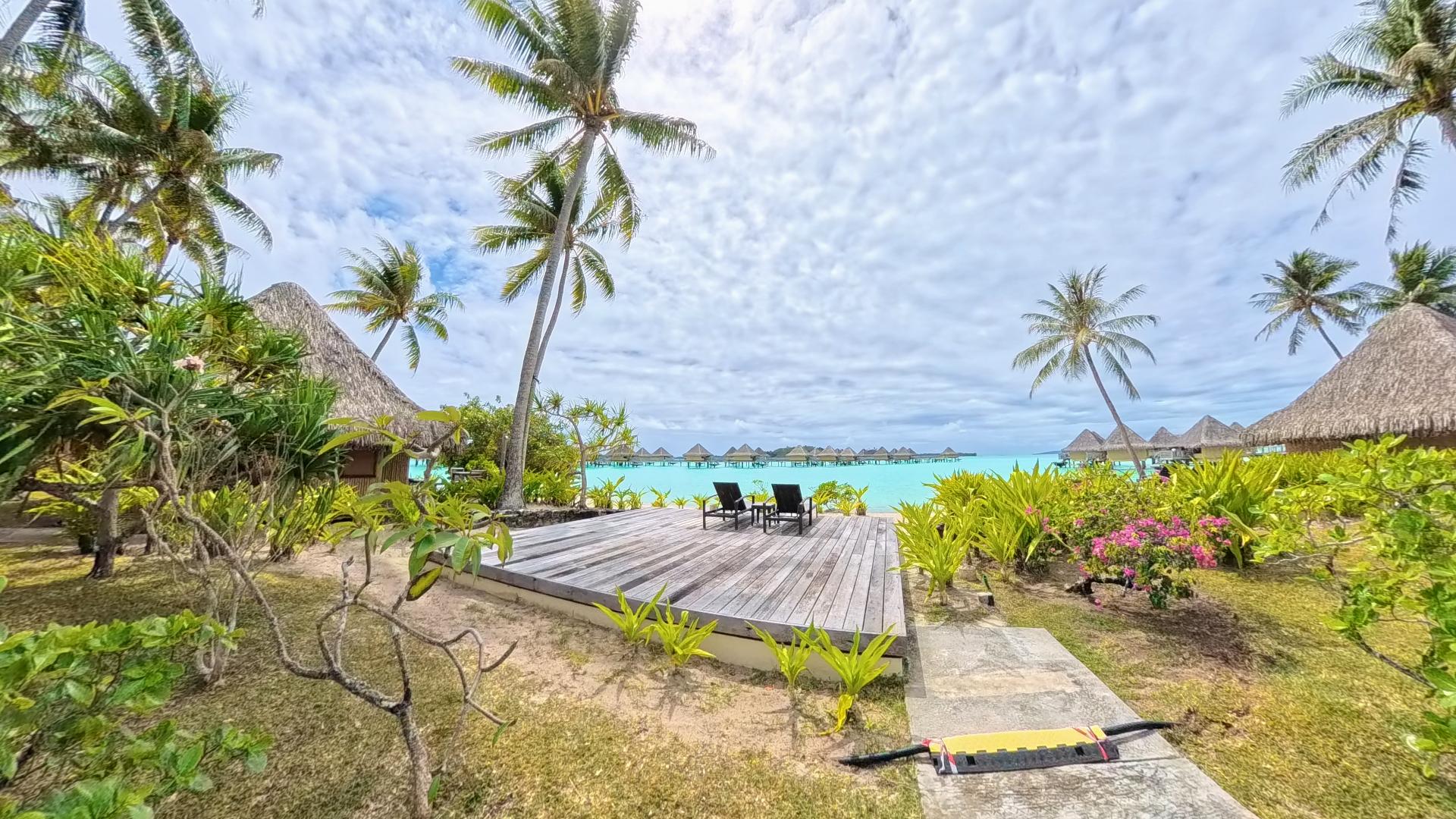
The weather is splendid. The food excellent. The service a bit inattentive (that’s how it is in Polynesia) but overall very friendly and flawless.
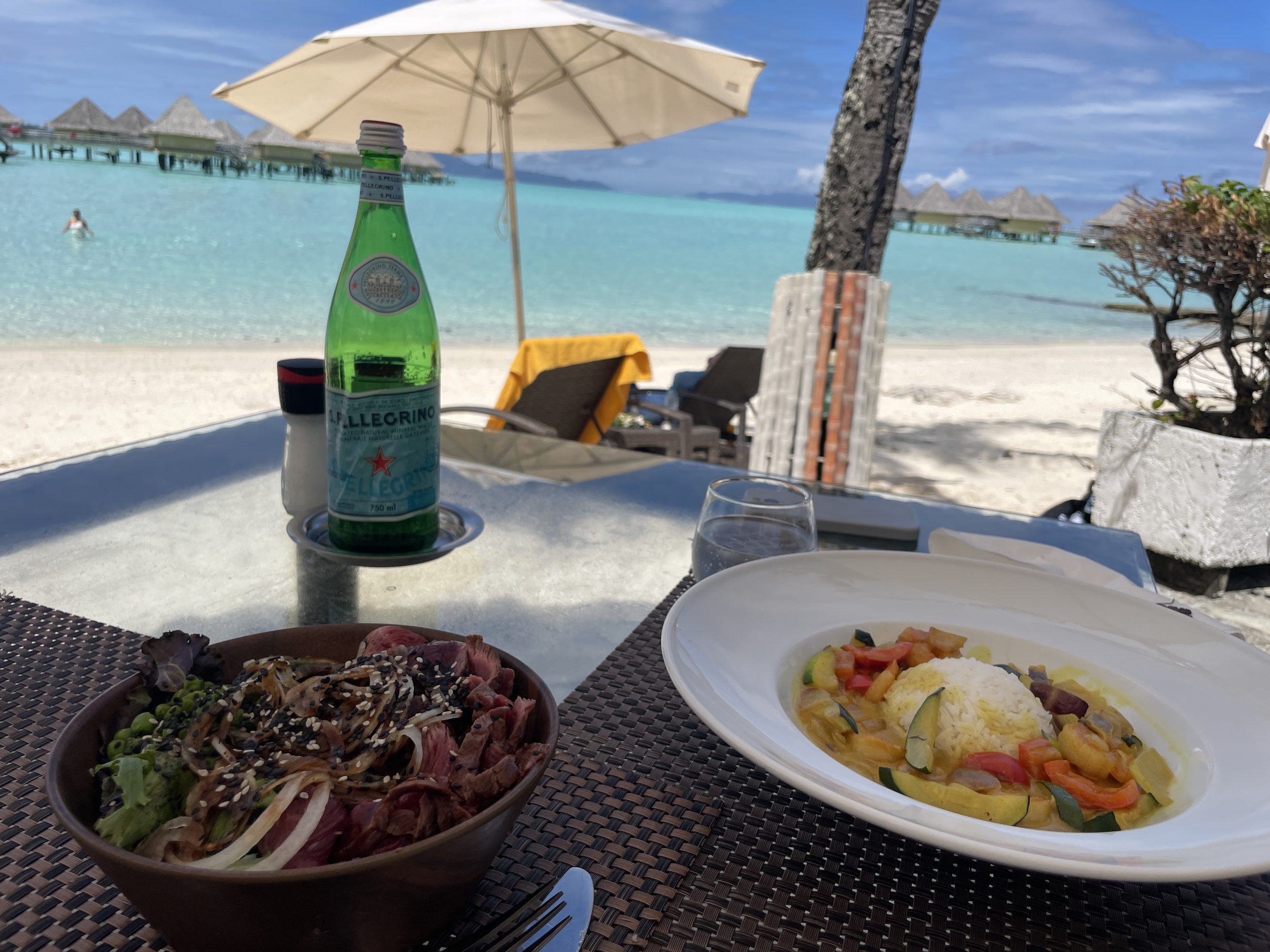
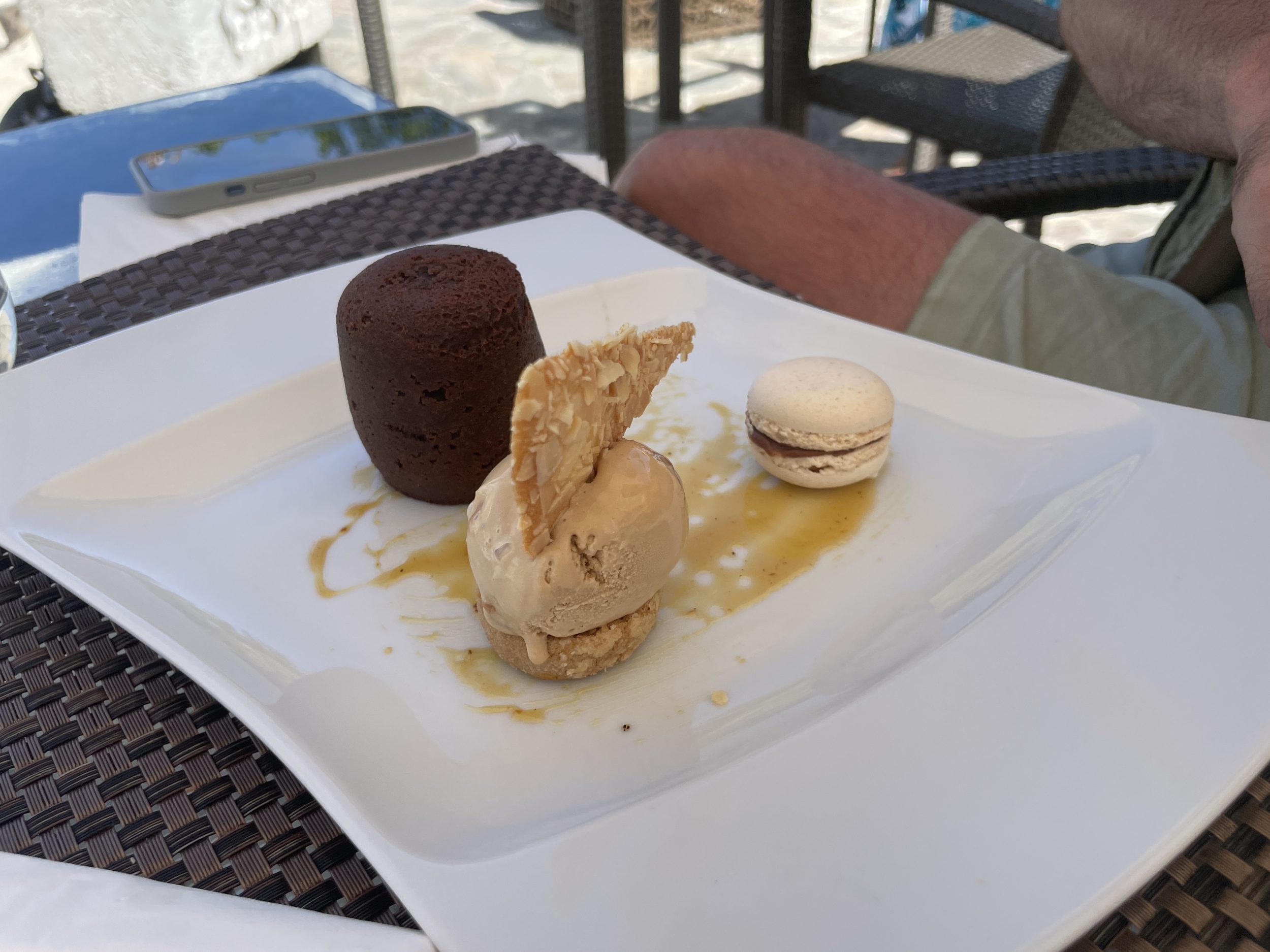
Underneath each bungalow, they plant coral to attract fish. A few rays swim by from time to time. The water is so clear you can see everything below the surface. The color is out of this world, and on top of that, it’s not deep (up to your hips). When the rays show up, the restaurant guests get all excited and run over, either grabbing their masks and snorkels or going for their cameras. They’re American so they’re amazed by everything, unlike the rather grumpy French people from the ferry – who don’t even crack a smile when they see dolphins. I don’t know, is maturity about hiding your joy to that extent? I was the only one pointing out the dolphins to everyone, getting excited about seeing them, and I wonder if that’s “abnormal” (JB’s note: who is this hysterical woman? I don’t know her) – while they just film them. But then I see the Americans getting as excited as I am (Awesome! Amazing!) over rays (less rare than dolphins), and I tell myself it’s just a matter of culture.
In short, I absolutely loved our day at the InterContinental Moana. We really like this hotel. I highly recommend taking advantage of the same offer.
On the other hand, after seeing the Bora Bora lagoon, I’m glad we canceled our night at the St-Regis. 2700€ would have been too much for a lagoon with so few fish. Personally, for 2700€, I would have preferred two nights at the Sofitel Moorea because there are way more fish over there and there’s a real advantage to stepping straight from the bungalows into the lagoon at 5 meters deep, saving energy & swimming. But oh well, that question is settled now, I no longer dream of bungalows, I got a massage in one, I saw what it was like, and my miles will pay for other bigger and cheaper hotels.
Since we don’t have access to the hotel pool (or the showers), the concierge tells us we can contact the front desk. They’ll give us access to a day room to take a shower. Honestly, if we lived an hour from the hotel, why not, but our airbnb is 15 minutes away by scooter and we want to go to Matira Beach, right across the road from the hotel.
Matira Beach & Sunset
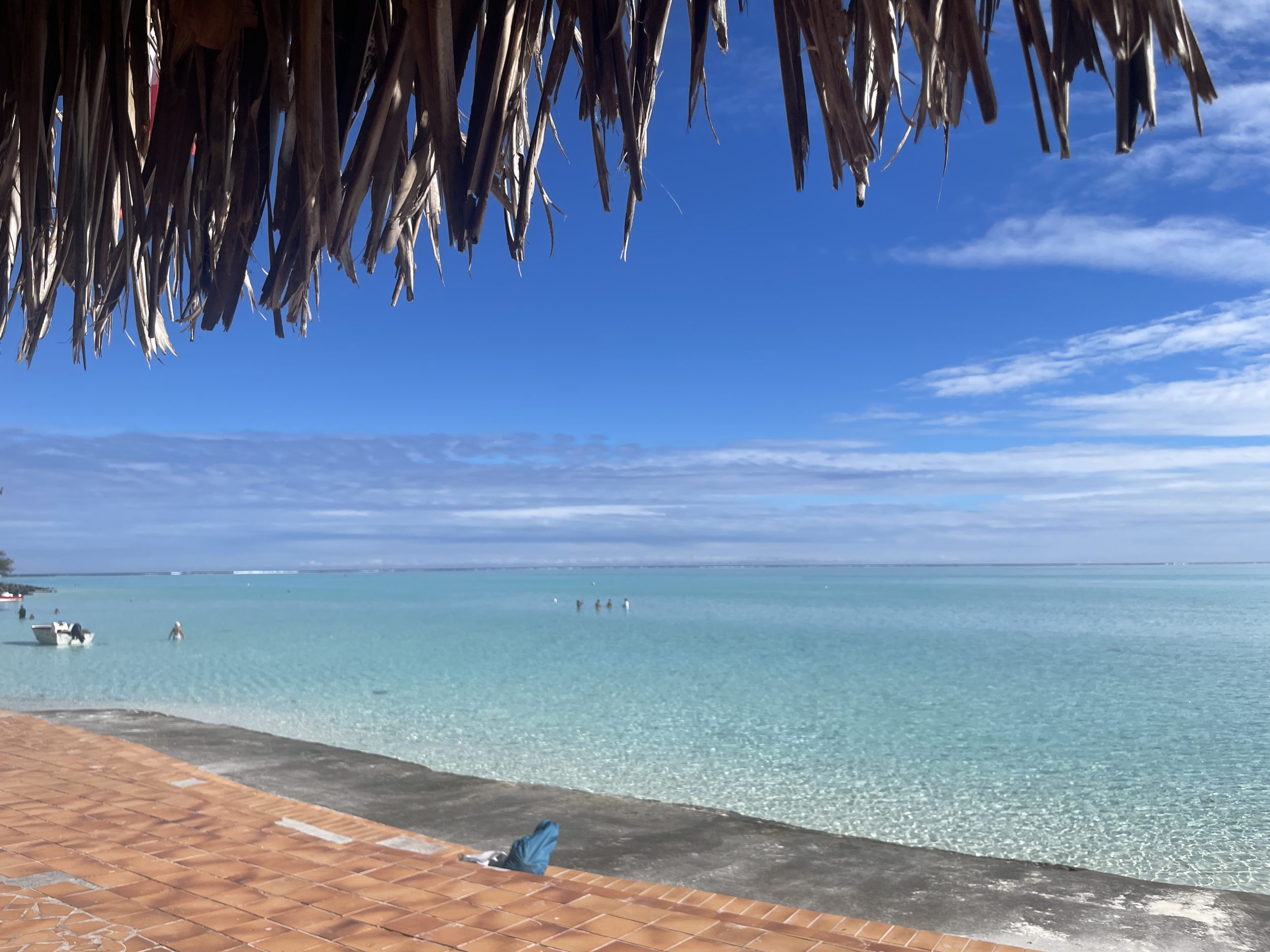
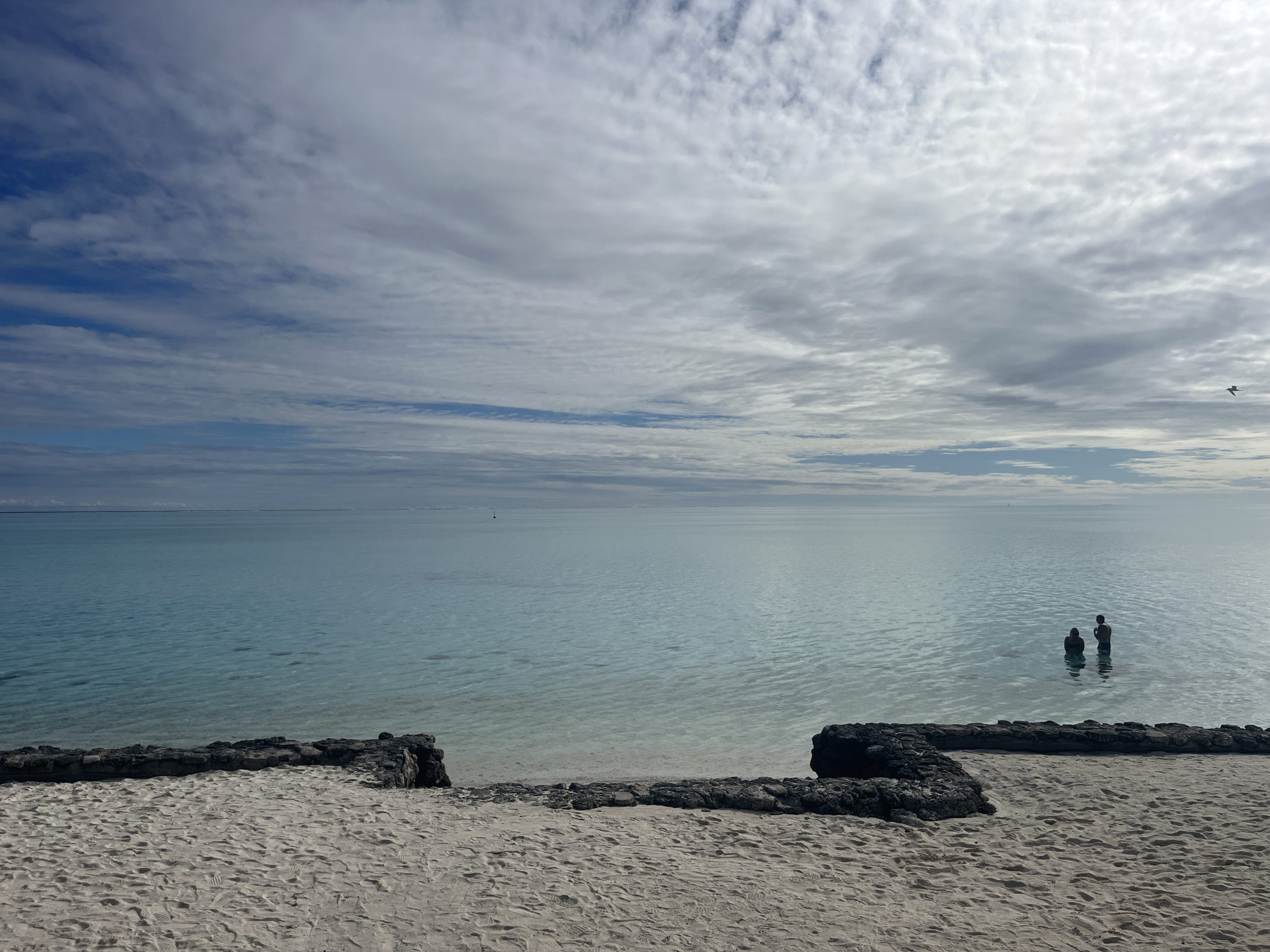
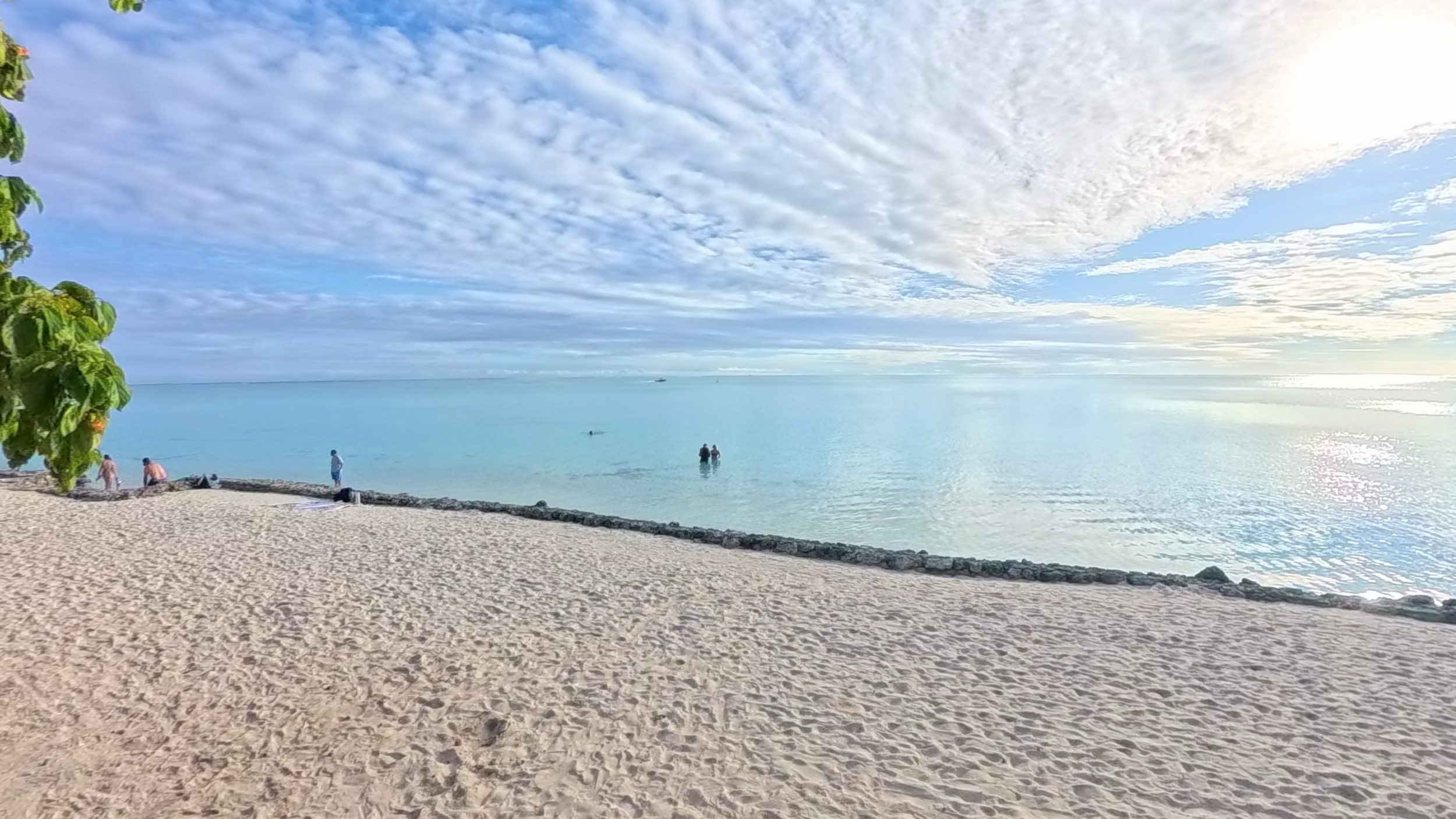
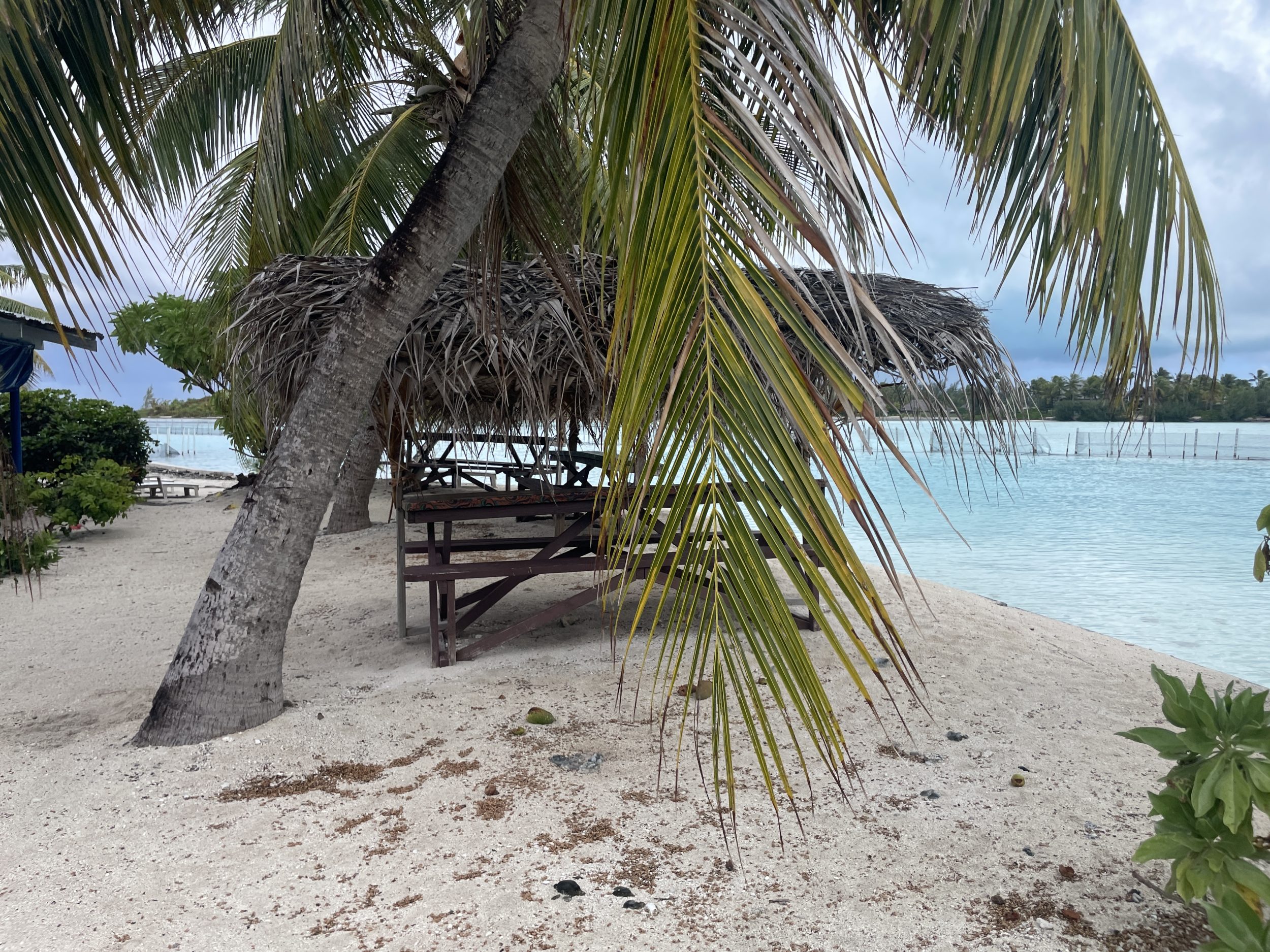
Matira Beach is very well equipped, there are also restrooms and showers. It’s the most beautiful one in French Polynesia. In the afternoon, the color isn’t as nice as at the InterContinental because you’re facing the sun, but you can walk straight out and the water only comes up to your hips, and it’s completely clear. You can see little white fish and rays swim by regularly. Here’s a ray I followed with my camera. She’s fully aware of my presence and speeds up when I speed up. At one point I get too tired, and she slows down, turns around. The lesson to take away is not to chase the fish but rather let them come to us, it’ll be less tiring for us.
Just so you know, rays’ tails have venomous barbs. But they never whip us. You can touch a ray’s head, they often come up to us on excursions. A ray’s tail is only dangerous if you accidentally step on it. But with water this clear, that never happens, unless you’re really unlucky.
We head back to the airbnb, take a shower, and come back to the beach for the sunset. While waiting for the sunset, we go to the beach next door to eat a crepe at Matira Blue Lagoon. I see a ray in the water.
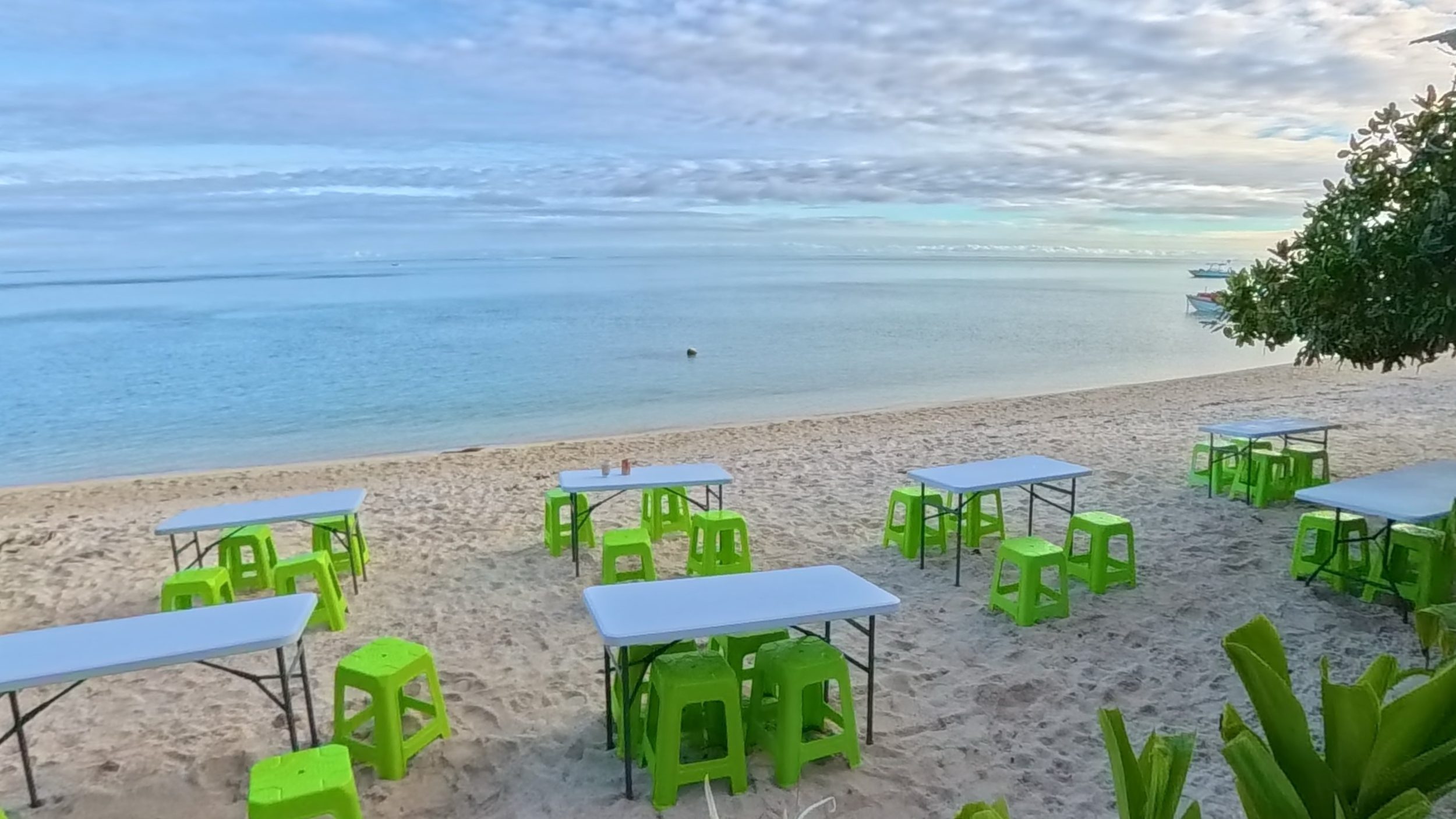
The beach here is deeper with a few more corals. A little girl (6-7 years old) says hello to all the customers and plays with all the dogs hanging around the beach. They’re the neighbors’ dogs who spend all day at the beach and stare intently at customers eating. She pulls a tiny tea set out of her little bag and we play dolls together. I find the kids here really cute, innocent, barely influenced by social media. The teens in my Airbnb building, for example, at 11-12 years old, are still happy to pool their money to play on inflatable castles.
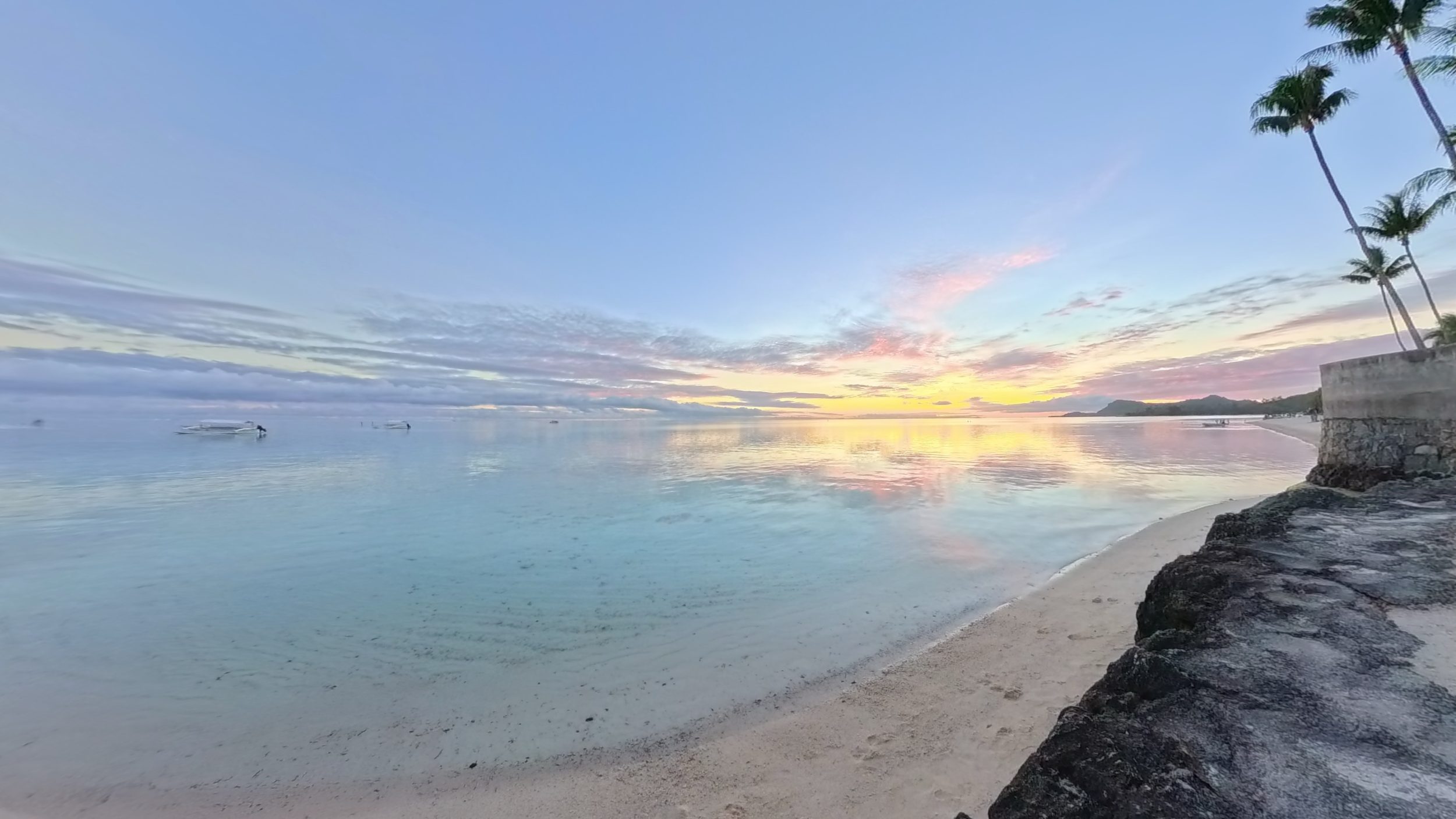
Then, we go back to Matira Beach to see the last rays of sunlight of the day. Unfortunately there are clouds on the horizon. And so ends our PERFECT day. Bora Bora is shooting back up in my estimation.
Day 3: Snorkeling Tour
The weather forecast is still terrible but we’ve booked a full-day tour; we’re sticking to the plan and to the law of attraction. We’re heading out with the Lagoonarium company. The company has a private motu, between two 5-star hotels, the St-Regis and the Westin. So I’d like to know what a motu like that looks like. Obsession, hello!
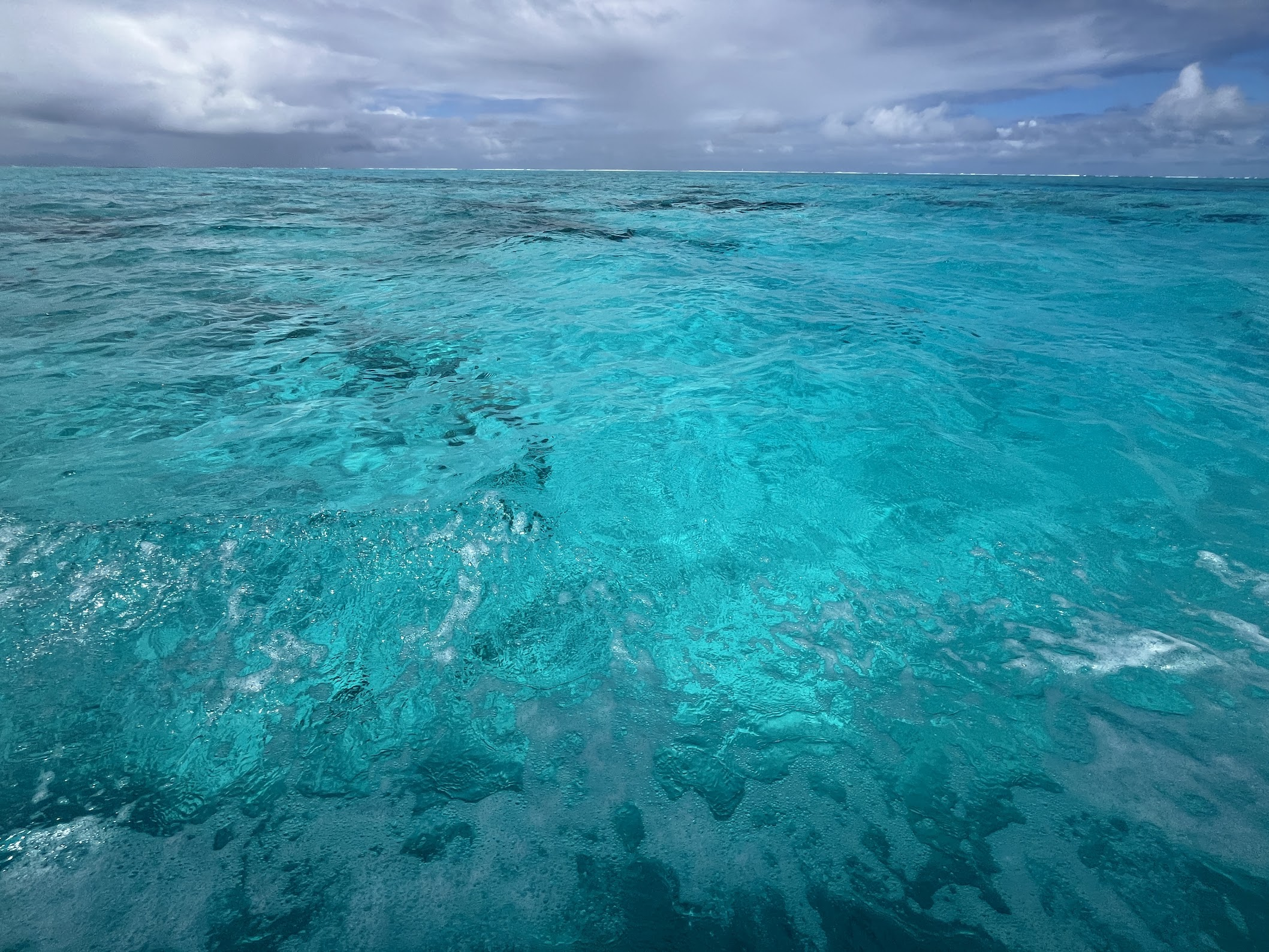
The company picks us up in front of our rental and off we go! There are about a dozen of us. A few boomers, a group of friends, couples probably on their honeymoon… all French except for one American from New York spending a week’s vacation in French Polynesia. There’s one particularly enthusiastic tourist, who smiles all the time and looks very very happy to be there. It’s a pleasure. The weather’s nice, the water is beautiful beautiful beautiful!!
Stop 1: Manta Ray
A Bora Bora, Taha’a & Maupiti, we’re almost certain (weather permitting) to find manta rays at the “cleaning stations”, at varying depths. These are spots with round shapes like this, where little fish live that clean parasites off the rays. This “cleaning station” is accessible from the beach (for those who swim well), but I read that some poor tourists were attacked by a pack of stray dogs (who swim well) and got their stuff stolen, so coming by boat is definitely safe. I did mark the spot on Google Maps anyway if you’d like it.
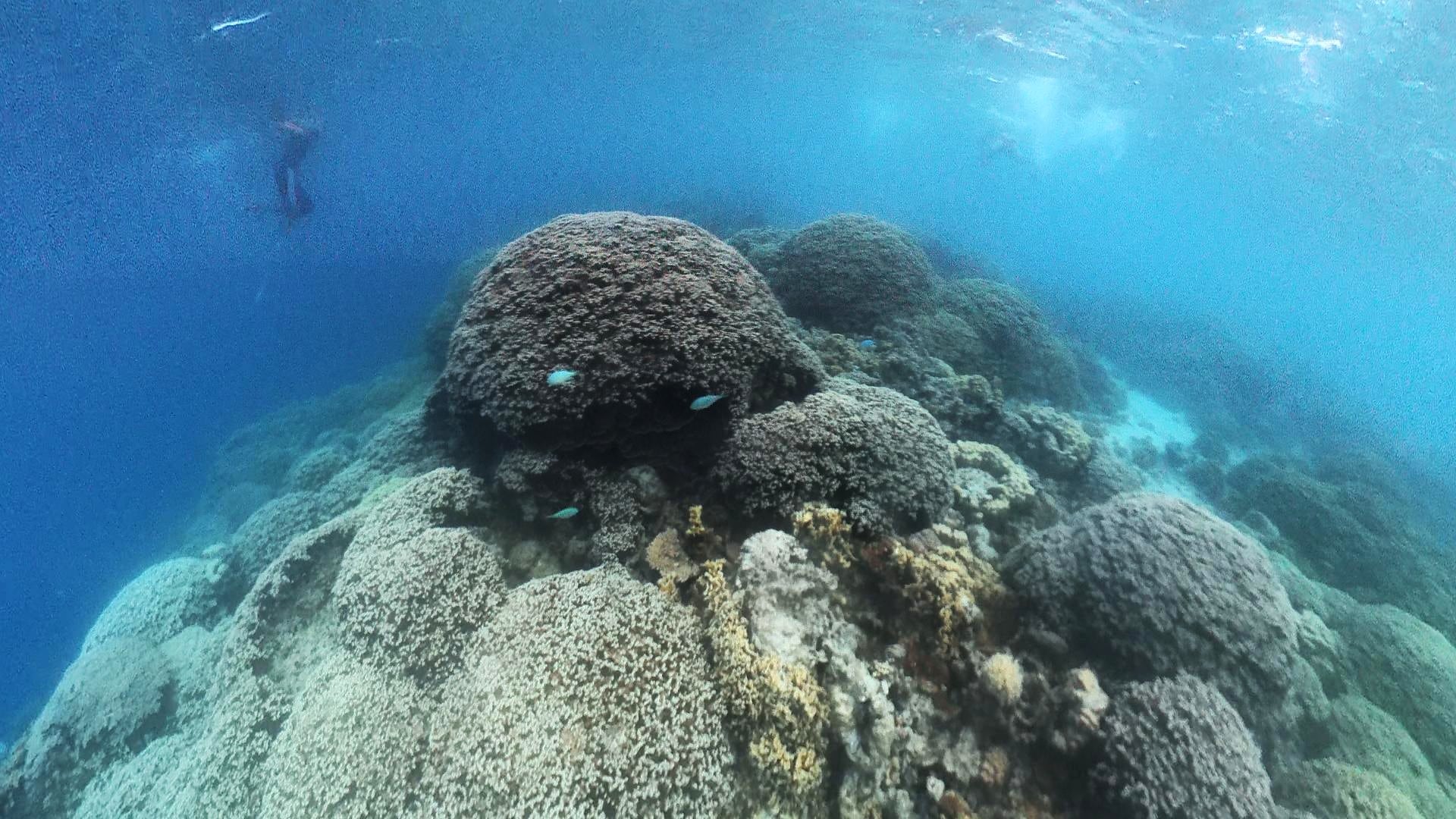
Some divers are in the water. Our boat is way too far from the ray and we all have to swim 15 minutes before we come across the first manta ray. I have the Decathlon full-face mask. With this mask, I already had breathing problems in Moorea. Here, with the intense swimming, I had to take it off completely to swim, so I wouldn’t suffocate. This mask is very dangerous, I recommend opting for a normal snorkeling mask with a snorkel (the guide provides one if needed). I’m glad I brought a float with me, at least I won’t risk drowning.
I’m tired because of the too-high CO2 level from my crappy mask, but when I see the ray, I’m so happy and forget the fatigue. Watching TV reports, I thought I’d be scared facing such a huge fish. But she’s so graceful, so beautiful that you’re not scared at all. At one point, the ray passes very close to me, I’d say 2.5 meters, I see the little fish eating her parasites. I’m including a photo with JB for scale. Such a ray measures about 4 meters across. In the photos, she looks small because she’s in the depths (where we are, it must be 10-12 meters deep). But she’s HUGE! She has horns that curl when she closes her mouth, and they unroll like two hands when she opens her mouth to eat plankton. If the ray is very big, it’s a female.
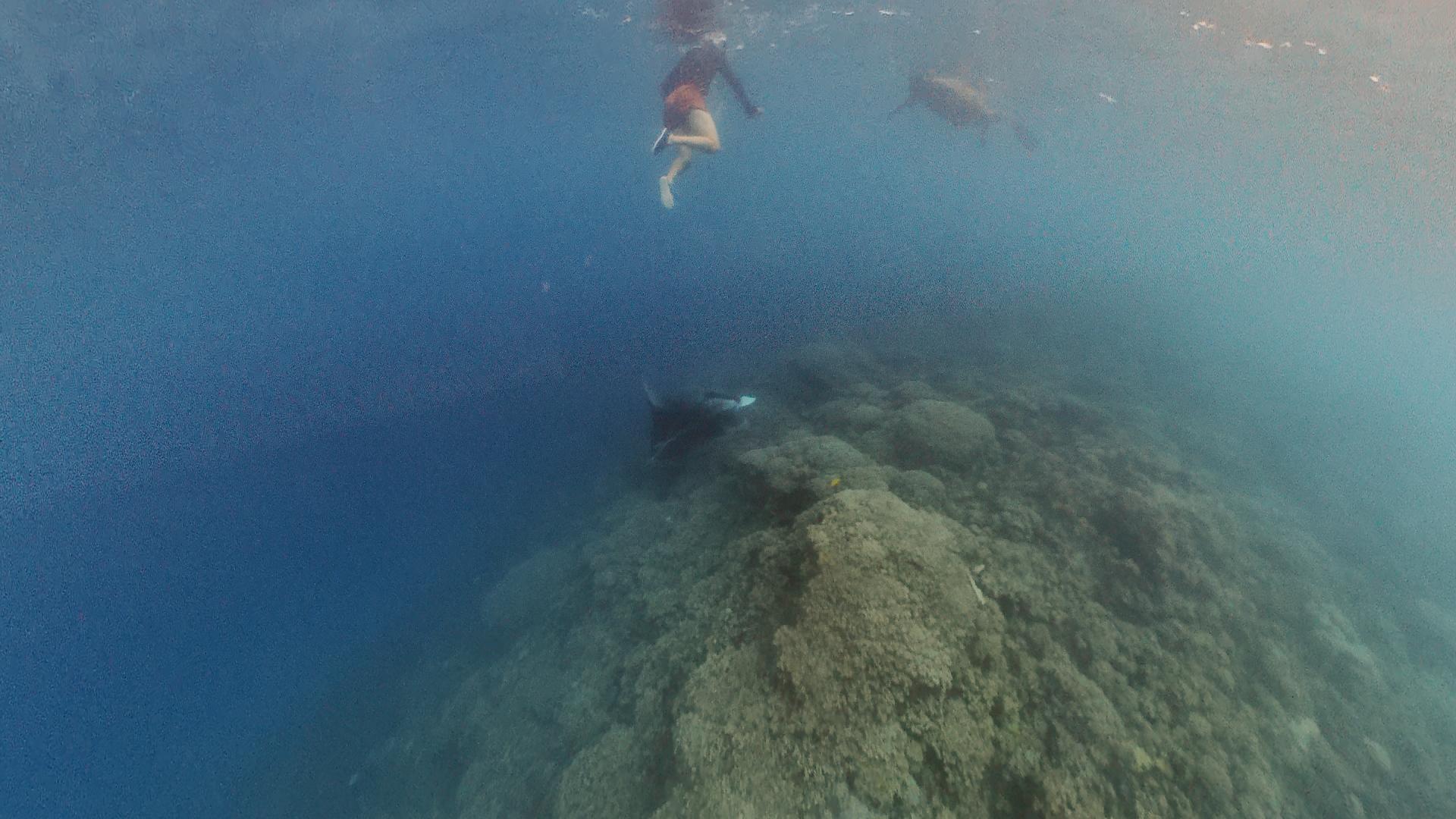
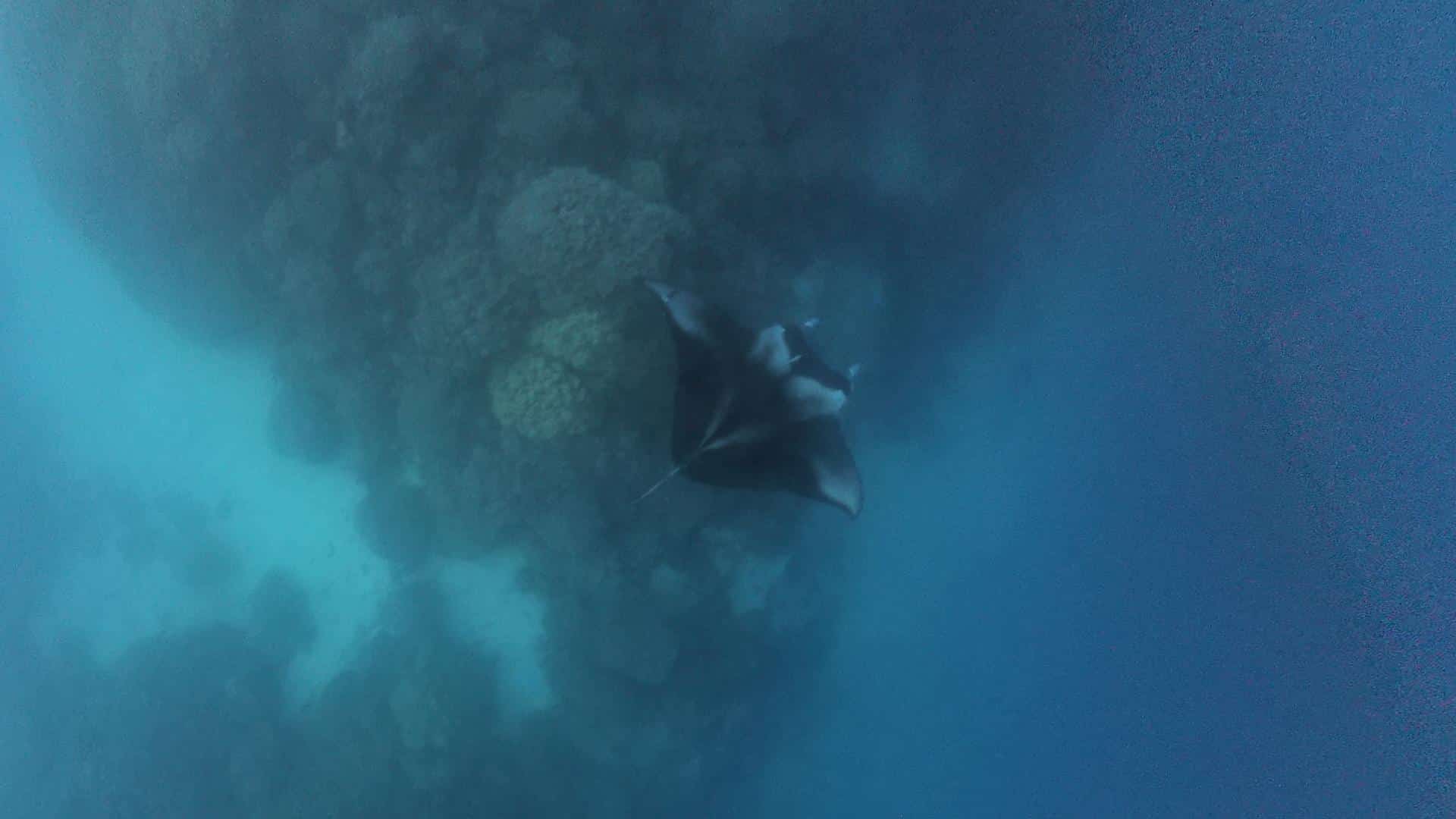
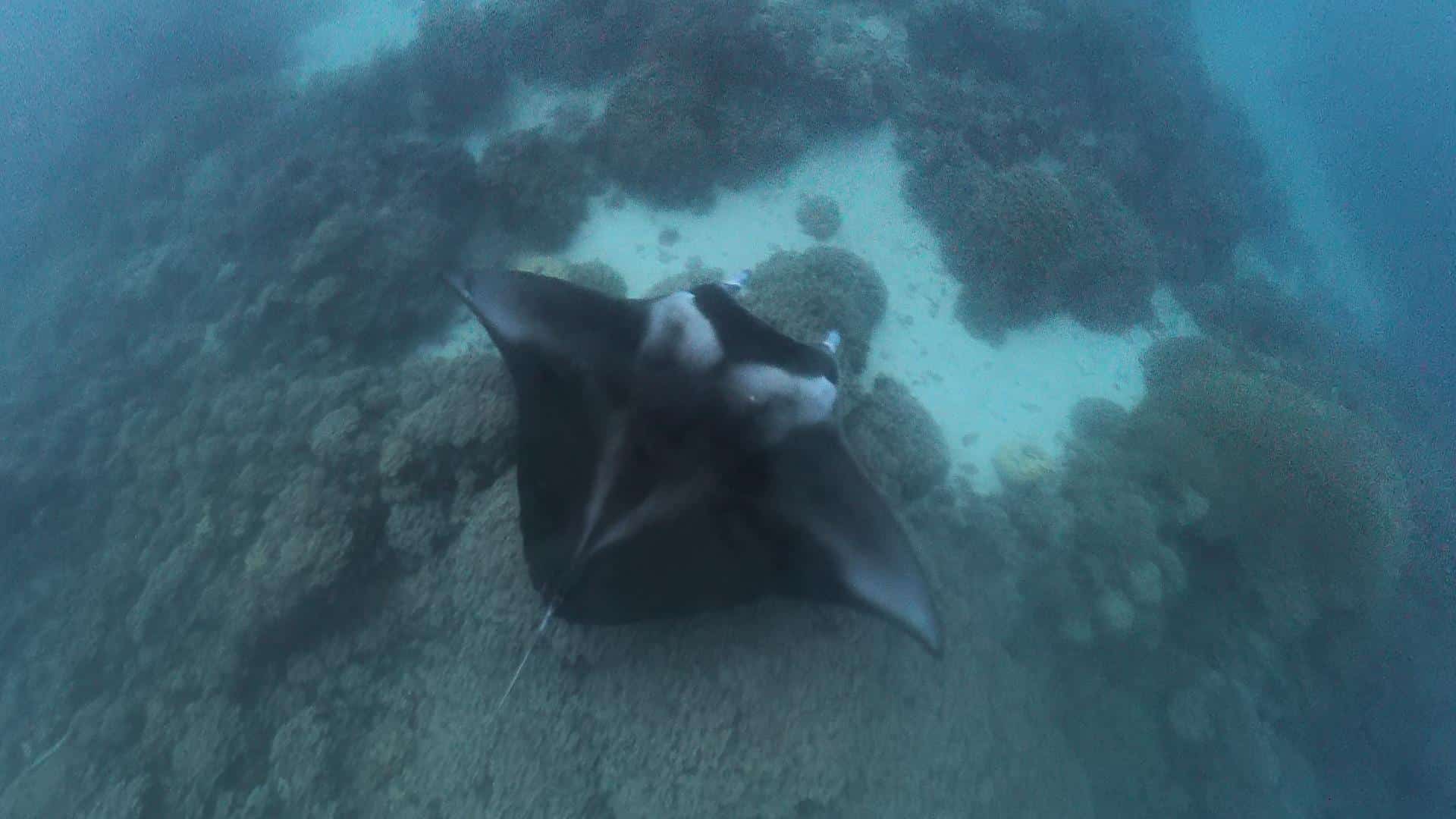
Divers can see the underside of the ray. Each ray has a distinctive pattern, like a fingerprint. That’s how they track ray movements, by matching the photo of the underside on a specialized site. There are reef manta rays (the ones we see here) and oceanic manta rays.
In total, we’ll see two manta rays, unfortunately not at the same time. But the guide tells us that a few days ago, they saw three manta rays at the same time. The swim back to the boat took a lot of energy, without a mask because otherwise I’d suffocate.
Stop 2: Leopard rays
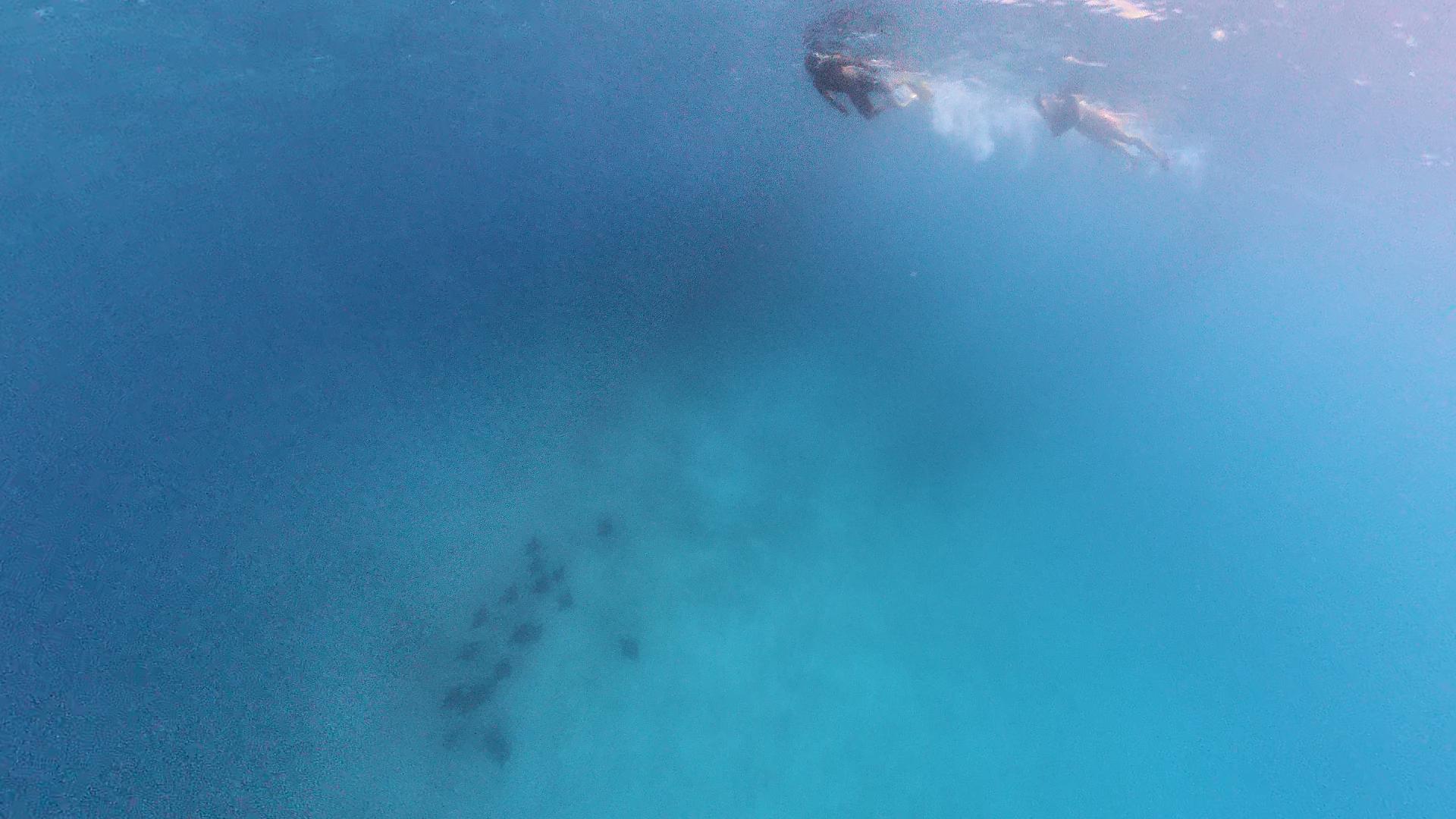
The leopard rays are near the Conrad hotel. If you stay there, don’t try to swim to the leopard ray spot, it’s really far and deep (15 meters) and they swim way too fast. It’s better to come by boat. We manage to follow them more or less. JB counted 19 of them!!! At this depth, unfortunately we can’t see the little white spots on their skin. They’re black, smaller than stingrays, and more agile.
Stop 3: Rays & Sharks
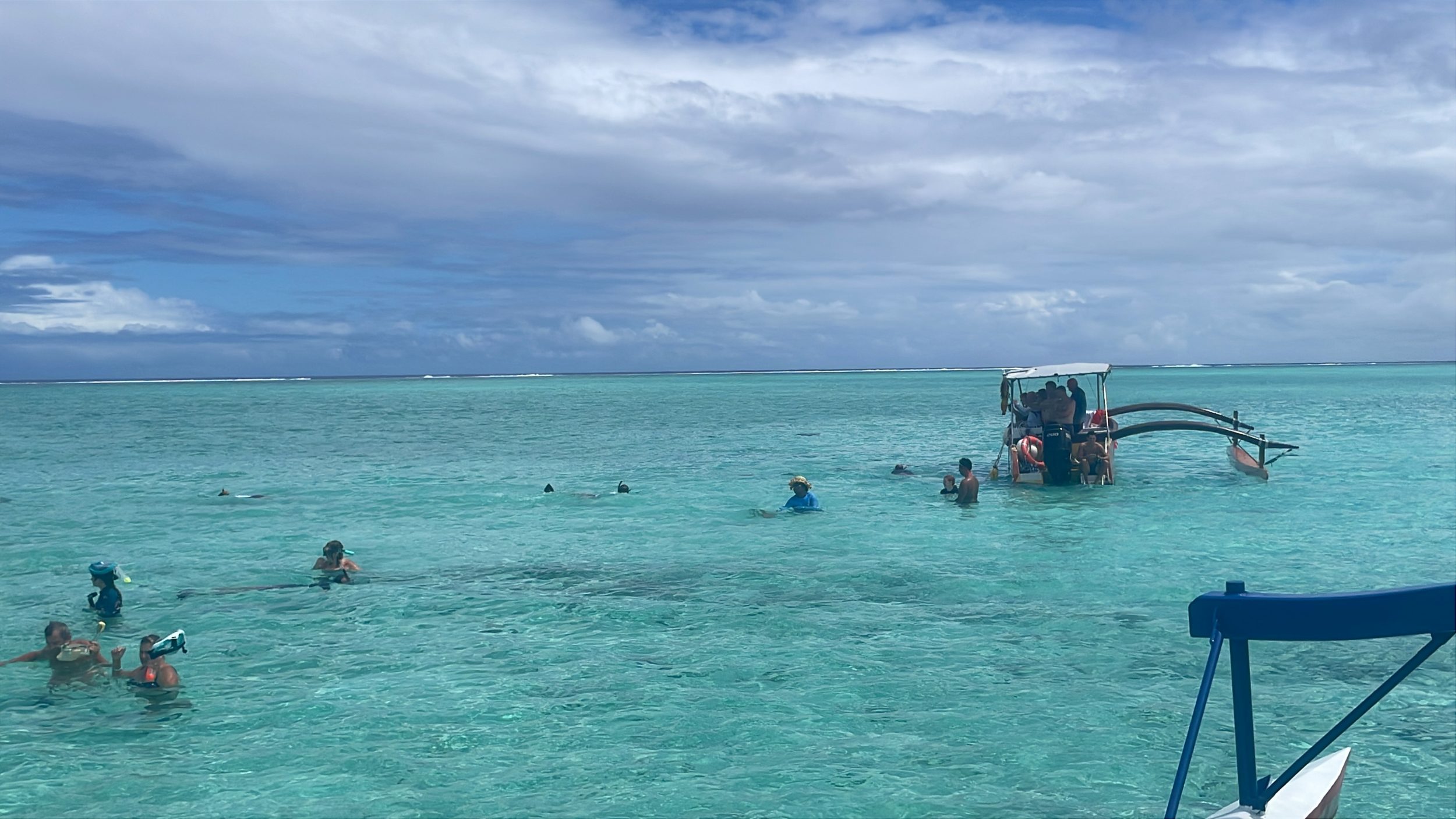
We then arrive at a spot only one meter deep, in the middle of nowhere, without coral. The water is turquoise, it’s extraordinary! Unlike Moorea where the rays & sharks spot has no other fish, here we have lots of little yellow fish, which the sharks and rays try to eat, without success. I’d say we’re surrounded by 20 sharks and 7-8 stingrays. Everything is in an uncontrollable frenzy: the guides, the tourists, the fish. When I see the shark fins in the water, I got scared because often that means they’re in “hunting” mode. I quickly get out of the water and let JB film for me. Feeding shark feeding is forbidden, but I have the impression that some guides more or less feed the rays because they cling to them and climb on their shoulders all the time. In any case, don’t get in the water if your hands smell like fish.
Blacktip reef sharks (Carcharhinus melanopterus) are naturally wary and flee human presence, but in areas where shark feeding has been practiced for years for tourism purposes, some individuals have learned to associate humans with food and now approach swimmers out of curiosity instead of fleeing, without this translating into aggressive behavior. Their small size (1.5 to 1.8 m on average) limits the risk, and the rare reported incidents generally amount to superficial bites from confusion, with no documented fatal case attributed to this species.
It’s only on the way back from this snorkeling day that I realize the 360 camera wasn’t turned the right way. I should have filmed the main action facing both lenses, instead of pointing the end of the camera. So I apologize in advance for the slightly blurry images.
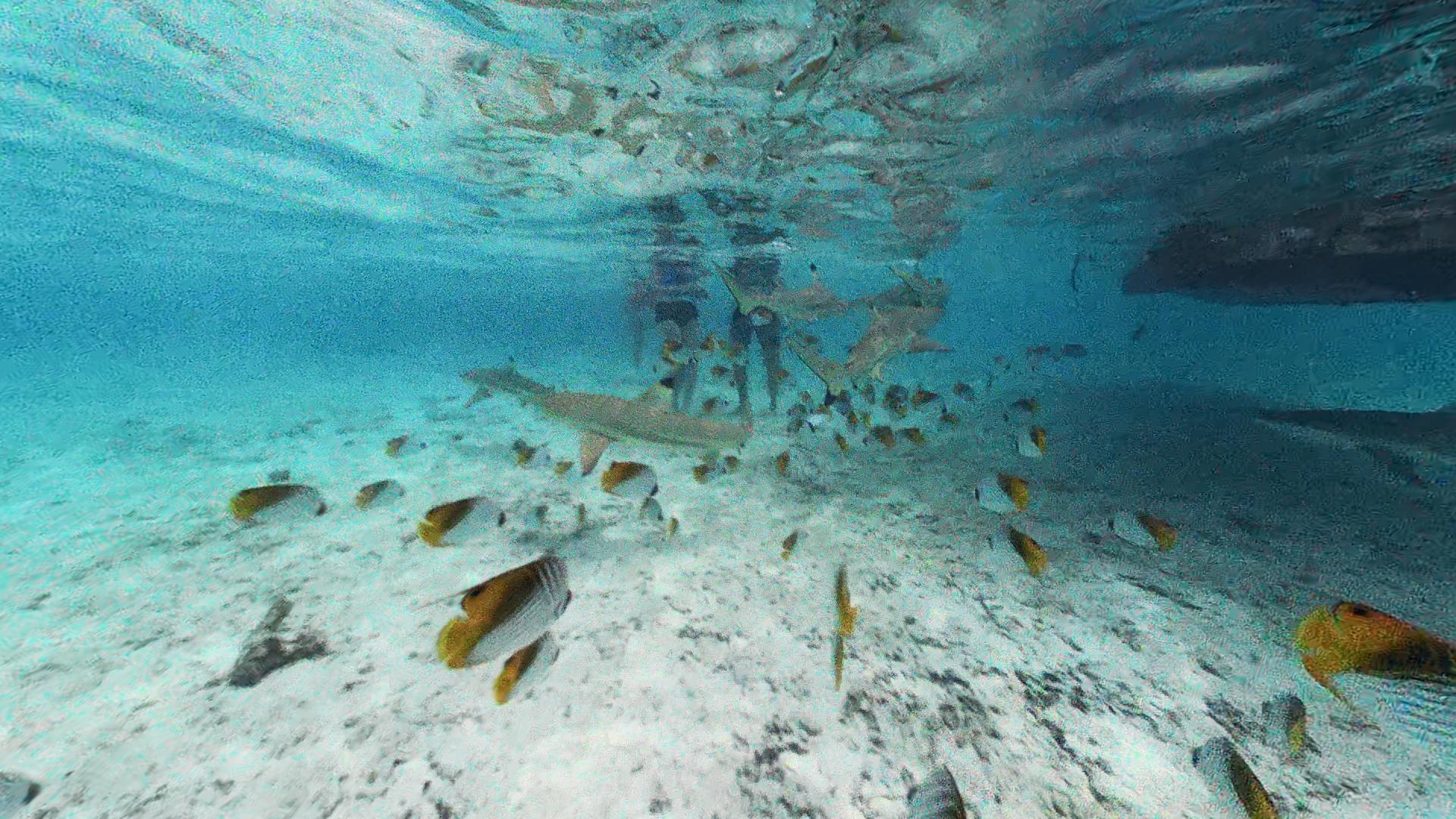
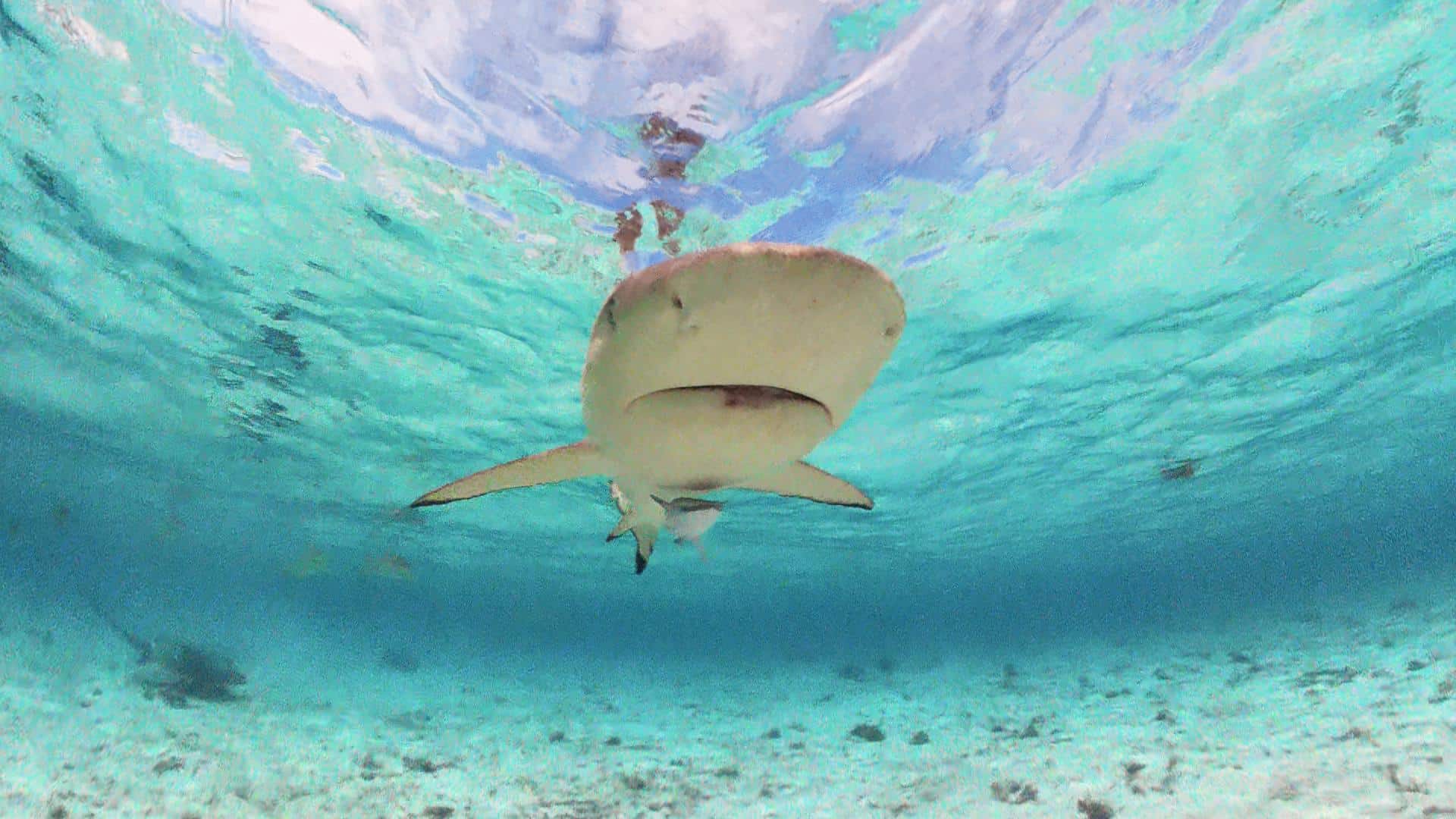
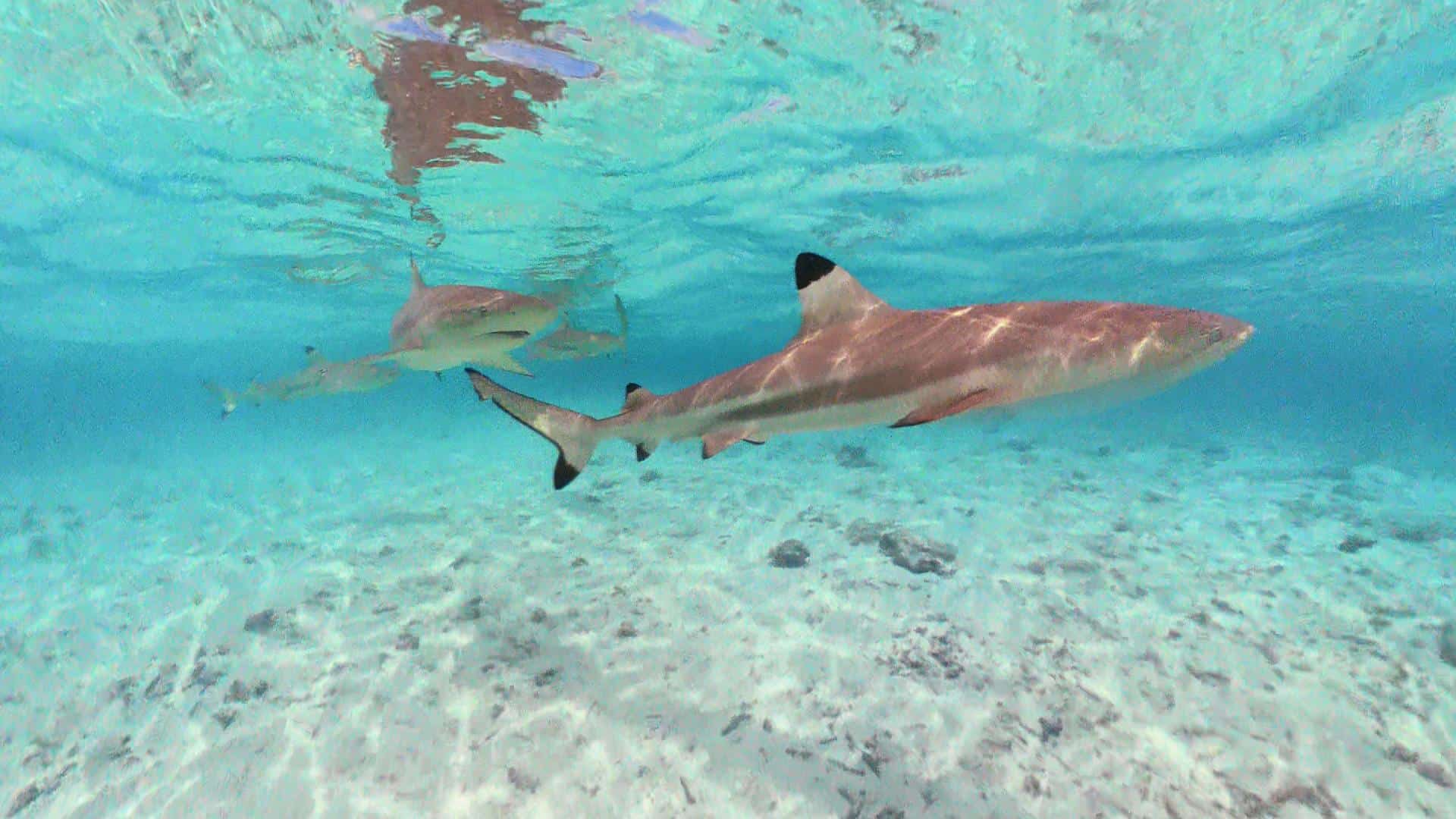
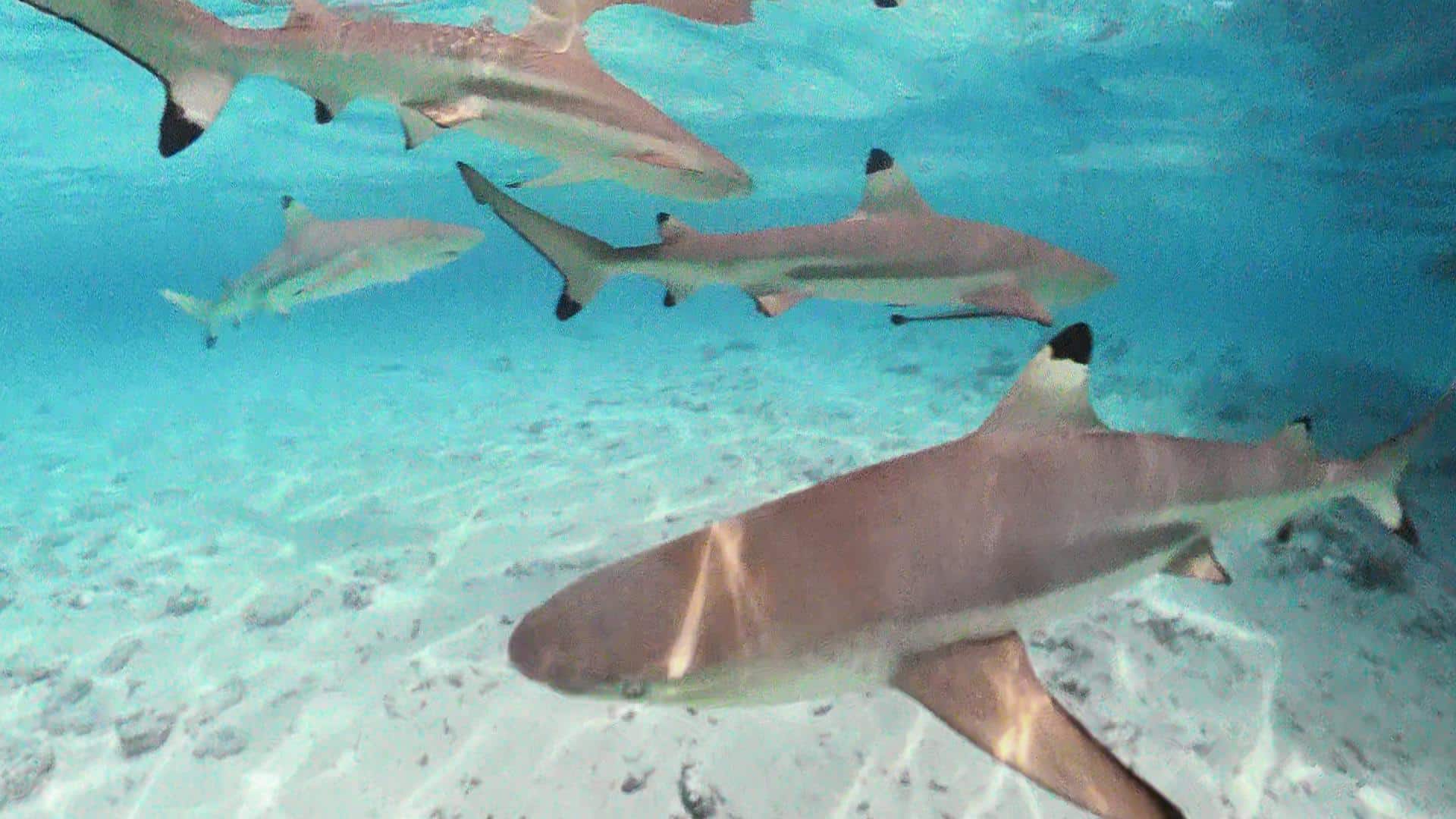
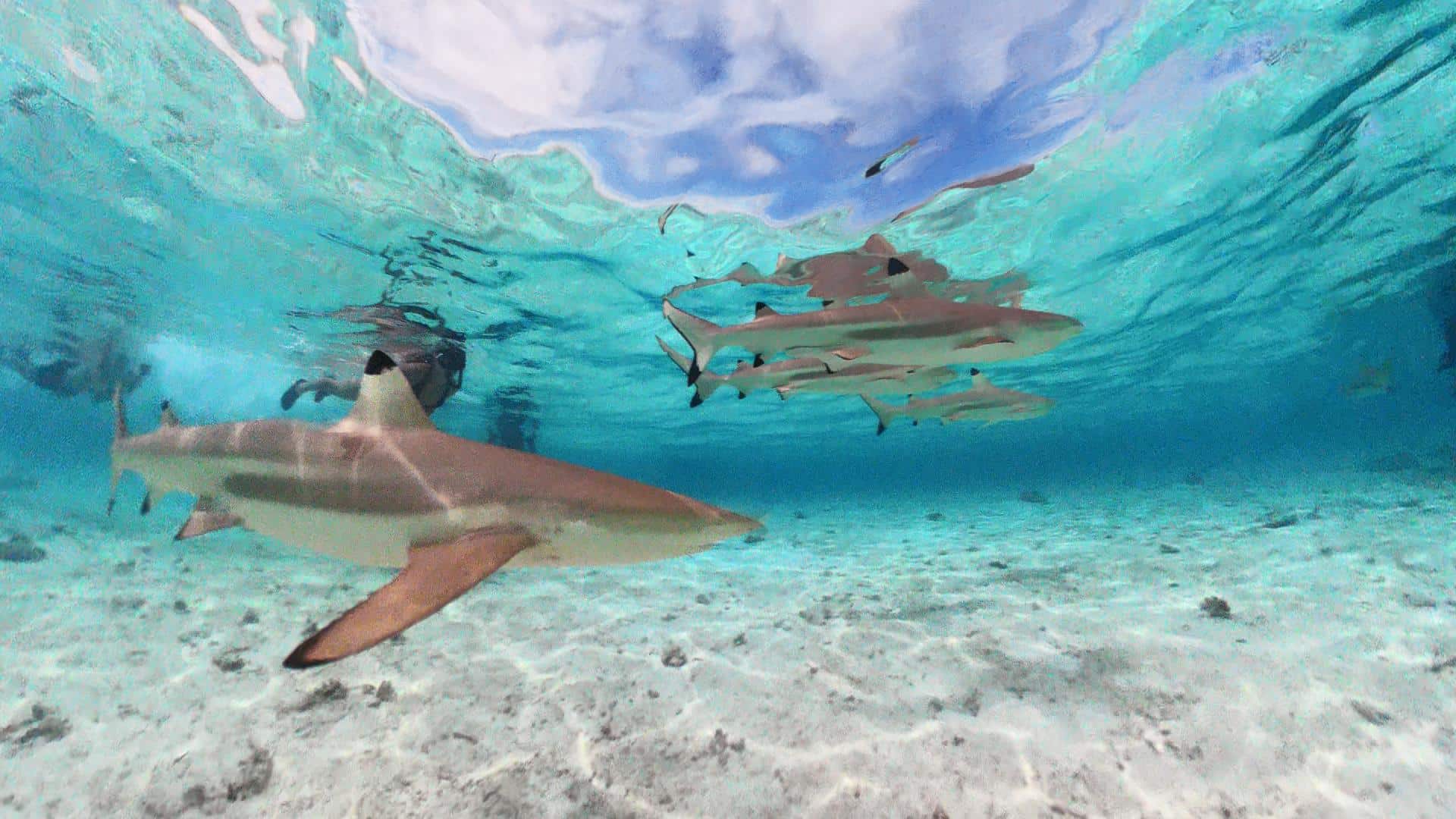
Surrounded by sharks, I jump when I see a ray pass way too close to me. I thought it was a shark. Plus, my mask has a “magnifying” effect, I think the sharks and rays are much closer than they are. For example, there’s a shark I thought was very close to me, but when I watched the video, it was 1 meter away! I’ll show you the moment I jumped in fear because of the ray:
Stop 4: Coral garden
We’re dropped off at another spot near the old Sofitel motu. The water must be 6-7 meters deep. We’re very lucky because when it rains, we’re on the boat, but when we go down to snorkel, the weather is nice. It’s here that we find a moray eel. She’s very nice, her head is ugly like all moray eels and she has her mouth open all the time, but she doesn’t attack anyone. Even though a few reckless people dive to give her a kiss (what an idea!!!).
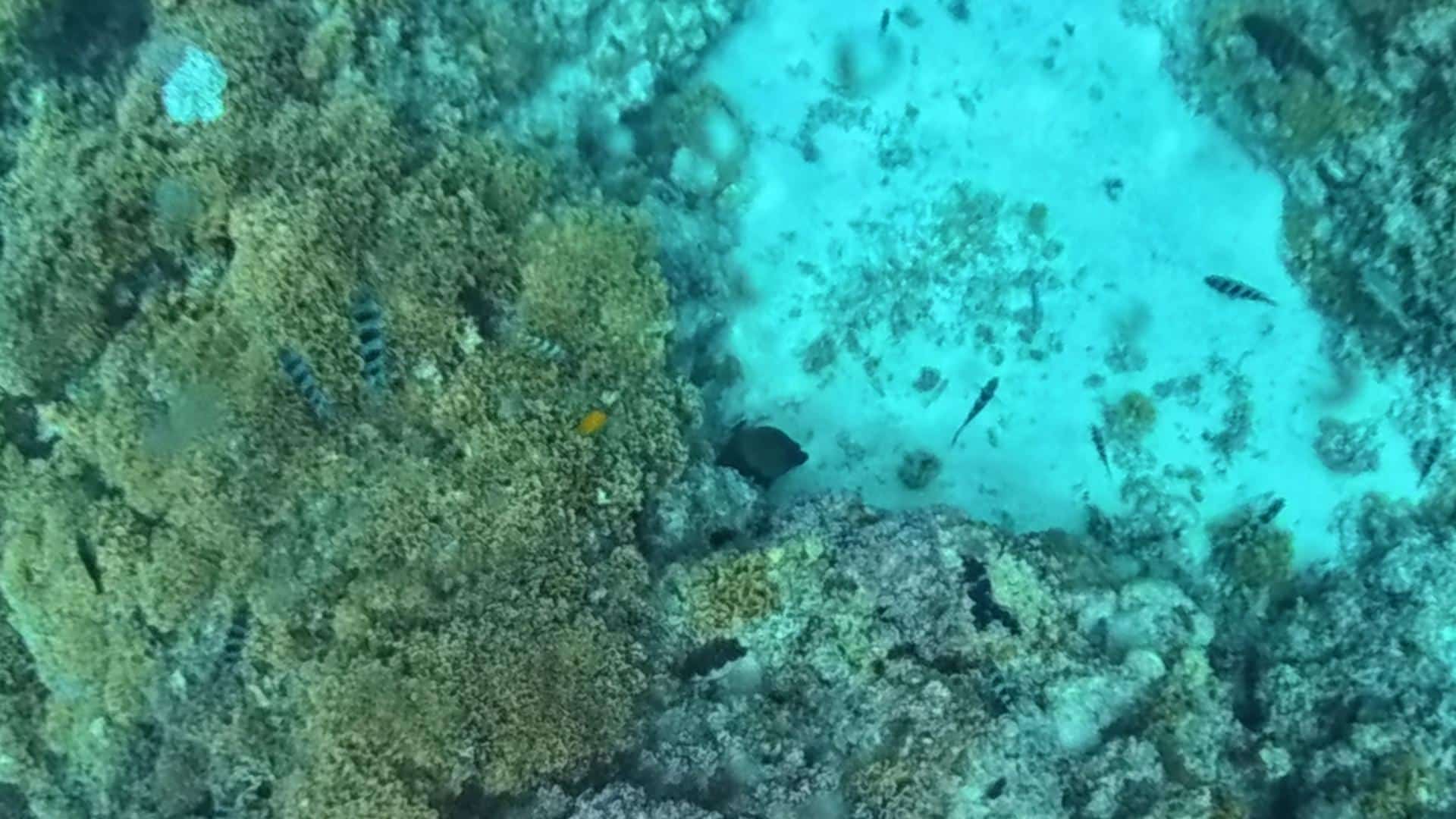
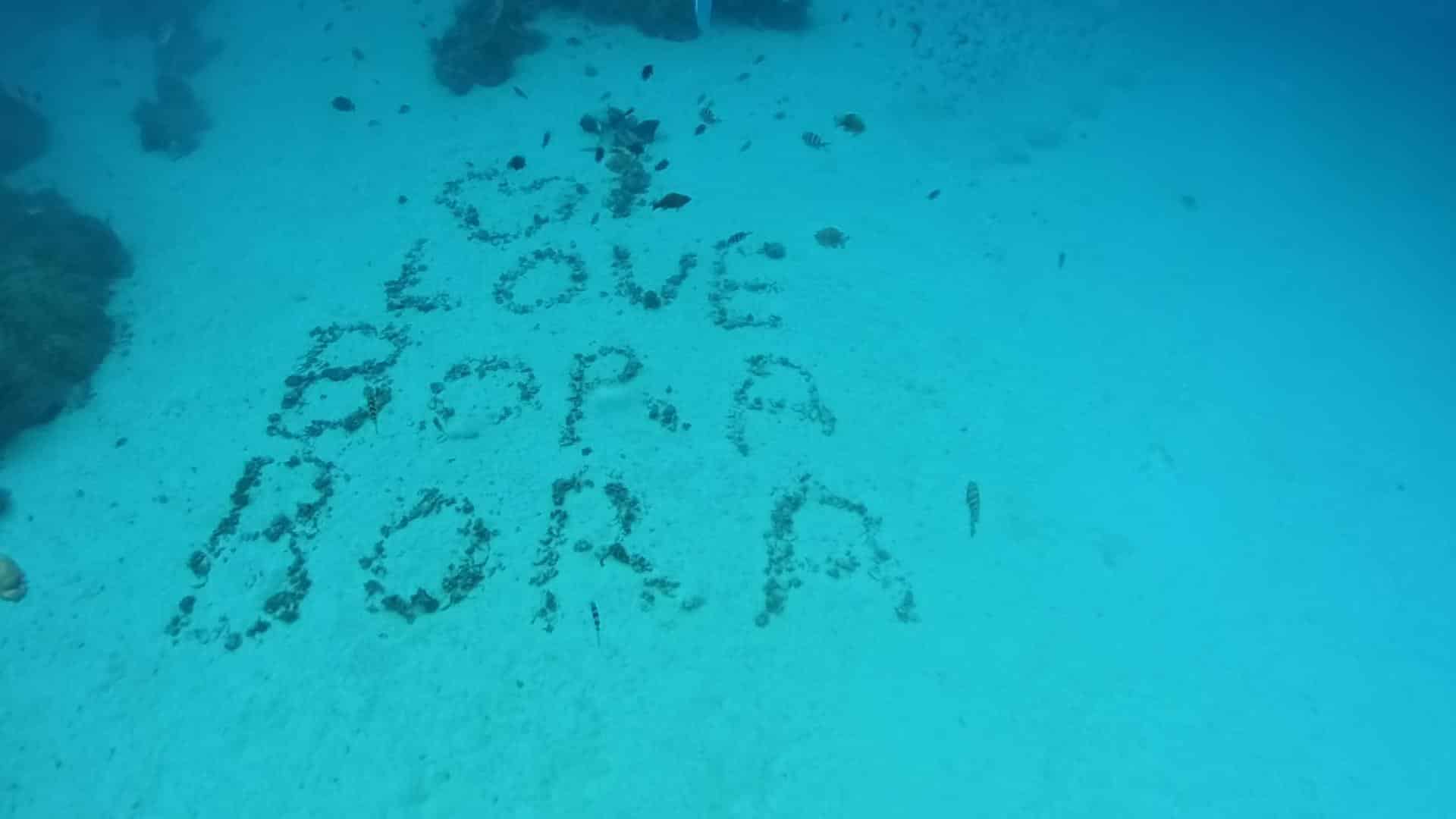
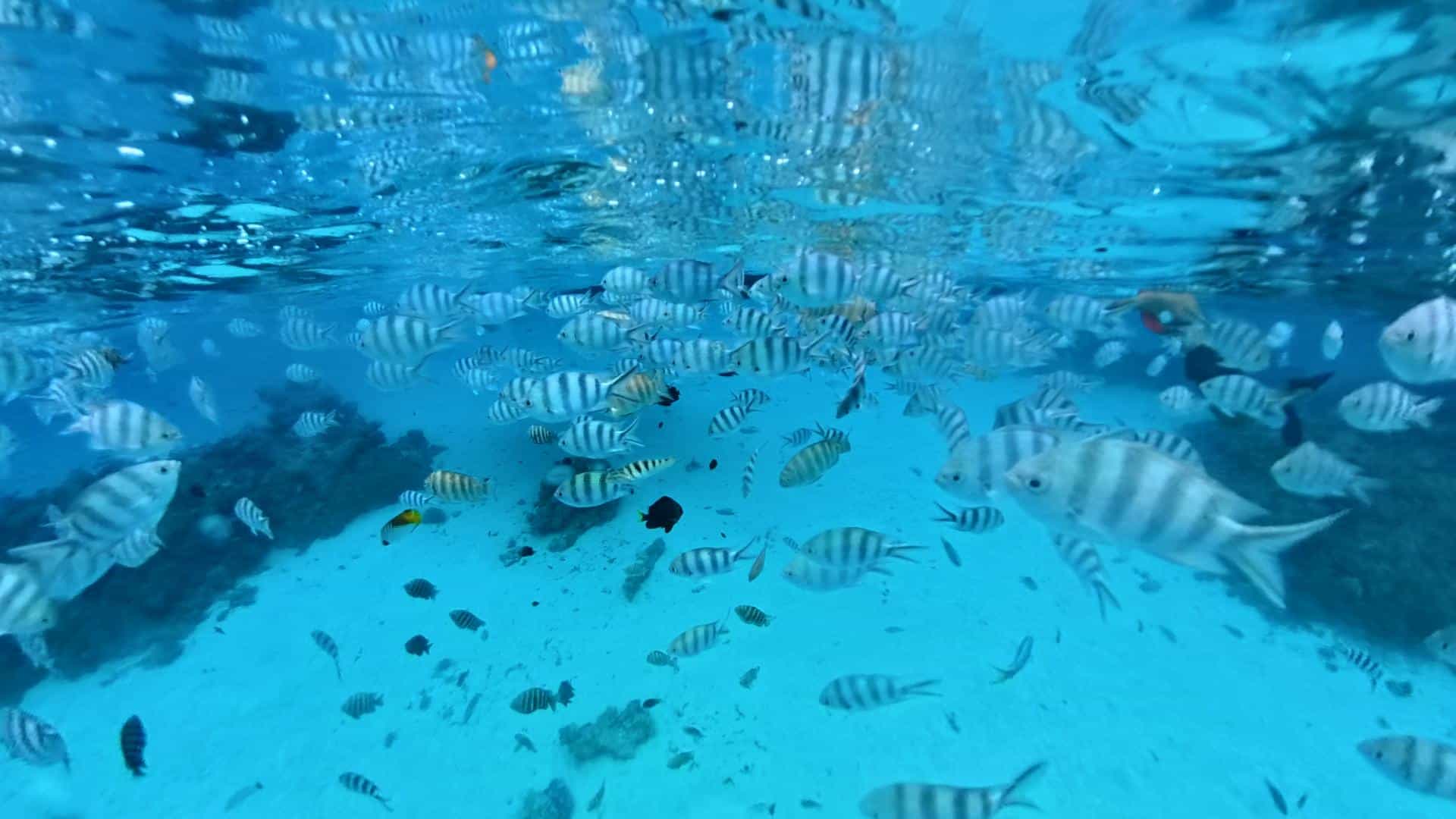
This is where my battery dies and my microSD card is completely full.
The retired couple sitting across from us opted for a half-day tour. They’re staying at the Maitai hotel (Booking link), right next to the Intercontinental Moana. They have a beach cabin and seem to regret the hotel’s proximity to the road. I think the noise would have been better if they were in an overwater bungalow, or on the land side (across the road, cheaper) but I must admit that when they were dropped off by boat at the hotel pier, 3 meters from their cabin, it looked really classy.
The rest of the group is taken to the agency’s private motu, between the St-Regis hotel and the Westin hotel. I change to get dry. It’s the grandfather of the guides who bought this motu, when it wasn’t expensive. They built a lagoonarium there to keep and care for sick turtles. But it didn’t go well for various reasons. So they destroyed that lagoonarium and just kept the name. The story was told to me by the other retired couple who already came 3 years ago.
Lunch on the motu is super good. It starts pouring rain. Luckily it wasn’t the case during snorkeling otherwise we wouldn’t have seen anything.
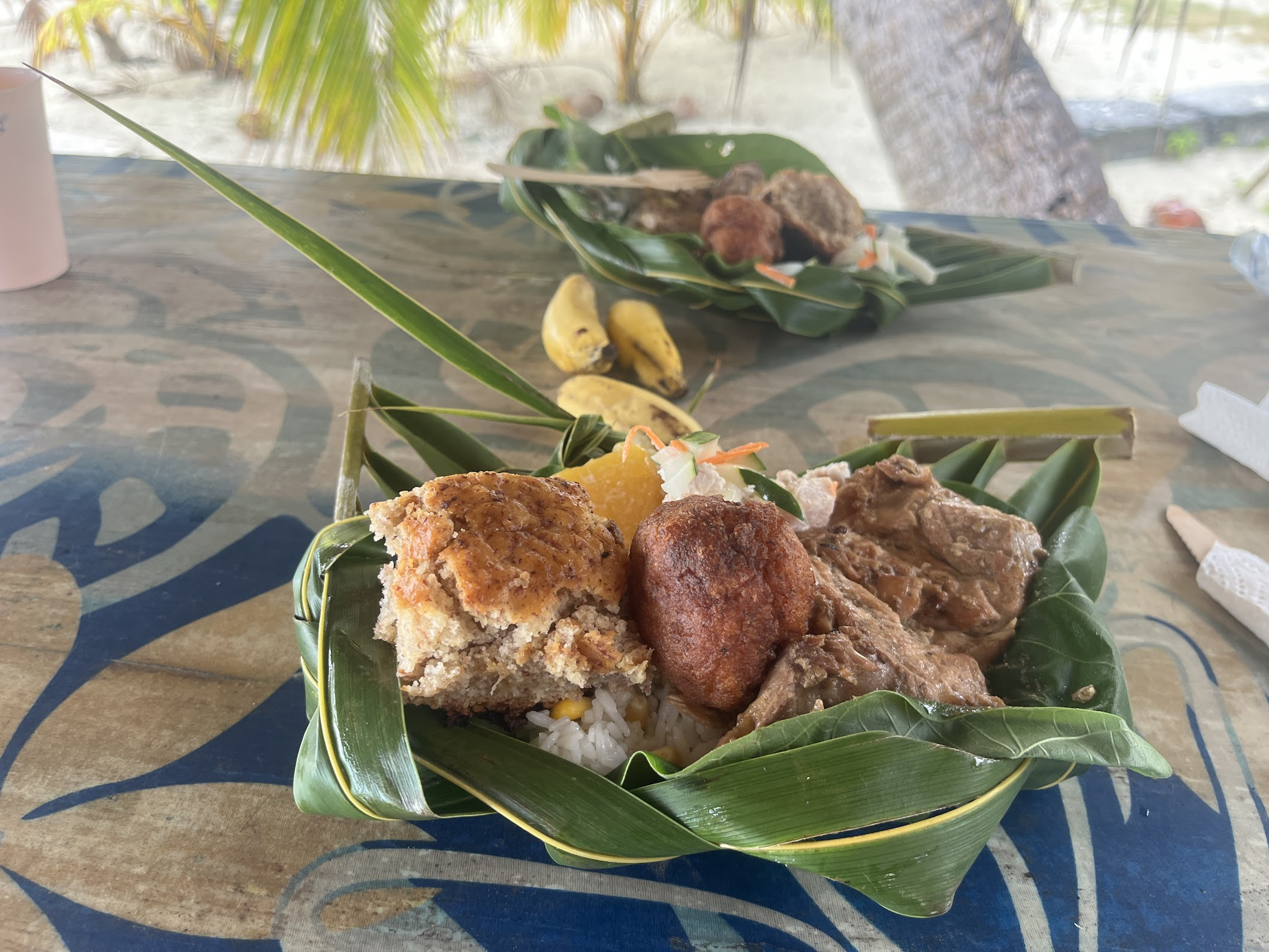
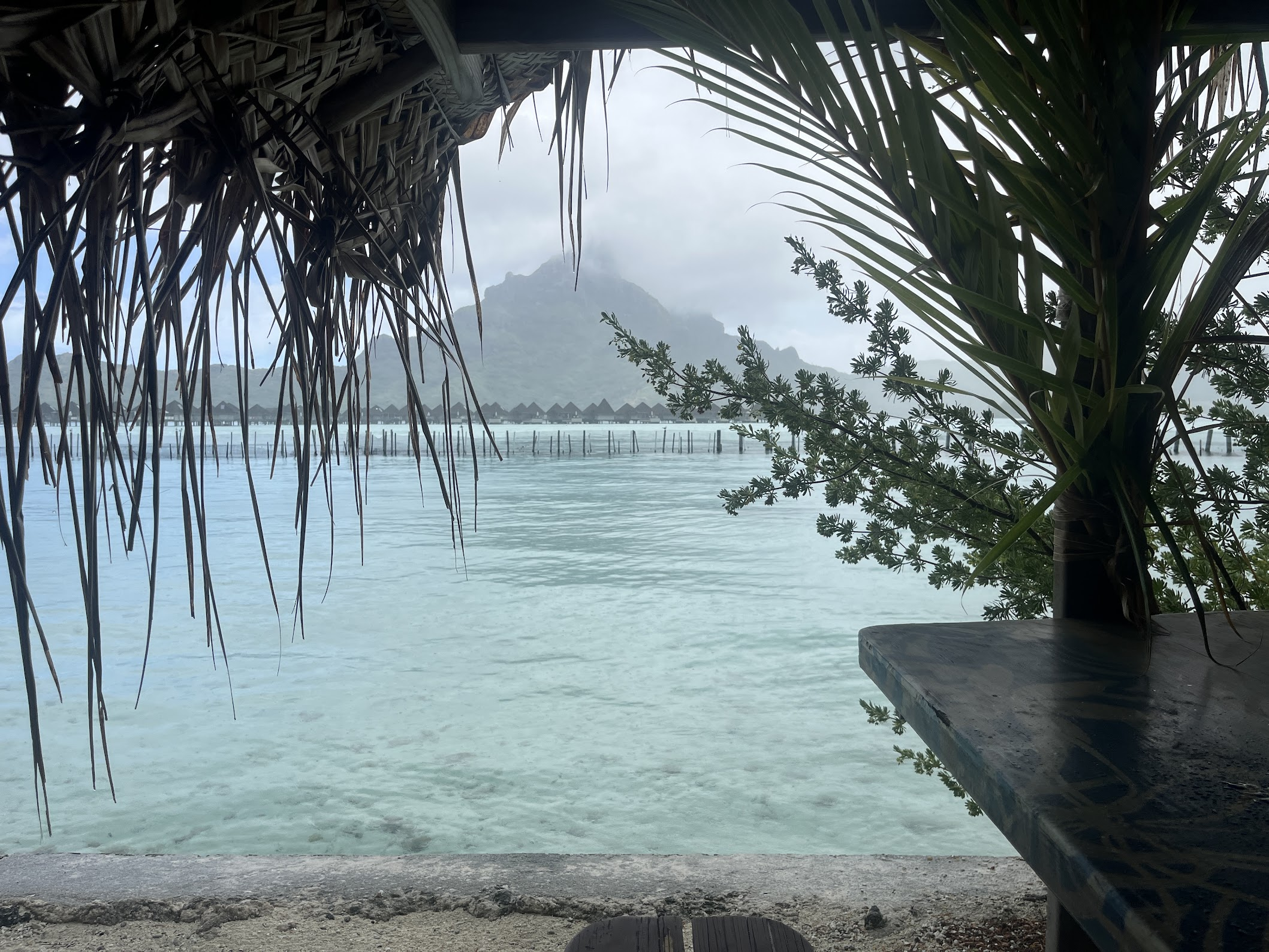
However, the following activities (opening a coconut, tying a pareo, learning to dance) are run by an elderly Polynesian who lacks tact, makes too many dirty jokes, with a bit of body shaming, some racist remarks… So much so that a tourist in a very sexy bikini next to me was stressed at the idea of being put a pareo in front of everyone. Everyone is super embarrassed but none of us has enough emotional intelligence to handle the situation. It makes me think of snorkeling tours in Vietnam organized by people who aren’t subtle, with dirty jokes; and stupid games. Anyway, I don’t really recommend, except if you go with them just for the half-day snorkeling.
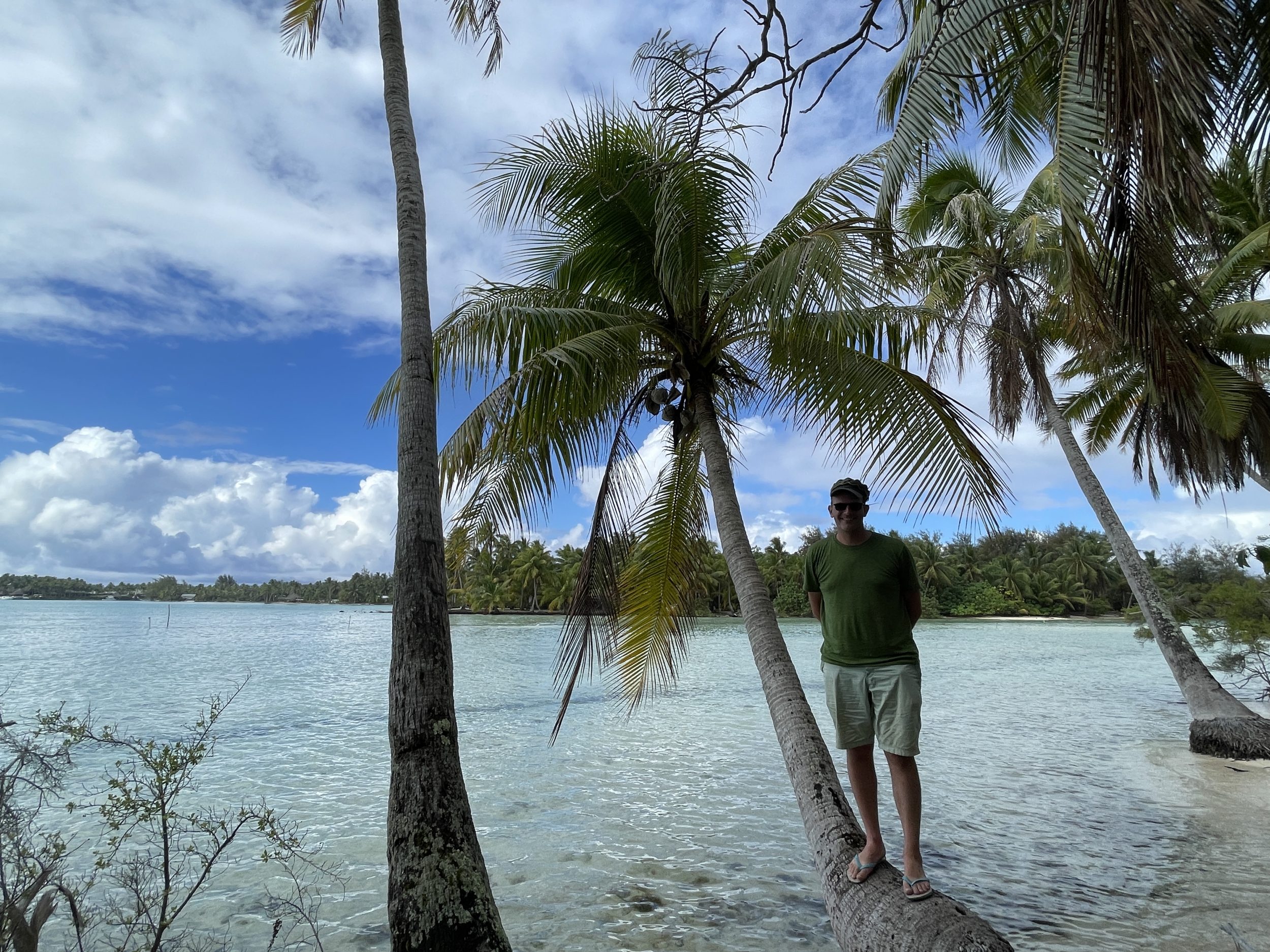
The only positive point of the afternoon is the motu. This private motu is just as pretty as the 5-star hotels next door. I’m just talking about the sand and the landscapes, not what’s on the motu ahaahh. The water is MAGNIFICENT. We even saw a leopard ray pass by.
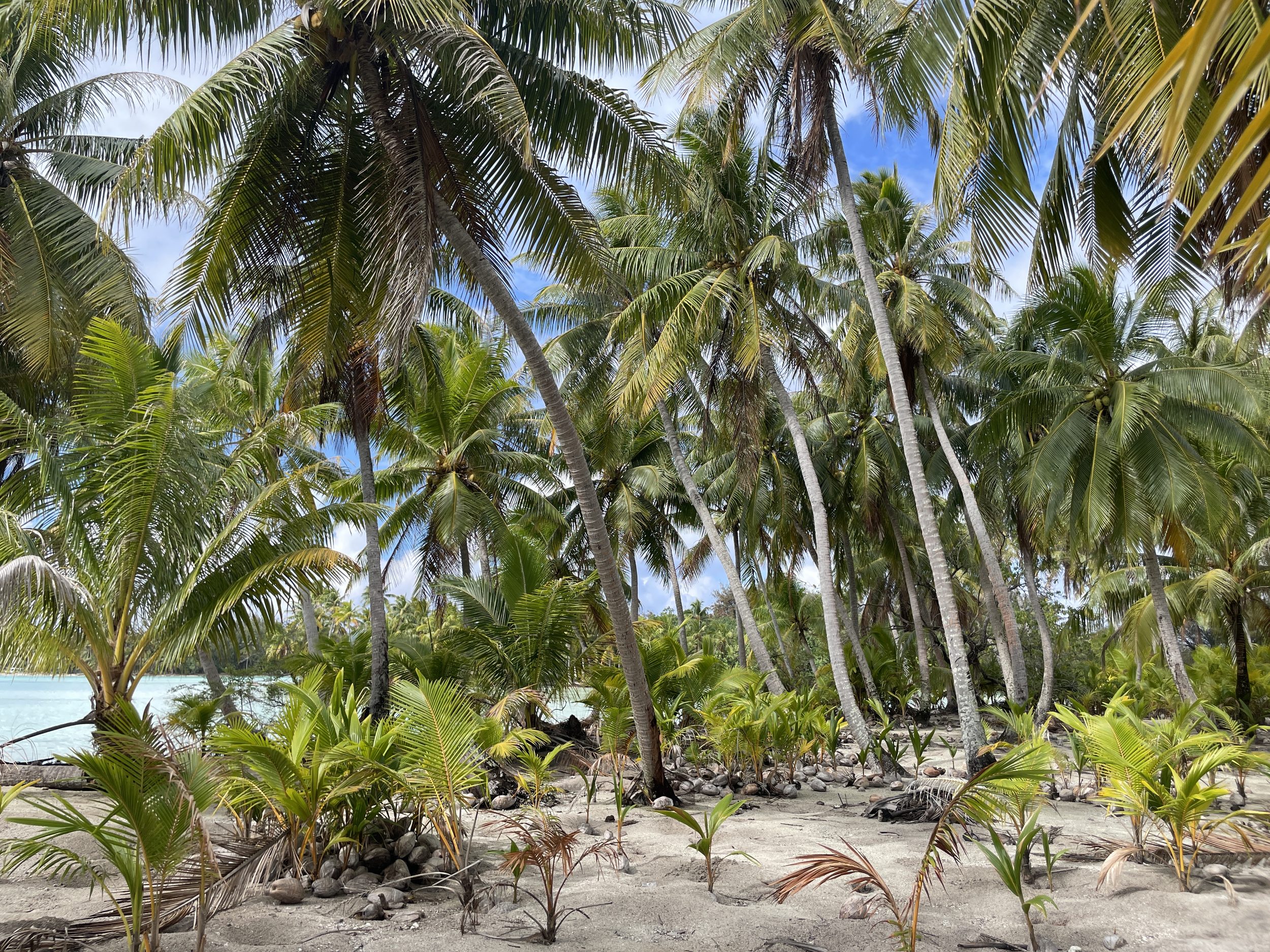
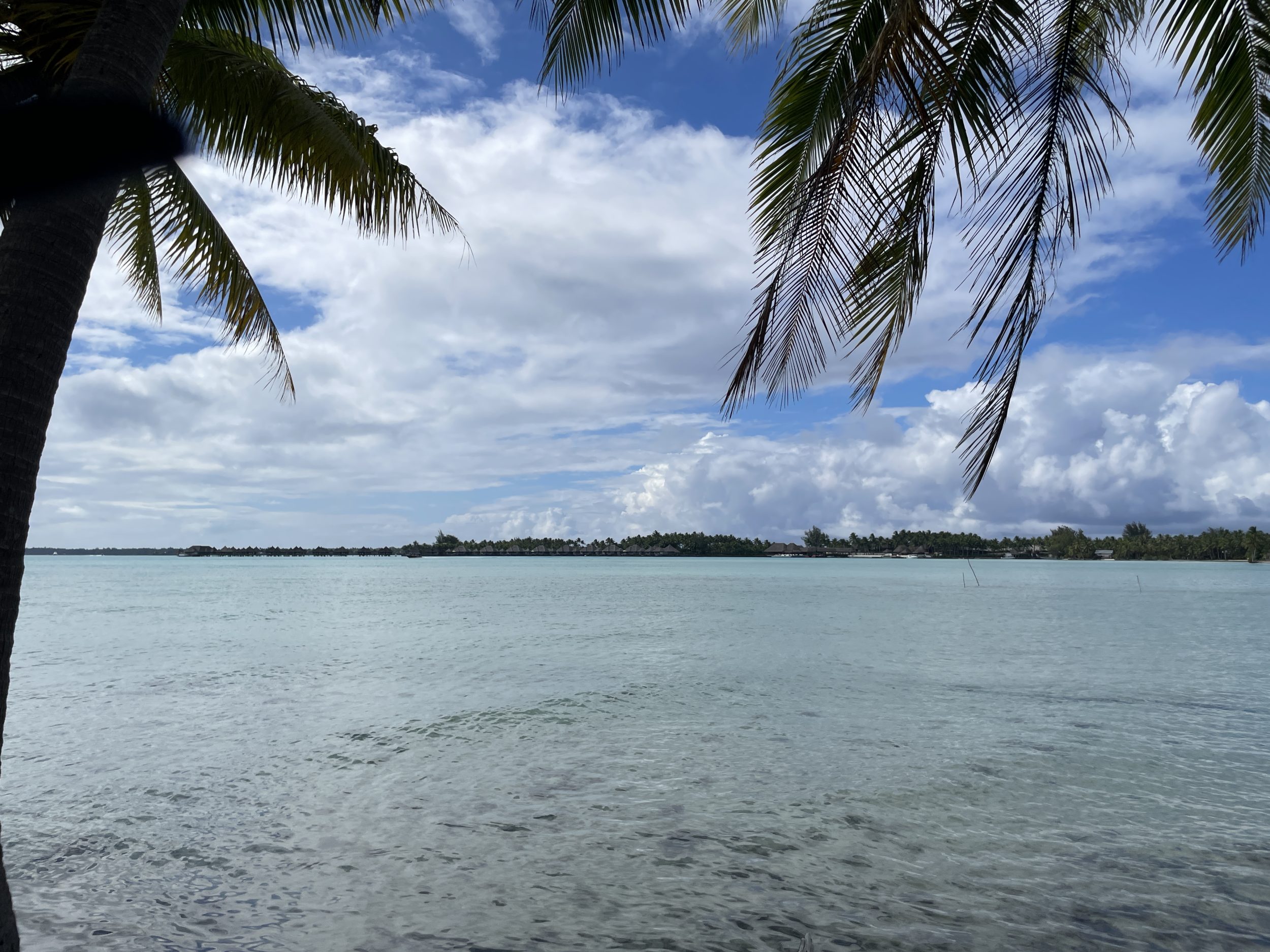
Since we’ve passed by the bungalows of all the 5-star hotels since this morning, we can roughly estimate the size of each bungalow. I think the price difference is in the location of the bungalow (very far out in the lagoon or not), the size (there are double bungalows), the size of the private pool (oh yes, you can have a private pool right in front of your bungalow, that’s so classy).
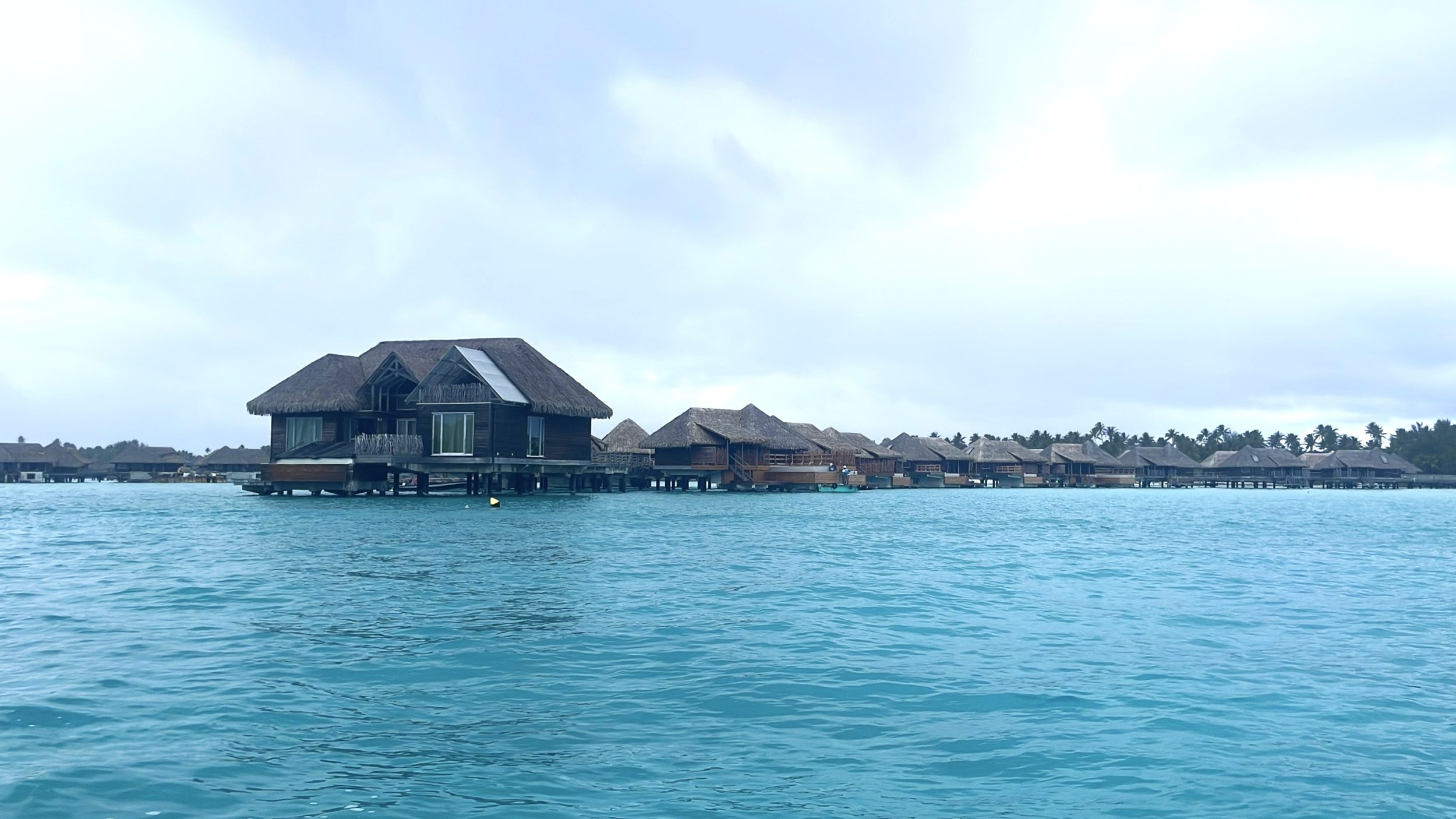
As for service, those who have visited the Maldives find the service more attentive than in French Polynesia (we saw it a bit everywhere). The hotel beaches are too beautiful because the sand is taken directly from the lagoon.
It’s time to go back. The boat drops us off at the agency, then we’re dispatched into two pick-ups to reach our respective hotels and airbnbs. People ask me for videos left and right, because I’m the only one filming with such a long selfie stick and a 360 camera. I saw another tourist with the same camera, with another tour and by chance, he was Asian too 😀 We looked at each other like “ah, you too?”
To watch the video summary of our trip to Bora Bora, here is the YouTube link
The next day, we take the early morning ferry to Taha’a.
Part 2: Practical Tips
High-Tech
For filming underwater, I highly recommend going with a 360 camera like mine; I have the X4 Air (link), but you can get the X6 (link). You absolutely must take the dive case otherwise the camera would have trouble reconstructing the 360 in post-production. And you must always keep the main object IN FRONT of the lenses, not on the sides like me. In any case, having this camera means no longer worrying about what you’re filming, enjoying the moment and choosing the camera angle later in post-production. By going through my links, you’ll get an extra gift depending on the camera chosen (automatically added to the cart).
I really regret not having taken my extra battery and my many micro SD cards. JB takes me at barely 4pm around the city center looking for a micro SD card. We can’t find any anywhere, the only “high tech” store is already closed. Luckily at the Chin Lee supermarket, they sell me a 64GB U1 micro SD card for €45!!! €45! Come with lots of gear please!
Budget
- Unlimited ferry pass (30 days) 24,000XPF per person + 10,000XPF/crossing for the scooter
- Airbnb: ours has two bedrooms, for €150 per night, payable in cash only (Booking link). The airbnb is equipped with a kitchen and a washing machine, very practical
- 53,700XPF for 3 nights
- If you don’t have a scooter/car, opt for a hotel near Matira beach like Intercontinental Moana (link) or the Maitai (link)
- Excursion: Lagoonarium for the half-day tour only (9700XPF), or opt for another agency (from 16000XPF/person)
- Intercontinental Moana Wellness Offer 22,300XPF/person
- Food truck & groceries: about 2000XPF/person/meal
Points of interest and the itinerary for the Leeward Islands are available on this map Google Maps

