
Lima and Cusco (Peru): ringing in the new year
After our road trip across the United States, we need to pick our next destination. It’s tough because from what we remember, there isn’t necessarily high-speed internet or hot showers in small towns in South America. We still take the gamble and go to Peru to see for ourselves. And in the end, high-speed internet has made it to the mountains, and hot water too.
Part 1: Travel Journal
Part 2: Practical Tips
Part 1: Travel Journal
Lima
Don’t ask me what Lima looks like because I only saw the park across from my hotel and the beach from a taxi. We absolutely did NOTHING in Lima. The Las Vegas – Panama – Lima flight wiped us out.
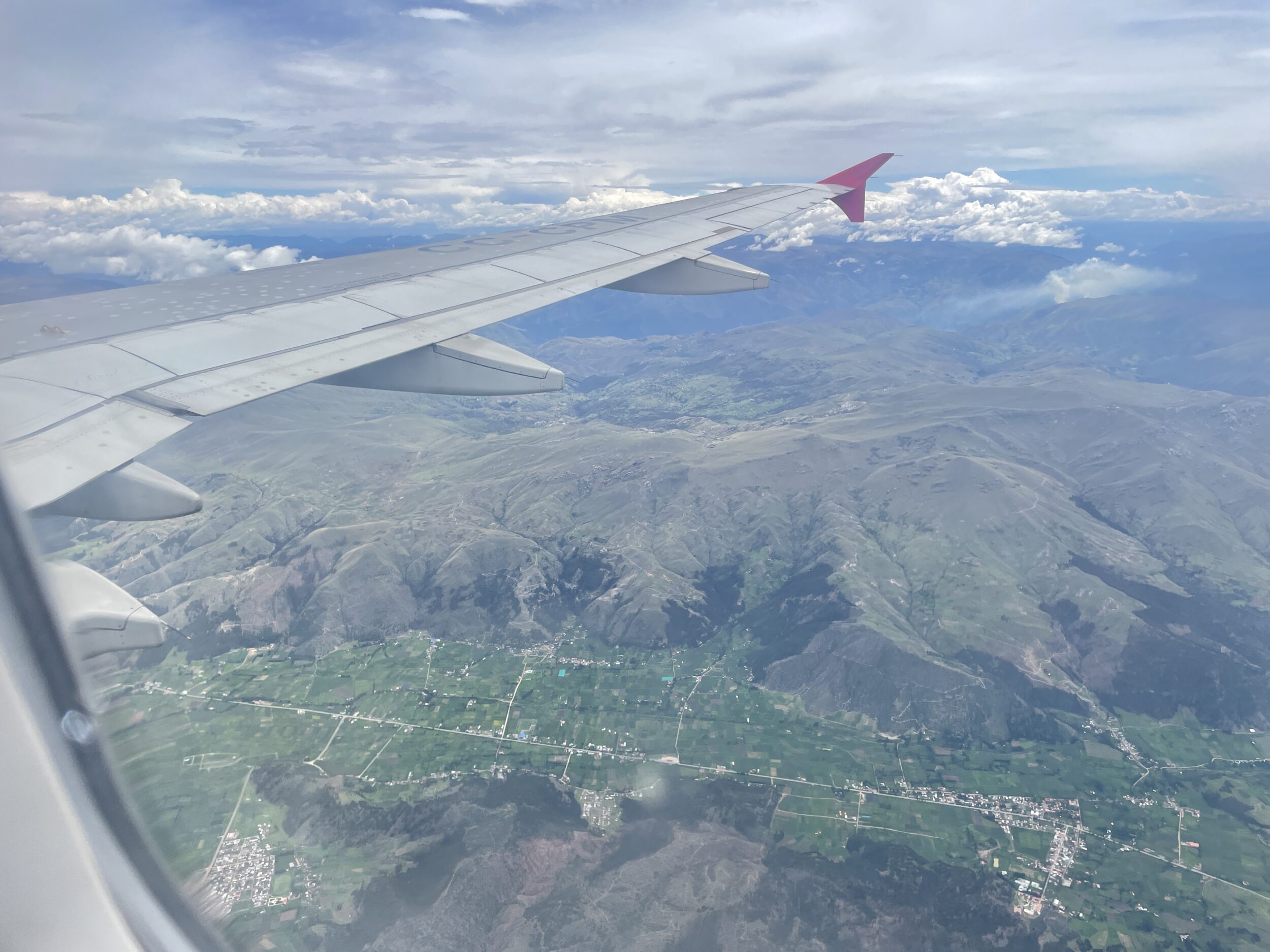
I’ll still show you some funny shapes I spotted near Lima from the plane.
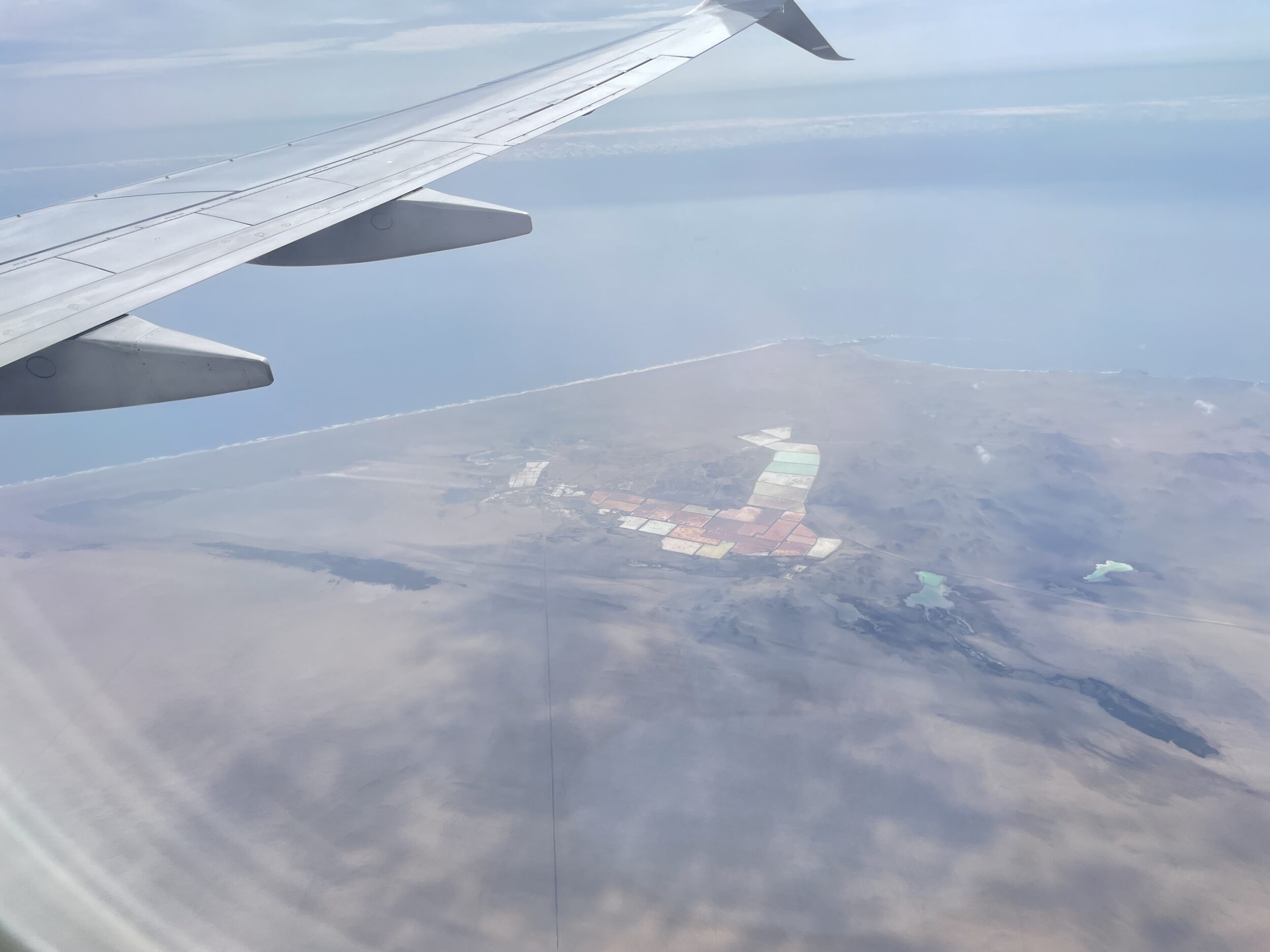
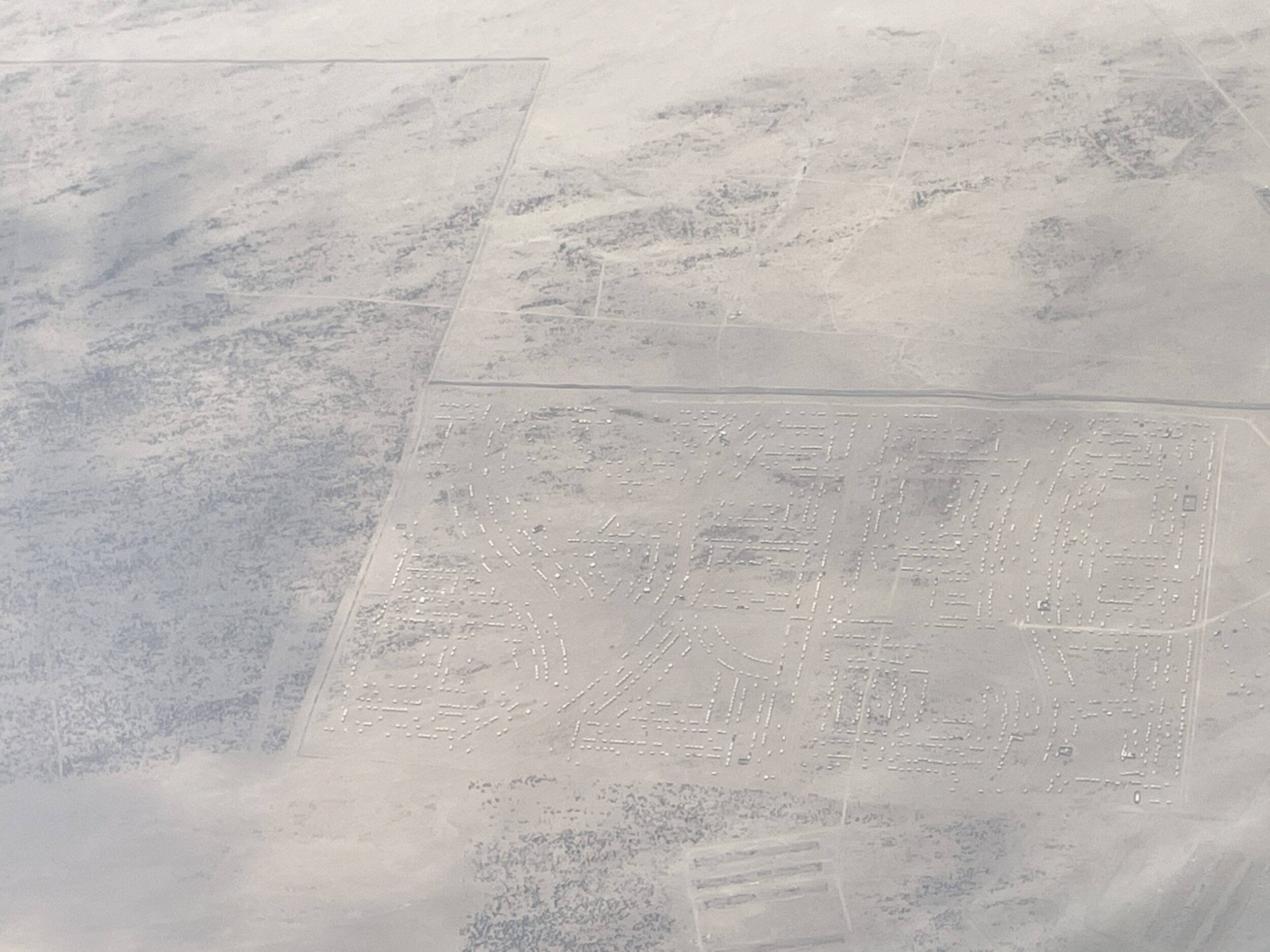
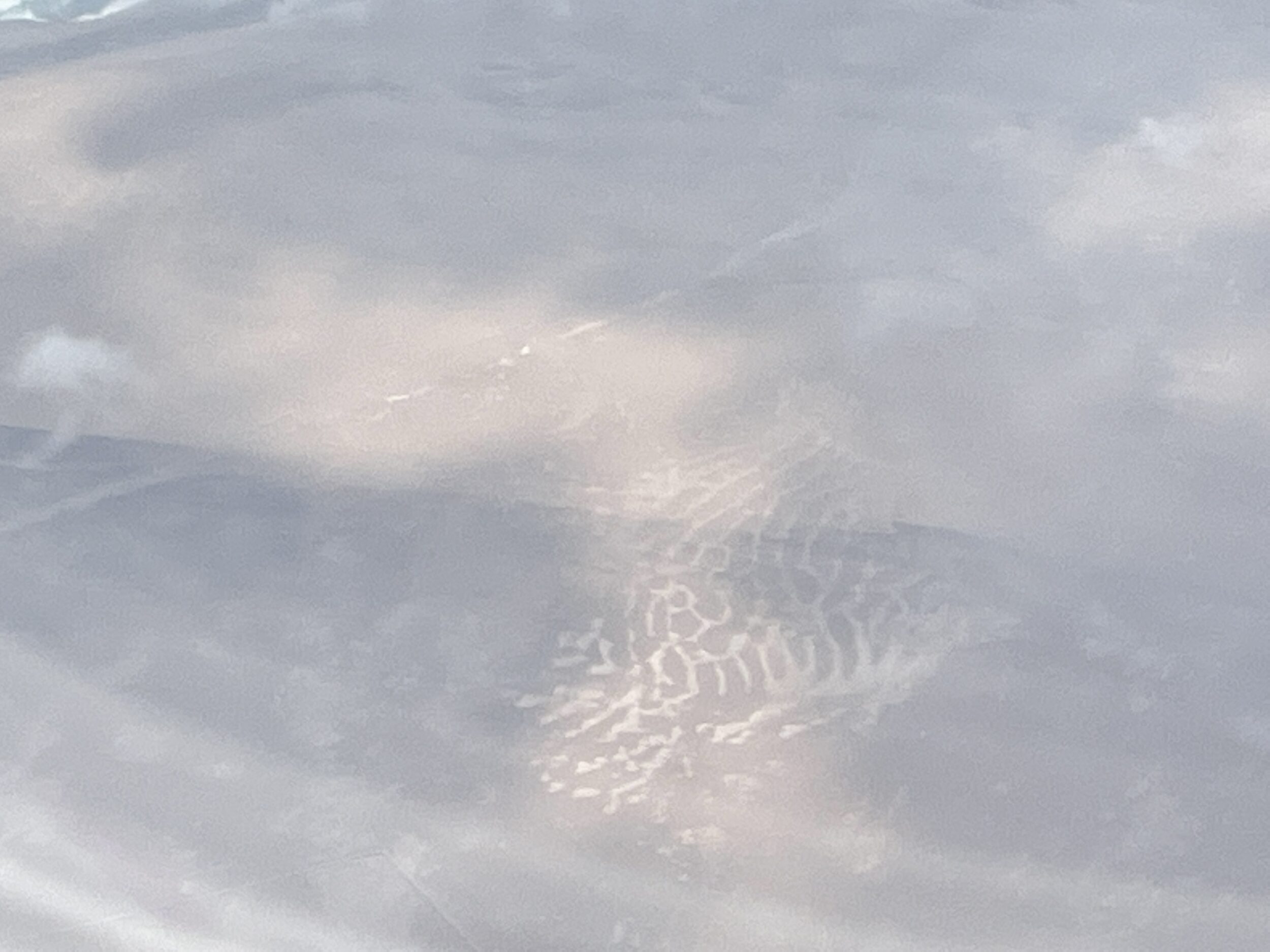
Apart from that, the city, despite being near the sea, seems to be covered in dust. That’s confirmed as soon as we land; I’m covered in dust, which kind of put me off exploring the city.
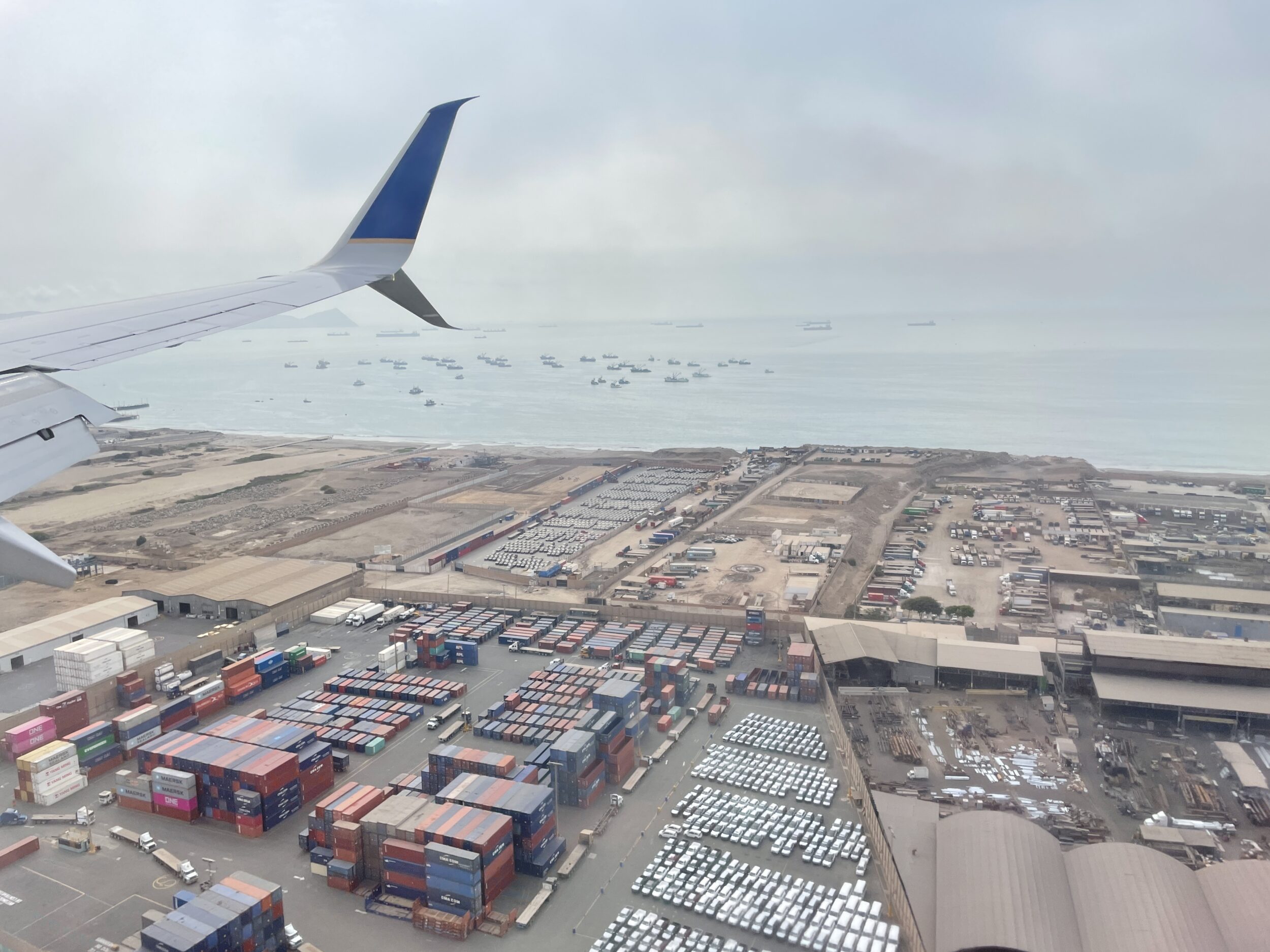
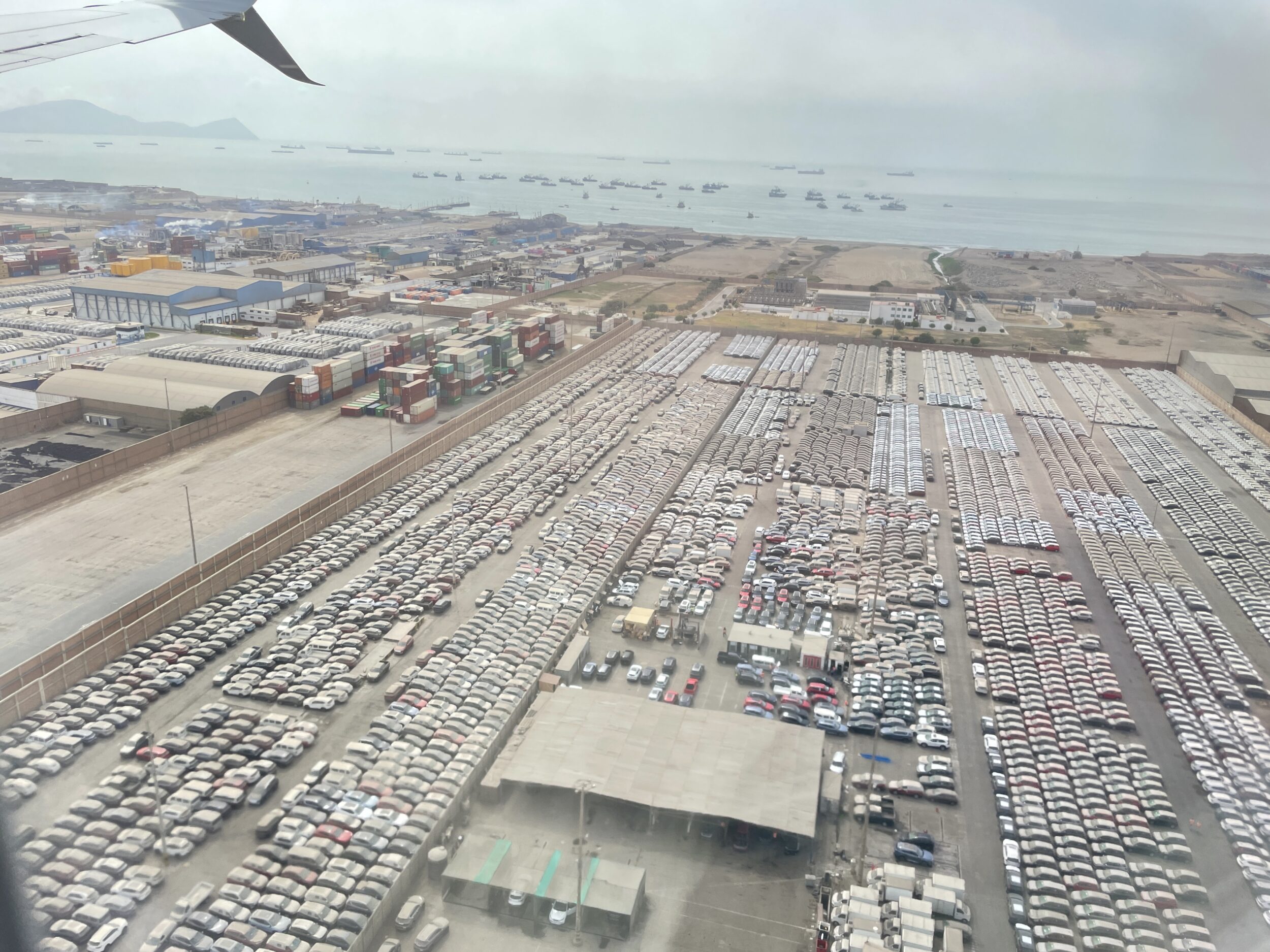
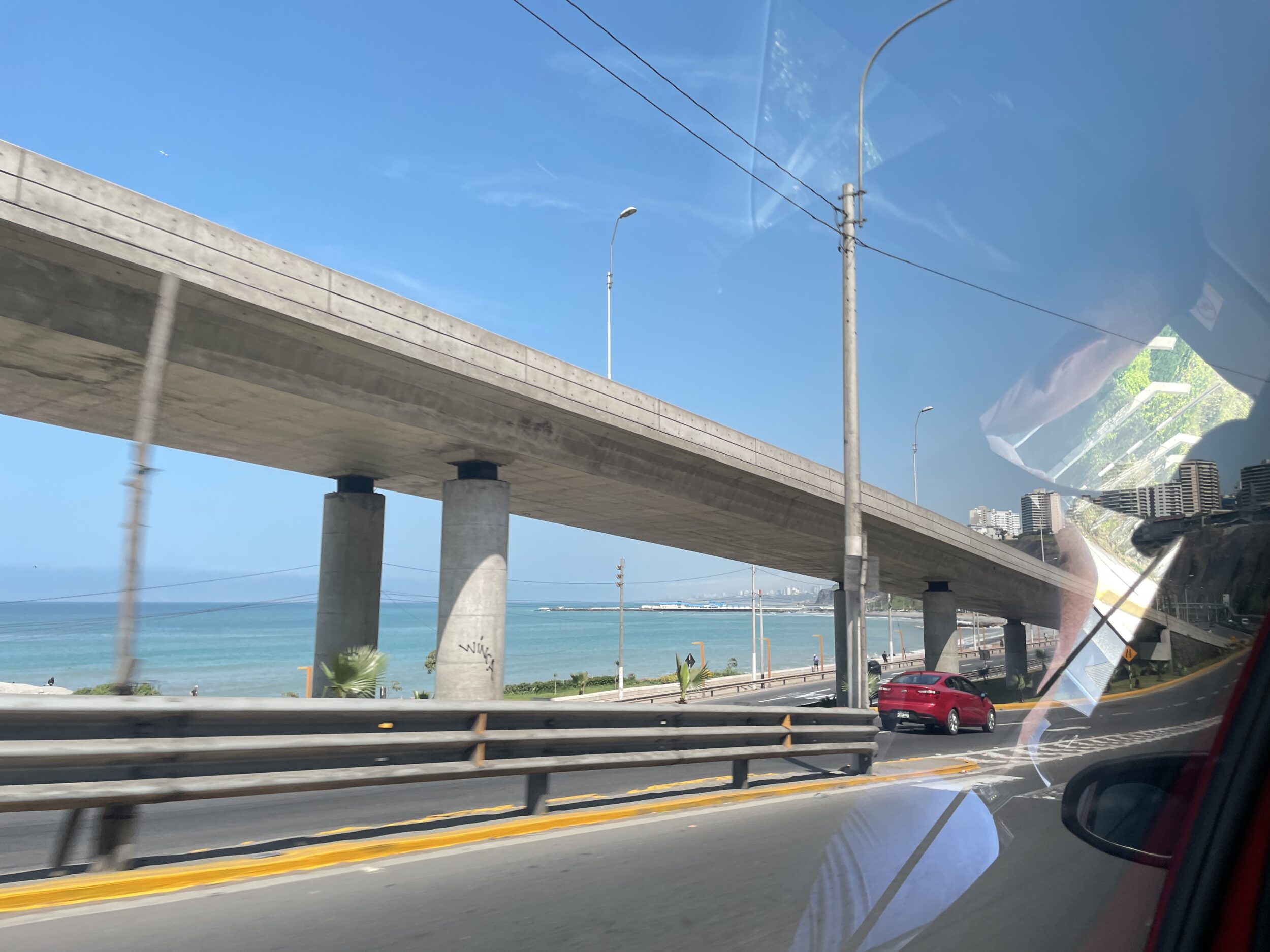
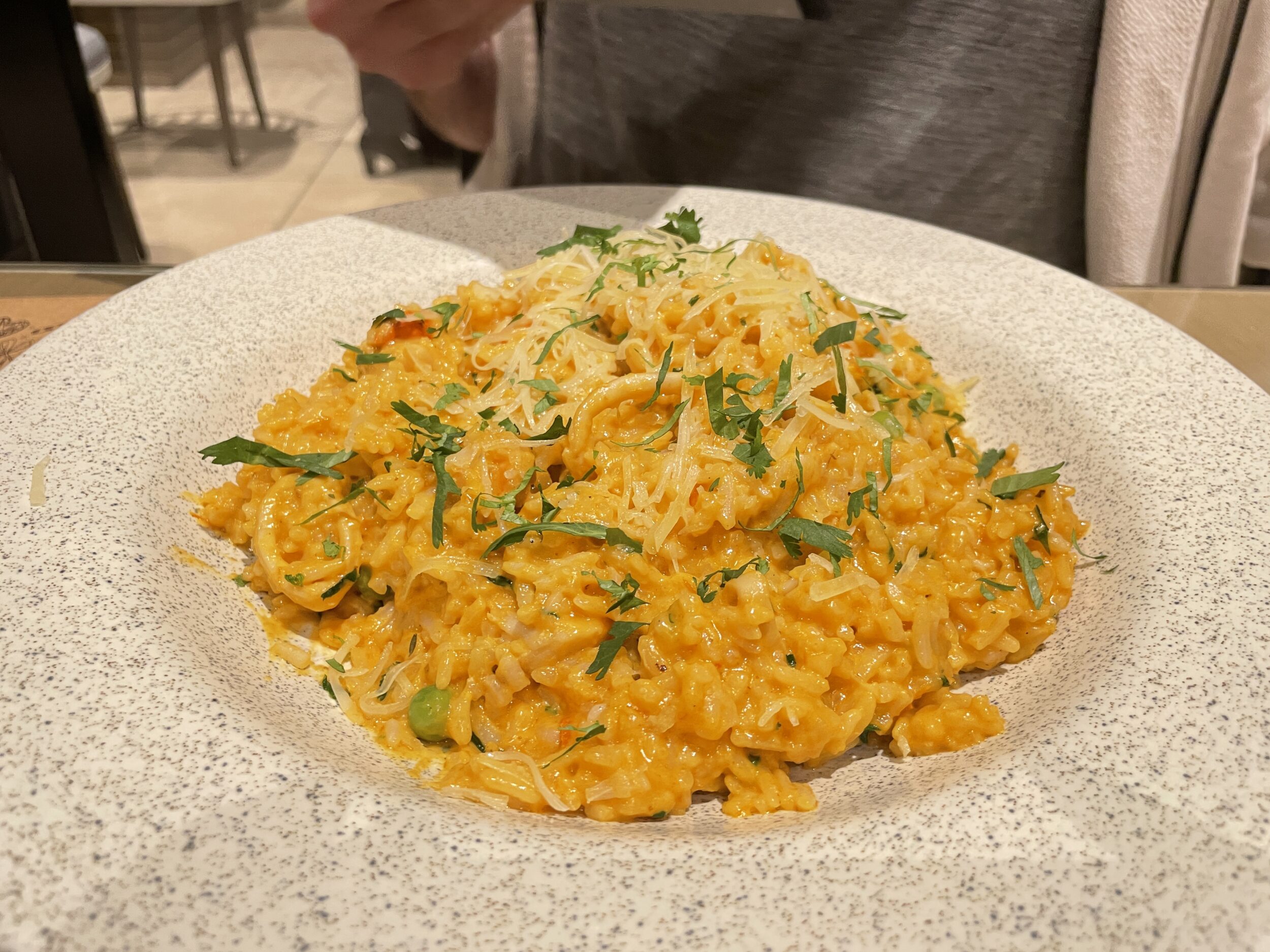
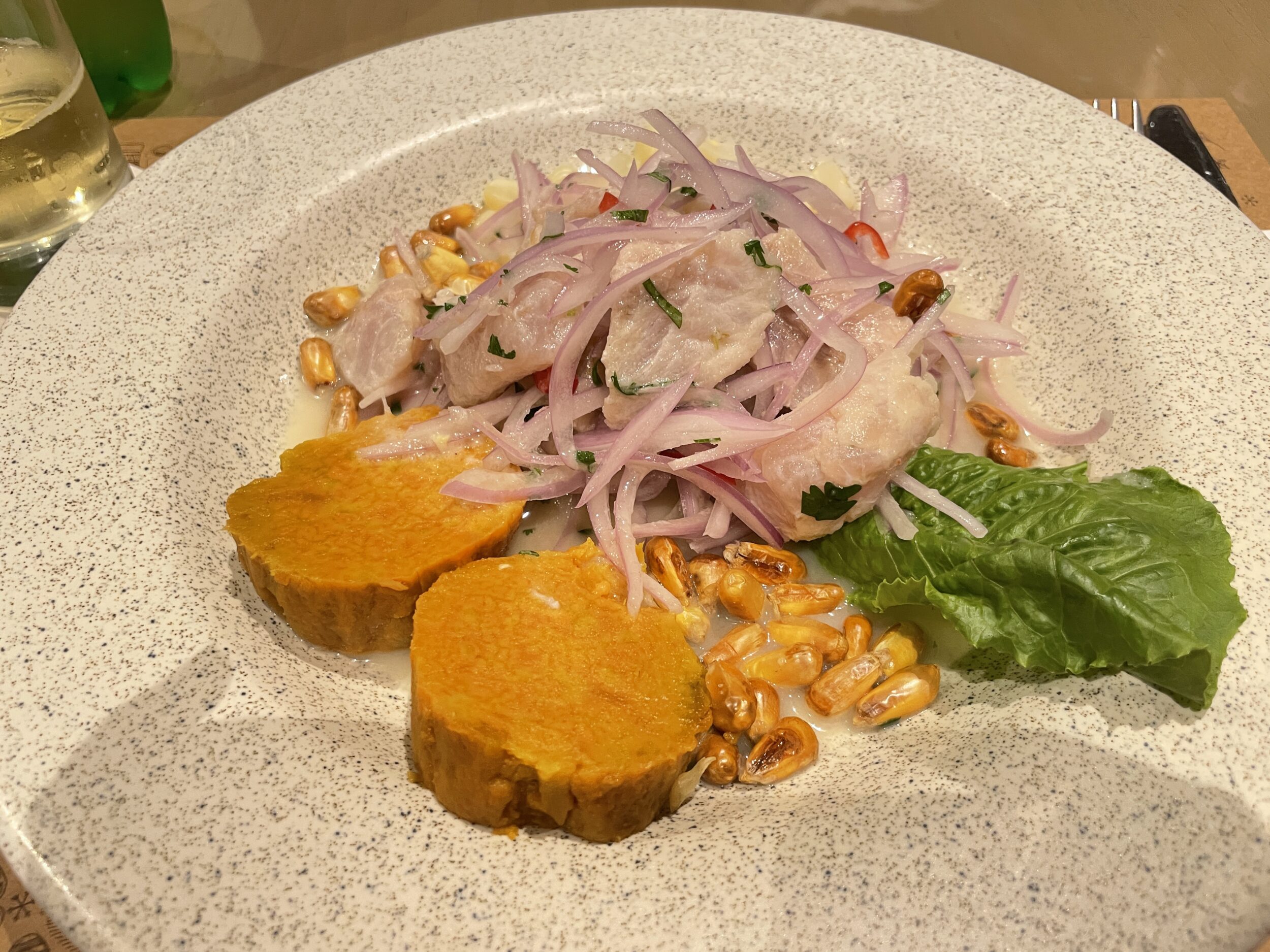
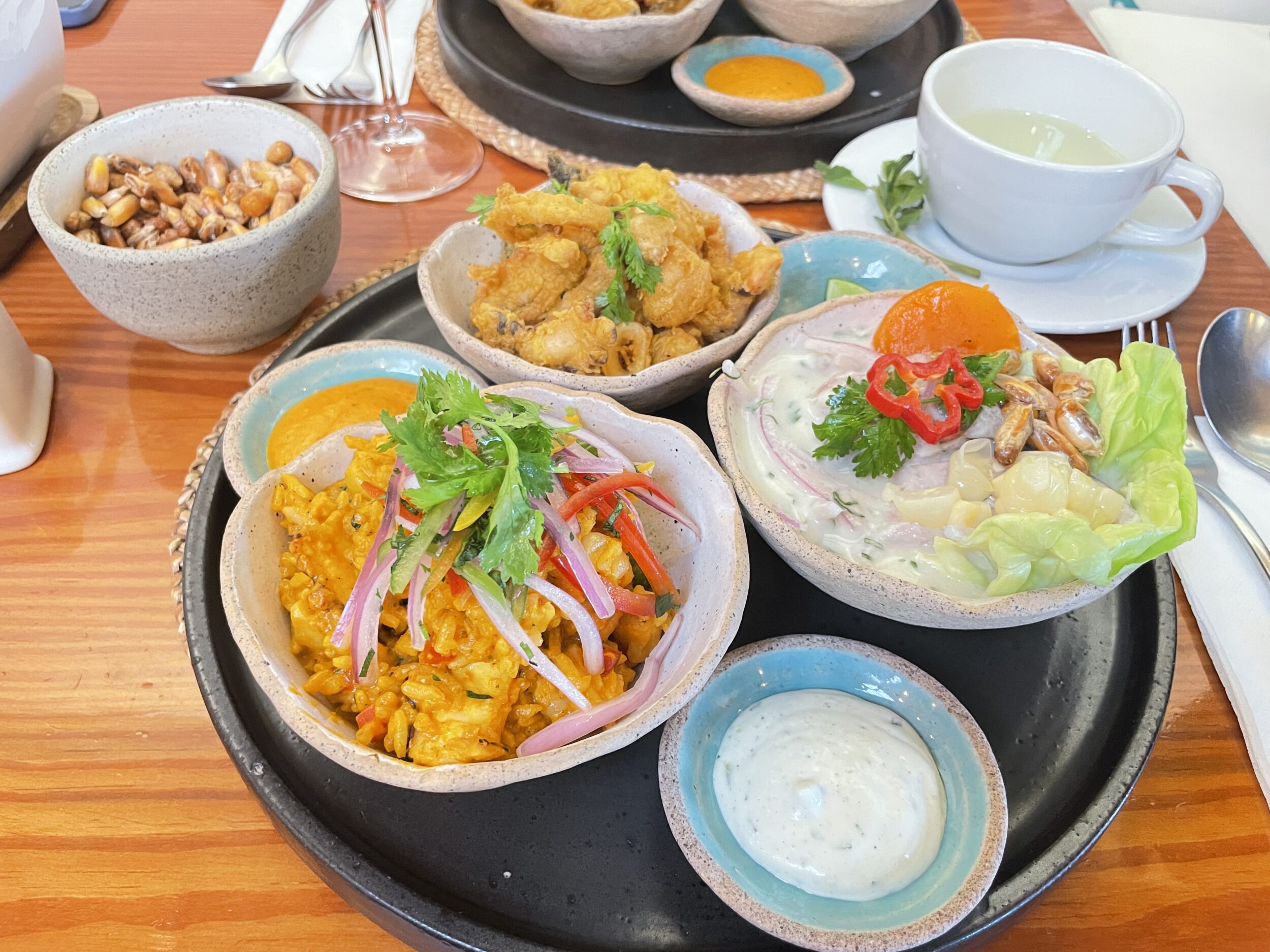
But right away, the rice with seafood and the killer ceviche remind us how much we LOVE Peru.
Two days later, after resting up, we fly to Cusco.
Cusco
Even though Cusco is a valley, the air is much less polluted and much more breathable.
The Taxi from the airport costs 15 soles, but we give the driver 25 soles because he has to pay 10 soles for parking (for 1.5 hours – he’s been waiting at the airport for 1.5 hours without a fare, poor guy). It’s still cheaper than prepaid taxis.
However, on the very first evening, altitude sickness hits me hard; I have a terrible headache. We went from 0 meters above sea level to 3400 meters, so it would have been a miracle if I didn’t feel anything, given that I get vomito at 2500 meters. Luckily, this time, no vomito, just a horrendous headache. I’ll be in “zombie, I walk slowly” mode for 3 days, fueling up on coca tea, but I’m happy because I’m in Cusco.
Cusco is one of the cities I love most IN THE WORLD. I’d happily rank it third or fourth, roughly tied with Istanbul. The Incas considered Cusco the navel of the world, and there’s good reason: Cusco’s energy is incredible. It instantly recharges you, you feel good, you’re happy–that’s the magic of Cusco.
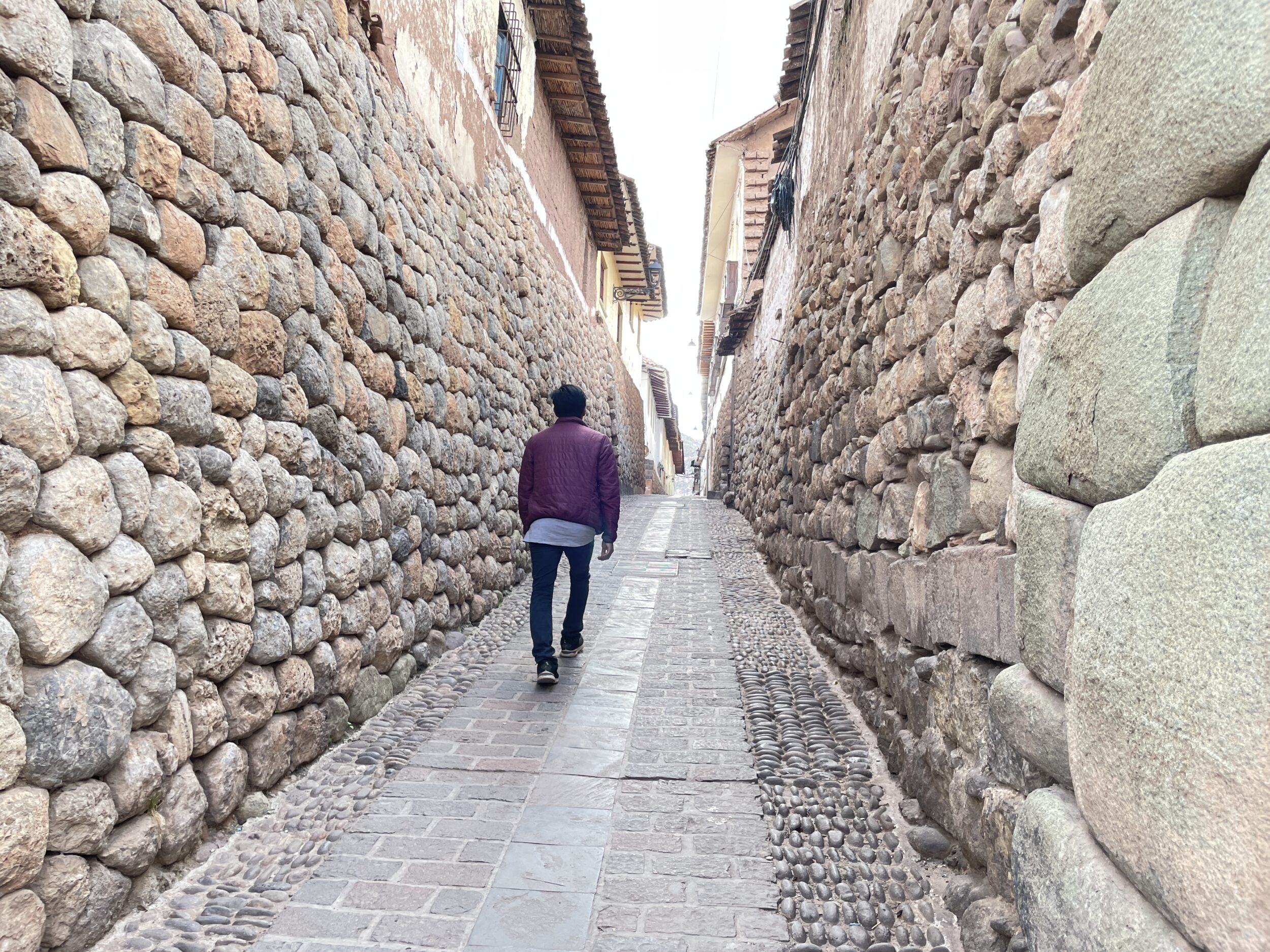
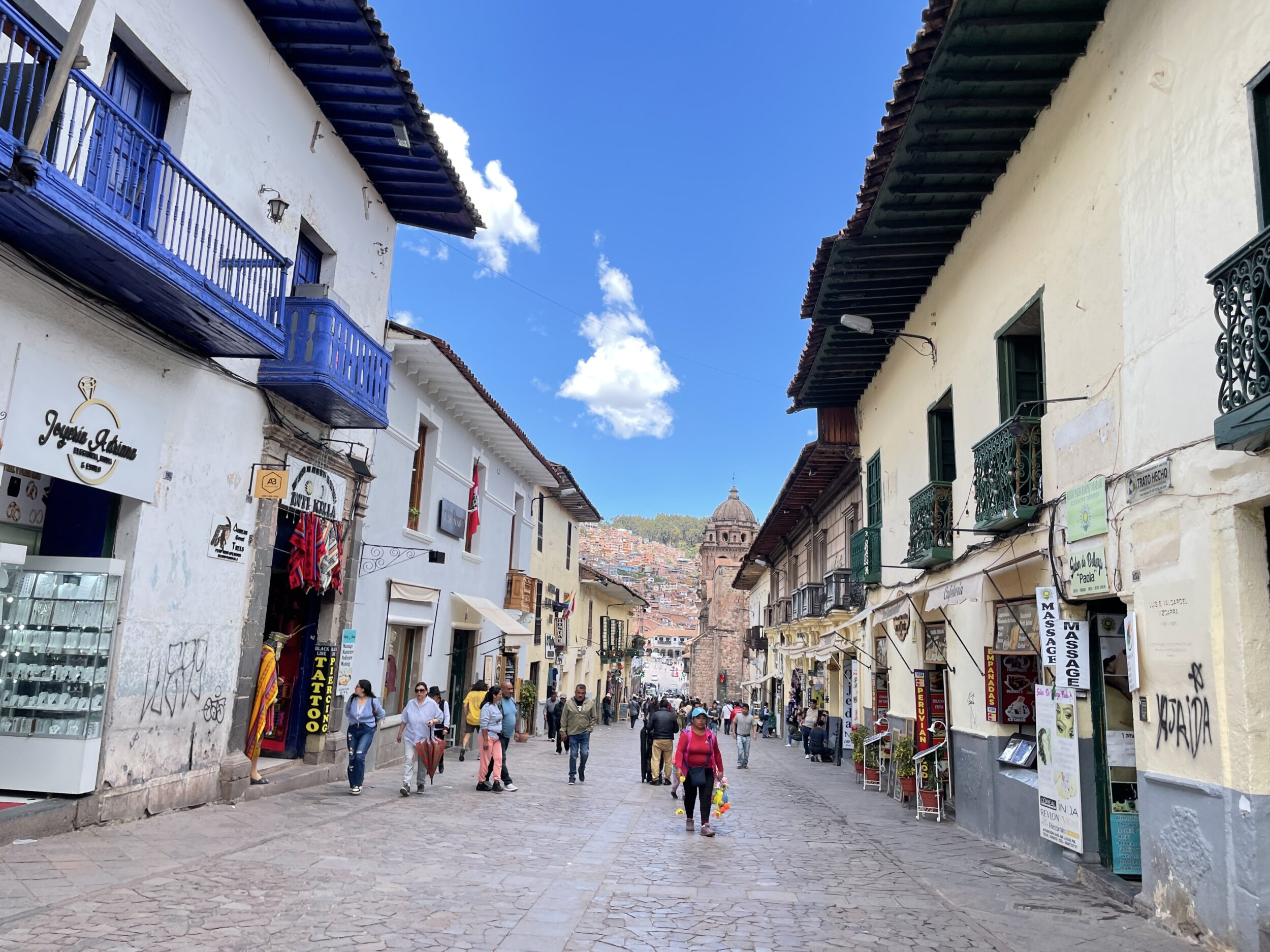
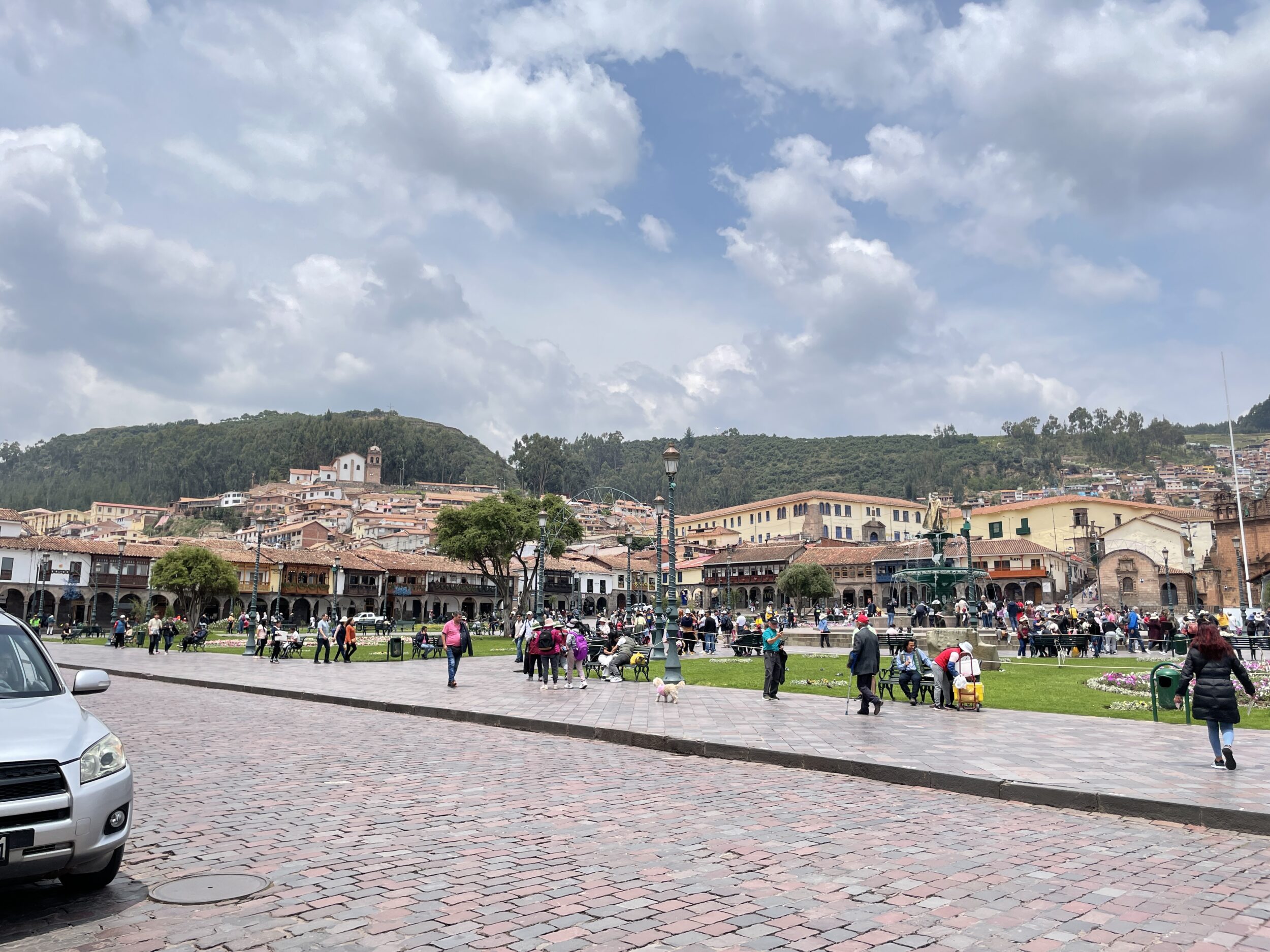
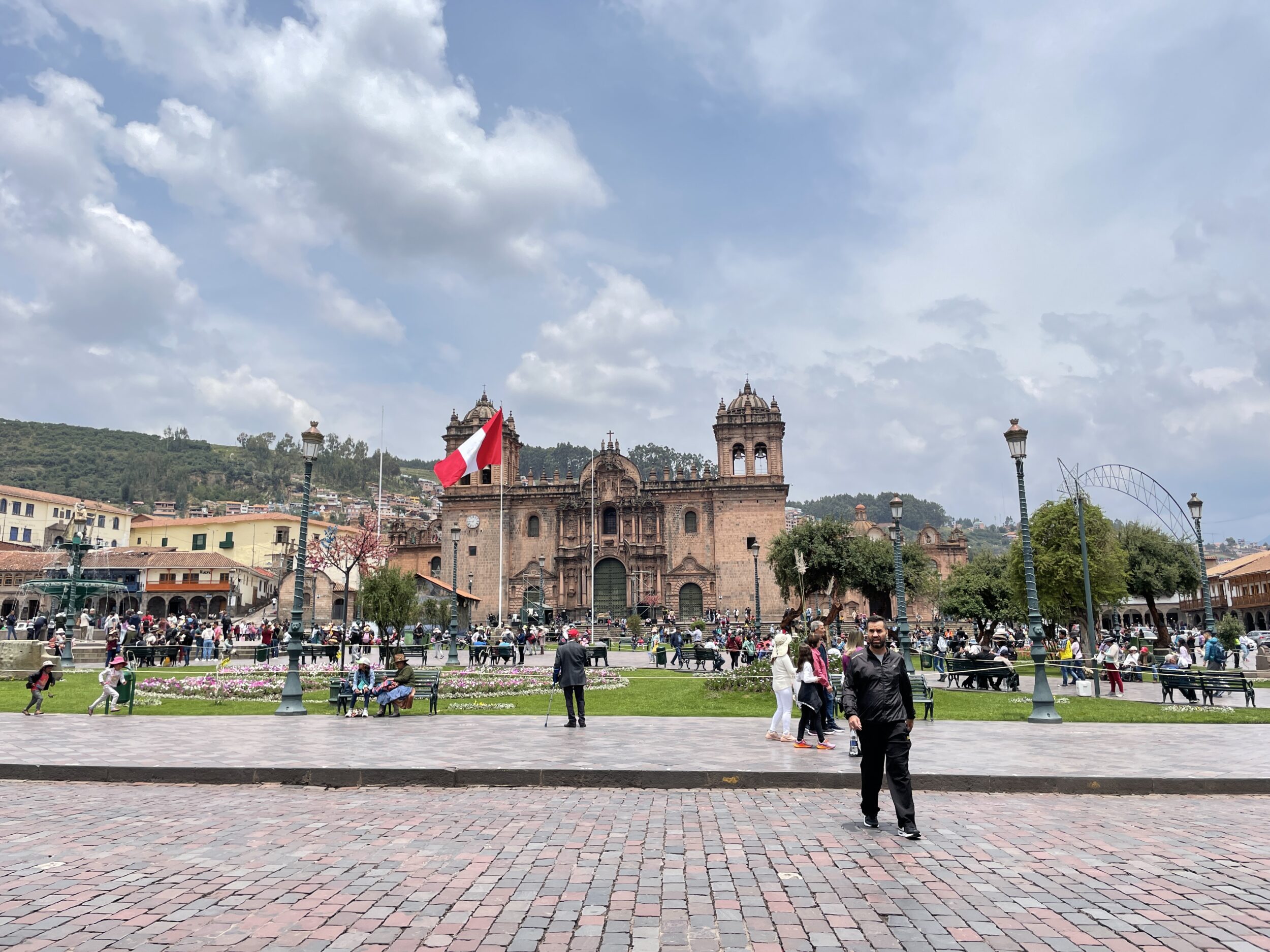
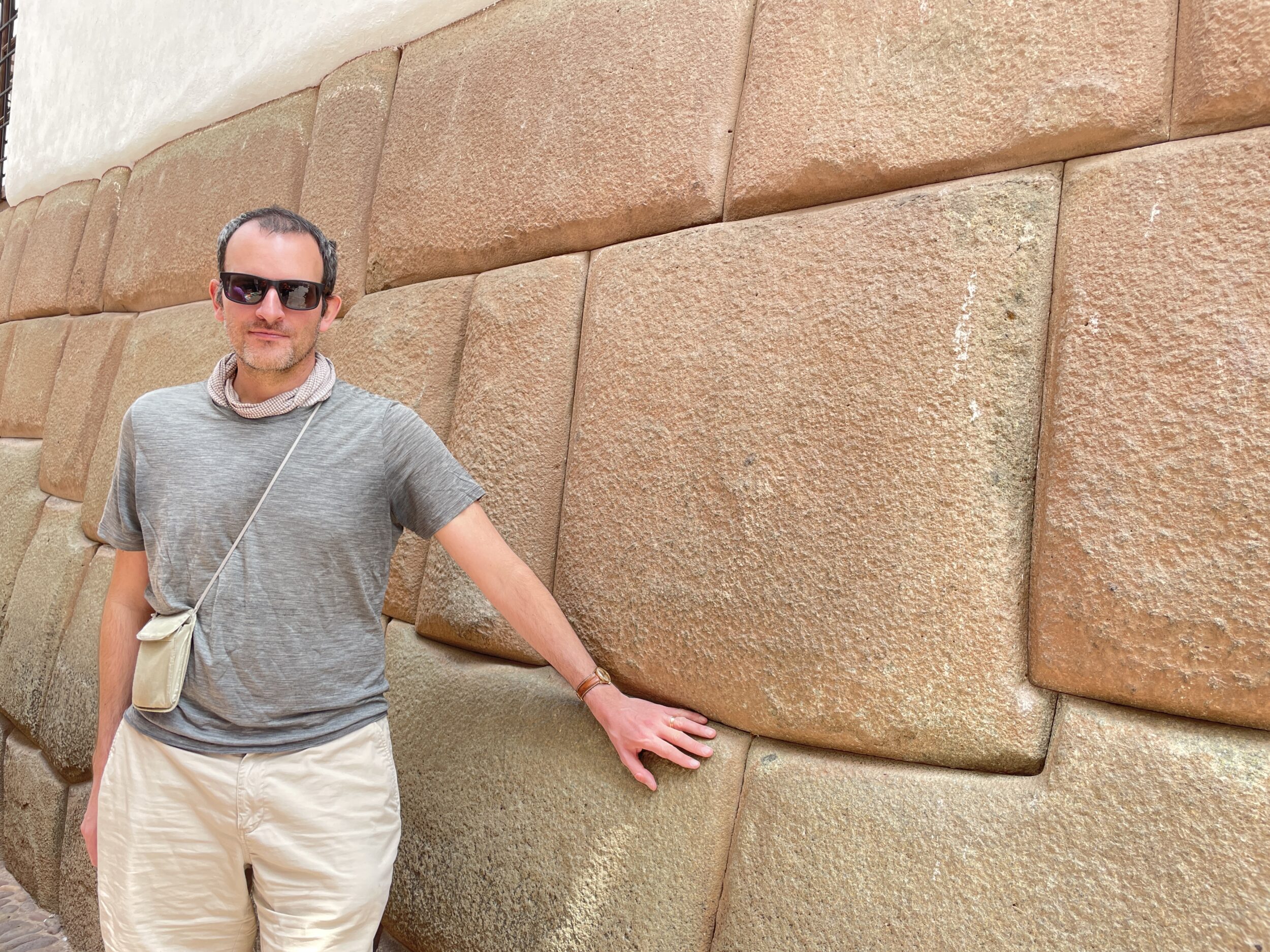
And yet, with its small plazas, small churches, small streets, and small museums, it could look like any town in the Sacred Valley.
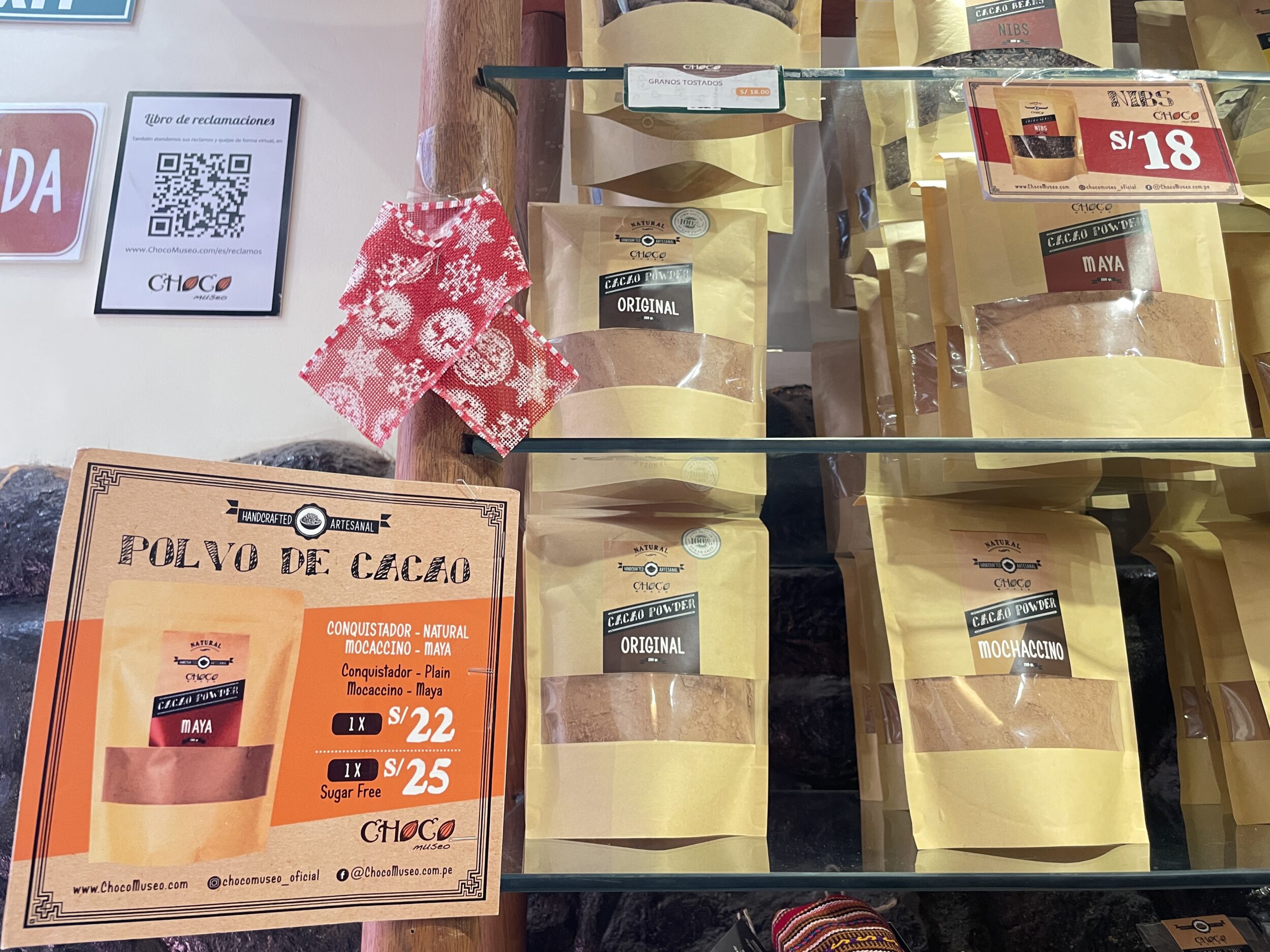
I’m crazy about the hot chocolate at the Chocolate Museum. I love it so much that I bought their cinnamon chocolate powder. It’s so, so good!
Our first hotel Muru Homely Hotel (Booking link) is a bit out of the way, but it’s very modern, they do our laundry for us, and there’s a lovely terrace with a view over the whole city.
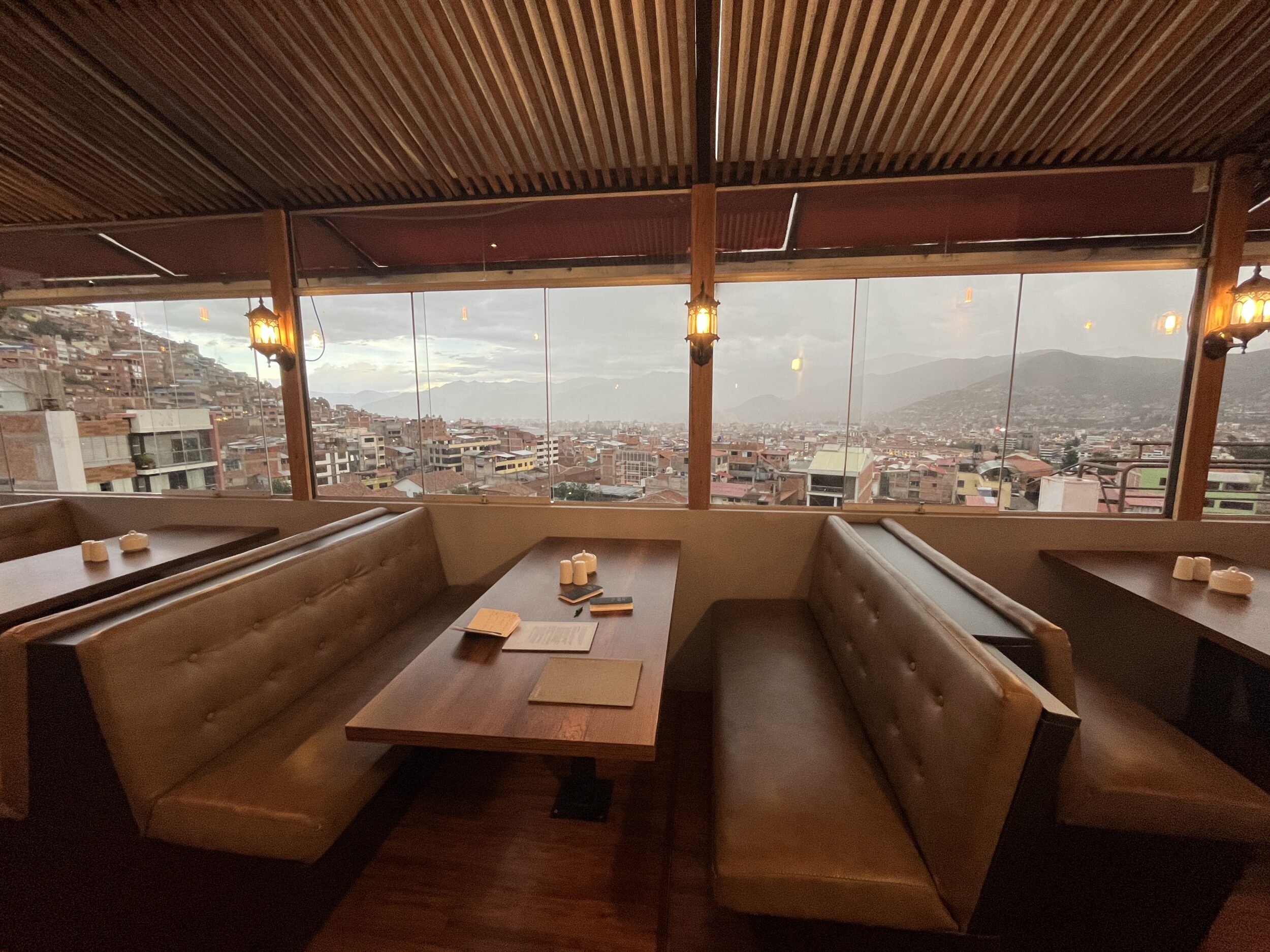
It’s a 10-minute walk to Cusco’s main square. We have to be a bit careful of stray dogs that suddenly get mean at night. That’s why we have dinner early to avoid the mean dogs, and enjoy the local market right next to the hotel, which closes around 5:30 PM: “San Blas” Market.
It’s also at this market that I find my starfruit (3 soles per kilo), pepino, a type of melon but that you can peel like a peach (1 sole per fruit). So handy! And huge fruit juices for 6 or 7 soles.
On the main square is the restaurant Ceviche, where I love the “trio” ceviche, arroz con mariscos, and fried calamari. After 7 years, this dish is still as delicious as ever.
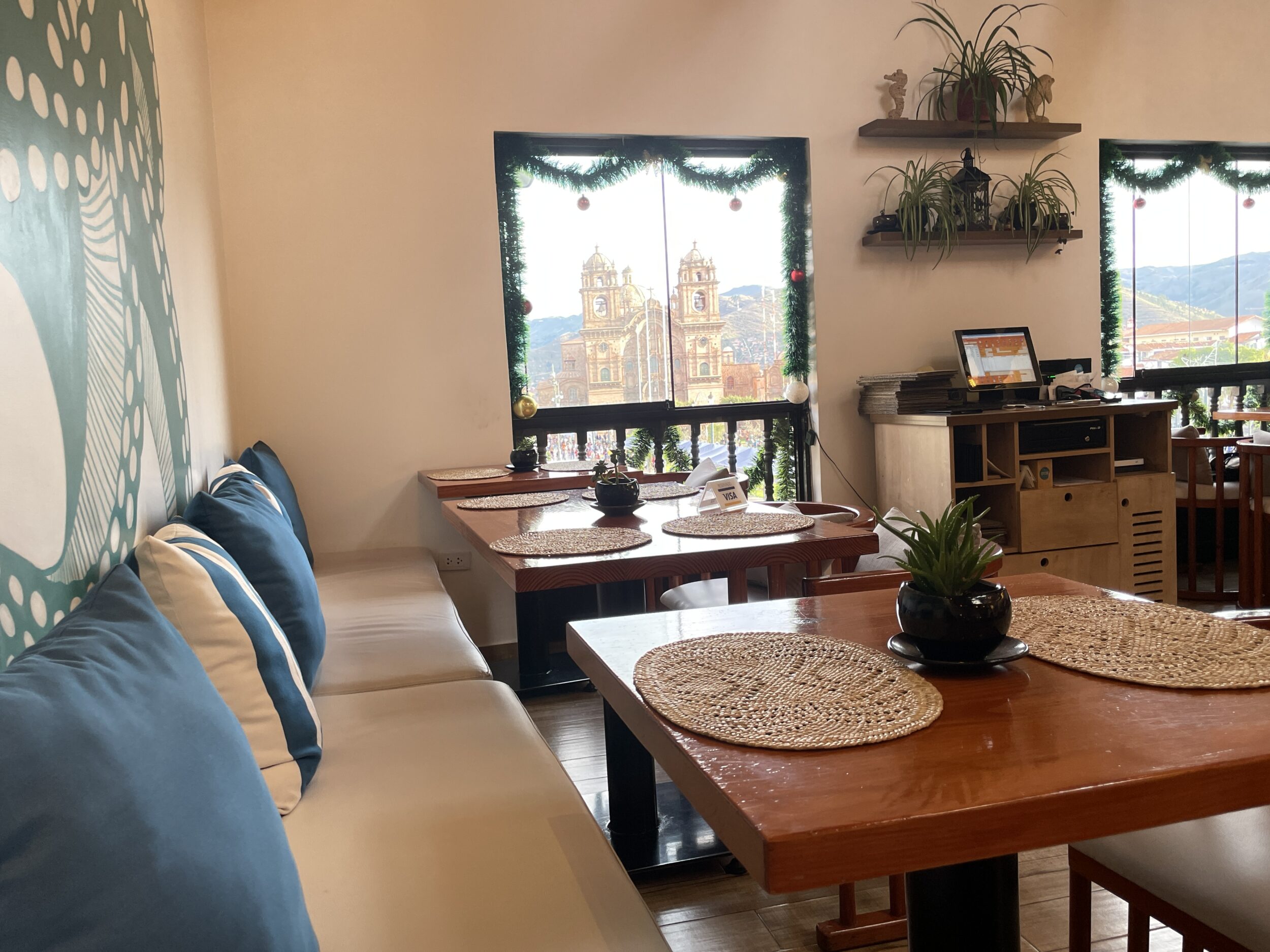
We stay in Cusco for a long time because it’s Christmas, then New Year’s, and we don’t want to visit the tourist sites, packed with people, at the same time as everyone else. New Year’s is pretty fun: lots of firecrackers, fireworks set off by individuals. Lots of noise and flower petals. 2024 starts off well, since we’re in Cusco, one of my favorite cities, and because I’ve got my energy back; Cusco is a giant battery <3
Our long stay in Cusco gives me time to ask around if anyone sells vicuña.
In search of vicuña wool
It’s vicuña wool, the finest in the world but also the most expensive in the world. These vicuñas live in the wild, and to shear them, you have to go on an expedition into the mountains, surround them, then shear them, hence its high price. Moreover, the industry is now regulated by the government, and you need a CITES certificate to take any vicuña product out of the country.
Vicuña wool is obtained mainly near Arequipa, but since there are thousands of wool shops here, I can ask around. My inquiries quickly lead me to the most luxurious shops in town, including one inside the Marriott Luxury Collection hotel. I touch their vicuña scarf, and despite the price (€1,000), I don’t like the weave: there’s too little wool, it’s not as good as the scarf at Loro Piana, which for the same price surely has four times as much wool.
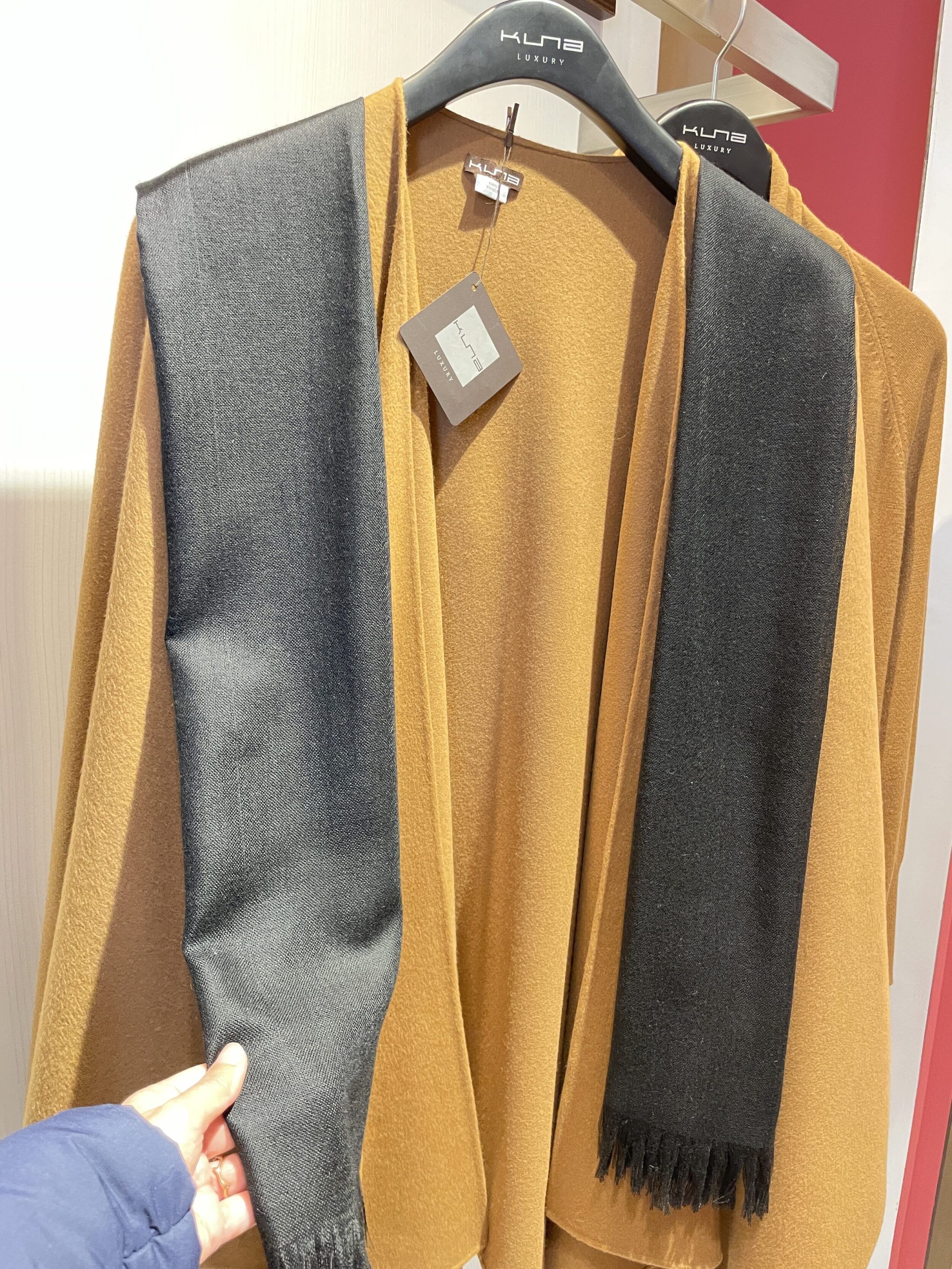
I show it to JB, and he really likes the feel, very soft.
It has to be said that alpaca wool (or baby alpaca) isn’t that soft; it feels like cotton, so when you compare and touch vicuña wool, it seems amazing in comparison. But the feel is clearly less pleasant than my pashmina scarf that I’m wearing. I tell JB that if I find the same thing for €300, I’ll buy it; otherwise, I prefer my pashmina. But with this CITES thing, I couldn’t find a cheaper source for the vicuña vicuña wool, so you won’t see it on me.
Vicuña wool has always been a symbol of luxury, so much so that in In Search of Lost Time (Volume 3), there was a famous scene where Robert de Saint-Loup borrowed a prince’s vicuña coat (which everyone admired) to place over the narrator’s shoulders.
While squatting at the Marriott Luxury Collection, JB made a friend! A baby alpaca !! The baby isn’t so baby after all; it’s six months old but already very big.
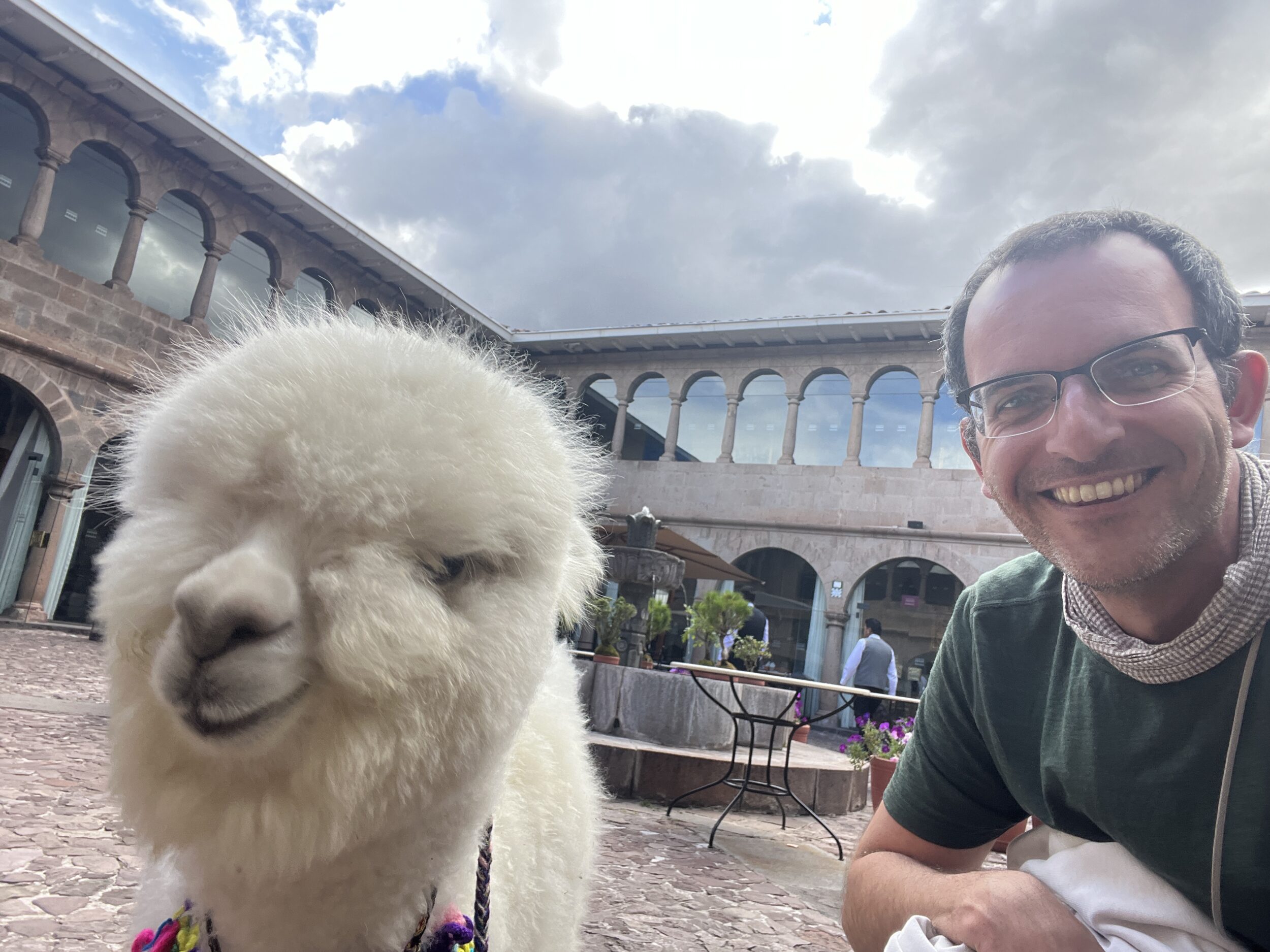
There are two Marriott hotels in Cusco, and since 40,000 Marriott miles fell from the sky for us (not entirely undeservedly, we told you about it here), we can treat ourselves to a free night in either one. We went to see both: as much as I loved the bar wall at the Marriott Luxury Collection and the desserts…
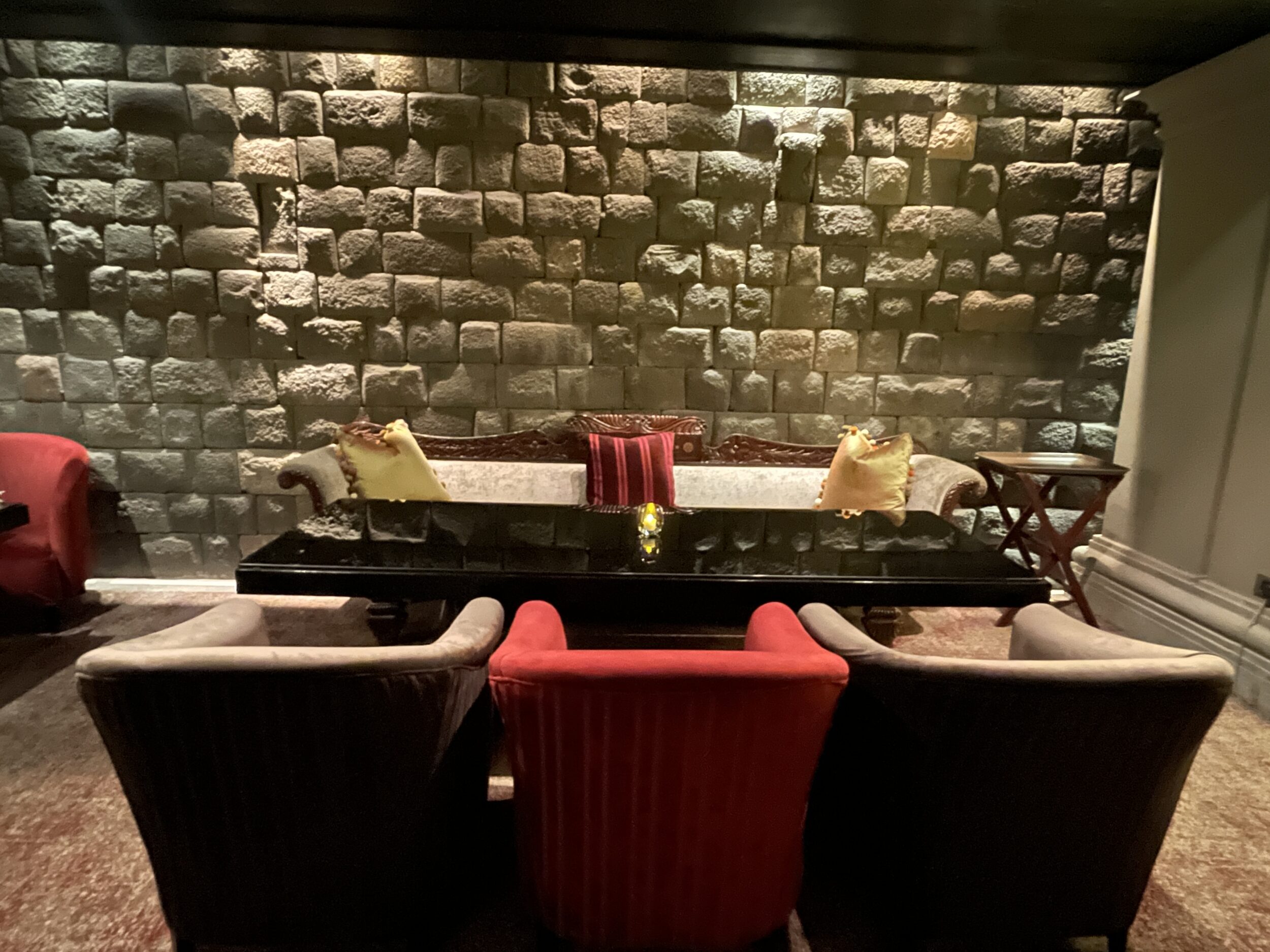
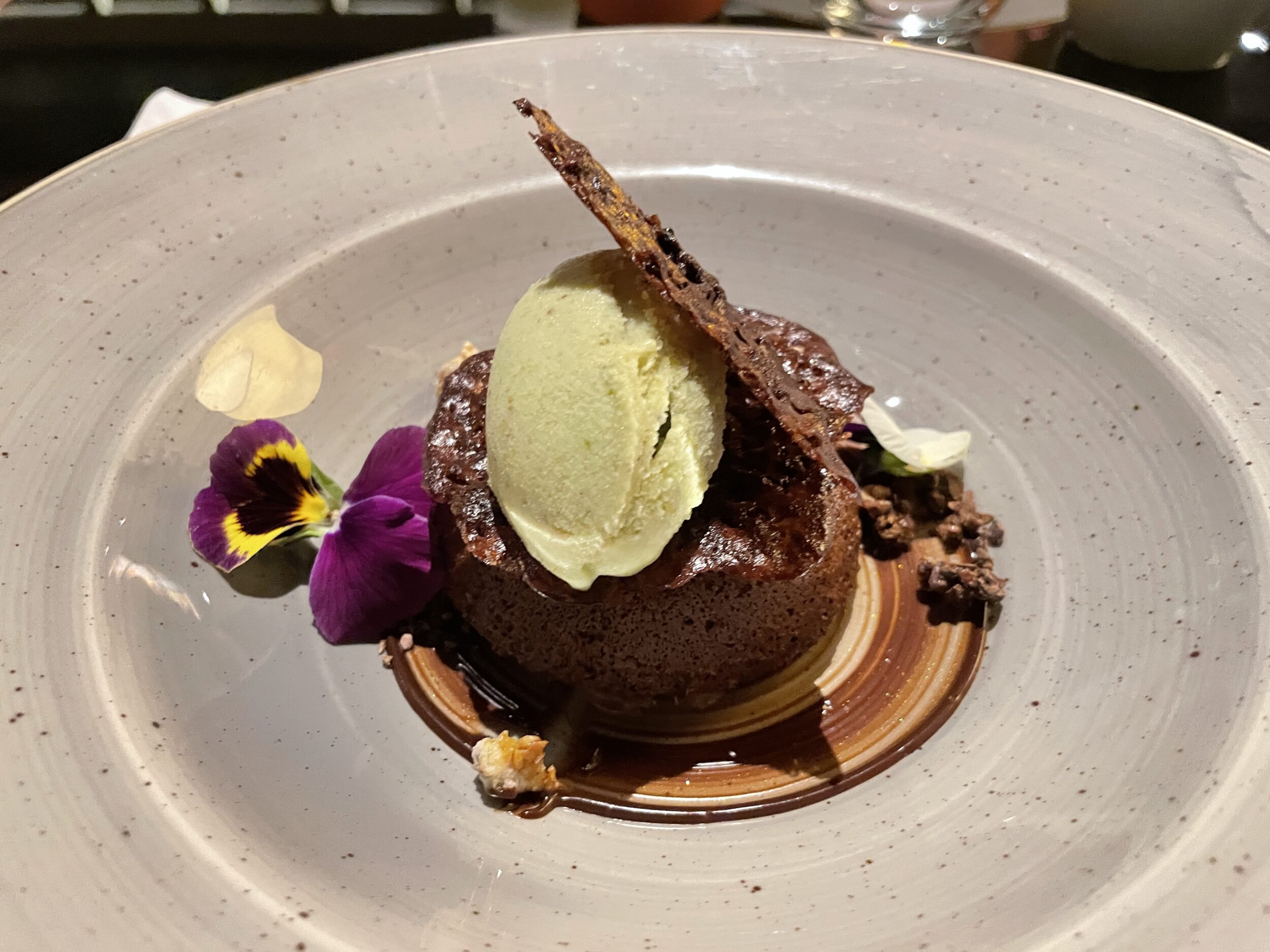
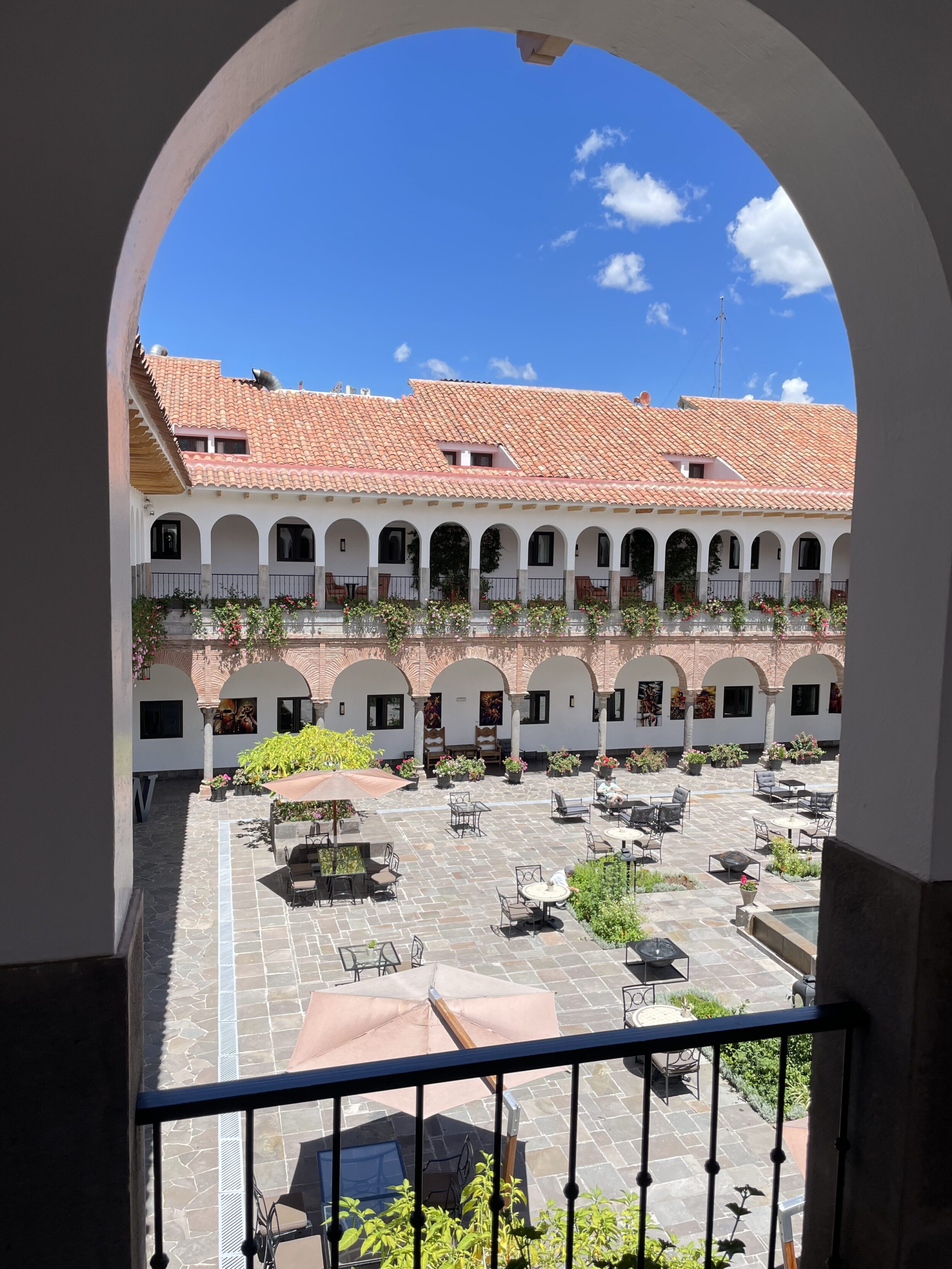
…I preferred the courtyard at JW Marriott.
JW Marriott
So we treated ourselves to a night at JW Marriott Cusco (Booking link. As Marriott Gold thanks to American Express Business, we got upgraded and were able to do early check-in, late check-out, plus we enjoyed the free afternoon snacks in the lobby and a very well-stocked breakfast. The hotel spa is great too, small pool, but sauna, hammam, and hot jacuzzi. In short, a dream stay, free (I think JB had to pay $20 or $30 in taxes, but that’s very little compared to the real hotel rates – €400/night). I hope all of 2024 is like this.
What I really like are the teas and infusions from the hotel garden. Since I have to load up on coca tea and Andean mint to fight altitude sickness, I drink it all day long, and I love grabbing the fresh little sachets available in the lobby.
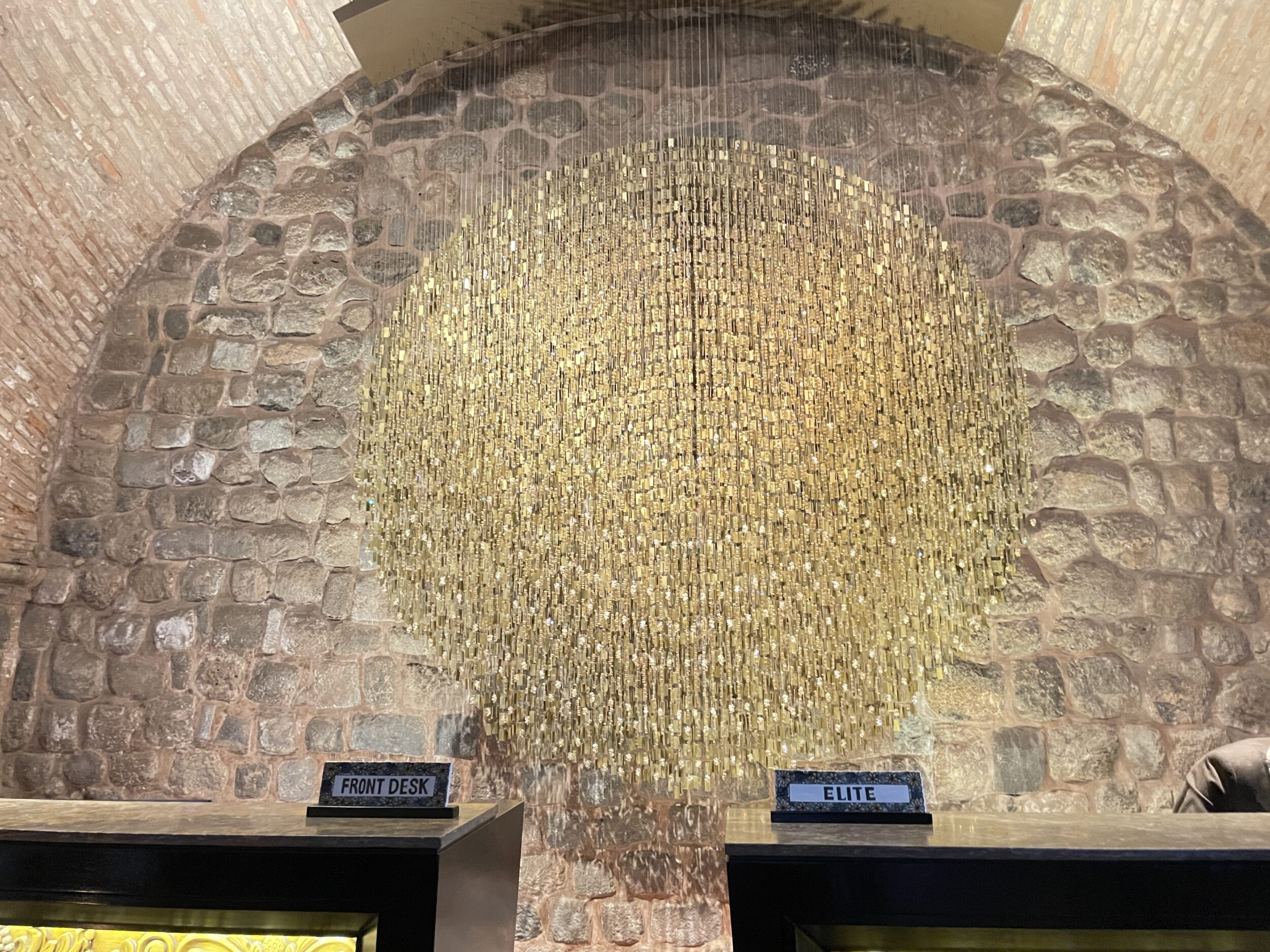
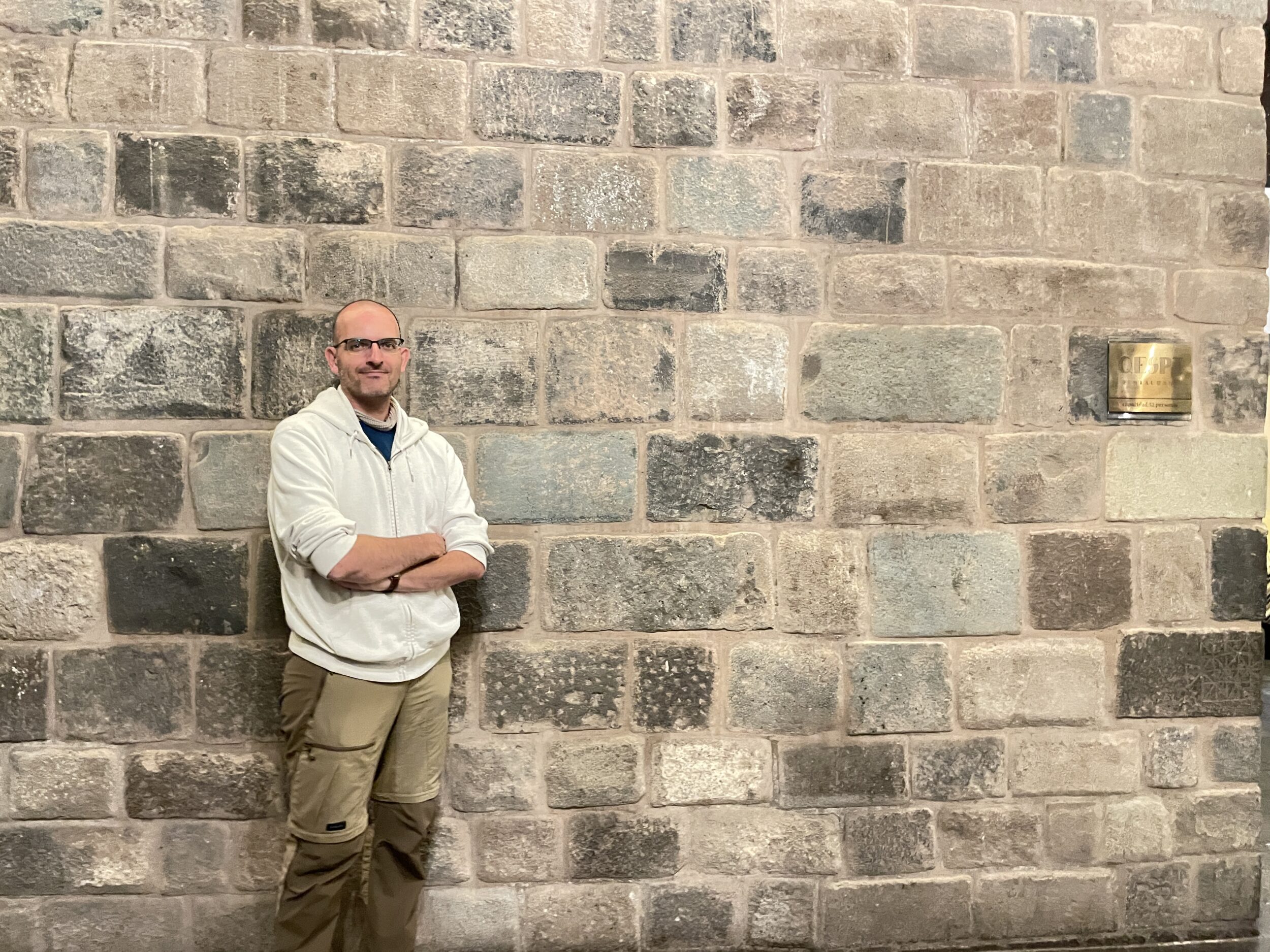
Photo above: Ancient monastery wall, at the restaurant level.
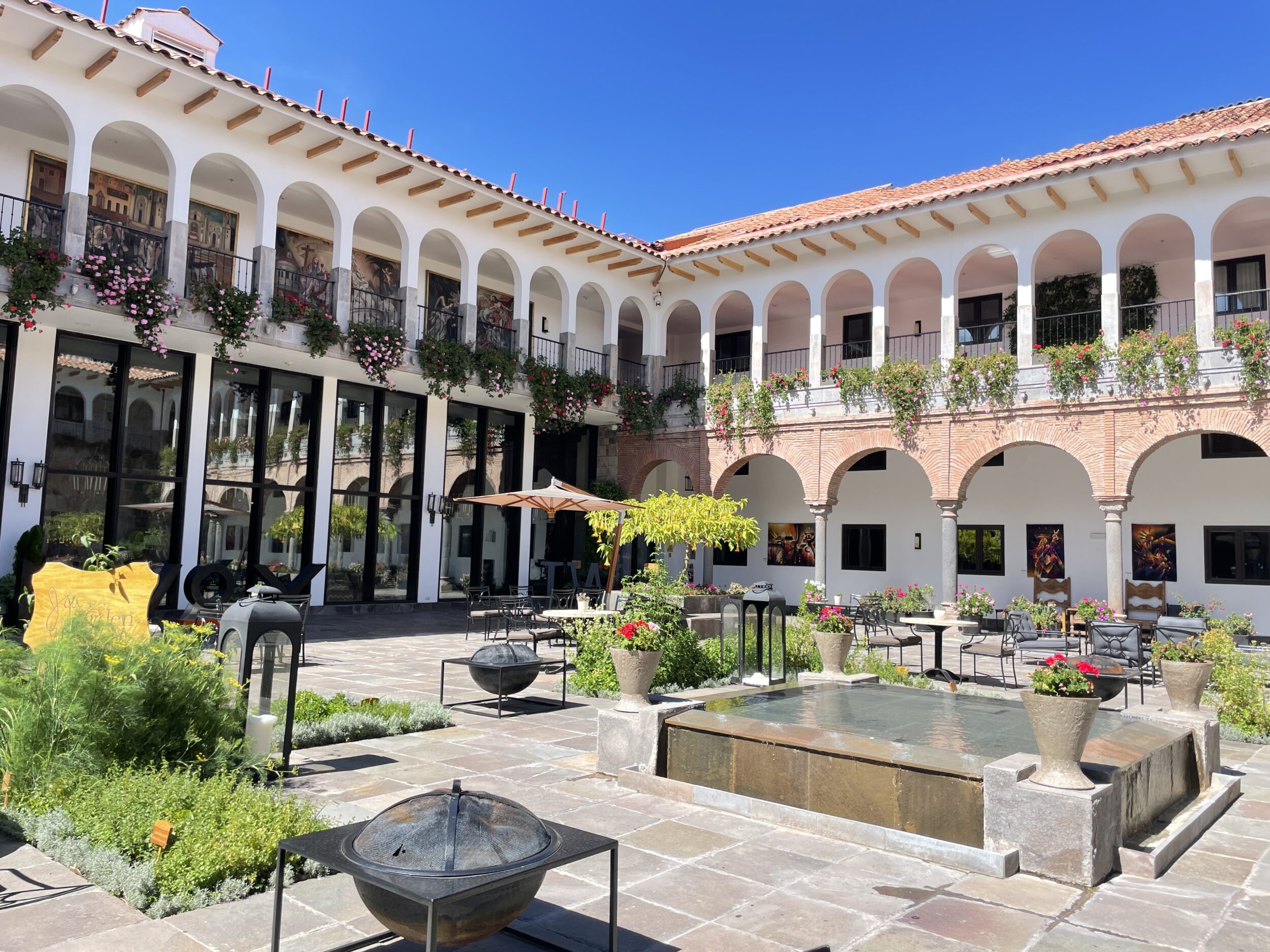
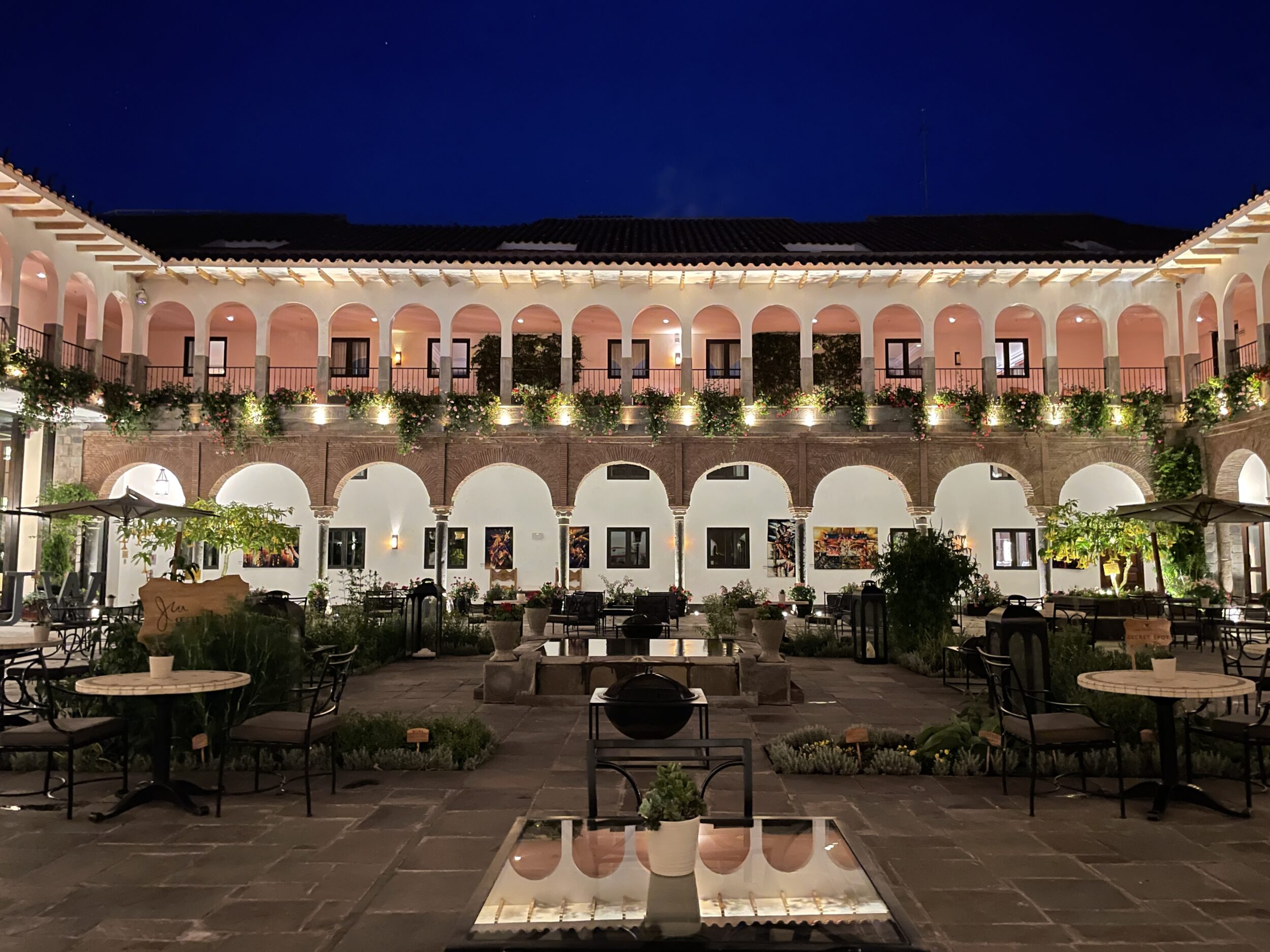
The hotel also offers a little tour of the hotel’s history at 6 PM. It’s an old monastery, and during construction they preserved as much as possible, including the courtyard, the cobblestones, and the Inca walls that the basement rooms open onto. There’s even a “museum” section with things they found while digging. I now see why I was much more drawn to this hotel: there’s a positive energy that the other hotel lacks.
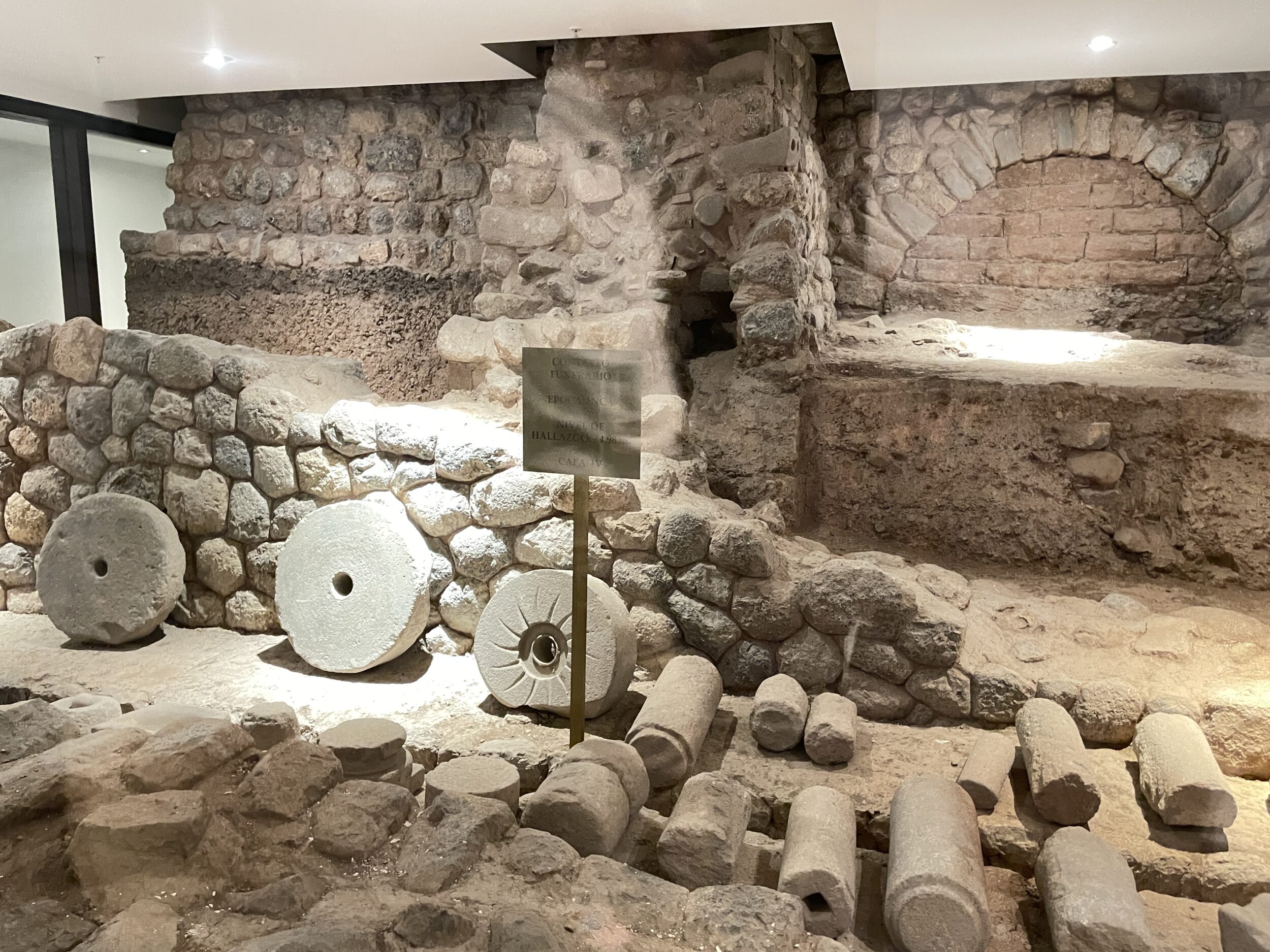
Photo above: The archaeological “museum” section in the basement.
The JW Marriott bed is famous among frequent travelers : they have the best pillows, the best mattresses. And we can confirm, it’s really amazing; you sink into the pillow as if it were custom-made, the duvet feels like a cloud, in short, it’s just too good! We’ve been told the bed at Westin is pretty good too, but I must say, having tried Westin in the US, it’s nothing compared to this! Marriott remains the best !
Another experience we treated ourselves to in Cusco was a massage. I don’t know what’s going on, but now an hour of massage only covers one side (back and leg), so you stay on your stomach for an hour. However, there’s possible upselling if you want both sides. So when you’re approached for “masaje masaje,” ask if it’s for both sides lol. The rate varies a lot, it could be 40 soles or 100 soles.
Then we went to a smaller, much less fancy hotel, the cheapest of the trip, for two nights to wait for our bus to Bolivia. At night, from afar, Cusco glitters with lights and looks like a starry sky.
In every hotel we stayed at, we had internet fast enough to work and hot water. The rooms are small, but there’s often a large (covered) terrace to sit and work on. It’s a change from our trip seven years ago. Honestly, I could have stayed here for a month, the food is good, the people are friendly, their Spanish is slow and understandable, but time is short, it’s already raining a bit in Uyuni and we need to be there by mid-January to see the mirror effect in the salt flat.
During our stay in Cusco, we took a tour to visit the Sacred Valley and stayed several days in Ollantaytambo. I think I’m going to put it Ollantaytambo in 2nd place among my favorite places in the world. Cusco is already amazing, but Ollantaytambo is even a step above.
Part 2: Practical Tips
- Flight Lima – Cusco: about 60€/person with baggage
- Taxi from Cusco airport to city center: 15 soles + parking (2 soles on average)
- Meal at the market: 10 soles
- Juice at the market: 6 soles
- Ceviche restaurant: expect 40 to 60 soles
- Tours in the Sacred Valley: about 60 soles + 70 soles for entrance fees
- To sign up for an American Express Business card, you can use our referral link here and you’ll get Marriott Gold status and can convert your Amex miles into Marriott miles

