
Comics and graphic novels I read in 2023: Christmas Gift Ideas
Here are some reviews of the comics or graphic novels I read in 2023. I hope this gives you some ideas for Christmas gifts.
Book Adaptations
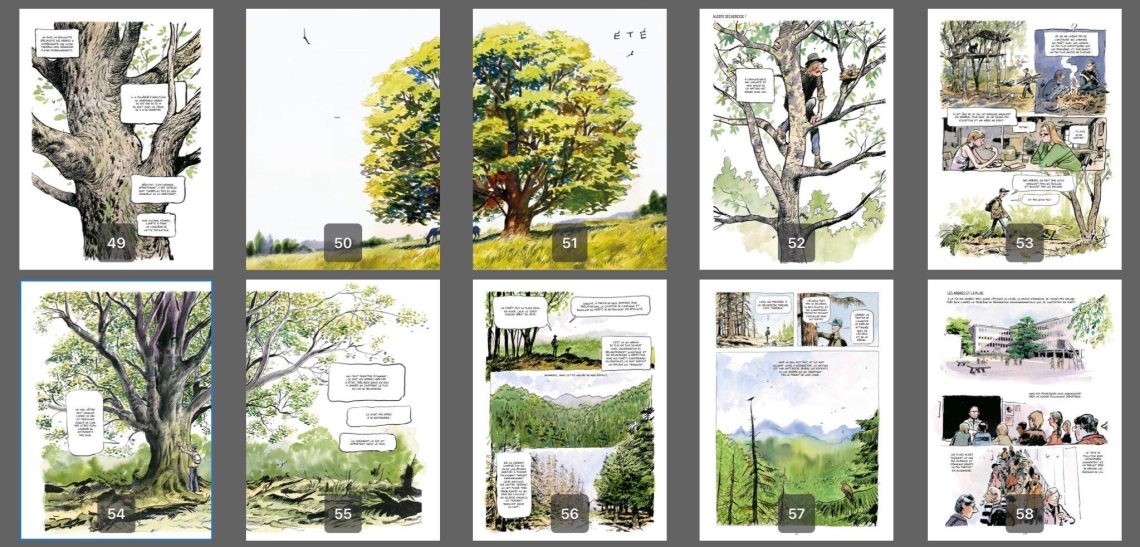
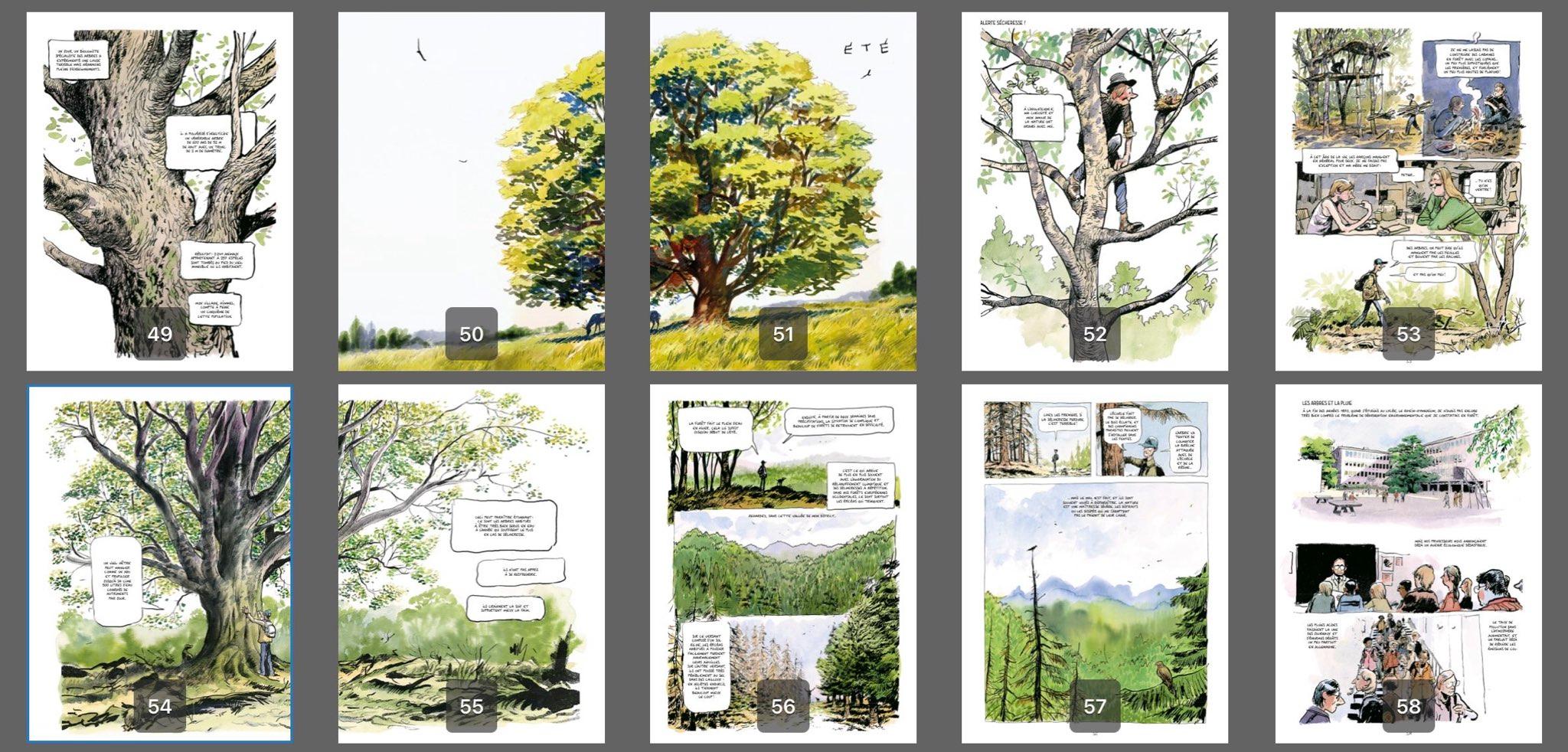
The Secret Life of Trees : The author explains how trees communicate, how they take care of their offspring, and how we can better respond to their needs. This comic is packed with text, which effectively highlights the main ideas of the book. However, I had quite a few questions about some details, so I had to read the book (text) to better understand. What I like about this comic is that it’s not just an illustration of the book, but it complements it by providing additional details about the author after the success of his book and the changes he made to forest management worldwide. The drawings are pleasant, and there are several beautiful double-page spreads. Kids will also love it a lot.
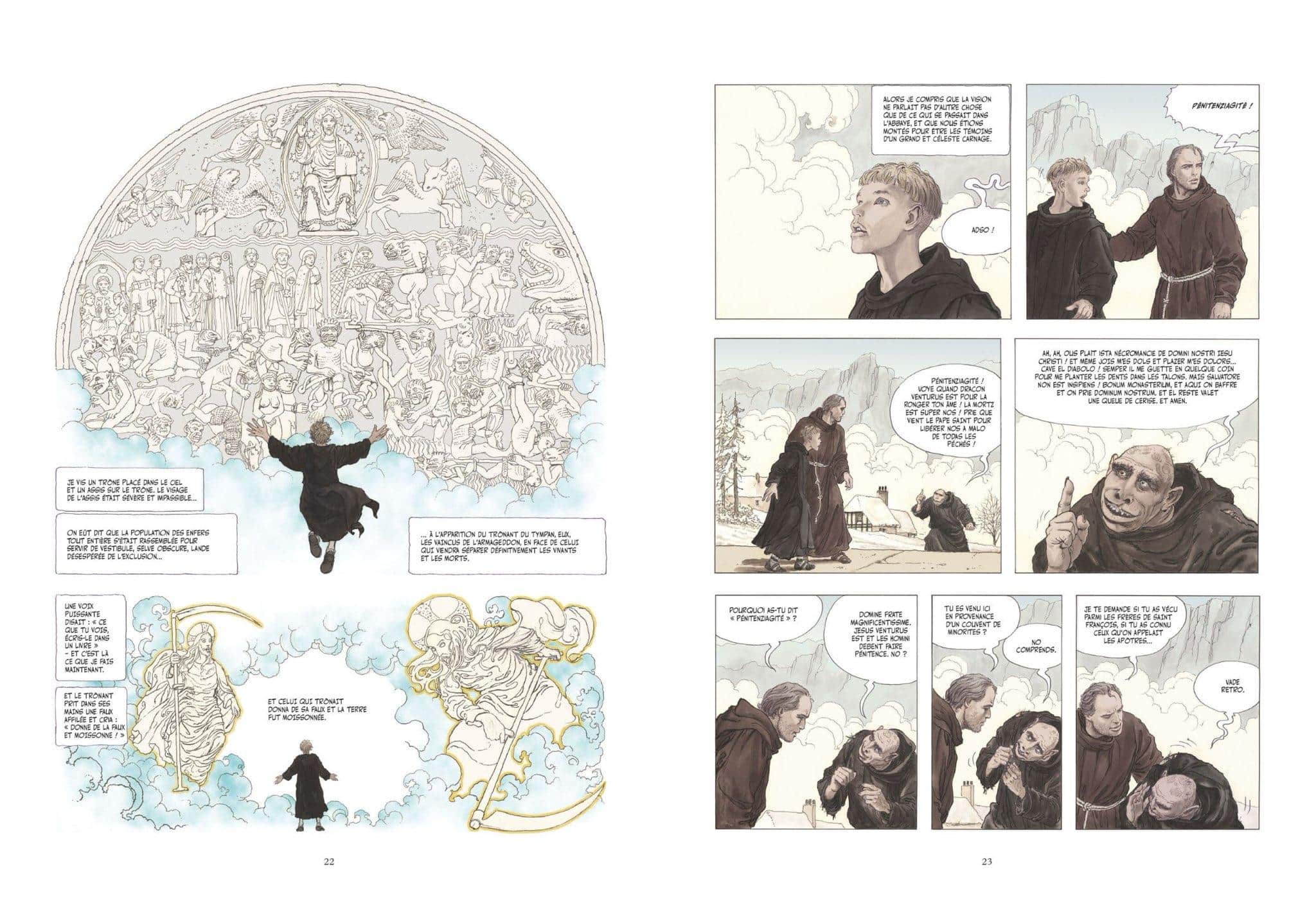
The Name of the Rose : Impossible to miss the release of this comic. It’s the adaptation of Umberto Eco’s novel. This novel lends itself well to comic adaptations because there’s a lot to show visually: the structure of the library, then the illuminations. All that with Manara’s talent. What more could you ask for? Reading the comic made me want to read the novel. I find that this adaptation does justice to the novel because all the important details are faithfully highlighted here. Some facts are simplified to move the story forward, but it’s not bothersome. In short, everything that is important to Umberto Eco (the history of the French popes, the long descriptions of the church facade, or the illuminations) has been kept in this adaptation. I can’t wait for volume 2.
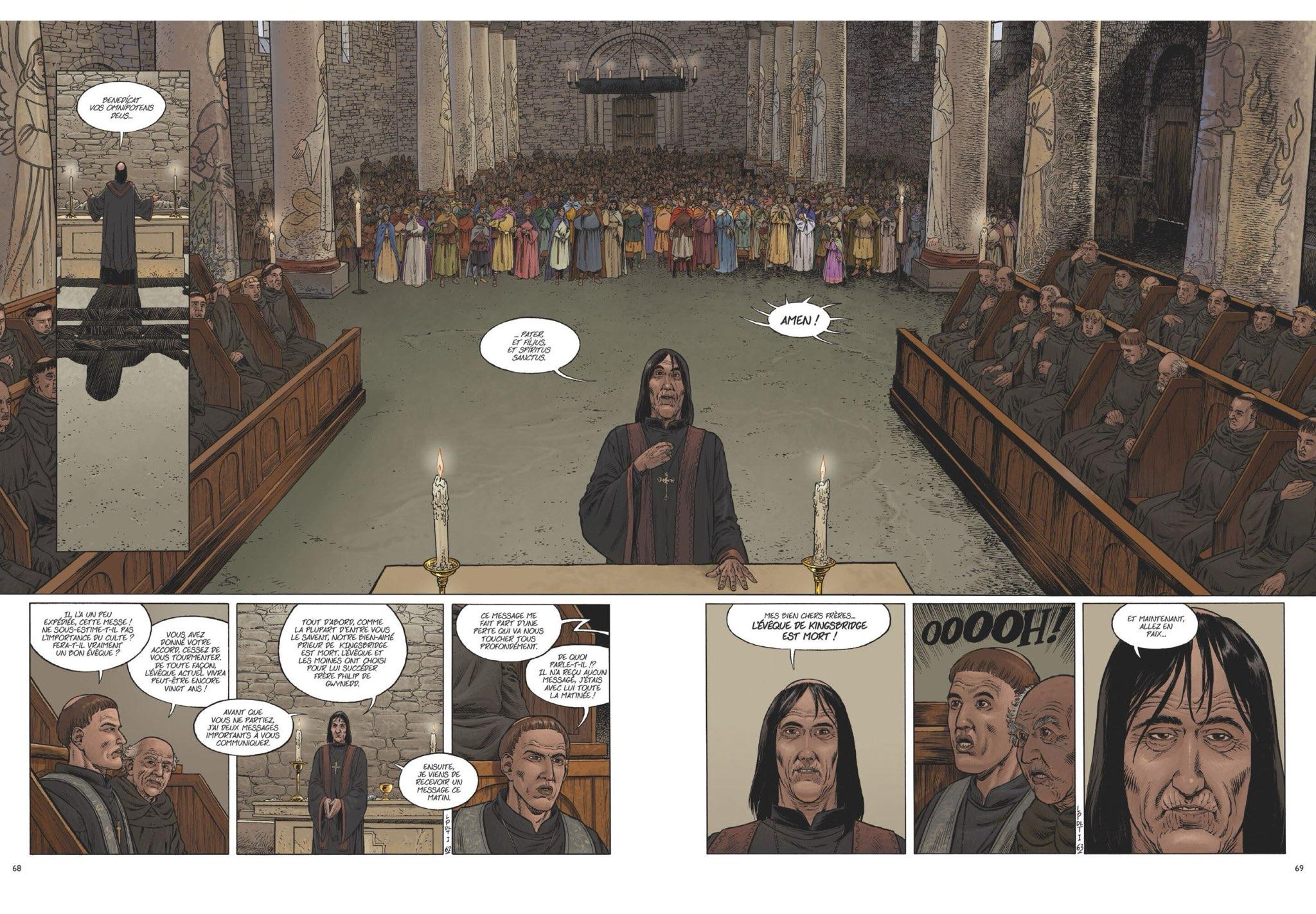
The Pillars of the Earth : Impossible to miss the release of this comic. It exists in several editions (special Fnac edition, normal edition, special black and white edition, e-book). I read the novel a long time ago; it’s one of my favorite novels. While the plot is flawless because it closely follows the novel, we regret the quality of the drawings. Characters’ faces change from panel to panel, and the quality of panels varies. This results in an inconsistent comic that spoils the reading pleasure. However, the drawings of Kingsbridge Cathedral (and presumably the cathedral’s construction in subsequent volumes) are satisfactory. Indeed, in the bonus material of the Fnac edition, we learn that the cathedral was recreated in 3D on a computer to make drawing it from various angles easier. Six volumes are planned; for now I’m reading the ebook, but I’ll gladly buy the complete set.
Dune: The Graphic Novel : For now, only the first two volumes have been released; the last one will be available in June 2024. It’s a faithful adaptation of the novel. Too faithful, even! The plot thus suffers from the novel’s weaknesses, i.e., certain passages where the characters are not very smart. I also don’t like the drawings or the colors used. For me, it’s an excellent way to quickly learn the story (while waiting for the movie release), but it’s not an enjoyable read.
Dune: House Atreides Graphic Novel : Focuses solely on a young Leto Atreides. I haven’t read the novel, so I can’t say if it’s a faithful adaptation. In any case, reading all three volumes helps better understand how the Bene Gesserit always get what they want, and why the Harkonnens and Atreides hate each other so much. Just like Dune: The Graphic Novel, I don’t really like the interior art, but I love the covers! I also love the alternate covers presented at the end of each comic.
Ravage: 3 volumes : What happens when the apocalypse strikes? Violence! I read the novel and hated it because the hero seems unlikeable and women are utterly useless. The story of the comic has been slightly altered to make the characters less stupid. The ending has been substantially changed, for the better. The time period of the story has been pushed back several decades so that, visually, we can better project ourselves into the apocalyptic world. Personally, I struggle with the novel’s story, but this comic tried its best. I imagine it’s the best you can get from a bad novel, so I salute the effort.
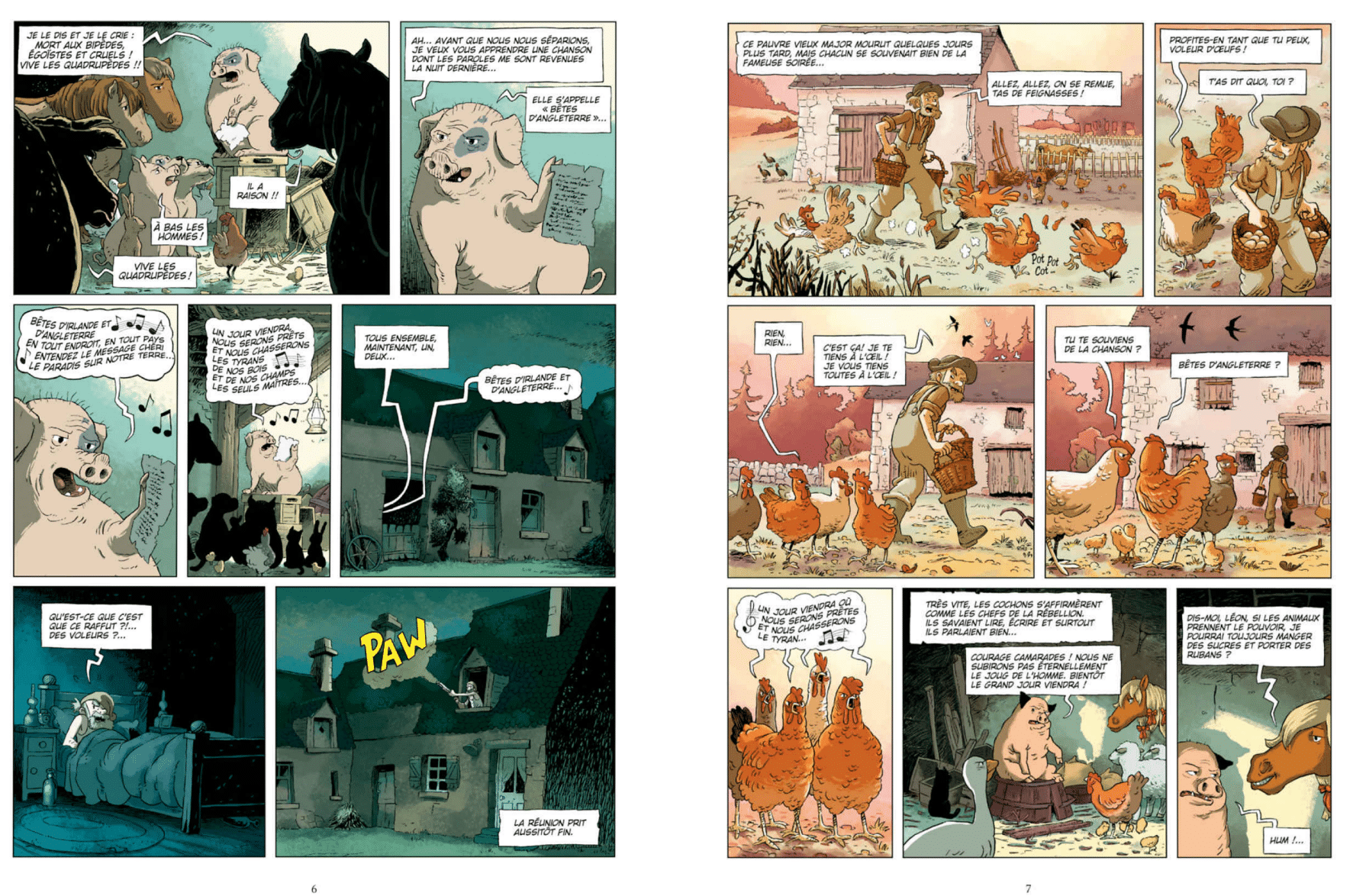
Animal Farm : I read two adaptations and find the French one (by Patrice Le Sourd) more faithful to the novel, with cleaner drawings and some very funny panels. It’s a fairly short novel to begin with, so the comics are also short.
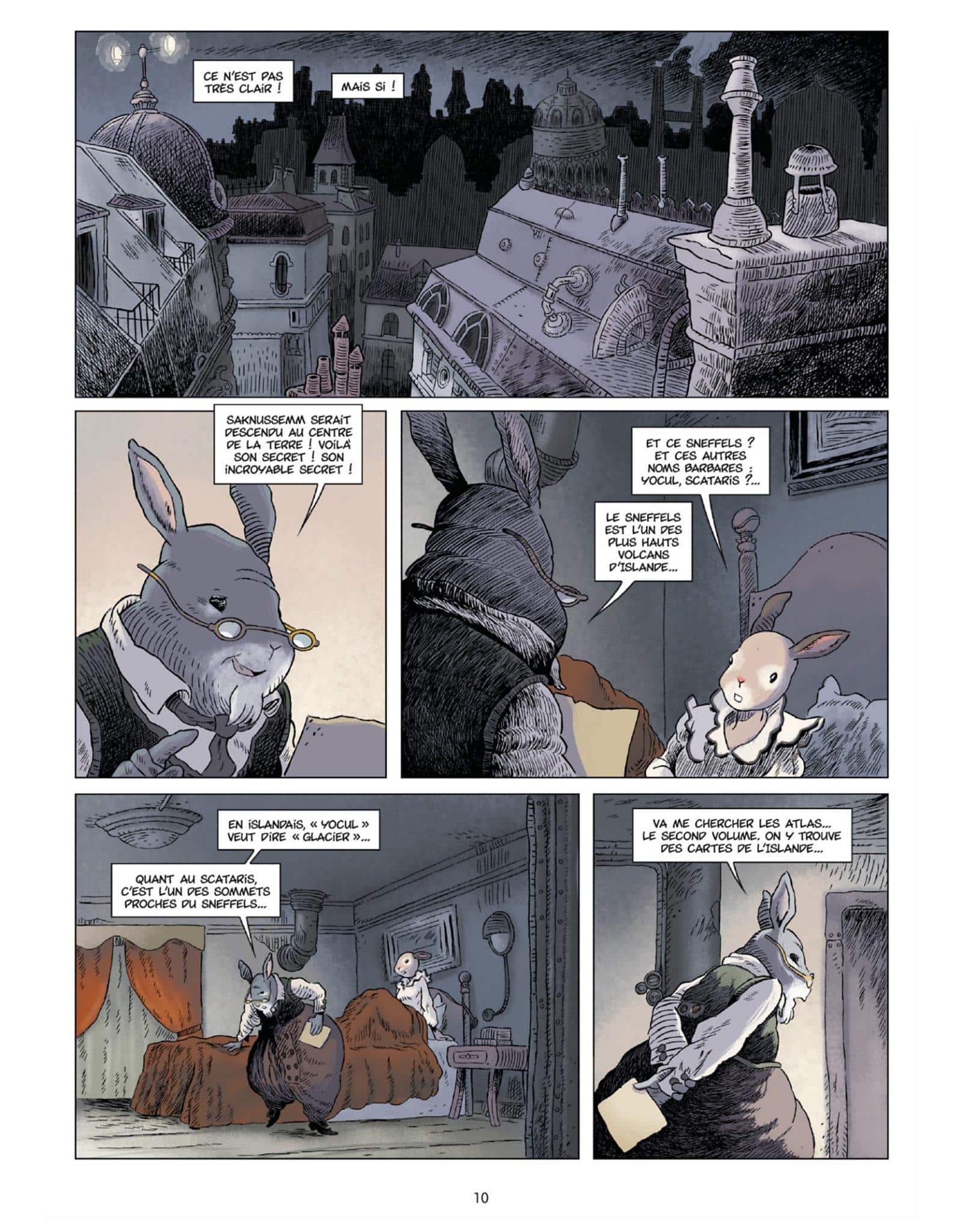
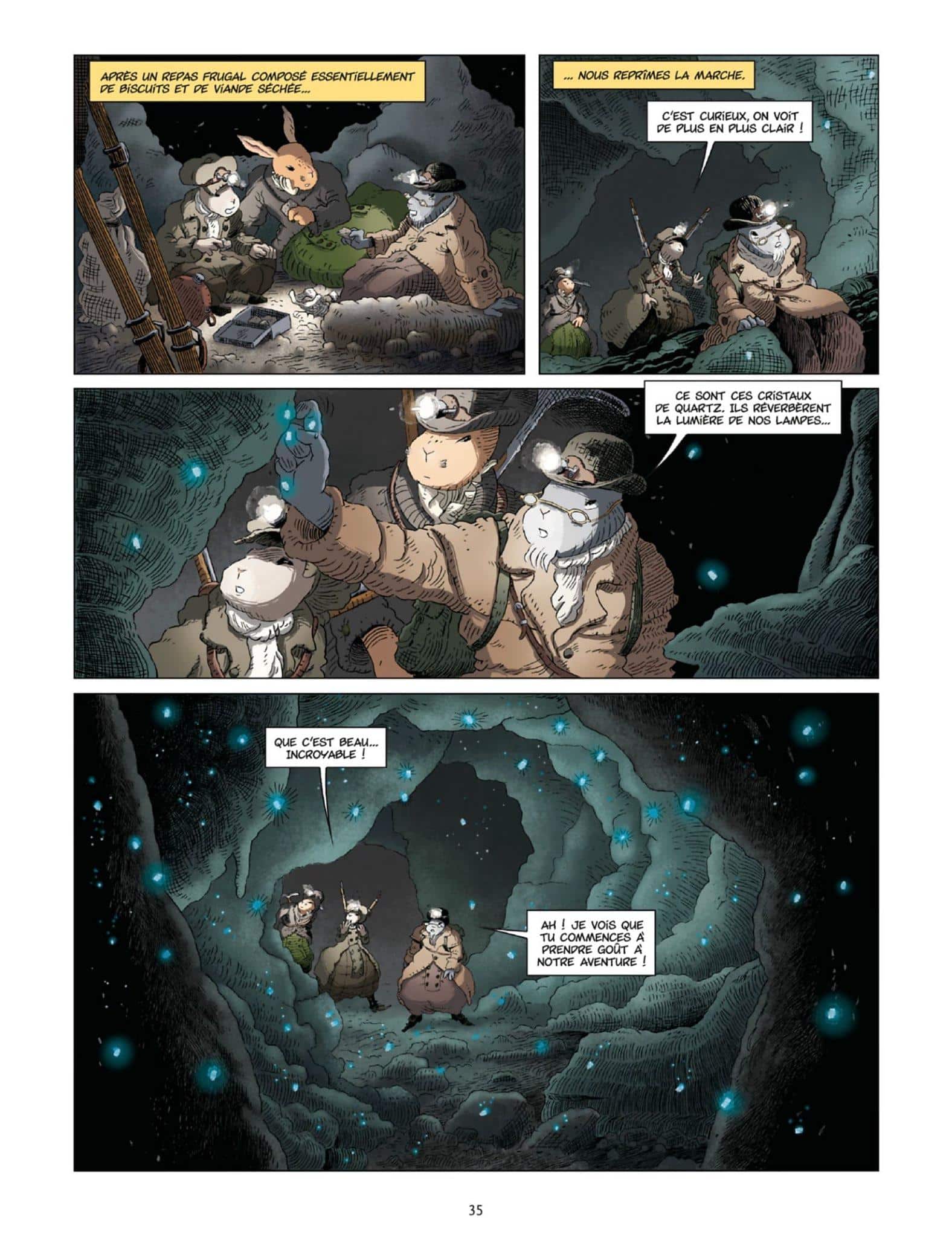
Journey to the Center of the Earth : This adaptation of Jules Verne’s novel has just released its first volume. I like the choice of novel because it deserves to be better known. However, this comic is too woke to be taken seriously. The characters are turned into hares. Okay, fine. Axel becomes Axelle. Okay, fine. But then, why keep the cleaning lady? Why not turn her into a cleaning man? You have to be WOKE all the way! I do really like the drawings, though, even if the color palette is quite monotonous (I would have liked more contrast between the normal scenes and the underground scenes). I think it could really appeal to children (as long as they also get the original version to read).
Sapiens : the graphic novel adaptation aims to be educational, introducing characters who narrate world history. While this innovative process is appealing in volume 1, it becomes boring in volume 2 (the Cindy & Co comics are unreadable), and downright vulgar in volume 3 (a stupid game show). You can tell the illustrators are running out of steam because there are entire pages drawn, clearly, just to pad out a few panels (since they teach us nothing at all). I’m not sure I’ll want to buy volume 4 next year.
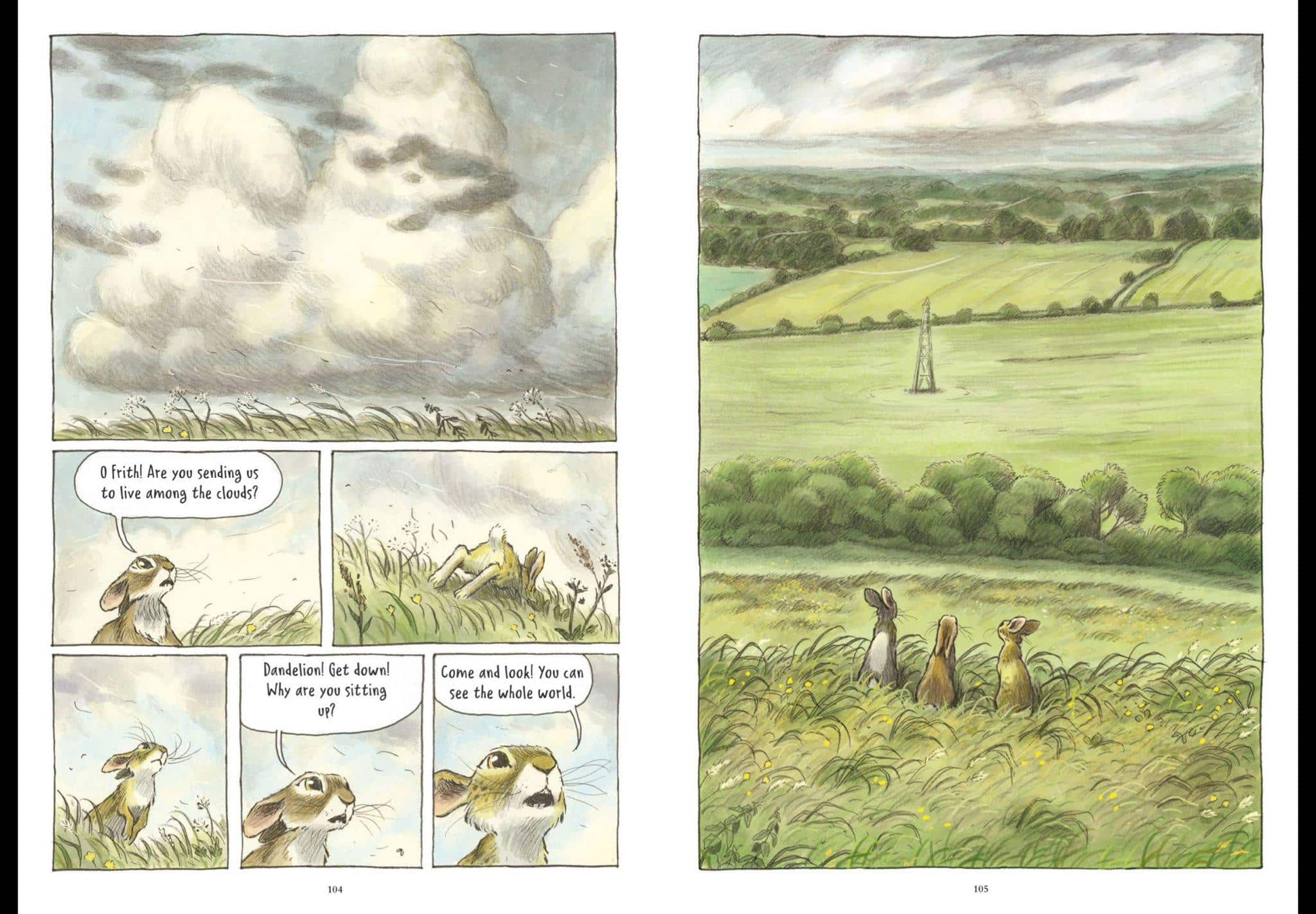
Watership Down: I’ve never read the novel, so I don’t really know if this adaptation is faithful. It’s a classic in English-speaking countries. Anyway, I really liked the drawings and the story. It’s about rabbits who have to find another place to live. It deals with revolution, battles, but also communication and empathy.
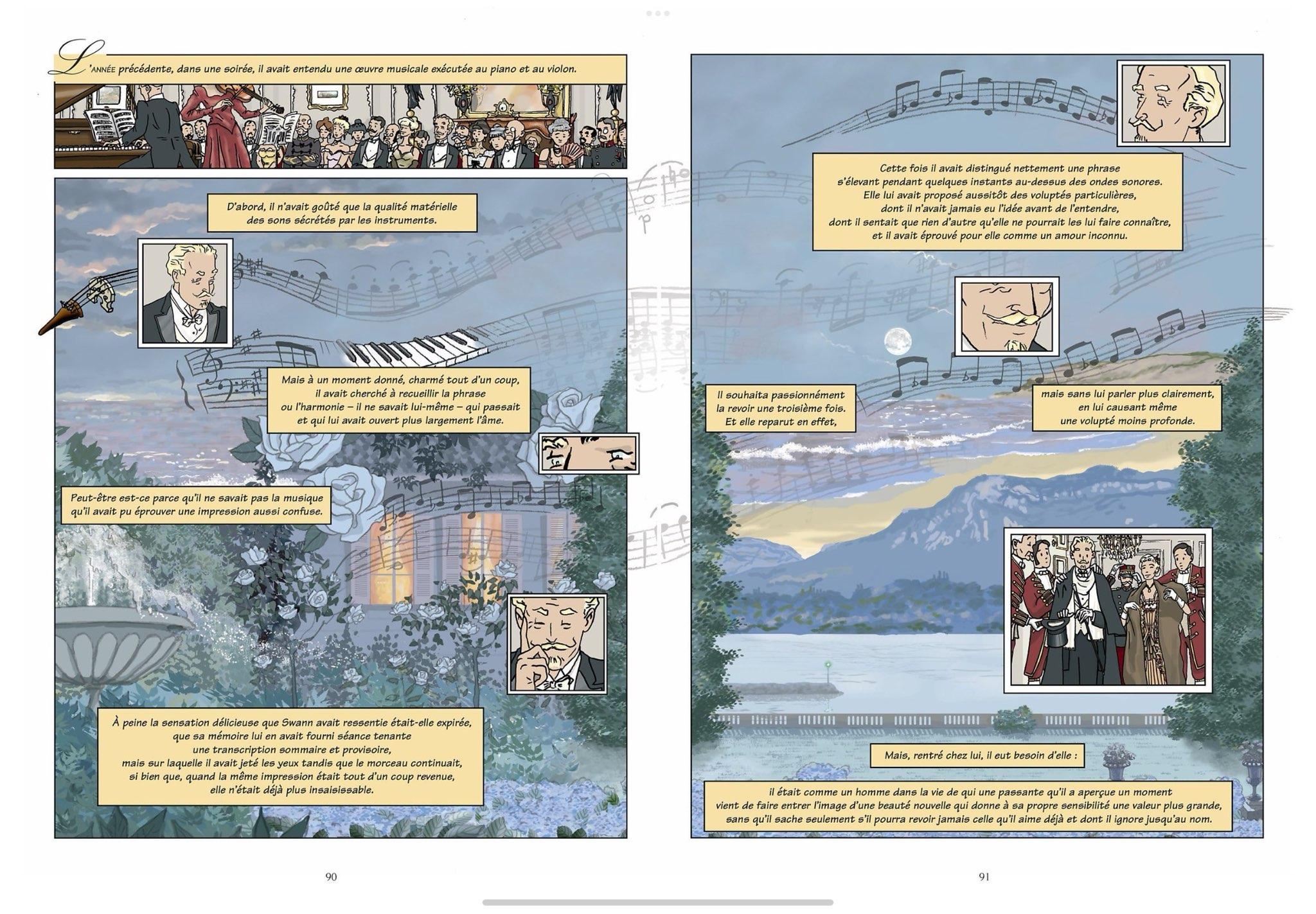
In Search of Lost Time : I’ve talked about it at length here, I love it so much that I’ve read the comics several times and am currently reading the text (I’m on the 6th volume, yes, it’s almost over, phew!)
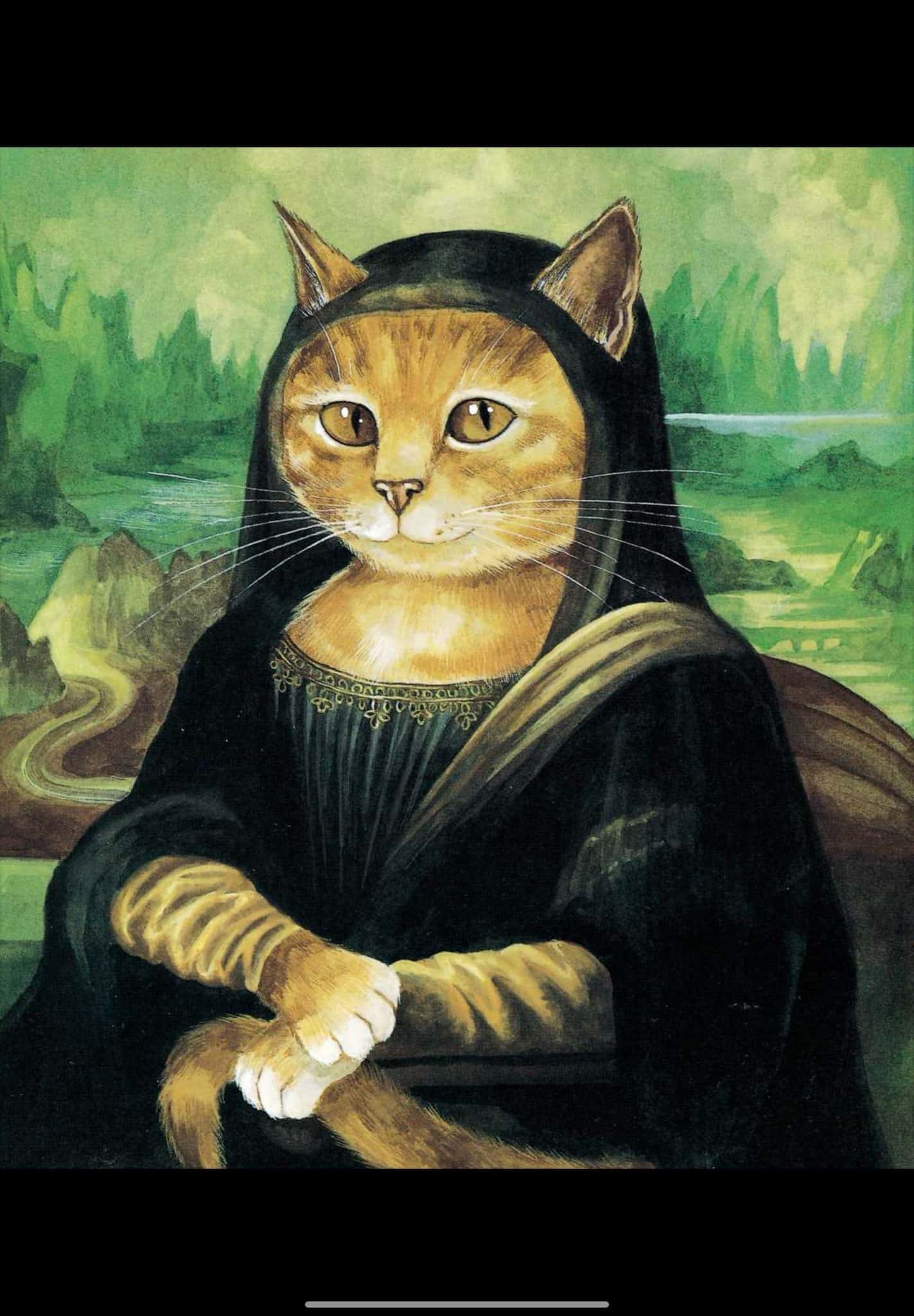
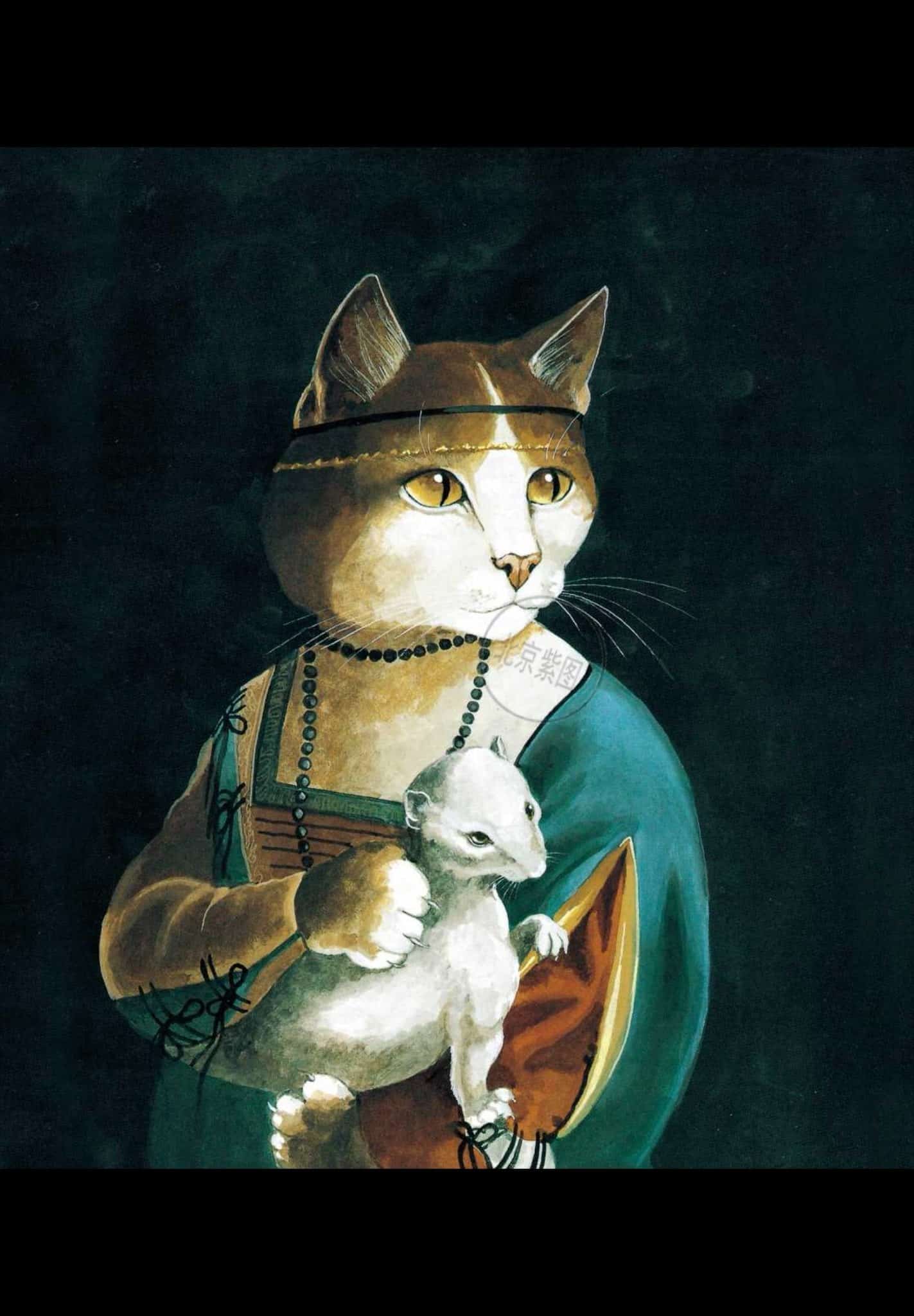
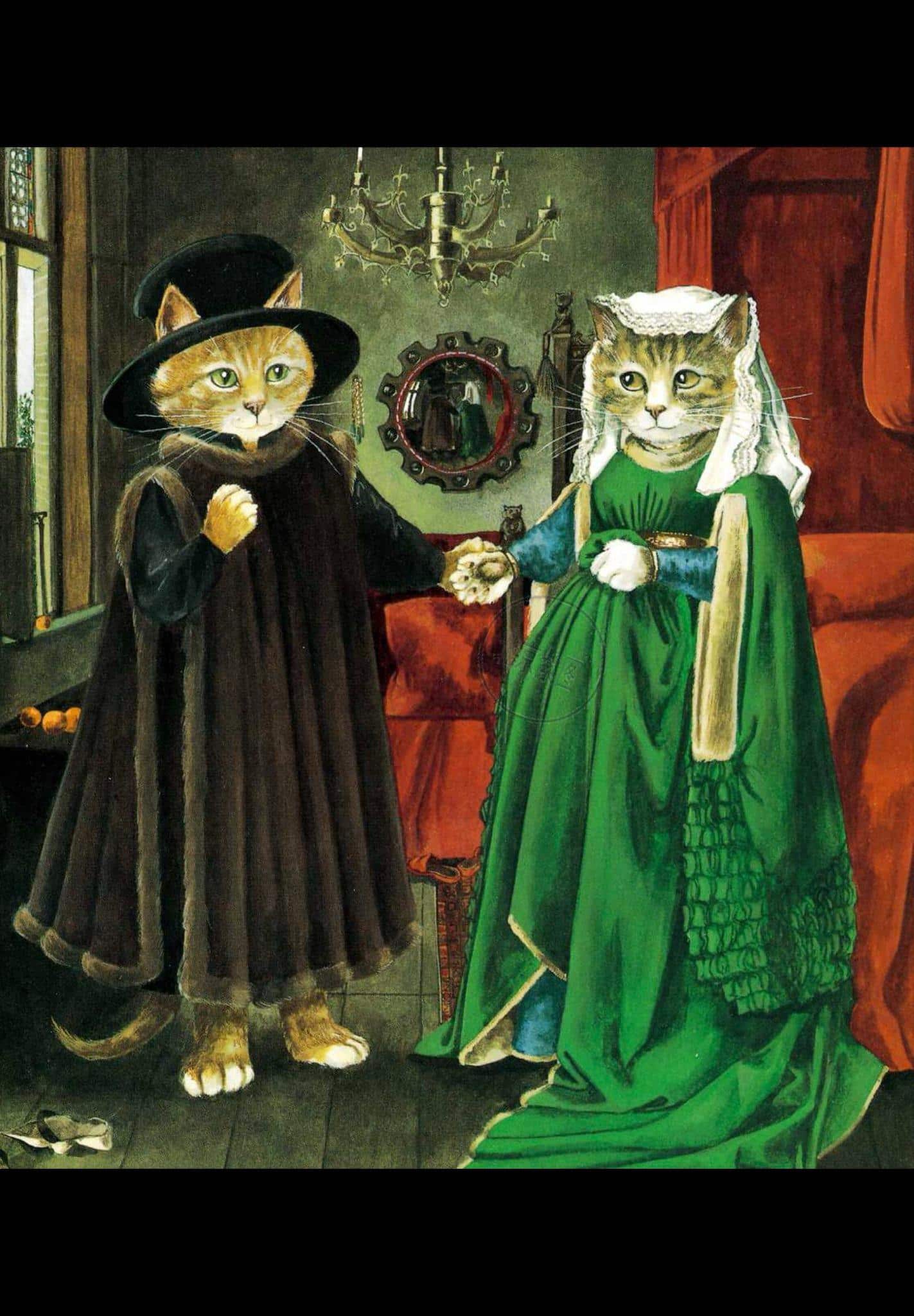
Cats Galore: Imagine the most famous paintings and movies in the world with cats. It’s hilarious. You also brush up on your cultural knowledge. I only have volume 1 and will get volume 2 soon. The print quality is excellent.
Biographical/historical comics
Borgia : extremely disappointed by this comic series. The colors are atrocious, the storyline could have been better developed. It sticks to stereotypes of the Borgia family (sex, violence, manipulation) without detailing the political and religious context further. The women in this comic are reduced to flesh. Even Manara couldn’t save the storyline with his drawings.
Caravaggio : When Manara handles the storytelling himself, it’s much better. Caravaggio’s story is very well told in just 2 volumes. I admit I wasn’t moved by Caravaggio’s paintings I saw in Malta, but it’s thanks to this comic that I finally understood his genius.
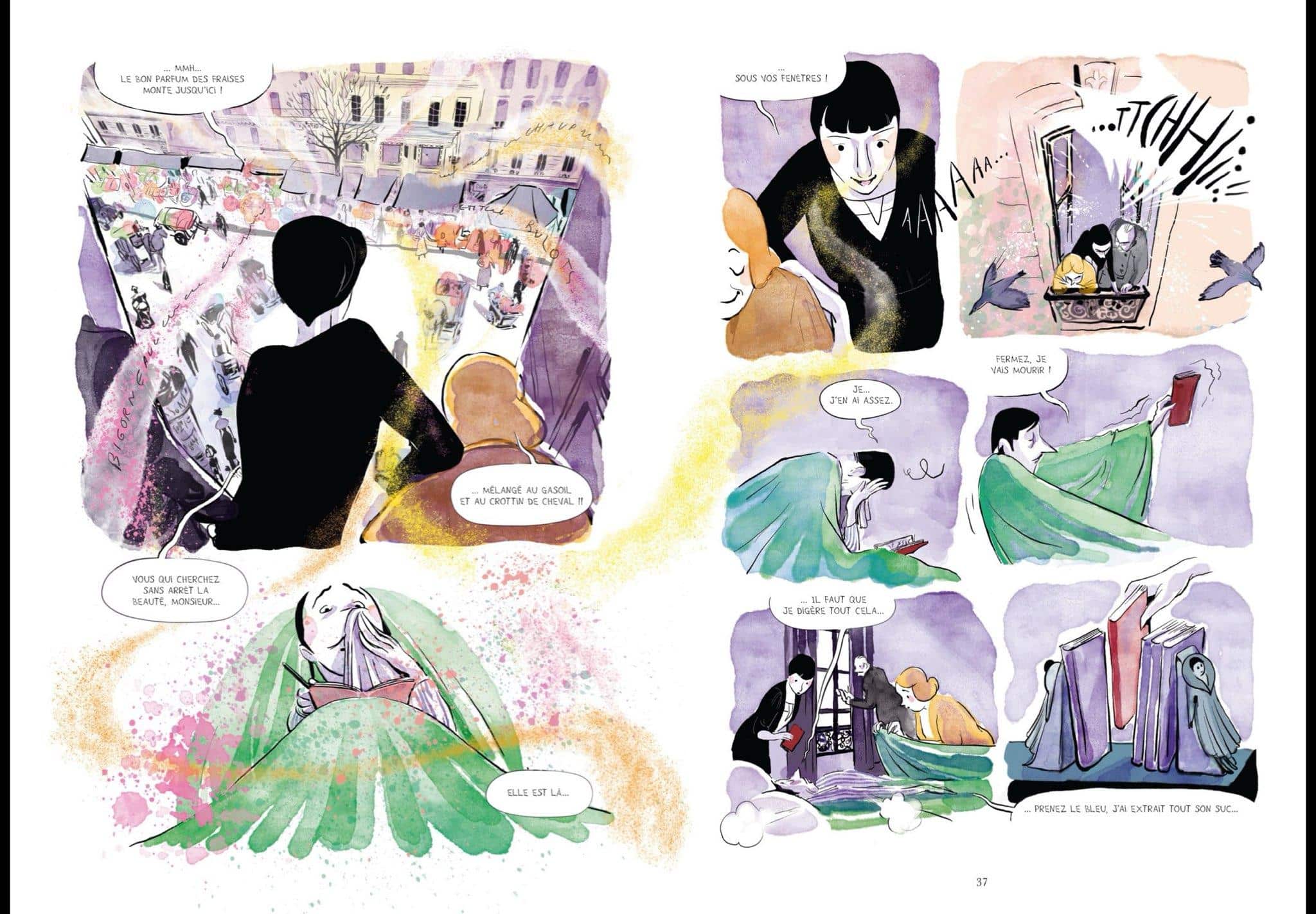
Céleste: Chloé Cruchaudet, through these 2 comics, has managed to visually tell the relationship between Céleste Albaret, Proust’s maid-of-all-work, and her master and idol Marcel Proust. She bases her comics on several books. The drawings are flawless and beautiful, despite a palette that’s too pastel and therefore hard to read at times, but I really like the “watercolor” feel she’s created digitally. The content is, alas, full of inaccuracies and too “fairy tale” like. She doesn’t seem to know enough about Proust’s life because Céleste Albaret’s lies haven’t been detected here. She even changed Proust’s death. I mean, these are real people; you can’t just change their death however you want!!
Géostratégix : I really liked volume 1 and just bought volume 2. Even JB, who knows his geopolitics, told me he learned things. Volume 2 came out a year after the war in Ukraine, so I’m curious to see what the author thinks about the issues in that area. The drawings are simple, but the colors change from page to page, making them less boring.
The Incredible Story of…. : I really like the “The Incredible Story of…” collection, which summarizes the history of medicine, sex, etc., in 200 pages. This year, I bought 3 volumes but only read one completely and skimmed the other two. I’m not a fan of the drawing style, nor the vulgar and trashy humor (sometimes degrading to women), but I like this collection because I learn a lot.
The Incredible Story of Immortality disappointed me a bit because I thought I’d get more info about alchemists. In the end, it only talks about transhumanism. It was so uninteresting that I’ve already forgotten everything.
The other two: Greek mythology + French literature are written by the same author, it’s interesting, but we still can’t avoid raunchy jokes.
Graphic novel
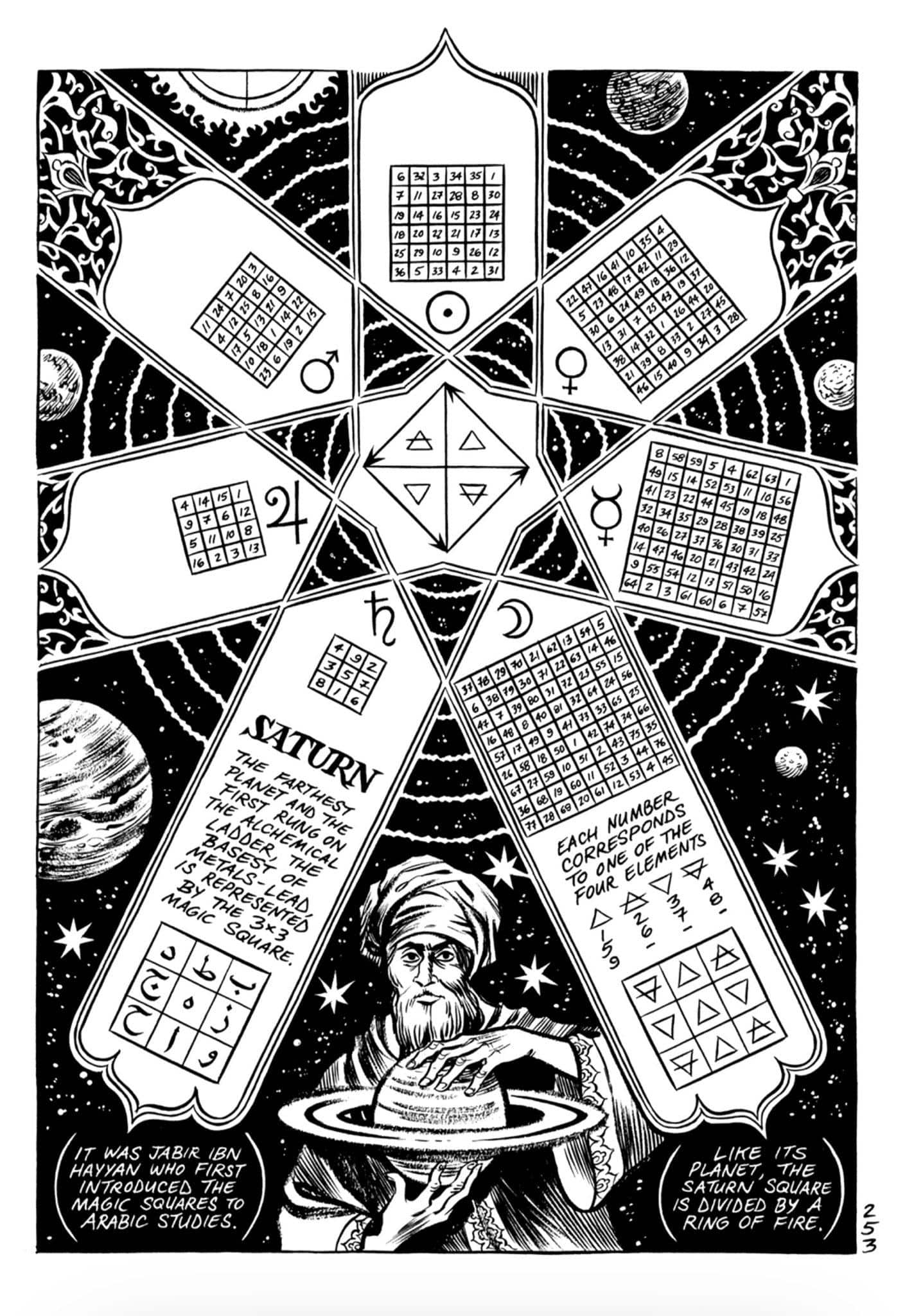
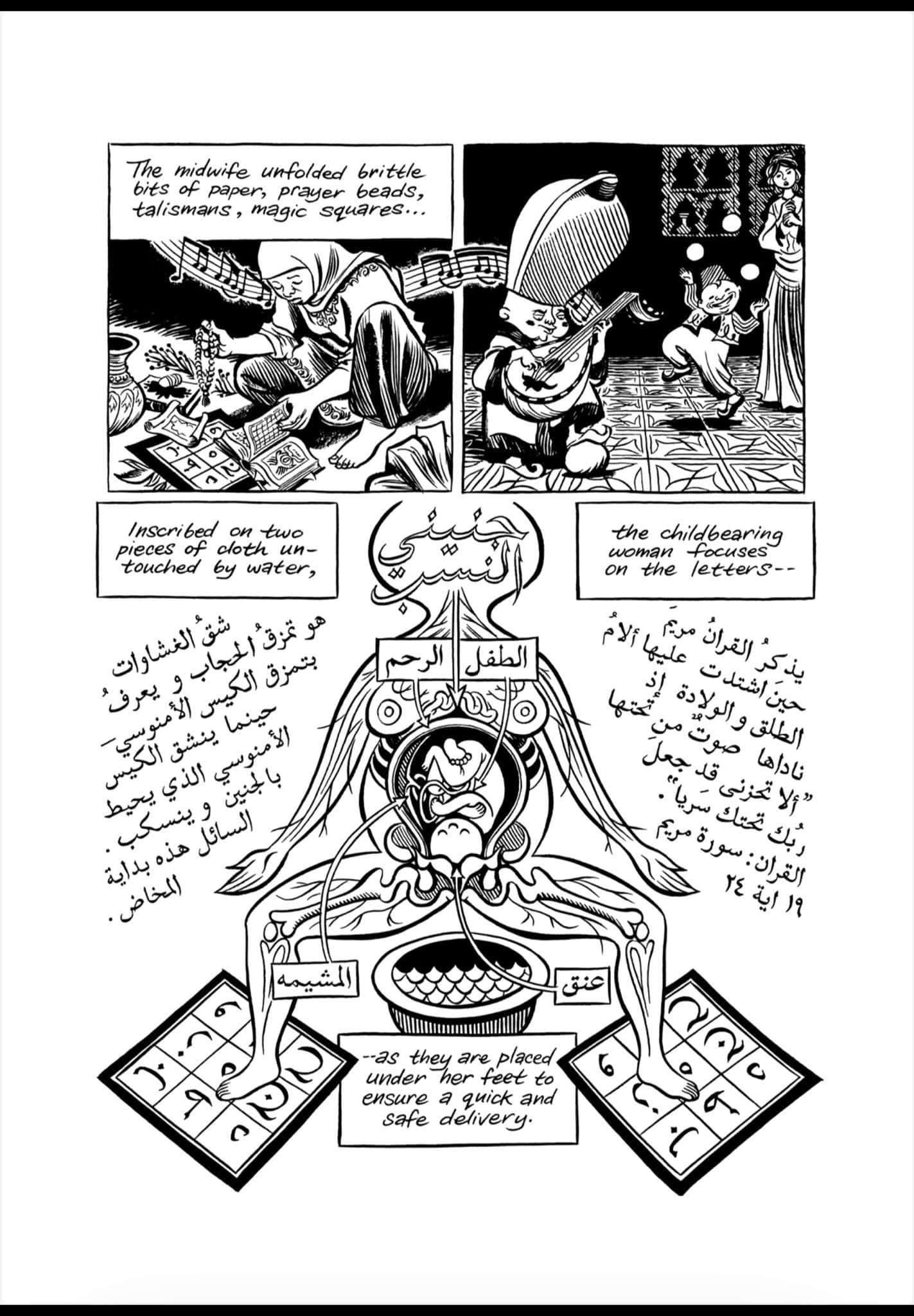
Habibi : It’s entirely in black and white. This graphic novel was recommended to me by a seller at the Fnac, and I hate him for his recommendation. It’s an artistic work (the Arabic calligraphy is incredible, the Bible scenes, the magic squares) but I feel really sorry and sad for the characters. In this novel, they suffer really too much. For a long time, this novel haunted me, and I didn’t dare read it again for over 10 years.
Blankets : By the same author. The story is very touching, and I really like the way it’s told. It’s almost autobiographical, and that’s what’s a bit unsettling. Here too, the suffering of the characters is such that you don’t feel good after reading. I think it could be suitable for struggling teens, as they’ll feel understood.
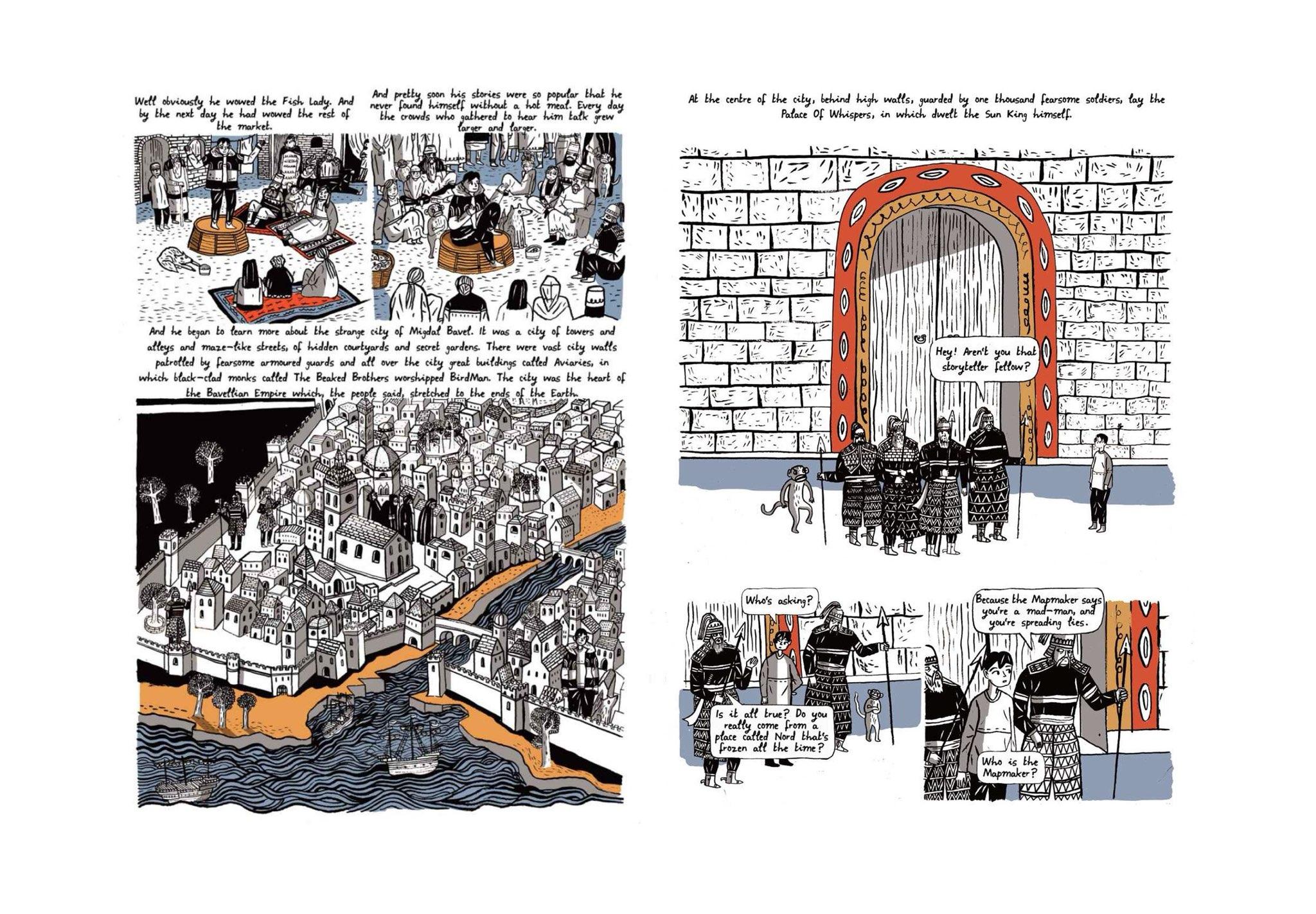
The Encyclopedia of Early Earth: A Novel) : Despite the title, this isn’t a scientific book about the real earth but an imaginary one. Isabel Greenberg manages to create her own world, a world ruled by gods she invents. We follow a man who seeks a piece of his soul at the end of the world. He travels by becoming a troubadour. The drawings are simple, but the little touches of color are effective. The story is very interesting and full of suspense. I really liked it.
The Hundred Nights of Hero : Later, the author released another book explaining more about the origins of the gods of her world. The story suddenly becomes too feminist (in the mode of all men are pigs) and the drawings have deteriorated. The colors and lines are done hastily. It’s the complete opposite of her first novel. There are, however, some very interesting little stories in this graphic novel, but it suffers in comparison to the first.
I hope you enjoyed this list. If I read more by the end of the year, I’ll add to the list.

