
My Current Favorites [May 2023]: Books & Museum of Esotericism in Amsterdam
Far from its occult connotations, the word esotericism comes from the Greek εισωθεω (eisôthéô, I bring in, to be turned inward). Esotericism allows, above all, self-discovery. It’s a logical progression for someone interested in astrology like me, to eventually take an interest in other esoteric movements.
Les Initiés by Jean-Jacques Bedu
I’m not actively seeking out esoteric books; they come to me. First with watching a very interesting interview with Jean-Jacques Bedu. I immediately bought his book “Les Initiés”, which portrays about a hundred initiates from the year 1000 to the present day. These men and women come from movements as diverse as they are spread over time: alchemists, hermeticists, occultists, Christian mystics, Brahmins, shamans, Sufis, Kabbalists, white and black magicians, prophets, the enlightened, thaumaturges and theurgists, spiritualists, mediums, Freemasons, Rosicrucians, Gnostics, Neo-Templars, Martinists, Theosophists, or simply adherents of occult philosophy or the Primordial Tradition.
This book is massive (over 1400 pages) and I’m only on page 180, but I really like how the author provides a concise biography of each person, what led them on the path of esotericism, their beliefs and discoveries.
This list is sorely lacking in Eastern representatives, but I think it’s better to speak well of what you know, rather than expanding into concepts you barely grasp. To learn more about Eastern initiates, you’ll need to read other books; this one won’t suffice.
It’s thanks to this book that I finally understood the significance of the whirling dervishes ceremony I attended in Turkey (see our travel diary). It also provides the historical and spiritual context of the 1000s, helping me understand why certain fundamental Greek texts were retranslated from Arabic, and why Western astrology became tropical and didn’t remain sidereal.
You might think the book was written by a researcher or historian, but not at all! The author is an optician, yet passionate about the subject. The edition is serious, and citations, sources, and bibliographies are plentiful. After reading it, you’ll likely leave with 100 other books to read 😀 For me, it’s an excellent introduction to the topic.
Les Initiés: €30 (Amazon link)
Embassy of the free mind
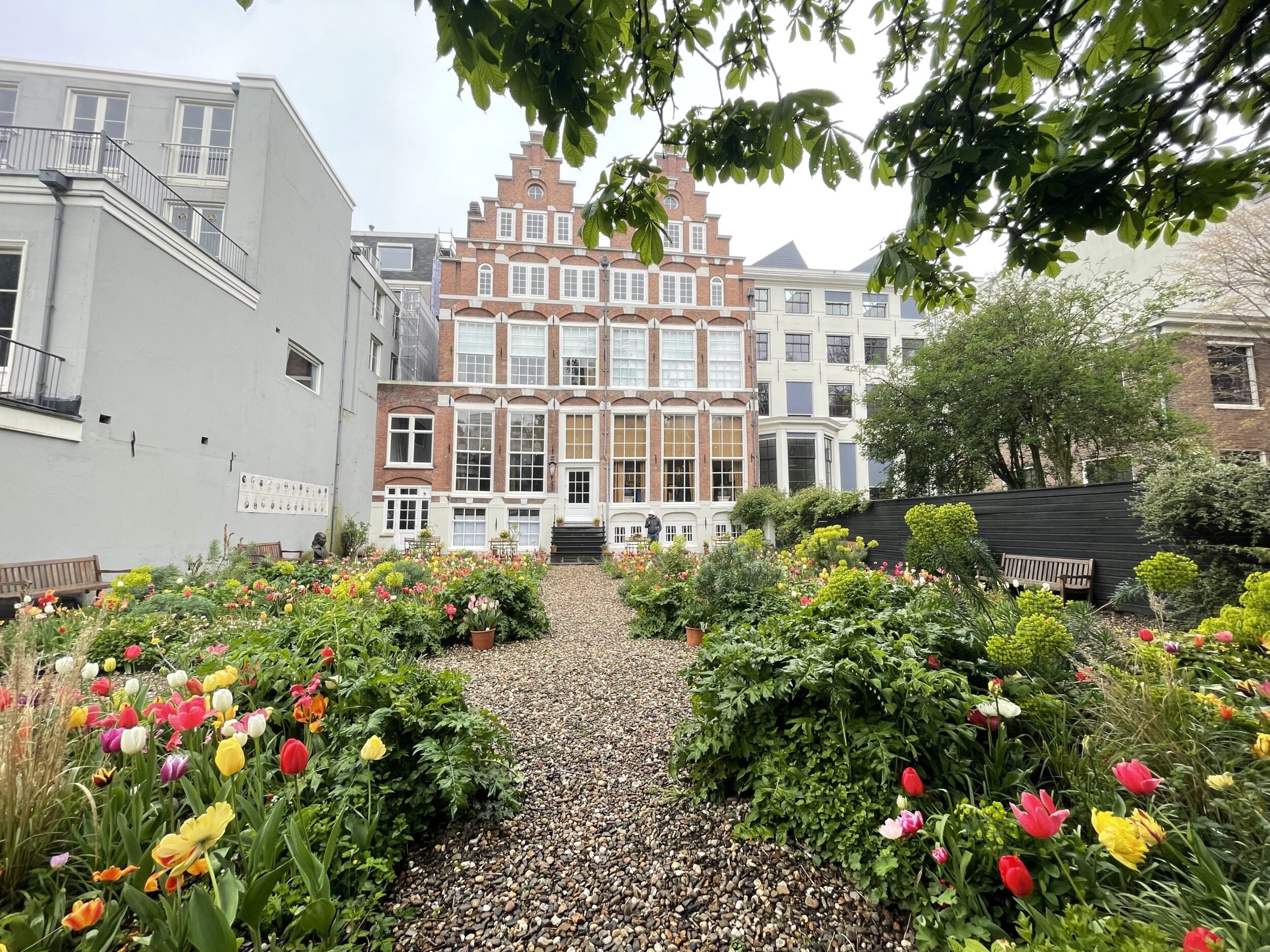
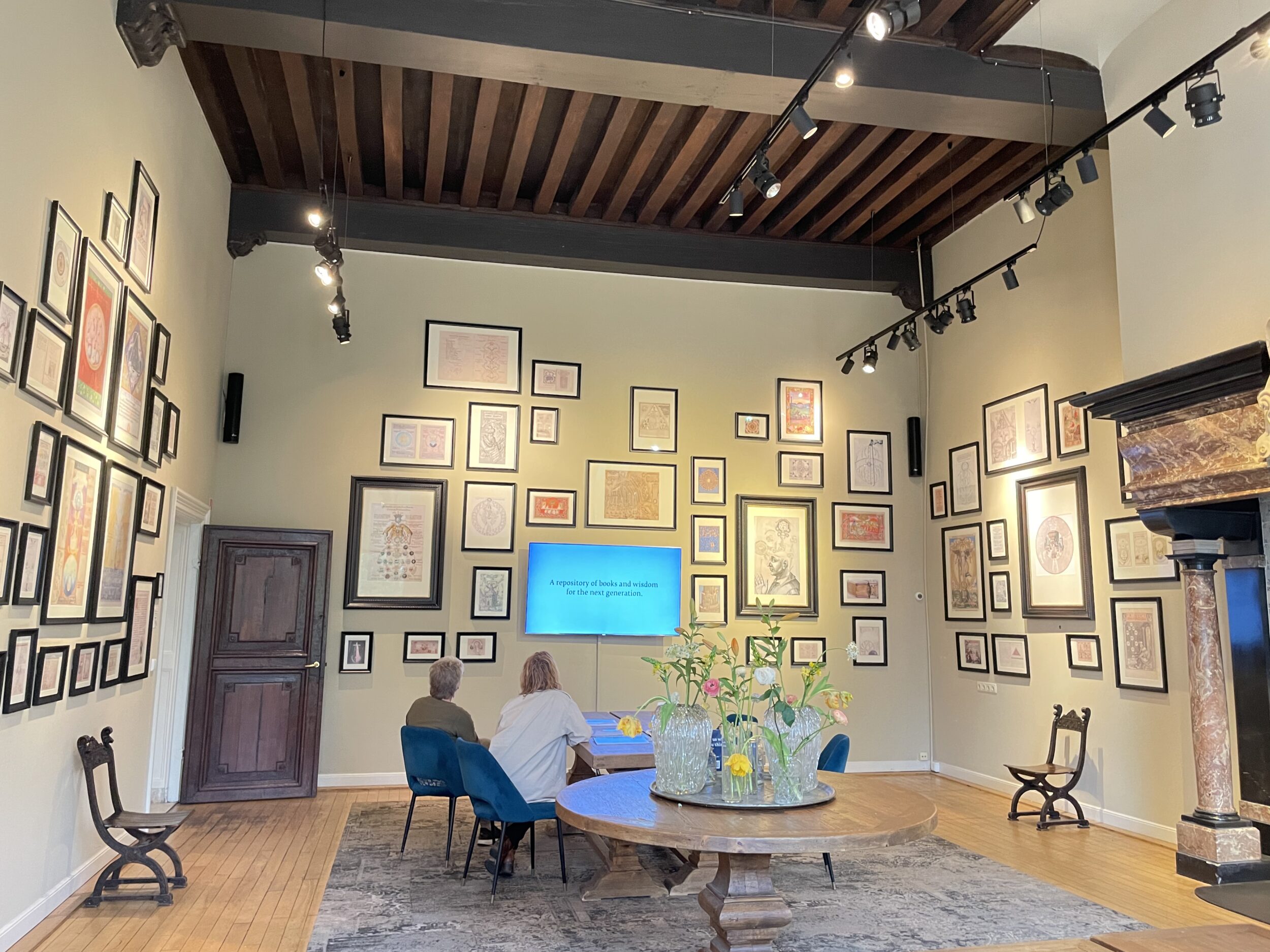
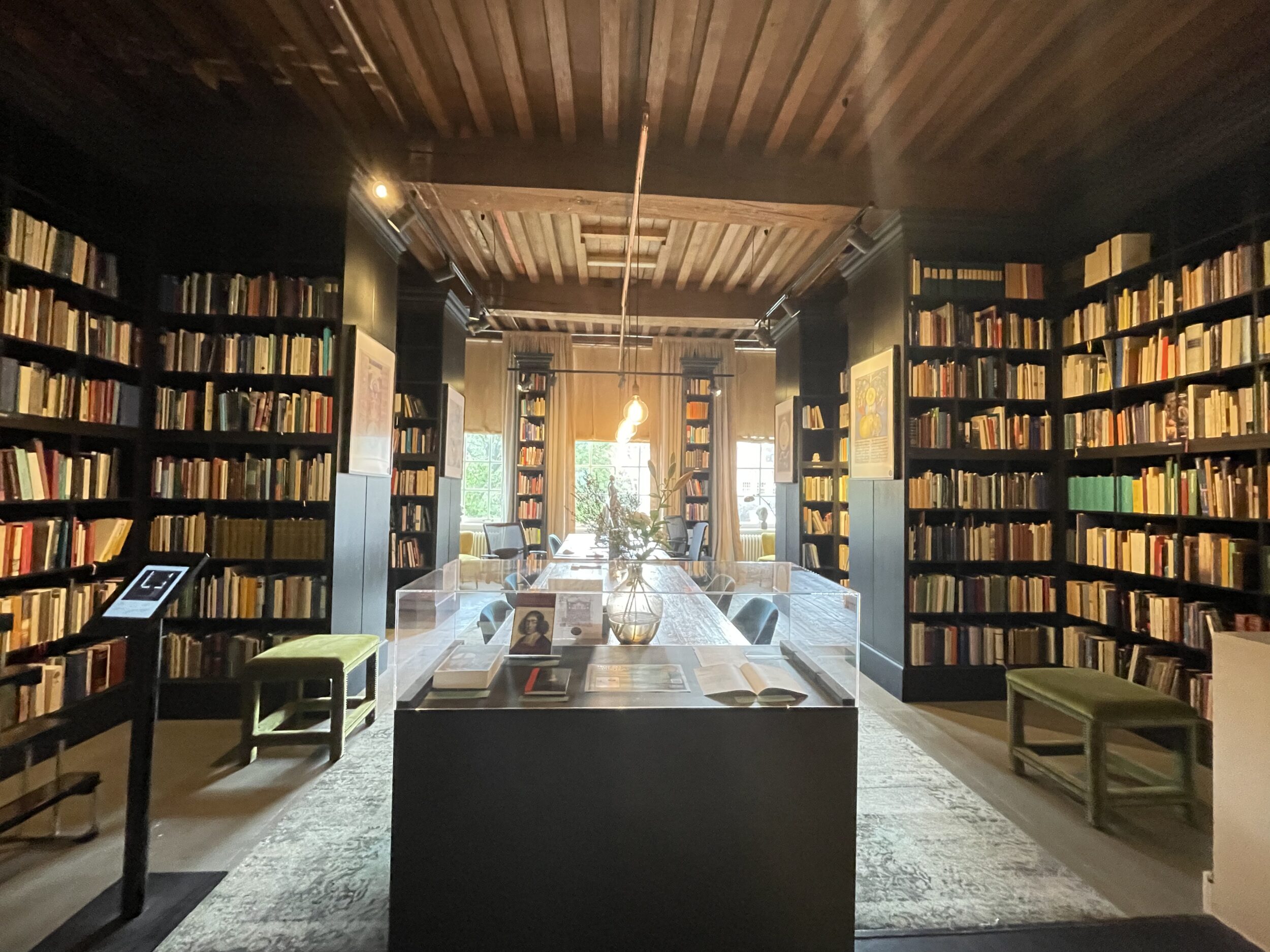
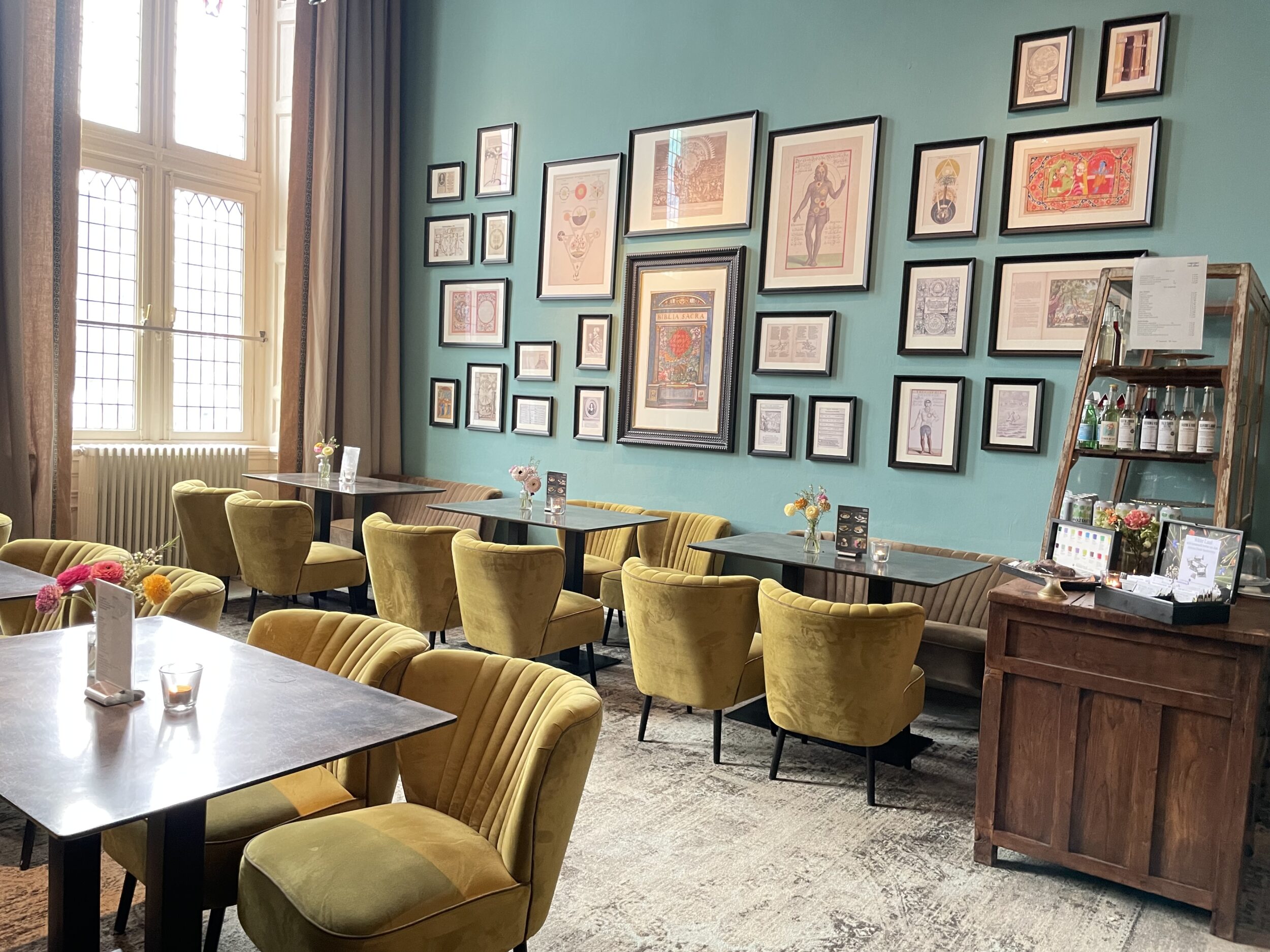
The Netherlands, especially Amsterdam, has always been a haven for free thought. It’s only natural that this spirit continues and materializes in an absolutely incredible museum, where you can access 29,000 esoteric books !!! On-site, 5,000 books are freely accessible, and for rarer, more precious books, you just need to make an appointment, no need to justify your request, just a small email. The list of 29,000 books is available on their website, and Dan Brown donated $300,000 to the museum to help digitize some of their books. For now, 2,100 have been scanned and are available for free on the site.
I visited the museum twice (I love it too much!). Well, the museum didn’t come to me; I went to Amsterdam, but I discovered its existence by chance. It’s a haven of peace, and the library is truly super, super well-organized and stocked. I had a great time there and highly recommend it. I’ll write a more detailed article, but know that it’s my favorite spot in Amsterdam.
The Alchemist by Paulo Coelho
There are books that sleep in our libraries for years and are then picked up and read in a day or two. This book is one of them! It waited for the right moment to be read. Thanks to my previous readings on alchemy, I was able to easily understand the alchemical part of the novel.
I’ve already done a detailed review here, I highly recommend you read it if this novel interests you.
The Alchemist, €7.1 (Amazon link)
Autobiography of a Yogi
“Autobiography of a Yogi” is an iconic book written by Paramahansa Yogananda, an Indian yoga and meditation master who taught Kriya Yoga in the West in the early 20th century. First published in 1946, this book tells the fascinating story of Yogananda’s life, from his childhood in India to his journey to the United States where he founded the Self-Realization Fellowship, an organization dedicated to teaching meditation and spirituality.
In “Autobiography of a Yogi,” Yogananda shares not only his life experiences but also teachings on the spiritual practices and mystical experiences he had throughout his life. He covers topics such as meditation, reincarnation, life after death, and offers reflections on the nature of reality and consciousness.
This book has been very influential in the development of spirituality in the West and has been widely read by people from all walks of life, including figures such as Steve Jobs (who re-reads it every year). It’s considered a classic of spiritual literature and is a must-read for anyone interested in meditation, spirituality, and the search for inner truth.
You’ll find a more detailed review here. This book confirms the information I’ve read in 4 other books about Tibet and meditation. While the miracles in the book may raise doubts for many, it’s a spectacular way to show what we’re capable of on Earth when we have faith.
Autobiography of a Yogi, €20 (Amazon link)
Zadig or Destiny by Voltaire
You can’t really classify it among esoteric books, but it’s still an initiatory tale. My favorite passage is near the end, where Zadig, in despair, meets a hermit who shows him the plans of Providence. Voltaire’s tales are always relevant, they’re timeless, and there are so many levels of reading that you can and should read and re-read them at different times in your life.
Here’s a little preview of the books I’ve read and loved this month. See you soon!

