

We spent Golden Week in Kyoto (Japan)
After the road trip, my parents are going back to Vietnam while we still enjoy Japan (in Kansai) for about ten more days. We take a shinkansen for the first time from Tokyo, heading to Kyoto.
Kyoto is a fairly expensive city, so JB chooses a hotel for us in the outskirts of Kyoto. We’re right in the middle of Golden Week, a week with lots of public holidays, when the whole of Japan goes on vacation.
Our hotel in Kameoka has an onsen on site, which JB loves because he only has to go down three floors to enjoy the hot and cold baths and the sauna. There’s even a reading room right after the onsen to relax in, and a restaurant on site. So we can stay at the hotel all day if we feel like it.
Kyoto suffers from over-tourism, and even more so during Golden Week.
We’re lucky to run into our Vietnamese friends the day before they leave for vacation. They live in Uji, which is famous for its temple and matcha. In May, Uji’s temple is in full bloom and people go there to see the wisteria. May is also when matcha is harvested. But you have to wait until November for the leaves to be ground into powder. Anyway, all the matcha powder I see in Kyoto comes from Uji. Our friends tell us that Kameoka, the town we’re in, is known for its stadium, but also for traditional boat rides. I’m really surprised because from the train, I saw those boats and the river rapids: the activity seems more suited to rafting. They confirm that there was indeed an accident not long ago and the boat rides have recently resumed. I’ll tell you right away: I didn’t opt for the tour.

We went to eat a ramen “with lots of meat,” as my friends put it, and then mochi desserts. We learn that the shopping center Ibasen just above Kyoto Station houses, on the top floor, an impressive collection of ramen restaurants. Each region has its own ramen, and you can eat ramen from all regions there.
During Golden Week, there are quite a few events in our little countryside town of Kameoka. JB goes to watch a soccer match of the Kyoto team (our hotel is right next to the stadium!). He sits in the “ultra” section; he says the fans try to imitate foreign fans they see on TV, but they remain Japanese and apparently can’t bring themselves to insult, so they try to boo the opponents, but in a super polite way.

Speaking of Kameoka, where our hotel is, there are rapid trains to Kyoto in 20 minutes, then trains that stop at every stop which take 30 minutes. Then there are special trains (Express or tourist trains) where you have to pay the normal fare (with our PASMO or COCA pass) plus the special ticket for that train. We accidentally took one of the tourist trains, kind of “Orient Express” style. Of course, we only had our PASMO, but the conductor was able to charge us the missing 2000 yen and change on the spot. After 10 days, we’re starting to understand the system a bit, and with Google Maps, we only take “rapid” trains that are fast and don’t cost extra.


The train Hello Kitty express, which looked really interesting and cute, isn’t interesting, unfortunately. It’s just a train that goes to the airport.

Nishiki Market
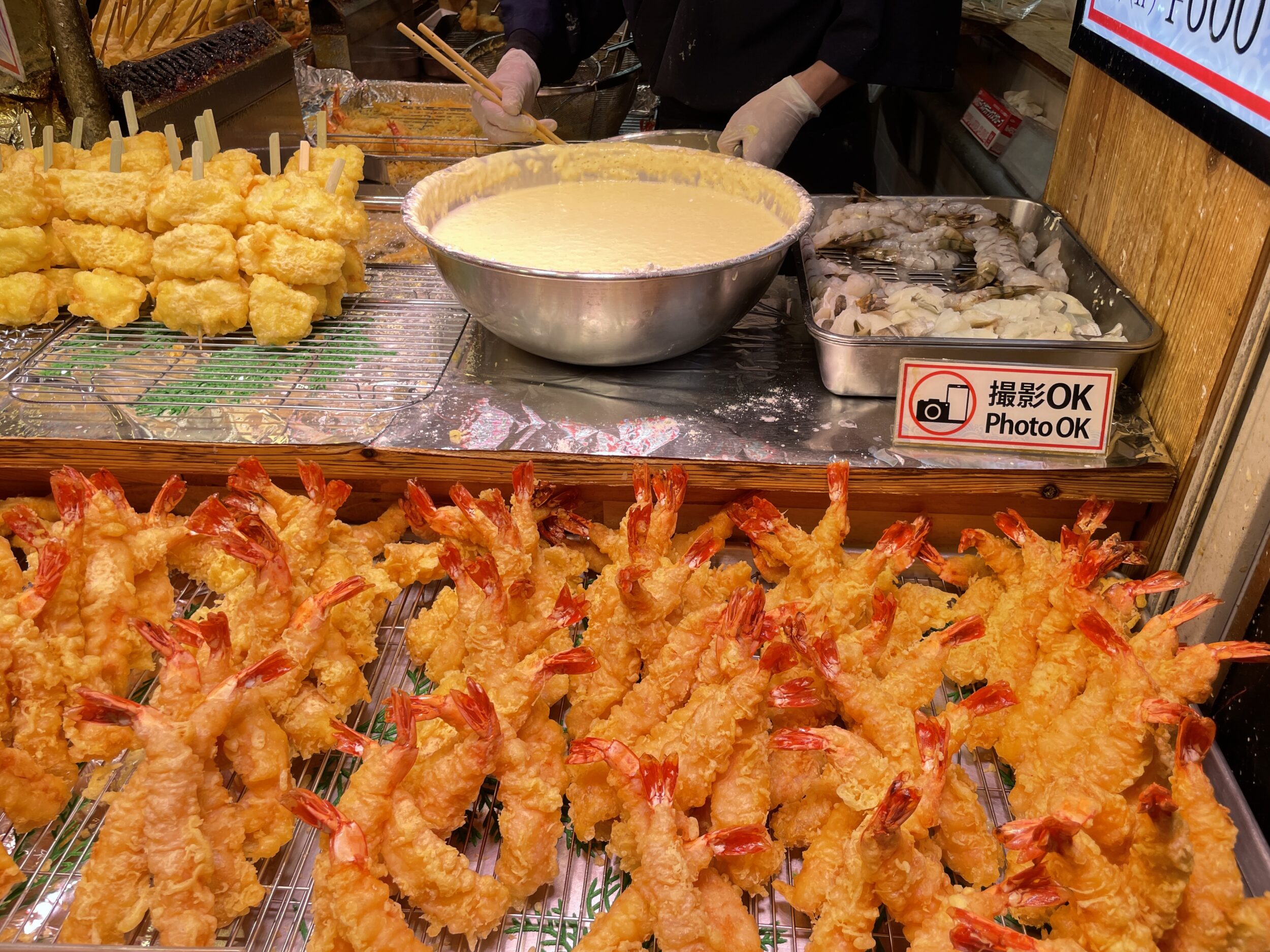
Since JB and I have already been to Kyoto, we avoid the most visited places in the city, especially during Golden Week, or only visit them very early in the morning. That’s the case with Nishiki Market, a small street with lots of food stalls. We go quite early to grab a quick bite. Kobe beef skewers are expensive, but from our experience in Tokyo, it’s better to target a butcher shop to pay less. At Kyo no Onikudokoro Hiro, you can eat wagyu for two for only 2000 yen.

We end up in a really interesting shopping center, which appeals a lot to tourists like us.

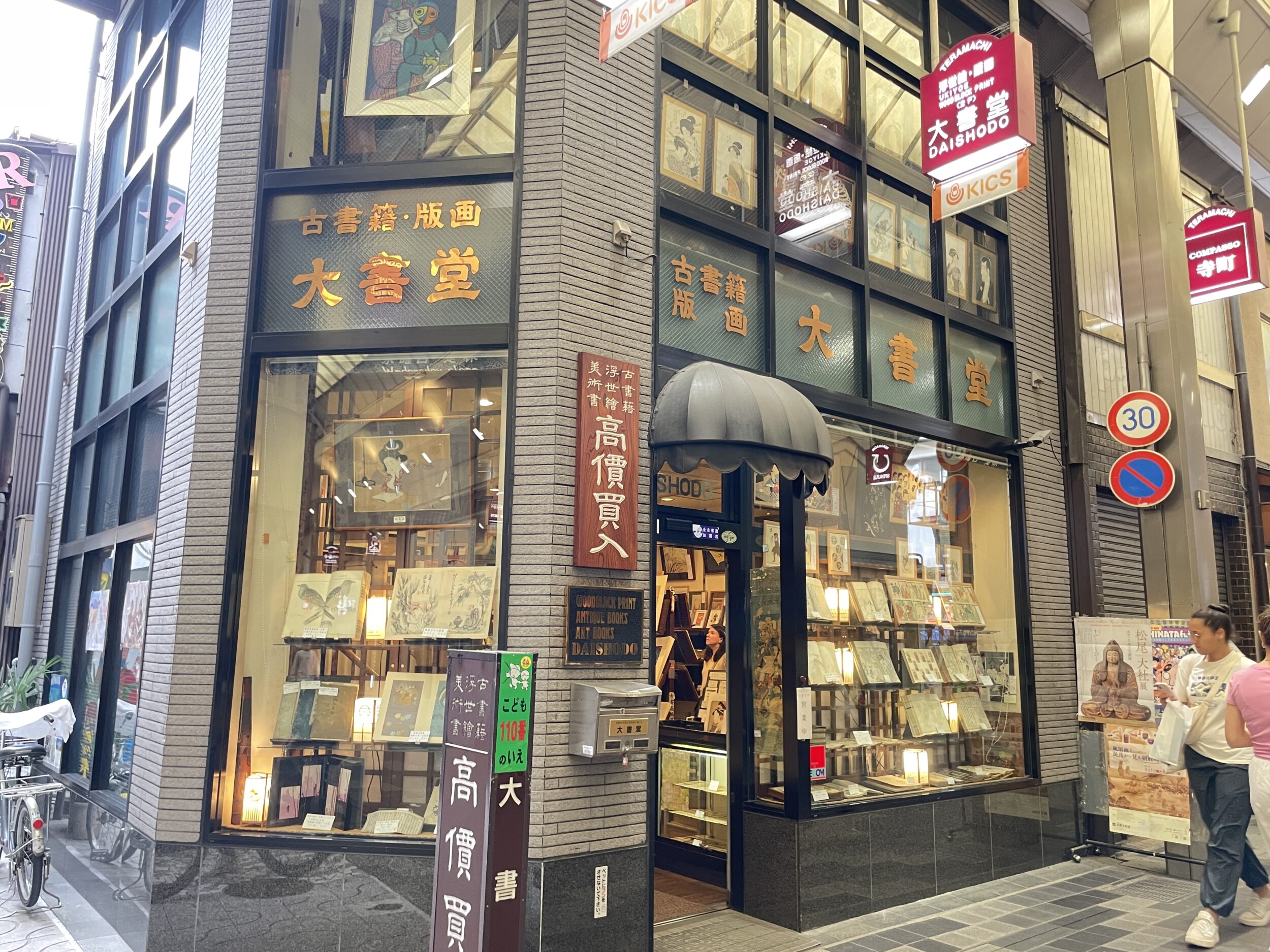
There you’ll find Daishodo Japanese Woodblock Prints, a shop that sells authentic Japanese woodblock prints, old books with prints. You can go back a long way and pay a lot, or buy small items dating from 1900 for a few euros. The choice is vast. I know a bit about prints, since I’ve taken two workshops to learn linocut and etching techniques, but in Japan, it’s mainly woodblock printing.


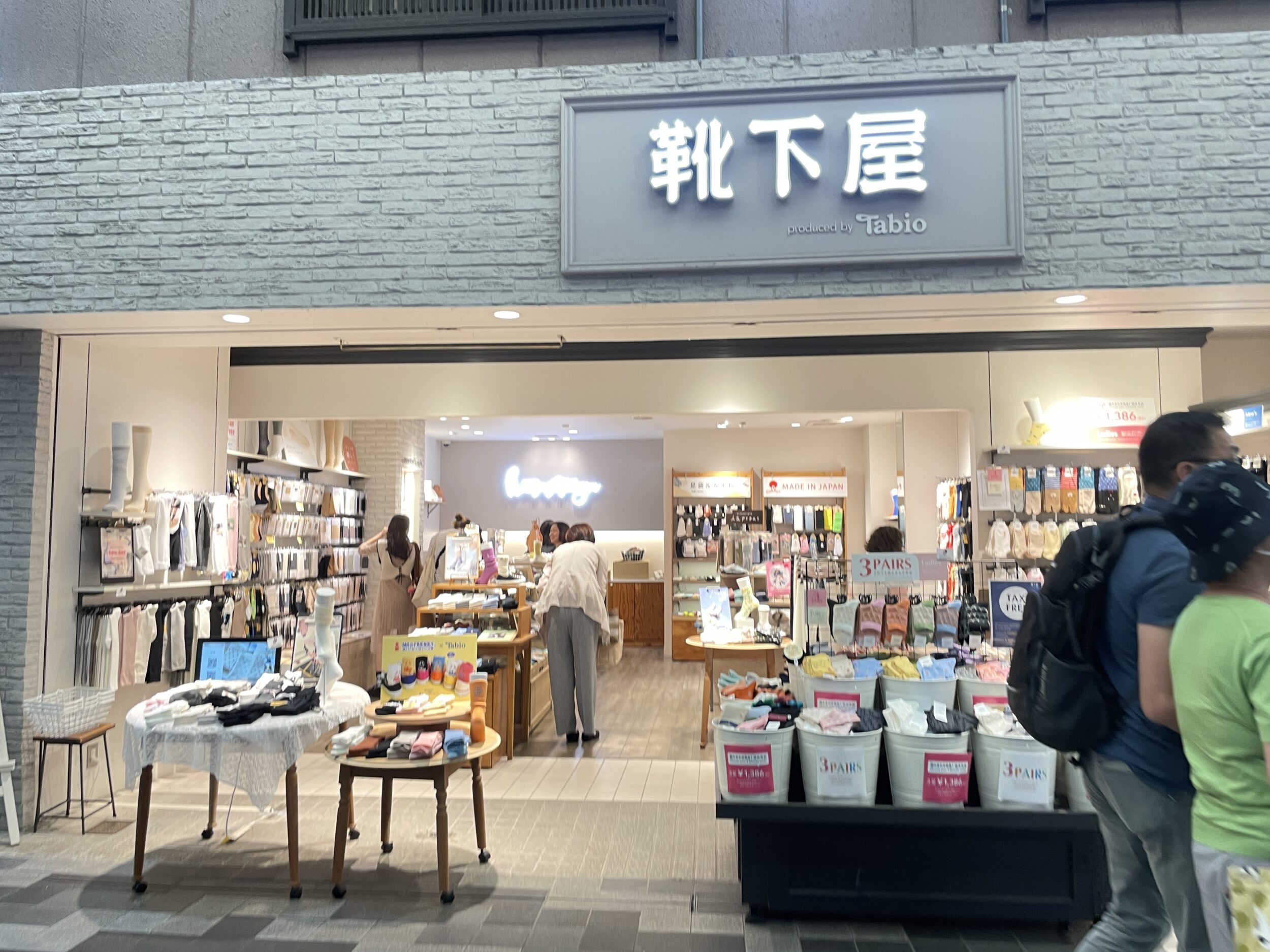
The brand Tabio seems to be very popular; people go there to buy socks. I looked at the composition of them and I don’t like it much (too little cotton, way too much polyester). Plus, there’s a store of the same brand in Paris, so I’m glad I don’t have to bring any back as gifts.
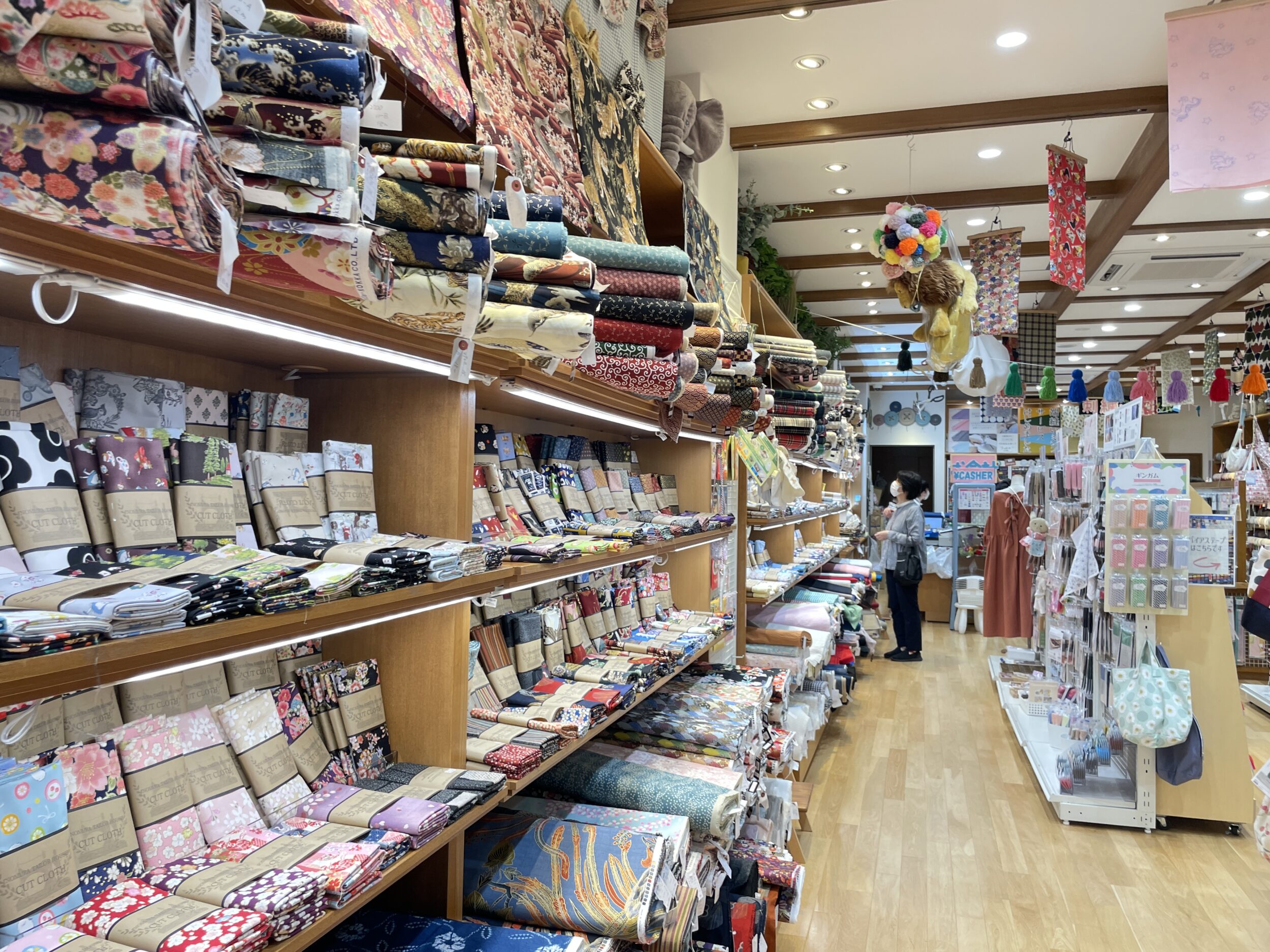
I preferred Nomura Tailor House, where you can find absolutely gorgeous fabric remnants, but also sashiko kits (Japanese embroidery). I could spend hours there!
There are tons of scissors and knife shops here, but I liked the shop Minamoto-no-Hisahide. The gentleman who runs this shop speaks a little English, but enough to explain the difference between hand-adjusted and machine-adjusted scissors. Of course, after testing both types of scissors, I can only buy the more expensive version 😀 (12000yen), from a famous manufacturer in Tokyo.
He tells me that there aren’t many shops capable of sharpening scissors. He can do it, and some of his Japanese customers can, but no foreign customer can. Sharpening knives is easy, but sharpening scissors is nearly impossible. So it’s better to maintain your scissors. The scissors I bought are for cutting fabric. Under no circumstances can I use them on paper. If I do, they will never cut fabric again.


Higashi Hongan-ji Temple
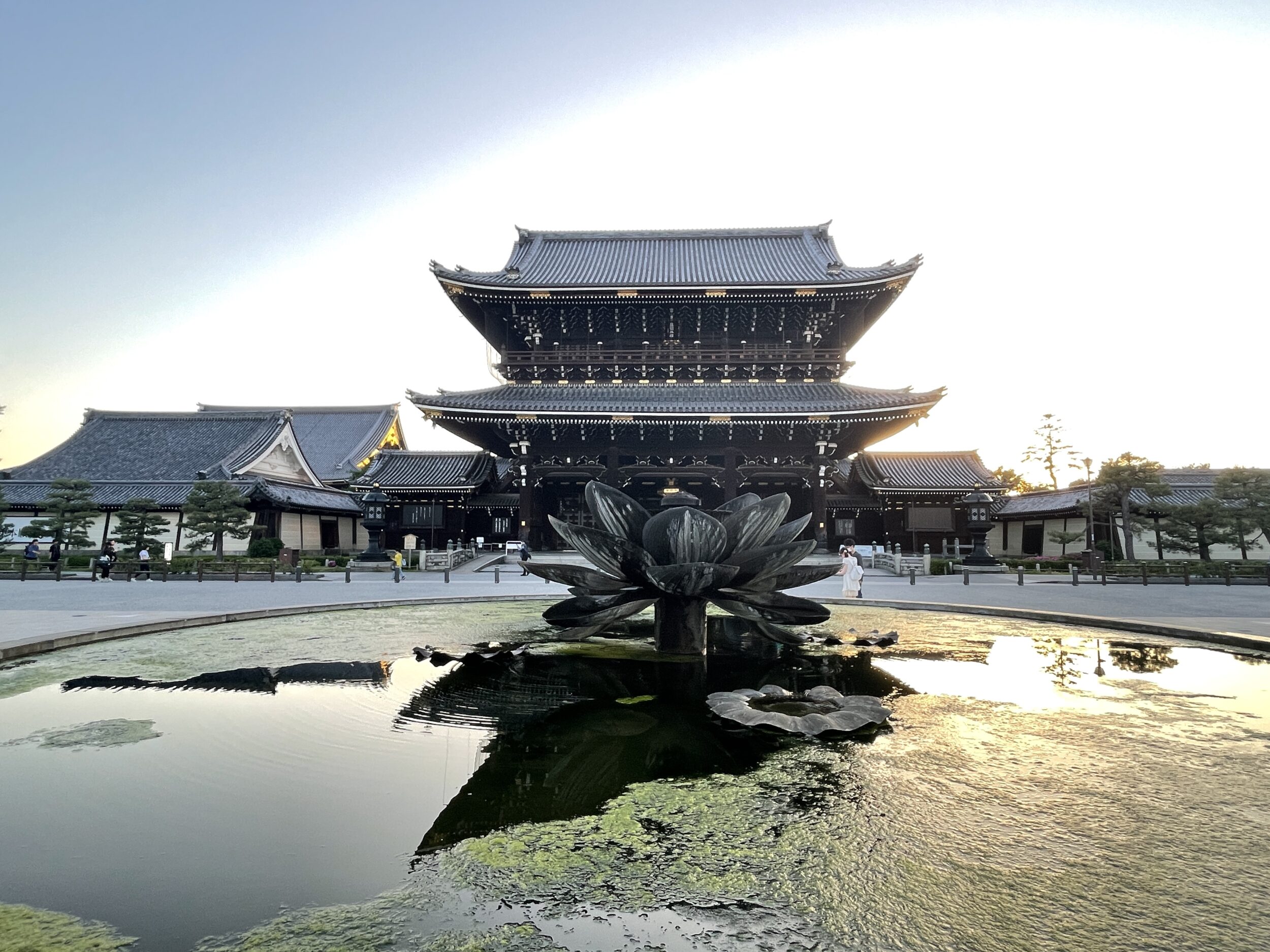
Next to Kyoto Station is this temple. Its entrance gate is already immense, and the interior is even larger; it’s the third largest wooden building in the world, or something like that. You carry your shoes with you as you move from one building to another. On a small bridge, you’ll see a kind of ropes, but if you zoom in, you’ll notice these ropes are made from the hair of the faithful !!
Next to the station is Yodobashi Camera Multimedia Kyoto, a shopping center that sells all of Japan’s ingenious products: from massage machines to erasable highlighters, and model trains. There are clothing stores, more affordable than those at Kyoto Station. Another store that’s somewhat similar is Hands. I’ve been to both, and I think if you want the best of Japan, you should go to Hands. I love their ultra-light umbrellas (70g !!) and their DIY section.
On the geikos side
We try to visit Hōkan-ji Temple just to confirm that Kyoto suffers from over-tourism. It’s ultra crowded, ultra stressful, and the bus that takes you there is always full.

Since we have tickets to attend a geisha performance at Ponkocho (Kamogawa Odori), we find the streets, though small, a bit more breathable. It’s the second time we attend an Odori, and this time, we had very good seats at the Kamogawa Odori (having paid for a higher category, 6000yen/person). The performance hall is L-shaped: on the left are the musicians and a walkway where geikos enter, and we are right in front of the musicians, in row 6. The show is rich in colors and reproduces “The Tale of Genji”. There is an English document explaining the story, but there are way too many characters; honestly, we follow the story better by watching the geikos. The second part is just traditional dancing, with maikos and geikos. Frankly, I thought the dance was easy until I saw the maikos and geikos dance together, and the maikos’ gestures are less precise and less elegant, but I can’t figure out why.
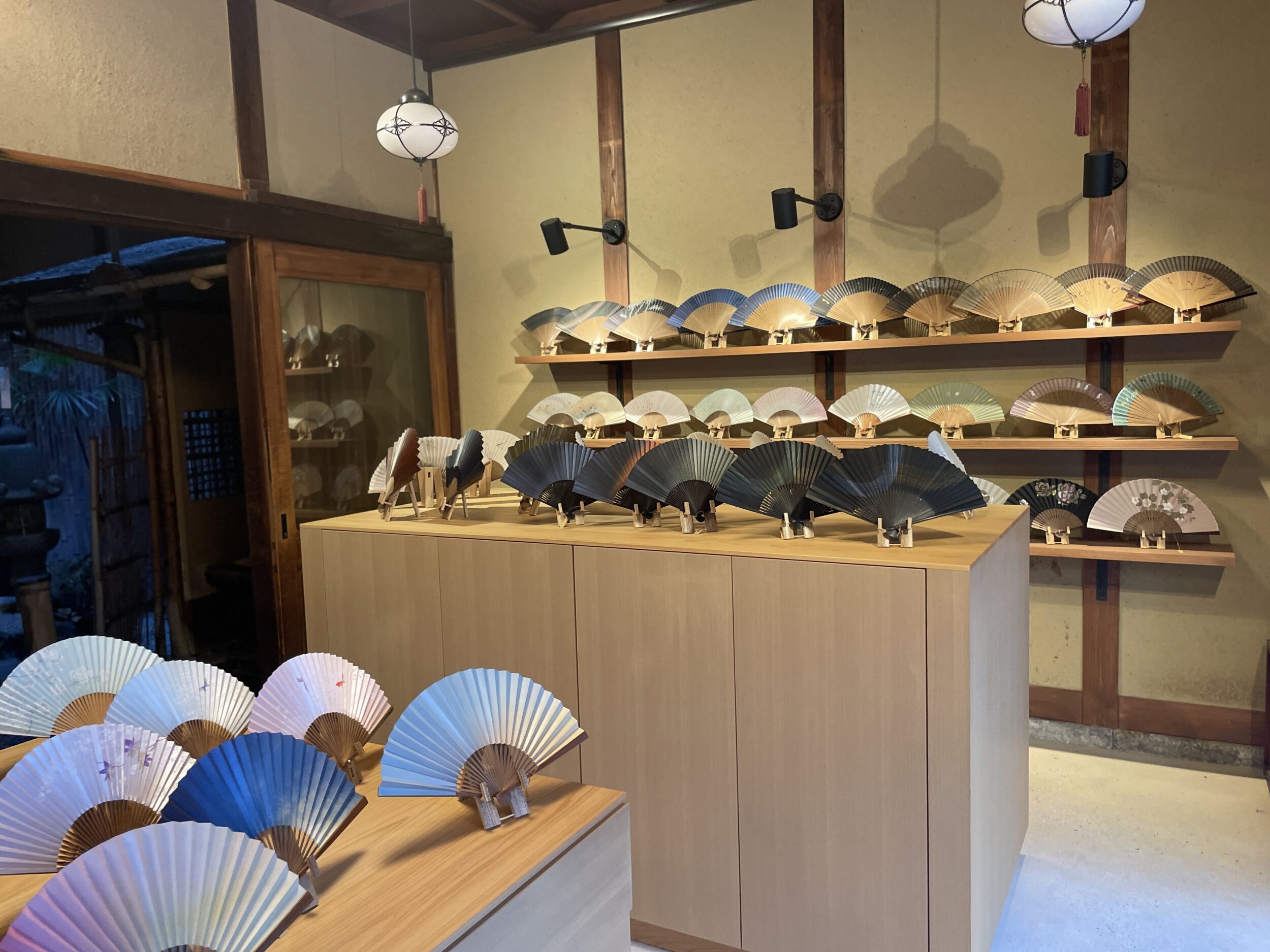
After spending time researching fans, I finally understand why dance fans are so different from everyday fans. They need to be big, designed on both sides, with larger patterns, and if possible, have golden fans so the audience can see them well and appreciate the beauty of these objects. Fans also actively participate in the storytelling.
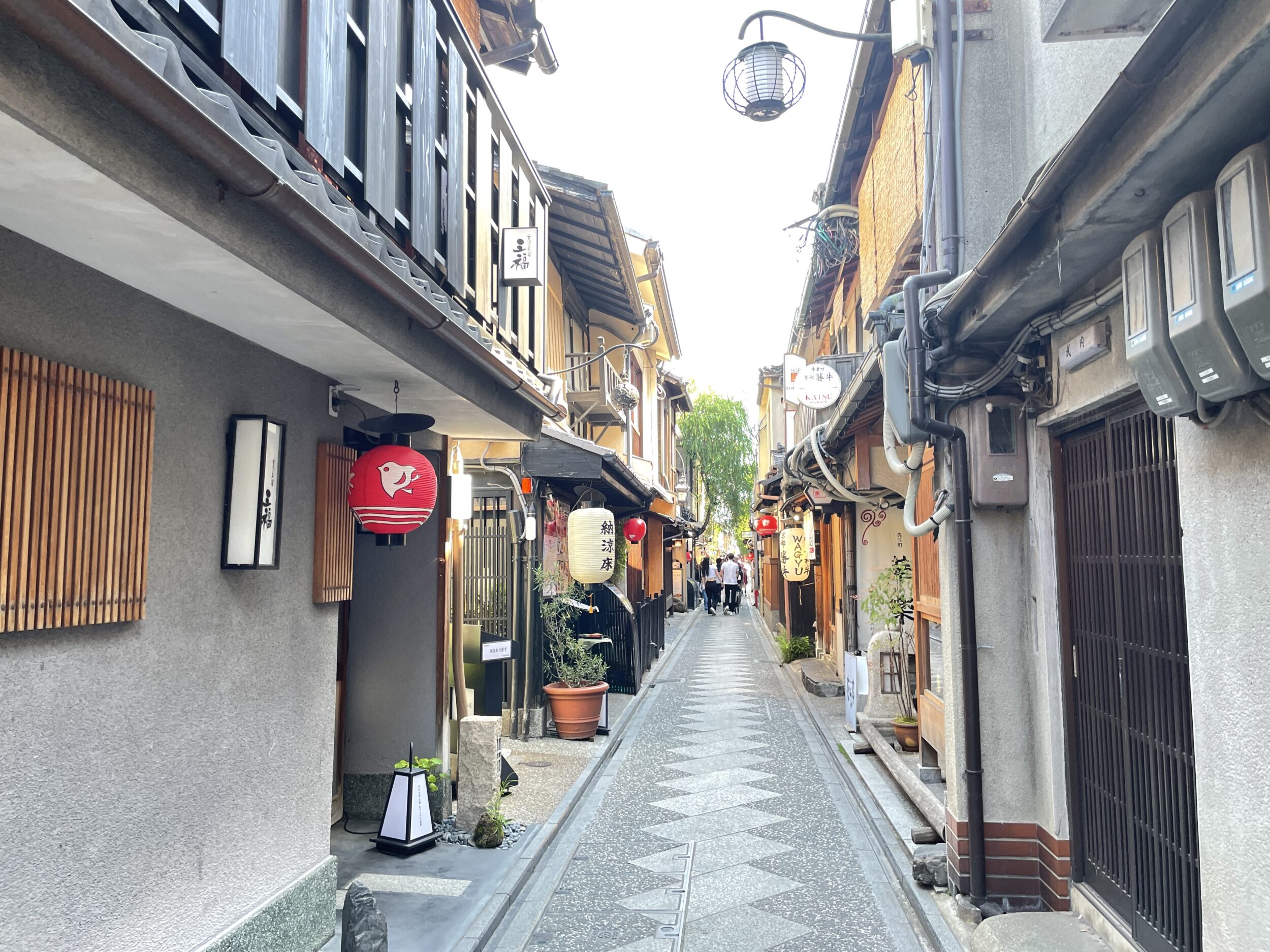
Shirakawa Lane is always crowded, but bearable.


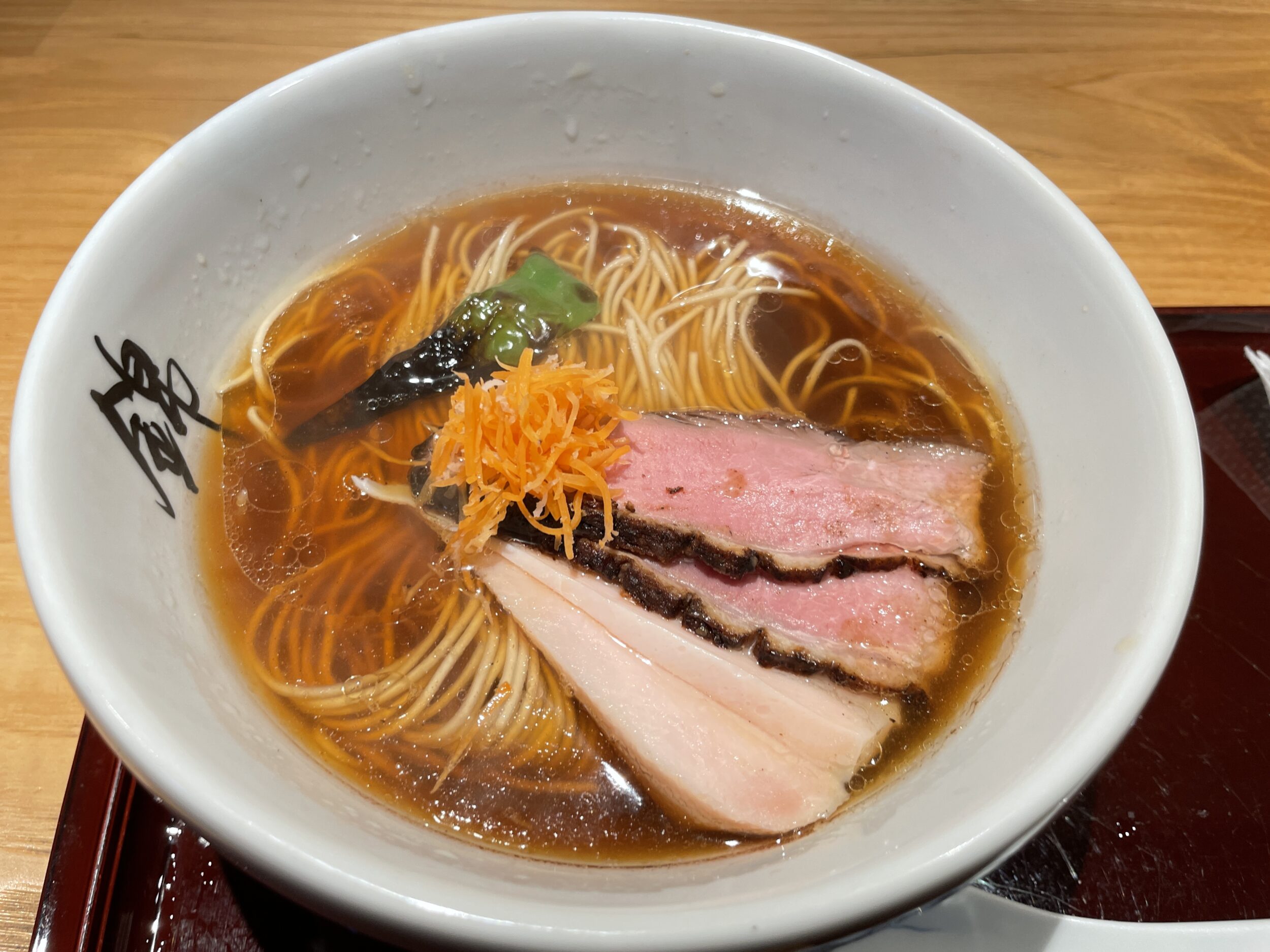
Following the advice of @tokyovisite on Instagram, we discover a ramen place where the chef cooks in front of our eyes. It’s super super good! and it’s called Ramen Nishiki
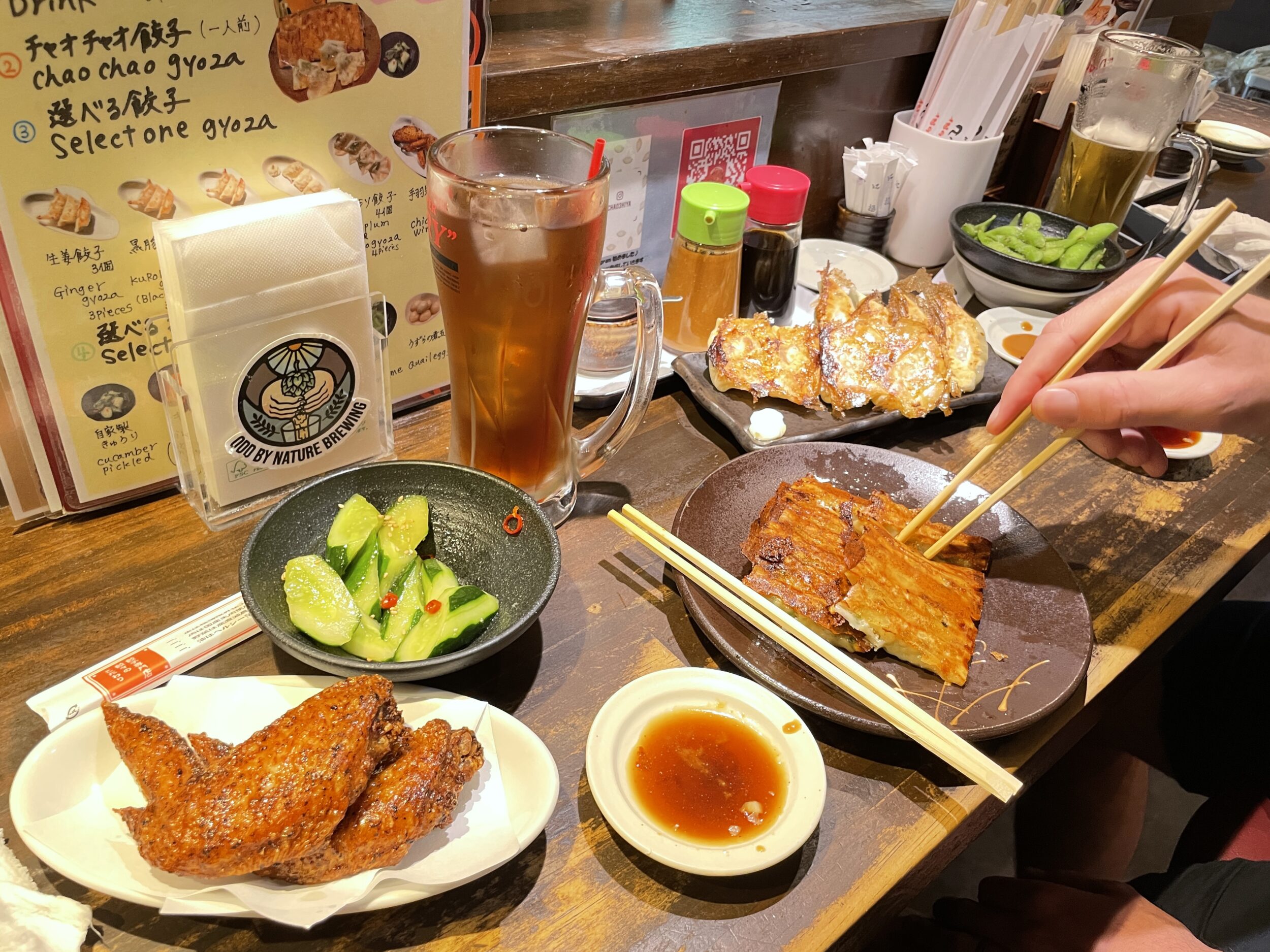
There’s another restaurant recommended by a friend: it opens quite late and sells almost only gyoza, but it’s too good. Their chicken wings are delicious too: Chao Chao Sanjo Kiyamachi
The Cultural Museum of Kyoto is super boring, but on the ground floor is the Rakushikan The Museum of Kyoto Shop, where you can find handmade or machine-made washi paper from all corners of Japan. Washi is sold very very expensively abroad, but here A3 or even A2 sheets cost less than 1€!

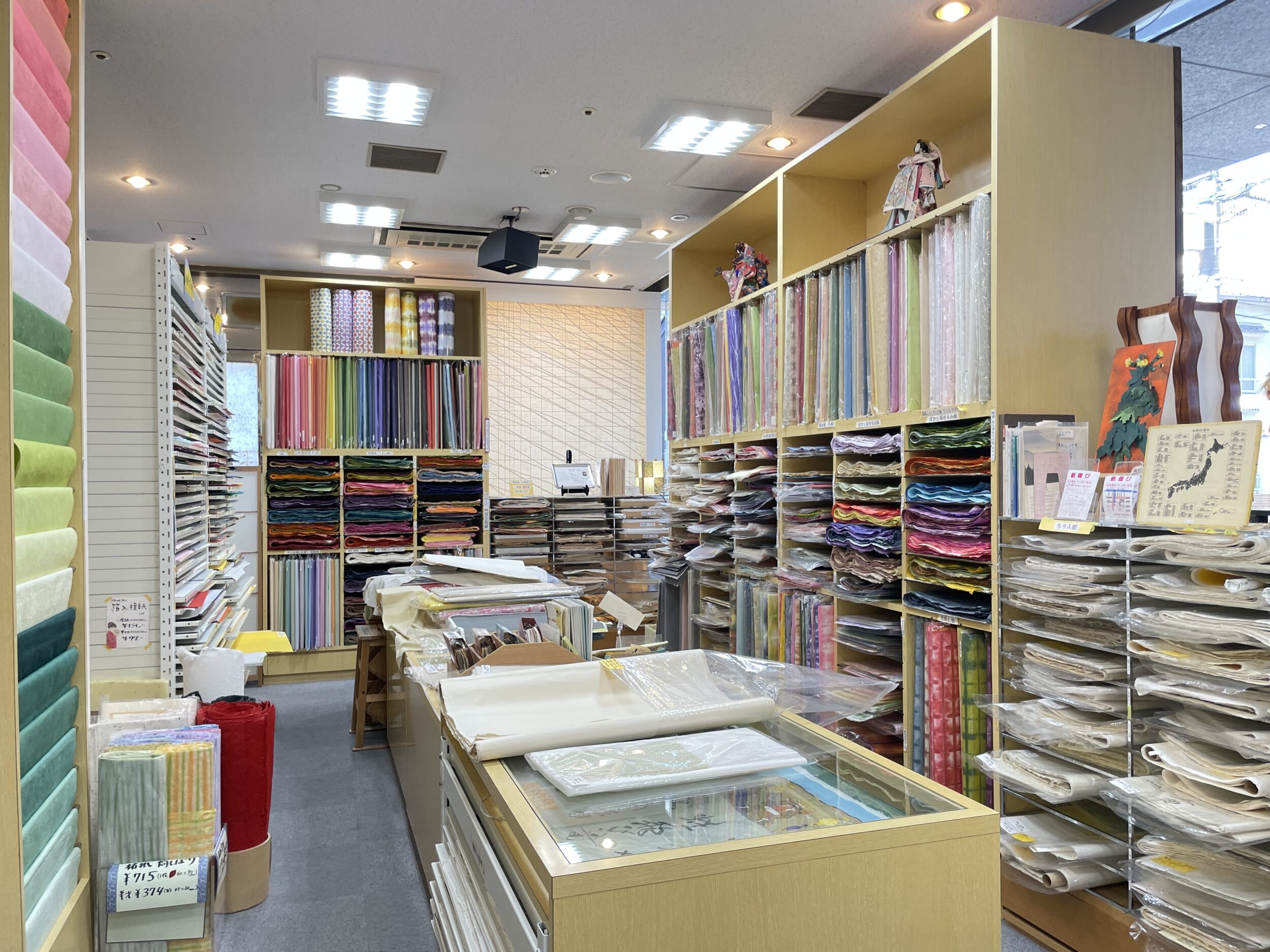
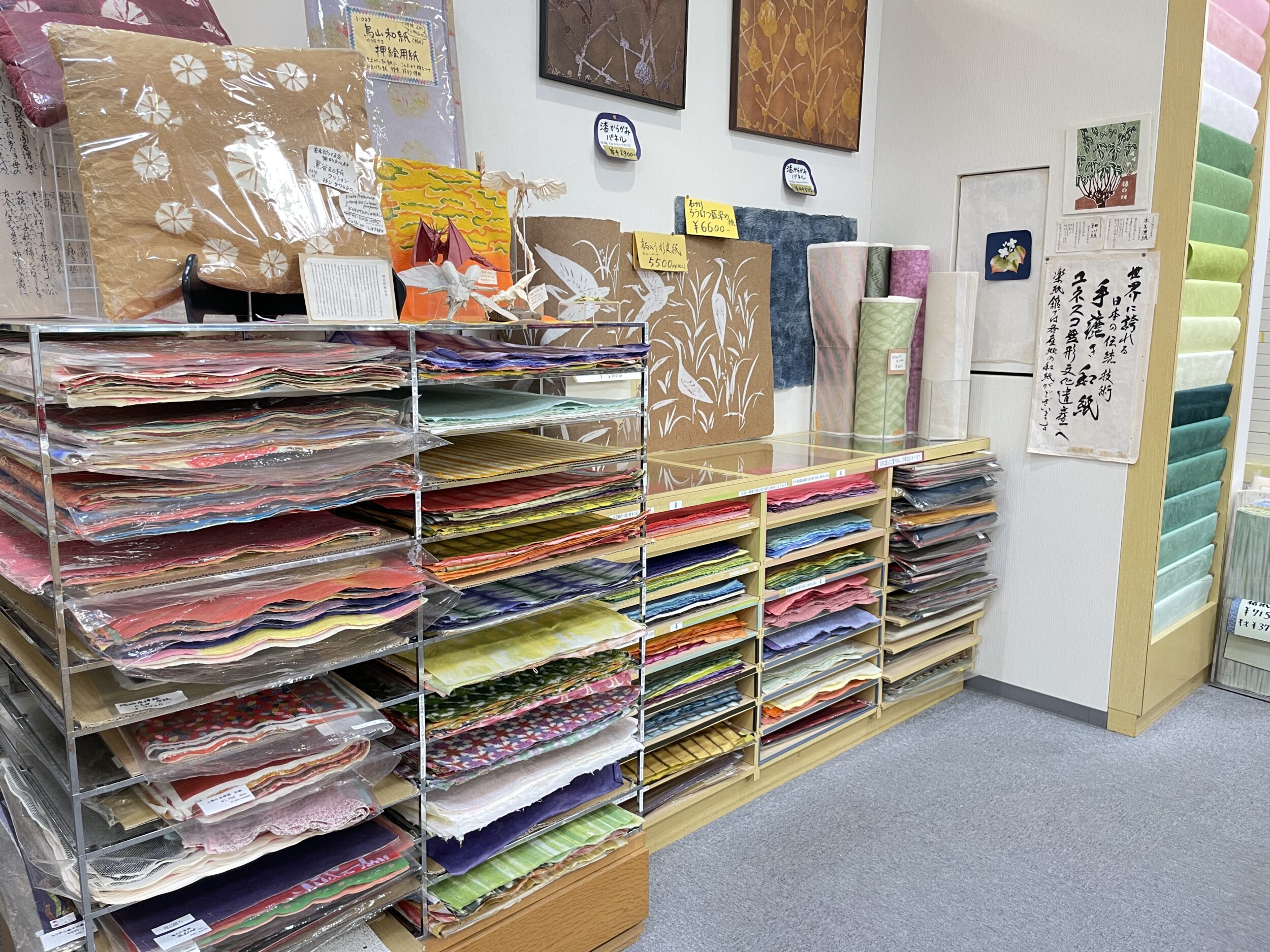
You can also find washi threads for making mizuhiki, Japanese knots, which have a certain meaning. At Hands, you can find envelopes with pre-made mizuhiki, but not the threads. Mizuhiki is a traditional art considered old-fashioned, so you can only find threads in stationery stores, and it’s not a well-known art abroad.

Across from this shop is an antique store. You can find good quality ceramics and lacquerware. And notably broken dishes! Why? It’s to practice kintsugi. Traditional kintsugi requires so much waiting and effort that it’s a shame to use it on Ikea dishes. Here, you can buy high-quality but damaged dishes cheaply, which will be enhanced if you’re skilled at kintsugi. Note: traditional Japanese kintsugi only uses natural products, so the dishes can be used for food consumption, whereas the cheap kintsugi kits sold in France are not good quality and the repaired dishes can only be used as decoration.

Arashiyama Bamboo Forest
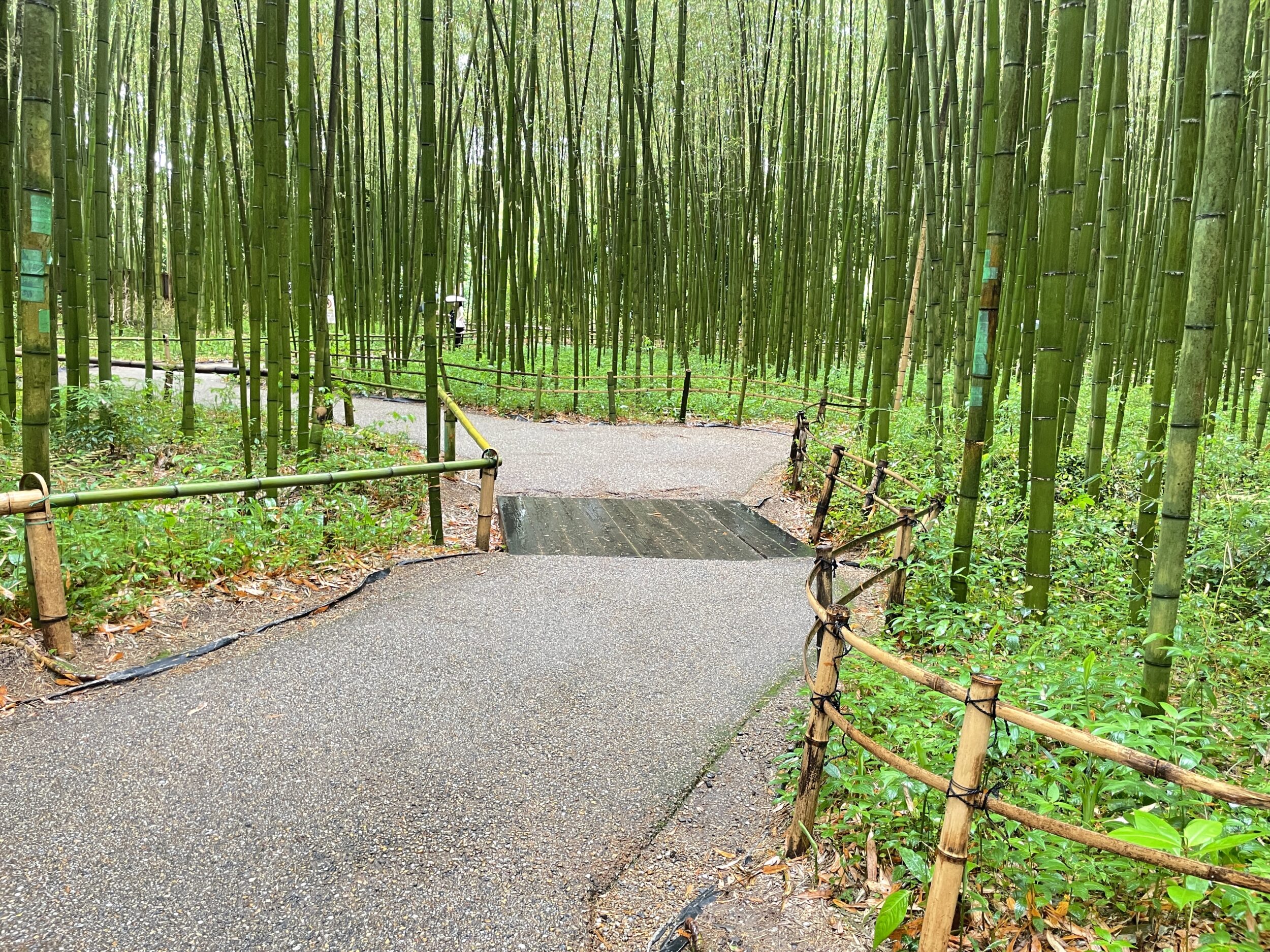
From Kameoka, our train goes directly to Arashiyama Bamboo Forest, which is why we visit this ultra-touristy place, but early in the morning! Still nothing exceptional…

but compared to last time, I managed to find the spot I was looking for: where you’re super close to the bamboo (on the other side of a temple and some tracks).


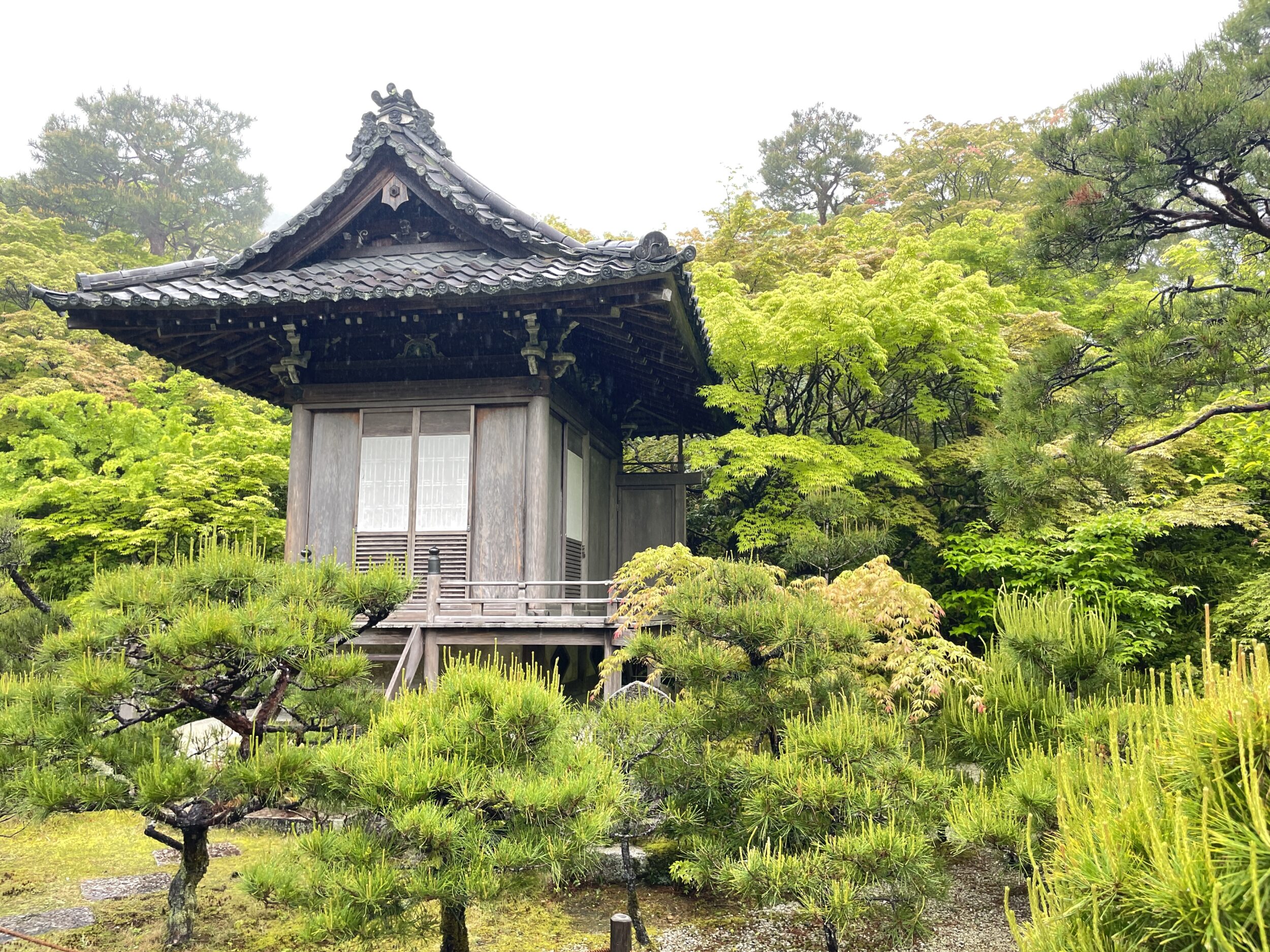
And Okochi Sanso Garden, a villa that belonged to a famous Japanese actor.


Nijō Castle
We visit Nijō Castle, which we find interesting, but there are more interesting places in Kyoto. It’s an old royal palace, and we can visit the interior. It’s almost empty, with panels covered in gold (copies, not originals). The floor makes a funny noise, apparently it’s the sound of nails, and it’s done on purpose, so any movement can be heard. The palace is huge, but the style is too similar from one room to another. There’s one funny room where tigers are painted on the panels. However, there are no tigers in Japan, so the artists drew them based on descriptions and their imagination. Result: they don’t look like real tigers at all 😀
The garden is much less beautiful than a typical Japanese garden. Anyway, it’s interesting but not a must-see.

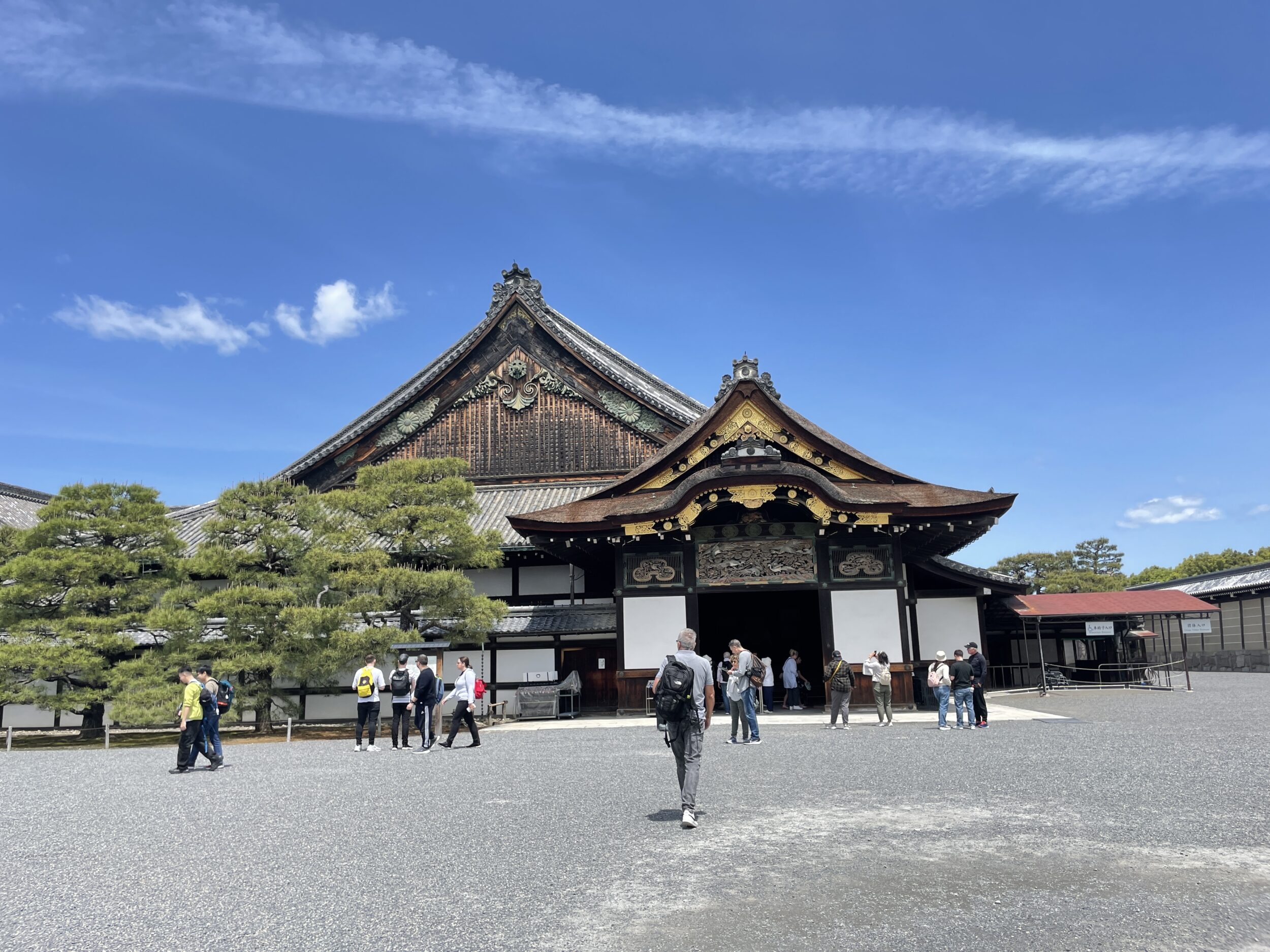
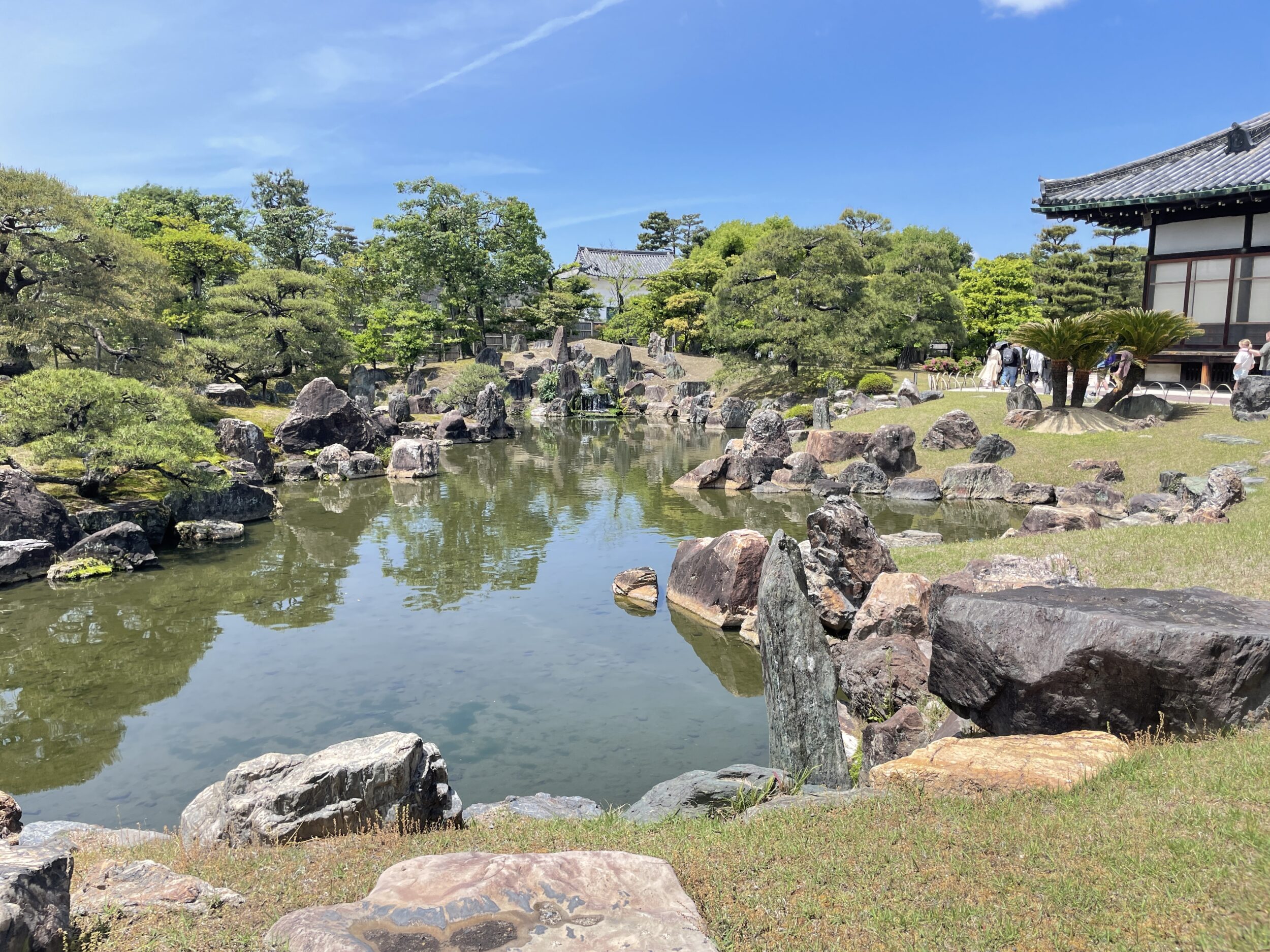


On the last day of Golden Week, we’re heading to Kyoto Station when we notice police officers in front of and inside the station. No one can access the platforms anymore; I imagine several people also miss their flights, as Kyoto Station is a major transport hub. The atmosphere is extraordinarily calm for a last day of holidays and the density of people. We’ll later understand via Twitter that there was an abandoned bag, with words on it suggesting dangerous chemicals inside. It took us 2 hours to get back to Kameoka, leaving from another station, but the Japanese remain very calm and patient even during crisis situations like this.
In Kyoto, even though I try not to shop (since we have to go to Osaka next), I still crack when I see this tone-up cream from Elixir, which is out of stock everywhere. Elixir is a sub-brand of Shiseido, and its products are highly appreciated in Japan.

And I think it’s essential to buy Kyoto fans in Kyoto. They are handmade, and their style is unmistakable. I really like the shop Ohnishi Tsune Shoten, there’s little choice, but the price is reasonable compared to other shops. I’ve already written an article about Japanese fans here.
I hope you were able to travel a bit with me through this article. See you soon Osaka!

