

Back to Sofia (Bulgaria) in 2024
After almost a year of moving around and going out non-stop, we feel the need to settle down somewhere and be quiet for a month. We remembered Sofia, which we really liked, and decided to return there in October 2024.
Part 1: Travel Journal
Part 2: Practical Tips
Part 1: Travel Journal
If you’d like to read a more touristy travel diary with things to see in Sofia and around Sofia, read this one instead.
The only affordable direct flight between Paris and Sofia is Wizzair, departing from Beauvais. It was exactly 3 hours late, but we can’t claim the legal compensation because the airline says the delay was caused by a pigeon. LOL. Case in progress, JB is on it. We arrive in Beauvais 5 hours before takeoff, and since there’s no lounge and very few seats in the cafés, we decide to rest cheaply at the Formule 1 hotel, 10 minutes away by car. That’s when our Uber driver reveals the secret of Beauvais locals’ wealth: they rent out their parking spaces for a fortune on Leboncoin!!! And everyone turns a blind eye. Some even turn their gardens into parking lots. And this driver is in on it because he’s the one bringing tourists to and from their parking all summer. So if residents of an anti-airport area knew how much they could earn from parking, they’d surely have changed their minds 😉
Airbnb: the nightmare
Our old Airbnb in Sofia wasn’t available anymore, so we have to take a slightly more out-of-the-way Airbnb, in the immigrant neighborhood where different nationalities and various religions coexist happily without any problems. Unfortunately, it’s also the dirtiest and least maintained neighborhood in Sofia, and you have to walk with your eyes fixed on the sidewalk because a hole can appear so quickly.
We hesitate between two Airbnbs and choose the one with an exercise bike so JB can do a bit of gym. Unfortunately, this choice turns out to be bad:
- the bedroom is freezing cold because the sun only comes in early morning and isn’t enough to warm up the apartment. The heating is central, and when it’s 2 degrees at night, it’s still not enough for the building’s central heating to be turned on.
- the owners like money way too much. We asked for the possibility of having two sets of keys before our reservation (which we always do when booking for several weeks). Request accepted. On our arrival, they tell us the second key is lost, but we can pay 75 euros to have a second key made if we want!!! At the end of the stay, the old sink breaks down on its own (a screw came loose) and they ask us for 150 euros to put the screw back
- we had to deal with the Wi-Fi breaking down, with two visits from technicians who only speak Bulgarian, of course
Because of this freezing Airbnb, and the energy I’ve spread too thin left and right these past months, I fell sick for a week. I study the Feng Shui of the bedroom and find a better spot to avoid the draft, and since then, I haven’t been sick anymore. JB suggests a sauna at the Hyatt to help me recover, but in the end only he goes there every week.
We eat well
Luckily, during our stay in Sofia, it rains very little, and almost every day, despite the cold, we can go out and enjoy the sun. There’s also a Vietnamese restaurant (Sen Viet) a 15-minute walk from our Airbnb (with bubble tea too!). Only their “Bun moc” soup suits me, but it’s very good, and I always have this dish when I come here.
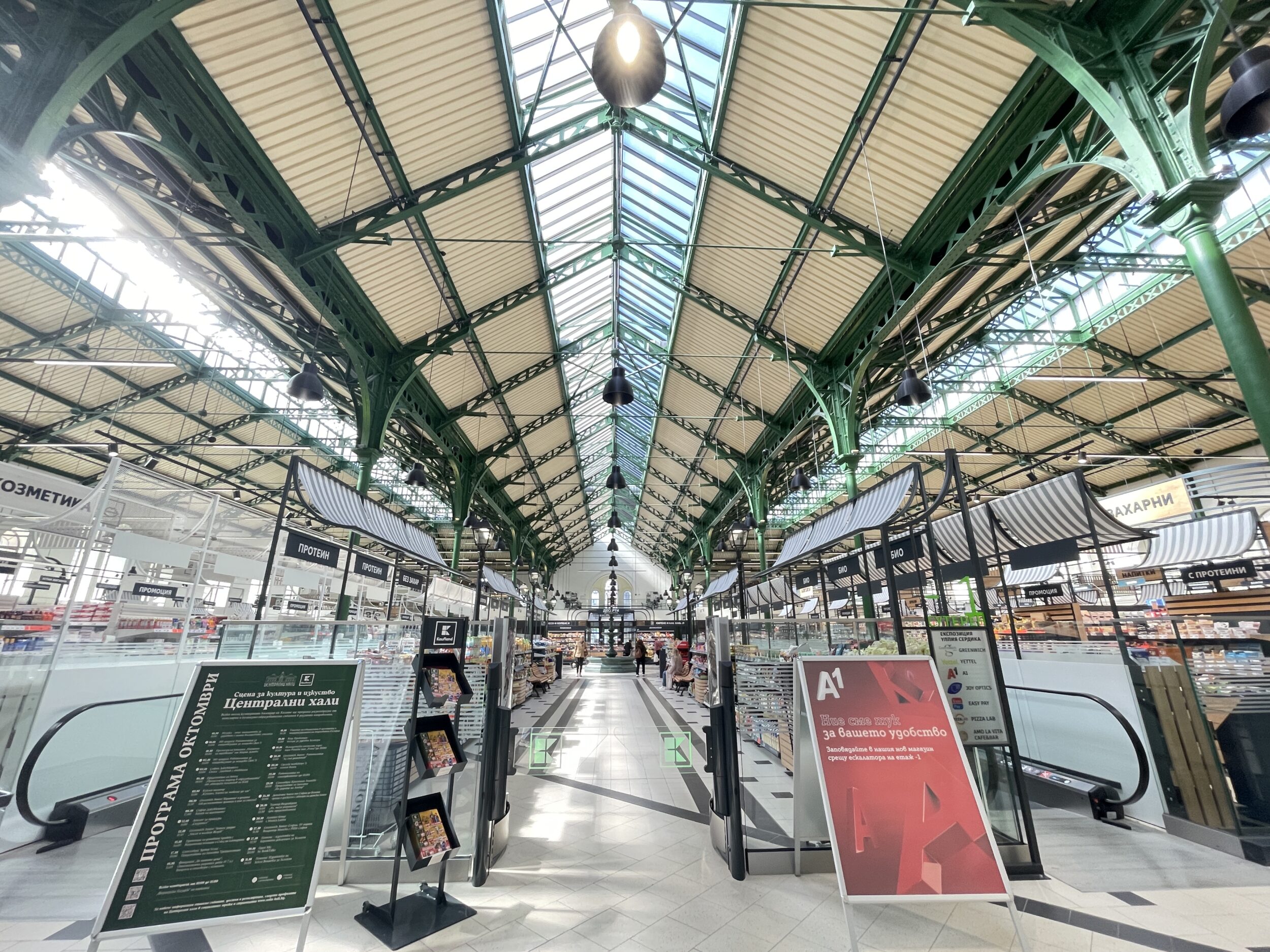
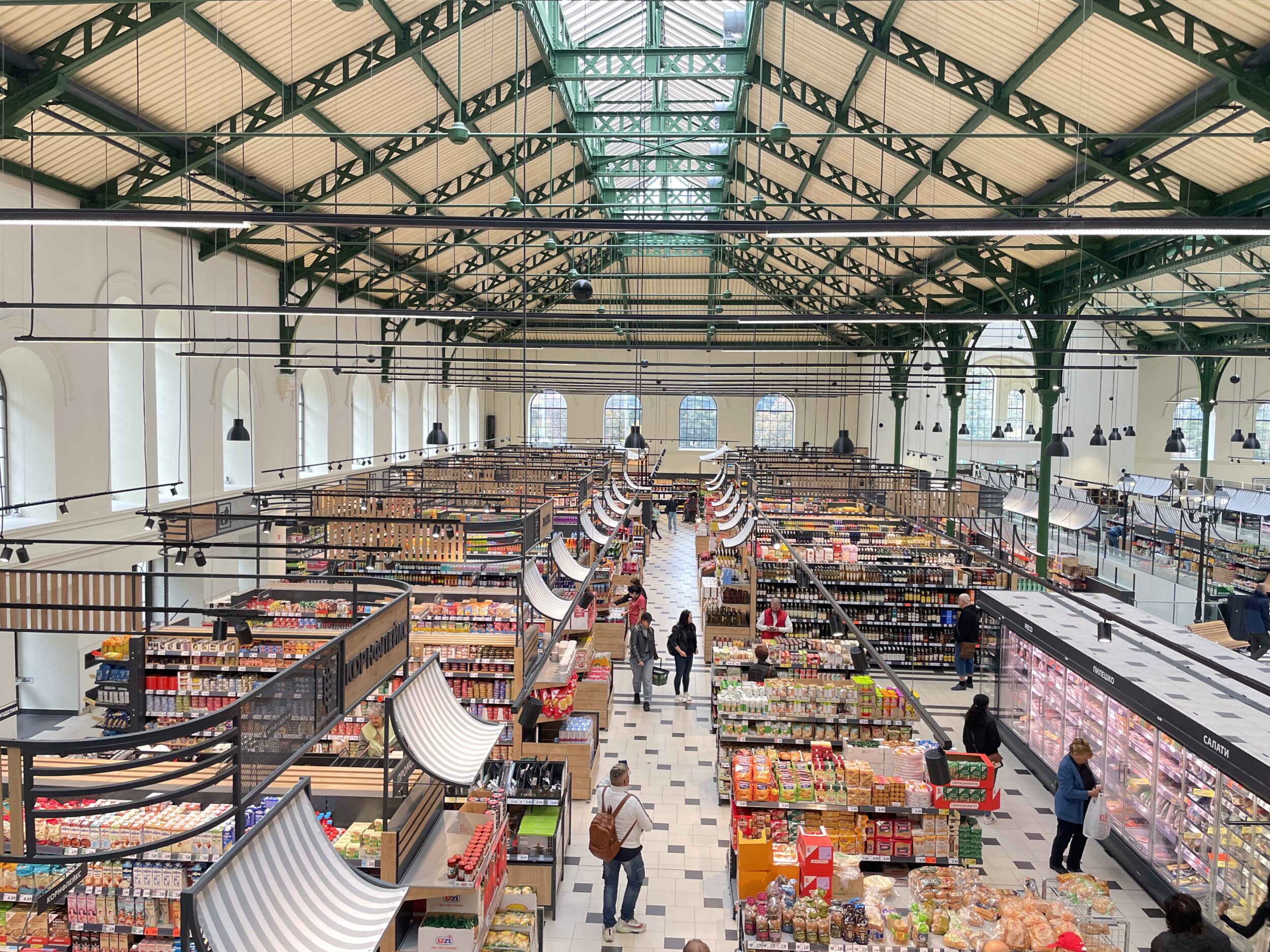
A 5-minute walk away are the old city market halls, converted into a supermarket. It’s more expensive than other supermarkets, but you can find some imported products I absolutely love. And there’s a deli corner upstairs where I treat myself to sushi (Obento Sushi) several times a week.
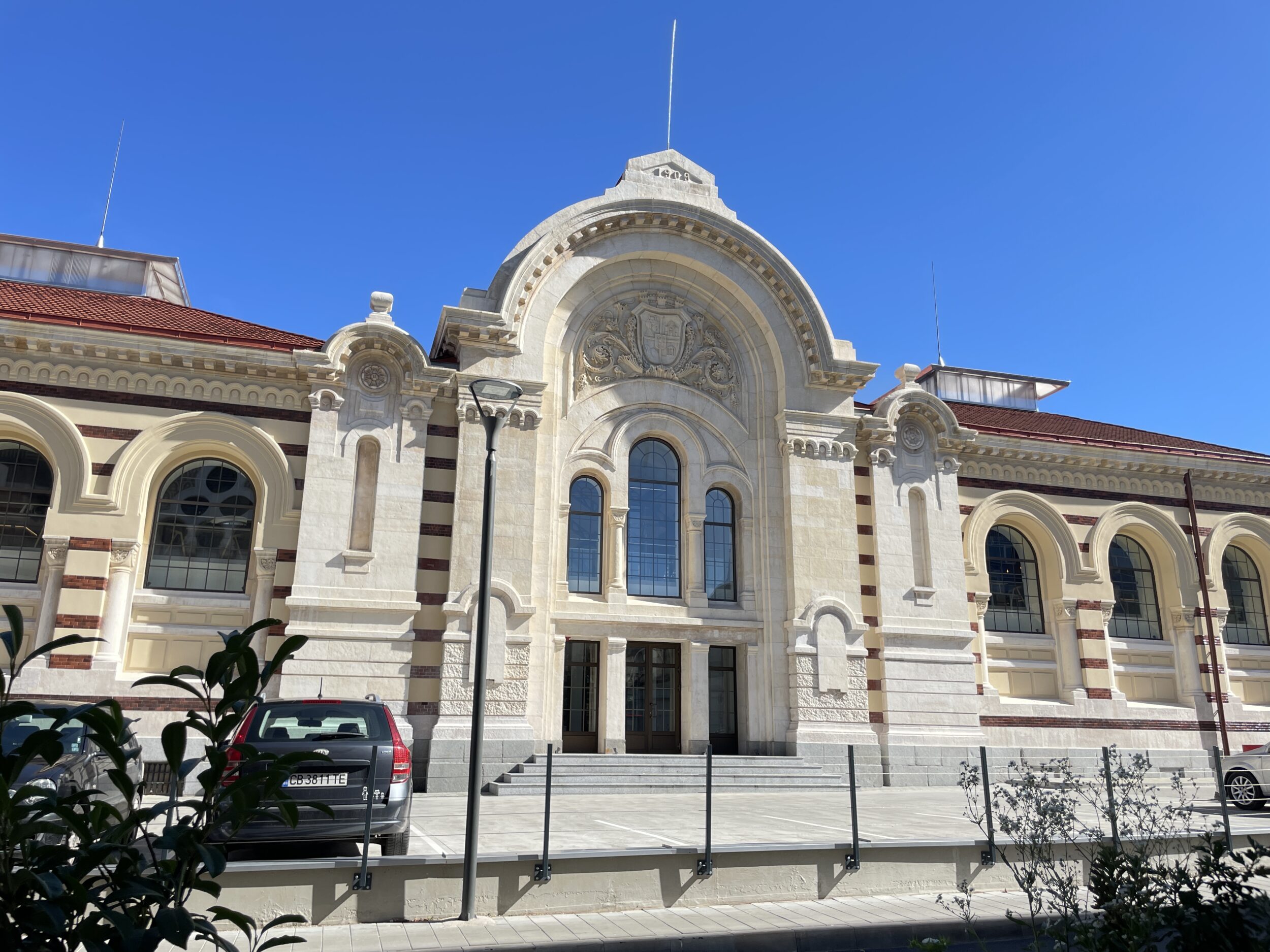
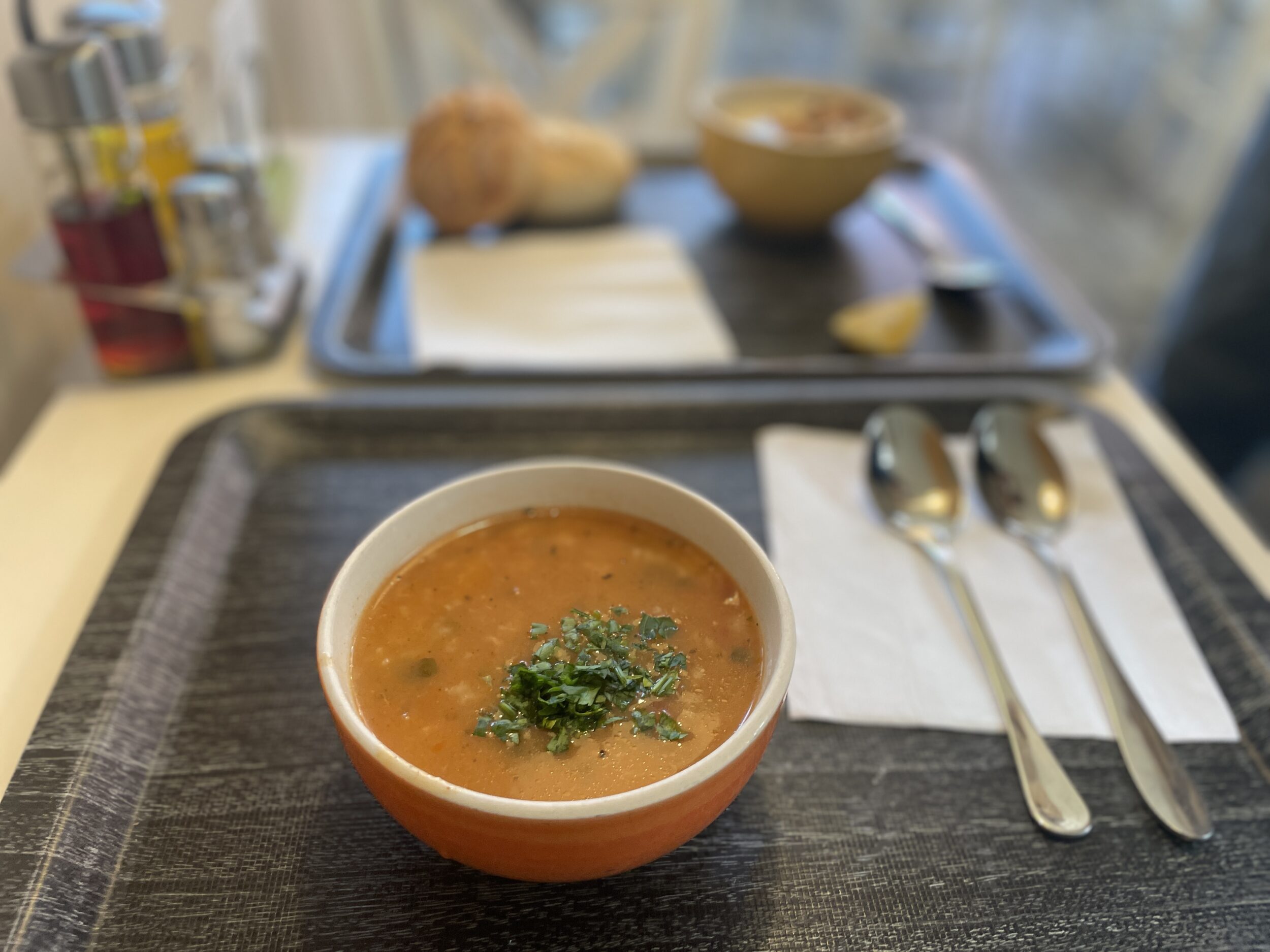
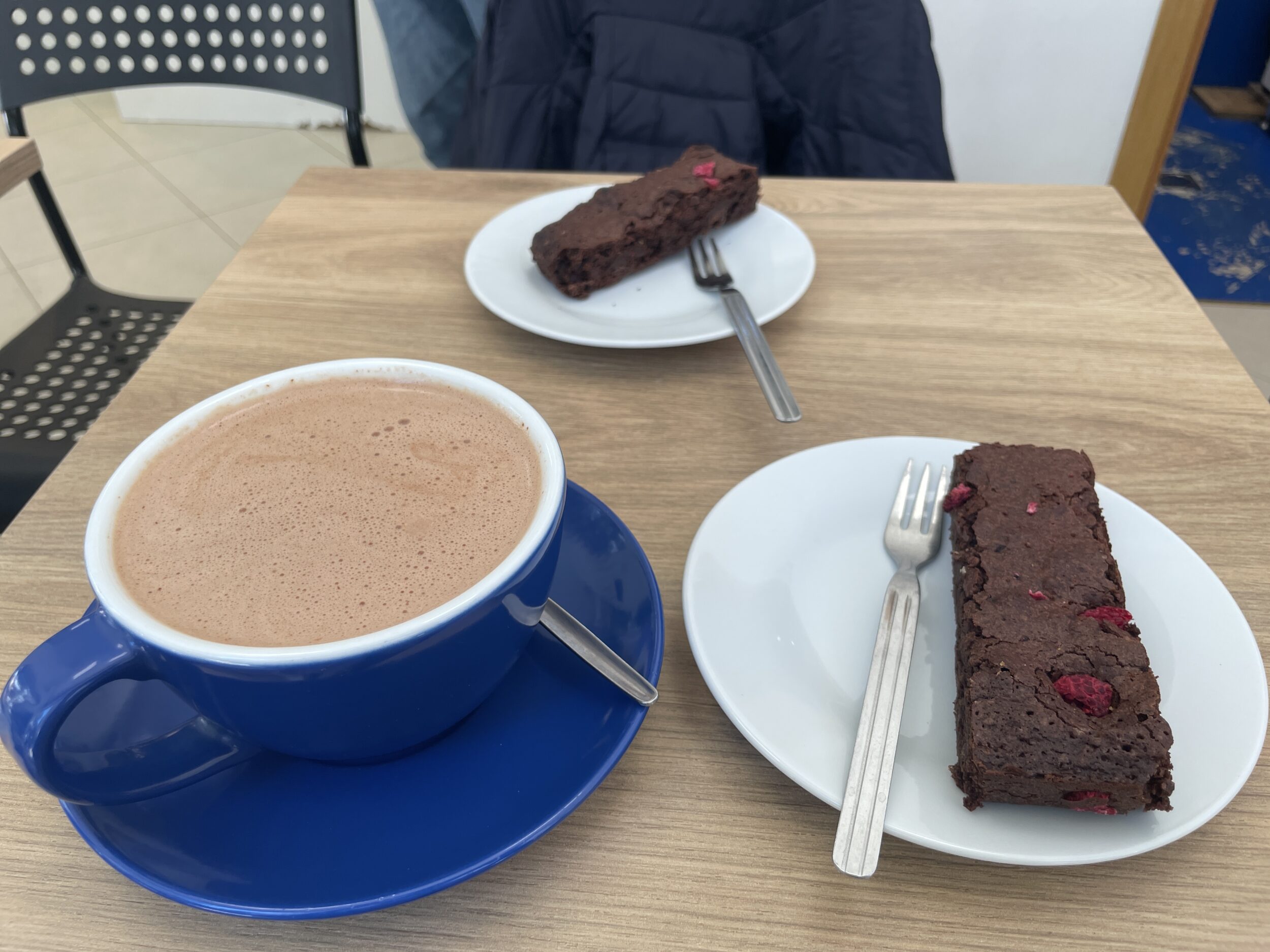
JB has two favorite spots: one for Neapolitan pizzas (Caruso Pizza Center), another for soups at lunchtime (О!Шипка 2). He goes there all the time. After the soup, we head to FLOW for a delicious chocolate brownie.
We tried one or two typical Bulgarian restaurants but found them way too hearty, too greasy, and too much cheese. Personally, I don’t like it much. But all the “fusion” style restaurants are very good.
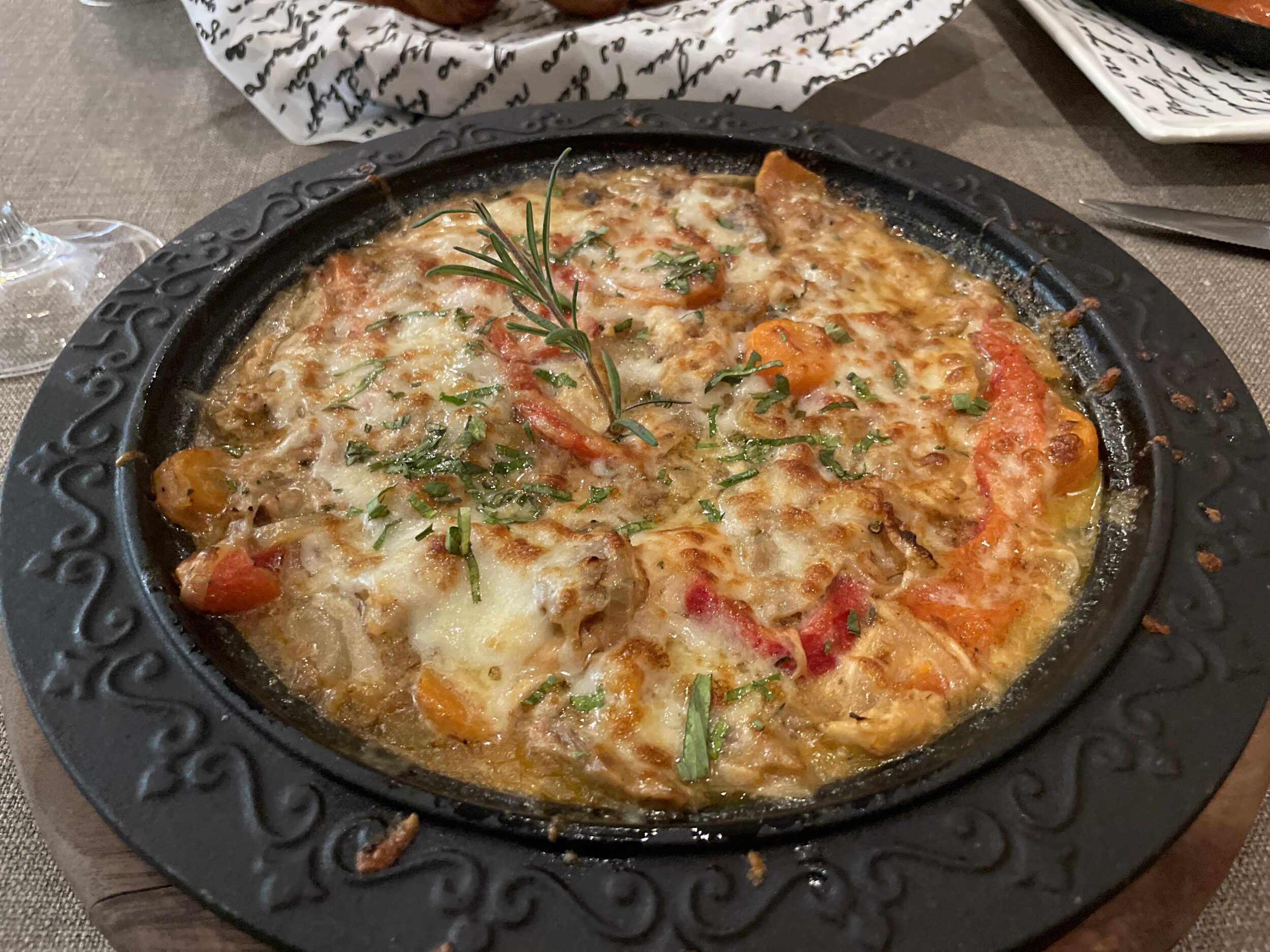
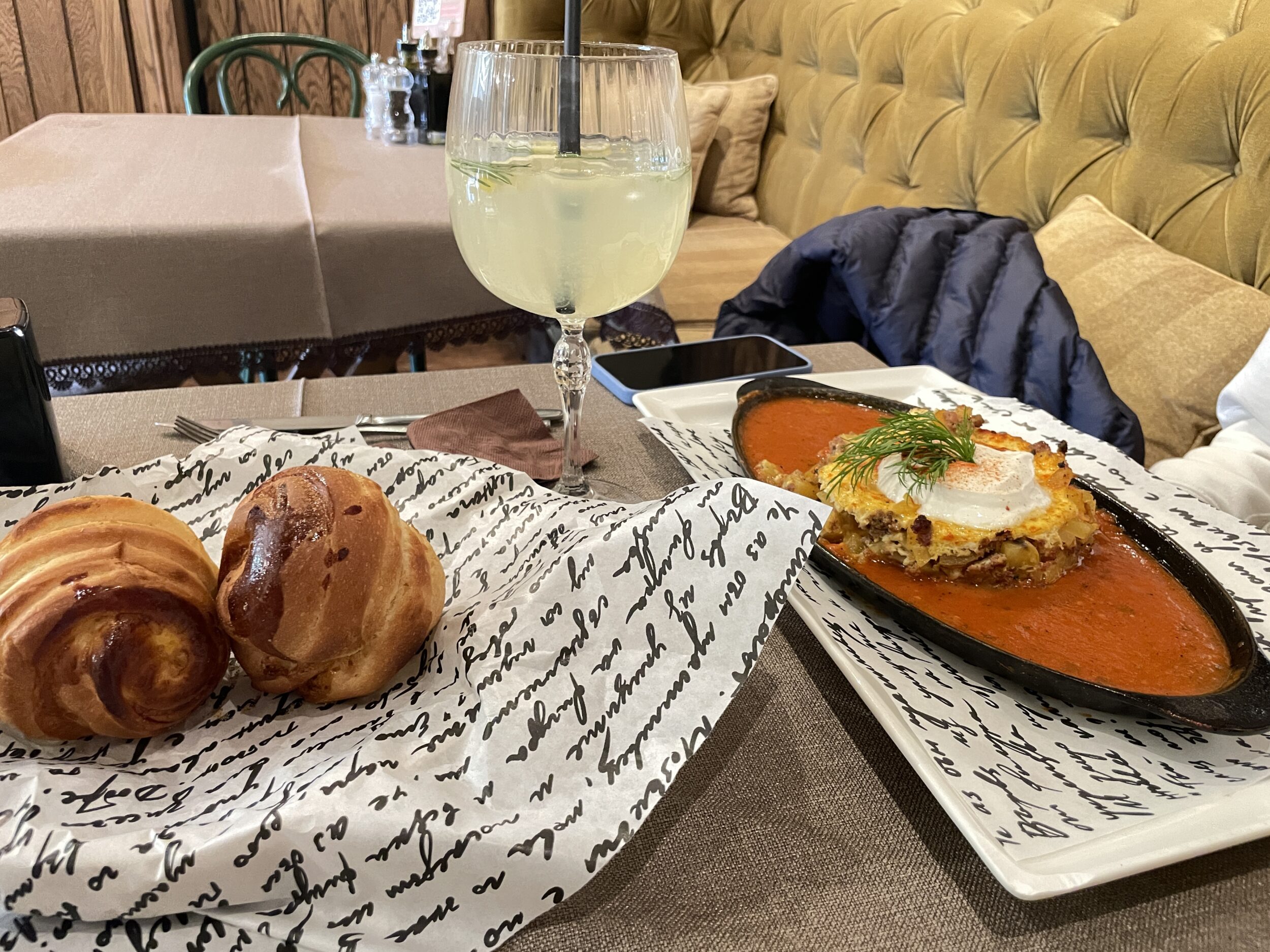
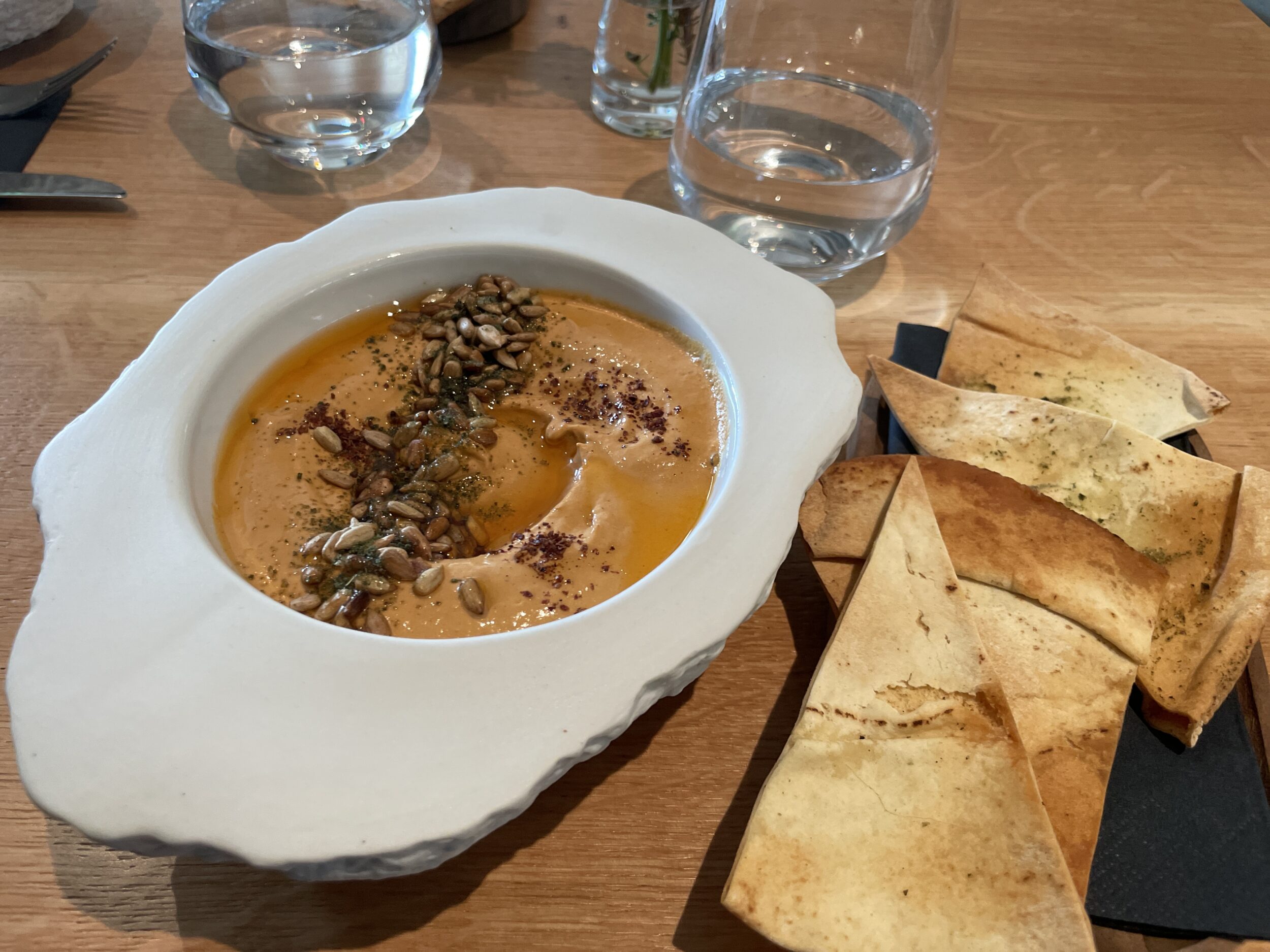
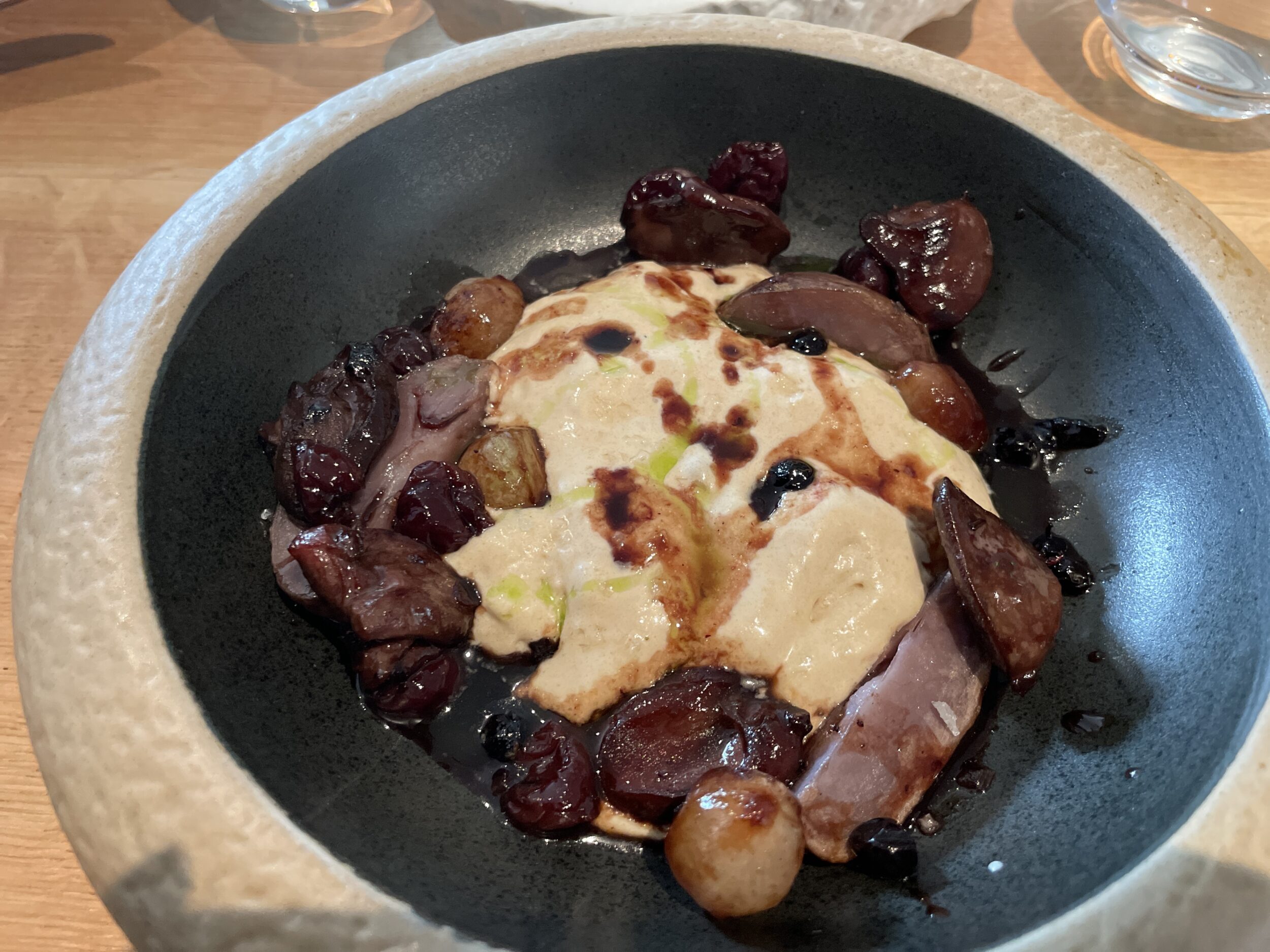
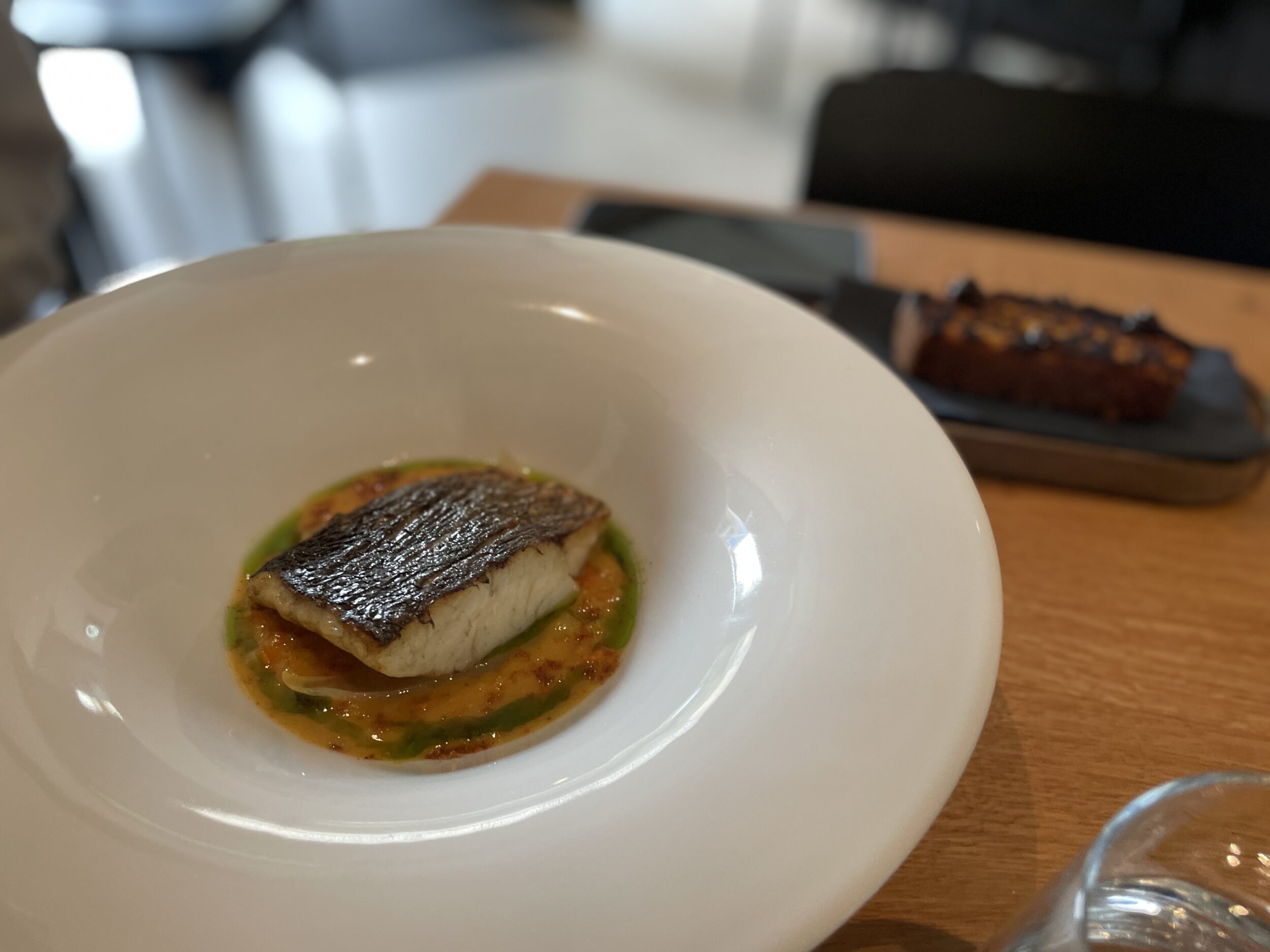
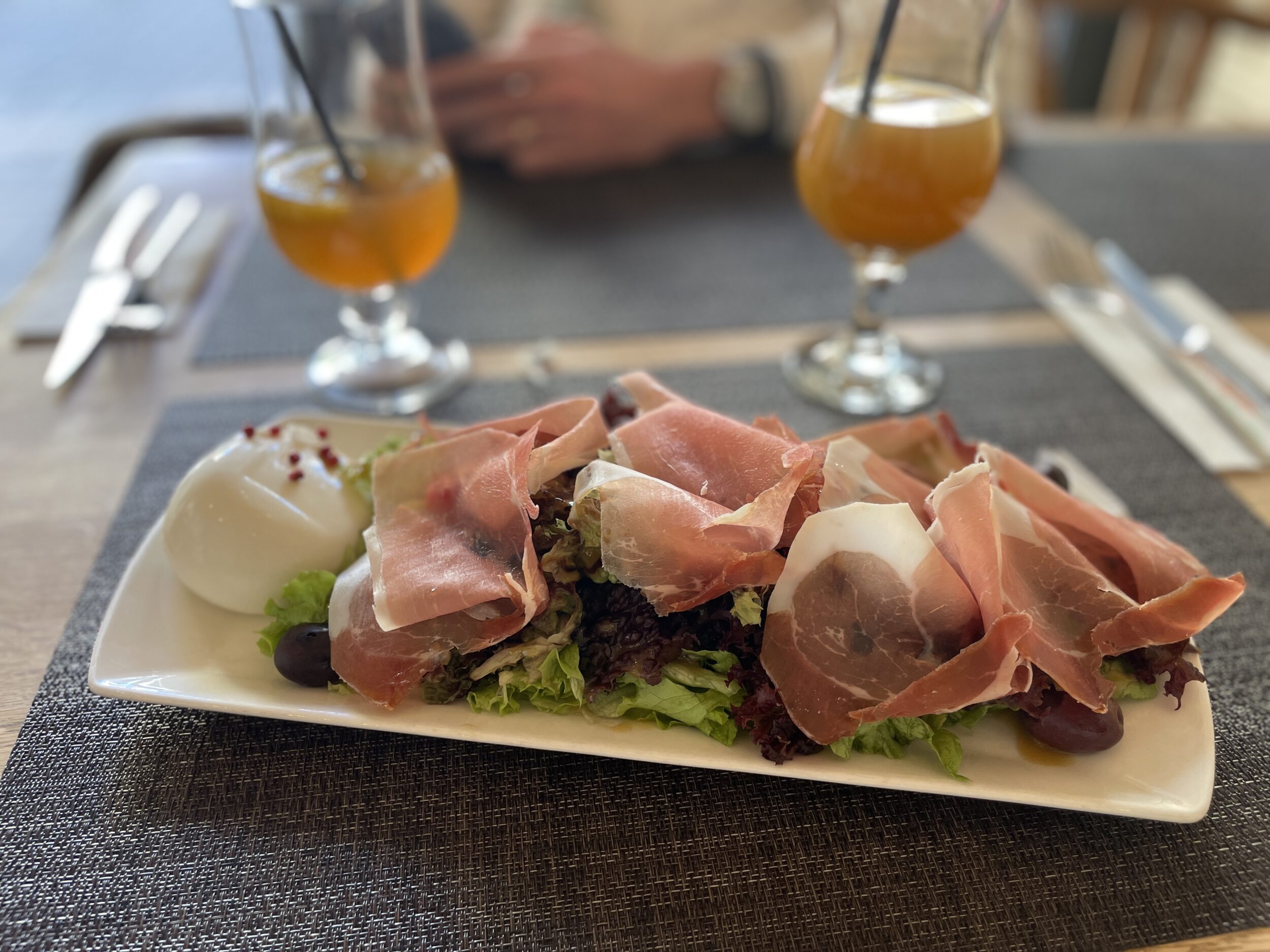
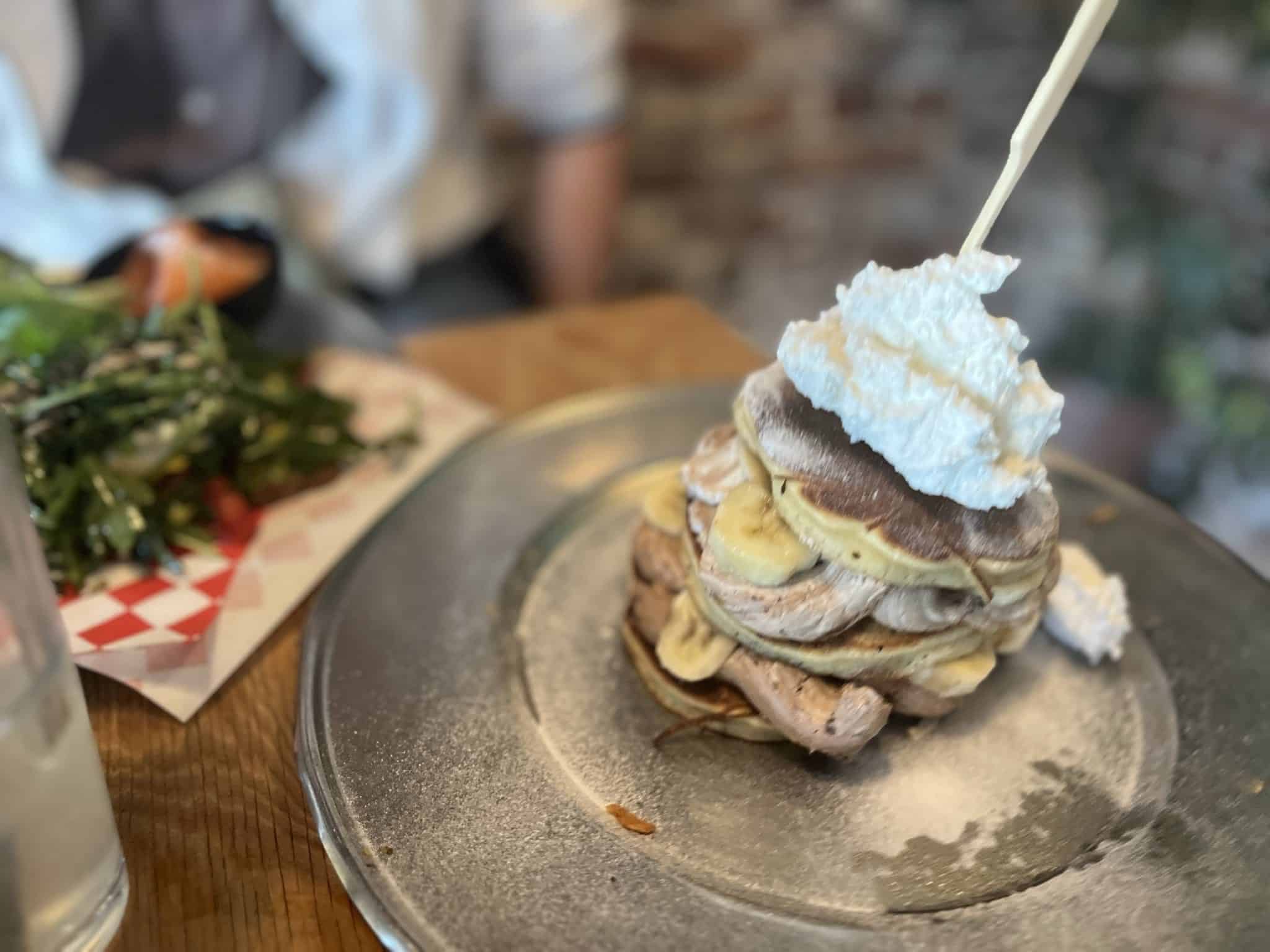
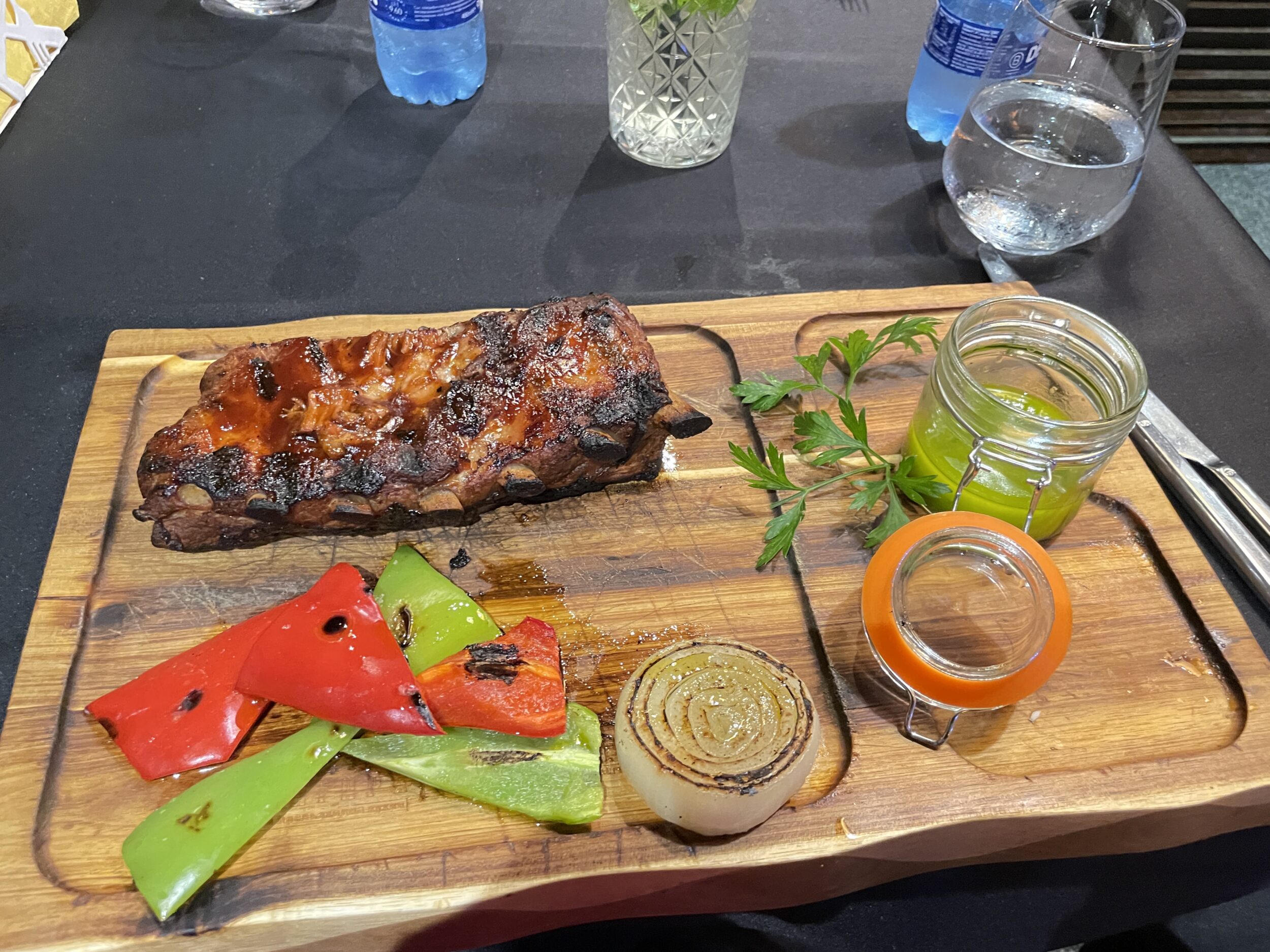
In any case, we eat really well in Sofia once you know the places. However, on weekends, I feel like there aren’t enough restaurants for everyone because there’s always a long line in front of every place, even at 3 p.m., and you have to fight to get the waiter’s attention. On weekends, we prefer to stay quietly at home, buy a rotisserie chicken, or cook.
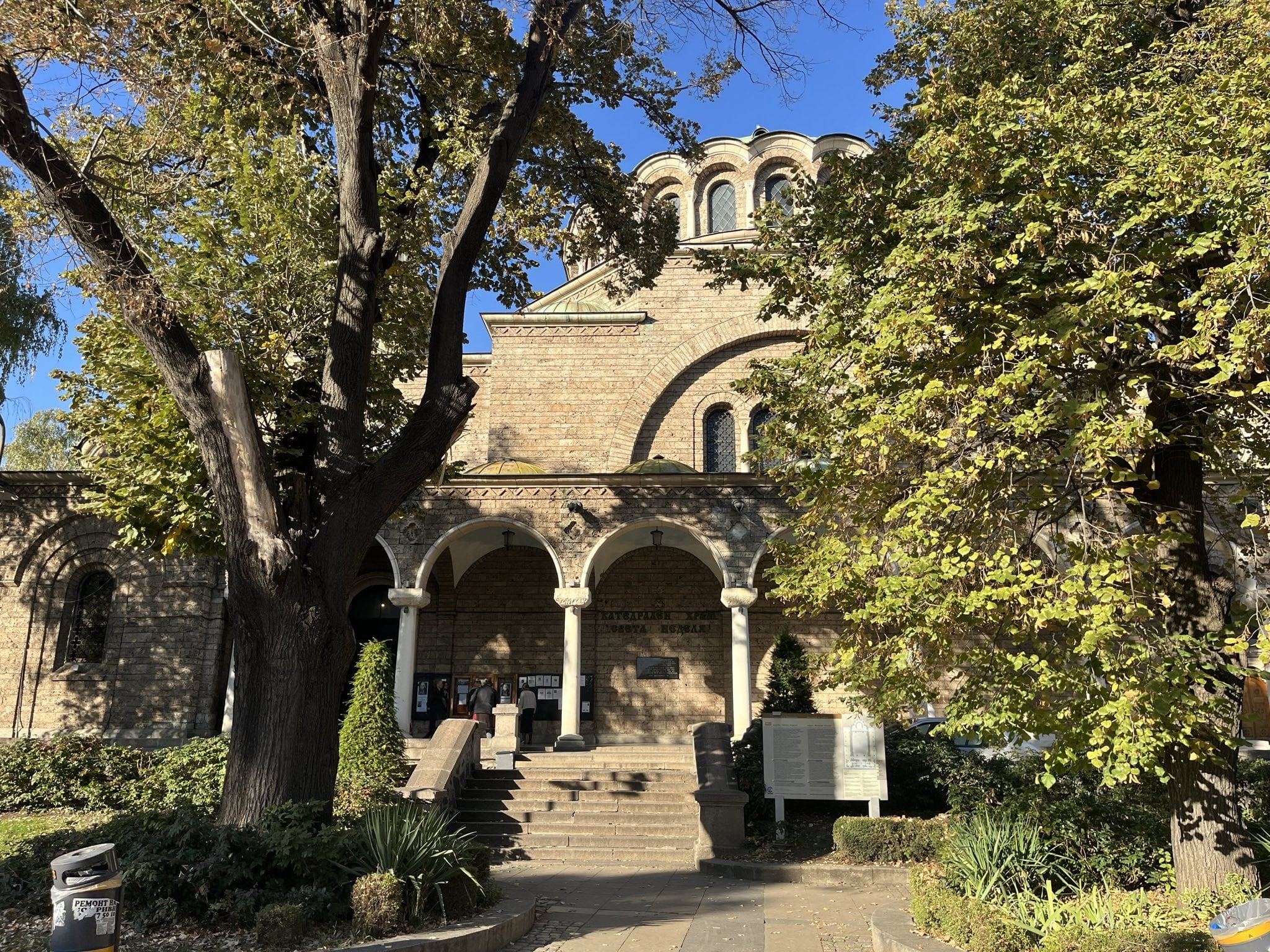
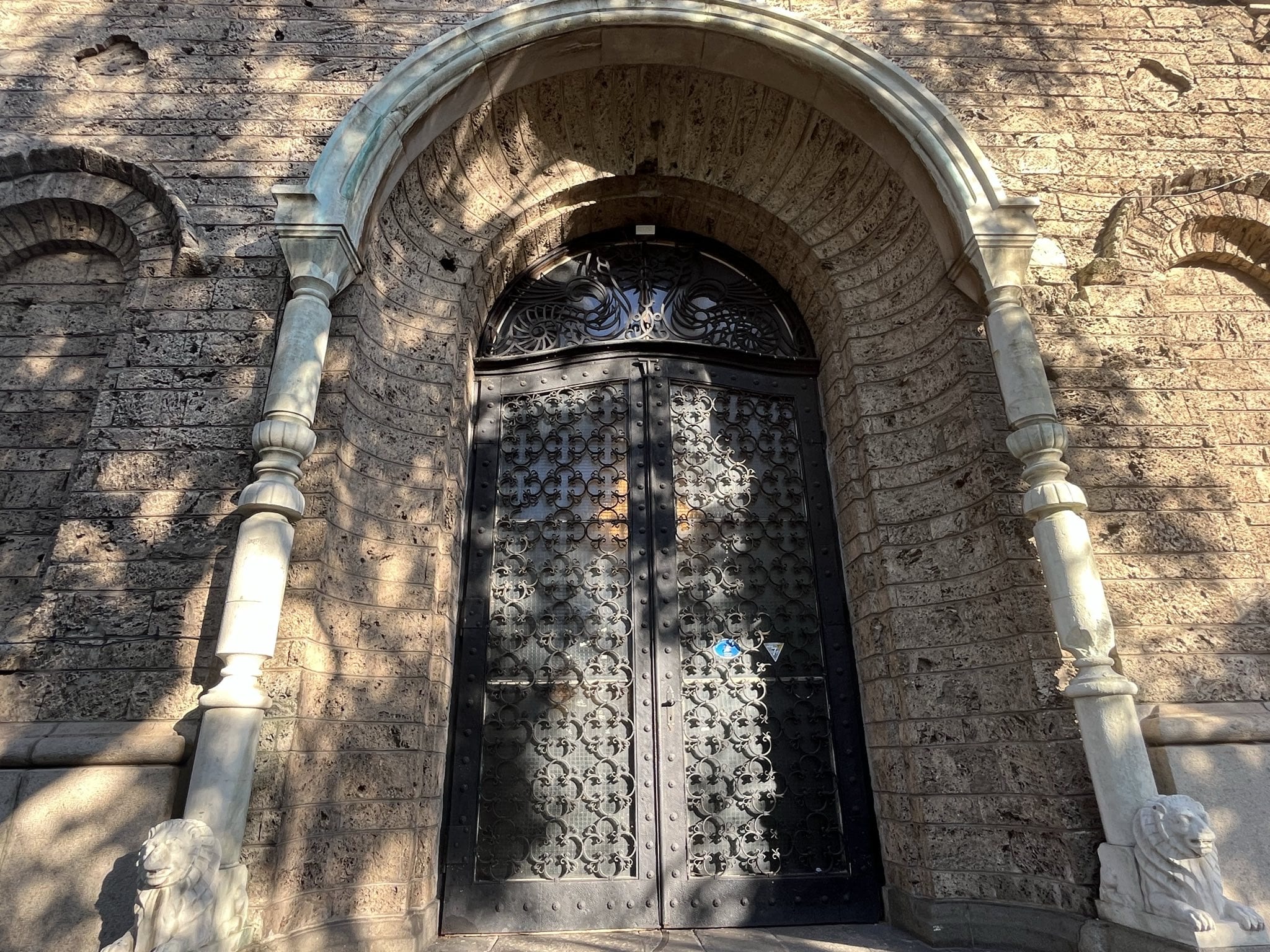
During our stay in Sofia, we barely visited anything. Except for an Orthodox church that’s on our way (I’ll just show you the exterior because you have to pay to take photos inside), whose interior resembles the Dark Church seen in Goreme, Turkey…
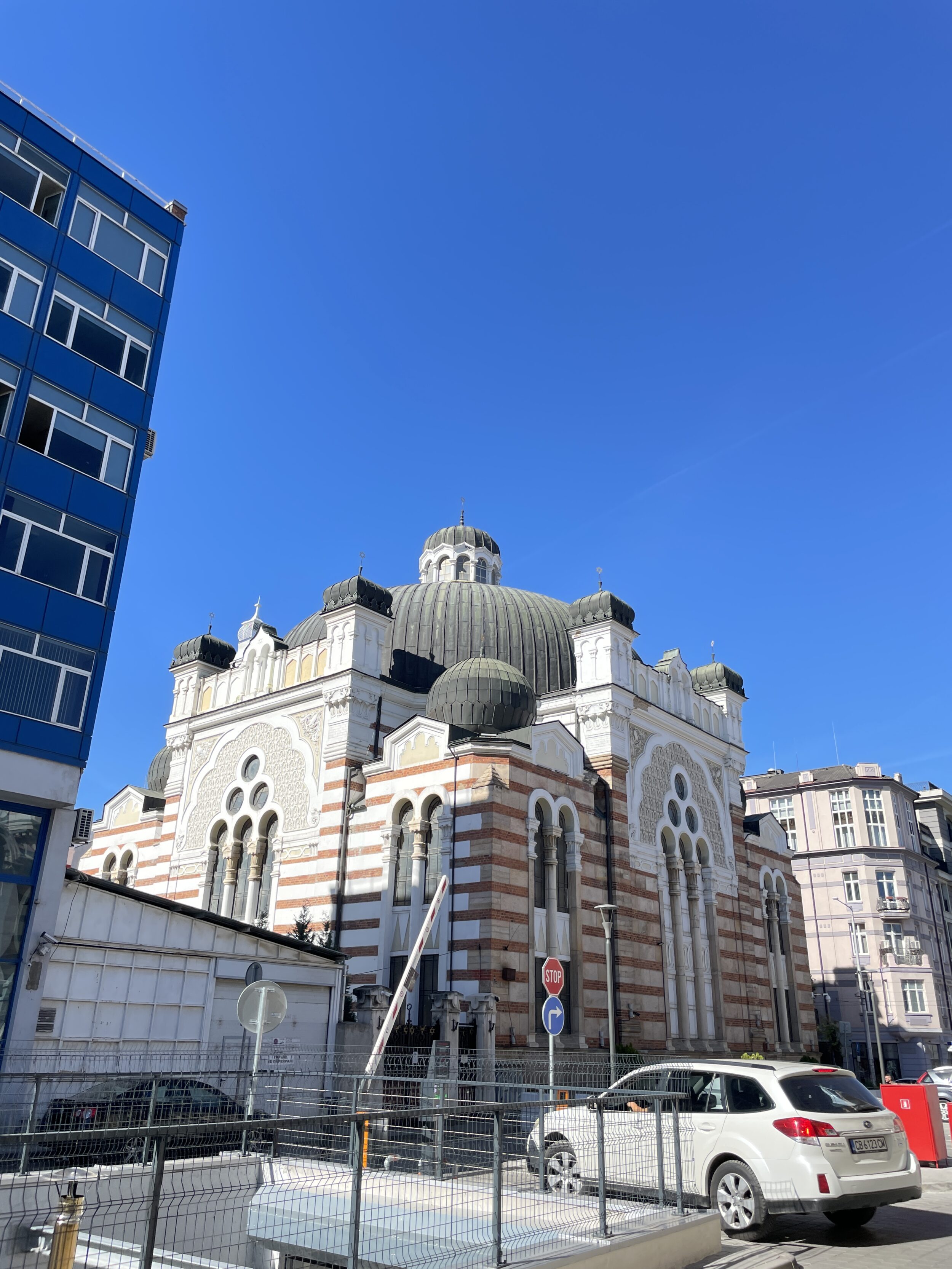
There’s a very beautiful and large synagogue in the area, but we couldn’t find the entrance door, so we passed by it about twenty times but never had the chance to go inside.
The Romans in Sofia
In the basement of the market halls, there are archaeological remains. Once, while walking in the center, we found some too.
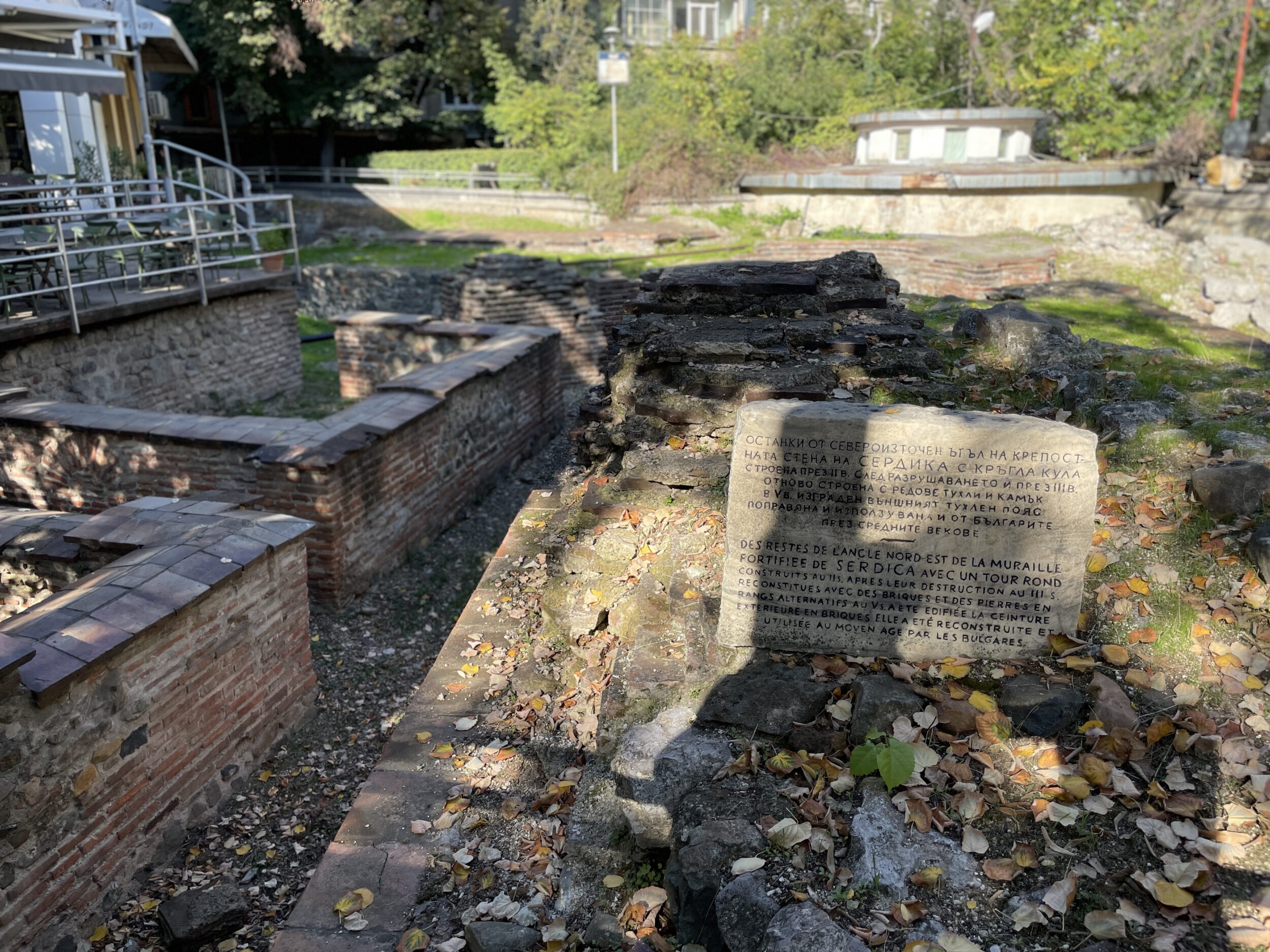
In the book “N’espérez pas vous débarrasser des livres” (Amazon link) by Umberto Eco and Jean-Claude Carrière, the latter mentioned a Roman amphitheater almost as big as the Colosseum in Rome inside the 5-star hotel Arena di Serdica Boutique Hotel. Unfortunately, due to Covid, this hotel went bankrupt, and the amphitheater is now condemned, with the public no longer having access.
“I recently found myself in Bulgaria, in Sofia. I check into the Arena Serdica hotel, which I don’t know. Upon entering, I realize the hotel is built on ruins that can be seen through a large glass panel. I ask the hotel staff. They explain that there was indeed, right on this spot, a Roman coliseum. Astonishment. I didn’t know the Romans had built a coliseum in Sofia, a monument which, they add, was only ten meters smaller in diameter than the one in Rome. Huge, then. And on the outer walls of the coliseum, archaeologists have found sculptures that are like posters depicting the shows that took place there. You can see dancers, gladiators of course, and something I had never seen before: a fight between a lion and a crocodile. In Sofia!
Excerpt from “N’espérez pas vous débarrasser des livres” by Umberto Eco and Jean-Claude Carrière
Suddenly, my memory of Bulgaria, already shaken by the discovery of Thracian treasures a few years earlier, discoveries that pushed this territory far back into the past, further than Greece, was deeply unsettled. Why a circus of this size in Sofia? Because there were, I was told, hot springs that the Romans highly appreciated. Then I remembered that Sofia is not far from where poor Ovid endured exile. And there it was: Bulgaria, whose Slavic ties I thought were undeniable, had become a Roman colony!”
Combining with the previous text, this is a historical discovery narrative where the author learns about a Roman coliseum in Sofia and realizes the importance of Roman influence in Bulgaria, a country he mainly associated with Slavic culture. The presence of hot springs and the proximity of Ovid’s exile location reinforce this unexpected historical connection with Rome.”
JB has felt a slight dizziness since we arrived in Sofia, so he changes his glasses (200 euros). Every time, JB changes glasses in Sofia; last time it was due to a broken lens. It must be a “glasses city.” An optician who speaks English takes measurements for JB. He is very meticulous, and we get a lesson on corrections and the strategy to adopt in this specific case, why we aim for 8/10 instead of 10/10. All the equipment and lenses from the optician are produced by Essilor, he thinks they do a great job. He tells us we should be proud that a company like Essilor is French. Meh, whatever… 😀
Yi King & destiny
During our stay in Sofia, I was able to resume reading, and it does me a world of good! I also have to finish translating a Chinese book that I really like. It’s a book about the Yi King, and since no translation exists, I have to do it myself. I’m on volume 5 (out of 6). I still don’t speak Chinese, but with AI, translation is a piece of cake.
The hardest part is correcting translation errors and ensuring fluidity across all 6 volumes. I’ve already told you how I code for that. To correct errors, you first need to know a bit about the subject. And when a sentence seems obscure to me, that’s when I detect a translation error. It’s often linked to context: the AI can’t interpret the context correctly, or the optical character recognition (OCR) doesn’t work well, which often happens with Chinese characters. It’s very difficult work, and the more experience I gain, the more I think I didn’t correct the first 3 volumes as well as I thought, and I’ll probably need to go over them again. But I promise, this project will end someday! 😀 I’m translating the book into Vietnamese, so you’ll never get the chance to read it, but know that the essential things are already summarized here.
Correcting the translation means I know the book almost by heart. It’s an excellent way to learn. Especially for such a difficult subject. For astrology, it took me 2 years to roughly master the subject and find my own method. Learning the glyphs was difficult at first. But hey, there are only 10 planets (including the sun), 12 zodiac signs, 10 houses… whereas with the Yi King, you need to know 64 hexagrams, and for each hexagram, there are also 6 lines, that’s a lot! I’ve been studying it for a year and a half and it’s all still fuzzy in my head.
While working on the translation, I thought back to certain people who have crossed my life. Since the Yi King is a reflection of life, each line (out of 384) represents a type of character: the intellectual, the brown-noser, the rich, the lord, the poor, the guy who gets sidelined, etc., and I think, “yes, I know who that reminds me of.” And out of curiosity, I went to check their LinkedIn profiles.
That’s where you see that karma doesn’t necessarily take effect right away. Some bad people are now sidelined, others dead, but some still achieve positions way too high given their lack of kindness. Anyway, when you see an author like Paulo Coelho, with no literary talent, selfish and greedy, succeeding in life; or Steve Jobs, a jerk – because they did implement many concrete actions – you think you probably need to consider a longer period. There are people like that who benefit from the fruit of their good deeds from past lives + their concrete efforts during this life (even if it means trampling others but they are highly motivated and spiritual): Karma only awaits them in the next life.
Following this reflection, I started reading more about 八字合樂 (Bā zì hé lè) and 紫微斗數 (Zǐwēi dǒu shù), two Chinese methods to see if a person is “born well”, and how their life will evolve thereafter. There are those who are born well and after 30-40 years, the positive karma from previous lives is exhausted and they reap what they sow in this life. There are others who are born well and remain happy and lucky all their lives – no matter what they do, because the good karma from previous lives manages to offset the evil committed in this one. There are many different cases…
To navigate this life well, you need to know how to take advantage of the benefits offered at birth, but also cultivate your karma (for this life and future ones), and seize opportunities exactly when they present themselves. Sidereal astrology or the I Ching or 八字合樂 (Bā zì hé lè) allow you to see when the next opportunity will arrive. Destiny exists, but so does free will; you can always modify it as you wish (cf. my other article here).
After Sofia, we take the night train to Istanbul, where we will stay for 8 days.
Part 2: Practical Tips
- Paris – Sofia round trip with WizzAir: about 150 euros/person
- Round trip shuttle from Beauvais: 38.90 euros
- Restaurants:
- Soups: about 6 euros
- Sushi: about 11 euros
- Touristy restaurants: between 10 and 15 euros
- Sauna/hammam/pool access at the Hyatt spa: about 27 euros for a pass with gym access too
- Airbnb: 980 euros for a month

